

US veterans-turned-founders find natural transition, freedom in life as entrepreneurs
July 4, 2019 | Rashi Shrivastava
Military service offers parallels to entrepreneurships — whether engaged in battle or a boardroom, said Andrew Belt.
“One of the things that has always helped me in operating my business is my ability to analyze the environment and be vigilant,” said Belt, a U.S. Marine Corps veteran and serial entrepreneur behind Lenexa-based property services firm Vettera and the telecounseling and health startup aloe.
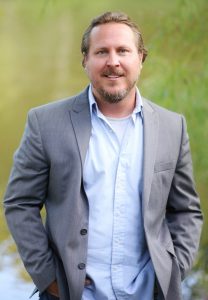
Andrew Belt, Vetterra, aloe
Andrew Belt, Vetterra, aloe
While now worlds away from the combat zone in Liberia, military skills — including diverse cultural and economic touch points — prove useful when veterans-turned-founders trade internationally on the global business playground, Belt said.
“There’s something unique about American freedom and a lot of it has to do with the ability of our entrepreneurs to produce, penetrate and participate in the economic engine world wide,” added Belt, whose previous firm, ValVets, an appraisal management company based in the Kansas City area, sold to a Canadian public company in 2016.
When his career dipped into the banking industry, he noticed chaos in the form of shifting regulations of valuation and a mortgage industry that was falling apart, he said. It was the right time to enter the market, Belt said.
He’d dealt with disruption firsthand before, he said.
“We were in a city called An Nasiriyah in Iraq, and we were in the middle of a firefight realizing that a 2,000-pound bomb was going to be dropped on our position,” he said. “It required some really quick thinking and the ability to separate out the real problem from all the chaos.”
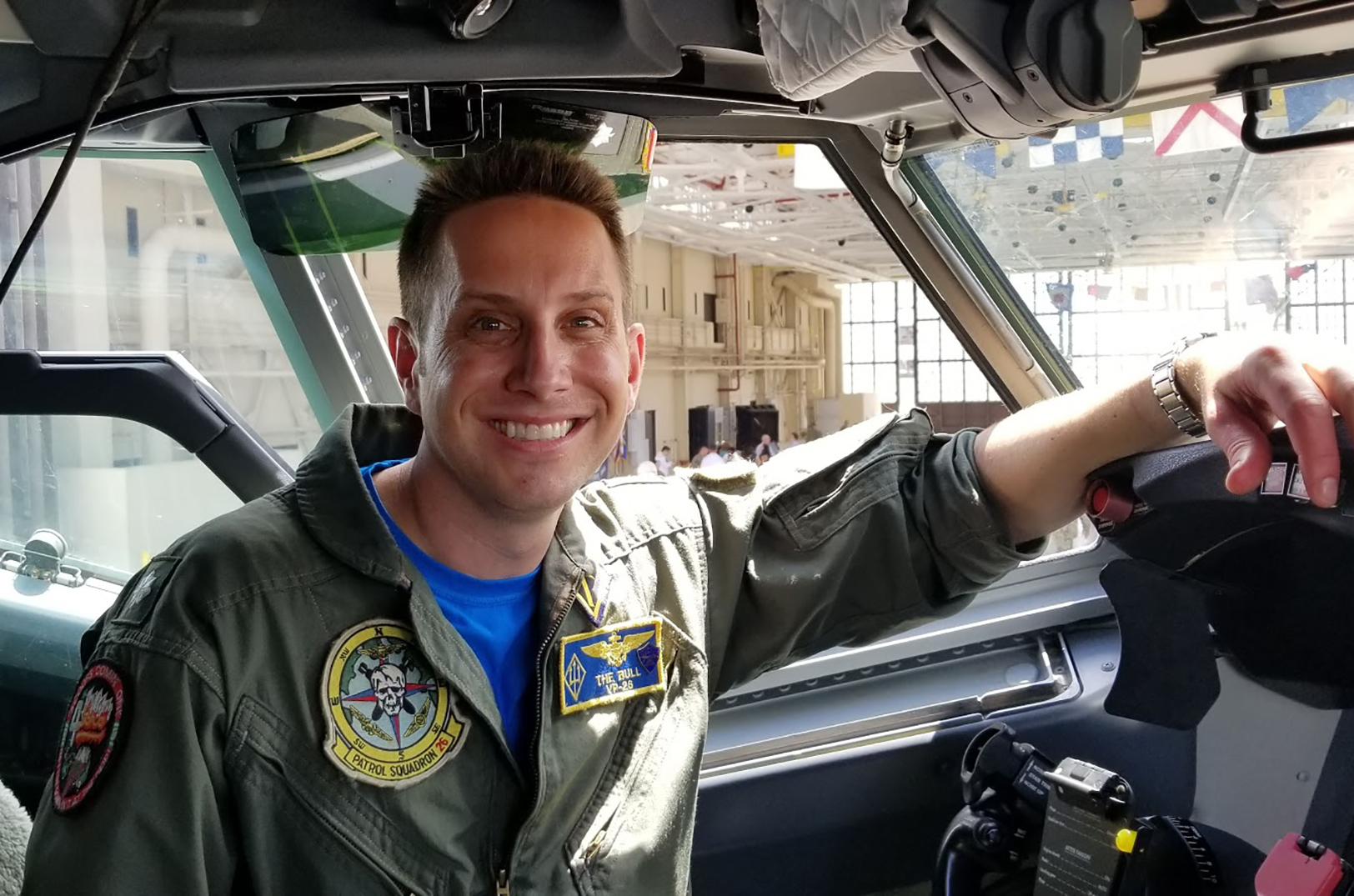
Another perk of building a business after military service: the worldwide network of bonds and connections available to many veteran founders, said Glen Dakan, who served in the U.S. Navy as a pilot for 11 years before transitioning into the Navy Reserve.
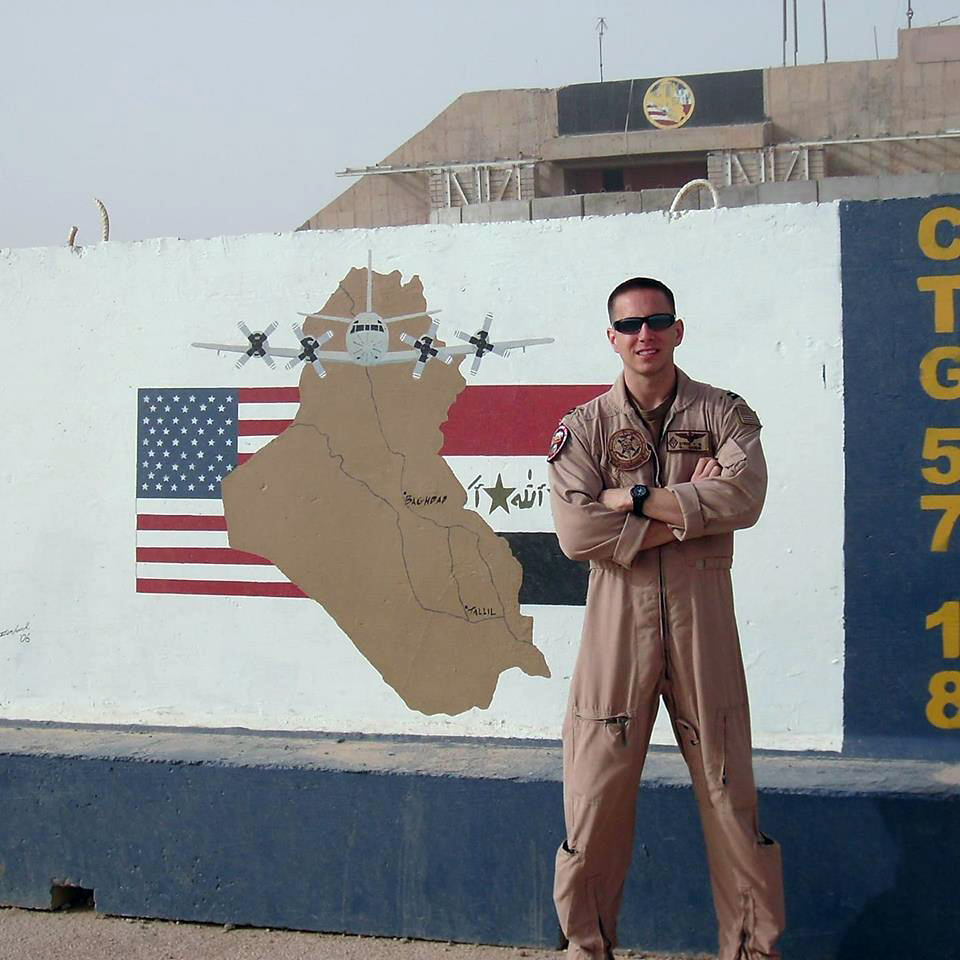
Glen Dakan, Liquify Group, Prestio
“You form connections with people that you meet in other countries, you get an understanding on how the government works or what industry is popular there,” said Dakan, co-founder of Liquify Group, an online shopping website for used office equipment.
In India, China and the Middle East, Dakan saw a huge demand for rare equipment that businesses are looking to sell — either because they’re going out of business or simply no longer have use for it, he said.
Dakan, who is also the founder of Prestio, an online car dealership firm, sold a car to a friend in the Middle East in 2016.
“So I have a friend who lives in Baghdad, and he’s in the medical community and we’re looking at how we might be able to help furnish his lab with equipment out there,” said Dakan.
More than being a profitable endeavor, international business is about human connection, said Dakan. After living in Iraq for two years, he developed an affinity for the country and its people, he said.
“It’s the idea of fulfilling a need and giving a new technology access to place that now has money, and is trying to restabilize. I want them to do well,” said Dakan contrasting the experience of reading the news and being physically immersed in a country’s culture.
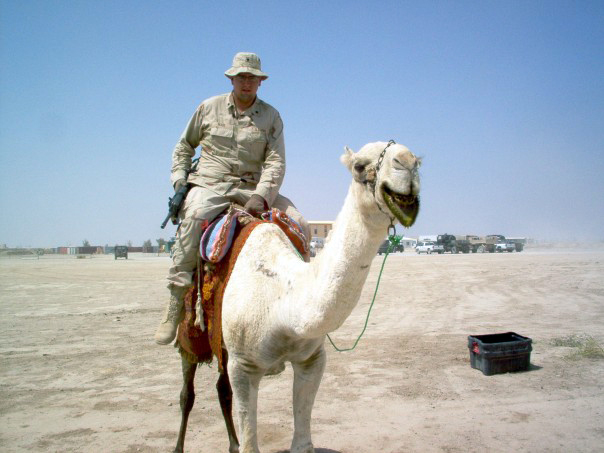
Luke Wade, KC Crew
The military teaches discipline, structure and organizations, all of which are integral for entrepreneurs, said Luke A Wade, founder of KC Crew Rec Sports and Special Events.
Wade, who celebrated his 21st birthday overseas while deployed to Iraq, joined the Army National Guard when he was 17. Seven years ago, when Wade was looking for a place downtown where he could play out his love for sports with his friends, he created KC Crew.
“Most businesses can’t run without some sort of structure, whether that’s the budget forecasting or a system of who’s in charge, and who’s following rules and orders. The military is very well known for its structure,” he said. “So I think it’s a natural transition for anyone who has been in the military to move into an entrepreneur role.”
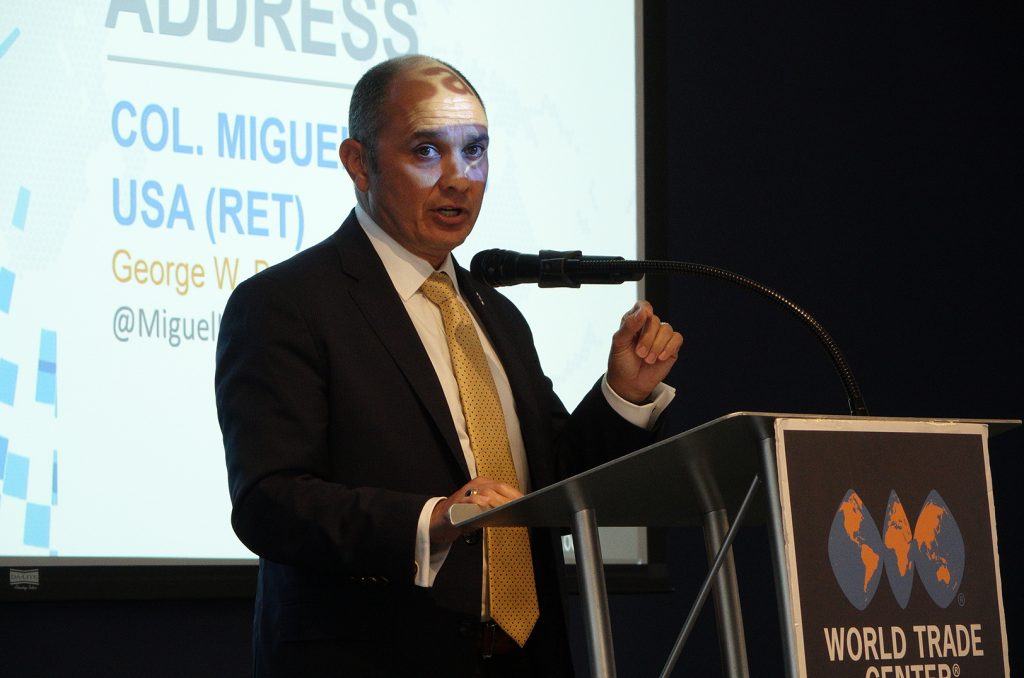
Col. Miguel Howe, George W. Bush Institute
About 14 percent of all veterans become entrepreneurs, said Col. Miguel Howe, putting the transition into numbers. Howe served in the U.S. Army for more than 24 years and had the opportunity to visit 43 countries, he said.
“At the end of the day, entrepreneurship rewards effort,” said Howe, a fellow at the George W. Bush Institute who recently spoke in Kansas City. “As of 2018, there are 2.5 million small businesses owned by military veterans, which generate over 1.1 trillion in receipts.”
Building the economy and supporting veteran entrepreneurs go hand in hand, said Howe.
“The same types of qualities and traits that made them successful in the military, align perfectly in terms of starting a business. Whether that is skill, character, values or the work ethic that is required in military service, those equip them to succeed as an entrepreneur as well,” Howe said.
This story was produced through a collaboration between Missouri Business Alert and Startland News.

Featured Business

2019 Startups to Watch
stats here
Related Posts on Startland News

Look inside (and out): Corrigan Station expansion offers startups skyline views from within Crossroads
Decades have passed since the last new office building opened in the Crossroads Arts District, said Edna Martinson. In a matter of weeks, startups and small businesses can “create their own vibe” when the 22,910-square-foot Corrigan Station expansion project — led by Copaken-Brooks — unlocks its doors and opens them to Kansas City innovators, added Martinson,…

$18M buyout of TomboyX shares shows investing in women pays off, says Women’s Capital Connection
Women are winning in Kansas City, said Kelly Sievers as 24 members of Women’s Capital Connection receive their return from an $18-million buyout of their shares in a Seattle woman’s startup. “They’re getting a great infusion of capital to grow even more and we also still have money in the company because we invested a…

Bungii launches on-demand hauling in Chicago; quirks of new markets steering KC startup’s agility
Bungii is quickly seeing results in the third-largest U.S. city, as the sharing economy startup leaves its tire prints on yet another market. “It’s early, but we are seeing very positive KPIs [key performance indicators] from the Chicago launch. It’s our fastest-growing record to date,” said Ben Jackson, co-founder of Bungii, which was founded in…
Connecting for Good refurbishes The Surplus Exchange with merger championing digital inclusion
Two Kansas City nonprofits are melding their expertise into a spearhead against the digital divide. “This is just the beginning of what will be a long-term love affair between Connecting For Good, digital inclusion, environmental leadership, and the Greater Kansas City metro and regional area,” said Tom Esselman, CEO of Connecting for Good. The Kansas…