

Travois earns rare B-Corp status for longtime work to ‘fill the gaps’ caused by 200 years of broken promises to Indian Country
July 9, 2019 | John Jared Hawks
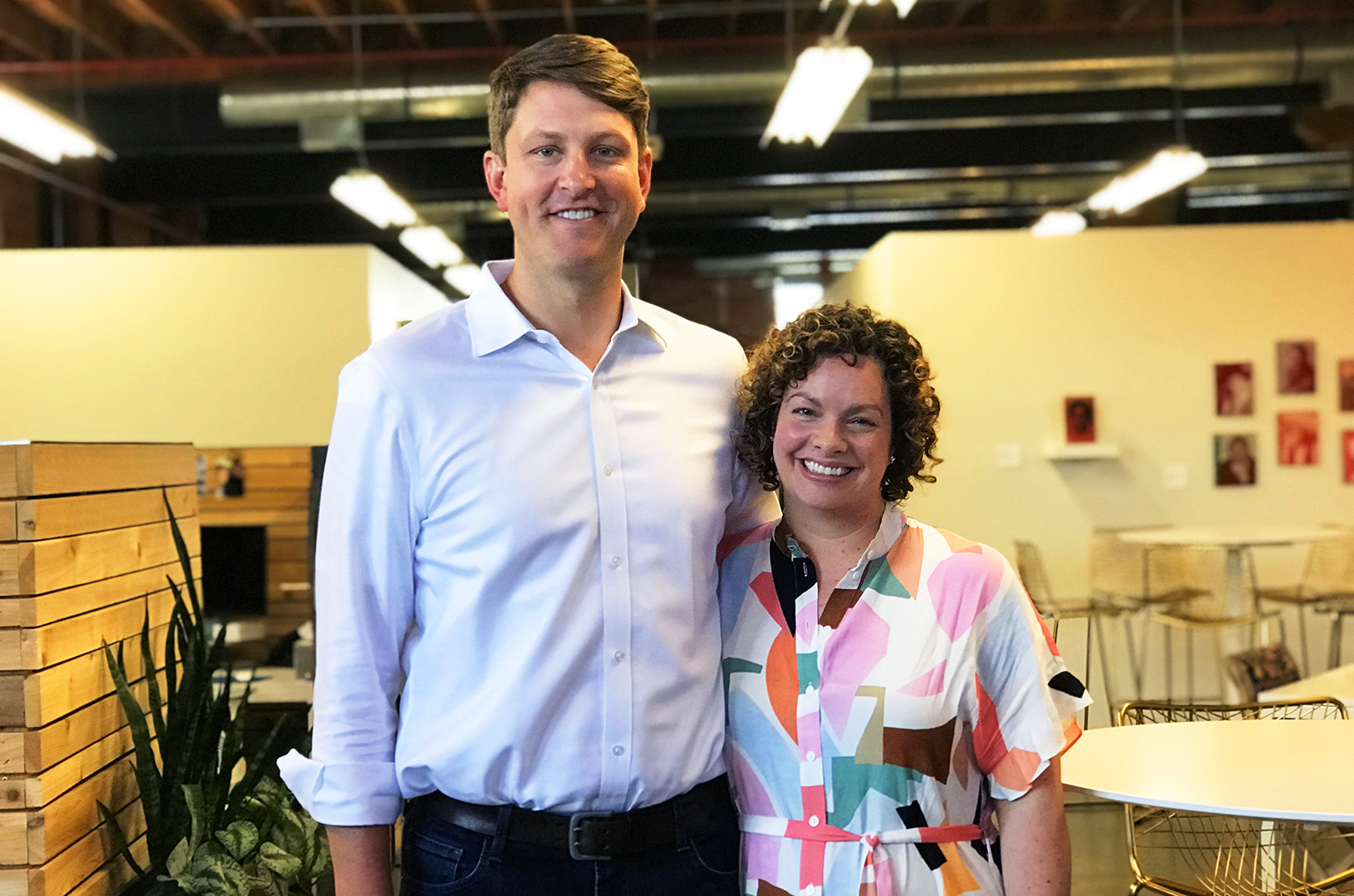
Obtaining one of the world’s top scores as a Certified B Corporation is just the beginning for Kansas City-cultivated Travois.
“Part of why we are different is because [the product] we have and offer is really impactful,” Elizabeth Glynn, CEO, said in explanation of how Travois — a company that promotes housing and economic development for American Indian, Alaska Native and Native Hawaiian communities — works to develop strong, sustainable communities.
Travois earned a Certified B Corp impact score of 134 — out of 200 possible points — in April, making it the third Missouri company to do so and the highest-rated in the state, noted Glynn’s husband, Phil Glynn, Travois president and 2019 Kansas City mayoral candidate.
Nationally recognized companies such as Patagonia, Ben & Jerry’s and Athleta top the certification list.
“One of the things that B Corp measures is benefit activities — our core business is a benefit activity,” declared Phil Glynn. “Nothing against Ben & Jerry’s, but if you’re a consumer product company … its kind of like ‘We make a thing,’ but we also want to try to be a really good company and treat our people, treat the world well … but it’s over here on the side.”
Click here to learn more about Certified B Corp companies in Missouri or here for a look at those on the Kansas side, which includes Hillary’s Eat Well.
At Travois, every business decision is run through a lens of people-focused impact, said Phil Glynn.
“Working with our clients to make the world a better place is the core business. That’s what we’re paid to do. It’s what we hire people to do. It’s what our board tells us to do … what our investors expect us to do. That is our core business, “ he said of reasons why the company secured such a high score.
Unranked in the rating: compassion and understanding, traits that drive business at Travois, said Elizabeth Glynn.
“The United States government has failed over the centuries to live up to the promises they made in exchange for treaties that were signed with tribes,” she added, detailing Travois’ work in Indian Country — the term used by clients to define all U.S. land inhabited by indegnious peoples.
“To understand our business, you have to understand the situation that a lot of tribes are in today, which is a severe under investment in infrastructure and affordable housing and all the other things that communities struggle with — but Indian Country started at a place that was even further disinvested,” she elaborated.
As forgotten communities across the U.S. found revitalization, Native American reservations were further neglected, she explained, further detailing the need for and mission behind Travois.
“When our business started, affordable housing was a crisis on Indian reservations. It remains a very, very difficult thing in many communities — but we’ve made a lot of strides and we’ve helped our clients build over $1.4 billion worth of economic development and affordable housing in our almost 25 years,” she said, adding that Travois is second only to the U.S. government in total investment in such communities.
Building such infrastructure as roads, sidewalks, and sewers in addition to providing communities with access to food, healthcare, water, and electricity are key focuses for Travois, the couple said of what’s to come.
“We do have the luxury and the privilege of helping really move forward some of these amazing projects all at the direction of our clients,” Elizabeth Glynn said. “We have great connections and we have employees who can really think creatively about how to solve problems. …We have an enormous pipeline of deserving projects and there’s never enough money out there for all of them but we’ve had more success than most …”
Investing in communities also brings businesses to the table and helps revitalized areas build a future, noted Phil Glynn.
“Tribes have to fill in the gaps from all these broken promises by the federal government for 200 years,” he said. “[What we do is] all about the communities. Take the lead. Say what the goals are.”

Featured Business

2019 Startups to Watch
stats here
Related Posts on Startland News

Fund Me, KC: KCGeoLab is bringing geographical science, open data to the mainstream
Editor’s note: Startland News is continuing its new segment to highlight area entrepreneurs’ efforts to accelerate their businesses. This is an opportunity for entrepreneurs to share their stories to gain a little help from their supporters. If you or your startup is running a crowdfunding campaign, let us know by contacting news@startlandnews.com Who are you?…

KC mom turns entrepreneur to help kiddo’s kidney condition
In 2013, Tamra Johnson’s daughter faced a life-or-death situation. After contracting an E. coli bacterial infection, Johnson’s daughter, Maleena, lost function to both of her kidneys. Fortunately, a kidney transplant from Maleena’s father, Jamie, saved her life, but it created a new problem: hydration. Maleena was expected to drink over four liters of water per…

Focused on KC, the Lean Lab welcomes five new ed tech startups
The Lean Lab, a Kansas City-based education tech accelerator, is returning for its fourth year with a new approach that aims to be more community focused and sophisticated. During a Tuesday event, the Lean Lab announced the five new startups in its 2017 cohort at a breakfast at the recently renovated Corrigan Station. Katie Boody,…

Innovation coach Diana Kander: Failure is an option
Editor’s note: The opinions expressed in this commentary are the author’s alone. Yes, you could fail, and it would be embarrassing. People would talk about it. People you know. But let’s be honest, they’re only trying to reassure themselves about the risk-averse choices they’ve made. Yes, you could fail, and it could get you fired. I’m…