

Railroad remedy: Fishtech-backed app could bring added efficiency to local transit system
July 3, 2019 | Austin Barnes
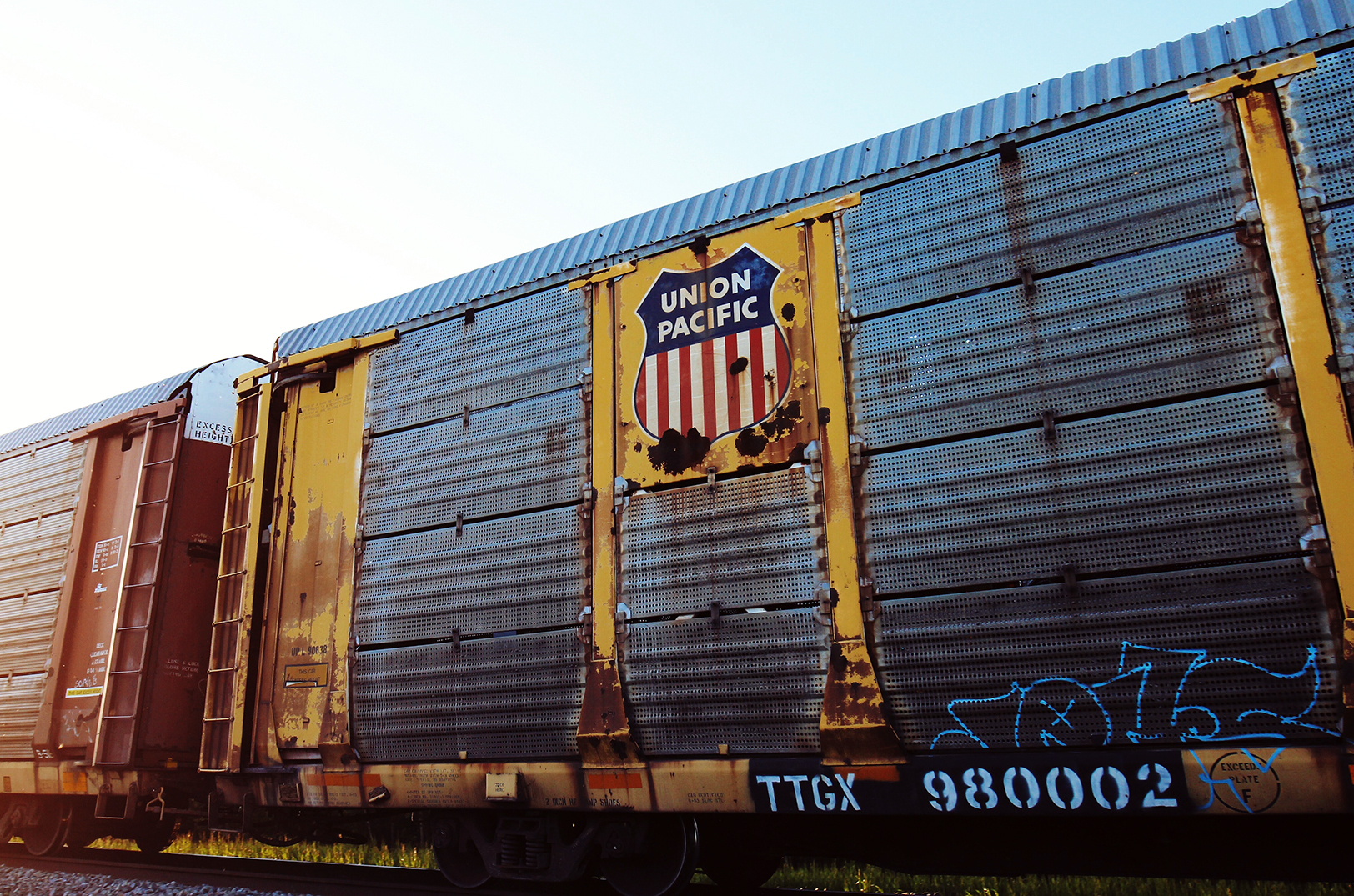
What started out as a joke between coworkers at Fishtech Group, could solve a community-wide pain point in Martin City — and beyond, explained Michael Wilson.

Michael Wilson, Fishtech Group
“Every single day there’d be a train come by, blowing its horn, interrupting us on conference calls and they would also make a lot of people late for meetings,” Wilson, director of engineering at Fishtech, said of the problem he and his colleagues face working at the company’s sprawling, Martin City cyber campus.
“It’s a daily thing. We are right next to the train tracks,” he emphasized, referencing the startups location along Holmes Road.
“Gary [Fish, founder and CEO] had the idea of putting something out there to track when the trains come and what time of day they come, how often they come,” Wilson noted, detailing the development of a company-backed web application that tracks trains through Martin City in real time.
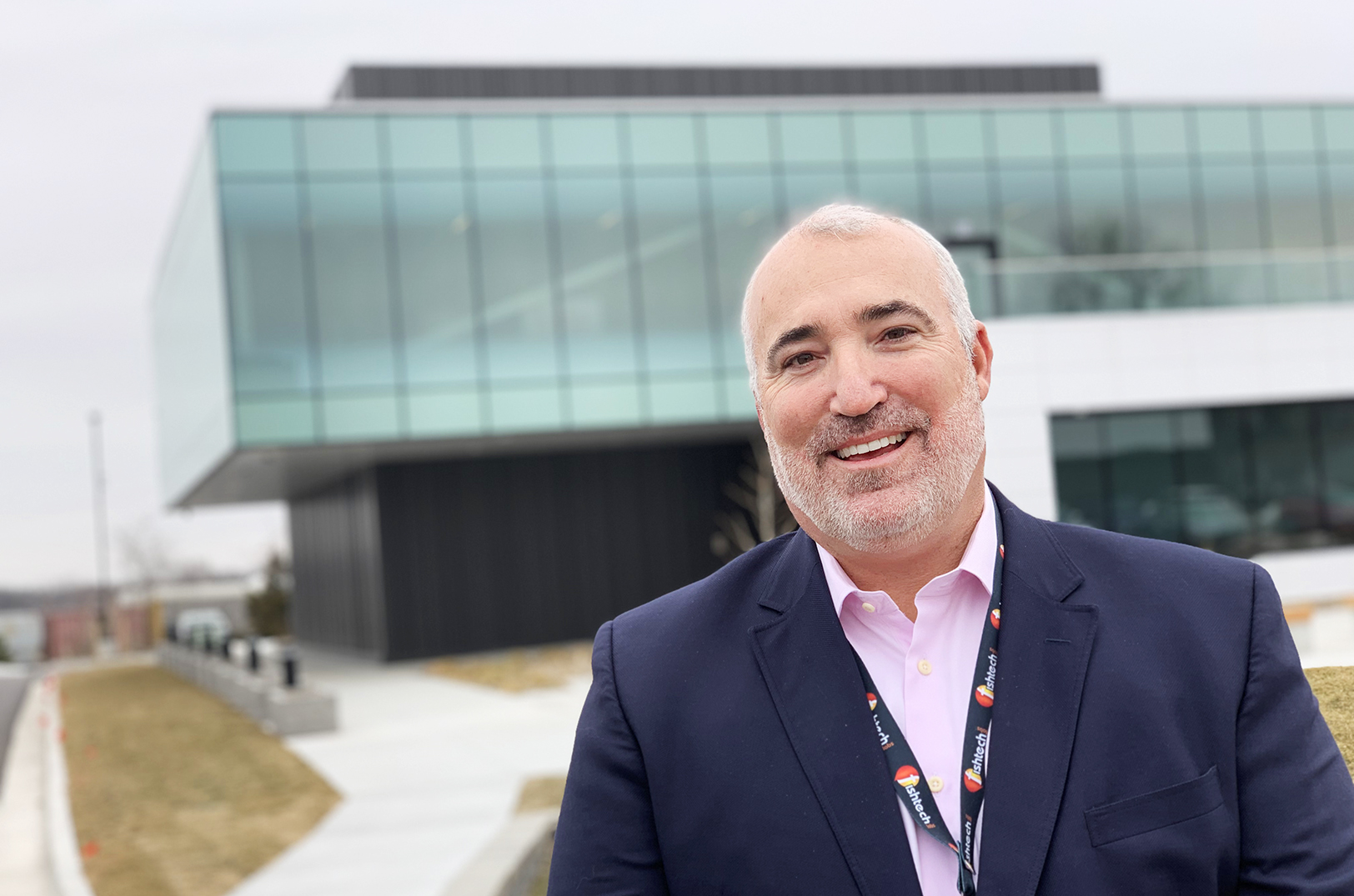
Gary Fish, Fishtech Group
“We used a lidar sensor to track whether or not there is a train on the tracks. And that was kind of the very first objective. We just wanted to know,” he said. “If I’m driving into work, I can pull up this app and see, is there a train on the tracks currently? And if so, we have alternate paths where we can go and bypass that particular train track.”
Additionally, the Fishtech-backed app works to predict when a train will make its way down the tracks, Wilson explained.
“We took the data from about two- to three-months worth of training and we ran it into some models. We had the best success with this one library that got us to about a 70-percent certainty within a period of about 10 minutes,” he said of the accuracy of the app.
“Whenever you actually look into how they’re scheduling the trains, everything’s actually pretty manual. There isn’t really a lot of routine to them,” Wilson said in reference to findings made by the Fishtech team, which included several wide-sweeping patterns.
“Weekdays there are times where the train comes up more often than not. It seems to come more before traffic starts and after peak hours of traffic,” he said. “We noticed there’s more trains, for instance, before 7 a.m. than there are between 7 and 9 a.m. There’s more between 10 a.m. and 3 p.m. than there is between 3 p.m. and 5 p.m.”
Taking the side project a step further, Wilson used hobby videogame building skills and crafted a user interface for the web app that mimics a retro arcade game — giving the tech some needed personality, he noted.
“I figured, you know, why not make this a fun, whimsical thing and also solve the problem that we have here in the office?” he said.
Beyond Fishtech’s campus, the app could easily be used to track similar modes of transportation, with potential to bring the Kansas City streetcar into a more predictable user interface.
“Depending on the location, the challenges that you would have with this would be that you would need to install those sensors in a variety of locations. Obviously the more sensors that you get, you’re going to have better readings and can predict things a little bit better,” he explained.
The streetcar currently runs its own tracking app, which can be downloaded for 99-cents, according to RideKC.
“[Our app] would definitely work for streetcars, as long as you could have power and Internet available wherever you put the sensors and you would have to own the location that the sensors were at, or have buy in from the city,” Wilson said of the Fishtech developed app and the added efficiency it could fold into the current RideKC platform.
As Wilson and his co-workers continue to push boundaries in the tech space, they’re ever eager for opportunities to innovate, he said, noting the app has taken a backseat as platform upgrades and other behind the screen changes take hold at Fishtech.
“It’s definitely a really cool passion project that we point to sometimes to kind of show our culture and the constant desire to innovate and just find ways to use technology in new, exciting ways to solve problems,” he said.


2019 Startups to Watch
stats here
Related Posts on Startland News

How Trump’s win on DEI means fewer fresh foods for KC’s east side; USDA rakes back critical grant for farmers market
An ambitious plan to create greater food security through urban farming won’t be entirely uprooted by efforts to dry up federal funding for projects linked to equity and access, said Alana Henry — but its harvest likely will yield dramatically less. “Doing right by people is always the right answer,” said Henry, executive director of…

‘Black-owned dining passport’ launches in response to Trump’s attacks on diversity
A new effort encouraging support for local, Black-owned businesses — many in Kansas City’s historically redlined neighborhoods — is a timely reminder of the purchasing power in each diner’s hands, said Brandon Calloway. Kansas City G.I.F.T. on Friday launched the first edition of its “Savor The Flavor” Black-Owned Dining Passport, which features 13 restaurants. Diners…
As ICE threat scares customers, Kansas City businesses urged to ‘protect people working for you’
Editor’s note: The following story was published by KCUR, Kansas City’s NPR member station, and a fellow member of the KC Media Collective. Click here to read the original story or here to sign up for KCUR’s email newsletter. After a highly publicized raid on a Mexican restaurant in Liberty, Missouri, earlier this month, immigration advocates and attorneys are rushing…
In Good Company: This ‘hidden gem’ offers escape from club chaos, KC’s corporate nightlife
A new East Crossroads venue on McGee offers no clues of what’s inside. The black facade out front features no marquee. No neon lights. It’s the first indication that In Good Company is something different from neighboring Power & Light District hot spots. The goal: Good people. Good drinks. Good vibes. “It’s not a club.…