

Railroad remedy: Fishtech-backed app could bring added efficiency to local transit system
July 3, 2019 | Austin Barnes
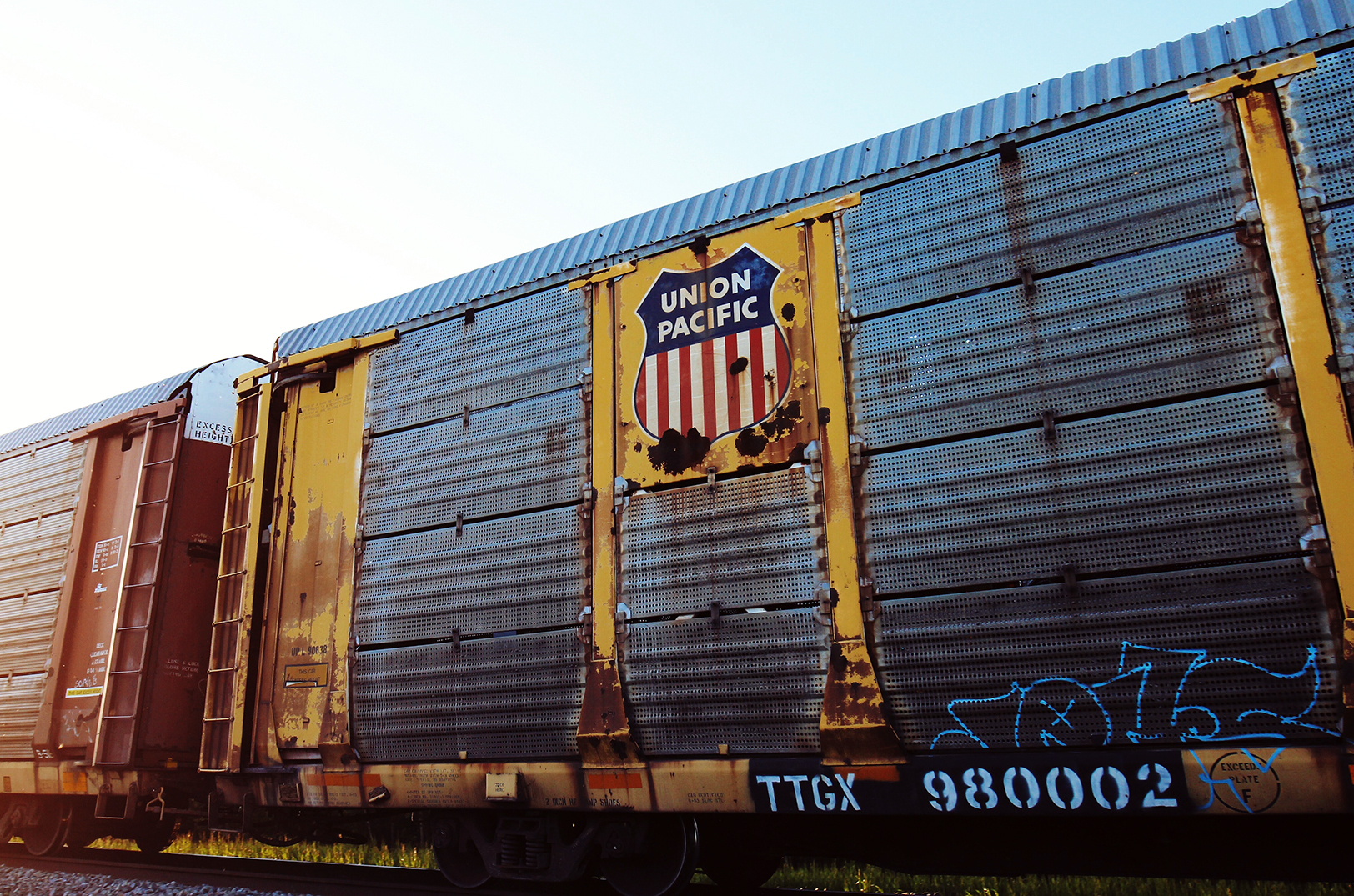
What started out as a joke between coworkers at Fishtech Group, could solve a community-wide pain point in Martin City — and beyond, explained Michael Wilson.

Michael Wilson, Fishtech Group
“Every single day there’d be a train come by, blowing its horn, interrupting us on conference calls and they would also make a lot of people late for meetings,” Wilson, director of engineering at Fishtech, said of the problem he and his colleagues face working at the company’s sprawling, Martin City cyber campus.
“It’s a daily thing. We are right next to the train tracks,” he emphasized, referencing the startups location along Holmes Road.
“Gary [Fish, founder and CEO] had the idea of putting something out there to track when the trains come and what time of day they come, how often they come,” Wilson noted, detailing the development of a company-backed web application that tracks trains through Martin City in real time.
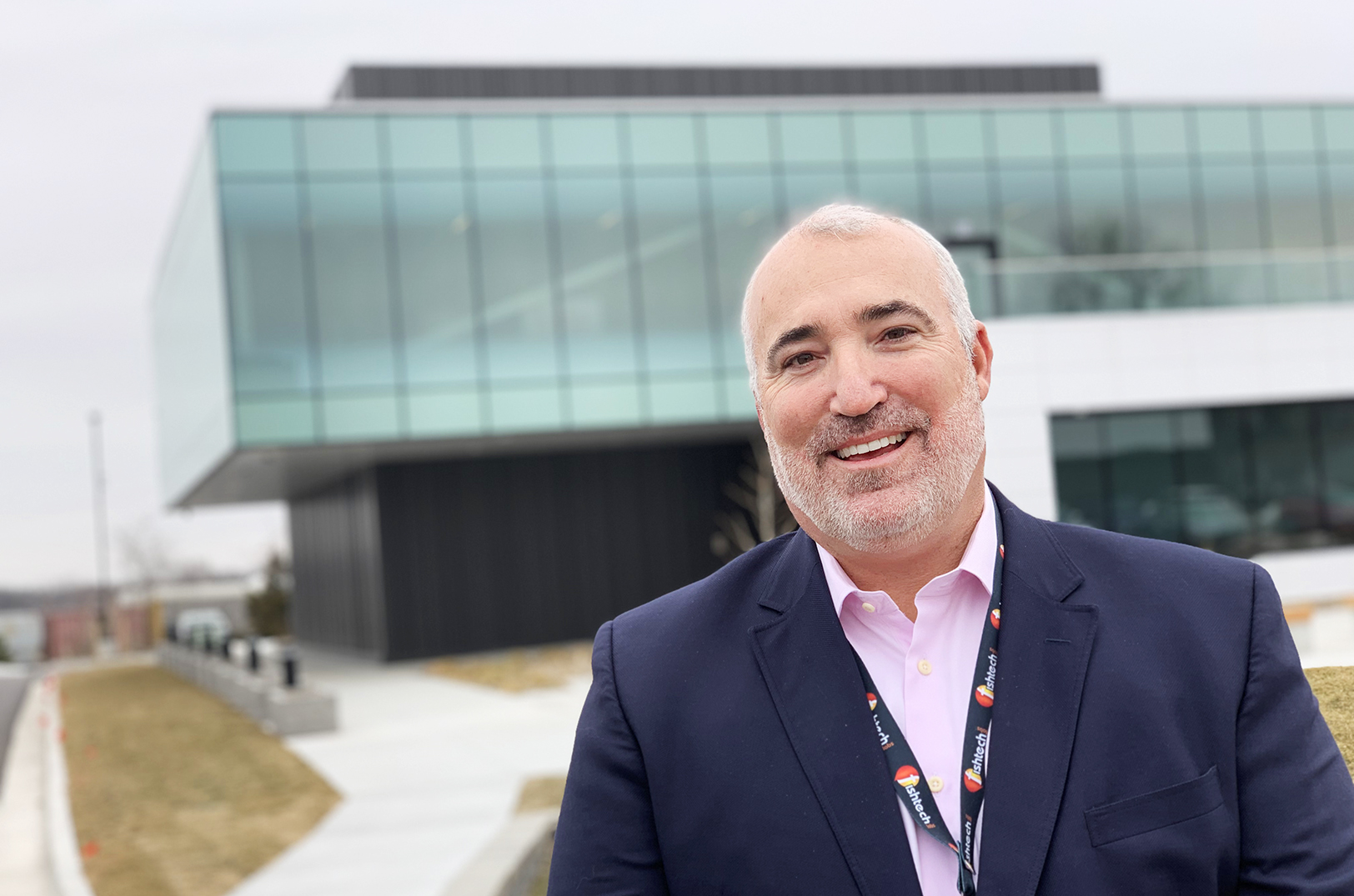
Gary Fish, Fishtech Group
“We used a lidar sensor to track whether or not there is a train on the tracks. And that was kind of the very first objective. We just wanted to know,” he said. “If I’m driving into work, I can pull up this app and see, is there a train on the tracks currently? And if so, we have alternate paths where we can go and bypass that particular train track.”
Additionally, the Fishtech-backed app works to predict when a train will make its way down the tracks, Wilson explained.
“We took the data from about two- to three-months worth of training and we ran it into some models. We had the best success with this one library that got us to about a 70-percent certainty within a period of about 10 minutes,” he said of the accuracy of the app.
“Whenever you actually look into how they’re scheduling the trains, everything’s actually pretty manual. There isn’t really a lot of routine to them,” Wilson said in reference to findings made by the Fishtech team, which included several wide-sweeping patterns.
“Weekdays there are times where the train comes up more often than not. It seems to come more before traffic starts and after peak hours of traffic,” he said. “We noticed there’s more trains, for instance, before 7 a.m. than there are between 7 and 9 a.m. There’s more between 10 a.m. and 3 p.m. than there is between 3 p.m. and 5 p.m.”
Taking the side project a step further, Wilson used hobby videogame building skills and crafted a user interface for the web app that mimics a retro arcade game — giving the tech some needed personality, he noted.
“I figured, you know, why not make this a fun, whimsical thing and also solve the problem that we have here in the office?” he said.
Beyond Fishtech’s campus, the app could easily be used to track similar modes of transportation, with potential to bring the Kansas City streetcar into a more predictable user interface.
“Depending on the location, the challenges that you would have with this would be that you would need to install those sensors in a variety of locations. Obviously the more sensors that you get, you’re going to have better readings and can predict things a little bit better,” he explained.
The streetcar currently runs its own tracking app, which can be downloaded for 99-cents, according to RideKC.
“[Our app] would definitely work for streetcars, as long as you could have power and Internet available wherever you put the sensors and you would have to own the location that the sensors were at, or have buy in from the city,” Wilson said of the Fishtech developed app and the added efficiency it could fold into the current RideKC platform.
As Wilson and his co-workers continue to push boundaries in the tech space, they’re ever eager for opportunities to innovate, he said, noting the app has taken a backseat as platform upgrades and other behind the screen changes take hold at Fishtech.
“It’s definitely a really cool passion project that we point to sometimes to kind of show our culture and the constant desire to innovate and just find ways to use technology in new, exciting ways to solve problems,” he said.


2019 Startups to Watch
stats here
Related Posts on Startland News
Meet the five area startups partnering with KCMO to drive innovation
A quintet of startup firms are working with the City of Kansas City, Mo. as part of its Innovation Partnership Program. Launched in 2015, IPP pairs area startups with city departments to not only identify new efficiencies but also offer the firm a chance to earn business with the city. After being designated a department…

KC entrepreneurial leader Wullschleger becomes new WeWork director
Before its doors even open, WeWork is making significant inroads to the area entrepreneur community. The international coworking giant — which announced plans to create a 40,000-square-foot space in Kansas City in March — has hired Erik Wullschleger to become its community director. Most recently the director of LiveKC and previously general manager of the…

Wide Ruled: The future of Kansas schools with education commissioner Randy Watson
Editor’s note: In partnership with the Wide Ruled podcast hosted by Brainroot Light and Sound, Startland News hopes to offer its audience more avenues to learn about innovators in Kansas City. Opinions expressed in this commentary are the author’s alone. Wide Ruled is a Kansas City-based podcast focused on equality in education. Each episode showcases a…

ScaleUP! KC welcomes 16 new entrepreneurs to the program
On Wednesday ScaleUP! KC welcomed 16 new entrepreneurs into its incubator program’s sixth cohort. To qualify, ScaleUP! companies must be in business for at least two years, generate annual sales of between $150,000 and $750,000 and have the potential to reach to $1 million in sales. Startups from the latest cohort represent industries such as…