

Biotech firms: Health innovation can’t grow in KC with wet lab space in such short supply
July 25, 2019 | Rashi Shrivastava
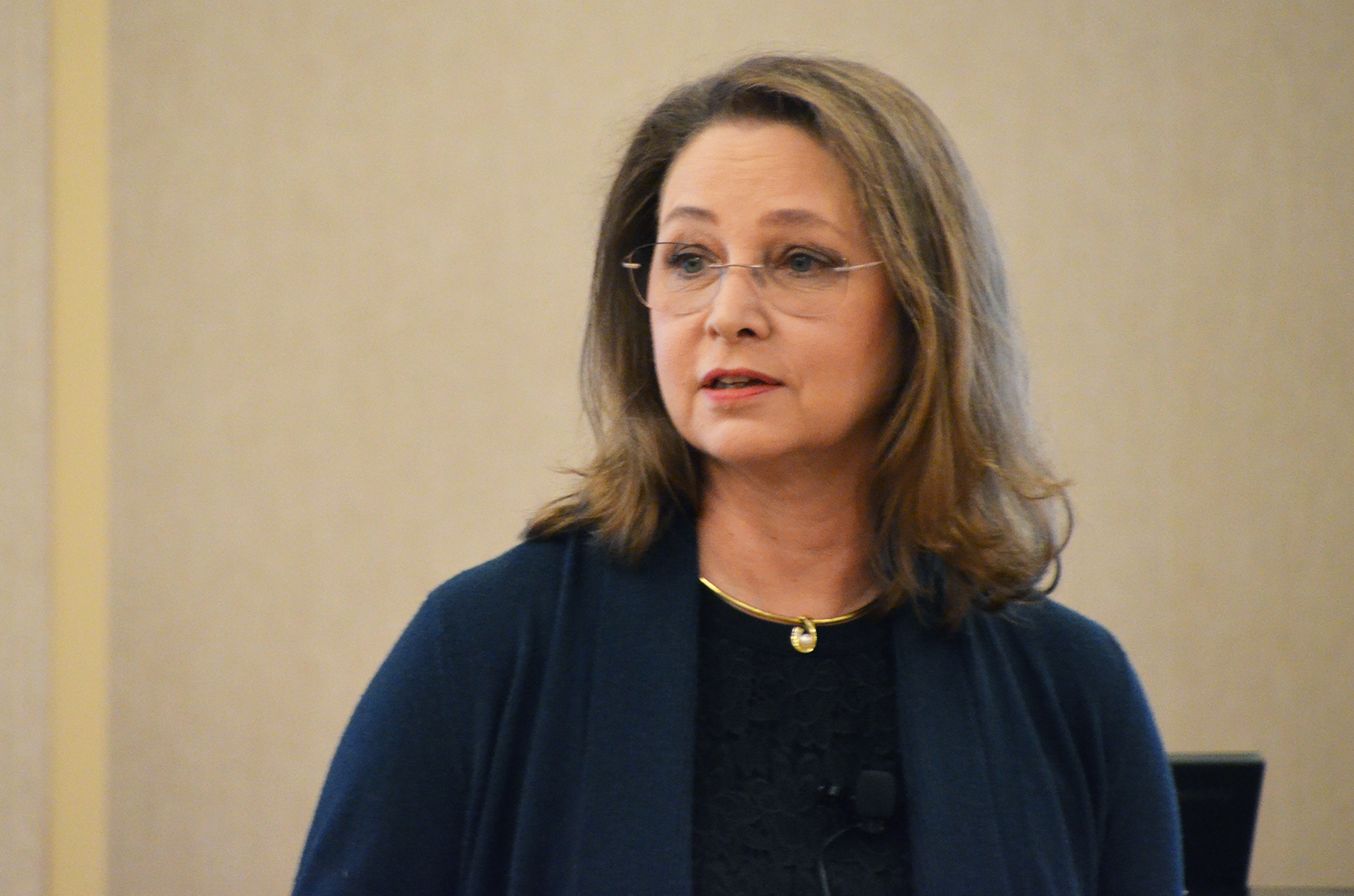
ELIAS Animal Health is advancing a technology that can fundamentally change how cancer is treated in both humans and animals, said CEO Tammie Wahaus, yet finding lab space in the metro has been one of the biotech startup’s biggest tests.
“We’re doing a lot of cell culture work, which requires wet lab space, but there are a limited number of incubator or accelerator facilities that provide it,” she said of the struggles that bubbled up five years ago when ELIAS Animal Health was created as a spin-off of parent company TVAX Biomedical Inc.
Instead of sporting desks and chairs, wet labs are equipped with paraphernalia like sterilisation equipment, freezers, centrifuges and have access to water, all of which are essential to conduct clinical trials, explained Wahaus.
Sharing equipment out of communal wet lab spaces offers flexibility, which can be especially fruitful for a company in its pilot stage, she said.
“As a startup company, when you’re in the early stages of development, you might only need 750 square feet of lab space. What’s beneficial about venture accelerators is that when you need to double your space, you simply rent another lab,” said Wahaus.
Since 2016, ELIAS Animal Health has been leasing two labs and two offices in the Kansas Bioscience Park Venture Accelerator in Olathe, she said. The company sealed the deal only after realising that the equipment at other wet lab locations was dated and not suited for cell manufacturing.
“Most wet lab spaces are actually equipped for chemo therapeutics, but cell-based manufacturing is more prevalent today than it was when most of these were designed and so they have the wrong equipment,” said Wahaus.
‘Gorilla in the room’
High in demand and low in supply, wet labs in the city are mostly at full capacity, said Dennis Ridenour, president and CEO of BioNexus KC, an organization that aims to optimize resources for entrepreneurs developing life sciences technology in the region.
“Different types of companies need different types of equipment, so it’s expensive to make a lab space that is relevant to everybody,” Ridenour said.
Lack of access to capital and talent makes the need for affordable and accessible lab space even more dire for biotech startups, he said.
“The gorilla in the room is that for the last several years there has been a lack of funding. We still see a lack of proof of concept and seed stage funding when the research funding is drying up, but the technology is too early to be of interest to angel investors,” said Ridenour.
Investments meet talent
Tony Simpson, a business development consultant with TechAccel attributes it to the nature of biotech firms that tend to need more money and more time. TechAccel is a venture that identifies and invests in animal health and agtech firms to further develop their technologies.
“Smart capital is very important, which means having folks that can not only provide capital, but also understand the space, can be educated about the plan,” Simpson said.
Though the fruition of their technologies can take awhile, biotech startups have huge market opportunities and can grow extremely fast, said Ridenour.
“I could see a way forward for corporate partnerships where large employers could set up these types of accelerators with wet lab spaces,” he said.
Creating more wet lab spaces can not only create high-paying professional jobs, but also job openings for those without degrees, said Brad Fabbri, chief scientific officer at TechAccel.
“If a region wants to be competitive in attracting innovative entrepreneurial companies, there really needs to be an investment in incubator spaces, that would have let wet lab space,” Fabbri said.
TechAccel works closely with the founders to help them commercialize technologies created out of academia, Simpson said. By funneling support through funding, technical guidance and industry insights, the venture helps biotech startups reach their potential, he said.
“It’s not just space in labs, it’s access to talent, mentors, and capital,” said Simpson. “It’s really about how do we build an ecosystem or a community to really drive entrepreneurship and create a broader community upon which these companies can grow and become successful?”
This story was produced through a collaboration between Missouri Business Alert and Startland News.

Featured Business

2019 Startups to Watch
stats here
Related Posts on Startland News

Denise Kruse: So your startup has a strategy — now what?
Editor’s note: The opinions expressed in this commentary are the author’s alone. Strategy. Strategic plan. Go-to-market. Blueprint. Tactics. Startup innovators probably have heard an exhaustive list of synonyms and buzzwords. I’ve seen them all as a business leader for more than 30 years, helping companies define their strategy or execute on it. And there’s good reason…
Innovation Stockyard feeds effort to protect food chain
When feeding the world, being proactive on animal health technology is vital, Ronan Molloy said. “The reality is, its importance will only hit home when we have a significant event, like a swine flu,” Molloy, president of Innovation Stockyard, said. “Then all of the sudden people will say ‘Oh, why is my fillet now $40…
Students bump shoulders with architects at STEAM Studio
Most children won’t have experience working in a professional environment until they land their first job or internship, Mandi Sonnenberg said. “Some kids may have popped into their mom or dad’s work and have gone to a professional space at least a couple times in their life,” Sonnenberg said. “But for kids in the urban…

Smart City Living Lab opens, targets growing pains of a swelling city
The much-anticipated “Kansas City Living Lab” — a platform for application development that taps the Kansas City Smart City initiative — is now welcoming new tech partners. Using smart city infrastructure, the Living Lab allows innovators to test and commercialize technologies that can solve problems in Kansas City. The project is led by Think Big…