

We Grow KC investment summit aims to harness opportunity zones to empower neighborhood social fabric
June 13, 2019 | Rashi Shrivastava
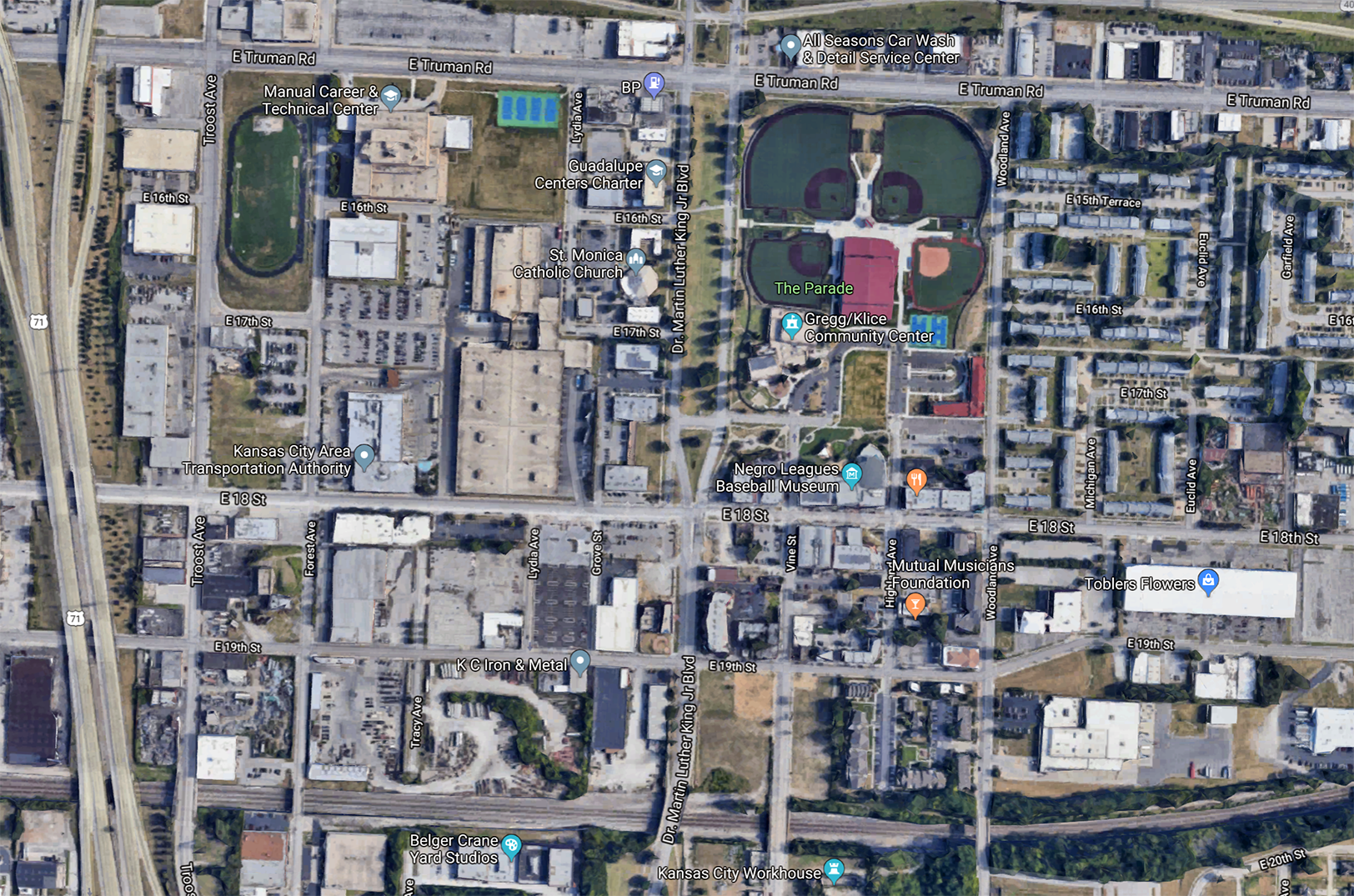
Investment is a two-way street that can have a positive impact on both investors and community residents, said Dianne Cleaver.
A new gathering — the June 26-27 We Grow KC Opportunity Zones Investor Summit — aims to bridge the potential divide between such neighbors with the back of Cleaver’s Urban Neighborhoods Initiative, the Ewing Marion Kauffman Foundation, the Greater Kansas City Chamber of Commerce and other key stakeholders.
“We are trying to attract investors that are not only looking to get a return on their investment but also make a social impact and uplift the community,” she said.
Click here for tickets to We Grow KC.
The summit is expected to draw local, regional and national investors to connect with entrepreneurs, policy makers and community builders and showcase the city’s Opportunity Zones, which are ripe for investment. Summit organizers plan to offer bus tours of the Opportunity Zones to investors to physically experience the community.
Areas of Kansas City were previously divided into 32 geographical clusters called Opportunity Zones, based on recommendations by the Missouri governor. The zones typically encompass low-income neighborhoods that offer a bounty of opportunities for reinvestment of capital gains.
Zones are categorized into five broad categories; Central City, Paseo Gateway/Northwest, Blue River Valley, Swope Park, and Martin City — all areas where economic development has already kick-started, but needs to be carried through with the support of investment, Cleaver said.
The June 26-27 We Grow KC event embodies the spirit of upward economic mobility of residential communities in Opportunity zones, which resonates with her organization’s mission to reduce intergenerational poverty and build healthy urban neighborhoods, Cleaver said.
“We hope to get people interested in seeing the positive possibilities of investing in these areas and possibly give information that they hadn’t looked at before,” Cleaver said.
We Grow KC’s goal is to help investors from across the country get acquainted with the city and realize the community’s needs, said Joe Reardon, president of the Greater Kansas City Chamber of Commerce.
“We want to make sure that the investment that is done is investment that empowers the existing neighborhood and the people that live there,” Reardon said.
This story was produced through a a collaboration between Missouri Business Alert and Startland News.

Featured Business

2019 Startups to Watch
stats here
Related Posts on Startland News

New in KC: BacklotCars funding round lures Windy City tech talent back to KC
Editor’s note: New in KC is an ongoing profile series that highlights newly relocated members of the Kansas City startup community, their reasons for a change of scenery, and what they’ve found so far in KC. Click here to read more New in KC profiles. As Kansas City’s startup scene came online in 2012, Lindsey…

Lawrence-based Sweet Jane magazine offers safe space for women to get candid about cannabis
Satisfying her own curiosity, Katy Ibsen penned an article on cannabis opportunities for publishers. “There were niche magazines being published, there were B2B magazines being published, there was ‘High Times’ and ‘Dope,’” Ibsen, now founder, editor and publisher of Sweet Jane magazine, said of her research for the piece. A 10-year publishing vet with a…

Cannabis founder’s advice: Weed out the bad seeds; run green startups like real businesses
Cannabis might seem like it presents a Wild West frontier for entrepreneurs looking to strike green, said Michael Wilson, but would-be founders must cultivate a plan grounded in common sense — and the law. “In the industrial hemp or marijuana space, if you want to build a successful business, run it like a real damn…
Show Me Hyperloop: Missouri panel confident it can win route with $300M+ test track
If Missouri wants to win the race for a Virgin Hyperloop One route connecting Kansas City and St. Louis, the Show Me State must foot the bill for a 12- to 15-mile test track that could cost taxpayers, the state and private partners more than $300 million, according to a new report. “This initial segment…