

We Grow KC investment summit aims to harness opportunity zones to empower neighborhood social fabric
June 13, 2019 | Rashi Shrivastava
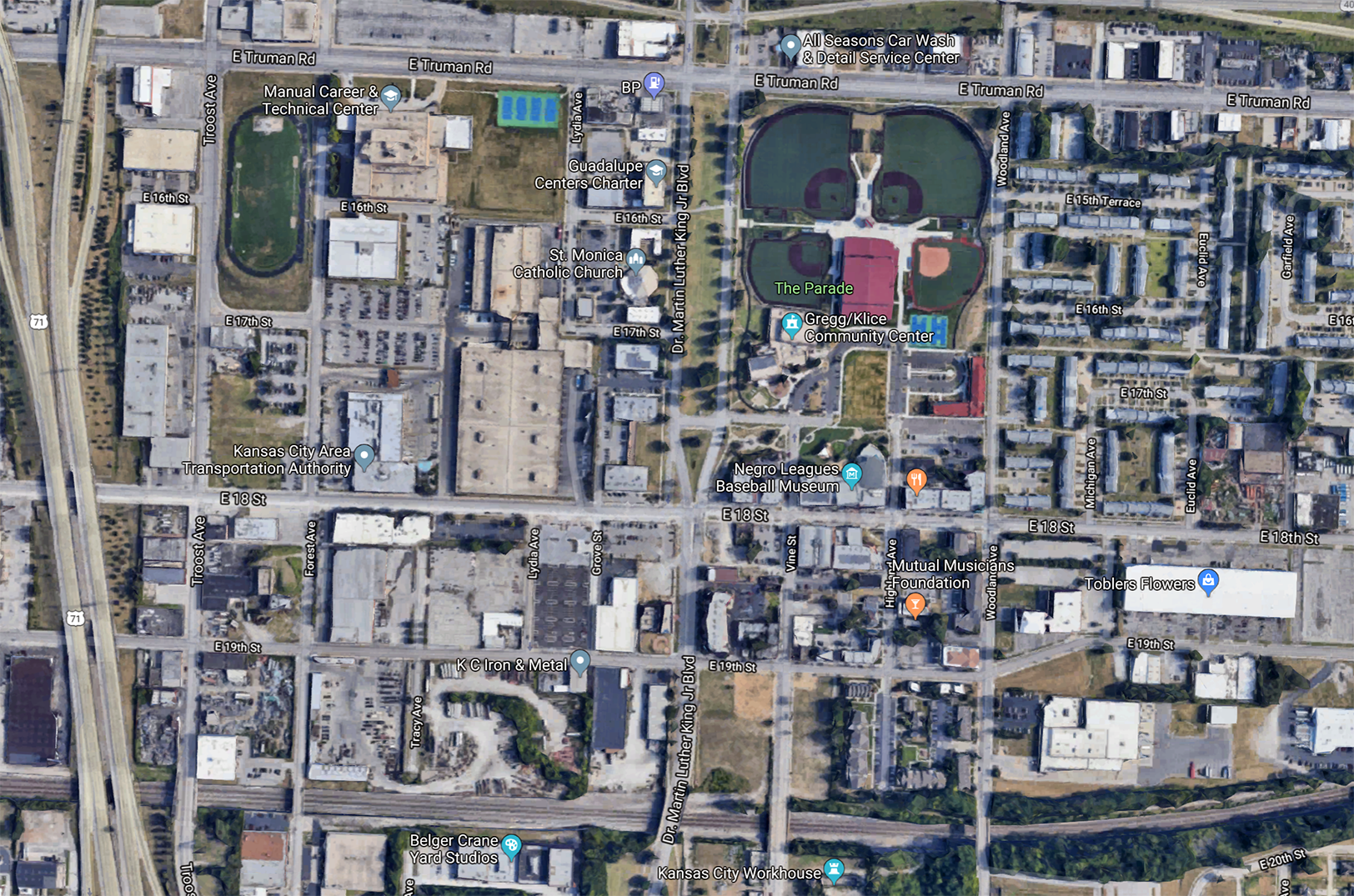
Investment is a two-way street that can have a positive impact on both investors and community residents, said Dianne Cleaver.
A new gathering — the June 26-27 We Grow KC Opportunity Zones Investor Summit — aims to bridge the potential divide between such neighbors with the back of Cleaver’s Urban Neighborhoods Initiative, the Ewing Marion Kauffman Foundation, the Greater Kansas City Chamber of Commerce and other key stakeholders.
“We are trying to attract investors that are not only looking to get a return on their investment but also make a social impact and uplift the community,” she said.
Click here for tickets to We Grow KC.
The summit is expected to draw local, regional and national investors to connect with entrepreneurs, policy makers and community builders and showcase the city’s Opportunity Zones, which are ripe for investment. Summit organizers plan to offer bus tours of the Opportunity Zones to investors to physically experience the community.
Areas of Kansas City were previously divided into 32 geographical clusters called Opportunity Zones, based on recommendations by the Missouri governor. The zones typically encompass low-income neighborhoods that offer a bounty of opportunities for reinvestment of capital gains.
Zones are categorized into five broad categories; Central City, Paseo Gateway/Northwest, Blue River Valley, Swope Park, and Martin City — all areas where economic development has already kick-started, but needs to be carried through with the support of investment, Cleaver said.
The June 26-27 We Grow KC event embodies the spirit of upward economic mobility of residential communities in Opportunity zones, which resonates with her organization’s mission to reduce intergenerational poverty and build healthy urban neighborhoods, Cleaver said.
“We hope to get people interested in seeing the positive possibilities of investing in these areas and possibly give information that they hadn’t looked at before,” Cleaver said.
We Grow KC’s goal is to help investors from across the country get acquainted with the city and realize the community’s needs, said Joe Reardon, president of the Greater Kansas City Chamber of Commerce.
“We want to make sure that the investment that is done is investment that empowers the existing neighborhood and the people that live there,” Reardon said.
This story was produced through a a collaboration between Missouri Business Alert and Startland News.

Featured Business

2019 Startups to Watch
stats here
Related Posts on Startland News
Procrastinating? Eat the frog, don’t chase the squirrels
On the metal wall in front of my desk, I’ve magnetically fastened a famous recommendation from Mark Twain. “Eat a live frog first thing in the morning and nothing worse will happen to you the rest of the day,” the humorist from Missouri wrote. Though it can become an aspiration rather than a rule,…

KCultivator Q&A: ‘Fashionpreneur’ Jordan Williams on starting with nothing but his smile
Editor’s note: KCultivators is a lighthearted profile series to highlight people who are meaningfully enriching Kansas City’s entrepreneurial ecosystem. Check out our features on Plexpod founder Gerald Smith, innovation coach Diana Kander, Victor & Penny’s Erin McGrane, SEED Law’s Adrienne Haynes, Code Koalas’ Robert Manigold, Prep-KC CEO Susan Wally and community builder Donald Carter. Jordan…

KC designers put streetwear innovation, culture on Kritiq runway (Photos)
Fashion entrepreneurs at Sunday night’s Kritiq fashion show shared many of the same struggles on their ways to the runway, Mark Launiu said. “One of our designers here was asked, ‘What’s your inspiration?’ And I think a lot of us can relate,” said Launiu, co-founder at MADE Urban Apparel and lead organizer of the event.…
Tax bill guts historic tax credits used to rehab Westport Commons, Kemper, lofts
Plexpod Westport Commons wouldn’t exist without the historic tax credits used to make the massive renovation and preservation project financially feasible, said developer Butch Rigby. A GOP-led tax reform bill introduced this month to simplify the tax code, however, would eliminate the Reagan-era tax credit program, which provides a 20 percent federal tax credit for…