

Startup advocates to next mayor: Make KC more attractive to tech talent, women, innovation
June 15, 2019 | Rashi Shrivastava
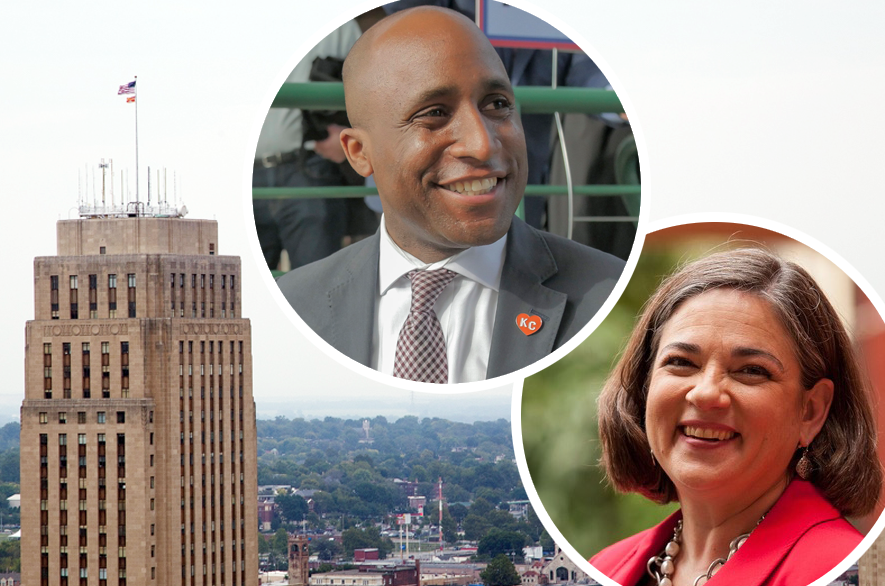
Months of candidate forums are complete. The door bells have been rung. Selfies taken. As the Kansas City mayor’s race heads to the polls Tuesday, the candidates are all business when it comes to courting the startup community’s vote.
Jolie Justus — who has branded herself as the next “neighborhood mayor” — and Quinton Lucas — a Kansas City native who has been cultivating hometown support for years — have hammered entrepreneur pain points: issues like access to capital, tax incentives, infrastructure and attracting talent to Kansas City.
“At the end of the day, the mayor is the protector of the city’s interests,” said Eze Redwood, founder of Rise Fast and partner at Wings Cafe.
But where do the city’s interests, the next mayor’s interests and the startup community’s interests align?
What’s it going to tech?
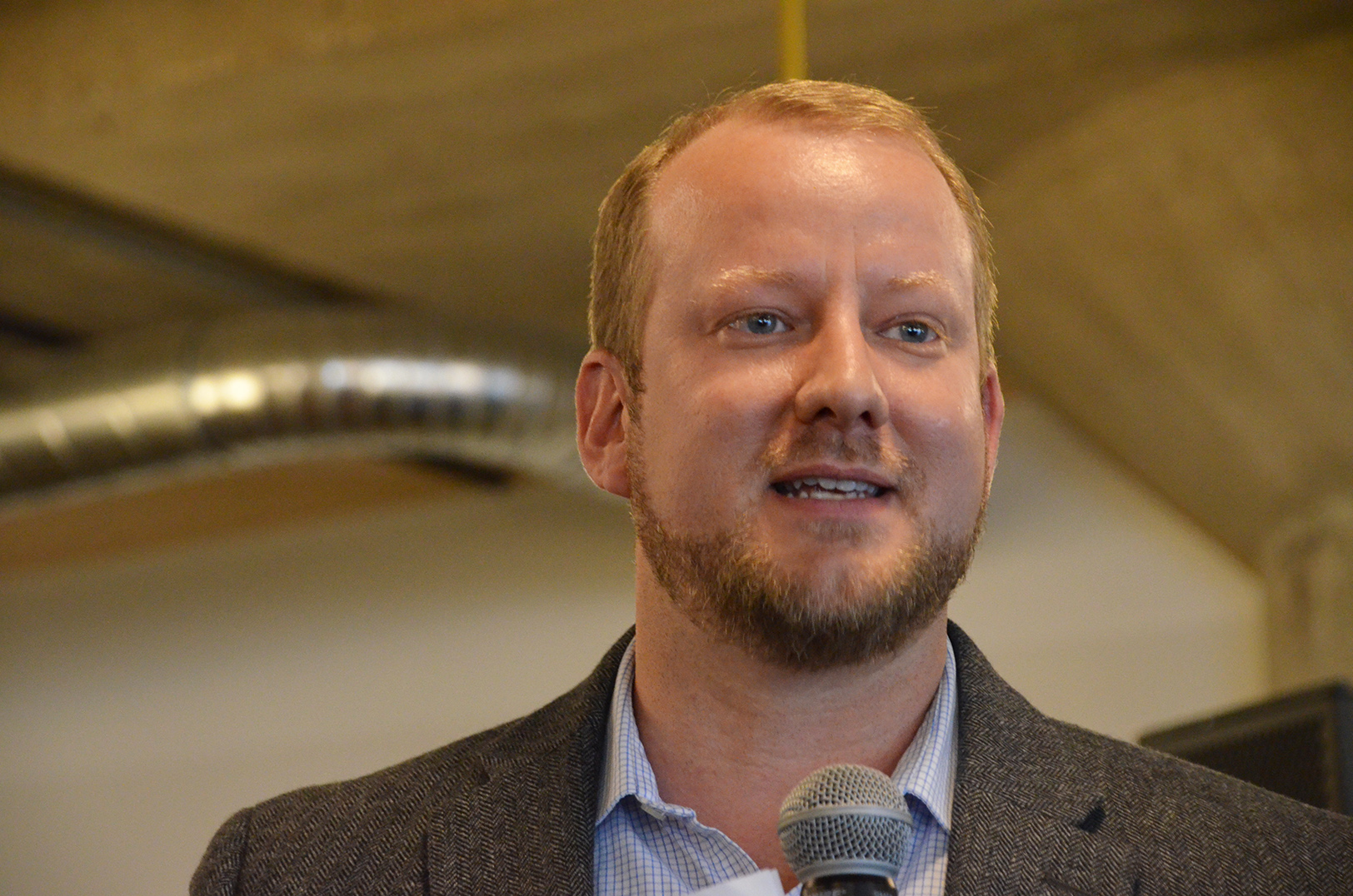
Ryan Weber, KC Tech Council
Tech companies are hiring in a seemingly never-ending search for talent just to survive in Kansas City, said Ryan Weber, president of the KC Tech Council. And tech leaders are watching for whether the new mayor will continue to support initiatives like the KCMO smart city project, Weber said.
“I think the next mayor plays a critical role in supporting the future of the tech industry. … We need someone who can continue to collaborate with business while building consensus among other members of the city council,” said Weber.
Women are a key component of a skilled and diverse labor force, said Redwood, and another important factor while attracting talent is women’s rights.
The new mayor’s stance on abortion rights for women will have a long-lasting impact on the image of Kansas City as a progressive city, which impacts the ability to retain and attract talent, he said. Redwood was shocked that neither of the candidates had emphasized the issue and its correlation to the Kansas City business community during their campaigns, he said.
“I already know people — business owners — who are leaving the city because of it. The mayor has to take a very strong stance on women’s rights, they have to plant a flag in the sand. And I don’t think that people understand that will hurt our economy,” said Redwood.
Though he is not in favor of giving tax incentives to large tech companies like Amazon, Venture Legal founder Chris Brown said that attracting large tech firms is crucial to rejuvenating the entrepreneurial ecosystem in Kansas City.
“Local tech employers are not able to attract top tech talent because Kansas City lacks the perception of being a tech town,” said Brown.
Refocusing incentives
Residents can see the benefits of tax incentives in the revitalization of downtown and the Crossroads Arts District, the candidates have said, but the city’s next focus for development should be more intensely focused, according to KCUR reporting.
Lucas said he wants to see tax incentives channelled to benefit Kansas City’s east side, where neighborhoods are more economically distressed. He has also said the KC Streetcar line needs to run an east-west route in addition to the existing north-south route from River Market to Union Station, so that impoverished areas are brought into the loop of progress.
Areas like the Country Club Plaza shouldn’t be eligible for the greatest incentive packages, Lucas told KCUR.
Justus’ campaign emphasizes considering tax incentive issues on a case-by case basis, specifically awarding tax breaks to projects with the greatest potential to drive economic growth, according to KCUR.
“One of the things I will be doing is looking for opportunities to make small investments that have huge returns for the folks who are needing that capital the most,” Justus said, tossing in the idea of introducing an angel investor tax credit at a local level.

Eze Redwood, Rise Fast
Awarding tax incentives in Kansas City is a tricky ordeal, said Redwood. Tax incentives take away funding from public schools, which degrades the quality of education in classrooms, he added. That, in turn, creates a vicious cycle, said Redwood, where crime rates increase and it will be more difficult to recruit people in Kansas City.
Tax incentives given to large corporations shrink the budget from which money would otherwise be invested in small companies that drive the economy, he added.
“It’s like taking away half of the oil and then filling it with water, and saying, ‘OK, we have this white oil engine. Let’s see how you run now,’” Redwood said, using an analogy to describe the process.”
“Every project that has that receives tax incentives, [needs to have] community benefit agreements, where they’re going to be bettering the community and helping spur more small businesses,” he added.
Bringing down barriers
Justus and Lucas have promised to support minority-owned businesses and reduce barriers to make funding more accessible to entrepreneurs, who are driving the city’s growth from Main Street’s small businesses to the biggest tech innovators.
“Every pocket of success that I’ve seen in Kansas City has a component of entrepreneurs that are a part of the success,” Justus said.
Lucas has spoken about reducing artificial barriers like removing red tape to speed up business growth, according to previous Startland reporting. The city should purchase goods and services from small businesses instead of contracting only corporate firms, Lucas said.
According to his campaign website, if he is elected as mayor, Lucas wants to create a liaison at City Hall and the Economic Development Council to support minority and women entrepreneurs.
Communication is key

Chris Brown, Venture Legal
The city must do a better job of giving small business owners a voice in making decisions that impact them, Venture Legal’s Brown said, recalling issues that arose four years ago when Uber first tried to bring its ride sharing service to Kansas City. The tech business community was not involved in the early stages of drafting regulations, which reflected a lack of focus on innovation, he said.
“The city should take a more active role of getting out into the business community to hear from us where we are, because we can’t always just take off two hours of our day to go sit in a in a hearing downtown,” Brown said.
Lack of communication and coordination between city hall officials and the entrepreneurial and business community is an issue that has shown up on the talking points of both candidates.
“I have suggested that it would be a great idea to create sort of a startup council that has folks that have been in kind of every phase of entrepreneurship, who can be the advisors to the city to make sure that we’re making smart decisions,” said Justus highlighting that entrepreneurs are the backbone of the community.
Click here to read Justus’ open letter to the Kansas City startup community.
Lucus has also spoken out about bridging the disconnect so that innovators feel more comfortable taking risks in Kansas City’s entrepreneurial ecosystem.
“One of the biggest things I want [startups] to not worry about is that City Hall is unfriendly to innovation or that City Hall is creating regulations without working with you,” said Lucas.
The next mayor will have a pivotal role to play in the entrepreneurial community, Brown said.
“It’s really easy for us to focus on our business and not think about the local government. We have to be engaged with the people who are running our city, because they need our input,” he said.
This story was produced through a collaboration between Missouri Business Alert and Startland News.

Featured Business

2019 Startups to Watch
stats here
Related Posts on Startland News

CEO: Kansas’ politics pushed Pathfinder Innovations into Missouri
Destructive economic and social policies in Kansas compelled Pathfinder Health Innovations’ move to the Show Me State, its founder wrote in a blog post critical of state leaders. A tech service provider for people with autism, Pathfinder received tax incentives for its border hop to Missouri but Pathfinder CEO Jeff Blackwood said the move also…

WonderWe launches faith-based crowdfunding platform
Kansas City-based software startup WonderWe hopes to tap a specific market for its new faith-based crowdfunding platform. Launched in early June, WonderWe combines faith-based values, the latest in crowdfunding tech and new proprietary features to “be one of the leading names” in crowdfunding, said Dominic Ismert, founder of WonderWe. The platform currently accepts fundraisers for…

The Lean Lab will award $100K to education entrepreneurs
Local efforts to inject innovation into education received a boost Friday as The Lean Lab announced fellows in its incubator program will earn seed capital for their projects aimed at disrupting traditional learning. Founded in 2013, The Lean Lab welcomed five new teams of fellows from around the nation for its incubator, which develops…

‘Kansas City Startup House’ aims to be smart home incubator
A local tech founder is transforming his Kansas City, Kan., home to eventually become the area’s next incubator program. Sports Photos founder Brandon Schatz recently launched the “Kansas City Startup Home” to host entrepreneurs and innovators from around the world. While it’s now serving as an Airbnb destination for techies, Schatz said in the next…