

KCMO advancing its smart city action plan with focus on digital equity in urban tech
June 22, 2019 | Austin Barnes
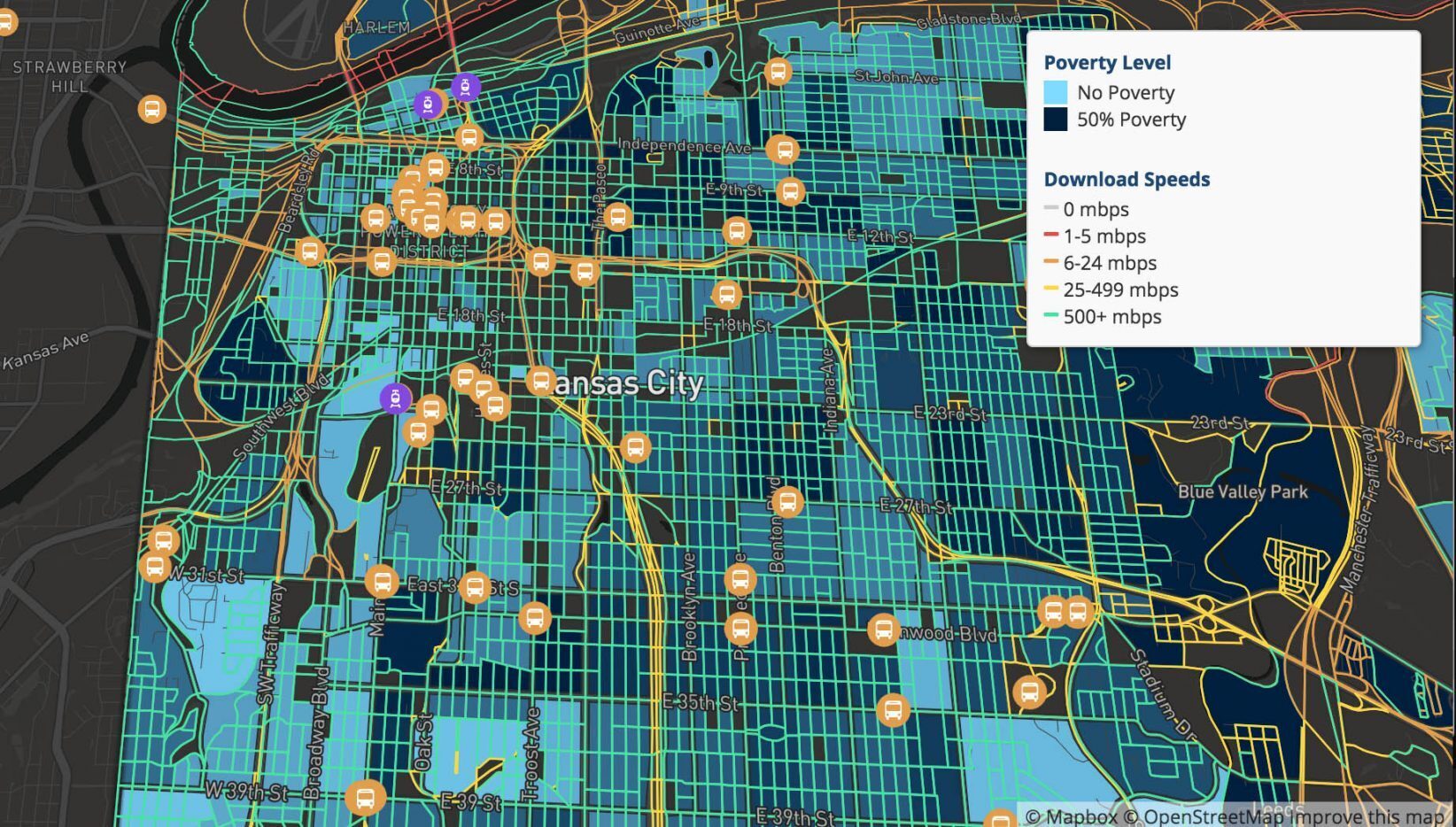
Kansas City is one step closer to being a fully connected hub for urban tech, as local decision makers craft a smart city action plan.
“That document will be what guides all of our future investments in technology,” explained Chris Hernandez, KCMO communications director.
The action plan comes a year after the city issued a request for proposal regarding smart city technology, Hernandez noted, adding citizens have remained curious about the city’s developments in urban tech.
“There’s a group that has been put together to create the action plan and the stakeholder interviews started last week,” he said of city progress. “… We’re hoping to roll that out mid-fall.”
Announced days after the election of Quinton Lucas — who is expected to become the 55th mayor of Kansas City in August — the decision to move forward with the smart city action plan was not dictated by politics, but rather timing, Hernandez emphasized.
“It was really about our RFP committee, which is staff with a council representative — as all RFPs have — it was about really evaluating the proposals … but also thinking really deeply about what we want as a city and what we need to do to move forward,” he said.
As Kansas City ramps up its urban tech efforts, the action plan is what will help the city maintain its status as a leader in the smart city space, noted Hernandez.
“We really think this is an opportunity to show other cities how you can make sure that you are pushing smart city technology and thinking deeper into the organization — to the department level, to the program level, to make sure that it’s being used to be more efficient, to deliver better basic services.”
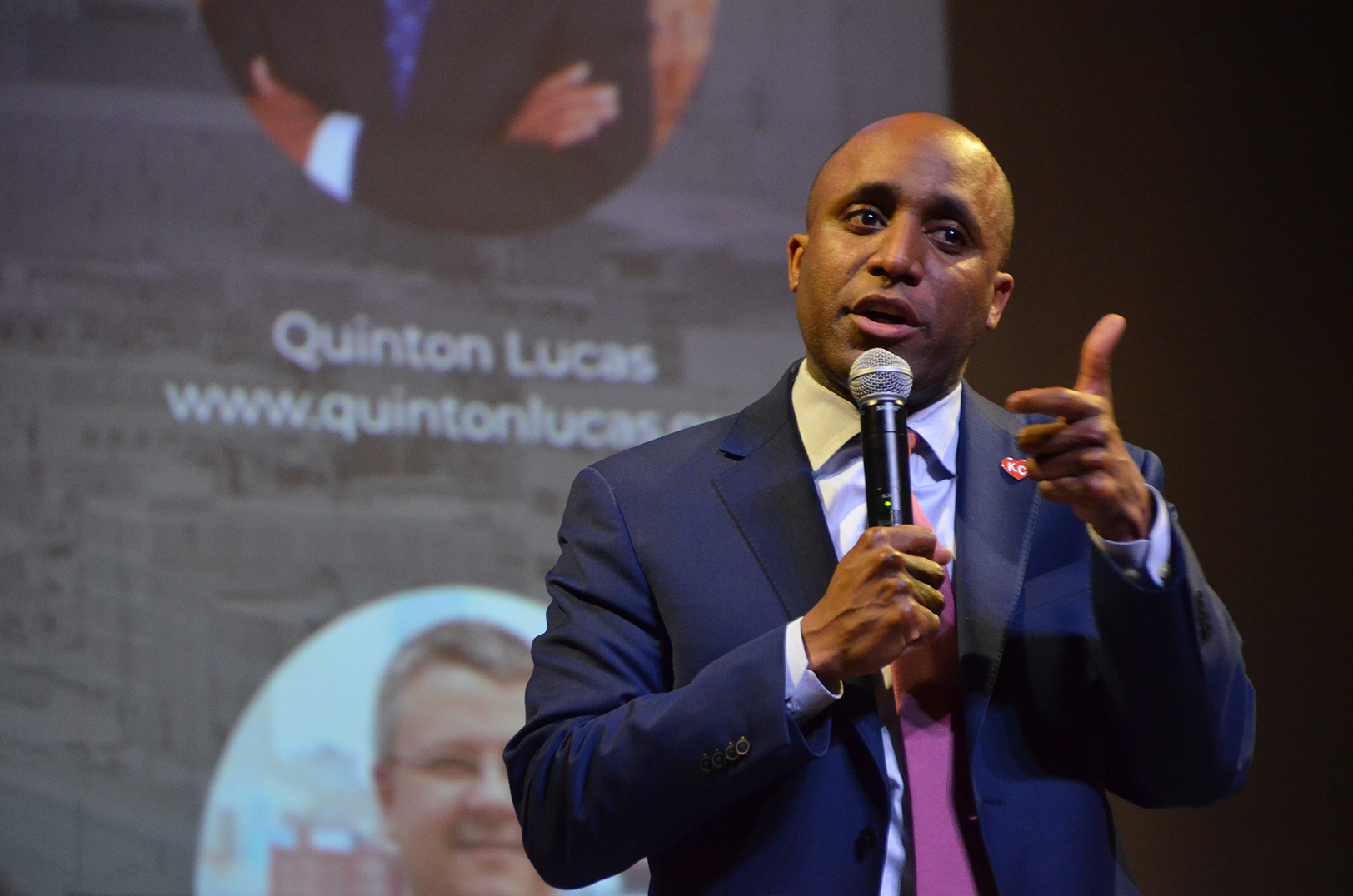
Mayor-Elect Quinton Lucas
A key component of the city’s RFP surrounding smart city technology was digital inclusion, Hernandez added.
“If you want to take it back to the mayor elect [Quinton Lucas], he’s made it clear that inclusivity is super important … and beyond the phrase ‘digital inclusion,’ it’s really about ‘digital equity,’” he said. “That’s an important distinction that maybe only people who really study that issue understand, but something that we are highly aware of and we have had many people on staff level digging into that issue already.”
Addressing the digital divide, Hernandez cited free public WiFi in downtown as movement that resulted in the same action on city buses — a step in the right direction for the city’s connectivity efforts, which will soon include the Prospect Max corridor which will focus on inclusion on the east side.
Ensuring smart solutions make life easier for residents and simplify basic services will be in key in the city’s approach to urban tech, Hernandez said.
“If you have good streets, good pipes, good infrastructure, and we are using proper data management to make sure that we’re getting that feedback so that we know how to better use our resources — which is your tax money — in order to run our city and fix the infrastructure … that’s what we’re trying to do with this action plan,” he explained.

Featured Business

2019 Startups to Watch
stats here
Related Posts on Startland News

Quartet of startups hop into the Digital Sandbox KC
Four early-stage businesses recently entered the Digital Sandbox KC program. The new startups demonstrate the ingenuity Digital Sandbox aims to attract for its grant-funding efforts, said Jeff Shackelford, director of Digital Sandbox KC. “From helping students prepare for college to analyzing voting records to predict legislative outcomes, the startups in the Sandbox are a great…

Newest Techstars KC class tackling payday loans, food safety, bots for business
Techstars Kansas City has revealed its 2018 cohort of startups. The 10 companies will make a big impact not only on Kansas City but the global economy, said Lesa Mitchell, managing director of Techstars KC. “Although our companies come from many industries, they share in common that they are all solving problems to make the…

YEP KC teen serves hope through enterprising volleyball benefit for men’s shelter
When 17-year-old Catherine Franano learned the mattresses at Kansas City Rescue Mission were old and too worn for comfortable use, the Pembroke High School senior leapt into action, she said. “Some of these people … like they’ve just had so many awful things happen to them, but not having anywhere to sleep?” Catherine said. “How…

(Video) ESHIP Summit attendees ask: Can entrepreneurial support efforts actually be sustainable?
When more than 600 attendees gathered this week in Kansas City for the second ESHIP Summit, they each came with their own ecosystems, businesses, local governments and support networks in mind. They also brought questions. “What are they doing in their cities? What’s worked and what hasn’t worked? What can we adopt back at home…