

Break Free KC drops beat on cultural stereotypes, aims to rebrand hip hop
May 14, 2019 | Austin Barnes
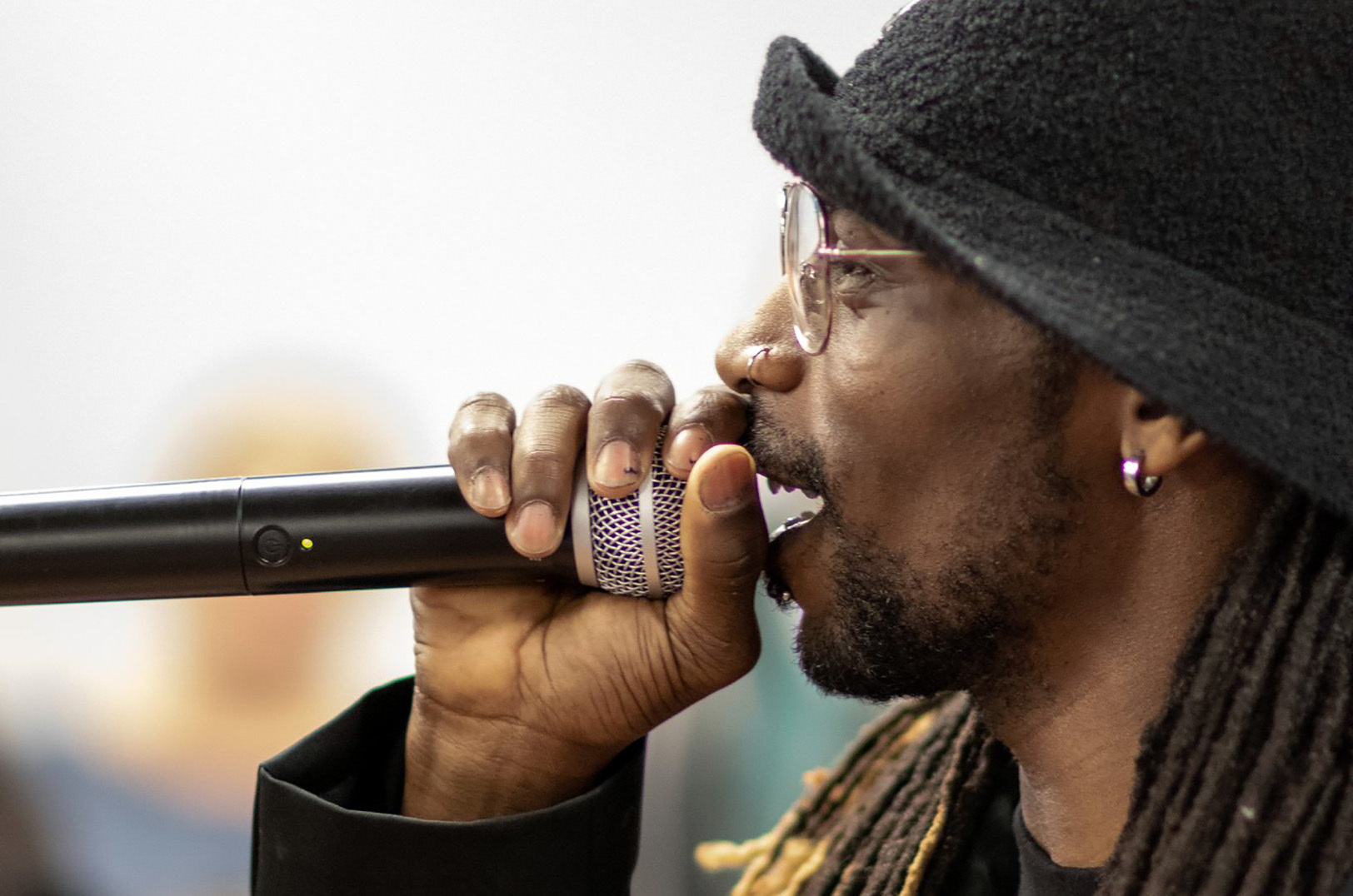
Hip hop culture in Kansas City is misunderstood, James “Sug Easy” Singleton said, explaining his mission to help local artists break free of stereotypes and live their passion with authenticity.
“When I have a 88-year-old lady at my camp seeing her grandson — who came in with a negative notion of what hip hop was going to be — what she thought she was going to see and she saw a whole different perspective … it is rewarding,” said Singleton, owner of Break Free Kansas City — an offshoot of Break Free Hip Hop school founded in 2011 in Houston.
A graffiti-soaked space in Overland Park, the Kansas City iteration of Break Free specializes in camps, classes, after-school programs, and performances.
Built around the five pillars of hip hop: DJ’ing, emceeing, graffiti, beatboxing, and break dancing; Singleton is hopeful his gifts as an artist can lead the company in rebranding hip hop culture in Kansas City, he said.
Click here to learn more about Break Free Kansas City’s offerings.
“Now her grandson loves to beatbox, you know, so he’d be beatboxing all the time,” Singleton said with excitement, certain such enthusiasm and joy could be the key to unifying the city.
Violence and drug use are often among the top concerns of parents who oppose hip hop influences in their children’s lives, he said. Most often, such a reaction is the result of inaccurate portrayals of urban culture on the news and in TV shows or movies, Singleton said.
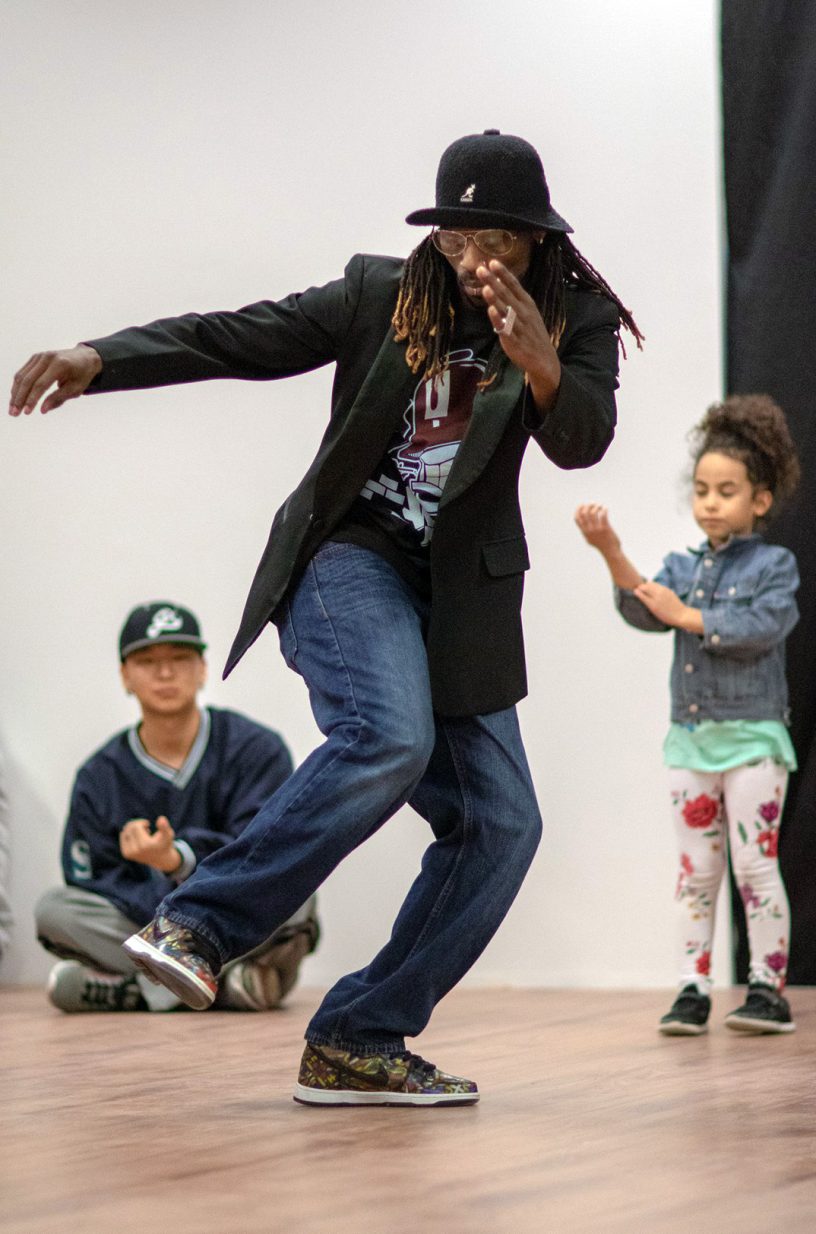
James “Sug Easy” Singleton, Break Free KC
“We’re actually about community. We’re actually about change. We’re actually about building and helping people with hopes and dreams of dance or the next platform,” he said.
Beyond racial stereotypes, hip hop isn’t about skin color: it’s about breaking cultural barriers and learning to build relationships that transcended societal pressures, Singleton said.
“There is a positive reinforcement through [hip hop and breakdance] that can save individuals and different types of culture — by experiencing it and showing the love of dance to young kids,” he said. “ … Yes, [hip hop] was created by blacks and taught by Puerto Ricans when it was first started … but that door has been open and branched off to so many different nationalities.”
For Singleton, Break Free KC is a way of rewriting the story of hip hop for a new generation, he said, envisioning a Kansas City that embraces roots of culture.
“As [the pillars of] hip hop grew, they all became on unit,” Singleton explained. “When the parents see all those come together, then their ideas and views change.”
Symbolic, as Kansas City community’s grow in a similar way as the artform, so could the ties that bind their diverse cultural makeups, he said.
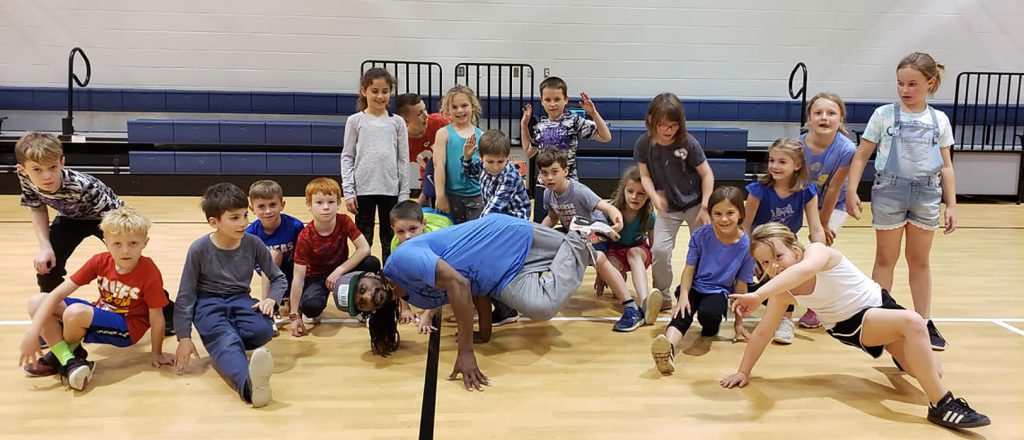
James “Sug Easy” Singleton, Break Free KC

Featured Business

2019 Startups to Watch
stats here
Related Posts on Startland News
Photos: Kauffman’s ESHIP Summit sees strength in numbers, diversity
Despite a living legacy of ongoing entrepreneurial support, even the Ewing Marion Kauffman Foundation doesn’t have all the answers, Wendy Guillies told a 600-strong crowd at Wednesday’s ESHIP Summit kickoff in Kansas City. “We approach our work with a great deal of humility,” said Guillies, Kauffman Foundation president and CEO. “We need to listen and…
Rewriting the playbook: ESHIP Summit eyes new model of economic development
Whether it be in art, technology or science, fledgling fields of study often face challenges of legitimacy when they enter the mainstream. Such is the case for the domain of ecosystem building, which struggles to find validity for and unity among those working to create vibrant communities in which entrepreneurs thrive, said Victor Hwang, vice…

Manual entrepreneurship, refuge: ‘Farming is just the vehicle,’ says BoysGrow founder
“What’s the word?” “Respect!” shouted the teenage farmhands at BoysGrow, a two-year program dedicated to teaching entrepreneurship to urban youth through agriculture and farming. The 10-acre BoysGrow farm outside Grandview plays host to 30 to 40 boys, ranging in age from 15 to 17. They work, eat and learn on the nonprofit farm three days…

OP greenlights Edison District walking community envisioned by former startup executive
Less than a month after announcing the launch of a second coworking location in Johnson County, the former startup executive behind Edison Spaces revealed news of a new project: a mixed-use district that repurposes a block previously defined by its church grounds. Centered around a five-story office building that features a chef-driven food hall, the Edison…