

Evolving attitudes, laws dissolving risks on mainstream CBD, hemp ventures, experts say
April 24, 2019 | Austin Barnes
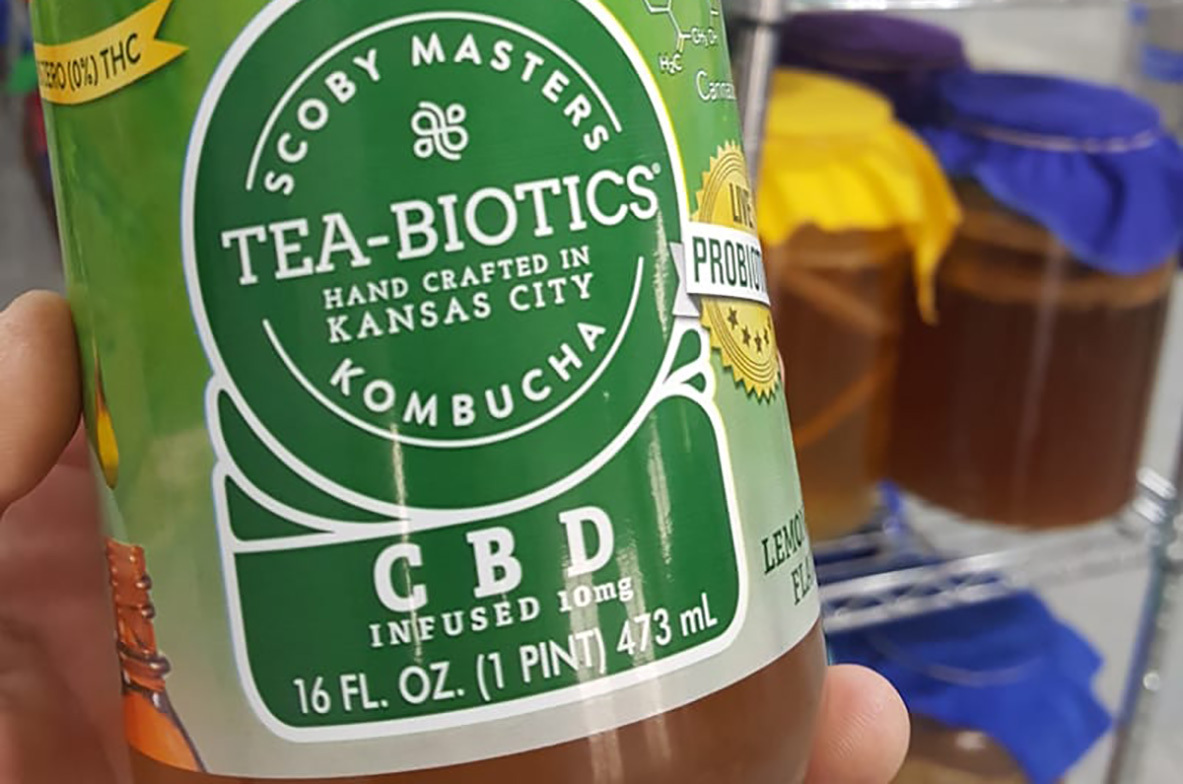
The smoke is lifting on cannabis as a commodity, Heather Steppe said, grateful for the entrepreneurial opportunity a waning stigma has created for her family.
In the Green
Startland takes an in-depth dive into the growing market for CBD and hemp products, and the KC entrepreneurs poised to capitalize on the nationwide trend.
• CBD modern family: Today’s mom-and-pop shop is selling hemp from a downtown OP storefront
• Will CBD get me high? Plus three more burning FAQs about the cannabis cousins
• Niall luxury watches founder, longtime friend: Time to harvest hemp potential in the heartland
“Our farmers are finally getting an opportunity to grow this plant and, by God, we’re going to be some of the people who support them,” Steppe said, looking out at the showroom of her Downtown Overland Park CBD shop — KC Hemp Co.
Click here to learn about the growing opportunity for marijuana-related startups in KCMO.
Projected to be a $32 billion a year industry by 2022, according to a research report published by CB Insights, CBD and hemp could revolutionize the relationship between agriculture and entrepreneurship, added James DeWitt — an Olathe hemp grower and co-founder of United American Hemp.
“We’ve got licenses, everything’s legal. We’re constantly in contact with the regulators,” DeWitt said of his experience navigating the grower space. “I think it’s really important to follow the rules as best as you possibly can, even when some of them are tough.”
From securing financial backing to the processes involved in selling cannabis-based products, entrepreneurs face an uphill, but worthwhile battle, DeWitt continued.
“Be patient because things are constantly evolving,” he said. “I would expect [legalized] industrial hemp, medical marijuana, and recreational marijuana within five years from now in many states, and [eventually] federally … I think we’re looking at decriminalization, banking for everybody. Maybe a different set of tax rules for that. But I think there will be a lot more clarity!”
With seeds of success sprouting in the cannabis space, it’s high time entrepreneurs reaped the harvest, Steppe added.
A group of Startland subject matter experts weren’t short on thoughts when asked if CBD and hemp are risk or reward opportunities for Kansas City and the future of its startup ecosystem.
Their responses are highlighted below as part of a limited series: Startland Specialists.
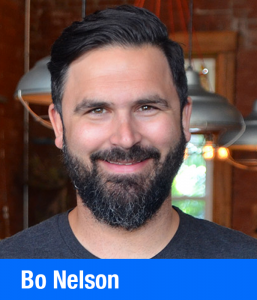
Bo Nelson
Role: Founder, Thou Mayest Coffee Roasters
So … what’s the risk? It’s a legal substance that people consume that may or may not have positive benefits — that could be about 20 other products in the Sinclair on Grand Street. I don’t hear people weighing the pros and cons of offering 5-Hour Energy drinks at the [point of purchase] in retail stores. I’m sure they sell the mess out of them though. It’s criminal.
[Exploring CBD is] absolutely a positive and if you have products you can incorporate CBD into — in a legal and moderated fashion — then you can make a decent amount on upcharges. Not to mention the reports on the benefits and calm it can provide your customers.
A risk could be uninformed people who think CBD and the “Devil’s Lettuce” are synonymous and therefore don’t do business with you? Seems trite.
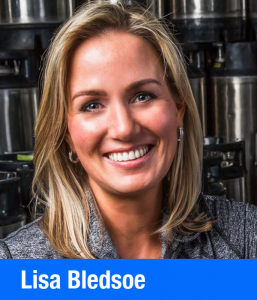
Lisa Bledsoe
Role: Founder, Scobby Master’s Tea-Biotics
I definitely think its a reward!
From the business standpoint, there’s a lot of confusion around CBD. There’s a lack of education — and a lot of people think it’s going to get you high or that it’s illegal or all these stigmas, if you will, about the hemp plant versus the active component that gets people high.
The CBD-infused Tea-Biotics Kombucha drinks that we’ve launched have an isolate of CBD in it, so it’s just a single CBD. You’re not going to pop dirty on a drug test. That’s another one of the misconceptions. But you do have to be educated about what you’re buying.
With us it’s different, because obviously we’re doing all our homework, making sure from a business standpoint and a legal perspective that we’re compliant, however, there’s a lot of CBD out there and they’re not all created equal and they’re not all compliant. To know what you’re looking for, you need to know how to read a certificate of analysis that will show you what is present in the CBD that you’re taking.
There are full spectrum products that will have trace amounts of THC that are federally compliant. They’re below the 0.03-percent by dry weight [requirement.] And then there are brands out there that are not compliant.
There isn’t a ton of regulation yet because of the 2018 Farm Bill just passing on CBD as a whole. And so that’s where I think people get a little confused because somebody might have a story where they try CBD and then they lost their job because they weren’t taking a compliant product.
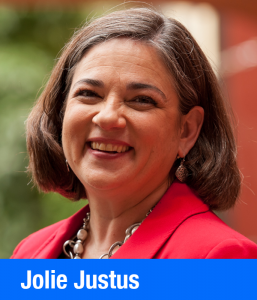
Jolie Justus
Role: Kansas City councilwoman; Candidate for KCMO mayor
Advocates for CBD usage argue that these substances offer consumers relief from stress, inflammation, and other conditions. Such potential benefits create a potential market for the product, but purveyors face significant speculative risk, at this time.
A recent change in federal law opens the door to legal trade CBD products and makes such trade more speculative. The 2018 Farm Bill removed industrial hemp from the federal government’s list of controlled substances; therefore, the material enters the stream of commerce. Yet, that statutory exemption is so broad that aggressive-advocates for CBD marketing argue that the Food and Drug Administration (FDA) no longer holds the authority to regulate the product.
Concerning business in CBD products, I believe that any unregulated commerce turns speculative. Consumers cast a wary eye toward unregulated products, and unregulated markets attract predatory competitors — who too often slash prices and reduce quality.
Consumers and investors should know that the FDA asserts that its general rules governing drug products still apply to CBD substances. Under that framework, food and drink cannot be augmented with the active ingredient of any drug, which could result in a ban on popular forms of CBD delivery.
That said, some food and drink purveyors — even ones with national reach — appear poised to test the FDA jurisdiction and ban in federal courts.
This February, in the absence of federal rules, New York City government banned the sale of food and drink that contain CBD as an additive. So, from a business perspective until the courts settle this jurisdictional issue, purveyors face a bit of risk.
One may expect this issue to come before the City Council sooner rather than later. At that time, I expect the council will hear local testimony and be advised by any state or federal policy, which may be in place.
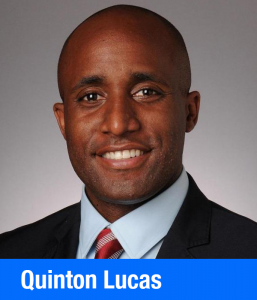
Quinton Lucas
Role: Kansas City councilman; Candidate for KCMO mayor
It’s absolutely a reward. I believe after the midterm elections in 2018, it became very clear how people in Missouri, and especially Kansas Citians, feel about CBD/hemp. It is time we stop fearing the consequences and start taking action that will improve the quality of life for so many folks.
On the business side, it is understandable why entrepreneurs would be hesitant in embracing the opportunities that CBD/hemp can provide. Despite the recent state-level actions, regulatory ambiguity is holding back innovation. Many of the CBD/hemp entrepreneurs I’ve spoken with have expressed concern that the government is only interested in taxing their sales, while not giving their businesses the same type of security and safety.
As mayor, I would assist in cutting through the red tape that holds businesses back.
Ultimately, I believe that embracing CBD/hemp will provide opportunity for entrepreneurs of all races and genders. It will provide economic opportunity by bringing in thousands of dollars in revenue and jump starting an untapped market. It will also be a rewarding opportunity in the healthcare industry too.
There are a lot of people in Kansas City that will benefit from CBD/hemp sales, and we must include them in this conversation.
Keep reading
• CBD modern family: Today’s mom-and-pop shop is selling hemp from a downtown OP storefront
• Will CBD get me high? Plus three more burning FAQs about the cannabis cousins
• Niall luxury watches founder, longtime friend: Time to harvest hemp potential in the heartland

Featured Business

2019 Startups to Watch
stats here
Related Posts on Startland News

CAPS Network expanding into rural Kansas schools with $951K education grant
Nearly $1 million in federal funds is expected to help CAPS Network expand its profession-based learning into rural school districts, focusing on the state of Kansas, Corey Mohn shared. The $951,000 grant from the U.S. Department of Education was announced earlier this week. “We are really excited about the impact this funding will help us…

Former sports executive teams with startup veteran to simplify visa process for foreign athletes
After 16 years handling immigration visas for the Kansas City Royals, Kyle Vena knew there must be a better way to streamline the daunting task of bringing athletes to the U.S. to play baseball — and keeping them, he shared. “When I left [the job] in the summer of 2022, I had this concept baked…
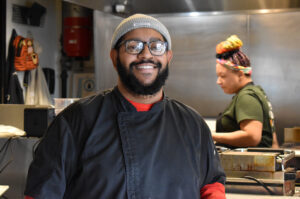
Cheese, chips, and cheers: Deez Nachos joins Parlor with its first fixed location
Dwight Tiller II is taking his family’s loaded nacho business from wheels to brick-and-mortar with its new spot — parked on the first floor of Parlor, Kansas City’s first modern food hall. Previously at the Crossroads-based Parlor as the former co-owner and head chef of KC Mac and Co., Tiller now is taking Deez Nachos…

Serial entrepreneur Matt Watson completes strategic buy-out of Full Scale
A prominent, twice-exited Kansas City entrepreneur has acquired full control of a company he co-founded five years ago — with plans to expand its leadership team and grow its employee count from 300 to 500 in 2025. Matt Watson announced Monday the completion of a strategic buyout of his co-founder, Matt DeCoursey, at Kansas City,…