

Wooing a NextGen workforce? Millennials, Gen-Z will turn down jobs missing these 3 elements
March 12, 2019 | Tommy Felts

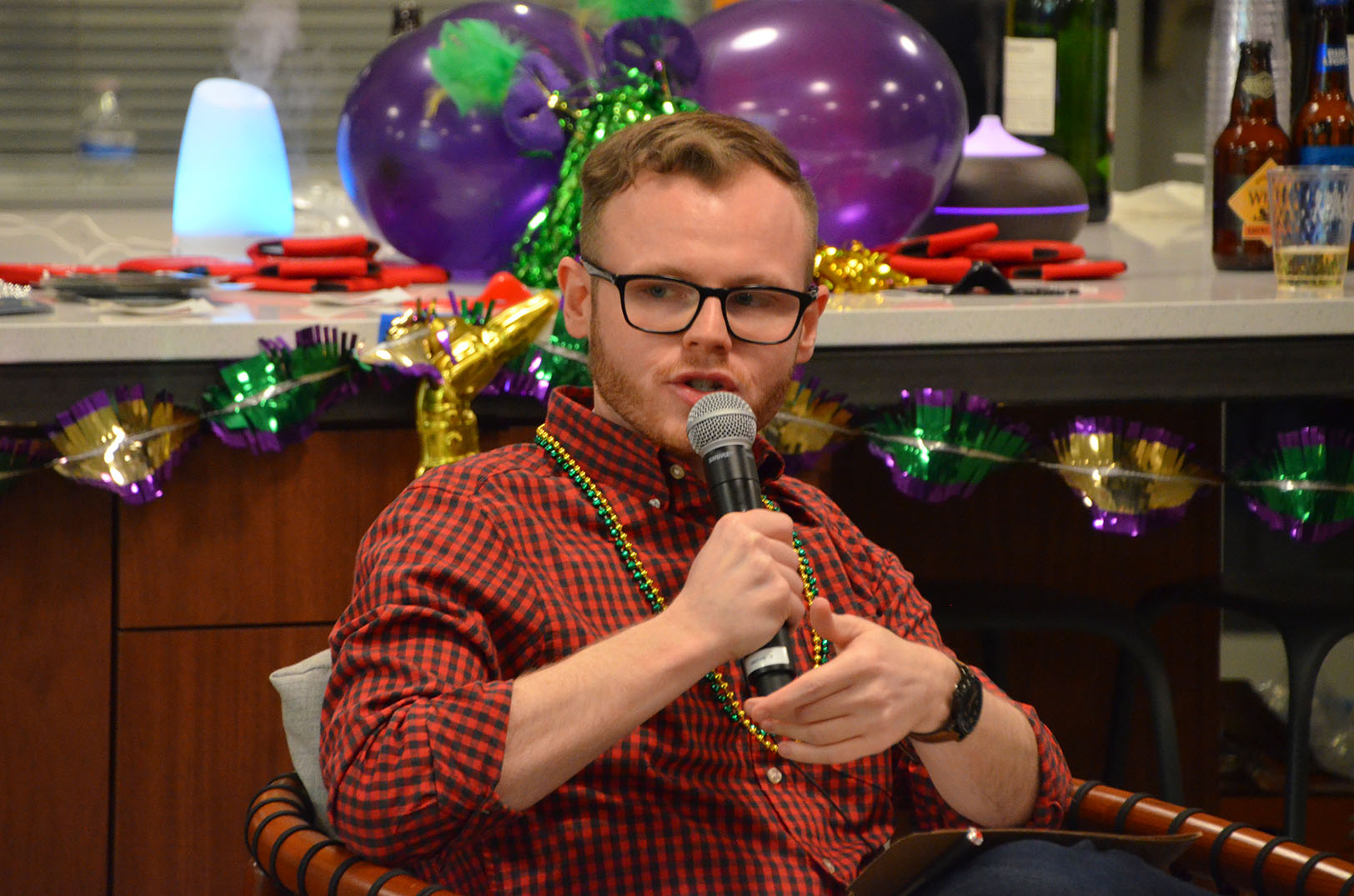
Employment is always a give-and-take scenario, said Ross Quinn, but today’s complex NextGen workforce wants more than a paycheck for time spent on the clock.
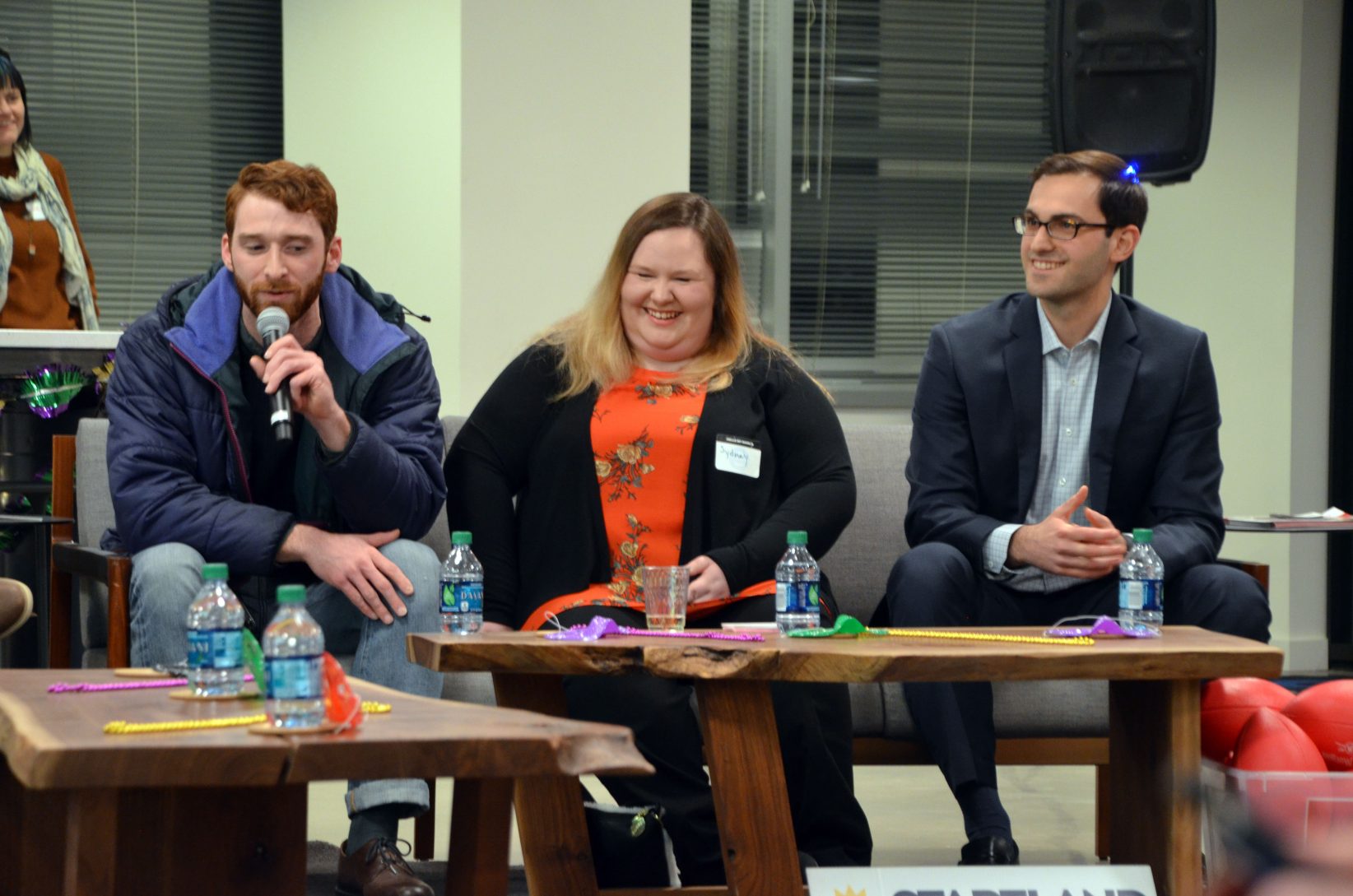
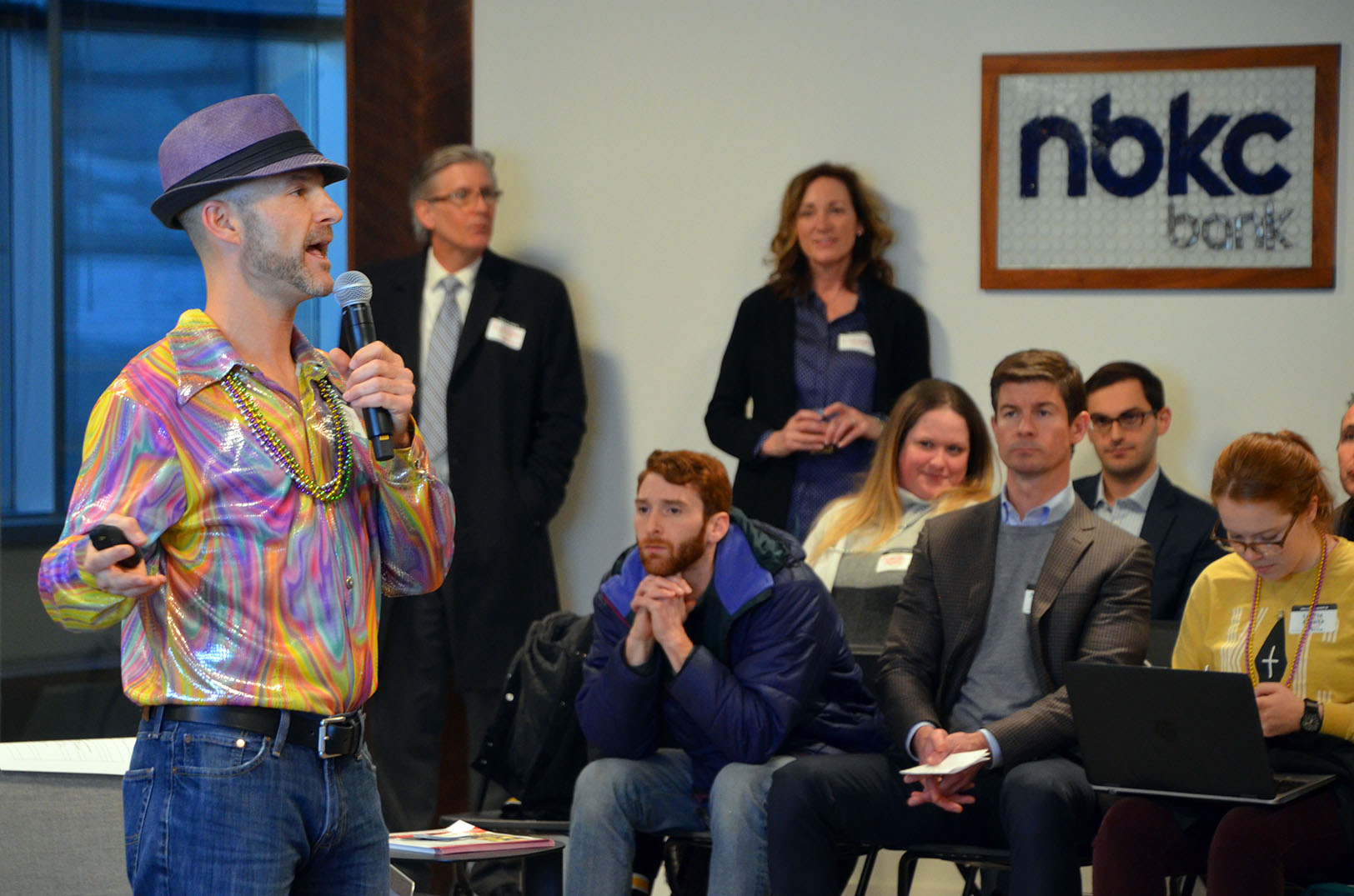
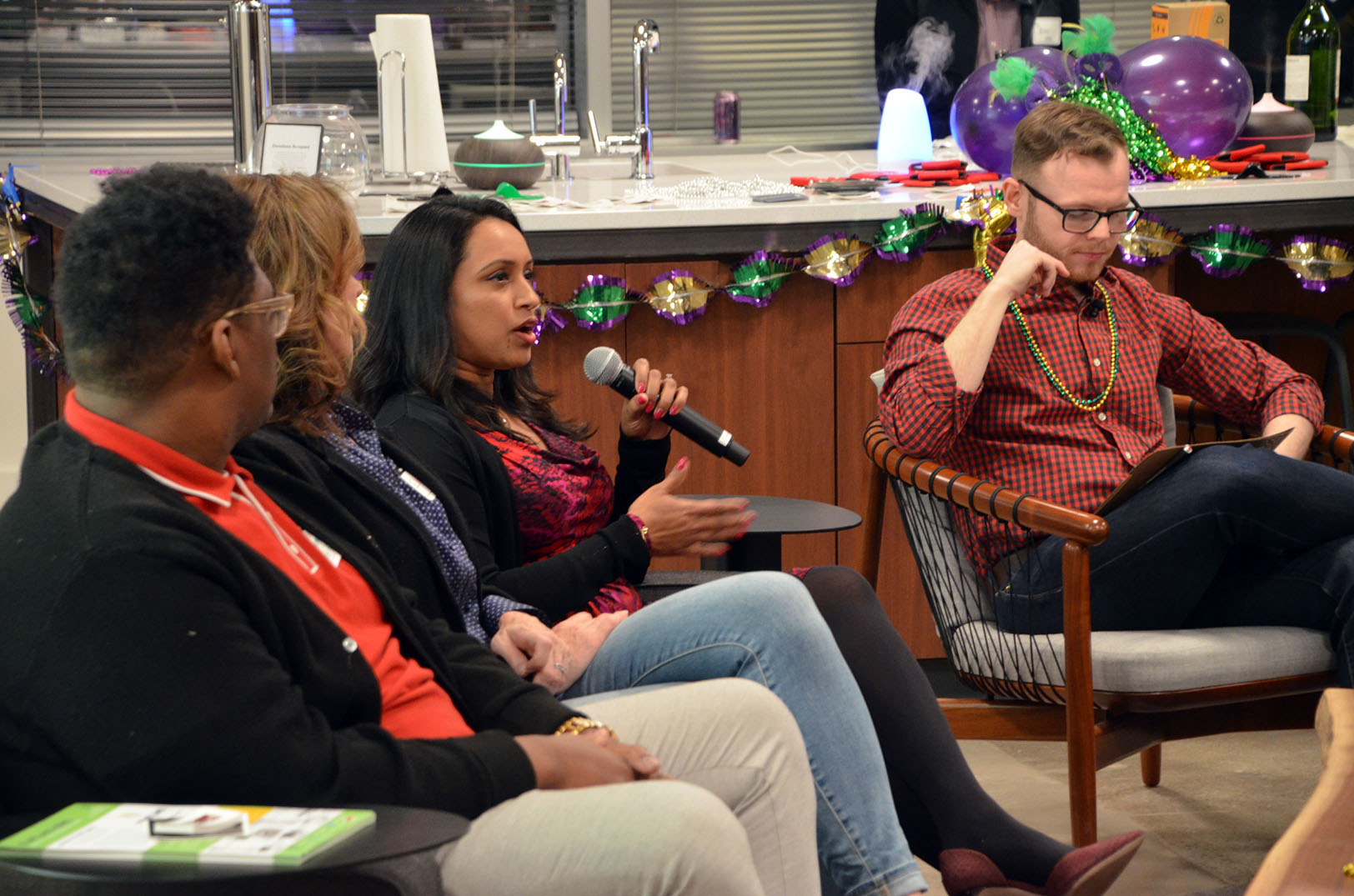
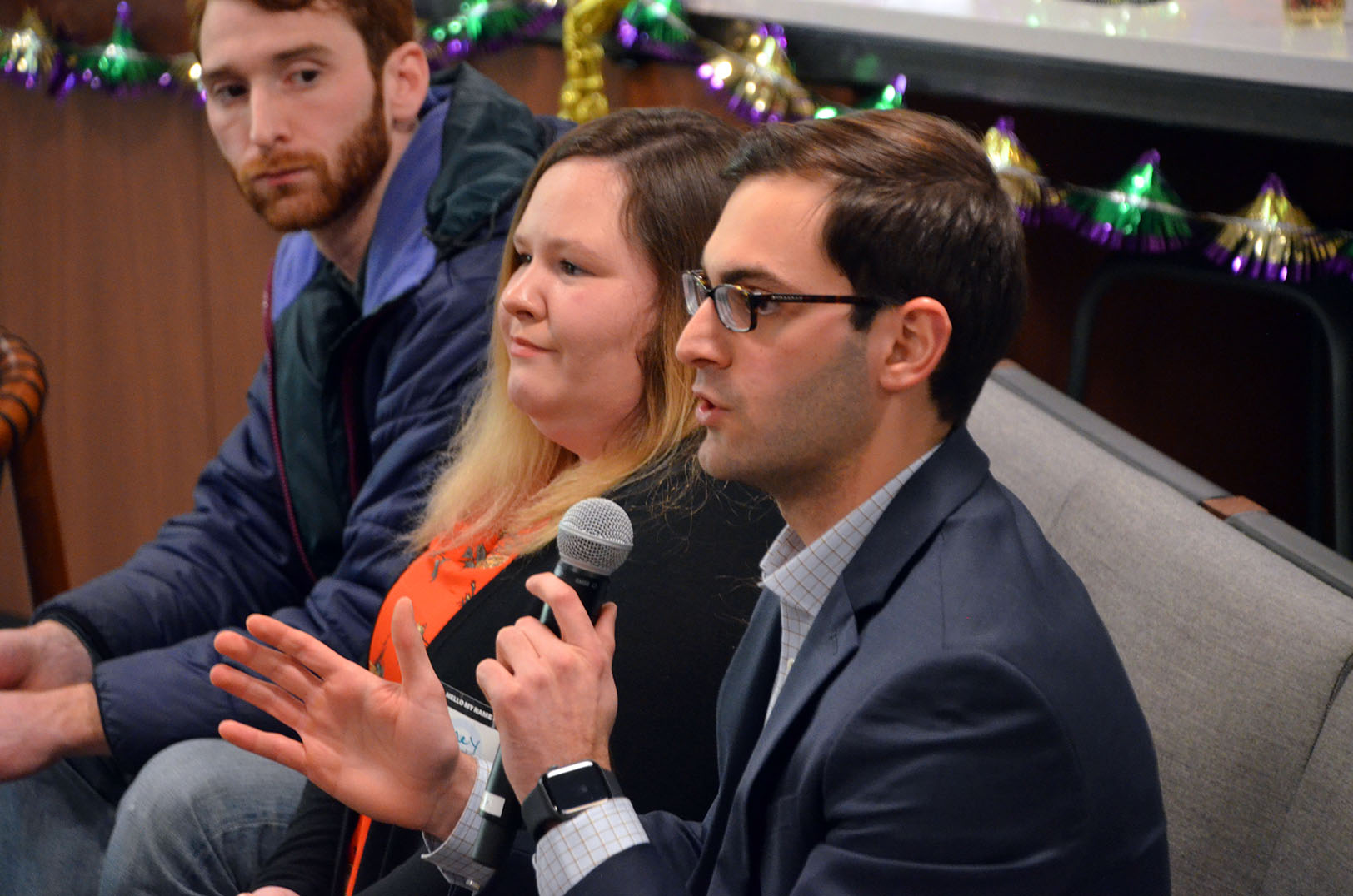
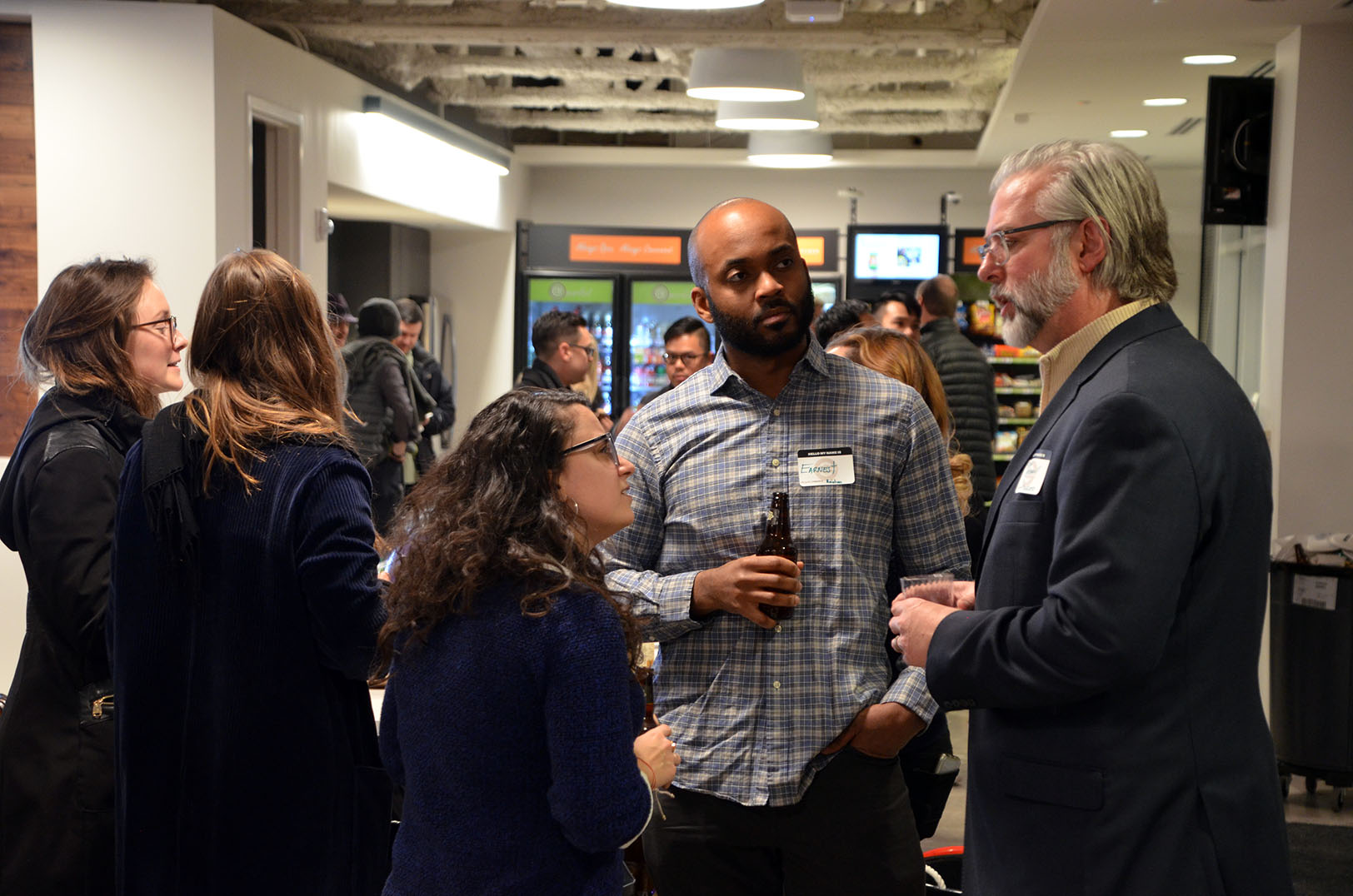
Ross Quinn, Sydney Steehn, and George Khoukaz
Millennials and Gen-Z workers often won’t feel satisfied with a position or a potential job if they aren’t given significant freedom and trust in exchange for the skill sets and tools they bring to the table, said Quinn, business development associate at KC-based startup Super Dispatch.
“It does help having some sort of guidance or training to mesh with that,” he admitted. “We’re maybe like house cats. We’re like, ‘Pet me. Pet me. Pet me. Don’t pet me anymore!’ We’re complicated, but we can also survive on our own.”
Joining a Startland panel discussion on attracting the workforce of tomorrow, Quinn and his fellow panelists emphasized that young workers want to personally identify with an employer’s culture, mission and values.
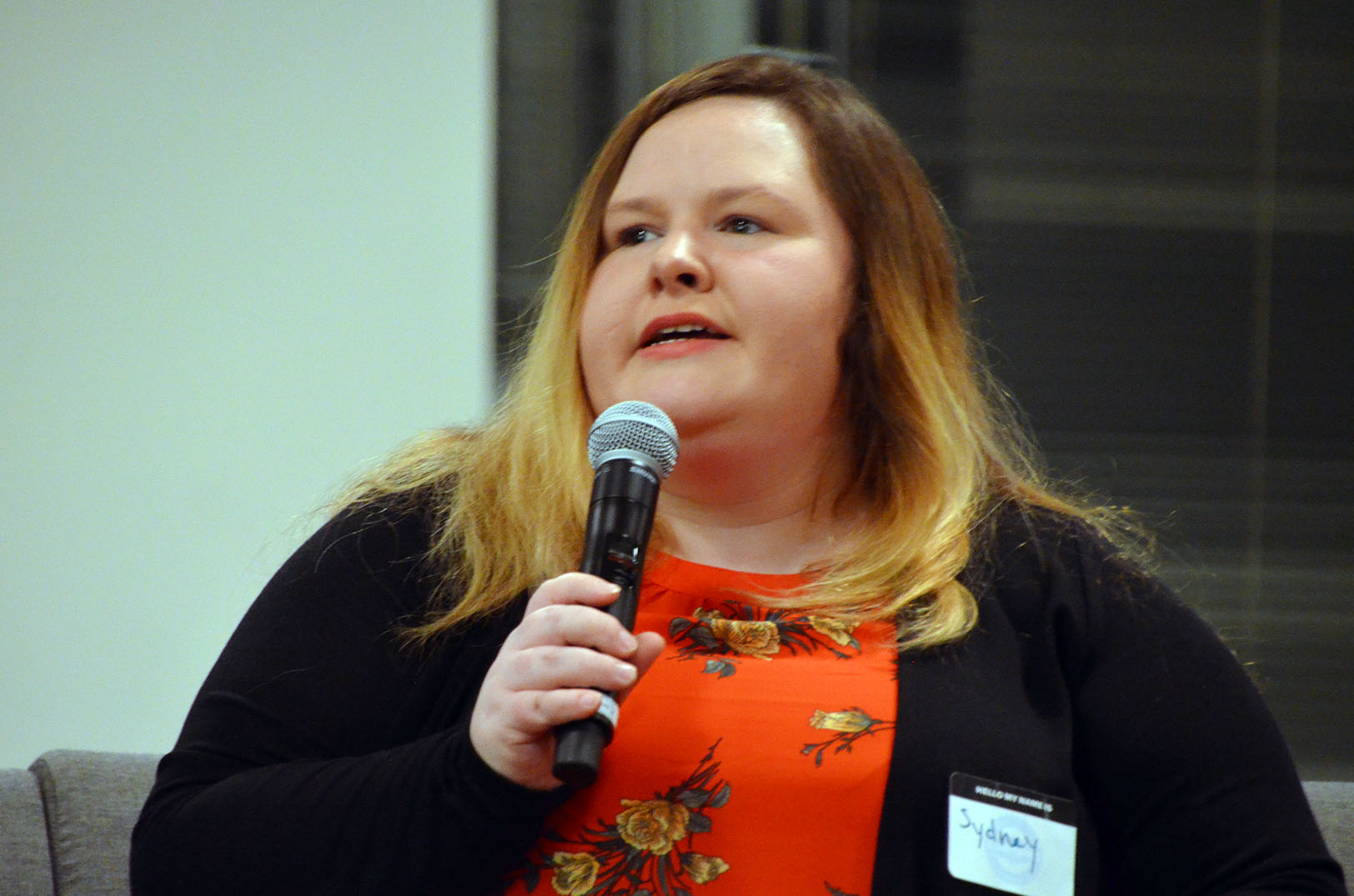
“We’re looking for companies that do what they say they’re going to do, and really live that culture,” said Sydney Steehn, a University of Missouri-Kansas City Entrepreneurship and Innovation student.
Other core requirements: Opportunities for young workers to make a meaningful impact; company transparency; and a workplace environment that supports employees having a life outside the four walls of an office.
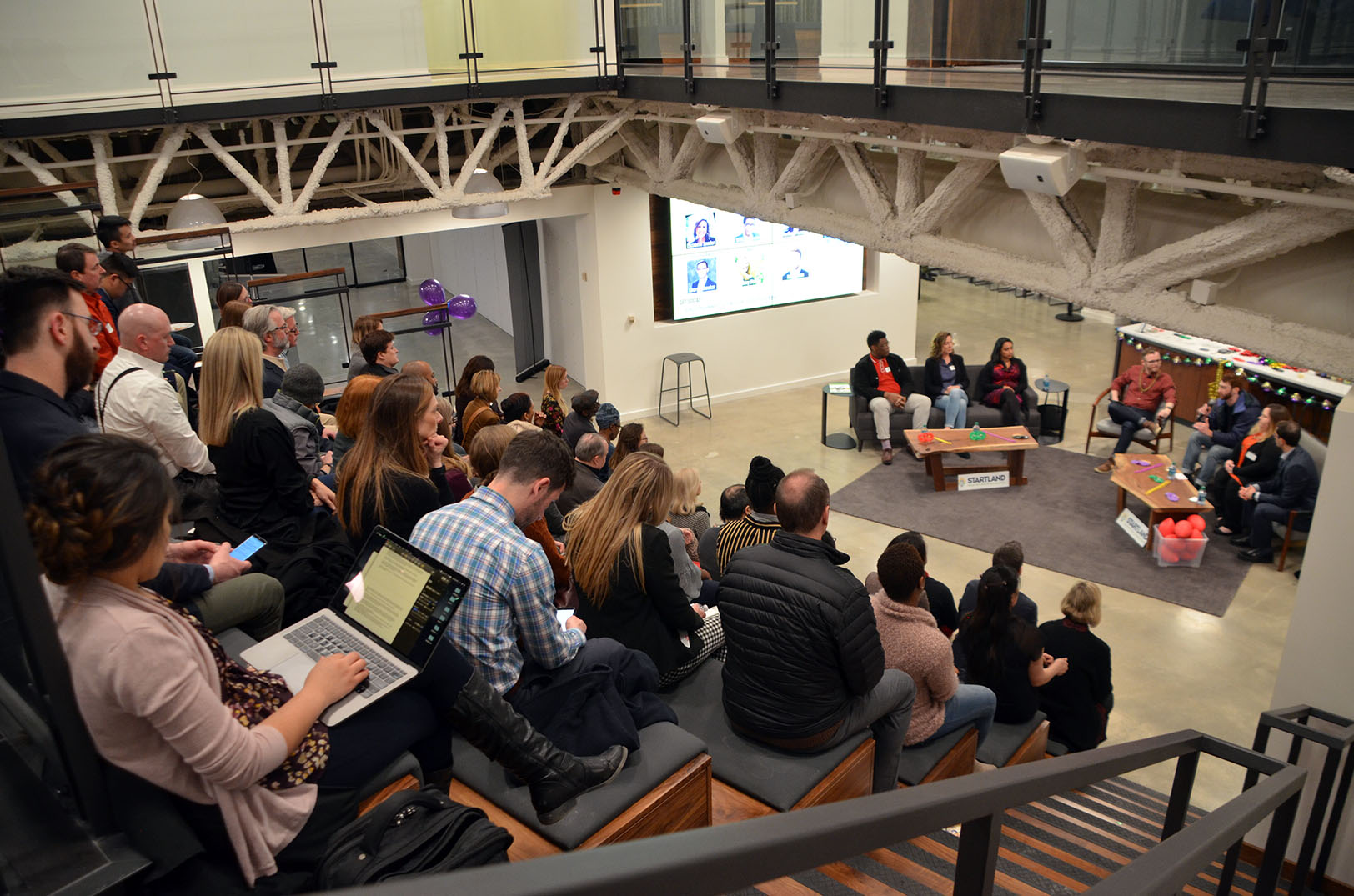
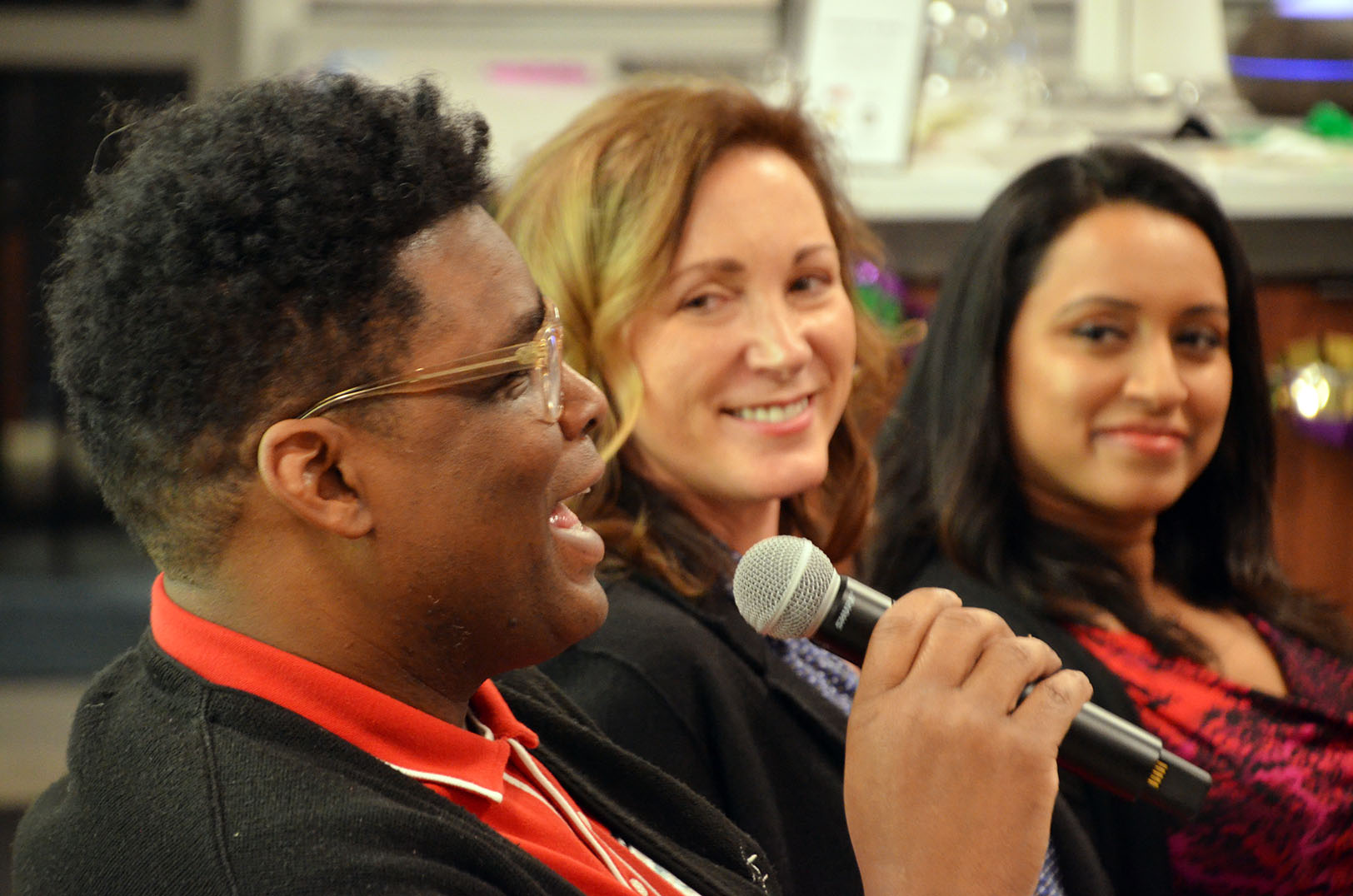
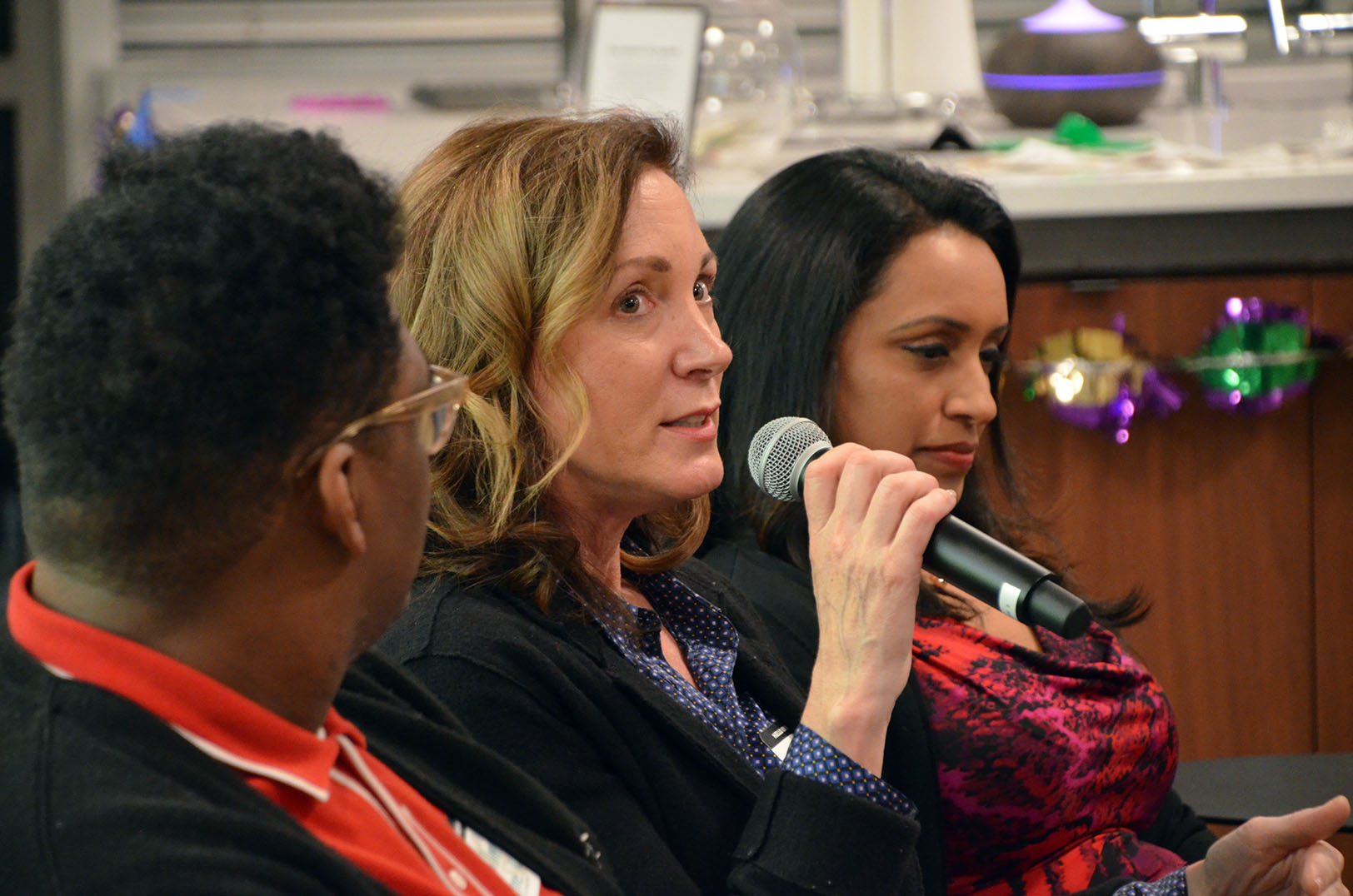
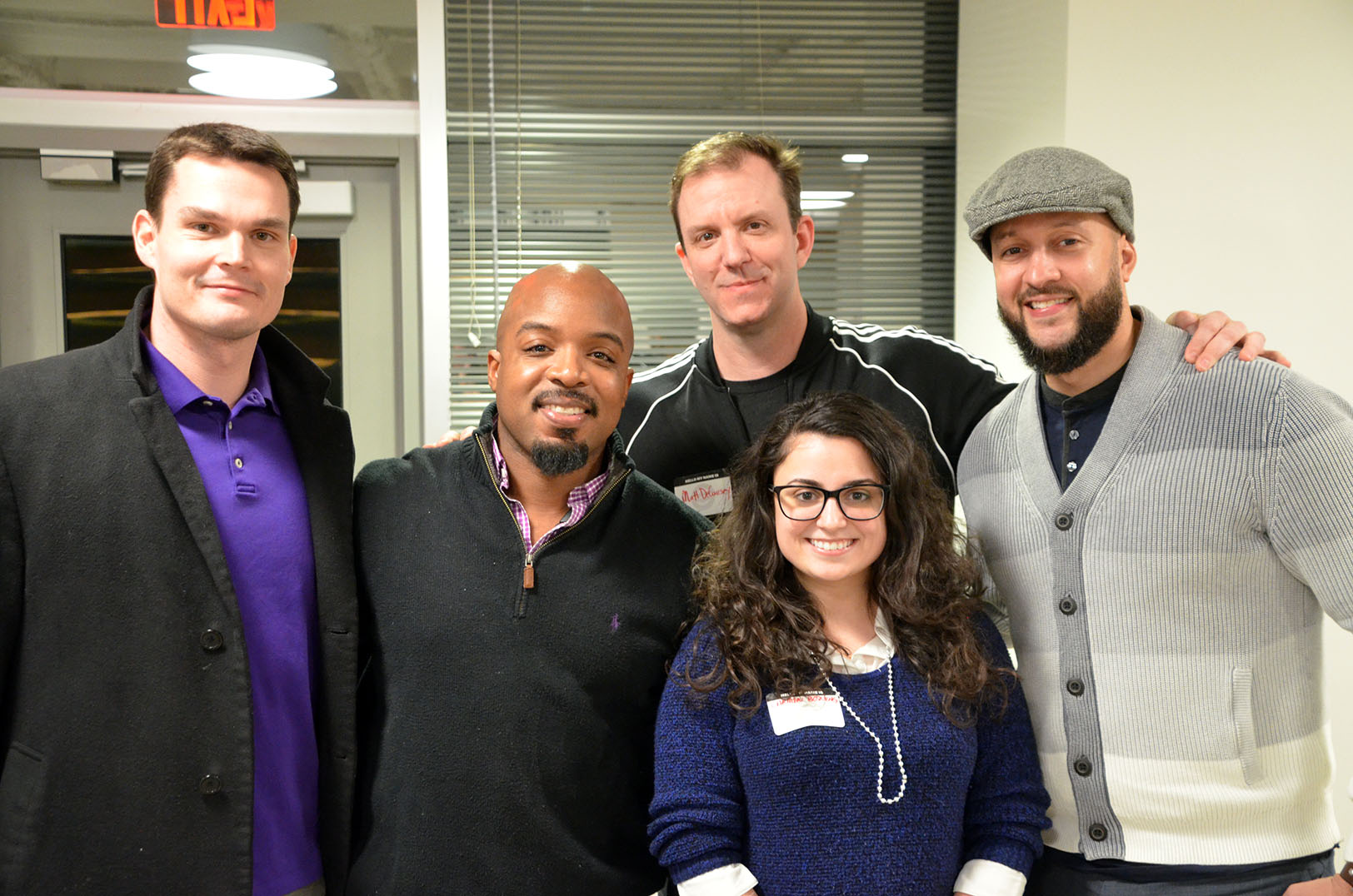
Keep reading below the photo and check out a full gallery from Innovation Exchange at the bottom of this story.
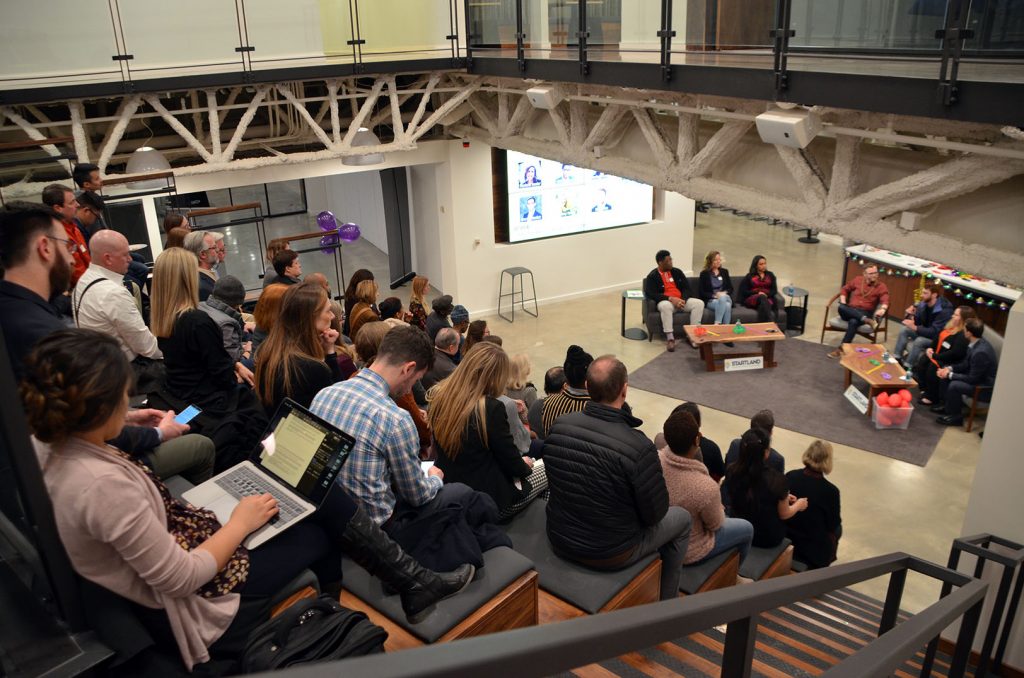
Innovation Exchange

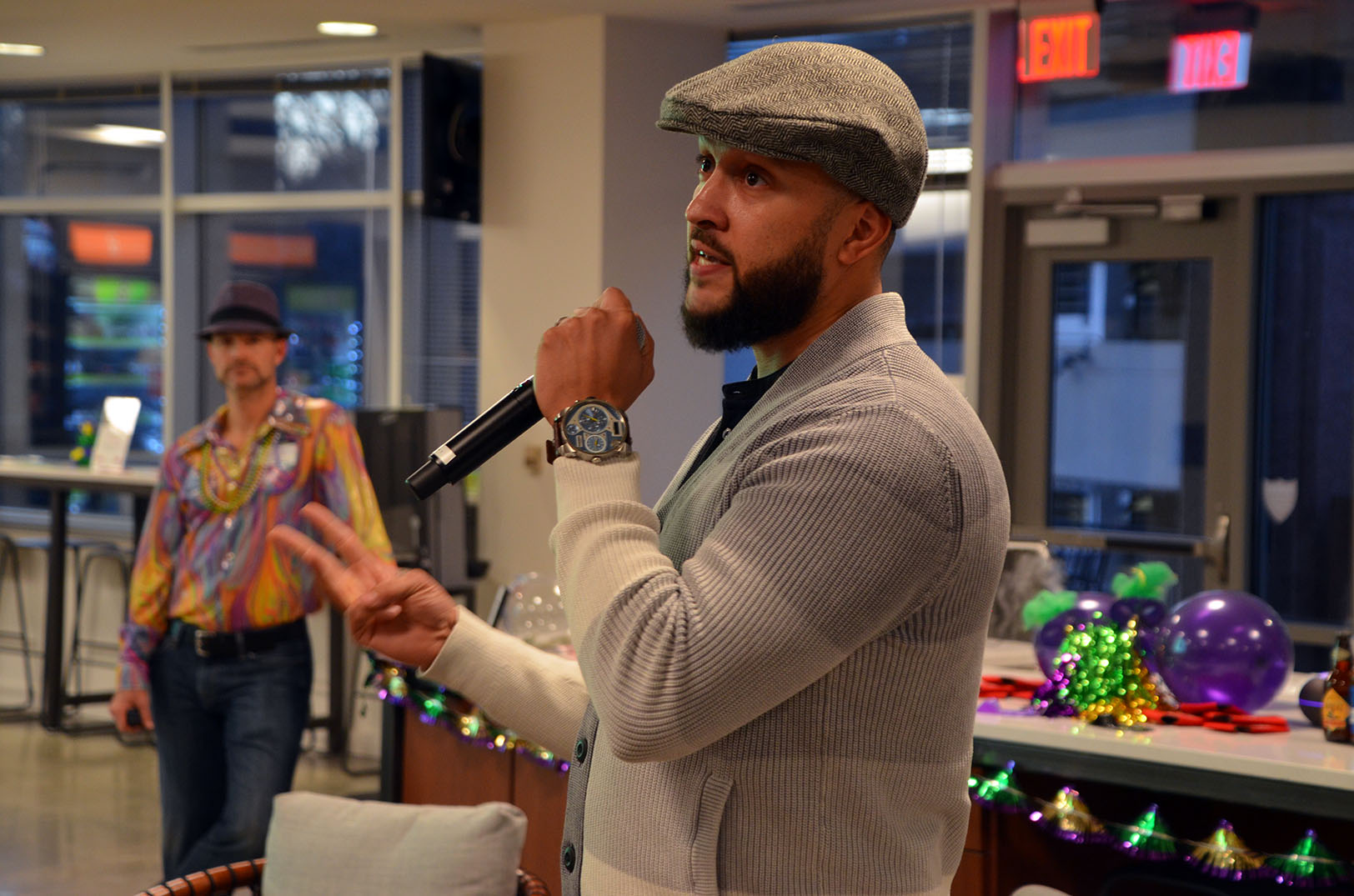
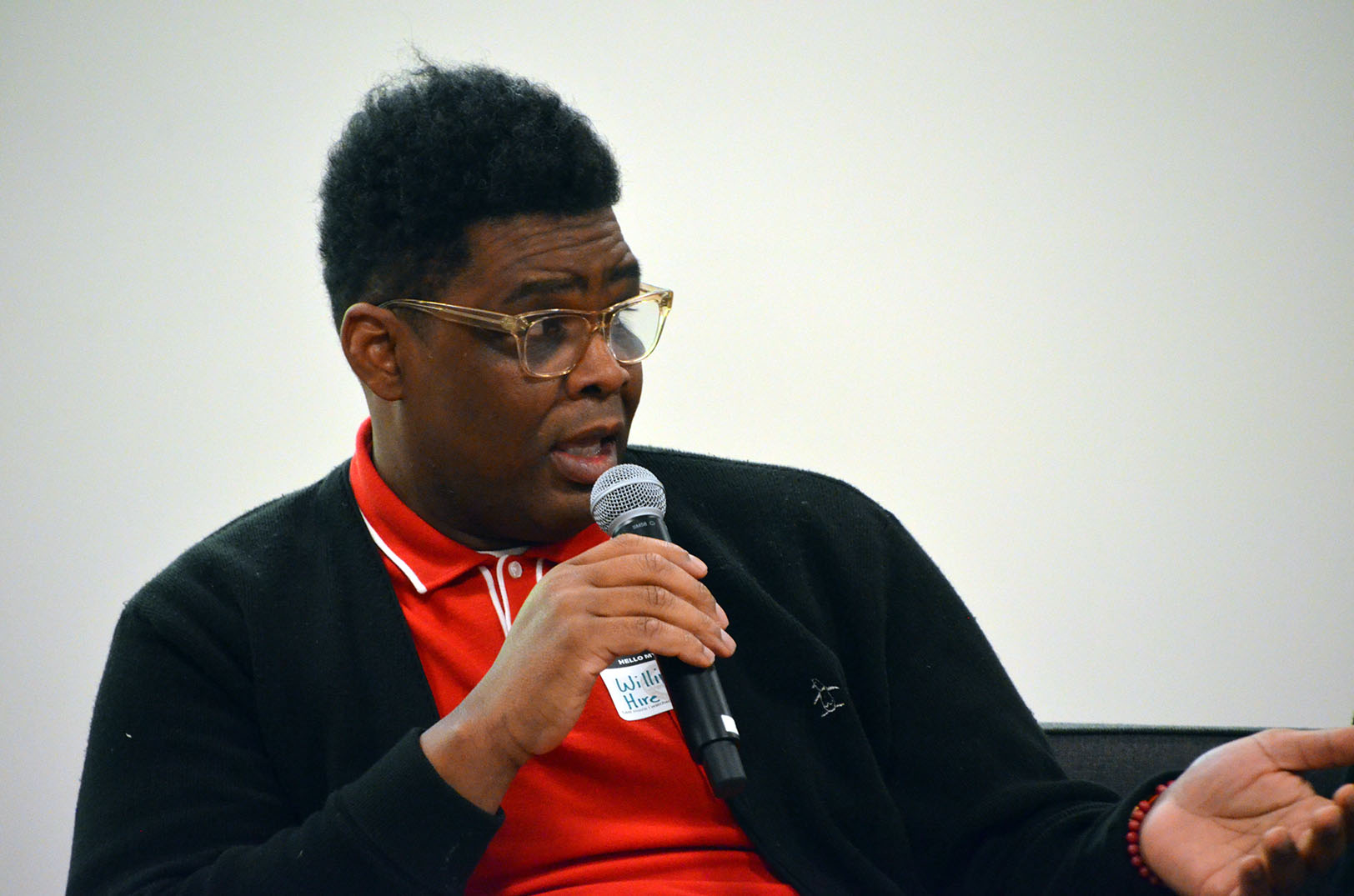
William Dowdell, Hire KC, KC Social Innovation Center
Responding to Innovation Exchange panelists’ conversation about workplace deal-breakers, William Dowdell asked the audience to consider that not all employees have the luxury of turning down or quitting a job because of their satisfaction level.
If Dowdell — program director for Hire KC at KC Social Innovation Center — for example, walked away from his job, he said, he couldn’t just immediately find a new role that was comparable in pay or level of fulfillment.
And race plays a significant factor, he acknowledged.
“You are less likely to get a job as a person of color, compared to your white counterpart,” Dowdell said. “The discrepancy and disparity is huge.”
That satisfaction checklist is attainable, said George Khoukaz.
“I remember very well, on my first day at work — and even back when I first interviewed with the firm — I was told that I was encouraged to be entrepreneurial, to be creative, to try to think out of the box whenever I’m at the firm,” said Khoukaz, a corporate transactional attorney at Husch Blackwell, which sponsored the Innovation Exchange panel at nbkc bank. “In that sense, I was told, ‘You obviously have to do your job — there’s some certain minimum threshold that we need to abide by — but beyond that, whatever ideas you have in mind, we are willing to support you and we are willing to provide you the tools to put these ideas into practice.’”
“The idea behind this new perspective is that my professional career should not be limited to the amount of time I sit behind the desk cranking and billing those hours,” he continued. “But rather it’s in the service that I provide to my community; it’s in the connections I build within my community; and basically, at the end of the day, what do I contribute to the people around me beyond just regular, legal, billable work?”
Anything less can be a deal-breaker for some workers, the panelists suggested.
“The purpose of one’s career is not necessarily only limited to the amount of money you would make, or the position or the rank you make within a certain company, but rather the purpose you are getting out of this experience — whether you’re being fulfilled in what you’re doing,” said Khoukaz. “And I do agree — not necessarily only here in KC, but really anywhere — we see that younger people are much more mobile, they’re willing to move to new cities, change jobs, change careers, just in order to get to where they want to be. And I think that the employers are also having to adjust with these new demands from the employees: trying to be more flexible, stepping up to the desires of the employees.”
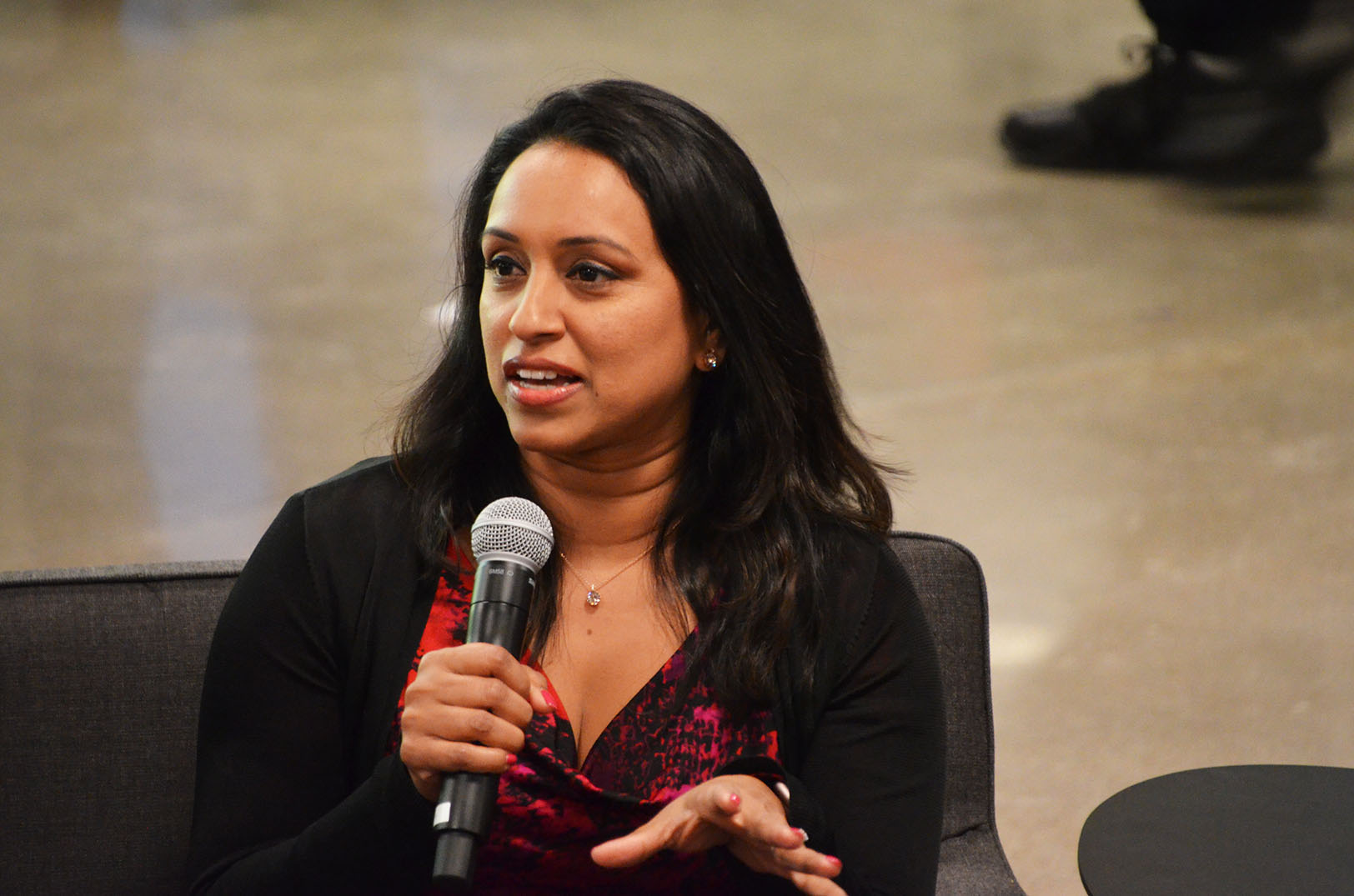
Neelima Parasker, SnapIT Solutions
Companies hoping to woo NextGen workers — or a potential employee of any age — must identify candidates’ specific desires in order to make them feel welcome, said Neelima Parasker, president and CEO of SnapIT Solutions.
“When I hire somebody new, I make them sit down and the first question they ask is: ‘If there is no restriction of what you could do, what would dream job be?’” she said. “You would be surprised how hard some people have to think about that question. … And if their answer is beyond my organization’s current capabilities, I will start planning for it right now.”
Click here to read more about how SnapIT Solutions has approached the NextGen workforce.
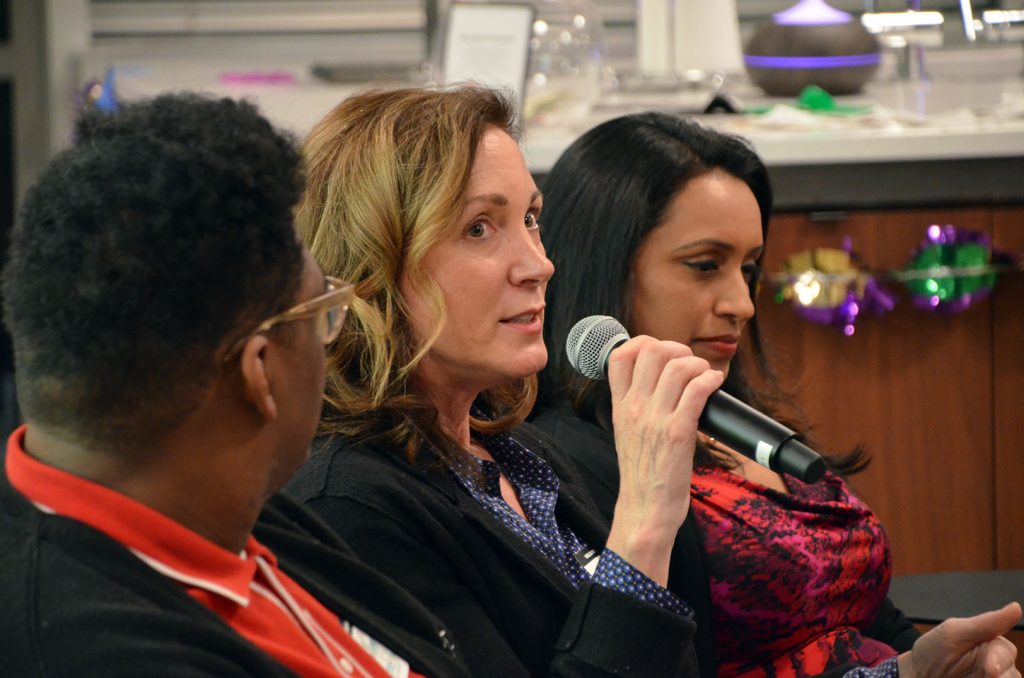
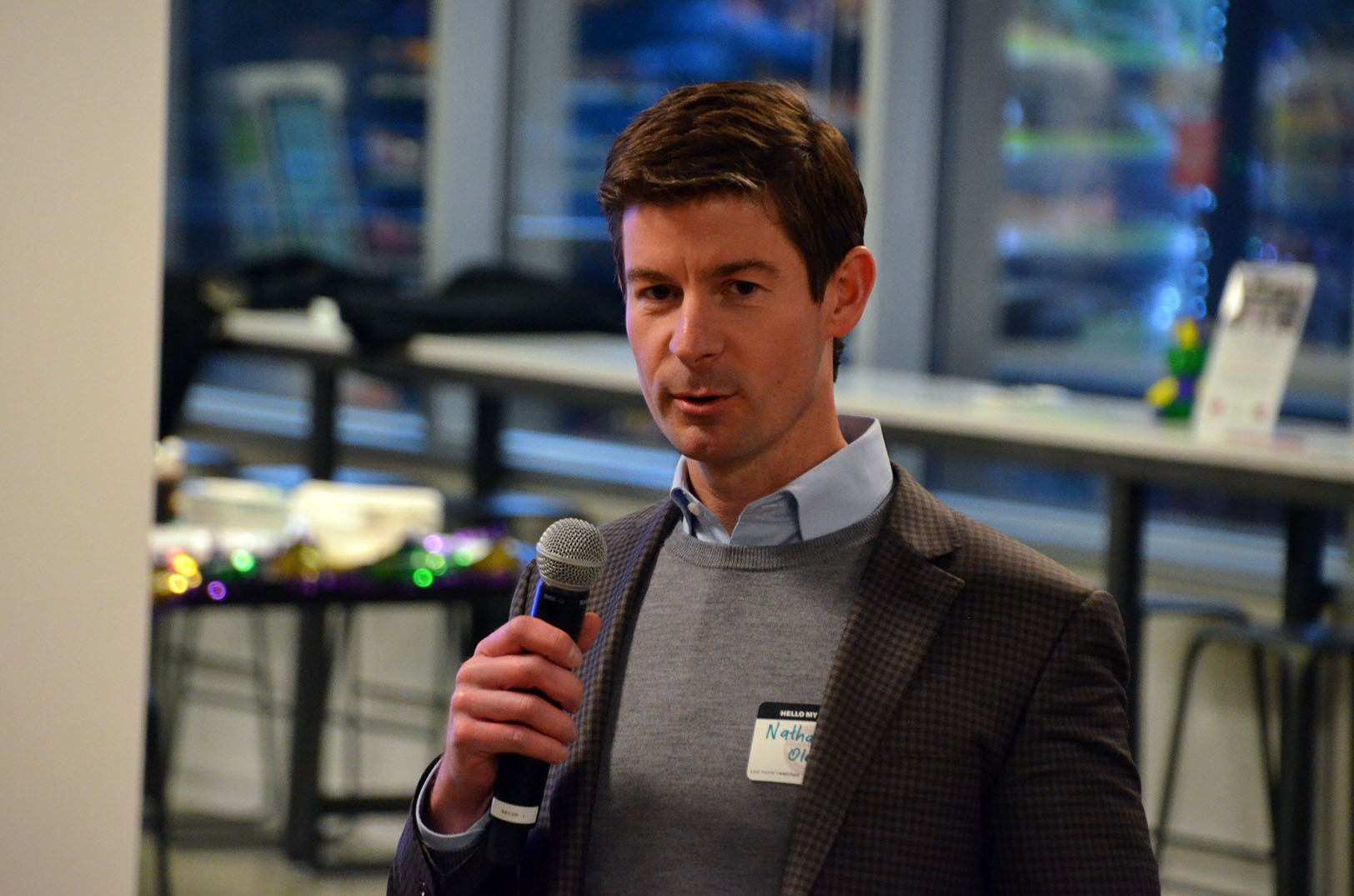
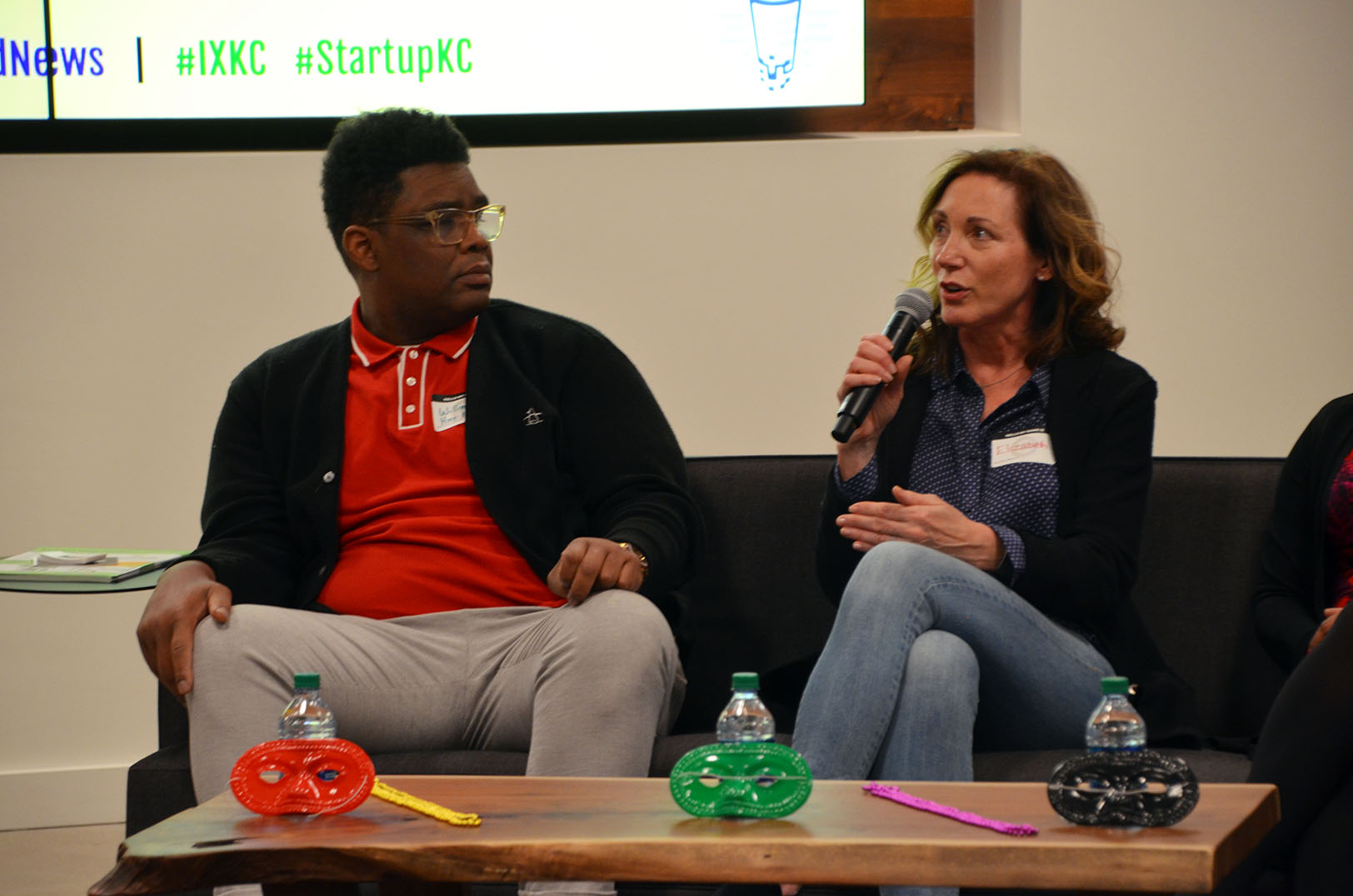
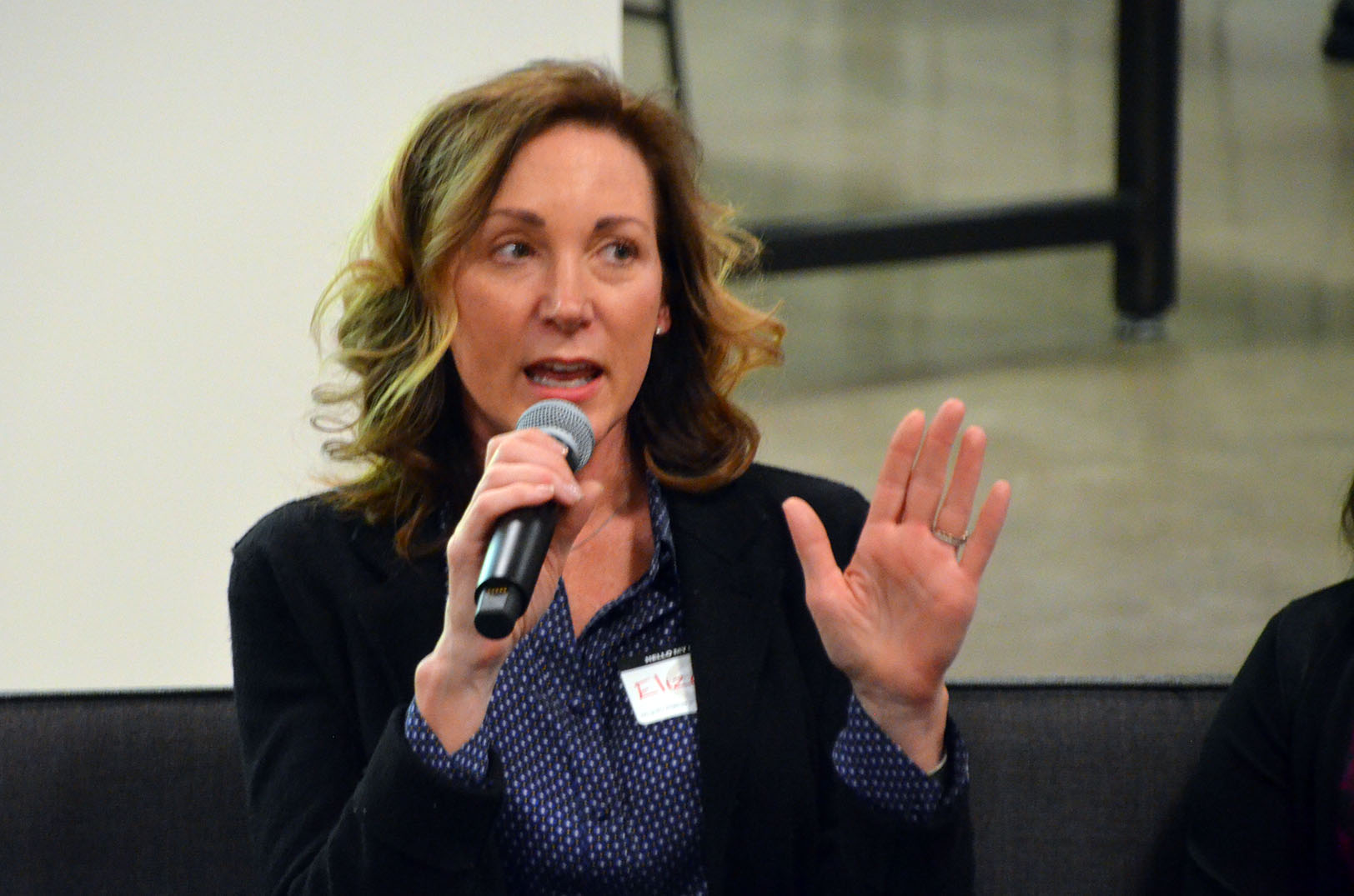
Elizabeth Souder, Husch Blackwell
Innovation in hiring begins with a company rethinking its process from the ground up, added Elizabeth Souder, attorney and innovation strategist at Husch Blackwell.
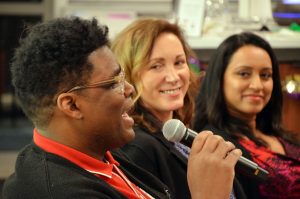
William Dowdell, Hire KC, KC Social Innovation Center
“You have to have a culture that is open to the possibility that maybe the way you’ve been doing things is not the right way, and that it’s not a reason to continue doing it,” she said, noting the hope that each generation learns from each other.
While a lot is riding on the NextGen workforce, William Dowdell said, employers need to recognize it’s about more of a “millennial mindset” — not just a certain age group.
“The thinking is really concentrated on the chronological sort of classification of millennials, but it’s also ushered in a new way of doing business, a new way of respecting that employee as a valuable input,” said Dowdell, program director for Hire KC at KC Social Innovation Center. “Millennials are bringing in change, but I also think that change is happening all around us.”
“It’s not just about young blood,” added Parasker. “It’s about new ways of doing things.”




Featured Business

2019 Startups to Watch
stats here
Related Posts on Startland News

Startland News’ 2017 Made in Kansas City Gift Guide
As a community publication, you could probably guess that Startland News loves its hometown. At the core of what we do and who we are, Startland exists to highlight the creatives, makers, builders and innovators that are putting money, heart and soul into their work. That’s why we’re excited to present to you this 2017…

Startland’s 2017 Made in Kansas City Gift Guide: Edibles and Drinkables
Startland News presents its annual Made in Kansas City Gift Guide. Check out selections from the KC Edibles and Drinkables category below. Have more ideas? Leave them for readers in the comments below. Boozy Botanicals — $17 Add aroma to your favorite amateur mixologist’s repertoire with Boozy Botanicals, a syrup infusion that brings complex flavors…

Happy Food Co. packs outside-the-box flavor into locally sourced meal kits
Finding the right mix of flavors for Kansas City’s pallette has been a trial-and-error effort for Happy Food Co., Jeff Glasco said. The Olathe-based direct-to-consumer meal kit company offers about 20 easy-to-prepare dinners infused with bold spices and outside-the-box local ingredients. Customer favorites include a bison cheeseburger quesadilla, butter-basted salmon, and soba noodle bowl with…
Ennovation Center helping food entrepreneurs avoid charring their dreams
In the seven years of leading a food business incubator, Lee Langerock has seen plenty of businesses — and dreams — sour. “We’ve had a front-row seat to the startup challenges and trials of food-based business,” said Langerock, the executive director of the Independence-based Ennovation Center. “The biggest pitfall we’ve witnessed is lack of practical,…