

WIRED together: How mentorship led 22 women to a million-dollar investment
March 6, 2019 | Elyssa Bezner
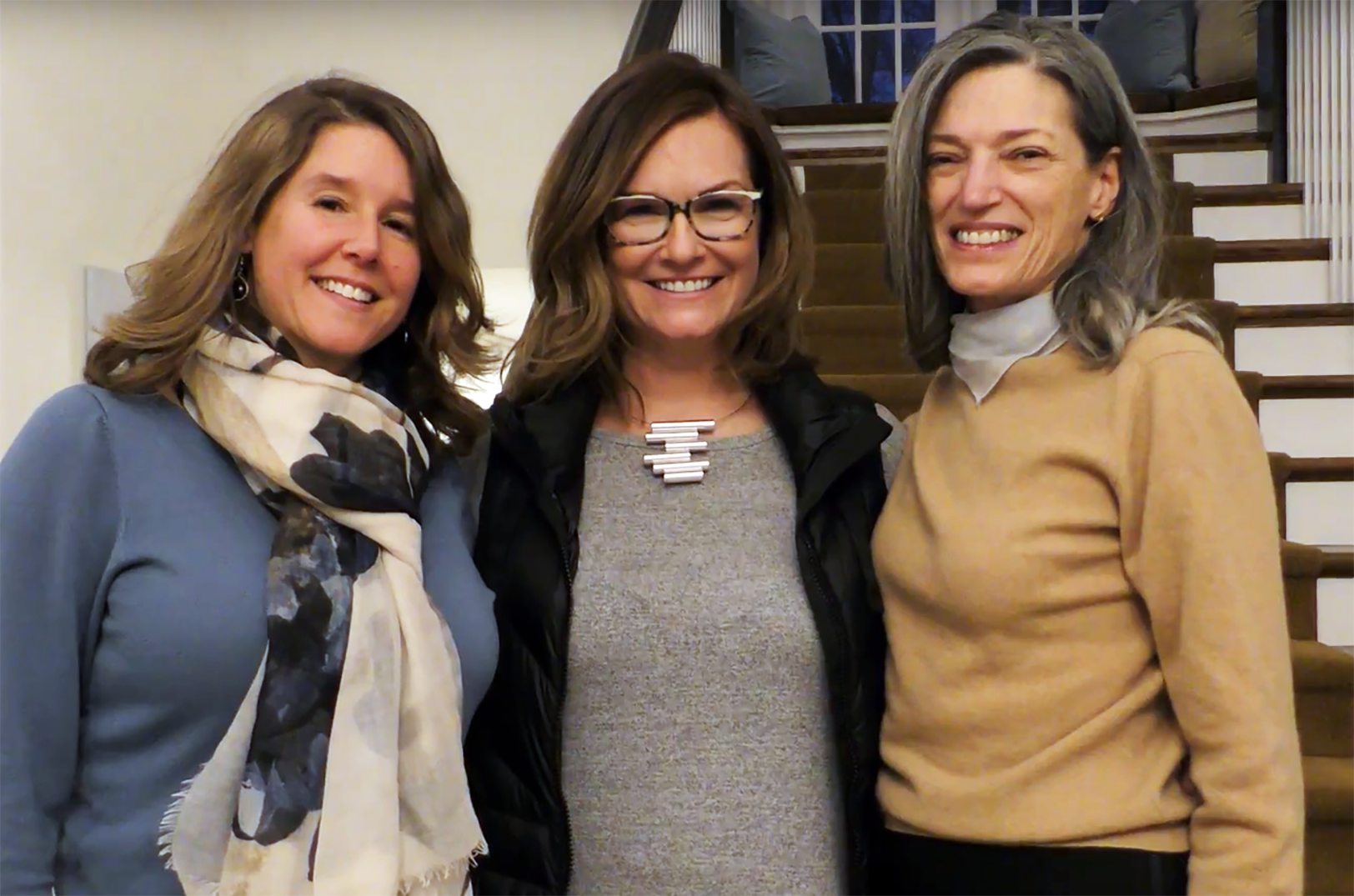
Collaboration among like-minded women forms a dangerous advantage, said Sheryl Vickers and Audrey Navarro.
Editor’s note: The following is part of three-piece package, Women’s Work: Startups fueled by female founders struggle for equity.
• Founder facing gender bias: Don’t call me a victim; call me investors
• Even gatekeepers struggle to bring KC’s women-led companies in from the cold
• WIRED together: How mentorship led 22 women to a million-dollar investment
The duo helped found WIRED — Women in Real Estate Development — to foster mentorship and investment among women in the male-dominated and individualistic commercial real estate world.
“We believe we have a leg up in the industry because that siloed, self-serving approach [that’s widely utilized] is substandard to a collaborative approach,” said Vickers, collaboration partner at Clemons Real Estate, owner of real estate firm Select Sites, and co-founder of WIRED with Navarro and Diane Botwin.
“[Collaboration] just elevates the game. Everybody has to be smarter, better, and faster,” she said. “That’s what happens to this industry when women take the lead.”
Engineered as a women’s professional development and investment organization, WIRED includes 40 women across different career stages within the investment and development space, said Navarro, managing partner at Clemons, adding the purposeful diversity of age in the group allows for mutual mentoring.
“There are a lot of service providers within the commercial real estate industry — whether it’s on the brokerage side or construction or consulting — but there are not very many mentoring or education-based groups out there to really leverage intellectual capital as opposed to just like a standard networking organization [right now],” she explained.
“It’s one of the biggest gaps in our market,” she added.
WIRED recently launched the group’s first collective investment nearing $1 million with 22 members pooling funds to acquire a seven-tenant retail property west of the Country Club Plaza, they said, noting the highest investment contribution fell at $18,000 with the lowest at $2,000.
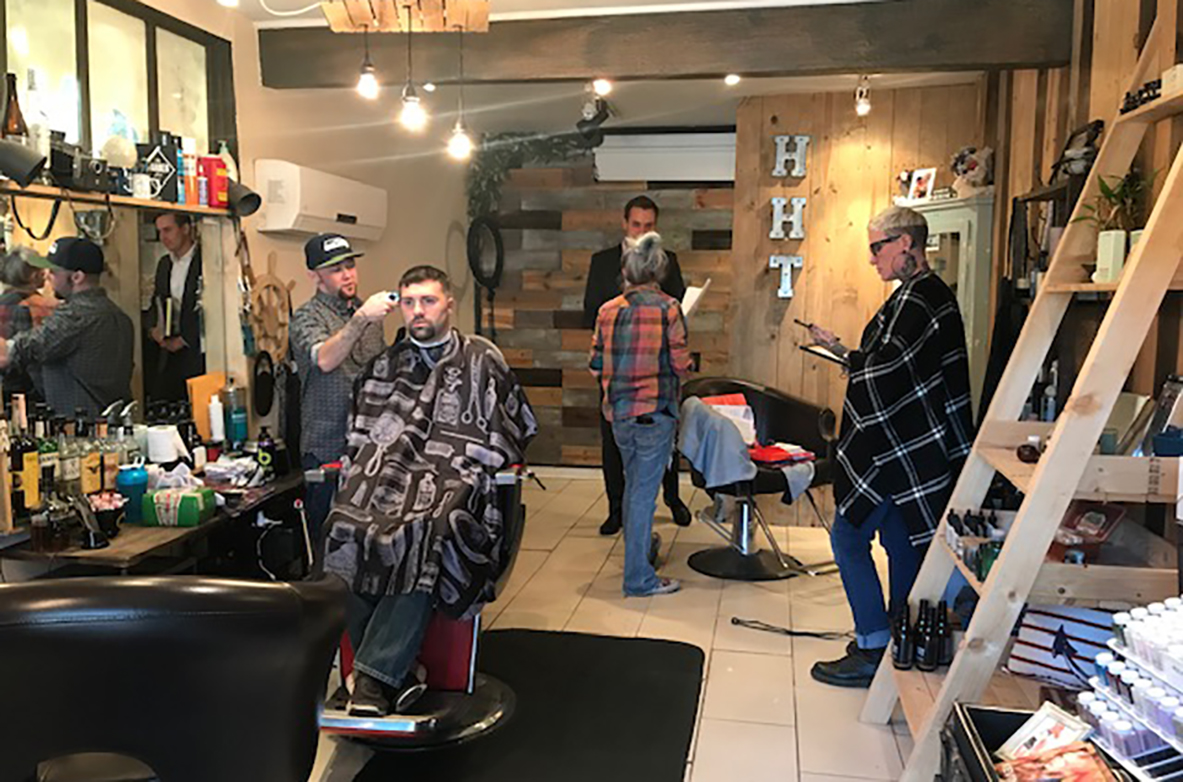
Barber shop at 1207 W. 47th St., Kansas City
“I think building upon [this project] is definitely our goal,” said Navarro. “Starting out with a small, straightforward, stabilized, quality project is Step 1, and we’ll build upon that to explore a variety of different types of assets at different types of price points and different types of … ‘brain damage.’”
“[Contributing members] got to go through the entire process of buying [which means] entitlements, inspections, budgeting, negotiations, attorneys, operating agreements — all the things that you have to do to get to the finish line,” Vickers added.
“There’s no better way than to just do it,” Navarro said.
A lack of professional women in the commercial real estate sector and the resulting lack of female mentors to look during the founders’ respective journeys inspired the formation of WIRED, she said.
“Moving throughout your career cycle requires mentorship,” she added. “The obstacles I would say that I faced were just asking the right people the right questions and having that safe space to ask stupid questions. It can be intimidating. Having kind of a small group of women that you can lean on for their industry expertise is really important.”
More collective investments and property acquisitions are expected throughout the continued journey of the group, said Vickers, noting each monthly meeting is dedicated to a specific aspect of the commercial estate industry as well as personal development.
“Some of our programming is as simple as how to promote yourself better — women tend to wait to be invited to things!” she said, adding that key members of WIRED have led conversations on how to ask for higher commissions. “You really have to intentionally promote yourself [in the commercial real estate industry.]”
“Oftentimes, none of us discuss with other people how we negotiate our fees, and we just do it based on what we think is acceptable,” she added. “When you don’t discuss those things internally and know what the market is paying, then you’re underpaid.”
WIRED is an different format for that shared understanding, said Navarro, noting that often men and women can communicate, but ask for help in different ways.
“Maybe it’s just the high proportion of men versus women [in the commercial real estate industry] but, if something happens out on the golf course, then I guess I just missed that class,” she laughed. “This is the alternative to that mystery surrounding how you should put your deals together.”
Even after jumping the hurdle that is finding a mentor willing to invest considerable time in a person’s career, differences in gender sometimes don’t allow for a streamlined relationship, Navarro pointed out.
“It’s really easy for the older guy to take the younger guy out for a beer, but it’s a little more awkward when it’s a female,” she said.
“It doesn’t feel like long ago but [when we started,] we were just young and trying to figure it out and kinda clueless — or at least I was clueless,” added Vickers. “As I watched us get into a realm where we found our niche and found our way, I just really regret that didn’t happen faster, that it was so long and so hard for me to get to the point where I knew what I was doing.”
The group is hesitant to expand beyond 40 members, she said, noting WIRED has grown naturally with trusted colleagues thus far and has operated in a small group setting.
“To be really clear, this is for women in brokerage development or investments or women who wish to be in brokerage development or investments, not someone who wants to draw all of our architectural plans — you’ve got to be in the game,” said Vickers. “That’s part of what we restate over and over because we don’t want it to get too big with outside people.”
“Over the past 20 years though, there’s been a lot more growth in women in our industry in general,” said Navarro. “We want to support that.”
More from Women’s Work: Startups fueled by female founders struggle for equity:
• Founder facing gender bias: Don’t call me a victim; call me investors
• Even gatekeepers struggle to bring KC’s women-led companies in from the cold

Featured Business

2019 Startups to Watch
stats here
Related Posts on Startland News

Report: Kansas City is the 8th-worst metro for entrepreneur diversity
It’s a dreary day for Kansas City in terms of successfully supporting a diverse entrepreneurial community. The City of Fountains is far below the national average — and the majority of the most-populated metros — when it comes to minority business ownership, according to the United States Census Bureau. The bureau on Thursday unveiled the…

KCMO reveals seven innovation partners and inaugural demo day
Mayor Sly James on Tuesday announced seven partners for the 2016 Innovation Partnership Program and the program’s new accelerator-like approach. Now in its second year, the IPP provides select startups with city data and infrastructure at no cost and the opportunity to develop, test and demonstrate innovative solutions for the city. For the first time, the…

With traction in tow, Super Dispatch is a model ‘lean startup’
Super Dispatch began like every tech startup: with a good idea. But as founder Bek Abdullayev will tell you, it takes more than that to be successful. In 2013, Abdullayev founded Super Dispatch, a software-as-a-service platform for the trucking industry intended to eliminate paperwork. Super Dispatch streamlines the communication of documents between truckers and their…

‘Makerspace in the ‘Hood’ wants to smother poverty and crime with creativity
Every successful entrepreneur is born with a seed of opportunity. It is impossible for one person to be successful on their own; whether you extend gratitude to your family for their support, your university for its resources, or the angel investor who believed in you when nobody else did. Now imagine you grew up in…