

Fast track Missouri Hyperloop: Bipartisan support for 670-mph travel builds speed
March 14, 2019 | Tommy Felts
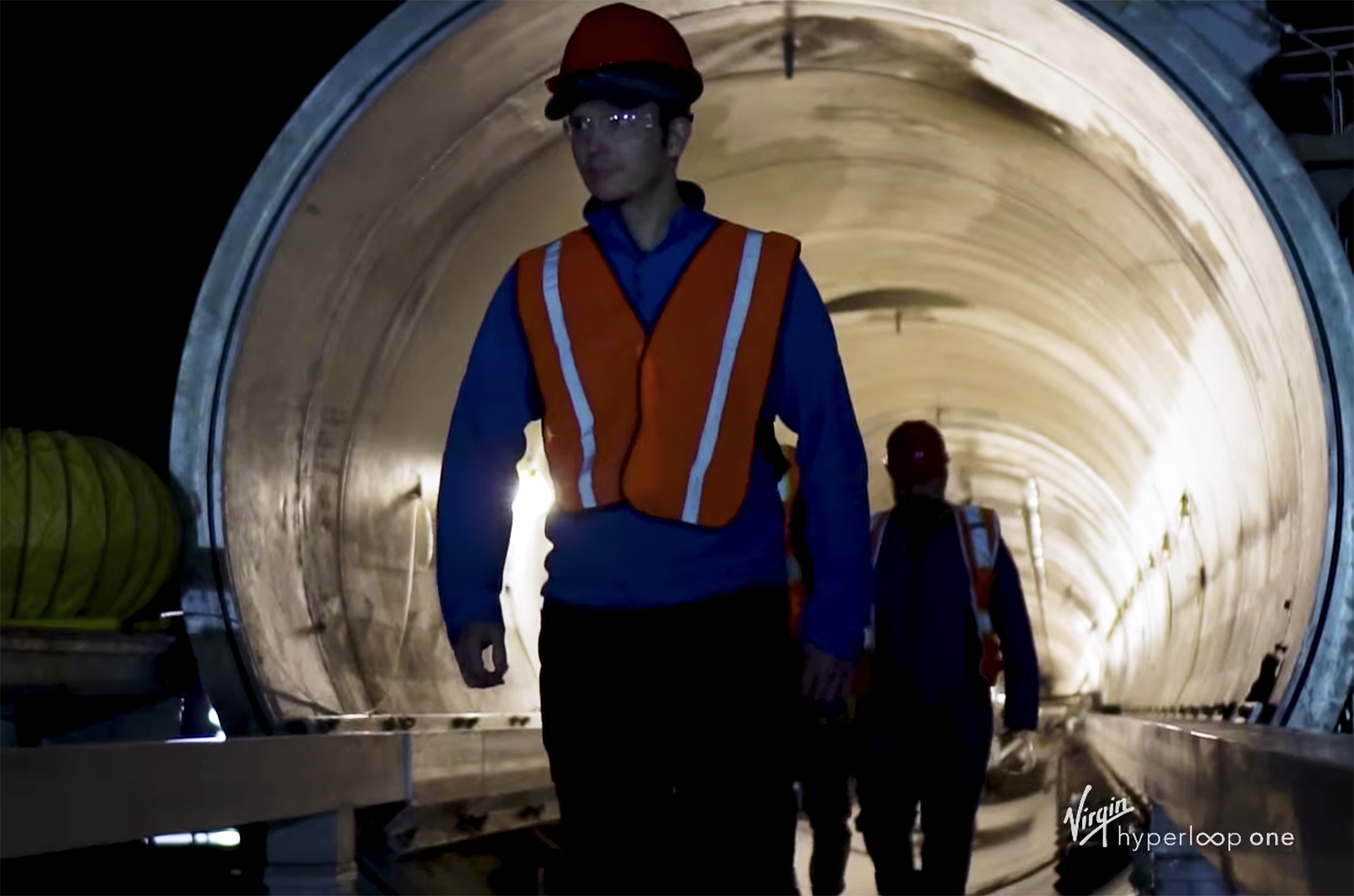
It isn’t just a pipe dream. The arrival of bipartisan state and federal support for high-speed, cross-region travel means the much-anticipated Missouri Hyperloop project continues to shoot forward, Ryan Weber said.
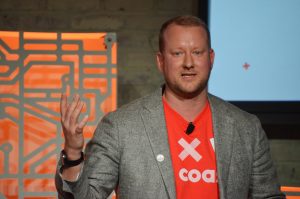
Ryan Weber, KC Tech Council
“For businesses, this could be a huge opportunity to create a new industry, attract new businesses and leverage a much larger workforce,” Weber, KC Tech Council president, said of the route connecting Kansas City to St. Louis in about 30 minutes. “For entrepreneurs and innovators in our community, I hope they’re already thinking of all the different opportunities this technology will provide. The future will be here soon.”
Weber joins a Blue Ribbon Panel announced this week by Missouri House Speaker Elijah Haahr that will present recommendations on how to establish the Show Me State as the “global epicenter” for research and development of the core hyperloop technology, as well as strategies that could accelerate construction of the proposed Kansas City-Columbia-St. Louis route.
Click here to read more about the progress of Missouri Hyperloop.
The new panel includes a bipartisan group of state senators and representatives, Missouri Director of Economic Development Rob Dixon, University of Missouri President Mun Choi, as well as private sector leaders and subject matter experts, like Weber, from across the state.
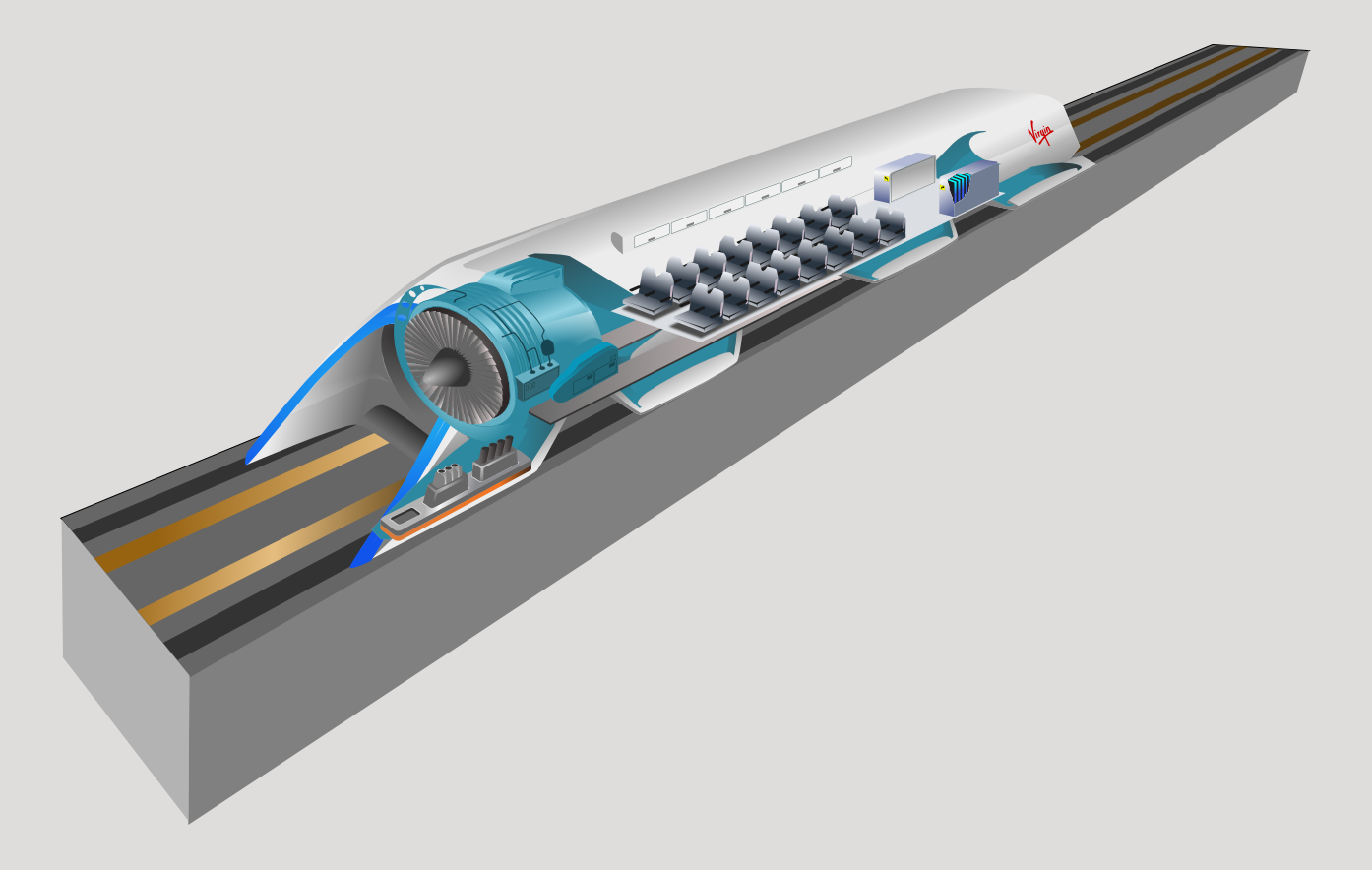
A rendering of a hyperloop
Think of the hyperloop system as high-speed rail travel in a vacuum. Levitated pods are propelled at speeds reaching 670 miles per hour by electric motors through a series of interconnected tubes that create a low-pressure environment, allowing the pods to glide with limited friction at speeds that surpass air travel.
Click here to read a hyperloop FAQ list.
“This project represents a transformational economic development opportunity for Missouri,” Haahr said in a press release. “Already, hundreds of millions of people around the world have read about our state’s leadership in this area. Historically, Missouri funded the first transatlantic flight, laid the first miles of the U.S. Interstate Highway system, and provided the technology and manufacturing expertise that launched humanity into space. Building the first Hyperloop in North America is a natural extension of that legacy. We have a real opportunity to serve as a gateway to the future of transportation.”
The state is working with Virgin Hyperloop One in an effort to bring the Missouri route closer to reality. Other projects are under way in Texas, Colorado, elsewhere in the Midwest, India, and the UAE.
A key component to the success of any hyperloop route: Commercialization.
To help, U.S. Secretary of Transportation Elaine Chao announced this week a new council that will work to identify and resolve jurisdictional and regulatory gaps slowing the progress of hyperloop and its commercial viability.
“New technologies increasingly straddle more than one mode of transportation, so I’ve signed an order creating a new internal department council to better coordinate the review of innovations that have multi-modal applications,” said Chao, referencing hyperloop’s components that are similar to rail, as well as those like cabin pressurization similar to a airplane travel.
Alongside hyperloop, the council will explore emerging technologies like tunneling, autonomous vehicles, and other innovations, according to a Virgin Hyperloop One press release. The council will ensure that the traditional modal silos at the DOT do not impede the deployment of new technologies.
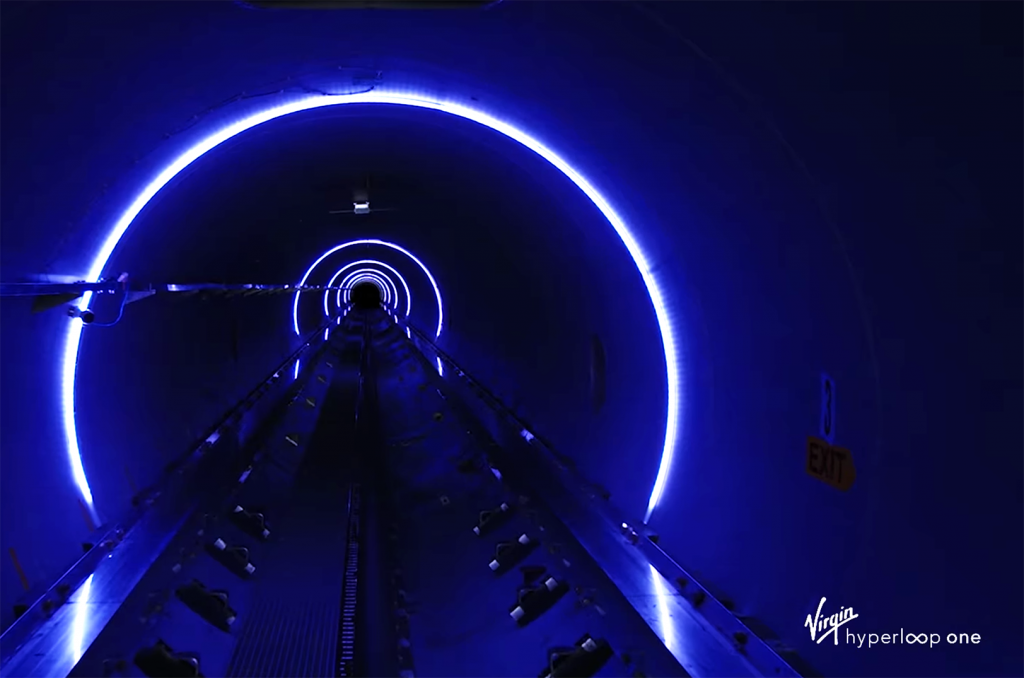
Virgin Hyperloop One
“Hyperloop is a new mode of transportation that is built for the 21st century,” said Jay Walder, CEO of Virgin Hyperloop One. “We want to be the company that spearheads the next giant leap forward in transportation here in the United States but we know we can’t do it alone. We applaud the DOT for their support of this technology.”
Such support from government officials emphasize commitment to responsible due dligience in the early stages of accelerating technology, said Weber.
“Projects like Hyperloop are what will reinforce Kansas City as a tech hub and that is why the KC Tech Council continues to advocate for this project,” he said.

Featured Business

2019 Startups to Watch
stats here
Related Posts on Startland News
How an animal health leader’s $130M investment in KC will boost its fight against canine parovirus
ELWOOD, Kansas — A $130 million investment from global animal health leader Elanco is a testament to Kansas’ pro-business economy, said Laura Kelly, lauding this week’s expansion announcement and its plans to bring 70 new jobs to the region’s animal health corridor over the next two years. “Elanco’s expansion not only is creating new job…

Staying transaction-ready in uncertain market conditions
Editor’s note: The perspectives expressed in this commentary are the author’s alone. The following is a paid thought leadership piece from The Ferguson Smith Cohen Group at Morgan Stanley. In the face of market uncertainty, one thing private companies can control is their “transaction-readiness” for an IPO or secondary offering. Discover three things a company…

Zee underscores artists’ need for positive venues; creative powerhouse opens pocket of support
Zahra Briggs developed her creative voice in Kansas City; now she’s setting the stage for fellow independent artists who struggle to find venues that match their vibe — and often have to pay to perform. She’s even creating a version of herself in the metaverse to open access further. A singer and songwriter herself, Briggs — who…

MyAnIML earns NSF funding, patent; now facing new phase of growth with industry validation
Thanks to a recent federal grant — along with a newly secured patent on its first-of-its-kind, proprietary facial recognition tech for cows — MyAnIML is proving its place as a leader within a herd of ag innovation, Shekhar Gupta said. The Overland Park startup received a 250,000 Phase I grant from the National Science Foundation…