

DEG execs reflect on $100M+ exit: Join an armada before success puts a target on your back
March 7, 2019 | Austin Barnes and Tommy Felts

Riding into battle solo won’t help a company win the war that is business, Neal Sharma told a crowd of ACG Kansas City members gathered to hear details behind the exit of homegrown marketing giant DEG.
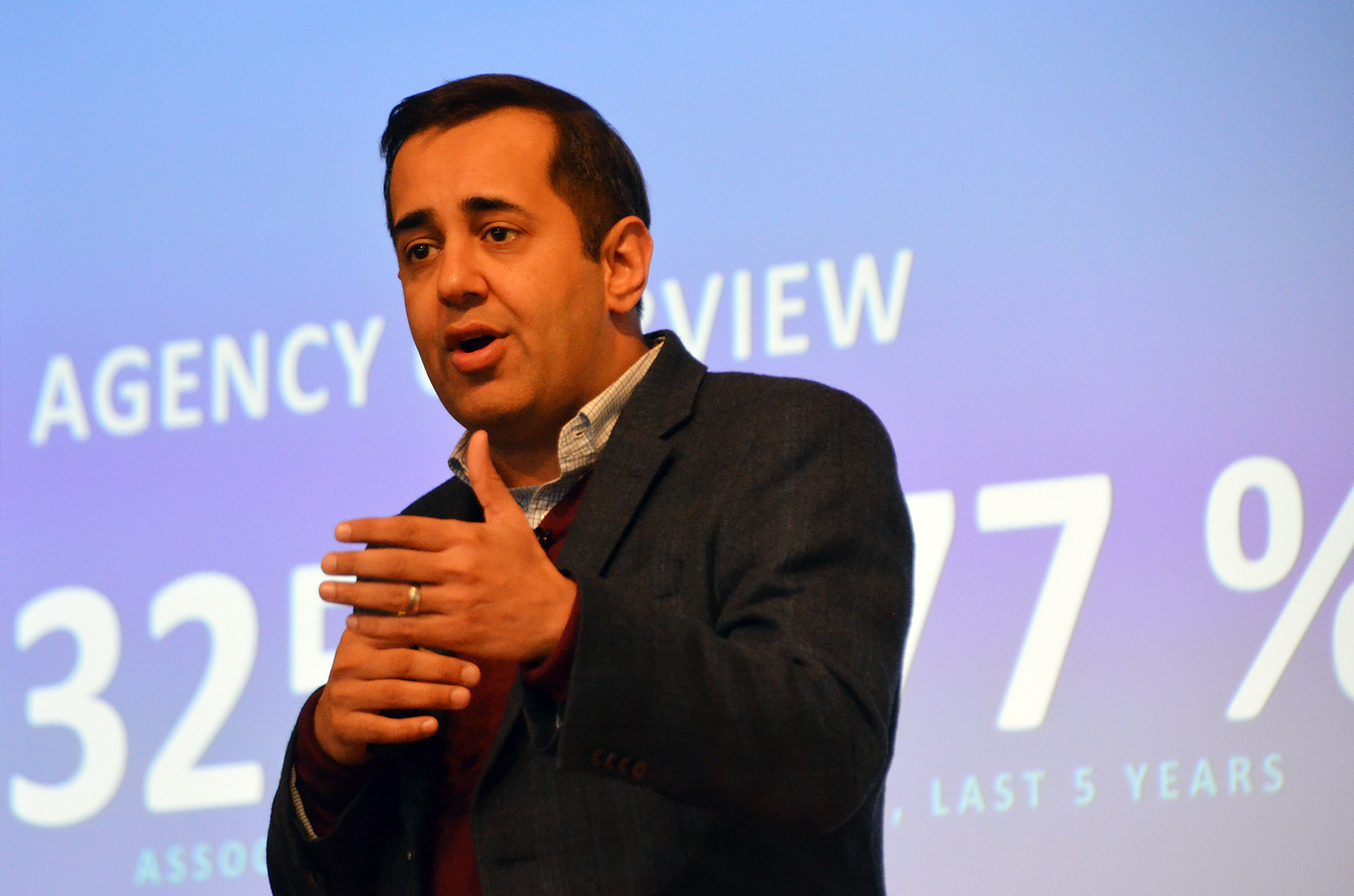
Neal Sharma, DEG
“One of the things we realized three years ago — about DEG — is it was a completely successful, self satisfied, super happy, $100 million firm. … A single ship, open water. Meanwhile there is an armada [of competitors] over there,” said Sharma, CEO and co-founder of newly sold DEG, reflecting on the day he and co-founder Dale Hazlett realized they had to find a better way to arm themselves.
“The [competitors] are all these big, big, big, amount of ships, right? And they could bomb our $100 million, self satisfied, super happy, national player out of the water,” Sharma explained during the local chapter of the Association for Corporate Growth’s quarterly breakfast.
Figuring out a way DEG could secure its success for both clients and employees, redirected the attention of Sharma and Hazlett, leading them down a path that resulted in a hefty exit late last year — exact financial details of which were not disclosed — Sharma said during what was one of the founding duo’s first speaking appearances since the exit was announced.
Sharma continues to lead the agency, and the DEG management team is expected to remain unchanged.
Click here to read more about DEG’s acquisition by Japanese Dentsu Aegis Network.
“They have a very large Asian Pacific presence and in Europe. In the U.S. they’re not as big — or weren’t until they purchased us,” Hazlett said of the deal that capitalized on DEG’s national presence. “I think there were about 450 [clients] and then with us, now they’re closer to about 800. … That was their primary purpose in purchasing [DEG.]”

Dale Hazlett, DEG
Approached with acquisition offers multiple times since DEG was founded in 1999, finding the right fit is crucial for any company looking to sell — not just the benefits of a pay day, Hazlett said.
“We did the deal because we knew that we were — at the time — a small fish in a very big pond. And the bigger that we got, the more exposure that we had, because we become noticed by the big guys,” he said of the way founders should be self-aware of where their company sits on industry spectrums and look for opportunities that will arm their teams with new skill sets — which could lead to increased market reach and attention from buyers.
Evaluating DEG’s position in the marketing space and bringing in skilled, diverse teams — through small acquisitions of their own — helped Sharma and Hazlett achieve a deal that not only benefited the company — but helped the pair (along with Jeff Eden, principal and CRO) even the playing field as the company looked to strengthen itself, Hazlett added.
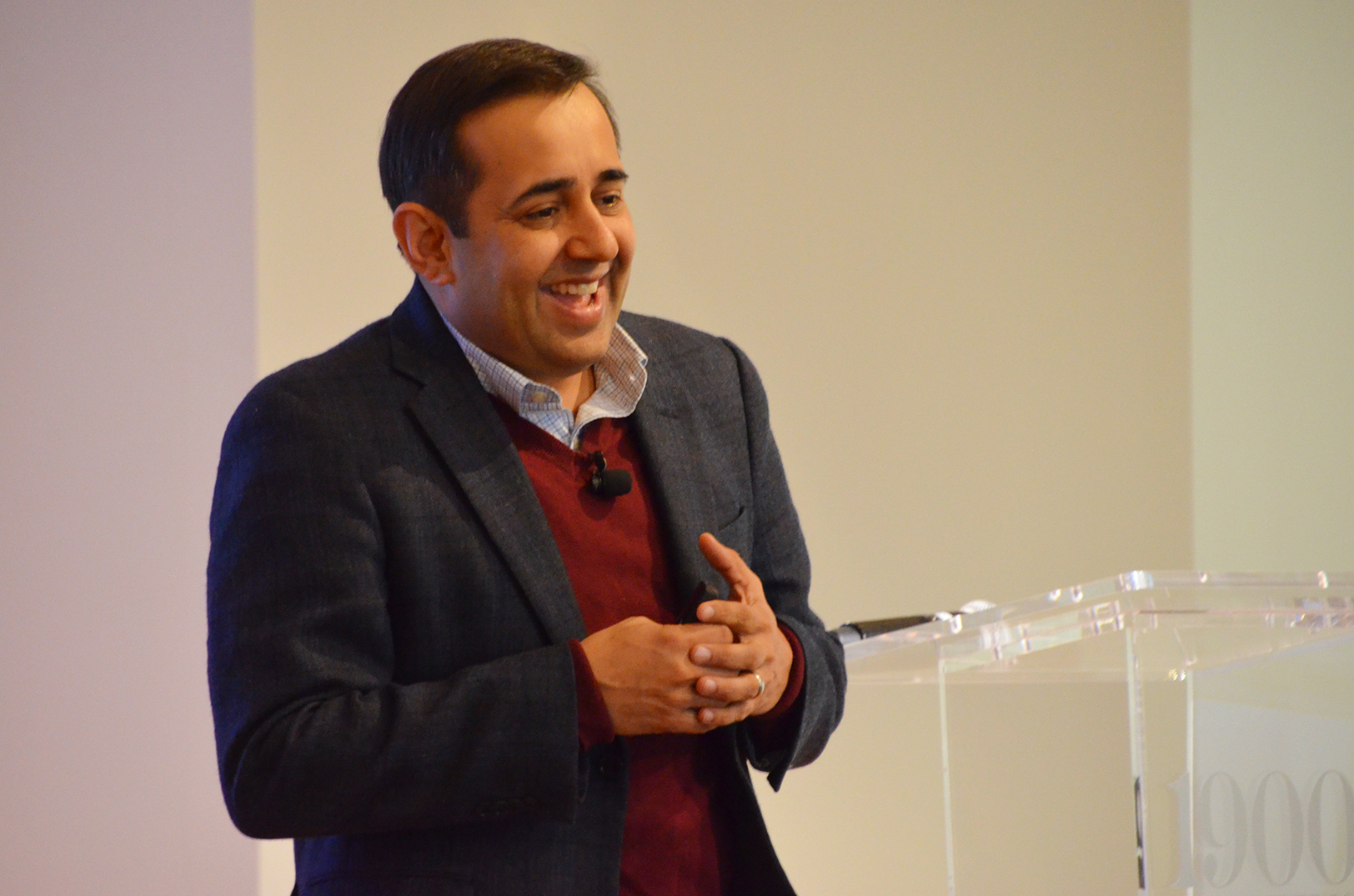
Neal Sharma, DEG
“We were targeted more for our talent. When [a company such as] Accenture wants somebody that works for you, they can offer a lot more money than you can,” he said in example of competitive struggles DEG faced. “We were targeted on our skill sets, we were targeted and we really found that we needed friends, that we needed allies.”
Such a realization was the final clue the pair needed to sell the company, Hazlett suggested.
Going it alone can only get a company so far, Sharma added.
“[Before selling the company] were we really helping our people at that point? Were we really giving them that great of an experience? Were we really making sure that over time our people we’ll have the careers [they want?]” he asked.
Ensuring the people who’ve helped build a company from the ground up can live on within it after an acquisition is completed, should weigh heavy on founders approaching an exit, Sharma added.

Featured Business

2019 Startups to Watch
stats here
Related Posts on Startland News

Meet 7 startups just funded to turn potential into Kansas City-built tech innovation
The latest crop of Digital Sandbox KC companies — earning up to $20,000 in project funding for their concepts — are poised to make significant impacts within their industries, said Jill Meyer, noting a through-line from digital health to AI-powered construction and fantasy sports solutions. “These exciting innovations show some great promise, and we’re honored…

Cosmo Burger brings its mouth-watering tots, boozy milkshakes to East Crossroads’ bustling streets of eats
Bringing Cosmo Burger to the Crossroads required cousins Atit and Jugal Patel to cook their plans to perfection, serving up the brand’s first full-service brick-and-mortar location after years of trial by griddle. The result: a beefed up version of the owners’ original concept in one of the city’s most popular dining and entertainment districts. “This…

Independence day: Flipping from side-hustle to full-time requires grind behind glory
Founders found freedom in the journey (but they’re grateful for what they didn’t know was ahead) Jason Taylor walked away from big tech for good in January — leaving behind a dream résumé that included a long engineering career at Microsoft, then Google, for the freedom to pursue what had once been just a passion…
Family history, franchise model help second-chapter entrepreneur jump business obstacles
Throughout his career as a car salesman and mortgage broker, Brad Staples felt a calling toward entrepreneurship, he said. And when those industries ran dry, the Missouri native realized it was time to try on a familiar hat: running a family business. His venture, USA Ninja Challenge — a franchise kids’ fitness gym inspired by…