

Kauffman launching Capital Access Lab investment pipeline for underserved entrepreneurs
February 13, 2019 | Elyssa Bezner
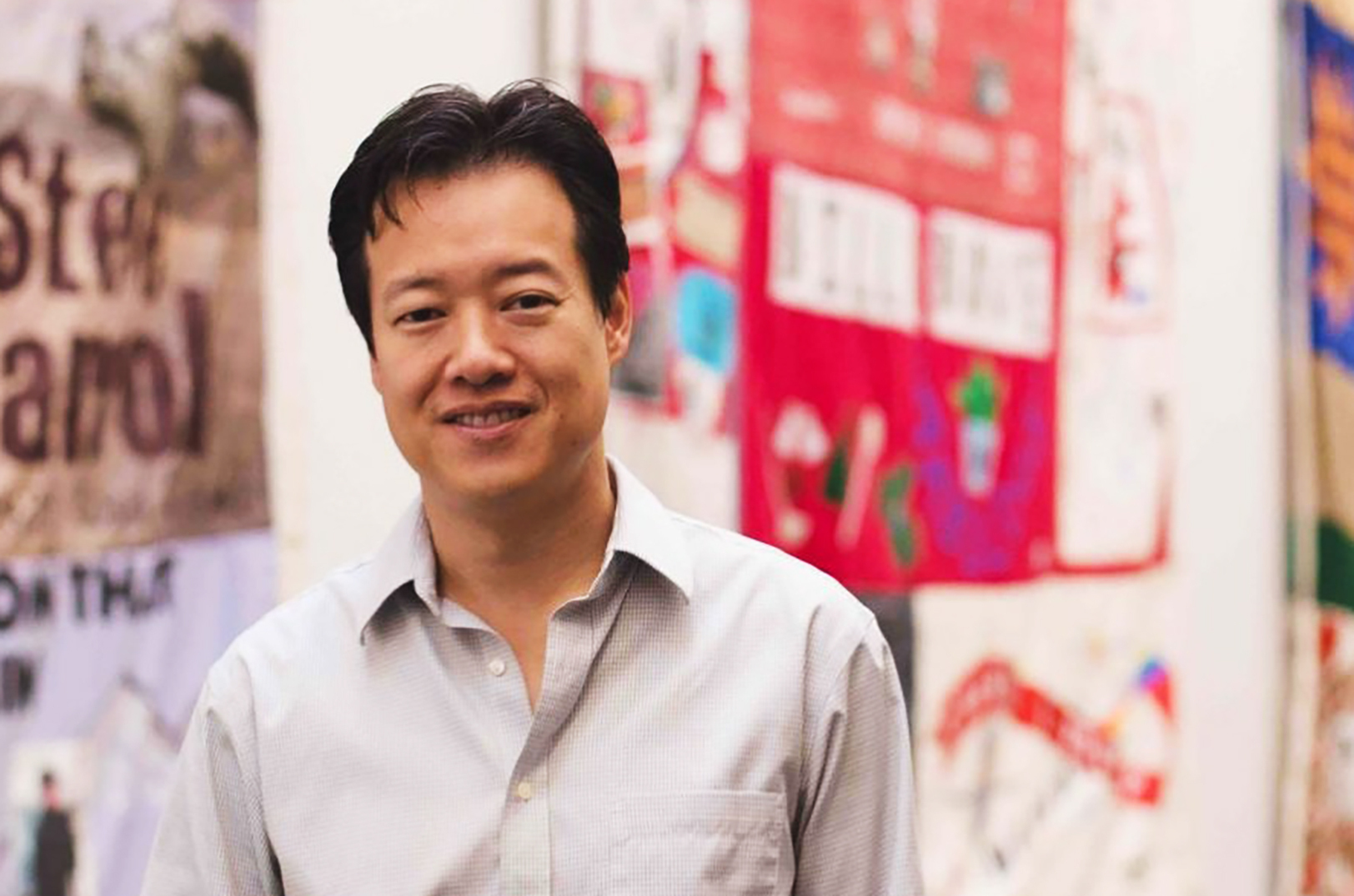
Every new business should have a fighting chance at success — regardless of the entrepreneur’s background, said Victor Hwang, announcing a new Capital Access Lab to address opportunity gaps in Kansas City and across the U.S.
“It is up to us to collectively break down systematic barriers to entry that adversely impact people of color, women, and entrepreneurs with limited wealth,” said Hwang, vice president of entrepreneurship for the Ewing Marion Kauffman Foundation. “The Kauffman Foundation is taking a proactive step in the creation of the Capital Access Lab to build a pipeline to fund investments for underserved entrepreneurs.”
The national program is fueled by a $3 million allocation, which is expected to be distributed to three to five investment funds targeting underserved entrepreneurs in injection sizes of $250,000 to $1 million, according to a press release.
Eighty-three percent of entrepreneurs are underserved or ignored by traditional funding sources, Hwang told a crowd gathered Tuesday for a Fountain Innovation Fund dinner, citing a new Kauffman Foundation report.
“[This report shows] that we should either expand the other pieces to get that 17 percent wider access or to implement alternative ways to get capital to those people,” he said. “[At the Capital Access Lab,] we’re going to look at how we can create new capital models.”
Additional statistics from the Kauffman report:
- Almost 65 percent of entrepreneurs rely on personal and family savings for startup capital.
- Only about 9 percent of proposals submitted to angel investors came from women entrepreneurs.
- Black entrepreneurs’ loan requests are three times less likely to be approved than white entrepreneurs.
Click here to read the executive summary of the report — “State of Access to Capital for Entrepreneurs: From Barriers to Potential” — which expected to be released later in 2019.
The Kansas City entrepreneurial community already has “stepped on the gas” in terms of capital assets since 2015, Hwang said, citing an increase of capital for entrepreneurs by 290 percent in equity funding.
“If you look at the rankings, [Kansas City] is still 24th out of 30 in terms of major cities with access to adequate financing for the growth of businesses,” he said. “There’s still quite a ways to go.”

Featured Business

2019 Startups to Watch
stats here
Related Posts on Startland News

Woof’s dog spa wagging into new markets with startup mindset, owner says
It’s a classic startup tail: Disillusionment with corporate life sends a would-be founder fetching for fresh ideas and more innovative inspiration. Woof’s Play & Stay provided Andy Wiltz the opportunity to scratch that itch, the dog spa owner said. Purchasing the plateauing brand in 2015, Wiltz turned his original Merriam location into a model for…
Destiny Wealth moving HQ to KC; former football player owes debt of inspiration to mother
Grit and the gridiron might have helped shape Parker Graham’s business acumen, but it’s the influence of his coach in the game of life who inspired Destiny Wealth — his fintech startup that soon will move to Kansas City. “My Mom stretched herself so thin and sometimes it was hard to put food on the…

LaunchKC pivoting from annual grants contest to supporting industry verticals, accelerators
LaunchKC is expected to focus on specific business verticals in 2019 — an effort to bring companies to Kansas City that can fill industry gaps, said Jim Malle. A revamped version of the annual grants competition eventually would grow those verticals into individual accelerator programs, said Malle, business development officer at the Economic Development Corporation…
Cowboy couture: WH Ranch lassos dream of making the ‘best blue jeans in the world’
Ryan Martin sold his best cowboy boots to buy high-quality denim for his western couture brand, said the founder of Kansas-based W.H. Ranch Dungarees. “I was always describing [my product as] ‘custom made’ but ‘couture’ really describes it best,” said Martin, detailing the laborious process that limits production to an average of four pairs of…