

Kauffman launching Capital Access Lab investment pipeline for underserved entrepreneurs
February 13, 2019 | Elyssa Bezner
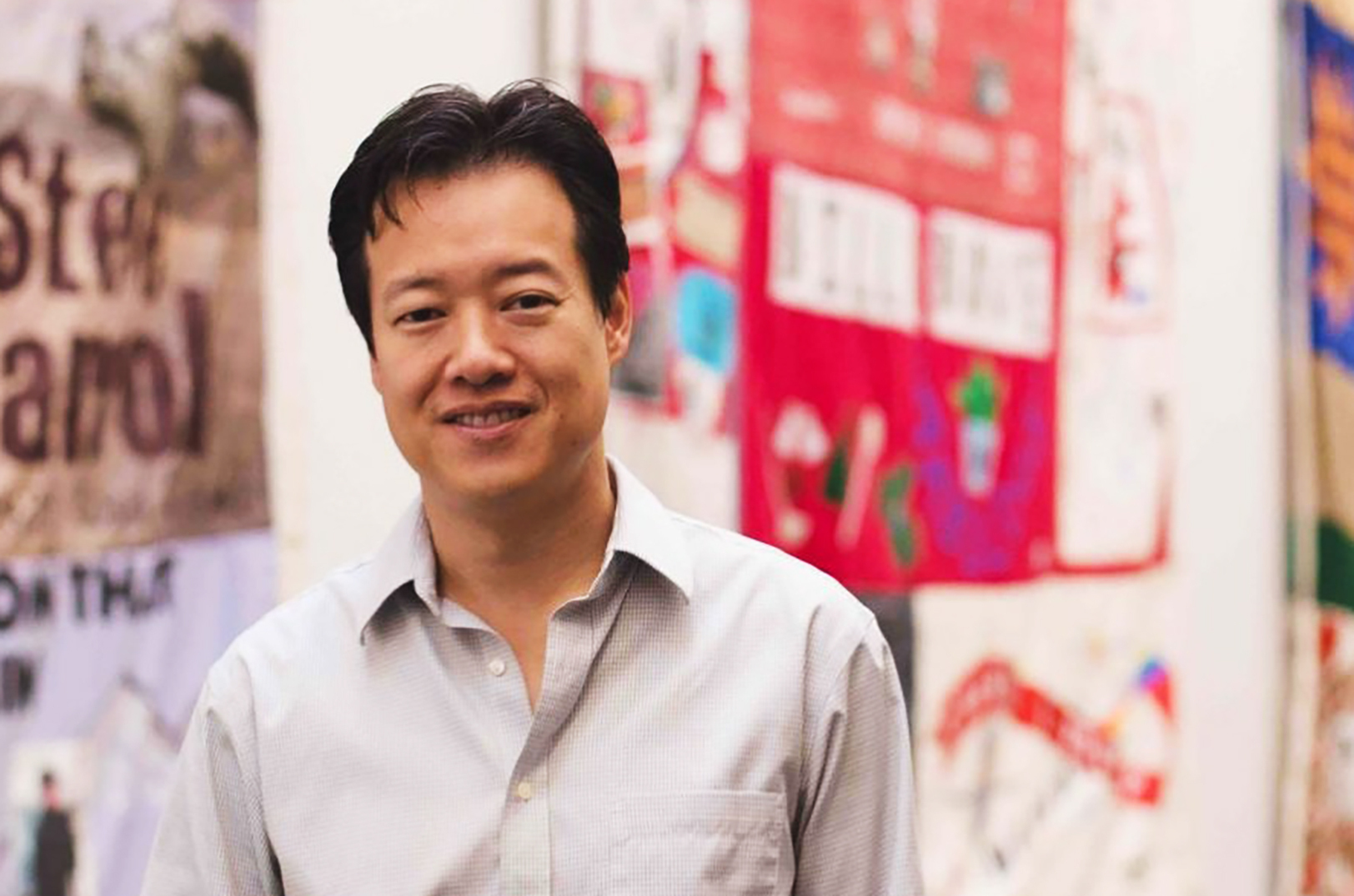
Every new business should have a fighting chance at success — regardless of the entrepreneur’s background, said Victor Hwang, announcing a new Capital Access Lab to address opportunity gaps in Kansas City and across the U.S.
“It is up to us to collectively break down systematic barriers to entry that adversely impact people of color, women, and entrepreneurs with limited wealth,” said Hwang, vice president of entrepreneurship for the Ewing Marion Kauffman Foundation. “The Kauffman Foundation is taking a proactive step in the creation of the Capital Access Lab to build a pipeline to fund investments for underserved entrepreneurs.”
The national program is fueled by a $3 million allocation, which is expected to be distributed to three to five investment funds targeting underserved entrepreneurs in injection sizes of $250,000 to $1 million, according to a press release.
Eighty-three percent of entrepreneurs are underserved or ignored by traditional funding sources, Hwang told a crowd gathered Tuesday for a Fountain Innovation Fund dinner, citing a new Kauffman Foundation report.
“[This report shows] that we should either expand the other pieces to get that 17 percent wider access or to implement alternative ways to get capital to those people,” he said. “[At the Capital Access Lab,] we’re going to look at how we can create new capital models.”
Additional statistics from the Kauffman report:
- Almost 65 percent of entrepreneurs rely on personal and family savings for startup capital.
- Only about 9 percent of proposals submitted to angel investors came from women entrepreneurs.
- Black entrepreneurs’ loan requests are three times less likely to be approved than white entrepreneurs.
Click here to read the executive summary of the report — “State of Access to Capital for Entrepreneurs: From Barriers to Potential” — which expected to be released later in 2019.
The Kansas City entrepreneurial community already has “stepped on the gas” in terms of capital assets since 2015, Hwang said, citing an increase of capital for entrepreneurs by 290 percent in equity funding.
“If you look at the rankings, [Kansas City] is still 24th out of 30 in terms of major cities with access to adequate financing for the growth of businesses,” he said. “There’s still quite a ways to go.”

Featured Business

2019 Startups to Watch
stats here
Related Posts on Startland News

Pegah’s expands its family of restaurants to Martin City with new faster-service concept
A locally owned restaurant chain is putting a drive-thru emphasis on breakfast with its newest location in Martin City — offering “hand foods” handed directly to hungry diners. “We’re trying a fast-casual drive-thru focusing on coffee and beverages — tea and juices — and fast-casual meals,” said Rameen Sharifi, owner of Shawnee-based Pegah’s Family Restaurant.…

Missouri founder offers a triple shot of bold business, distilling branding for small ventures
Editor’s note: The following story was produced through a paid partnership with MOSourceLink, which boasts a mission to help entrepreneurs and small businesses across the state of Missouri grow and succeed by providing free, easy access to the help they need — when they need it. HERMANN, Missouri — Even tiny teams deserve strong branding,…
K-State opens physical innovation hub space to boost research, economic development
Startland News’ Startup Road Trip series explores innovative and uncommon ideas finding success in rural America and Midwestern startup hubs outside the Kansas City metro. MANHATTAN, Kansas — A newly unveiled collaborative office space at Kansas State University is expected to catalyze research commercialization, industry partnerships and economic growth, said Richard Linton. “This new space…

Kansas City jazz swings harder: How KU is building on the city’s historic musical legacy
Editor’s note: This article was written for a class at the University of Kansas’ William Allen White School of Journalism and Mass Communications and distributed through the Kansas Press Association. Icons like Charlie Parker and Count Basie define Kansas City’s jazz legacy. But today’s contemporary artists — such as Blue Noyes and Nic Weaver —…