

Happy Food Co. modifies meal kit options to fit paleo, keto, Whole 30, vegan lifestyles
February 21, 2019 | Austin Barnes
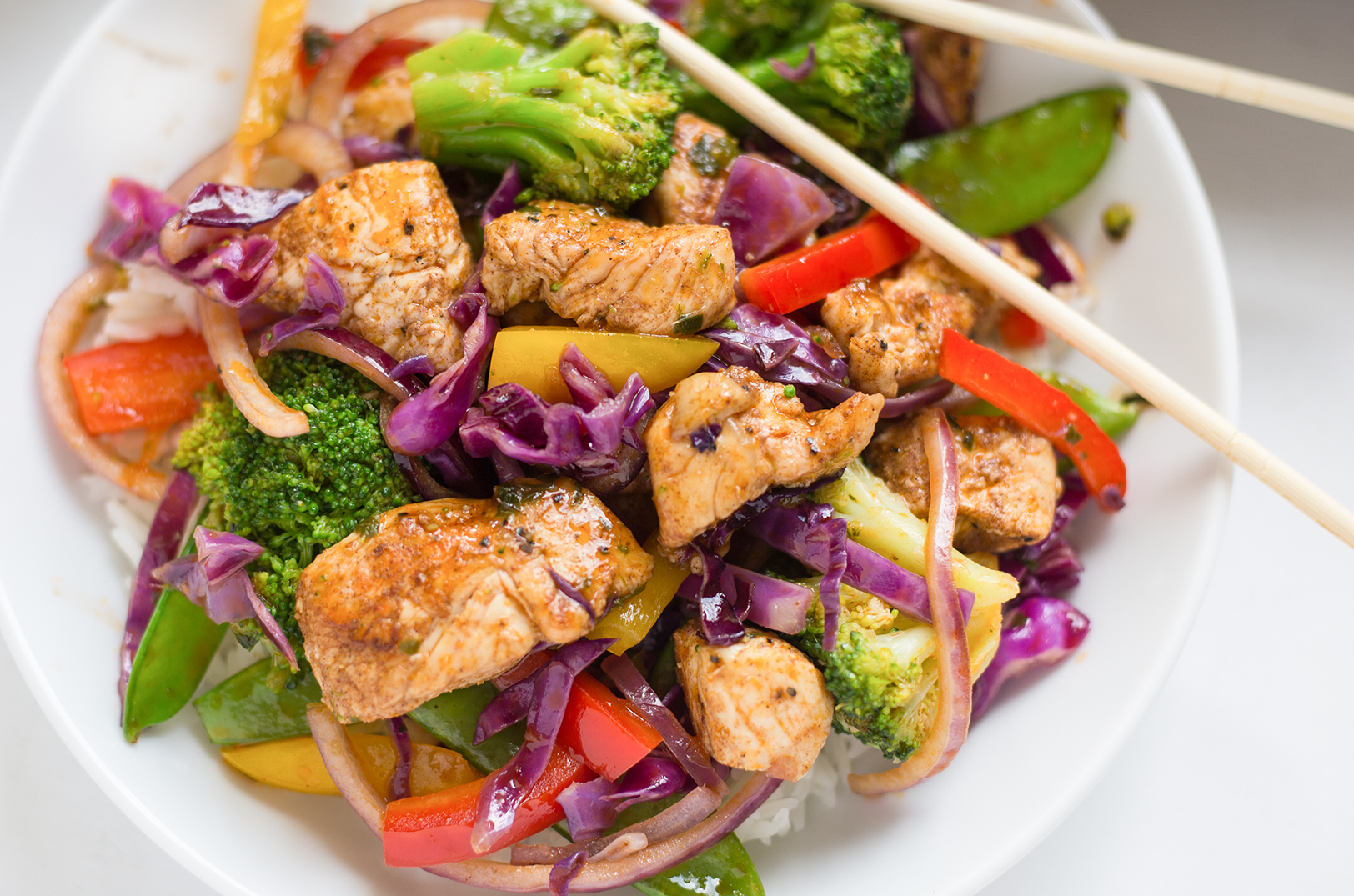
If a company wants to create change, its leaders have to be unafraid of emerging trends, Jen Trompeter said as Happy Food Co. serves up a strategy that could help the company cook up new business with modified meal kits.
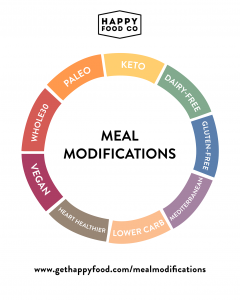
“People are doing keto or they’re doing Whole 30,” Trompeter, said. “We have some [meal kits] that fit into this pattern of categories already.”
Designed with an array of lifestyles in mind, Happy Food Co. meal kits — ready to cook, chef-created meals sold at local grocery stores — can now be modified to fit nutrition guidelines outlined in nine specific diet plans; paleo, Whole 30, keto, dairy-free, gluten-free, low carb, heart healthy, vegan, and the Mediterranean diet, Trompeter explained.
“We got with our registered dietitian and were like, ‘You know what? If you were just to take out maybe one or two ingredients, then a lot of our meals — literally a ton of our [almost 80] meals — would fit into these categories,” Trompeter said of the weeks-long process that went into adapting the Happy Food Co. menu for flexible foodies.
The company identified the nine eating plans as emerging or current food trends, but doesn’t consider them fads, Trompeter added.
Embracing modified lifestyles has become key for Happy Food Co. — now in its third year of operation under the leadership of founders Chef Kiersten Firquain and Jeff Glasco — as the company looks for ways to stand out in the meal kit space, said Christine Lau, creative marketing strategist.
Click here to read more about Happy Food Co.’s startup journey.
Keep reading after the photo.
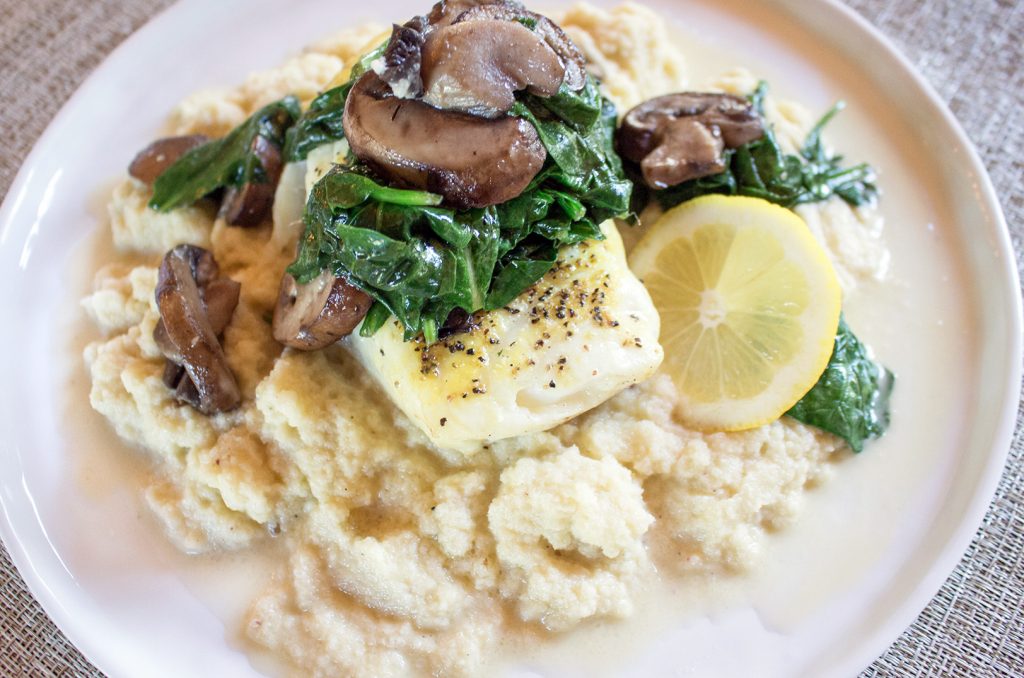
Kick-A**! Striped Bass with Cauliflower Purée, Happy Food Co.
“The beauty of our business is that we package everything separately. So if you have cilantro, mint, or cheese — it’s all packaged in its own way [and you can leave it out without sacrificing flavor],” Lau said.
While Happy Food Co.’s staff has whittled recipes down to exact dietary science that complies with each of the nine specific lifestyle plans, their meals are not officially endorsed by companies such as Whole 30 — which distinguishes products and foods as either Whole 30 approved or Whole 30 compliant, Trompeter noted.
“Maybe there were a lot of customers that we weren’t hitting before because they thought, ‘Oh, I need this meal and you only have one of those,’” she said. “Now we can go, ‘Oh wait, I can intercede now.’ There’s four or five meals that [customers] can look at and go after. I think that shows that we can improve our sales and improve the customer experience as well.”
Click here to find Happy Food Co. meal kits in local grocery stores.

Featured Business

2019 Startups to Watch
stats here
Related Posts on Startland News

Fund me, KC: MatchOn serves up virtual tennis club
Startland News is continuing its segment to highlight area entrepreneurs’ efforts to accelerate their businesses. This is an opportunity for entrepreneurs — like MatchOn founder Garrett Gates — to share their stories to gain a little help from their supporters. Back MatchOn’s Indiegogo campaign here. Who are you? Garrett Gates, founder and CEO of MatchOn.…

Techweek KC aims for significant growth in 2016
With aggressive goals in mind, Techweek Kansas City is ramping up excitement for its second-annual festival of innovation and entrepreneurship in the City of Fountains. The national tech conference and media firm hosted a countdown party Monday in downtown Kansas City in which Techweek CEO Amanda Signorelli said she hopes to top the festival’s inaugural…
Dignity and a dollar: The Grooming Project empowers KC mothers
Natasha Kirsch believes that a living wage does more than provide people with money. That’s why she founded Empowering the Parent to Empower the Child (EPEC), a non-profit that helps young mothers in poverty find higher-paying jobs and become self-reliant in the process. And to achieve that mission, Kirsch is kickstarting an effort that not…
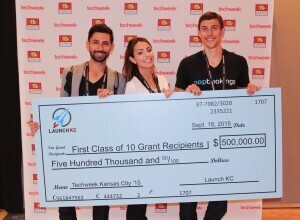
LaunchKC snags hundreds of hungry applicants
The popular grants competition LaunchKC again was met with an enthusiastic response by applicants. The competition — which will distribute $500,000 via 10, $50,000 non-dilutive grants — drew more than 400 tech startup applicants for the second year in a row. A panel of judges are now combing through the applications to find the top…