

SafetyCulture executing fireproof growth strategy from new Crossroads US HQ
January 17, 2019 | Elyssa Bezner
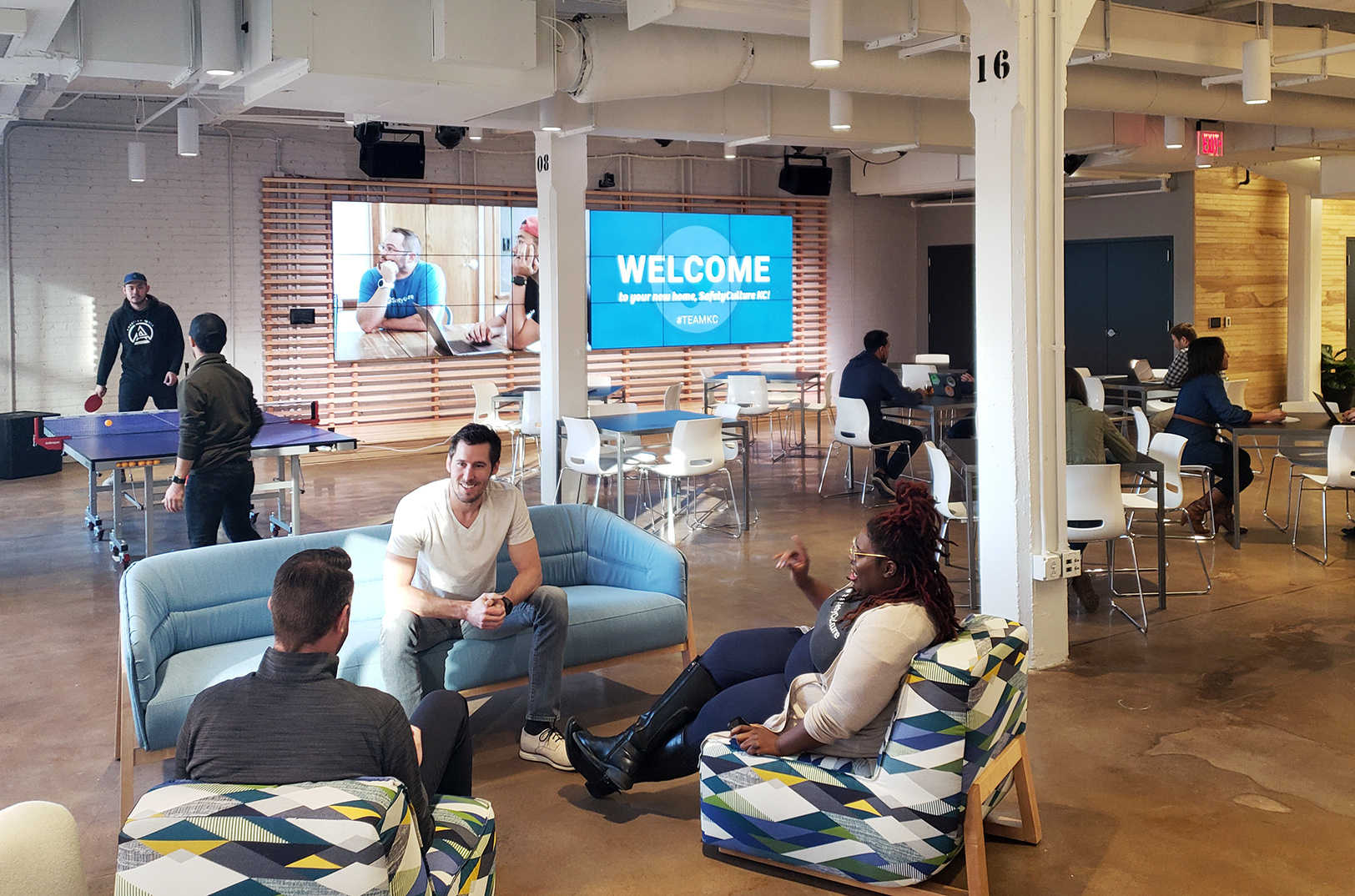
A recent move placed SafetyCulture into the largest fireproof building in KC — a choice reflecting the startup’s customer-centered approach, said Ross Reed, noting the building’s more-than-a-century-old history was an added plus.
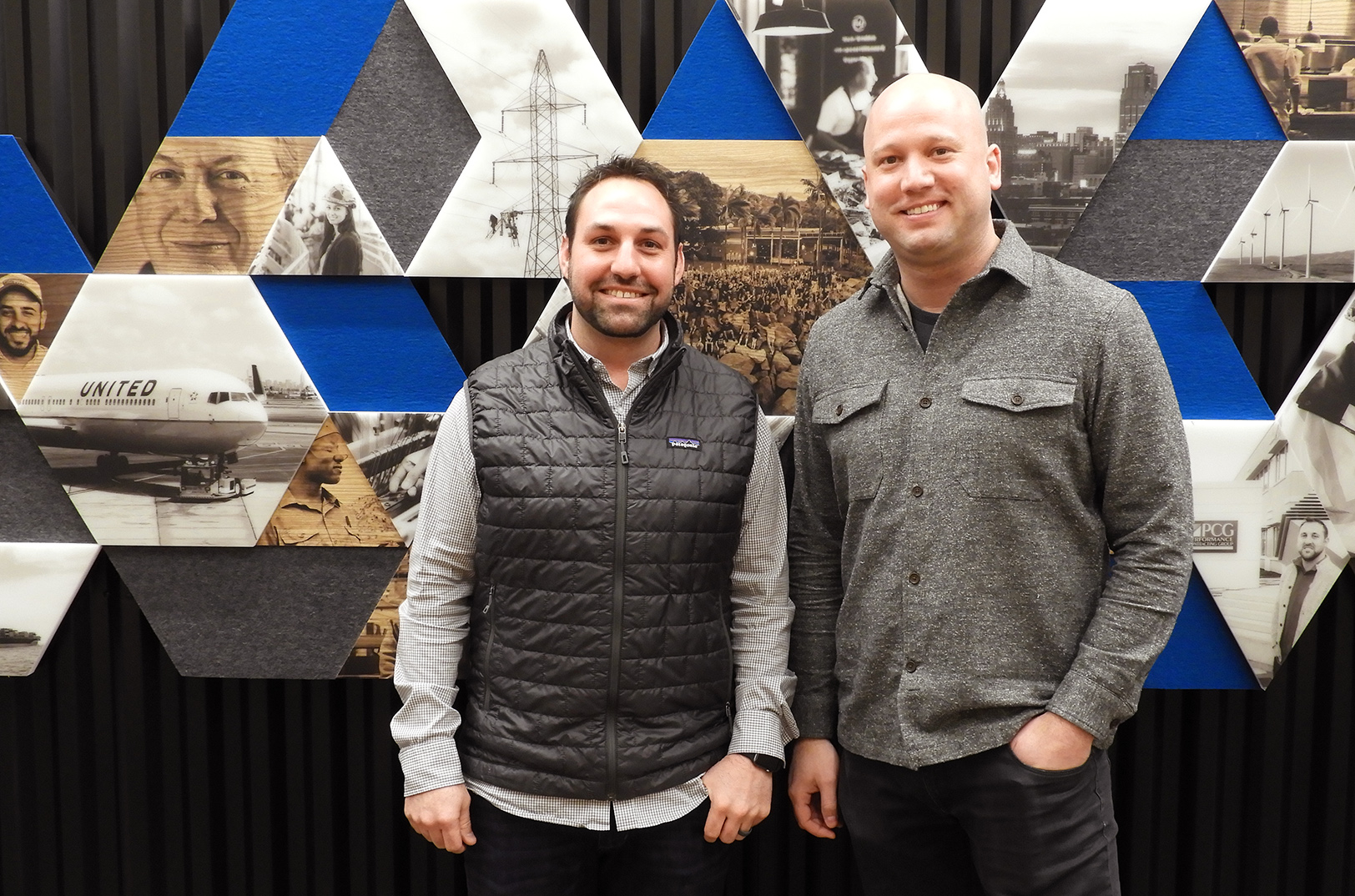
Ross Reed and Nick Topping, SafetyCulture
The tech company which provides the iAuditor app — a digital checklist platform for safety inspections — moved from previous office space at Plexpod Westport Commons after a successful Series C round of $45 million, to provide accessible, customer-friendly spaces and collaborative areas for employees in the Crossroads Arts District, he said.
Click here to read more about SafetyCulture’s Series C round.
Getting in touch with the community was another deciding factor for the Crossroads location, Ross added, noting a community block party is being planned within the coming months to launch the startup’s work in the area and celebrate the users that gave the app success in KC.
Keep reading below the photo gallery.
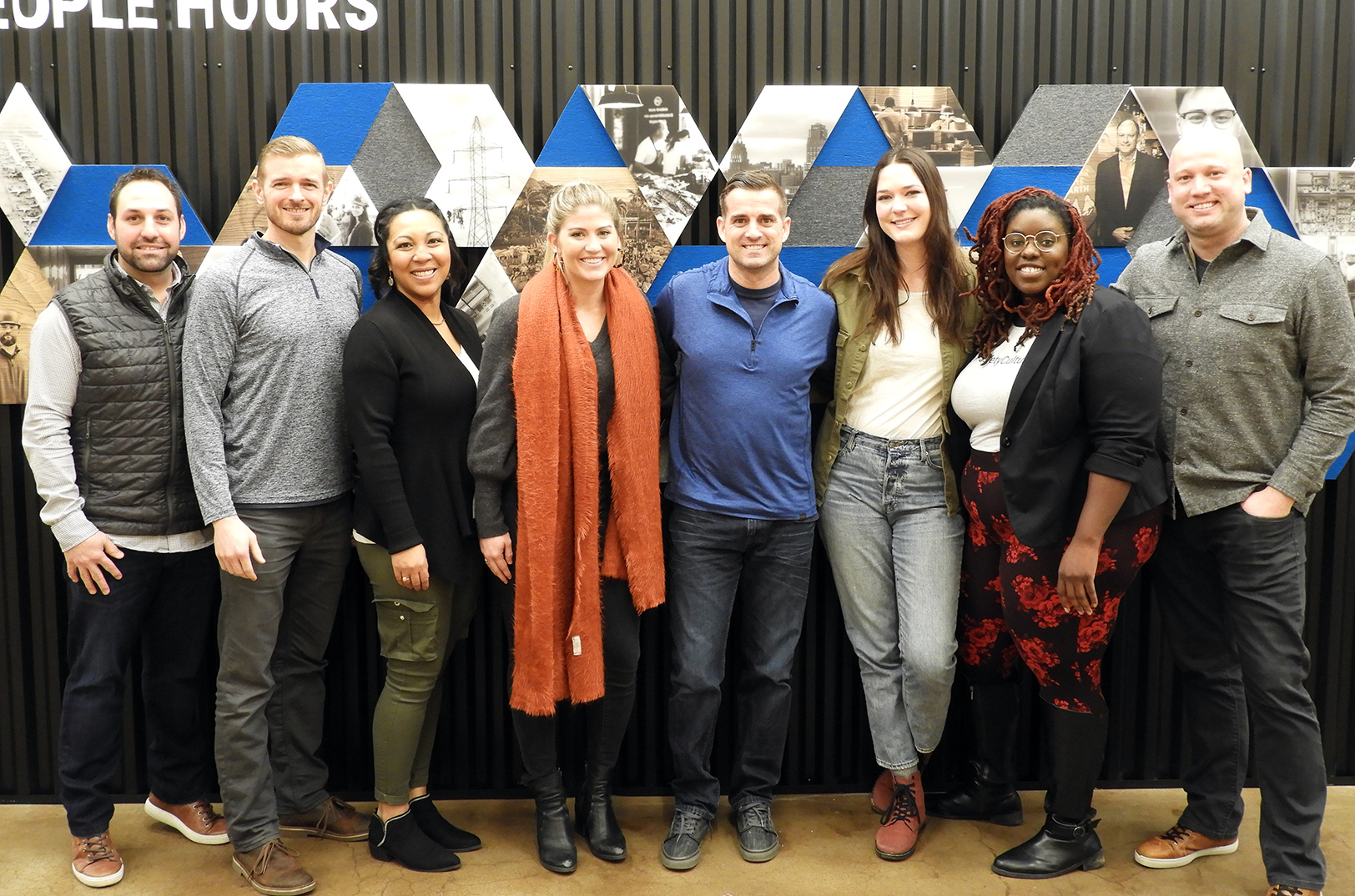
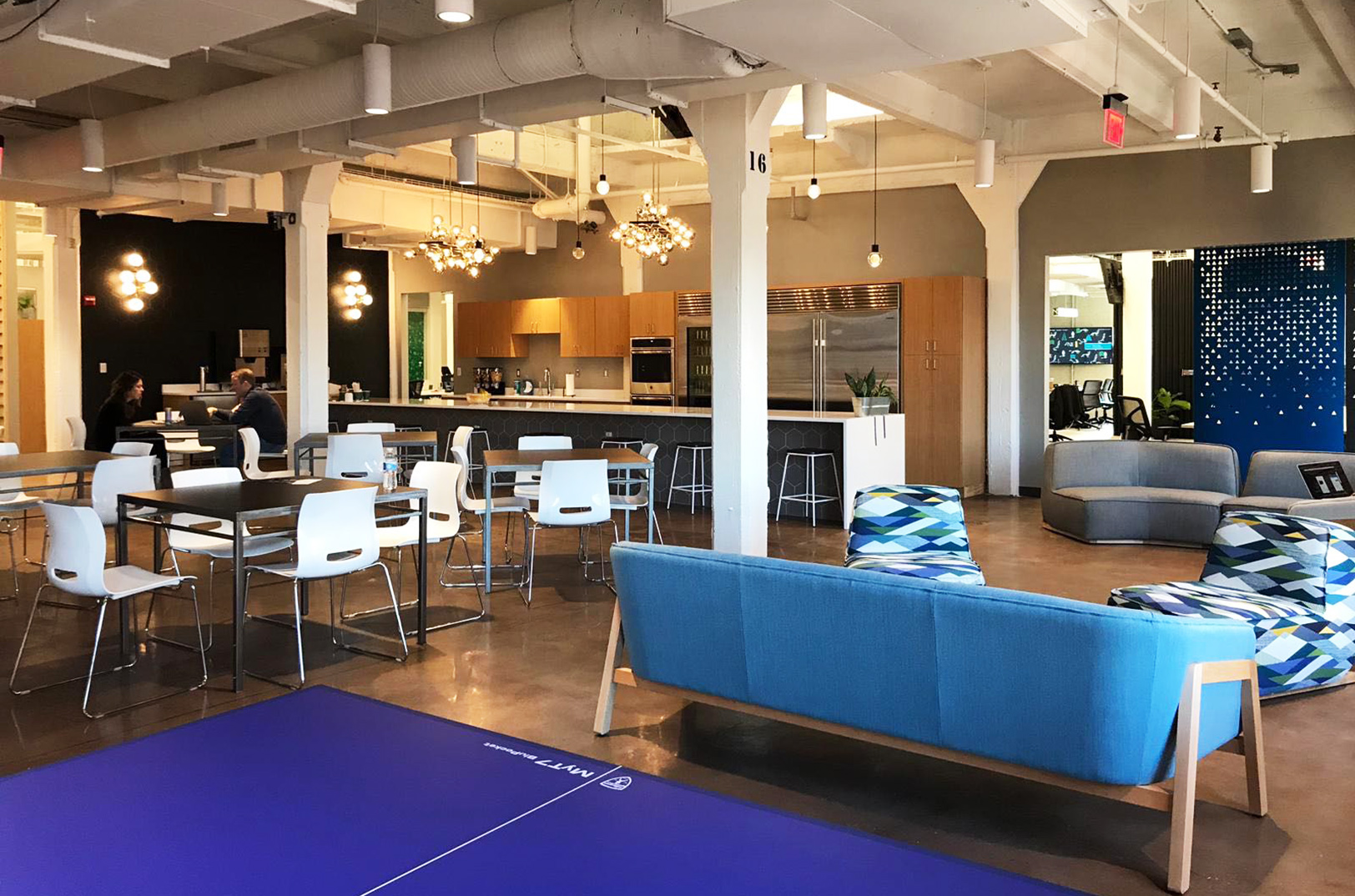
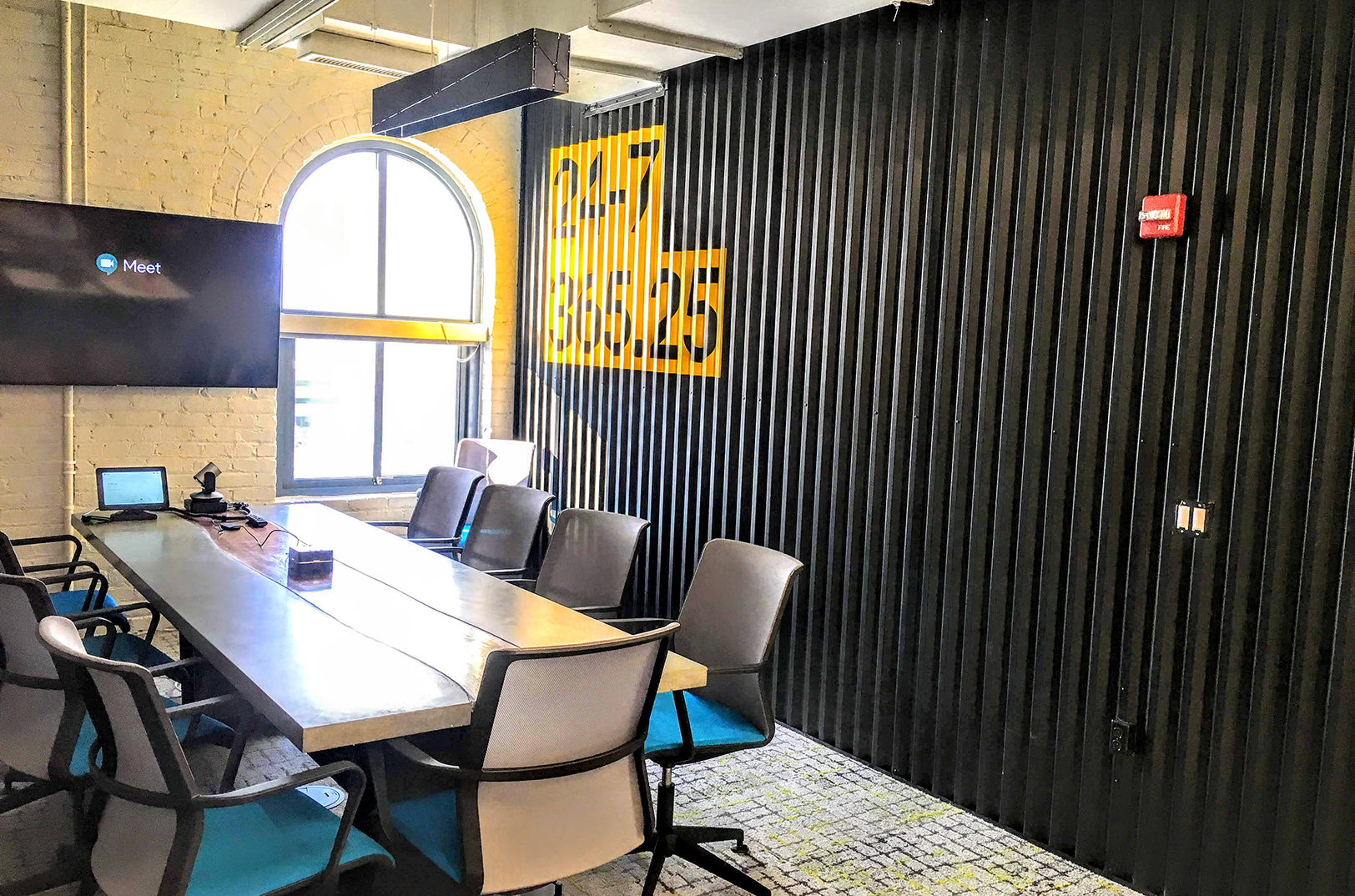
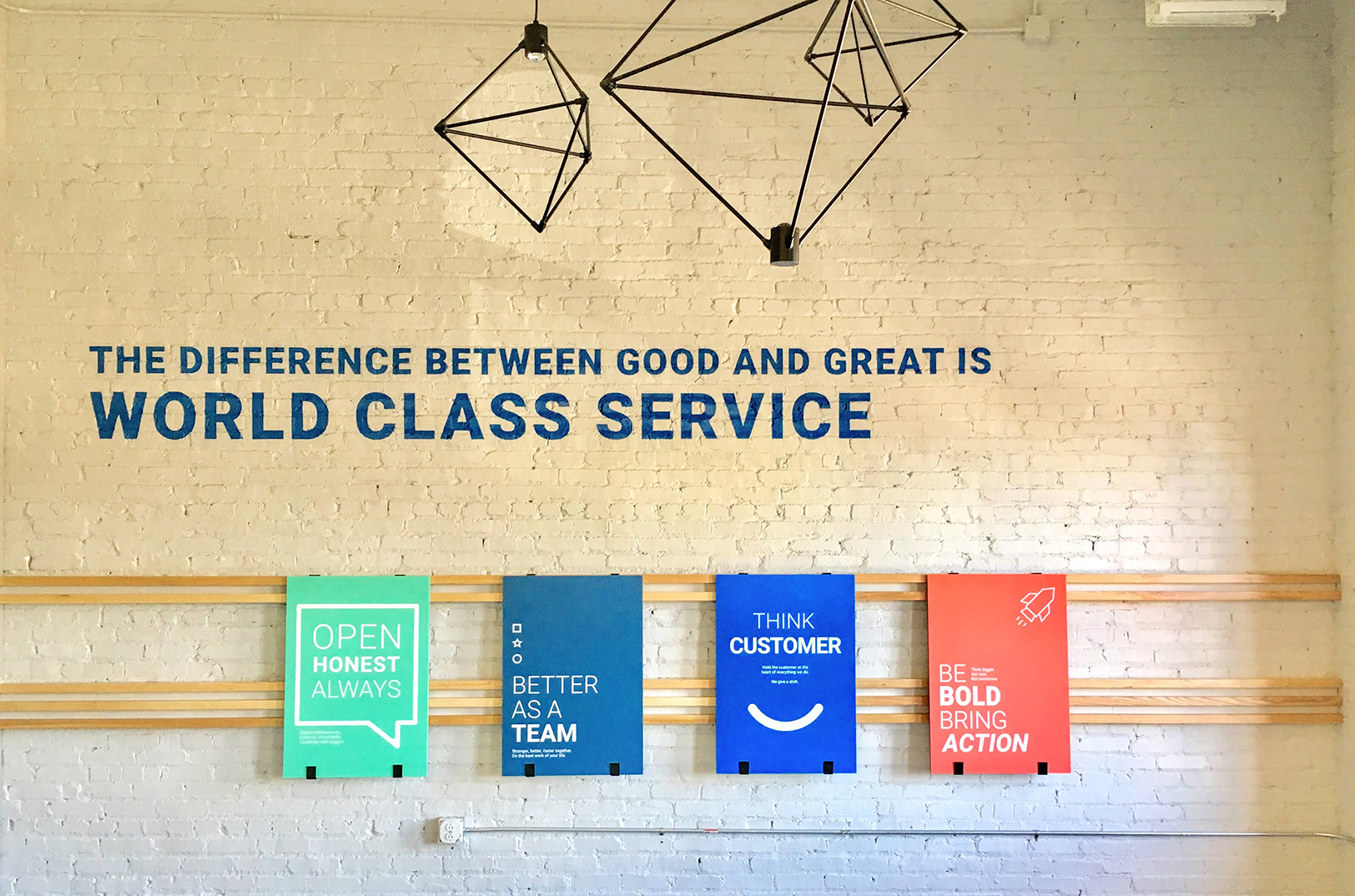
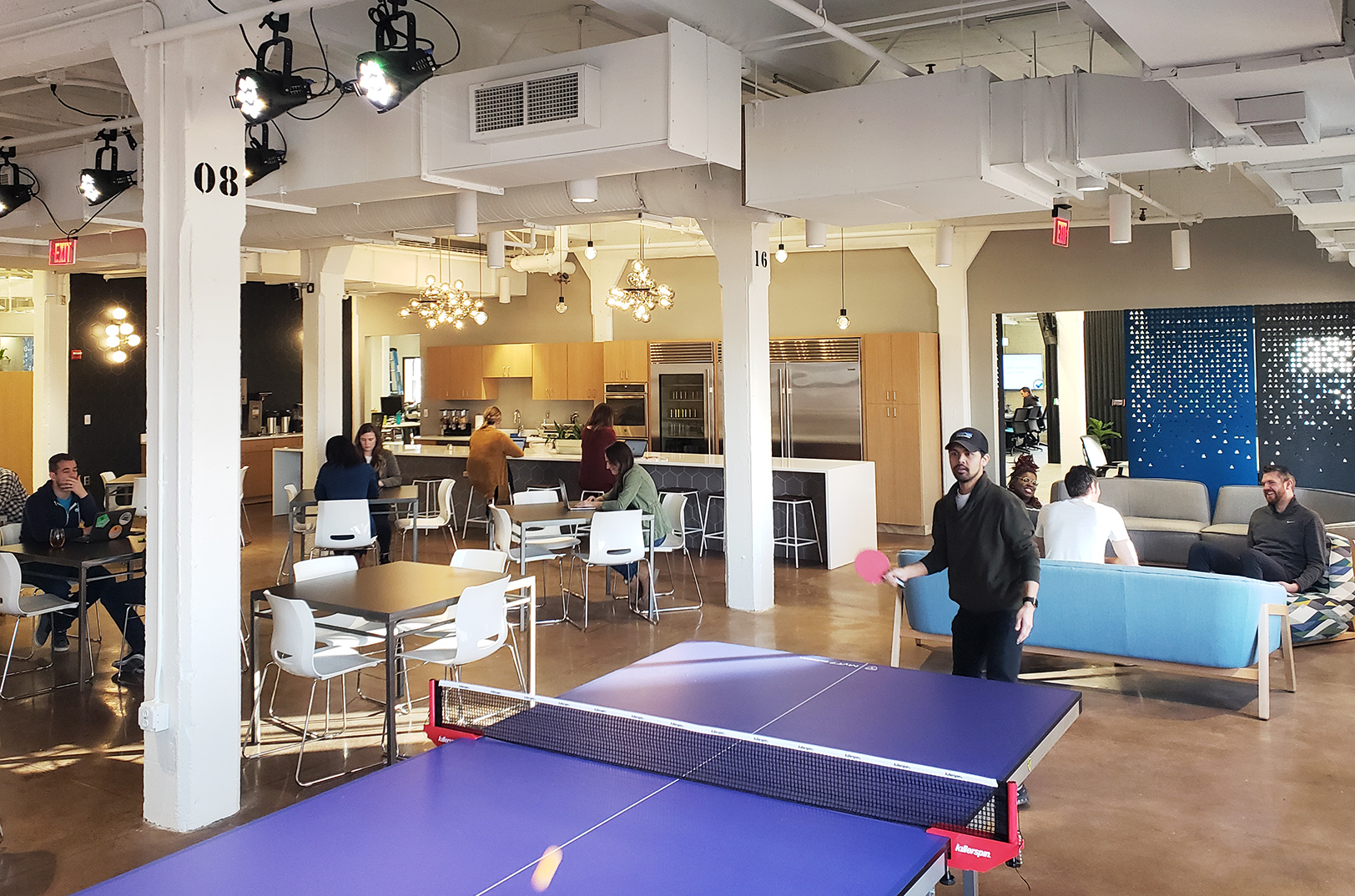
SafetyCulture prioritizes the customer rather than revenue, Ross said, noting iAuditor is free, available in iOS and GooglePlay, and the new Crossroads space is ready for community events and meetups for app demos.
The space features a large cafe area, meditation rooms doubling as privacy areas for nursing mothers, and video conference rooms ranging in size for conversations, international or otherwise, he added.
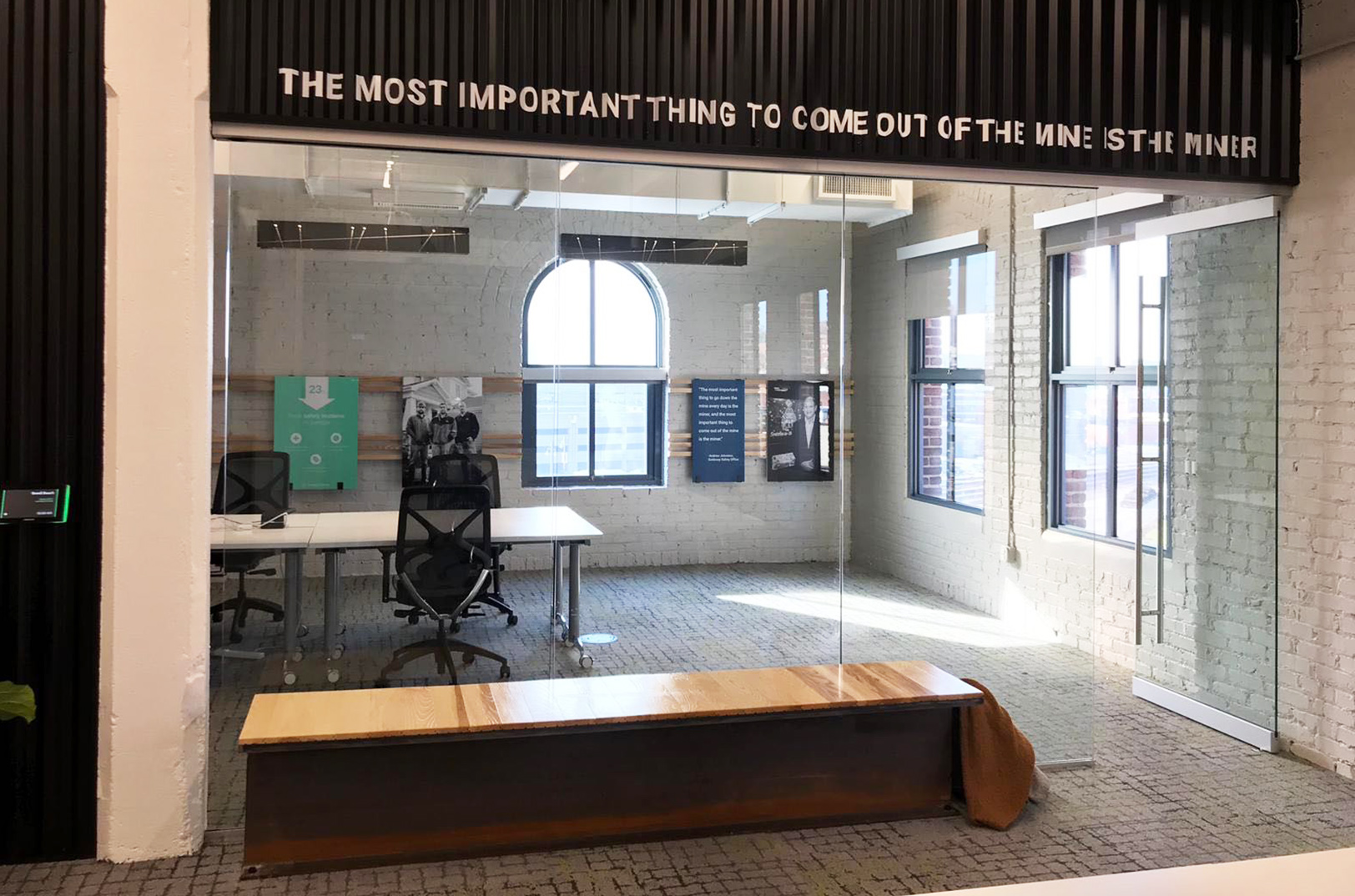
“Every 15 seconds someone dies from a workplace-related injury or illness,” said Reed, standing in front of a wall reading, “The most important thing to come out of the mine is the miner.”
SafetyCulture — founded in Townsville, Australia in 2004 by Luke Anear, who has since expanded the platform into Sydney, Manchester, Manila, and KC — is now focusing on reflecting it’s international identity into 24-hour services, he added.
Click here to read more about the beginnings of SafetyCulture in Kansas City.
iAuditor — together with the secondary Spotlight app, which works as a incident reporting tool — can build out the analytics side of collected data, said Reed, providing users to streamlined, continuous information on the state of safety in every workplace.
“Let’s say you’re the vice president of quality or safety, you can look at the analytics from your laptop and see that [workers aren’t] really safe in this location, or [notice varying] brand standards without having to go on site visits,” he said. “We have a lot of data that helps customers make data-driven decisions versus just going on maintenance checks.”
Hundreds of users are added to the SafetyCulture platform every single day, he added, noting international growth remains a primary goal.
“While we have a pretty massive customer base and user base, 99 percent of the world hasn’t heard of us yet and that’s going to change,” said Reed. “I want to make an impact — [SafetyCulture] is very mission-driven — so we’ll use marketing to get out to more customers.”

Featured Business

2019 Startups to Watch
stats here
Related Posts on Startland News

Meet the five area startups partnering with KCMO to drive innovation
A quintet of startup firms are working with the City of Kansas City, Mo. as part of its Innovation Partnership Program. Launched in 2015, IPP pairs area startups with city departments to not only identify new efficiencies but also offer the firm a chance to earn business with the city. After being designated a department…
KC entrepreneurial leader Wullschleger becomes new WeWork director
Before its doors even open, WeWork is making significant inroads to the area entrepreneur community. The international coworking giant — which announced plans to create a 40,000-square-foot space in Kansas City in March — has hired Erik Wullschleger to become its community director. Most recently the director of LiveKC and previously general manager of the…

Wide Ruled: The future of Kansas schools with education commissioner Randy Watson
Editor’s note: In partnership with the Wide Ruled podcast hosted by Brainroot Light and Sound, Startland News hopes to offer its audience more avenues to learn about innovators in Kansas City. Opinions expressed in this commentary are the author’s alone. Wide Ruled is a Kansas City-based podcast focused on equality in education. Each episode showcases a…

ScaleUP! KC welcomes 16 new entrepreneurs to the program
On Wednesday ScaleUP! KC welcomed 16 new entrepreneurs into its incubator program’s sixth cohort. To qualify, ScaleUP! companies must be in business for at least two years, generate annual sales of between $150,000 and $750,000 and have the potential to reach to $1 million in sales. Startups from the latest cohort represent industries such as…