

Jessie Jacob: Investing in founders’ mental strength for scale
January 11, 2019 | Jessie Jacob
Editor’s note: The opinions expressed in this commentary about mental health and workplace culture are the author’s alone.
We hear plenty of talk about the importance of mental health, as well as investing in culture for founders, but not a whole lot about people doing something about it. Perhaps they don’t know how or aren’t aware of any resources.
A recent TechCrunch piece — “Investors and entrepreneurs need to address the mental health crisis in startups” — included a call to action.
“It’s great that investors profess to care about founders’ mental health, but words are not enough,” writes Jake Chapman. “We must act to reduce founders’ mental and emotional suffering. It’s the right thing to do and it’s good for business.”
I couldn’t agree more.
Reflecting on the work we do through the Culture Lab — a 90-day workplace culture accelerator program for startup and small- to medium-size businesses — proactively addressing a lot of entrepreneurs’ mental and sometimes emotional and physical health issues is critical and part of creating an intentional culture.
To us, that means having clearly defined values that you take into consideration when making a personal/business decision and those values are imbedded into your day-to-day operations. You can think of it like the values that are guiding you toward your North Star. Those values and that vision of success differs for every organization.
Our goal is to get them thinking about what kind of environment and employee experience they want to create and to help them to do that on their own over time. Shocking, I know, but we ask lot of questions.
What are you doing? And why are you doing it?
From our experience, the majority of the entrepreneurs we work with are concerned about “self care” and “health” with those becoming aspirational personal and company values that they want to guide their actions while on the treacherous journey of scaling a business.
Below are just a few examples of mental health issues we’ve encountered with founders with whom Culture Lab has worked:
Substance abuse
Me: Make a list of things you generally do everyday and next to each action, behavior or habit, write down why you do that thing.
*Founder thoughtfully jots down on his paper
Me: Okay now let’s go through that list. One of the things you listed here was take a smoke break. Why do you do that?
Founder: Well honestly, I gave up smoking over 10 years ago and I just picked it back up within the past couple of months.
Me: Okay so why do you do it?
*Founder stares off and takes a long pause
Founder: Well, I guess I am extremely stressed right now and that smoke break outside is one of the few times in the day that I have to be myself, to pause and relax.
Me: So do you think you really need to smoke to be able to give yourself that to yourself?
Founder: I guess I really never thought about it in that way.
Me: Awareness is an opportunity for change. It’s up to you.
Moving the goalposts
Founder: We don’t ever take the time to celebrate our wins. I spend most of my time with current-day challenges or I am fearful, thinking about the future. It’s exhausting to be continuously putting out fires. It’s draining and demoralizing for not just me, but our entire team.
Me: So now that you know about this, what can you do about it?
Founder: I want our entire team to celebrate the wins more often. I am going to create a reminder on our calendars. When that reminder goes off, we’ll go share a win for the week in a designated Slack channel.
Me: How are you going to make sure your people actually do this especially with a remote team?
The Tri-fecta (“I am my company” syndrome, financial risk, poisonous industry tropes)
Founder: I want to get better at learning from failure.
Me: How’s that going?
Founder: It’s still really hard and an ongoing journey. Right now, the failure potential is much bigger. We are about out of money and I am not sure how long we have left. I’ve stopped collecting a paycheck. I need to go out and raise some more funding.
Me: OK, so what is the worst-case scenario?
Founder: The company no longer exists after 90 days. We run out of funding, I end the business, I tell all my friends and family that I failed. It would be a failure, but I am not a failure. I am my company in so many ways, but I am more than just this thing. I want to keep that mental framework in mind right now.
Me: Could you live with that?
Founder: Yes. It sucks and it’s not fun, and I want to avoid it from happening, but at the end of the day, my wife will love me, my kids will love me and I will have met some amazing people through this experience. It is not the end of the world. I don’t want to think that way, but I am at a point where I need to be more practical so that if it does come to that I am more emotional prepared to be able to think through and live with that outcome. Feedback and perseverance are going to be my focus for the coming weeks.
Had none of these issues been addressed, all three scenarios could have led to greater problems that really affect the overall health of the individuals and organizations involved.
“In other words, supporting founders before their ‘people problems’ become business problems yields a 20 percent improvement in performance,” Chapman writes in the TechCrunch piece.
Programs like Culture Lab were designed to address an array of issues like these. Our goal is to facilitate an open, honest and vulnerable environment for entrepreneurs to be authentic, fully express themselves and share their challenges with their fellow cohort members.
We are hosting two 90-day programs, starting on Feb. 22 at the Helzberg Entrepreneurial Mentoring Program offices and March 8 at Plexpod Westport Commons.
After working with the Fountain City Fintech accelerator this fall, we are also looking to partner with other accelerators and VCs across the country to provide our programming for their entrepreneurs.
Click here to read more about Culture Lab’s experience with Fountain City Fintech.
Rounds of funding must be used to address mental health issues before people problems become massive business problems. It’s time to put our money where our mouths are and remember to treat each other as human beings so we can have a healthier, more sustainable entrepreneurial ecosystem.
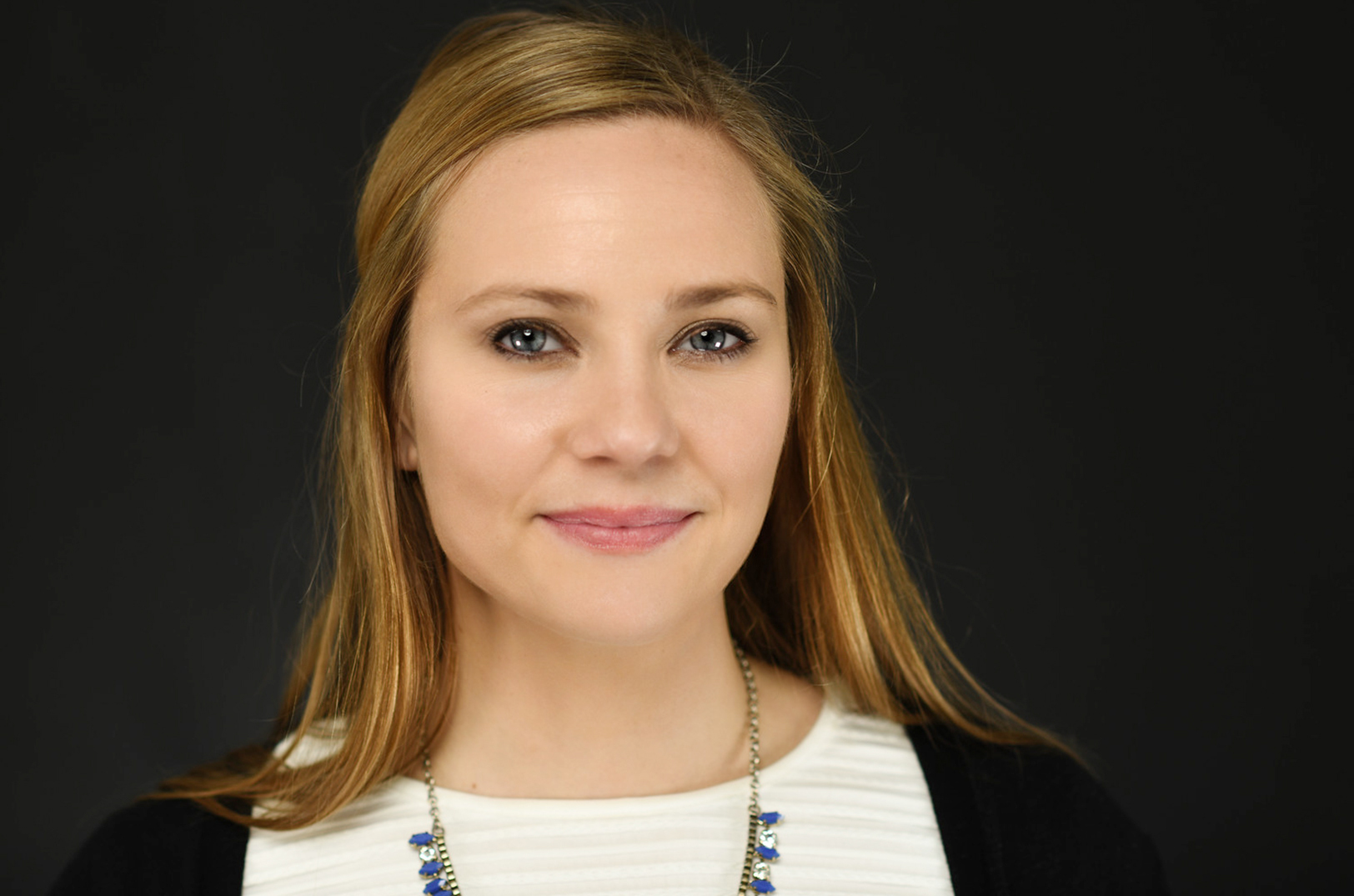
Jessie Jacob is co-founder and culture concierge for Culture Lab at CoreBuild.Solutions.

Featured Business

2019 Startups to Watch
stats here
Related Posts on Startland News

Business, civic leader: Chains of slavery were built for profit (then and now) — together we must dismantle them
Editor’s note: The opinions expressed in this commentary are the author’s alone. Jeff Simon is managing partner of Husch Blackwell’s Kansas City office. Simon is currently on the board of STARTLAND, the parent organization of Startland News, and previously served as president of the Kansas City Board of Police Commissioners, chair of the Kansas City…

OHUB founder: Your silence is an investment; I’m calling out so-called allies
Editor’s note: The opinions expressed in this commentary are the author’s alone. Rodney Sampson is founder of Atlanta-based Opportunity Hub, as well as OHUB’s Kansas City minority accelerator, OHUB.KC, which operates through a partnership with the Economic Development Corporation of Kansas City, Missouri. Opportunity Hub is a non-financial partner of Startland News. Hello tech, startup…

ESHIP Communities: 10 ways Kansas City can support its businesses and entrepreneurs
Editor’s note: This story is sponsored and was produced by Forward Cities, a non-financial partner of Startland News and a national nonprofit that is managing the implementation of the ESHIP Communities program as a grantee of the Ewing Marion Kauffman Foundation. Any opinions expressed in this commentary are those of the author. ESHIP Communities Kansas City is dedicated…

Open letter to KC landlords: Face the COVID-19 music; If not for a pandemic, then what?
Editor’s note: The opinions expressed in this commentary are the author’s alone. Tyler Enders is co-founder of Made in KC, a brick-and-mortar and online retailer of locally made goods with locations downtown, in the Crossroads Arts District, on the Country Club Plaza, and across the metro. Made in KC is a non-financial partner of Startland News. Enders’…