

Crema apprenticeship effort aims to decode a more inclusive talent pool
January 29, 2019 | Elyssa Bezner
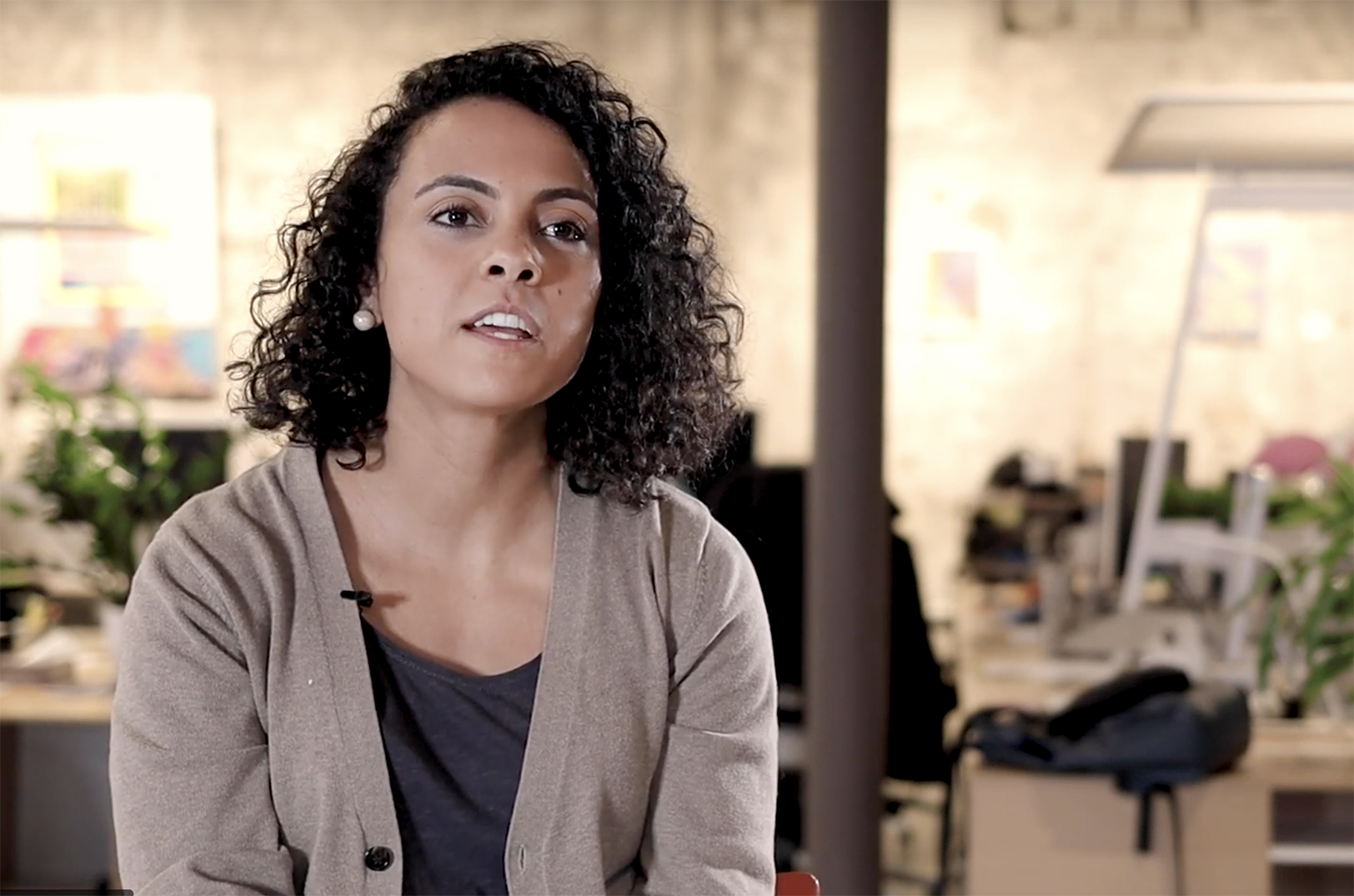
Crema’s recent growth means more than an additional Crossroads office space for the startup, said Gabby Brotherton. It provides bandwidth for the firm to supplement Kansas City’s tech talent with a new apprenticeship program.
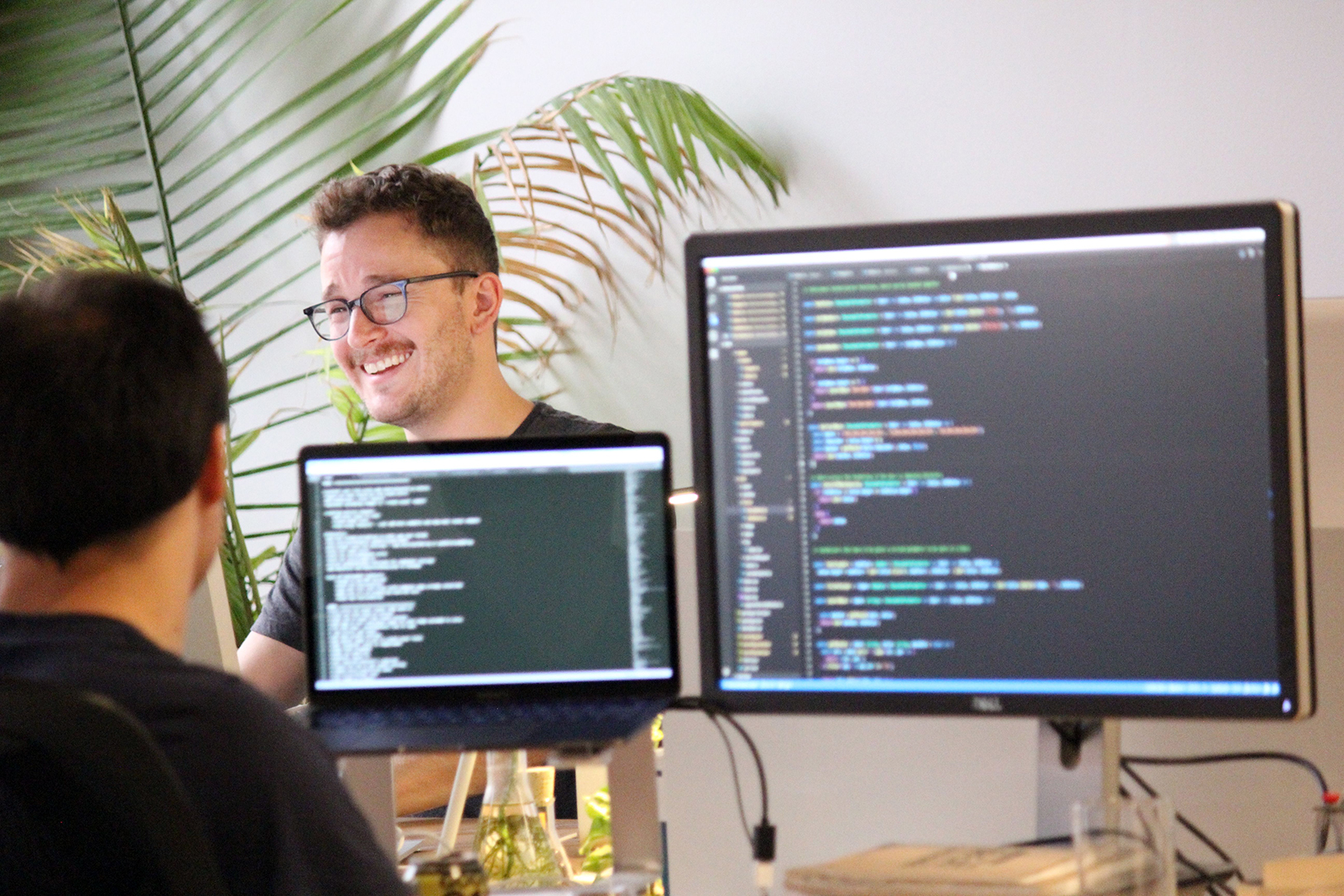
“[Crema is] very much a company that values collaboration and innovation learning,” said Brotherton, marketing specialist at the software development firm. “Our developers, who have worked here for years and have a ton of experience, are willing to teach.”
Click here to read more about Crema’s ongoing plans.
“We’re trying to find people who are willing to learn and eager to learn, but who may not have as much experience — [they] maybe don’t have a degree, but just have to hone their craft and get that real world experience,” she added.
The Crema apprenticeship program — offered in six-month sessions — allows apprentices access to real clients with mentoring from industry professionals, said Brotherton, noting the program operates under three specific criteria: autonomy, mastery, and purpose.
Click here to learn more about the program and to apply. The deadline to apply is Feb. 1.
Though there’s no diversity requirement for applicants, Brotherton said, making the tech scene more inclusive is one of the firm’s goals.
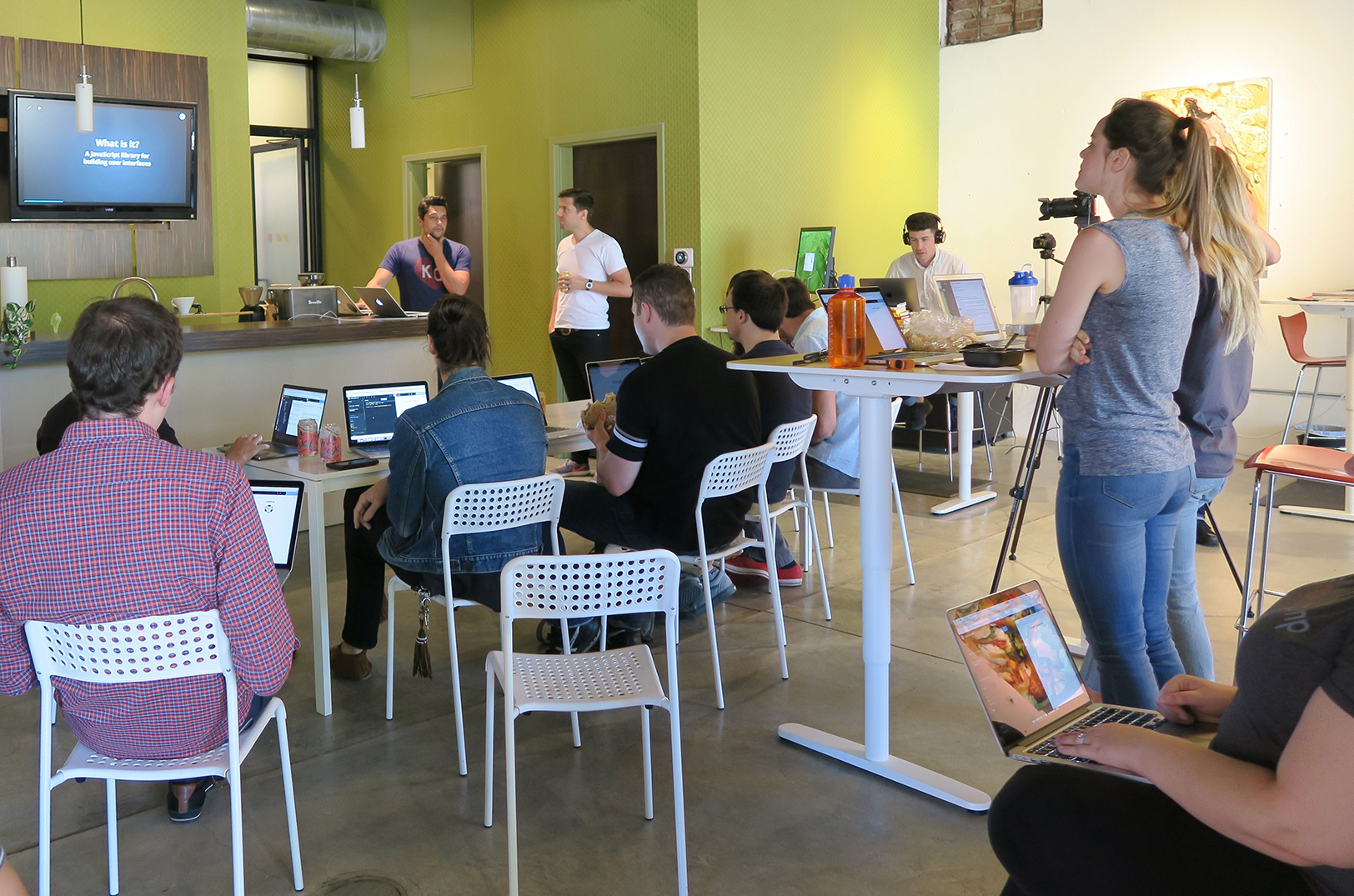
“We are hoping the apprenticeship program attracts applicants from all walks of life, creating opportunities for anyone that is wanting to pursue a career in tech,” she said.
Apprentices are expected to gain a wealth of knowledge on many aspects of the industry, she added, though one to two years of experience in development is preferred.
“They have a chance to work on personal projects — it’s just a really good learning opportunity,” said Brotherton. “There is a chance at the end of the apprenticeship that they will be hired on full time — our last apprentice was — but that’s not guaranteed.”
Click here to learn more about Crema.
“We have designers here, we have product managers, we have developers, test engineers, marketing … so a lot of opportunities to learn about other fields as well and just see if you even want to be a developer or if maybe you’re into design,” she said. “Just seeing what you’re interested in and getting a better feel for what it’s going to be like day to day in that career [is valuable.]”


2019 Startups to Watch
stats here
Related Posts on Startland News
How an animal health leader’s $130M investment in KC will boost its fight against canine parovirus
ELWOOD, Kansas — A $130 million investment from global animal health leader Elanco is a testament to Kansas’ pro-business economy, said Laura Kelly, lauding this week’s expansion announcement and its plans to bring 70 new jobs to the region’s animal health corridor over the next two years. “Elanco’s expansion not only is creating new job…

Staying transaction-ready in uncertain market conditions
Editor’s note: The perspectives expressed in this commentary are the author’s alone. The following is a paid thought leadership piece from The Ferguson Smith Cohen Group at Morgan Stanley. In the face of market uncertainty, one thing private companies can control is their “transaction-readiness” for an IPO or secondary offering. Discover three things a company…

Zee underscores artists’ need for positive venues; creative powerhouse opens pocket of support
Zahra Briggs developed her creative voice in Kansas City; now she’s setting the stage for fellow independent artists who struggle to find venues that match their vibe — and often have to pay to perform. She’s even creating a version of herself in the metaverse to open access further. A singer and songwriter herself, Briggs — who…

MyAnIML earns NSF funding, patent; now facing new phase of growth with industry validation
Thanks to a recent federal grant — along with a newly secured patent on its first-of-its-kind, proprietary facial recognition tech for cows — MyAnIML is proving its place as a leader within a herd of ag innovation, Shekhar Gupta said. The Overland Park startup received a 250,000 Phase I grant from the National Science Foundation…