

Order here: Menufy online restaurant platform delivers results, food from OP startup
December 5, 2018 | Noelle Alviz-Gransee
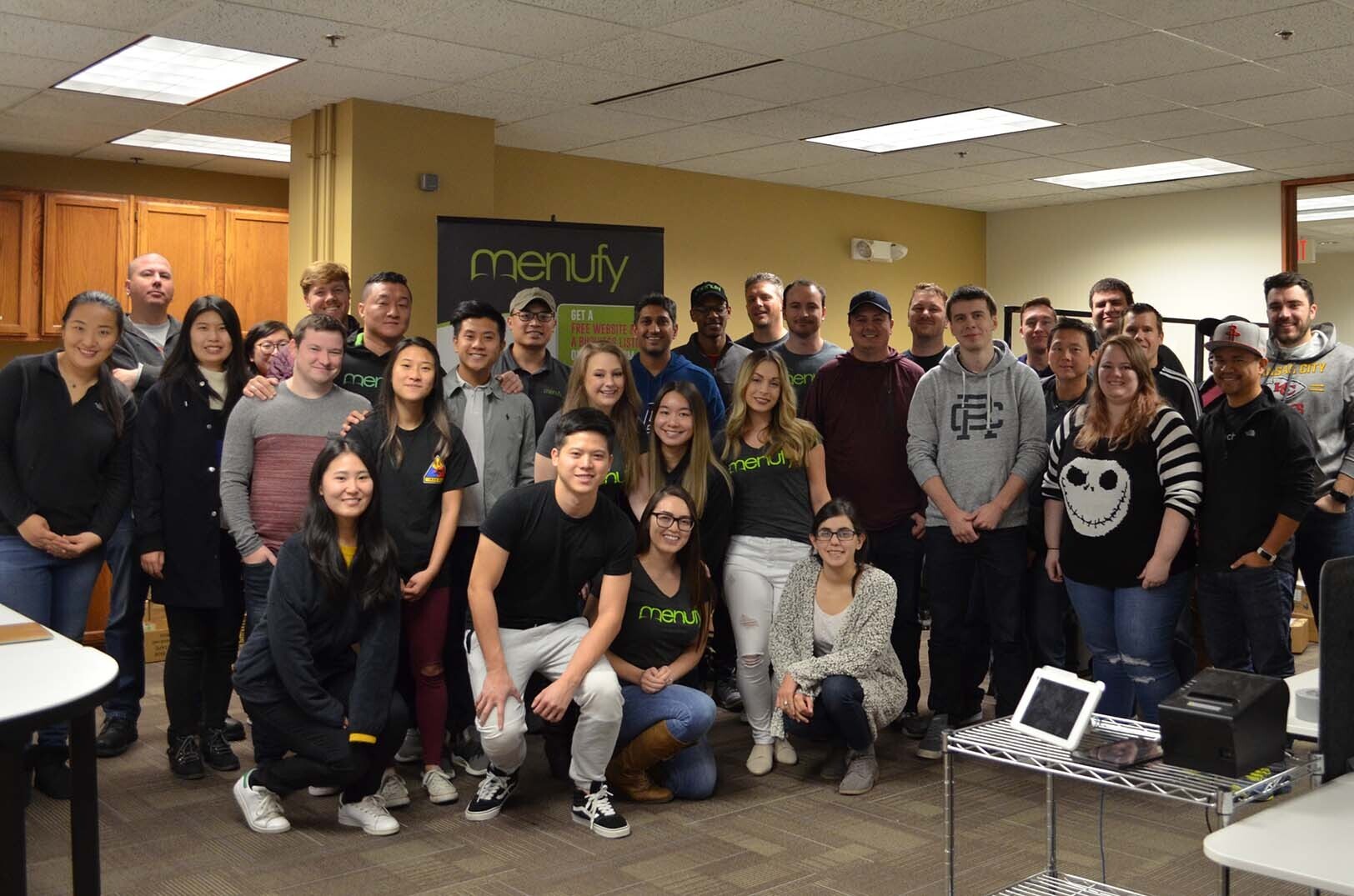
Servicing the online orders of more than 300 restaurants in the Kansas City metro, Overland Park-based Menufy is scaling its platform across the U.S., while maintaining a startup mindset, said Ashishh Desai.
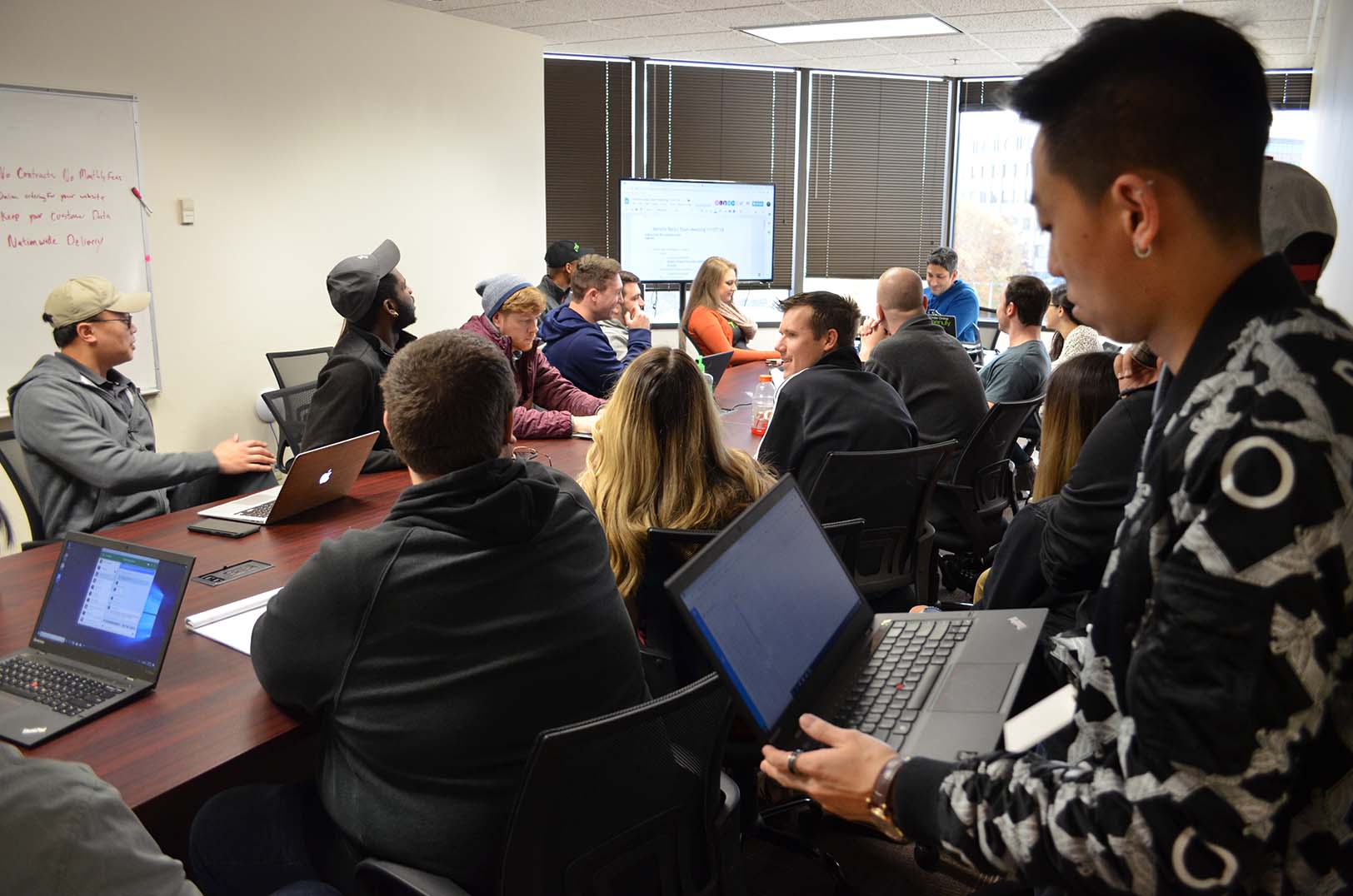
“Even though now we have over 4,000 restaurants nationwide — every state but Vermont and in 1,200 cities — we still have that kind of underdog mentality,” said Desai, co-founder and director of sales for Menufy, a tech firm that builds websites and provides an online ordering platform for eateries. “We are getting bigger and starting to become a much larger player in the U.S. market, but we still have that mentality where everyone knows where we came from and we came from one restaurant.”
The co-founders, a group of University of Kansas alumni, founded the startup in 2009, while working at Stix Restaurant in Kansas City, Kansas. The Japanese steakhouse needed an online presence, as well as a robust and complementary way for customers to order food.
Challenges quickly began to present themselves, Desai said. Credit card processing was among the first hurdles, as well as a communication and verification system to notify the restaurant of paid orders, he added.
It took a year to work out the kinks, Desai said, but soon the co-founders were ready to tackle a restaurant with multiple locations. Next came dozens, then hundreds of Kansas City small businesses – from pizza shops to Chinese takeout spots.
Click here to see participating restaurants in Kansas City.

Eventually, it was time to push Menufy out into the world, Desai said.
“In 2013, I took three co-founders … basically packed everything that we owned and moved to Dallas, because we were out of restaurants in KC, Lawrence, Columbia and Manhattan,” he said. “We started selling in Dallas for about six months, then we packed up and moved to Austin, then Tampa and Denver.”
With the bootstrapped startup — the only major online ordering platform that accepts bitcoin — doubling in size annually, Desai said, Menufy strives to keep the aesthetics and best trappings of a small firm.
“We do still have the startup mentality: You can dress any way you want as long as you’re great at your job and you love your job,” he said.
Looking back, it’s been an incredible journey so far, Desai said, noting a sense of peace and satisfaction that tends to follow the scary, in-the-moment moves necessary to build — and keep — momentum.
“There were times when we took pretty big gambles to make sure our client base was growing,” he said.

Featured Business

2018 Startups to Watch
stats here
Related Posts on Startland News

Convenience unlocked: Amazon now offering delivery directly to vehicles in KCK
Adding to its area delivery offerings, Amazon is turning trunks in Kansas City, Kansas, into mailboxes. The Seattle-based tech giant on Tuesday introduced in-car delivery options in 37 U.S. cities, allowing its Prime members to receive packages in their parked vehicle. Kansas City, Kansas, and St. Louis are the only cities in Kansas and Missouri…

Big food hall concept Parlor KC plans fall opening in Crossroads
Parlor KC, a collaborative food hall now under construction in the Crossroads Arts District, hopes to serve as a laboratory and incubation hub for area chefs and restaurateurs. Eyeing a fall opening in the east Crossroads, Parlor will offer chefs and restaurateurs a physical space to test dishes and concepts on diners that want variety…

Looking for nation’s lowest-cost small cities for startups? No. 9’s in the KC metro
A Kansas City suburb finds itself among the top 10 lowest-cost small cities for starting a business, according to a new nationwide report. Raytown, Missouri, lands at No. 9 on the ranking by personal finance website WalletHub — just below Cape Girardeau, Missouri, at No. 8. The rest of the top 10 is filled by…

Merit-based economy is an illusion ripe for AI disruption, talent coop founder says
Organizing Midwest talent to use artificial intelligence and machine learning to combat societal challenges like income inequality could be a powerful tool for a new generation of problem solvers, said Brian Curry. “I truly believe in the possibility of artificial intelligence for changing the way we look at jobs, income, capitalism, poverty, wealth disparity, disease…