

Opening KC to black entrepreneurs begins with teaching startup lingo, tearing down walls
November 19, 2018 | Elyssa Bezner
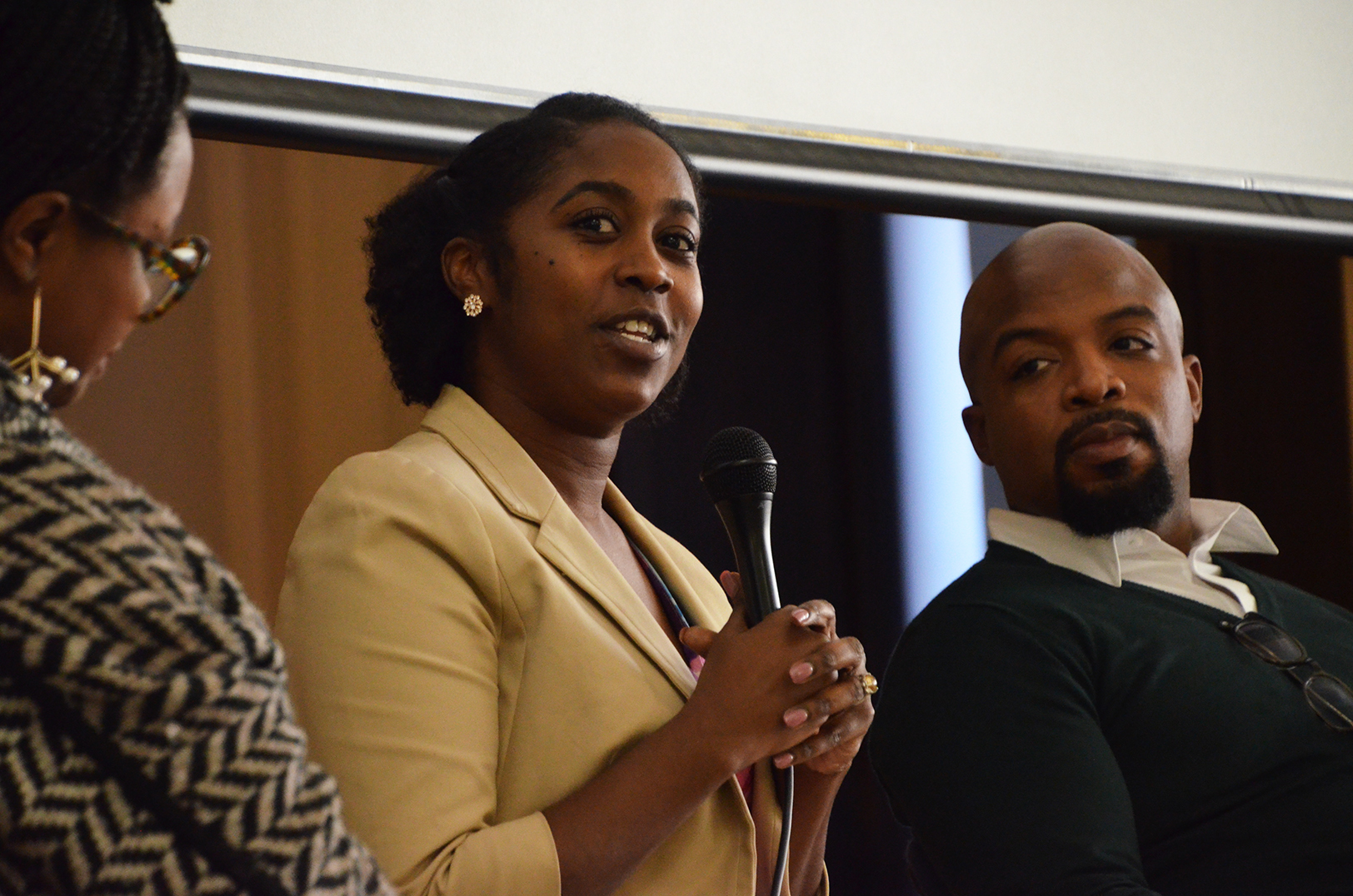
Most entrepreneurs operate within silos, said Adrienne Haynes, noting that black-run startups face particular — though not insurmountable — challenges becoming embedded in the Kansas City startup scene.
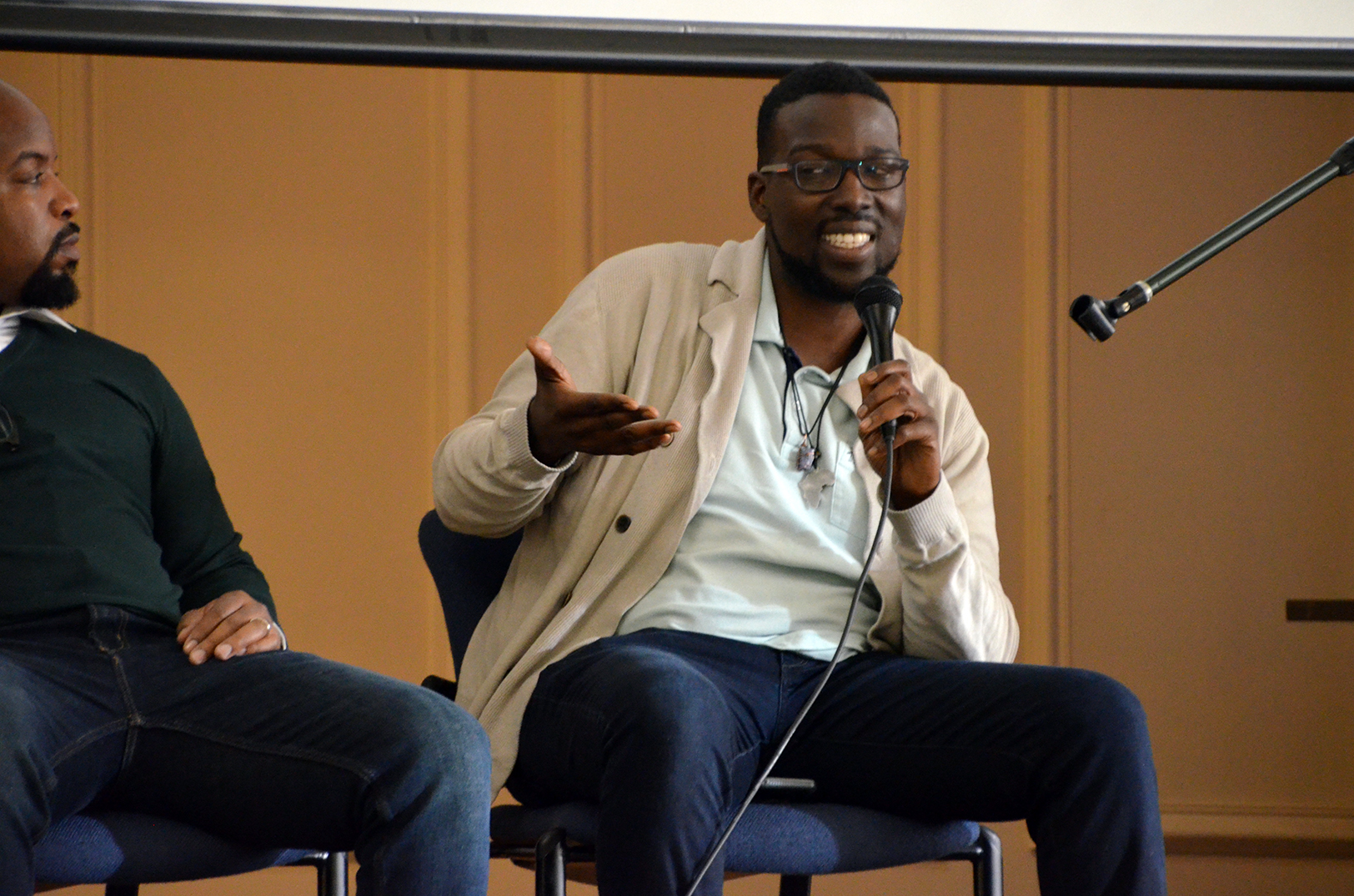
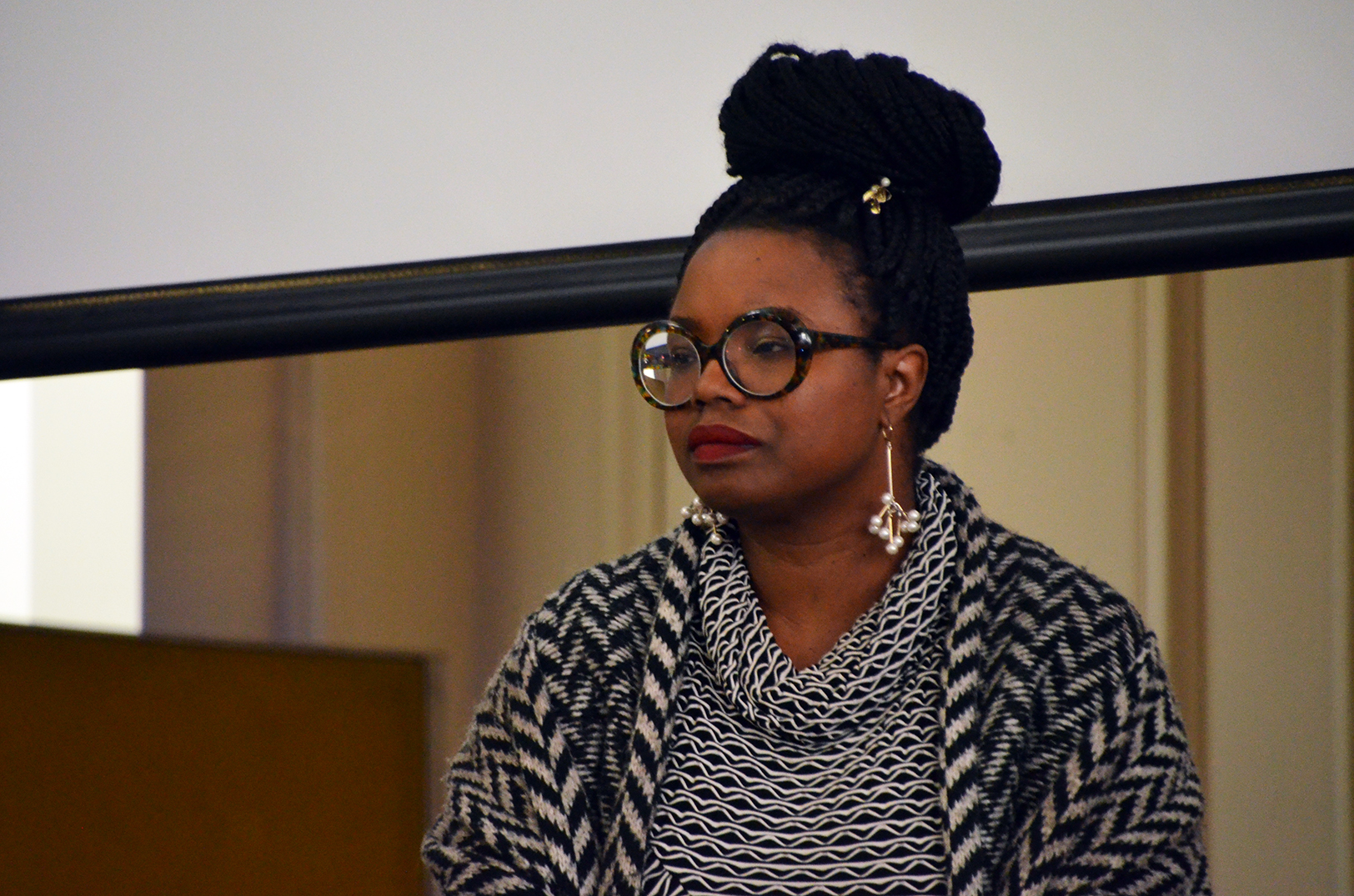
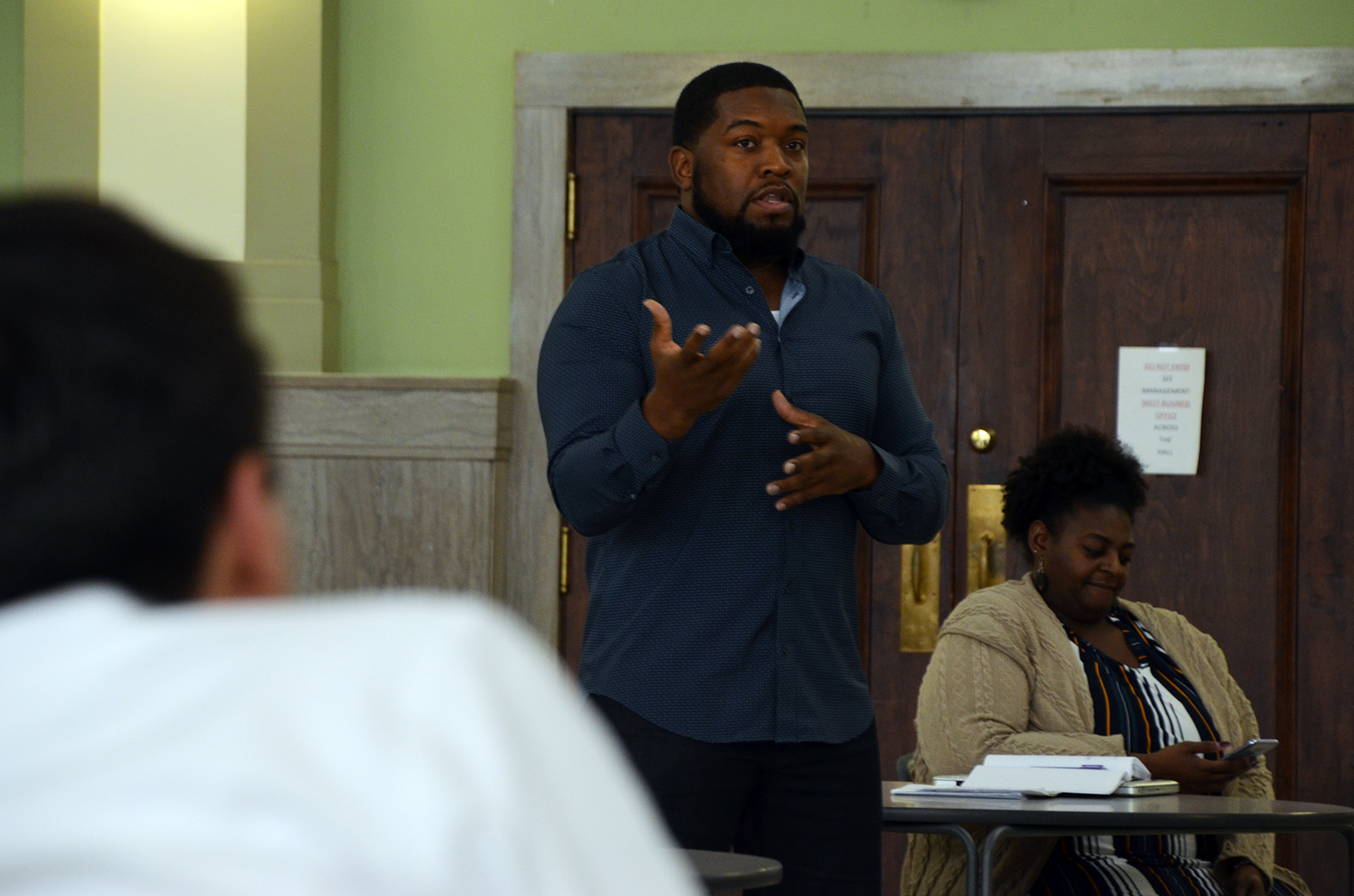
Seemingly approachable community events and coworking spaces aren’t always as open as organizers think, added Quest Moffat, founder of Project United Knowledge, joining Haynes and Donald Hawkins, CitySmart founder, Friday for a BlackTech Weekend KC panel at the Mohart Multipurpose Center.
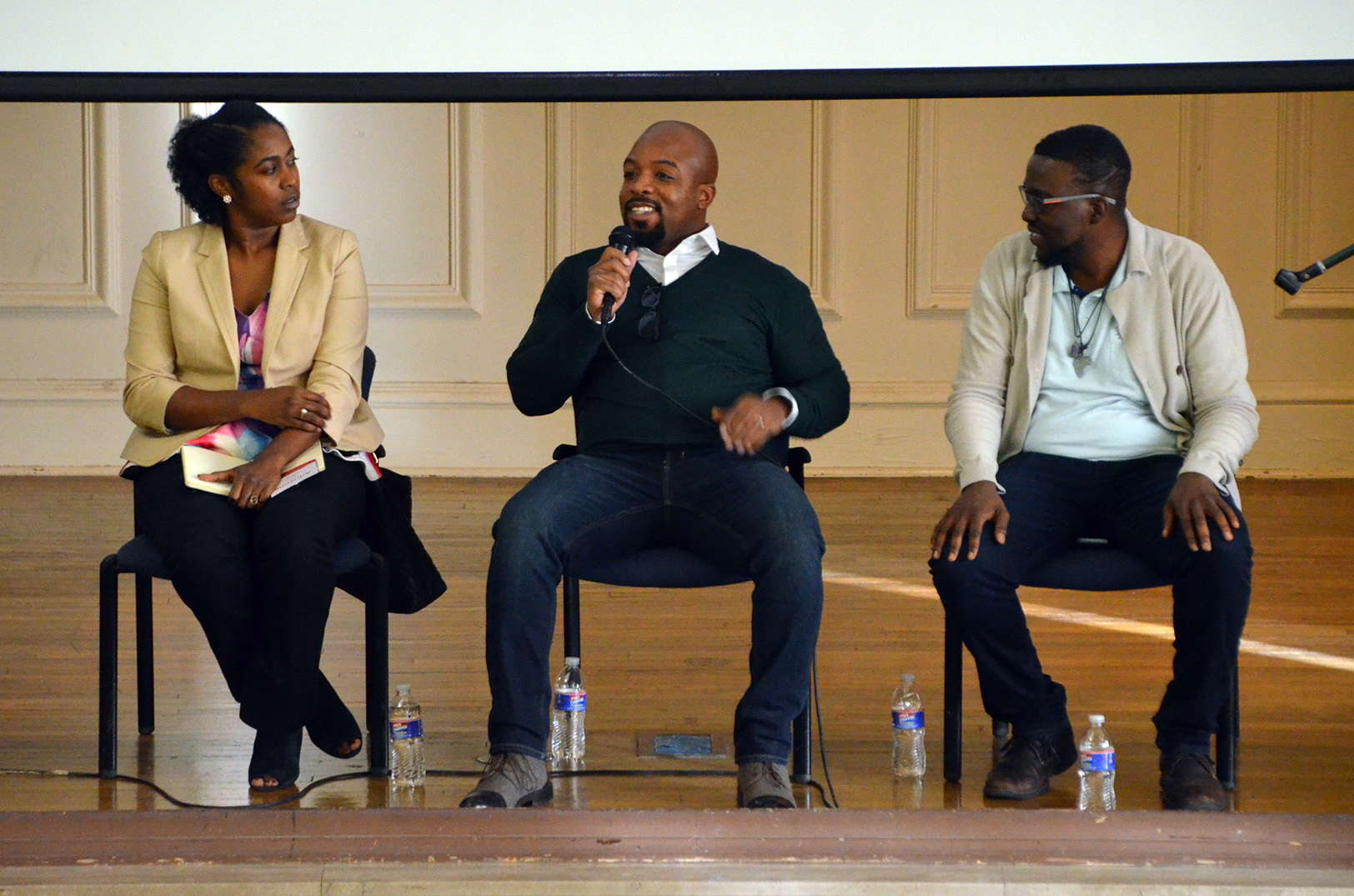
Adrienne Haynes, SEED Law; Donald Hawkins, CitySmart; Quest Moffat, Project United Knowledge; BlackTech Weekend KC
The trio of black startup leaders cited Plexpod Westport Commons, WeWork and 1 Million Cups among places where entrepreneurs congregate, but can often feel like exclusive clubs where outsiders are unwelcome.
“When I was [working in law school], I couldn’t go to 1 Million Cups,” said Haynes, founder of SEED Law. “Someone actually told me — this was a black entrepreneur — ‘Yeah, I’ll go to coffee with you after I see you at 1MC a couple more times.’ That could’ve been my opportunity to be like, ‘Oh, I guess I can’t participate.’ No way, I was like, ‘Oh, I’m gonna show that guy.’ That’s the kind of attitude that we have to have.”
The conversation should always be about how to break down walls, she added.
“All of the spaces in Kansas City are our spaces, and they can be spaces for [people of color] to have entrepreneurial relations too,” said Haynes. “It doesn’t have to be a black-only space, but that’s also important. I don’t want to negate that. It is important for us to get into a regular habit of having conversations about, ‘Man, it’s difficult to find resources. What are the best ways?’”
“[Entrepreneurship in black communities] ends with our silence,” she said.
Keep reading after the photo gallery:
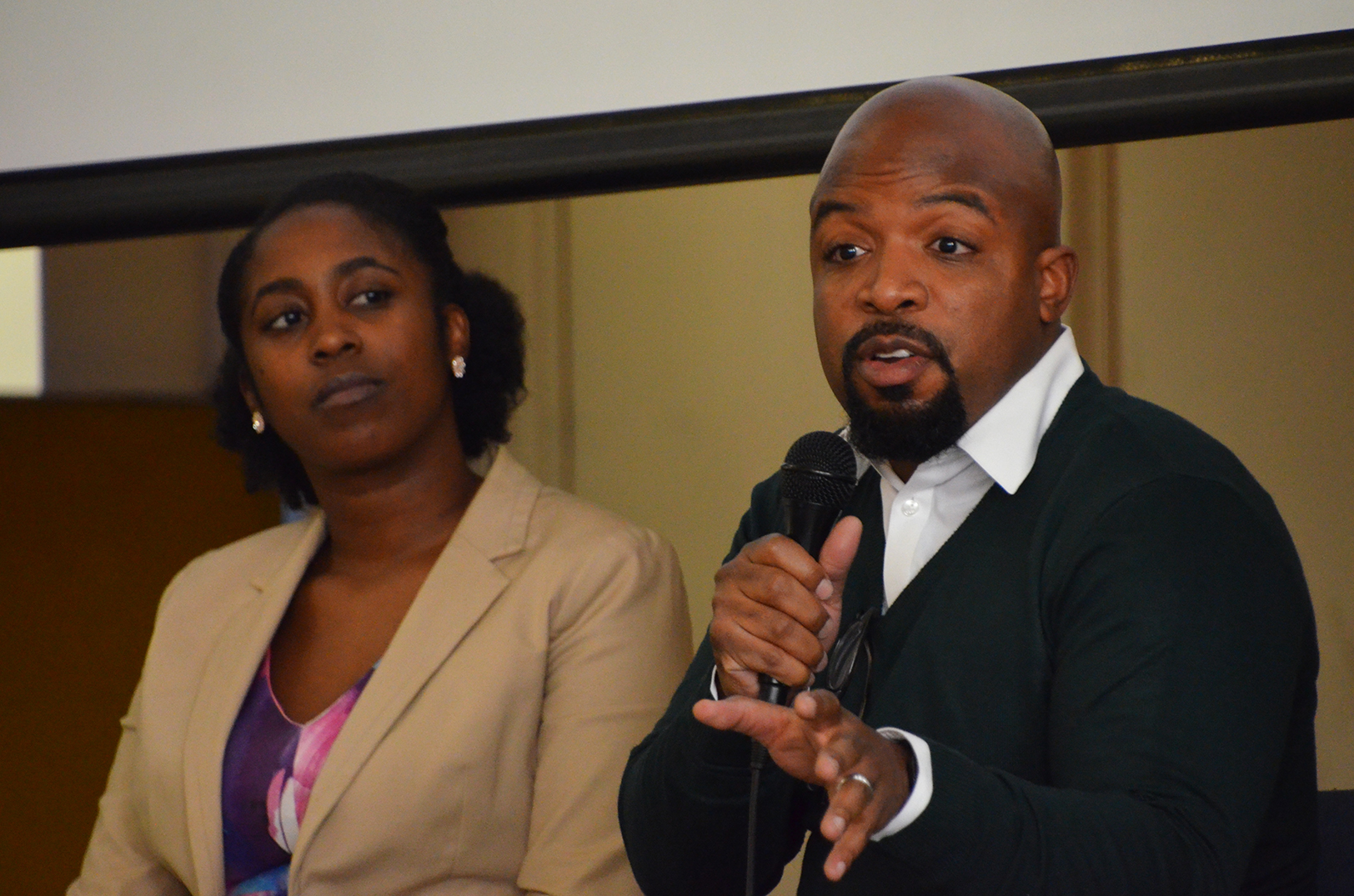

The first step in infiltrating silos in startup culture is getting educated and learning the language, said Hawkins, founder of CitySmart, noting that wide gaps exist across the metro where resources and education relating to entrepreneurship is unavailable.
“[Entrepreneurs need to] talk with sophistication when in front of a venture capitalist,” he said. “I’m guilty of that as well — like when I first got started with entrepreneurship many years ago in Atlanta, I was constantly pitching, but the second someone would ask, ‘What kind of capital are you raising?’ I was like, ‘I’m going to get some coffee, I’ll be right back.’”
Many locally owned companies are challenged by their leaders’ inability to translate “venture-speak” or the startup lingo, added Moffat, noting that these specific firms only seek out connections to innovation when applying for grant funding.
“I think that these organizations could create an innovation liaison to reach out to other communities and work on translating the venture capital [language,]” he said.
Founders and small business owners should get the same approval and accolades as professional athletes, said Hawkins, with the navigating of territories that’s required of entrepreneurs.
“I put a lot of work into my business,” he added. “I think in 15 to 30 years, I would love to see people from Kansas City going to places like New York and bringing funding back, and to see exits every couple of months.”
That future doesn’t exist without the resource gaps getting filled, said Moffat.
“I would like to see a paradigm shift in Kansas City, where [entrepreneurs] are knocking down doors like Adrienne said, and finding everyone that has a checkbook,” he said. “We aren’t going to have a 20 or 30 year vision if we don’t build a foundation and start getting the capital and resources and start taking advantage of them.”
“If you have an idea and a strategic way of building it, there is someone in Kansas City that is willing to [help you get] to that multimillion dollar point,” he added.

Featured Business

2018 Startups to Watch
stats here
Related Posts on Startland News
Closing KCK’s Black-owned coffee shop opens opportunity for Kinship to brew bigger, owner says
When TJ Roberts posted on social media about closing Kinship Cafe, a Black-owned coffee shop in Kansas City’s Strawberry Hill neighborhood, he was surprised by the outpouring of support — a morale boost that not only gives him the spirit to keep fighting for the business, but expand it, he said. “When we posted about…

Kansas brothers launch speedy trial for app that eases reentry for the wrongfully incarcerated
Podcast host-turned-innovator Dylan Carnahan is a man built for talking, he said, but there’s a time when words aren’t enough — when action is needed in the face of injustice. For Carnahan and his brother, that moment is now. “While media spreads awareness, software facilitates action,” said Carnahan, teasing the tech he’s developing alongside Alex…

Restaurant’s nostalgia is only part of it’s recipe: How Paul’s Drive In sizzled a community staple by ‘doing good first’
Editor’s note: The following story was written and first published by the Economic Development Corporation of Kansas City, Missouri (EDCKC). Click here to read the original story. In the heart of South Kansas City, Paul’s Drive In on Blue Ridge Blvd has been a cherished staple since the 1960s. Through ups and downs — including…

Meet six coalitions earning grants through Kauffman Foundation’s new ‘Collective Impact’ funding pathway
Systemic change happens when communities come together to drive transformation through collaboration, said Dr. DeAngela Burns-Wallace, announcing a half-dozen grants to high-capacity organizations with strategies to close economic mobility gaps in the Kansas City region. The “Collective Impact” planning grants of up to $500,000 are awarded to the winning coalitions are the first piece of…