

LaunchCode leader: Your city never stood a chance of landing Amazon’s HQ2
November 27, 2018 | Daniel Fogarty
[Editor’s note: This guest column first appeared on the Silicon Prairie News tech and entrepreneurship blog. It is republished here with permission from the author, St. Louis-based Daniel Fogarty, vice president of growth at LaunchCode, which operates its workforce development program in Kansas City.]
After months of waiting, it’s finally confirmed Amazon will split its HQ2 between two cities, citing lack of talent to fill the estimated 50,000 jobs. But a deeper dive into even the top contenders’ talent pools reveals the harsh truth — most cities never stood a chance.
Click here to read Kansas City’s response to being culled early from the list of HQ2 finalists.
It was clear from the start what Amazon was looking for in a proposal. The 50,000 full-time jobs will be filled from what Amazon’s RFP calls “a highly-educated labor pool” and only cities who could produce that pool would be serious contenders — nearly every rejected city that chose to publicly release feedback revealed that Amazon cited an insufficient pool of tech workers. Not surprising, considering half of the 50,000 jobs are predicted to be software developers, which aren’t exactly just laying around for the taking.
Click here to read about Kansas City’s tech worker shortage.
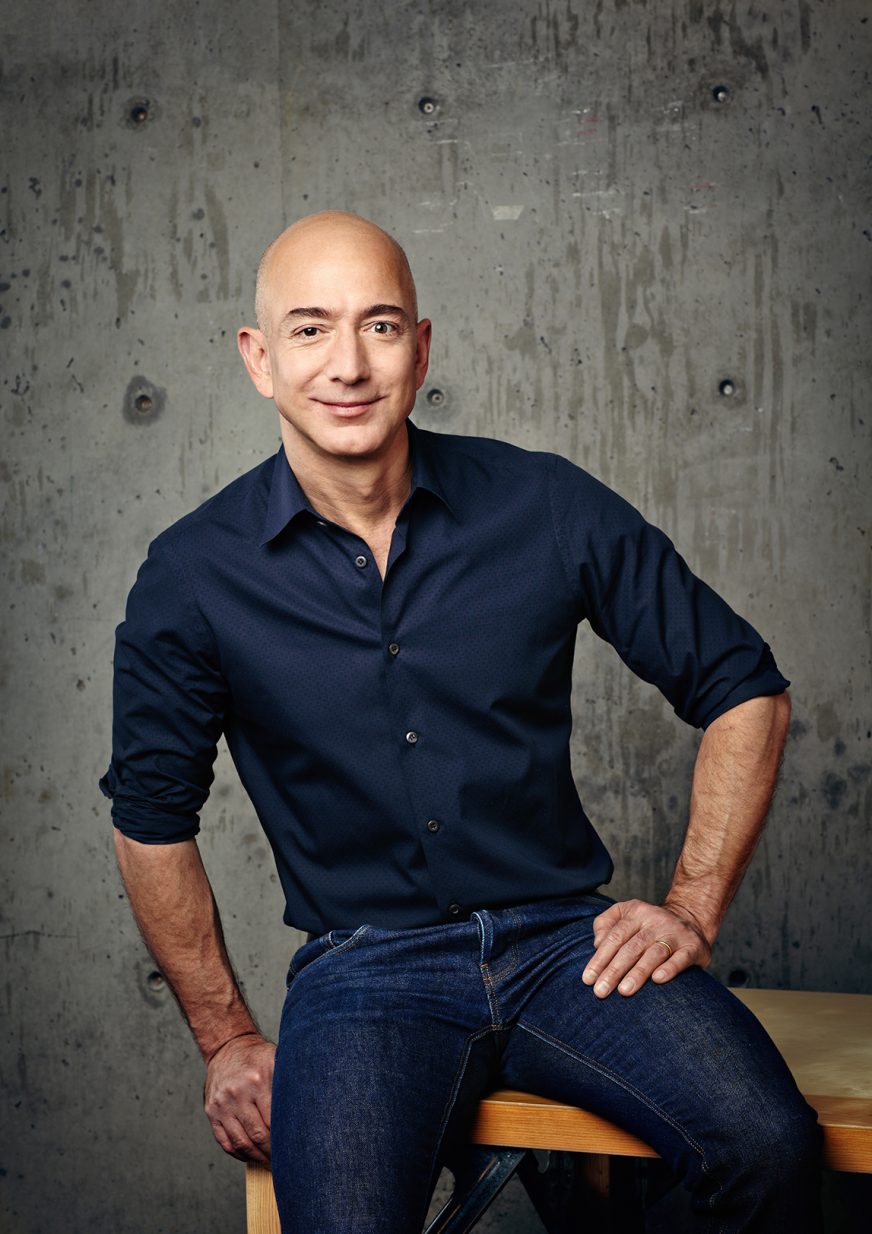
Jeff Bezos, Amazon
When we look at the concentration of where software developers work around the nation, the data is telling. Only eight U.S. cities have more than 50,000 software developers, and only 16 have more than 25,000. And not surprisingly, only two of the eight cities are non-coastal. Sure, some of the speculation around HQ2 being split among two East Coast cities is centered around rumors of Jeff Bezos’ recent real estate purchases, but considering Amazon’s talent pool needs, it’s quite possible there were way less horses in the race than we thought. And even the rumored front-runners don’t have the tech talent numbers to sustain all 50,000 jobs. And that says a lot.
Not only did most cities not stand a chance. Cities in the Heartland really didn’t stand a chance.
I think we can all get behind one thing: We all want resurgence in the Heartland. A recent Brookings report validates the economic growth and incredible opportunity happening in older-industrial cities in the Heartland. And contrary to popular opinion, it’s all happening without Amazon. The idea that Amazon’s HQ2 would swoop into a mid-American city, drive great inclusive growth and revive a once-booming economy is absurd. And it’s a narrative that’s been common among HQ2 headlines throughout the year. The simple fact is that Amazon was never in the business of revitalizing a fly-over city. It’s in the business of driving profit.
Click here to read more about the Brookings report findings on the Heartland’s economic potential.
My hope is that the Heartland cities that convened a team of the best and brightest of their region to propose millions of dollars and unlimited resources to win this competition at least learned something.
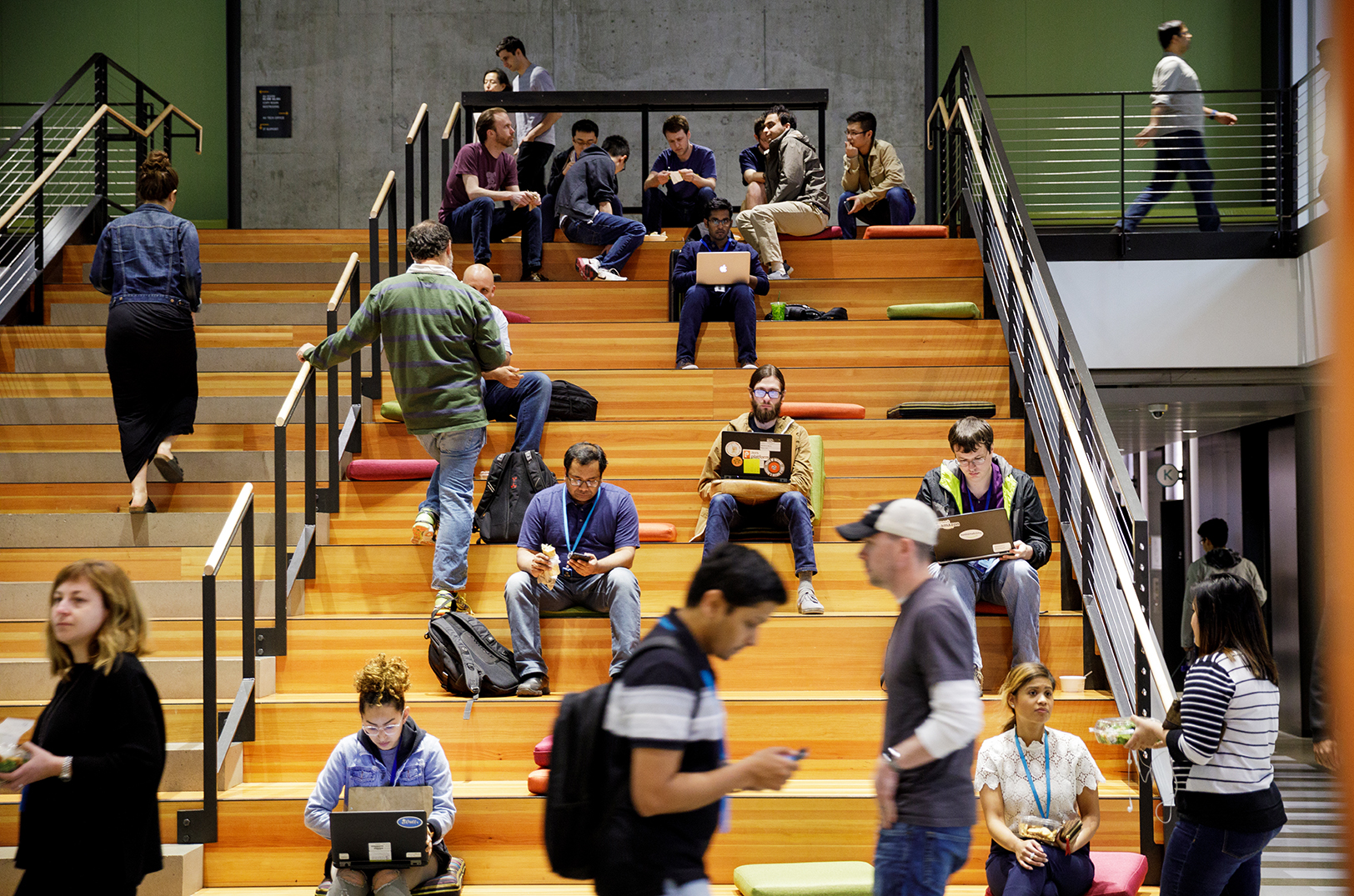
Amazon’s Seattle campus, photo courtesy of Amazon
Imagine if the same money and resources were spent solving the shortage of tech talent affecting the businesses already thriving in these cities? Could they have developed and executed a plan to cultivate and encourage STEM education and career awareness in their school systems? Could they have put hundreds or even thousands of driven individuals through accelerated, skills-based programs like coding bootcamps or funded entire cohorts of free, job-ready classes like the ones LaunchCode offers?
Click here to read more about what other tech partnership training programs in KC look like.
The recent news from Amazon just echos what the numbers already tell us: Not one city in our entire country boasts enough tech talent to feed a future HQ2. To truly flip the script, we need city leaders more interested in developing talent pipelines and building a workforce and less interested in incentivizing big-tech companies with false promises.
Personally, I believe in the Heartland and the flame of inclusive economic growth already burning here. If anything comes of this year-long media circus, my hope is that local leaders begin to focus on channeling resources to grow and scale what they already have instead of attracting a big-tech unicorn that was never going to land in their city to begin with.
Daniel Fogarty is vice president of growth at LaunchCode, a national workforce development nonprofit founded in St. Louis in 2013 by Square’s Jim McKelvey to help companies find skilled, new tech talent from all backgrounds and walks of life.
Click here to read more about LaunchCode’s work in Kansas City.


2018 Startups to Watch
stats here
Related Posts on Startland News

Document: FarmLink raises additional $24.6M for ag tech
Ag tech startups in Kansas City are plowing a promising 2016. Kansas City-based FarmLink recently secured nearly $24.6 million in investment capital for its farming technology, according to a Securities and Exchange Commission filing. The company offers a suite of tech services for farmers, including analytics platform TrueHarvest and machinery sharing platform MachineryLink Sharing. TrueHarvest…
‘PayIt’ up: Kansas City gov tech startup registers $4.5M investment
Like the dozens of people around him, John Thomson’s 2013 wait at the Missouri Department of Motor Vehicles had him aggravated. It was such a pain — watching the queue slowly subside while working on his phone — that the entrepreneur did what innovators do: he built a company to alleviate the chore. Fast forward…
Sporting Innovations reveals name change
Sports tech company Sporting Innovations is kicking off 2016 new branding. The company announced Monday that it’s changed its name to “FanThreeSixty” to better reflect an “ongoing transformation” and to better connect to its software platform of the same name, FanThreeSixty CEO Robb Heineman said. “We feel the timing is ideal for evolving our brand…
Local students win national design contest for Royals World Series trophy
When it comes to baseball, in appears Kansas City is still on a hot streak. Three students from Pembroke Hill School recently beat out dozens of professionals in a national contest to design a World Series trophy for the Kansas City Royals. The 11th-grade students — Samuel Hrabko, Raghav Parikh, and Momin Tahirkheli — entered…