

Innovation district will look to black community for insight, McGinnis tells GEW crowd
November 13, 2018 | Austin Barnes
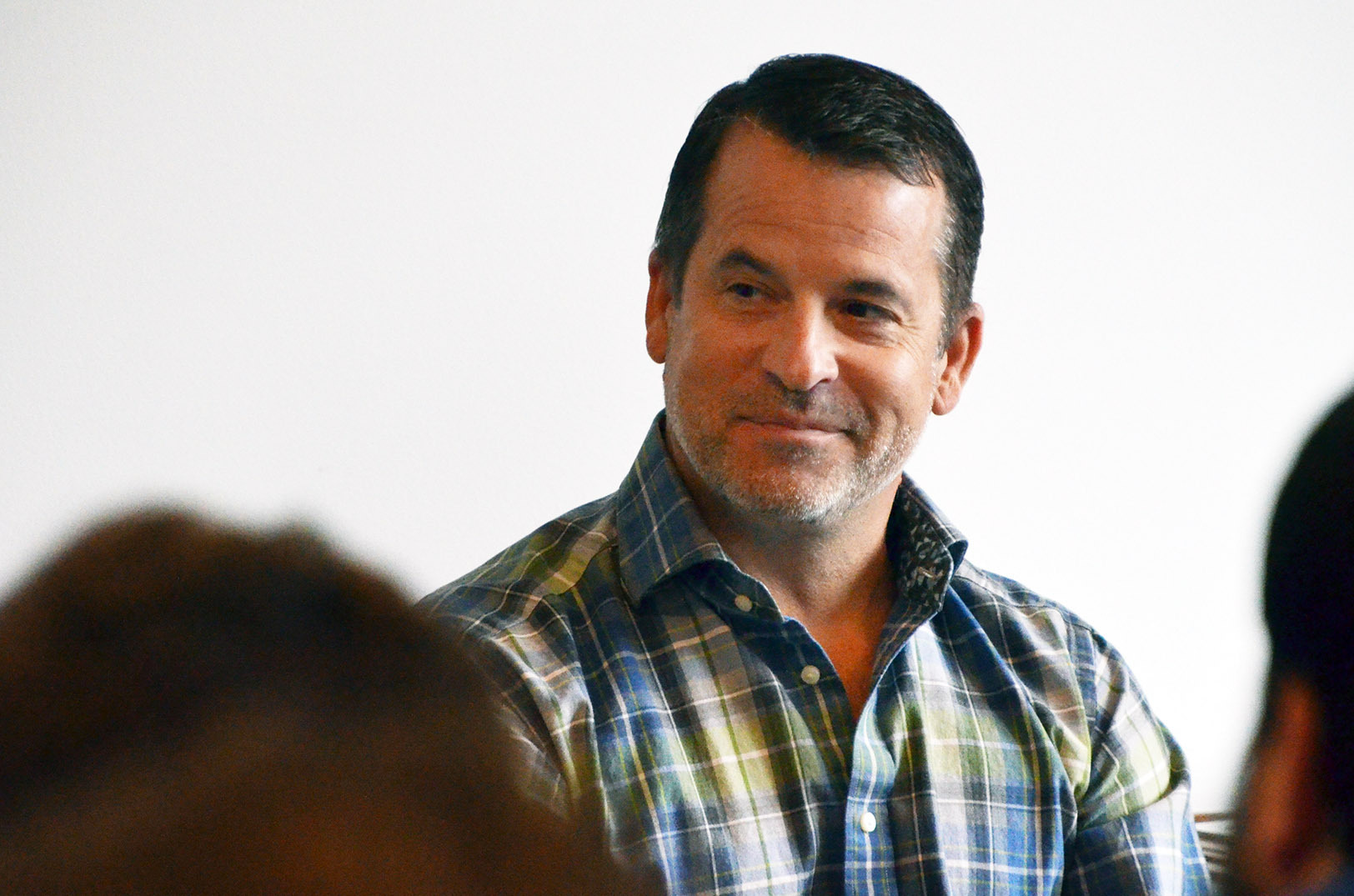
Developing an innovation district takes a village, Kevin McGinnis told a packed room of Global Entrepreneurship Week attendees — a cross-section of Kansas Citians eager to learn more about how his proposed Keystone innovation district could re-shape diversity and inclusion efforts in the startup space.
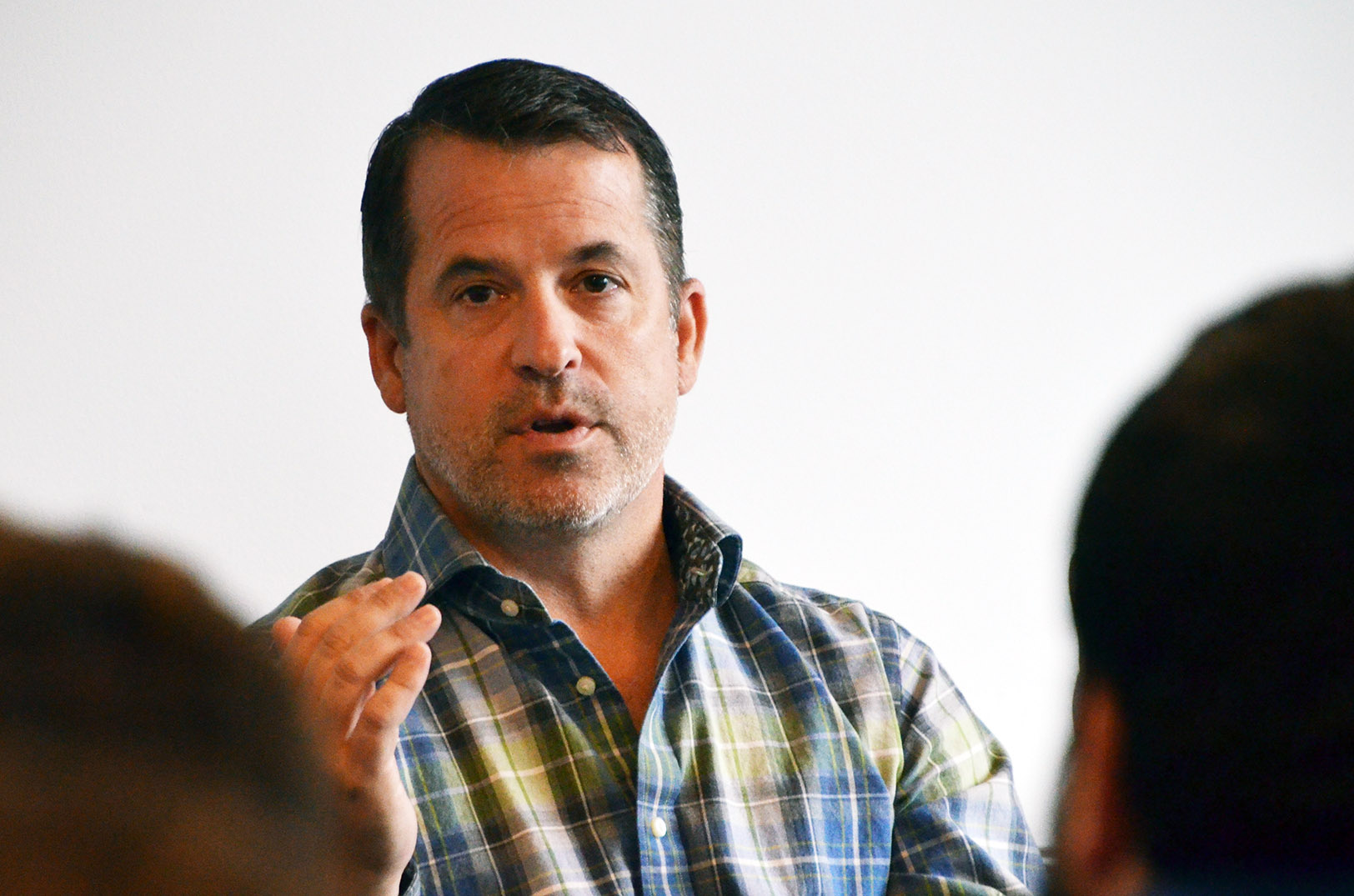
Kevin McGinnis, Keystone Community Corporation
“I’m not going to suggest that I’m bringing a bunch of Overland Park executives in to mentor the black community,” said McGinnis, CEO of the Keystone Community Corporation, attempting to clarify his plans during the GEW panel on emerging innovation districts.
Developers aren’t out to erase or diminish the heritage and history of the people who make their homes or businesses in the neighborhoods in and around 18th and Vine — the area the former Sprint executive and founder of the Sprint Accelerator intends to redevelop into an entrepreneurial hub, he said.
Click here to read more about the planned Keystone innovation district.
A series of diversity and community engagement programs are planned for the district, but have yet to be fleshed out, McGinnis added.
Speaking up during a question-and-answer period at the event, Nia Richardson, director of business development at DuBois Consultants, a Kansas City civil and structural engineering firm, challenged the generalities of McGinnis’ announced plans.
Ditching words like “diversity” and “inclusion” are a start, she said, encouraging the panel and attendees to directly address the reality than an innovation district would most impact the black community already living in the area proposed for redevelopment.
“It’s easy to be very specific [in what you’re doing],” said Richardson. “Be very intentional about making sure ‘I can grow black businesses and create more jobs’ to help combat the issues that you have [on the east side].”
The CEO and his partners are open to community-curated ideas and collaboration with local organizations as they navigate their role in diversifying the entrepreneurial ecosystem, he replied.
“We’re not there yet, and I’m not suggesting we have all the answers,” McGinnis said to Richardson, aiming to contrast the Keystone District proposal with fears of gentrification. “What I’m trying to create is a front door to the regional economy of innovation.”
All too often, diversity-led programming doesn’t know where to find a home in Kansas City, McGinnis argued. Establishing a centralized port of economic and entrepreneurial activity — like the Keystone District — could correct the course and provide a welcoming place for diverse and inclusive ideas and activities to flourish in Kansas City, he said.
“I’ve probably picked the most sensitive corridor in Kansas City,” McGinnis told the room, confident in his decision to redevelop in the area. “I’m willing to take [building the Keystone District] on and see what we can do with it.”
News of McGinnis plans for the Keystone District broke last month, shortly after his company secured its first parcel of land near 18th and Vine.

Featured Business

2018 Startups to Watch
stats here
Related Posts on Startland News

Quartet of startups hop into the Digital Sandbox KC
Four early-stage businesses recently entered the Digital Sandbox KC program. The new startups demonstrate the ingenuity Digital Sandbox aims to attract for its grant-funding efforts, said Jeff Shackelford, director of Digital Sandbox KC. “From helping students prepare for college to analyzing voting records to predict legislative outcomes, the startups in the Sandbox are a great…
Newest Techstars KC class tackling payday loans, food safety, bots for business
Techstars Kansas City has revealed its 2018 cohort of startups. The 10 companies will make a big impact not only on Kansas City but the global economy, said Lesa Mitchell, managing director of Techstars KC. “Although our companies come from many industries, they share in common that they are all solving problems to make the…

YEP KC teen serves hope through enterprising volleyball benefit for men’s shelter
When 17-year-old Catherine Franano learned the mattresses at Kansas City Rescue Mission were old and too worn for comfortable use, the Pembroke High School senior leapt into action, she said. “Some of these people … like they’ve just had so many awful things happen to them, but not having anywhere to sleep?” Catherine said. “How…

(Video) ESHIP Summit attendees ask: Can entrepreneurial support efforts actually be sustainable?
When more than 600 attendees gathered this week in Kansas City for the second ESHIP Summit, they each came with their own ecosystems, businesses, local governments and support networks in mind. They also brought questions. “What are they doing in their cities? What’s worked and what hasn’t worked? What can we adopt back at home…