

Facing failure? Think about the bad ideas first
November 17, 2018 | Elyssa Bezner

Entrepreneurs need to stop glamorizing the startup world, and recognize the inevitable burnout or failure involved, said Danielle Lehman.
Lehman, founder of Kansas City-based consulting firm Boxer & Mutt, knows about failure, she told a crowd Friday at Global Entrepreneurship Week, noting a list of startups that she was involved in, including MySpace, that didn’t survive.
“[Entrepreneurs are] going to experience failure along the way,” she said. “We can just sit in that and say, ‘Well, I guess I’m not cut out for this,’ or ‘I guess I’m a failure,’ or ‘This is never gonna work,’ or we can just keep moving and find our way to the next success.”
Entrepreneurs are more likely to suffer from addiction, and are two times more likely to experience depression, she added, citing the American Psychiatric Association. It’s important for entrepreneurs to not let their startup become everything, she said.
Click here to read about Startland’s Innovation Exchange about “Emerging from Failure.”
Regular appointments with a therapist should be the norm, she added, noting that taking care of mental health is just as important as the physical.
“I have a really great therapist and I spend a lot of time talking about my business and new projects that I’m exploring because I do have a lot of fears of failing and it’s just helpful to have an outside perspective to talk through those types of things,” she said.
To avoid the discouragement that comes from tracking disappointing success metrics, define personal metrics that can be controlled, Lehman advised.
“Instead of employee engagement, you look at, ‘How do I treat my employees with respect and empathy?’ Maybe instead of profitability you look at things like, ‘Did I persevere when I felt like giving up?’” she said.
Being afraid of failure means depriving the world of your unique talents, she added.
“In the end, we look back at our lives and we have all these regrets and things we wish we would have done,” said Lehman. “Don’t quit your job, go out, become an artist today and hope somebody will pay your bills, but you can start taking small steps to pursue those dreams and goals that you have in your spare time. That could eventually that could turn into your career.”
Thinking of the bad ideas first sometimes relieves the pressure of having to find the perfect one, she said, challenging the crowd to come up the worst ideas for keeping bicyclists safe on KC roads.
Police escorts for each bicyclist or building a tunnel system for bikes underneath roads are good examples, Lehman said — the terrible ideas generated laying a pathway for a discussion about harsher punishments for drivers that hit bicyclists and colored bike lanes.
“If I had asked you all get together and come up with a bunch of good ideas, either no one would come up with anything or turn into some weird debate,” she said to the audience. “You can come up with new, fresh bad ideas to keep the pressure off of coming up with the perfect solution. You can always go back to the drawing board.”
When completely stumped, Lehman said, just push feelings to the side.
The book “F*ck Feelings,” she explained, teaches that most of things that make a person feel bad are outside of realm of control, and offers a variety of applicable letters pertaining to different scenarios to say aloud to alleviate stress.
“When you find yourself in that downward spiral where you just can’t get out of it, acknowledge your feelings, but then focus on what you want to do versus things you can’t change,” said Lehman.
In another example, she described Los Angeles chef Bavel, who told Bon Appetit magazine about a green composition notebook he kept for four years. He was constantly scribbling recipes and ideas for a new Middle Eastern restaurant before finally opening it earlier this year, Lehman said.
Being able to refer back to a resource containing years of thoughts is invaluable, she said, especially when there seems to be nowhere to go.
“I’ve found for a few different ideas that I would have been nervous to try in the past,” said Lehman, while holding up her own green notebook. “I was waiting for this big perfect idea to just strike me and for everyone to tell me, ‘Yes, That’s what you’re meant to do!’ But that just doesn’t happen. So, I just keep track of a lot of ideas, and while some of these are really stupid and I would never want to tell anyone about them, it’s been a really creative way for me to just get the ideas flowing.”

Featured Business

2018 Startups to Watch
stats here
Related Posts on Startland News

Google Fiber hops to new, pricier plans for businesses
All good things — or in this case inexpensive things — must come to an end. Google Fiber will soon nix early-access pricing for its gigabit business service and will more than double its costs for new customers in August. Google Fiber — which first arrived in Kansas City in 2012 with residential service —…

Amazon to bring 1,000 jobs, huge facility to KCK
Online retail giant Amazon will open a massive new facility in Kansas City, Kan. The Seattle-based company announced Monday that it will create more than 1,000 full-time jobs and construct an 855,000-square-foot fulfillment facility near the Turner Diagonal on I-70 in Kansas City, Kan. “These aren’t just any jobs. They are the best entry-level jobs our…

Survey: KC is sticky for startups with equity funding
A majority of Kansas City startups choose to maintain their hometown roots after they raise capital — even when the funds come from outside investors, a recent survey found. Of the companies that raised money in 2013 and 2014, 74 percent of them are still active and headquartered in the City of Fountains, according to…
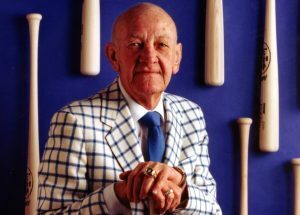
A marriage of Mr. K’s passions, ‘E Day at the K’ returns July 19
To say one of Kansas City’s greatest entrepreneurs — Ewing Marion Kauffman — loved baseball would be an understatement. The founder of Marion Laboratories Inc., Kauffman purchased the Royals in 1968 to bring America’s pastime to his beloved hometown, Kansas City. Along with boosting civic pride, the Royals became a model franchise, employing “moneyball” statistical…