

Lenexa-based Aloe soothes health insurance enrollment pains with human touch
November 5, 2018 | Tommy Felts
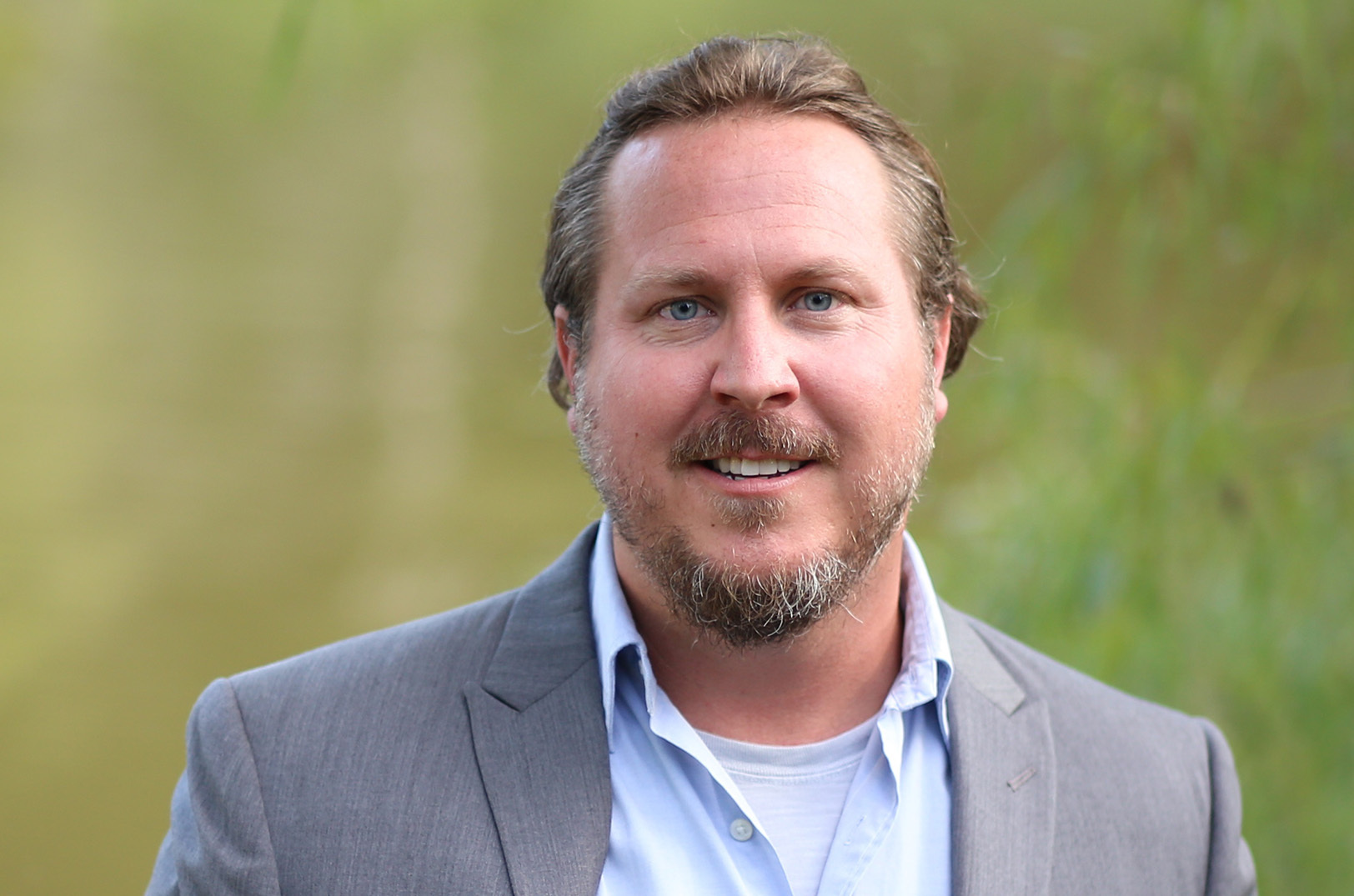
A patient’s “wow” moment shouldn’t be when he or she opens a medical bill and discovers procedures that unexpectedly aren’t covered by insurance, said Andrew Belt, co-founder of Aloe.

“People are frustrated — frustrated because they don’t understand how their coverage works or what’s included, and it doesn’t seem like anyone they talk to understands,” the serial entrepreneur said, noting the pain point addressed by his Lenexa-based company. “Aloe is a representation of a ‘wow’ customer service relationship that says, ‘How can we find you the best options on the market that work for you specifically?’ We’re not just saying, ‘Here are the only plans that are available — which do you want?’”
Aloe provides customers with access to health insurance coverage through its simple, proprietary quoting process. Founded in 2017, the company uses a personalized quoting system, best-value products and an à la carte selection model.
“We’re contracted with all the major carriers. We know all the ins and outs of the different plans,” Belt said, emphasizing customers can avoid the Health Insurance Exchange by using Aloe’s growing telemedicine, telecounseling and healthcare-focused technological interfaces.
“We’re not paid to put you in a certain insurance package,” he added. “Everybody gets paid to wow the customer. We get paid more if the customer is happier. The better results they have, the more money the culture makes inside, out.”
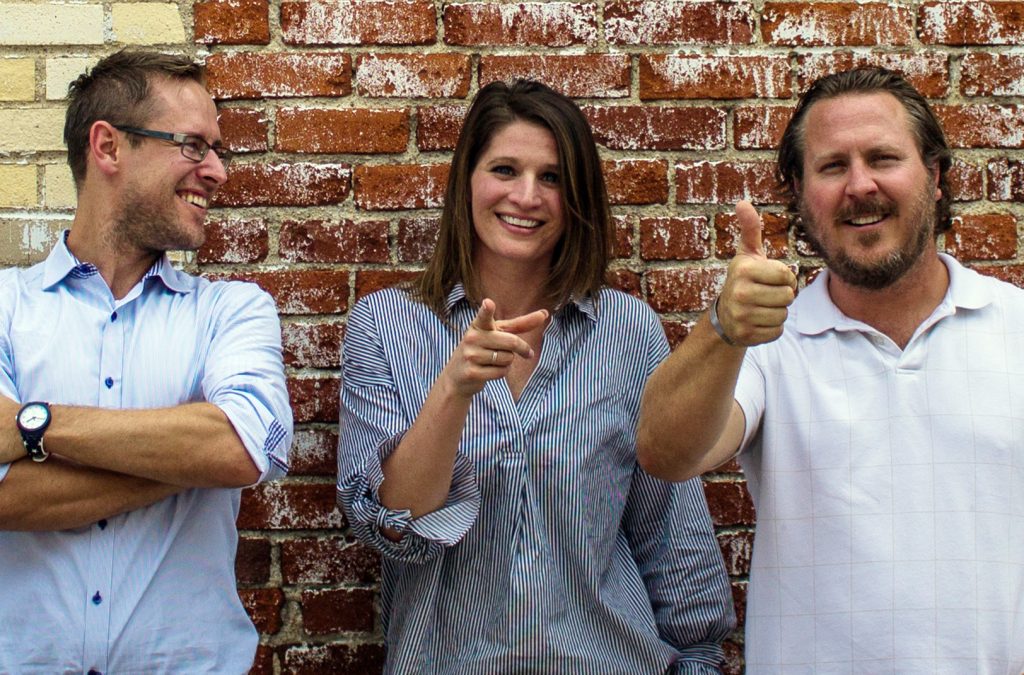
Ridge Rees, Emily Most and Andrew Belt, aloe
Out of retirement
Seated at Mildred’s coffee shop on a crisp fall day in Kansas City’s Crossroads, Belt noted his Grateful Dead T-shirt and L.L. Bean boots might not suggest the persona of an insurance industry executive. Nor do they indicate his time lobbying politicians in Washington, D.C., or serving as a U.S. Marine in Kosovo, Afghanistan, and Iraq, he said.
His relaxed look is a luxury of his early retirement, Belt said, laughing.
In 2016, his previous firm, ValVets, an appraisal management company based in the Kansas City area, sold to Clarocity Corporation (formerly known as Zaio Corporation). Having earned coveted spots on Inc. 500 and Inc. 5000 lists, it was the culmination of “inch-by-inch” successes that later turned into consistent, annual growth around 25 percent, Belt said.
“We did very, very well for a couple of punk kids in Lenexa, Kansas,” he said. “We tackled some of the biggest lending institutions, big government contracts. It was fun, but ultimately it was a cultural play. There’s no way we could’ve pulled it off if we hadn’t had an awesome group of young kids. They didn’t necessarily like what they were doing, but they really liked who they worked with and where they worked. That culture helped to pick up the slack. Oftentimes you can create a work environment where the job isn’t sexy, but the way you do it can make it way more rewarding.”
Retirement didn’t last long, Belt said.
“I thought, ‘I’m going to take a break. I don’t need to work,’” he said. “What I found was that I’d literally get up every day, leave the house at 7:30, and just go drive around. It was boredom.”
The pull of ValVets’ previous company culture called to him. Belt got on the phone with his two former top lieutenants — and best friends, he said.
“I said, ‘Hey. Retirement is dumb. I don’t know exactly what we’re going to do yet, but we’re going to do it again,’” Belt said, explaining ValVets hadn’t truly taken off until he brought on Emily Most and Ridge Rees to round out its management team. “This time we’re all going to be equal, and we’re going to blow it out.”
Most now serves as CEO and co-founder of Aloe. Rees is Chief Human Specialist (leading sales and engagement) and co-founder.
Recapturing ValVet’s magic required more than reconnecting the team, Belt said. It meant transferring that culture of human connections into a meaningful customer experience for Aloe, he added.
“We’ve traditionally been successful in environments where nobody on the customer side is happy,” Belt said. “We looked at the health insurance industry and thought, ‘The big stoic institutions are doing it wrong. There’s no engagement for the consumer. There’s nothing of value there from a relationship standpoint.’”

‘You’re not invincible’
Aloe is built for three main consumer bases: Small businesses with fewer than 50 employees; young families; and “the invincibles,” Belt said.
“Health insurance is among the top two most important things you can have,” he said. “Going without it can mean financial ruin. And it can be just a couple hundred bucks a month. A lot of people spend that on Netflix, Amazon, Hulu and all these things that are literally just money drains that suck money right out of your pocket without providing anything but consumer confidence.”
The 29- to 40-year old who thinks he or she doesn’t need insurance is facing more than just a tax penalty, he added.
“You’re not invincible. Sure, you probably won’t need coverage like a 65-year-old would; some of them live for doctor’s appointments,” Belt said. “But for what it really costs, if you do it right, you’ll be prepared when you wind up with a broken leg, or labs, or some crazy anomaly that we all know happens — and they seem to happen more frequently now than they used to.”
Aloe’s business model is built on giving such consumers as much information as possible — in some cases, more data than so-called experts know, Belt said — as well as providing unparalleled customer service.
“My projecting on Aloe is that as long as we stay true to our cultural ethos — meaning, whoever we’re engaged with, they’re having an amazing experience where they forget who they’re talking to, and just say, ‘I liked calling that place’ — then it wouldn’t surprise me if we did $25 or $30 million in 2019,” he said. “It wouldn’t surprise me if Aloe was its own health insurer by 2020.”

Featured Business

2018 Startups to Watch
stats here
Related Posts on Startland News

Kansas Citians, Techweek study entrepreneurship, communism in largest U.S. tech envoy to Cuba
Only 5 months after President Obama re-opened diplomatic relations between the U.S. and Cuba, a group of Kansas Citians joined the largest tech delegation ever to visit the communist country. Five area entrepreneurs joined leaders and other innovators involved with the national tech conference Techweek in an exploratory visit of Cuba’s tech and entrepreneurial community.…

(S)heStarts: Define yourself and your startup on your own terms
At a recent One Million Cups gathering at the Kauffman Foundation, Little Hoots founder Lacey Ellis discussed lessons learned since launching her company. It had been almost a year since she first presented at the pitch event, and one of her primary lessons is sound advice for startup founders. “When you’re first starting out, you’re…

Ag tech firm Farmobile reaps big multi-million dollar investment
Agriculture company Farmoblie reaped substantial funding to accelerate development and distribution of its technology to collect data from farm machinery. The Kansas City-based firm snagged a $5.5 million Series A round of equity investment led by Amsterdam-based Anterra Capital. Founded in 2013, Farmoblie created a device — or Passive Upload Connection (PUC) — that plugs into…

Regional venture capital and why Valley firms moved to the Midwest
In this week’s regional roundup, we have the dish on everything you should know from regional venture capital and cyber security to building a company that survives a dynamic tech market. For more on this series, read our introduction. St. Louis Biz Journal: Big raises, new funds highlight year for venture capital in St. Louis Not only…