

Is KC scaring away disruptive tech? Mayor candidates revive sharing economy debate
October 9, 2018 | Tommy Felts
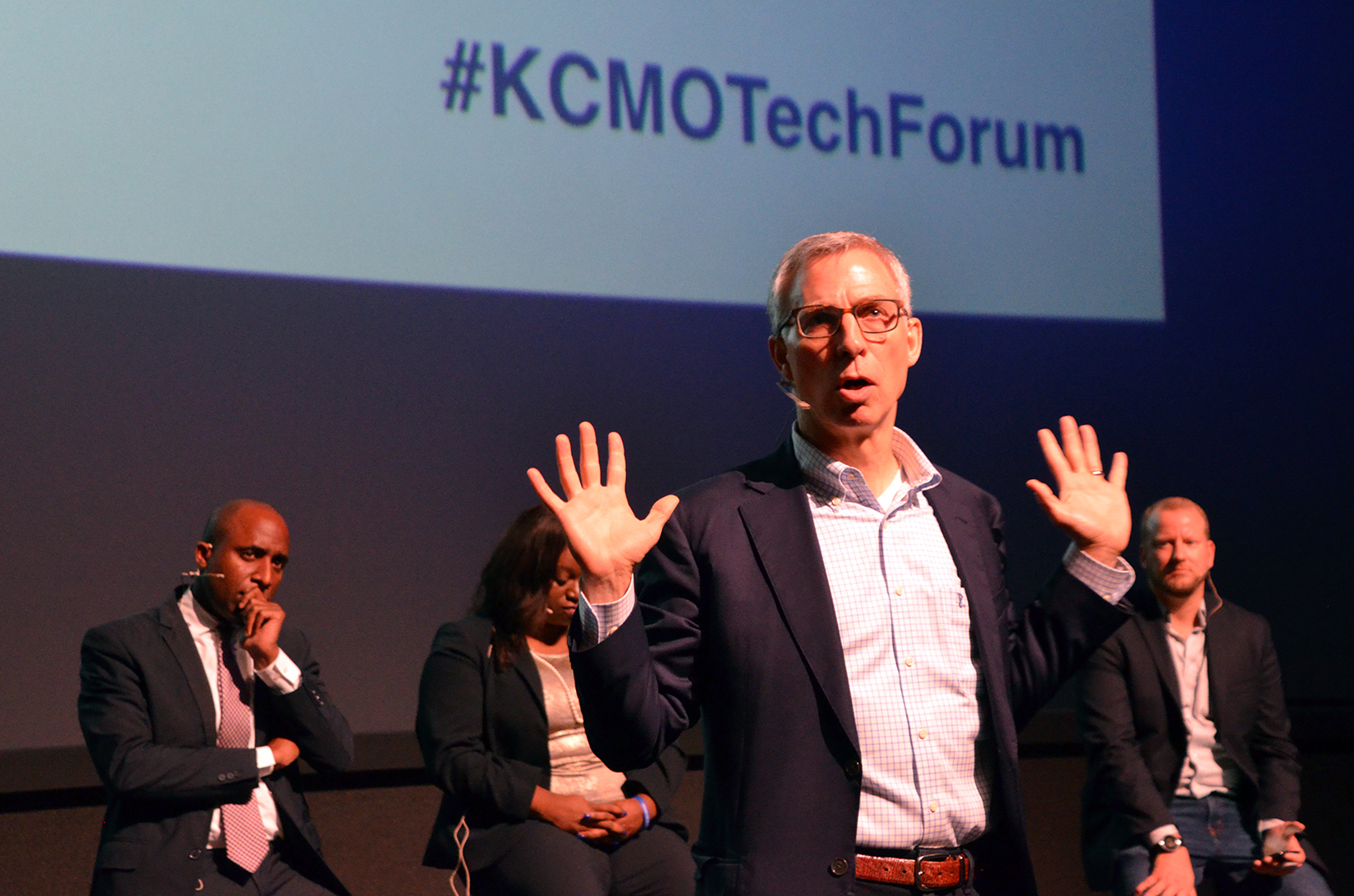
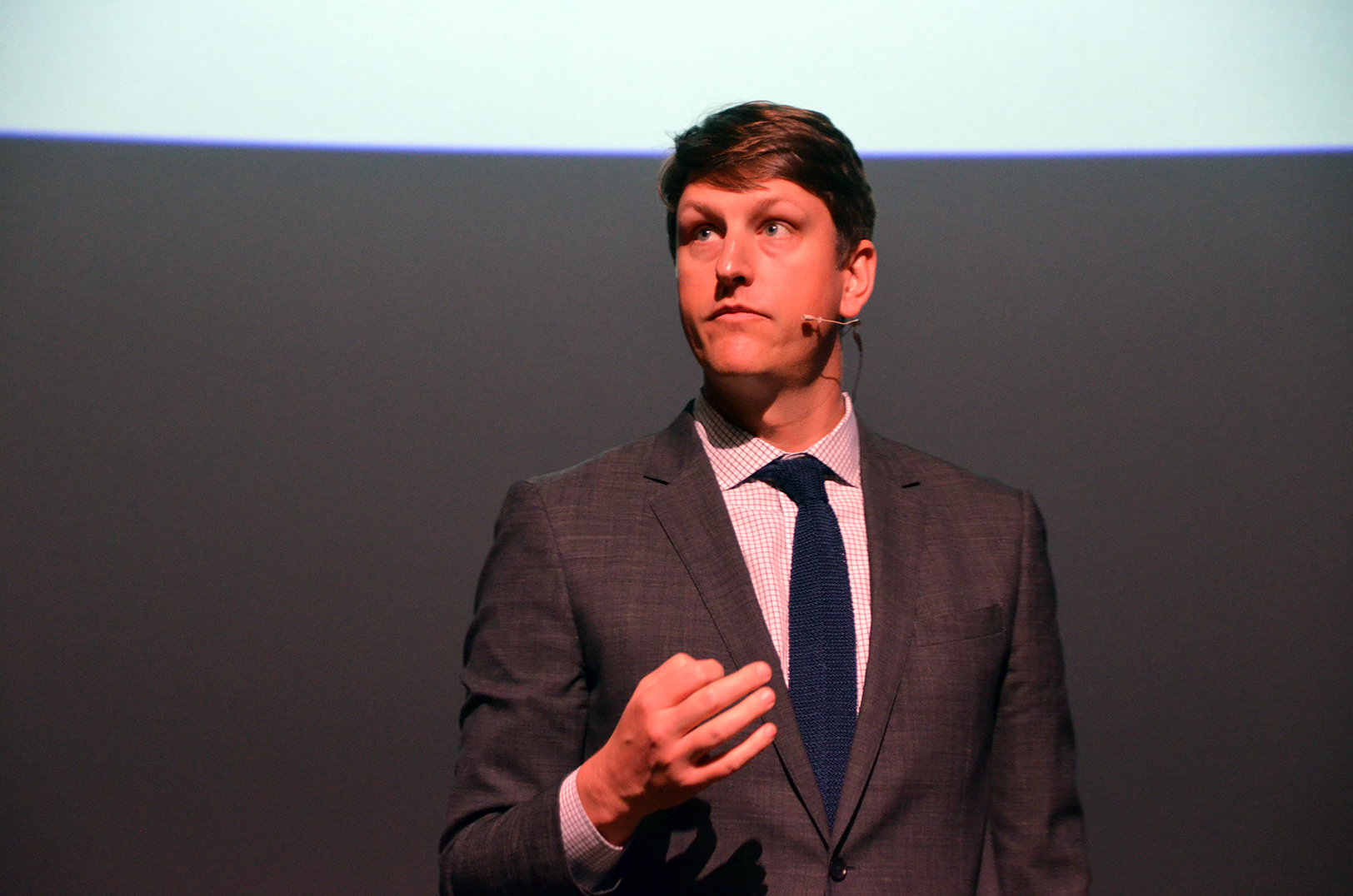
A wave of technology is coming — and Kansas City should be ready, said Steve Miller, entering the fray between mayoral candidates over regulating the sharing economy.
Techweek Kansas City 2018
Click here for a full event schedule for Techweek KC.
Click here to purchase tickets to Techweek.
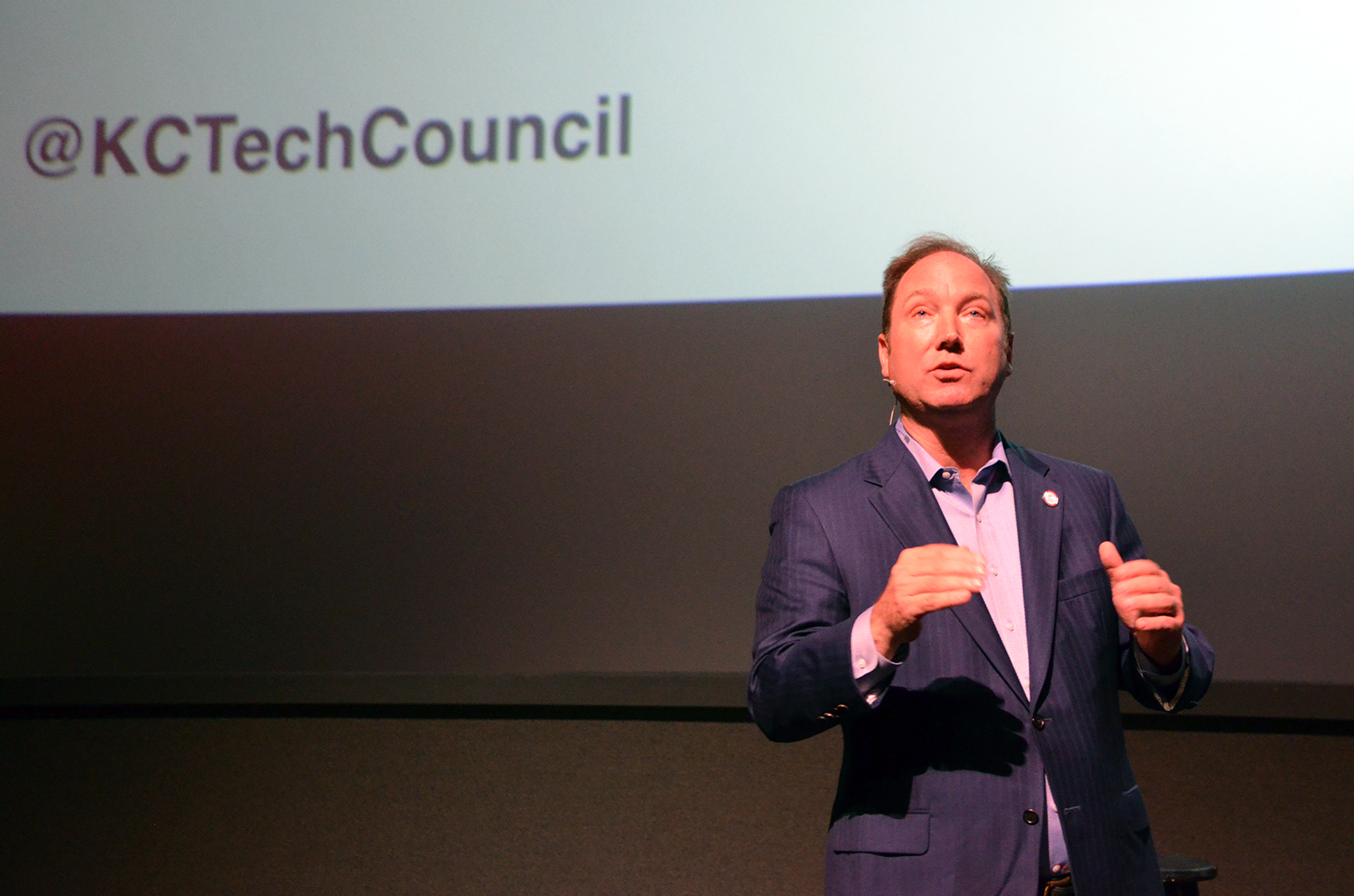
Appearing Monday at a KC Mayoral Tech Forum to open Techweek Kansas City, Miller compared navigating the regulatory waters around such emerging services as Airbnb, Uber and Bird to his learning to surf as a child.
“To ride a wave, I needed to turn around and look at the horizon and see where the wave was beginning to build, so I could anticipate it,” the lawyer-turned-MoDOT leader said at the candidate forum. “When the wave came, if I wanted to catch it, I needed to start swimming quickly so I was up to speed by the time the wave came on me. if I didn’t do that, if I turn my back on it, what was going to happen? I’d be slapped up against the back of my head, and I was gonna lose the wave and lose the momentum.”
“That’s a very cautionary tale, I think, for any community, including ours, that fails to embrace technology,” he added. “I’m concerned that sometimes too often we build walls and we try to turn back technology. We have to anticipate. That means being proactive, not reactionary.”
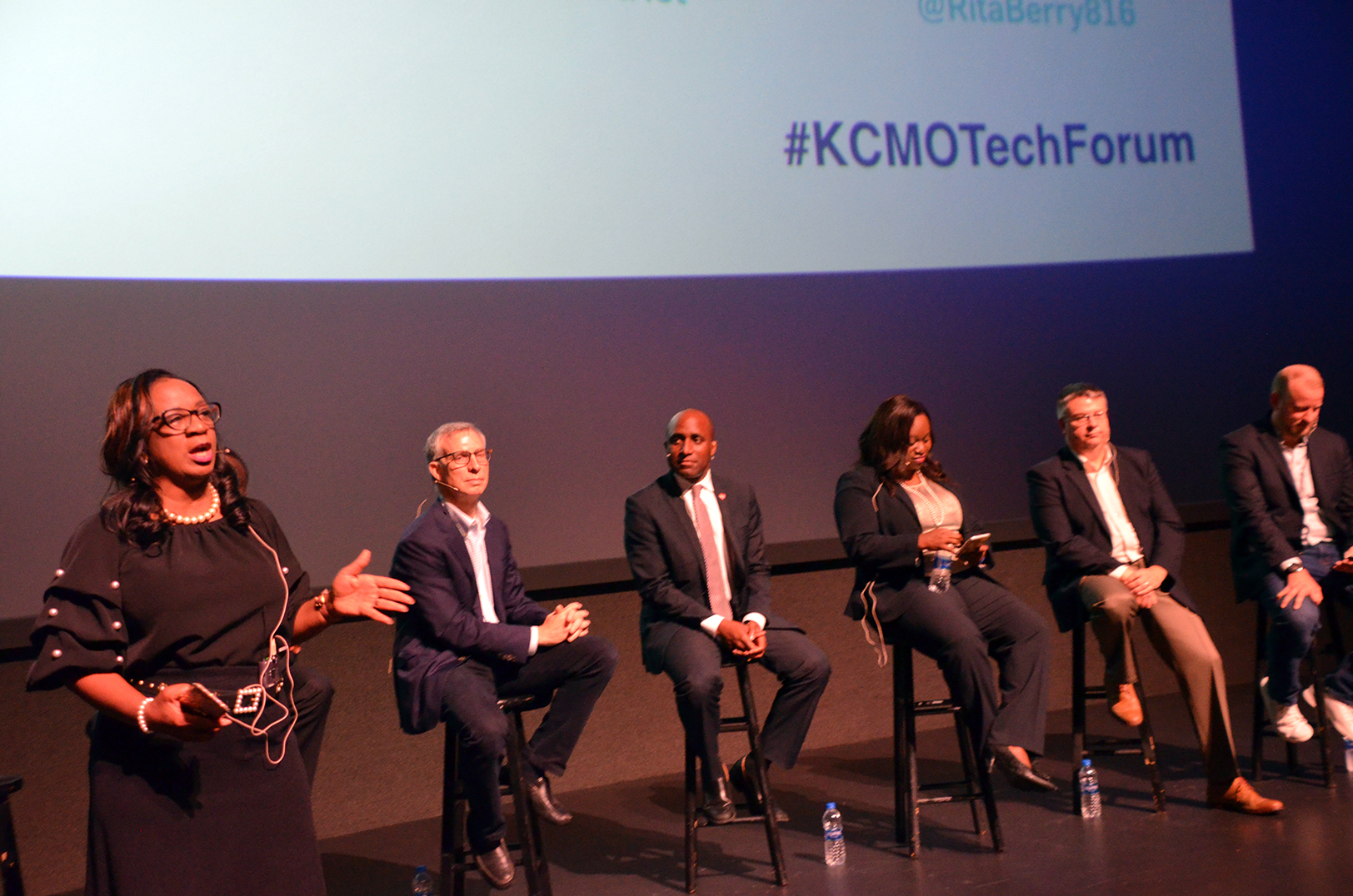
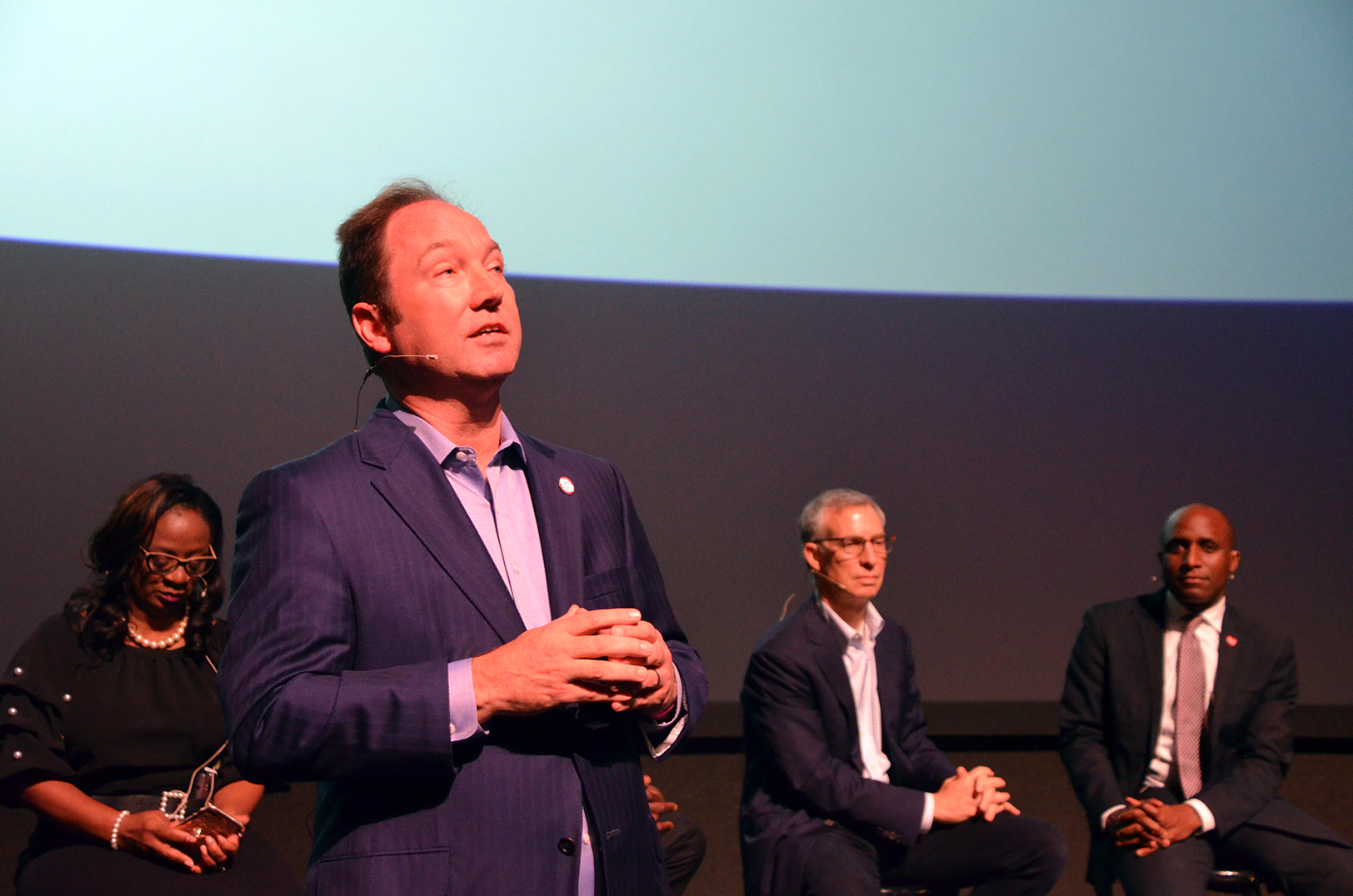
Organized and moderated by Ryan Weber, president of the KC Tech Council, Monday’s forum featured eight candidates for mayor — five sitting council members: Alissia Canady, Quinton Lucas, Jermaine Reed, Scott Taylor and Scott Wagner; and three newcomers: Rita Berry, Phil Glynn and Miller.
A primary is set for April 2, with the top two vote-getters advancing to a general election June 25.
The Techweek forum touched on such issues as the limited tech talent pipeline in Kansas City, as well as diversity and inclusion efforts in tech, but passions flared early when the conversation turned to the sharing economy.
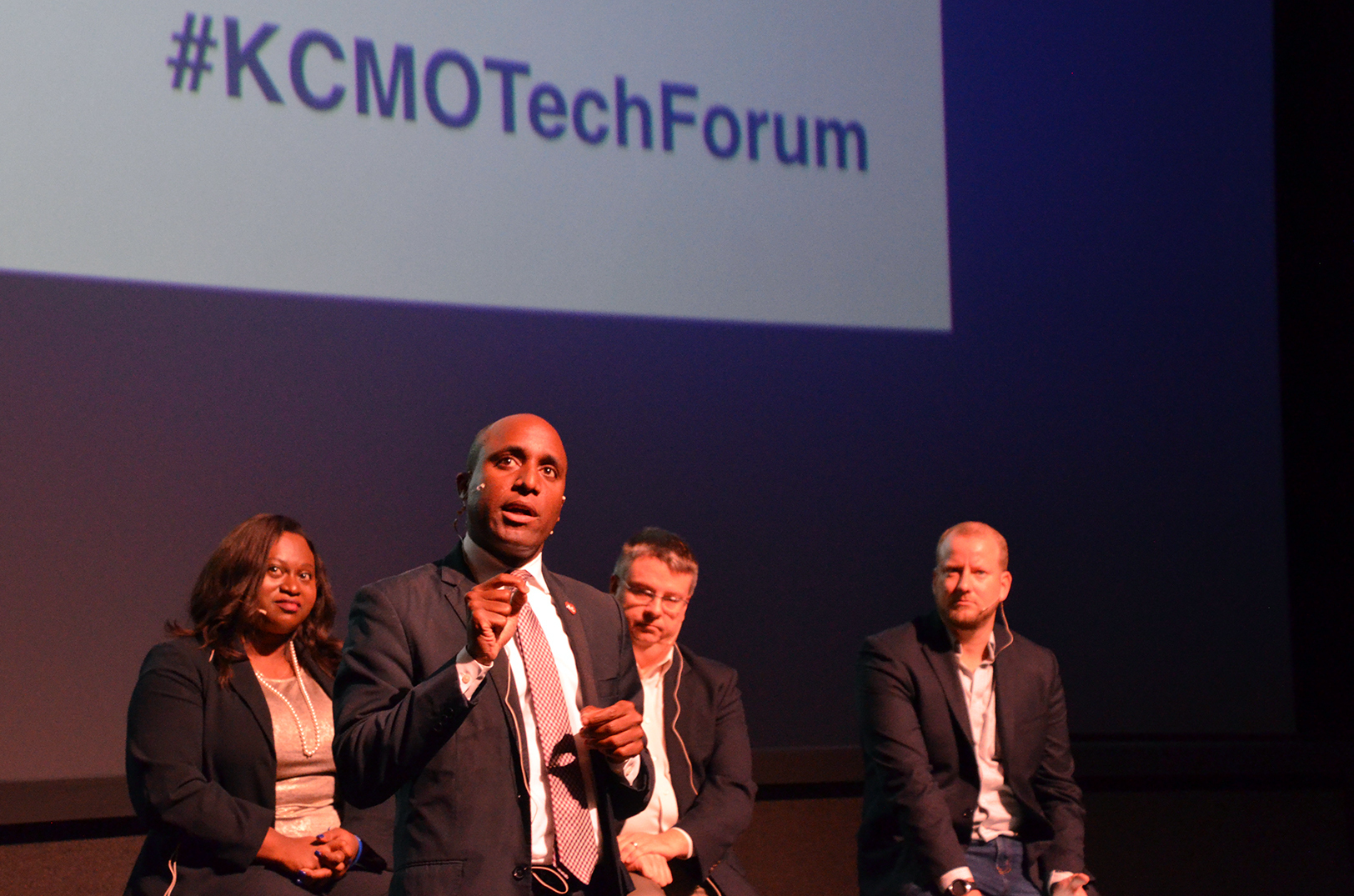
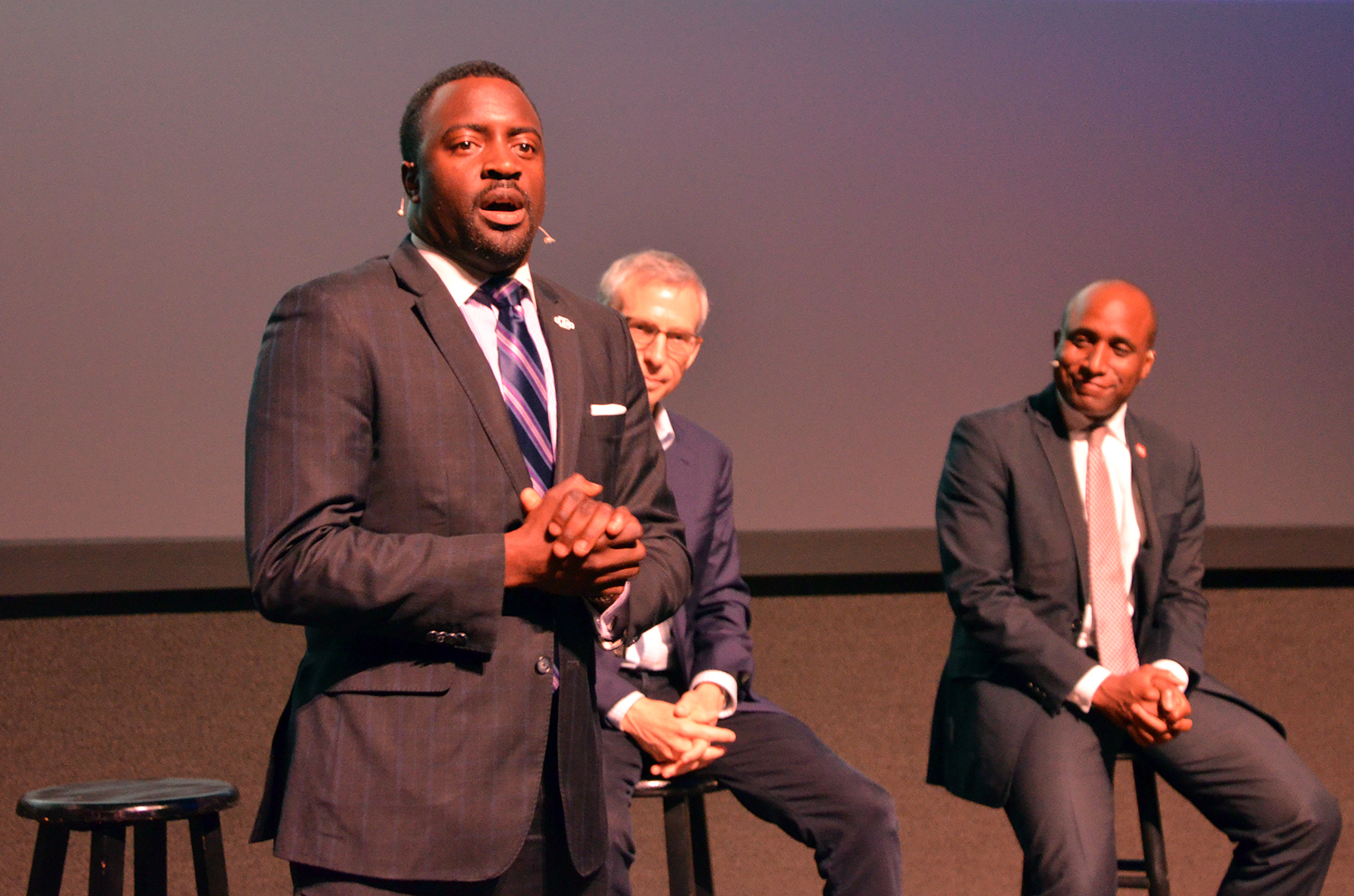
Quinton Lucas, KC Mayoral Tech Forum, Techweek KC
After councilmen Taylor and Reed defended the sentiments behind the compromise regulations passed by the city council in late February to limit short-term rentals in KCMO, Lucas reiterated his belief that council members gave in to fear — sending a clear message to innovators that Kansas City had rolled up the welcome mat to new ideas.
“I think this city got our approach to it wrong. We intended to compromise, but what it really was, I thought, was us placating to certain interests,” Lucas said, referencing characterizations that the short-term rental debate was a public safety issue. “Yes, [opponents of short-term rentals] had neighborhood organizations behind them, but when we have these conversations [in the city’s Zoning, Planning, and Economic Development Committee], we need to think about that there are tens of thousands of Kansas Citians that are not sitting at a neighborhoods meeting this week — but they still matter and they still care, and technology can still make a better world for them.”
Lucas, Reed and councilwoman Katheryn Shields, as well as Mayor Sly James, voted “no” on the regulations in February. Canady, Taylor and Wagner were among those who successfully voted to pass the measure.
“For us to just say that it’s public safety, when really it’s just cries of fear — fears that are largely unfounded … I think we need somebody who’s going to say, ‘Let’s have a responsible conversation, and let’s make sure that what we’re regulating is based on real data, real facts, and not just fears and the perpetuation of them,” Lucas added.
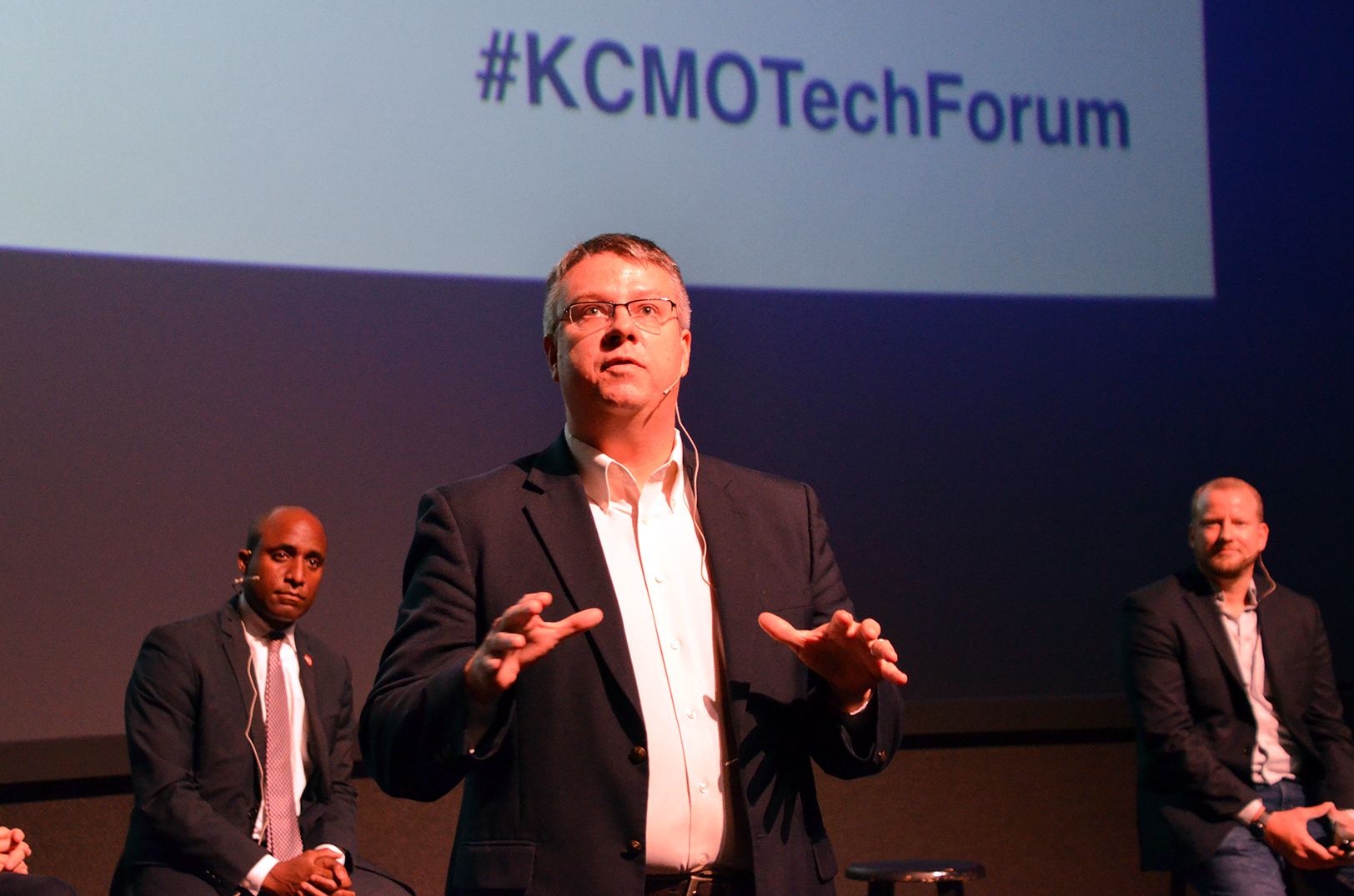
Technology needs to work for cities and the entrepreneurs within them, said Glynn, president of the Crossroads-based consulting firm Travois.

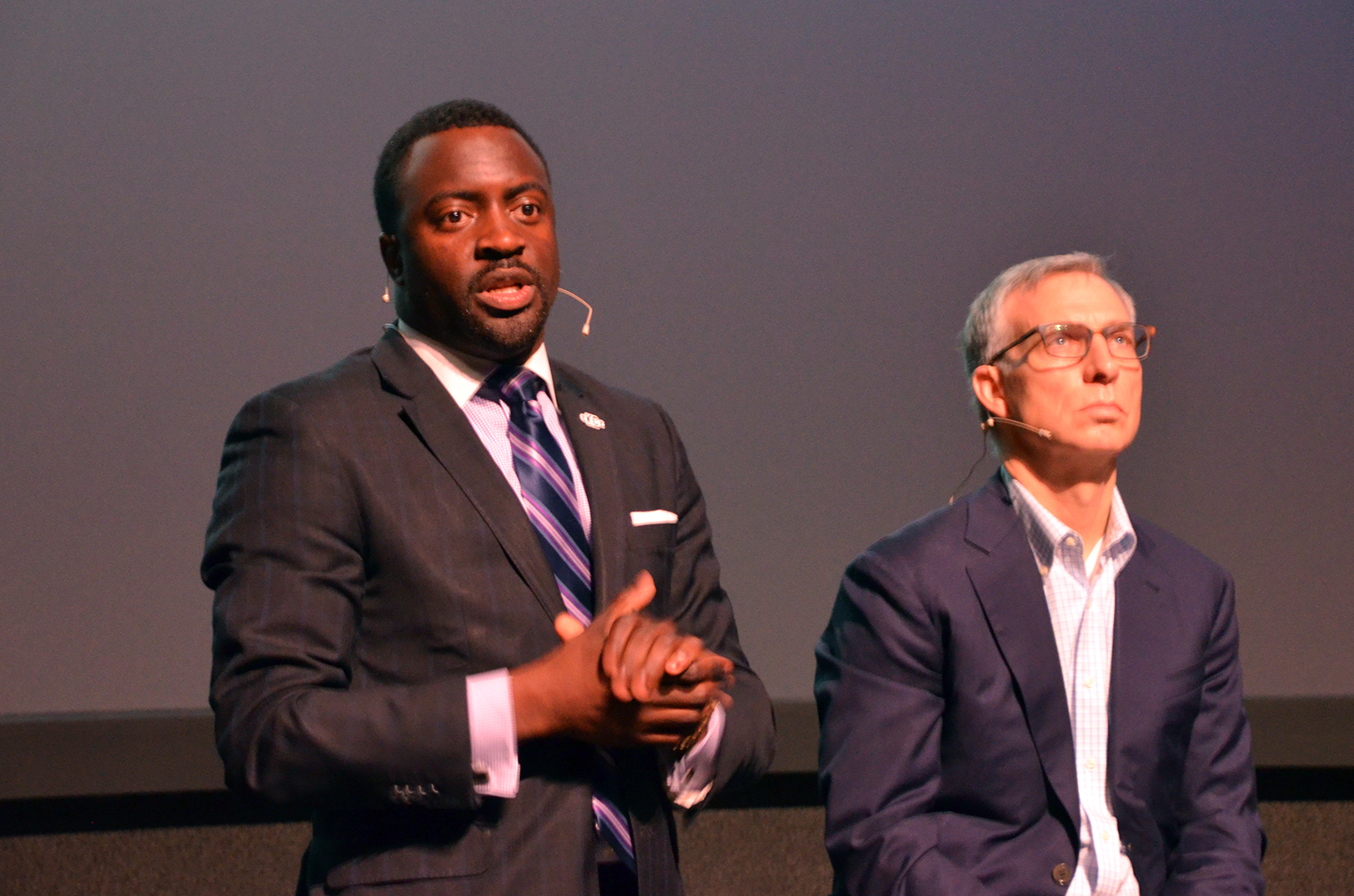
Phil Glynn, KC Mayoral Tech Forum, Techweek KC
“I look at this through the lens of being a business owner,” he said. “I look at this through the lens of saying, ‘I don’t just want technology to happen to our community.’ We know that these technologies will emerge. Well, what we need to decide before they do, is what we want to get out of them. Technology is a tool set. It’s not an end in itself.”
High-tech, disruptive innovation can be an economic equalizer, if applied in the right ways, both Lucas and Glynn said. Solving transportation challenges that limit Kansas Citians’ potential is a place to start, Glynn specified.
“If you look at the the regional unemployment rate in Kansas City, it’s fairly low. It’s about 3.5 percent. Once you start to dive in, neighborhood by neighborhood, you’ll find neighborhoods in Kansas City where the combined unemployed and not-in-the-labor-force population is over 50 percent. It’s unacceptable,” he said. “Why is it happening? Well, No.1, many of our residents do not have the skills training to get and keep good jobs. … The other reason is that people in this community do not have reliable transportation to get to work.”
Kansas City’s public transportation system currently only reaches 18 percent of the available jobs, Glynn said.
“If we’re going to be a successful city, if we’re really going to set our people up to be successful in their careers, we have to get that number up,” he said. “For those of us who are using these new consumer technologies, most of us are using them to get around. You’re probably using Uber more often than you’re using an Airbnb, right? We know there’s gonna be more capital invested in these technologies that are focused on transportation.”
The problem in Kansas City? As such technologies emerge, the city tends to view them as a problem to be solved, Glynn said.
“We don’t view them as a new partner to collaborate with,” he said. “So as dock-less scooters and ride sharing companies come in to the Kansas City market, our first thought should not be, ‘How do we get these companies to follow the rules of the road?’ Our first thought should be … ‘What’s our No. 1 problem we’re trying to address with respect to helping our workers get and keep good jobs?’”
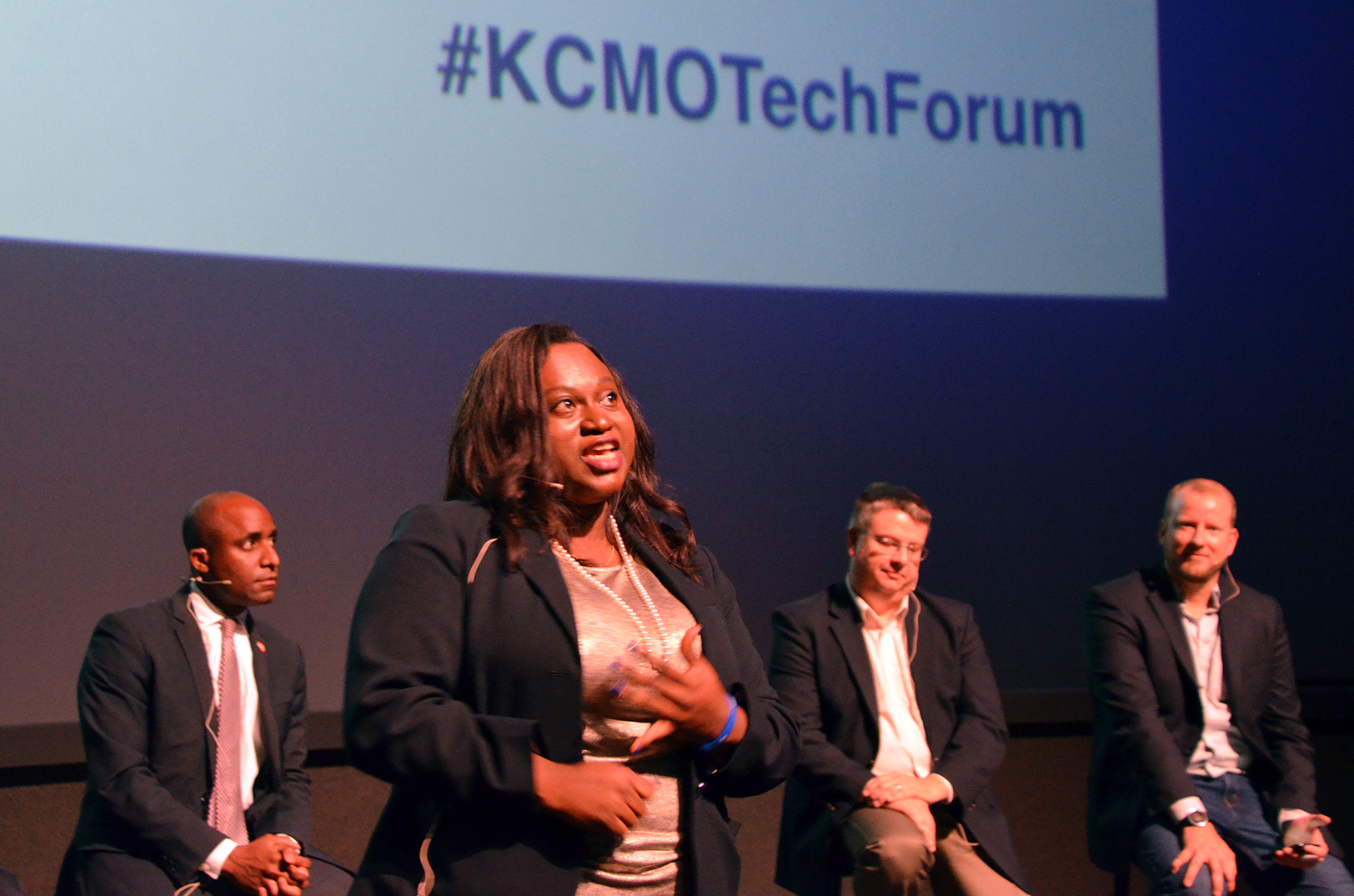
Check out a photo gallery from the KC Tech Council’s forum below.





Featured Business

2018 Startups to Watch
stats here
Related Posts on Startland News

Christian entrepreneur hopes to convert believers to veganism
Kris Taylor’s inspiration for a vegan, Christian lifestyle traces back to the first book of the Bible, she said. Modern people eat meat because of original sin and the fall of man, as described in Genesis, Taylor said. “But if you go back to the creation story in Genesis, every seed-bearing plant was given to…

Caffeine tours give ‘pub crawl’ experience for lovers of coffee, tea and chocolate
Escaping corporate life in New York, Jason Burton moved to Kansas City in 2004 and began pouring his work into a new passion. As a marketer for Kansas City’s Roasterie, Burton soon recognized coffee and tea lacked the social component of events and festivals that are more associated with specialty beverages like beer and wine.…

Pathfinder CEO switch pushes co-founder’s focus back to autism research
A leadership change at Pathfinder Health Innovations will allow its co-founder to focus on research that could change the lives of children and adults with autism, said Jeff Blackwood. Pathfinder announced Tuesday its board had appointed Tina Youngblood as chief executive officer, succeeding co-founder Blackwood to lead day-to-day operations and the strategic direction for the…

KC native builds jumpsuits for all occasions — butt flap included
Party and potty in one easy piece. Literally. That’s the benefit of wearing a jumpsuit with a butt flap included: Users avoid the hassle of removing half the outfit to use the restroom, said Brittany Weltner. The Kansas City native just launched a crowdfunding campaign for her new business, Jomper, to build more functional jumpsuits…