

Human capital: KC Mythbusters challenges Kansas City to rethink how it supports startups
October 18, 2018 | Austin Barnes and Tommy Felts
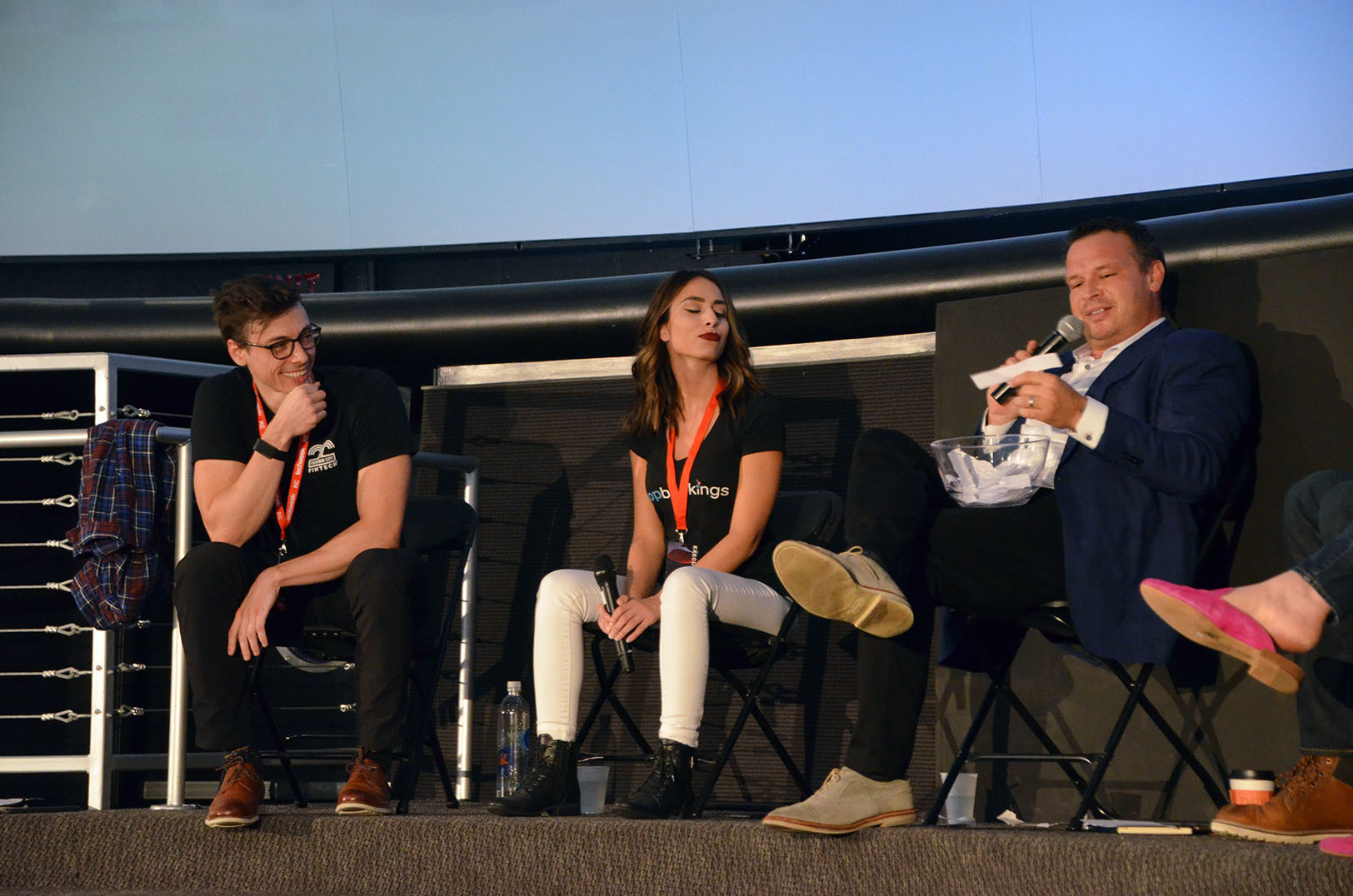
A thriving startup ecosystem requires more stakeholders with skin in the game, said Eric Jorgenson.
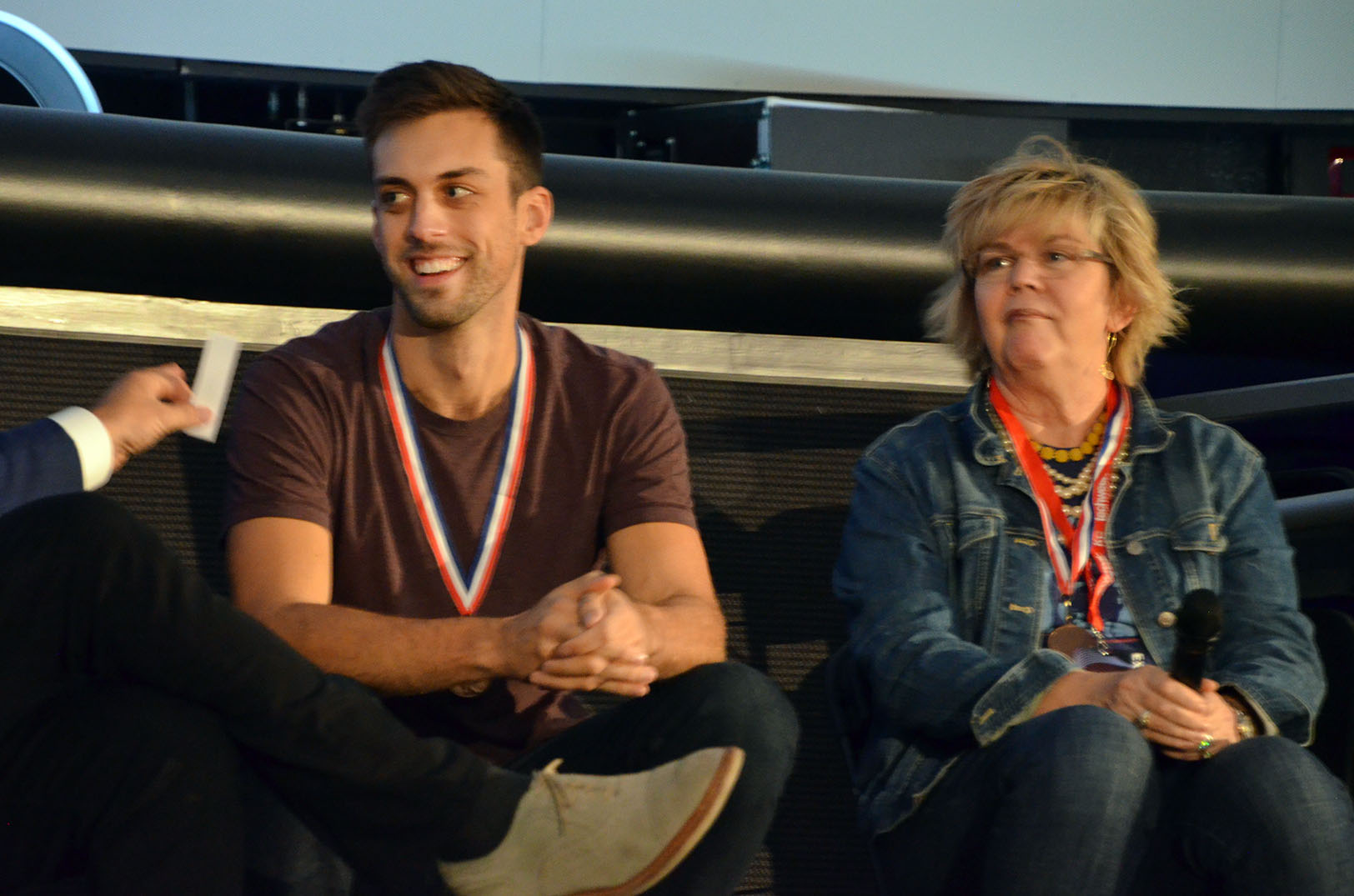
Eric Jorgenson, Zaarly; and Shelley Armato, MySmartPlans, KC Mythbusters
That means increasing direct participation — those actively and directly building or investing in startups that can potentially exit and see a talent and capital explosion that results in even newer startups — and de-emphasizing the need for and dependence on support networks, he added.
“[Startup ecosystems increase in size] not because of the supporters, but because of the participants that create that feedback loop,” said Jorgenson, director of growth for Kansas City-based Zaarly, an innovative home services marketplace.
Six years into a professional life he’d previously built in Silicon Valley, Jorgenson said, he realized institutional support for startups that had chosen to develop on the West Coast was nothing short of non-existent — and yet the ecosystem continued to flourish.
It’s a system that relies on less talk and more action — a model from which Kansas City can learn, he bluntly told the crowd at “KC Mythbusters — Entrepreneurial Ecosystem: Fact or Fiction,” a light-hearted NBKC-hosted program during Techweek Kansas City.
The Silicon Valley approach he described requires “putting your human or financial capital into the creation of a company with exponential growth possibility,” Jorgenson said.
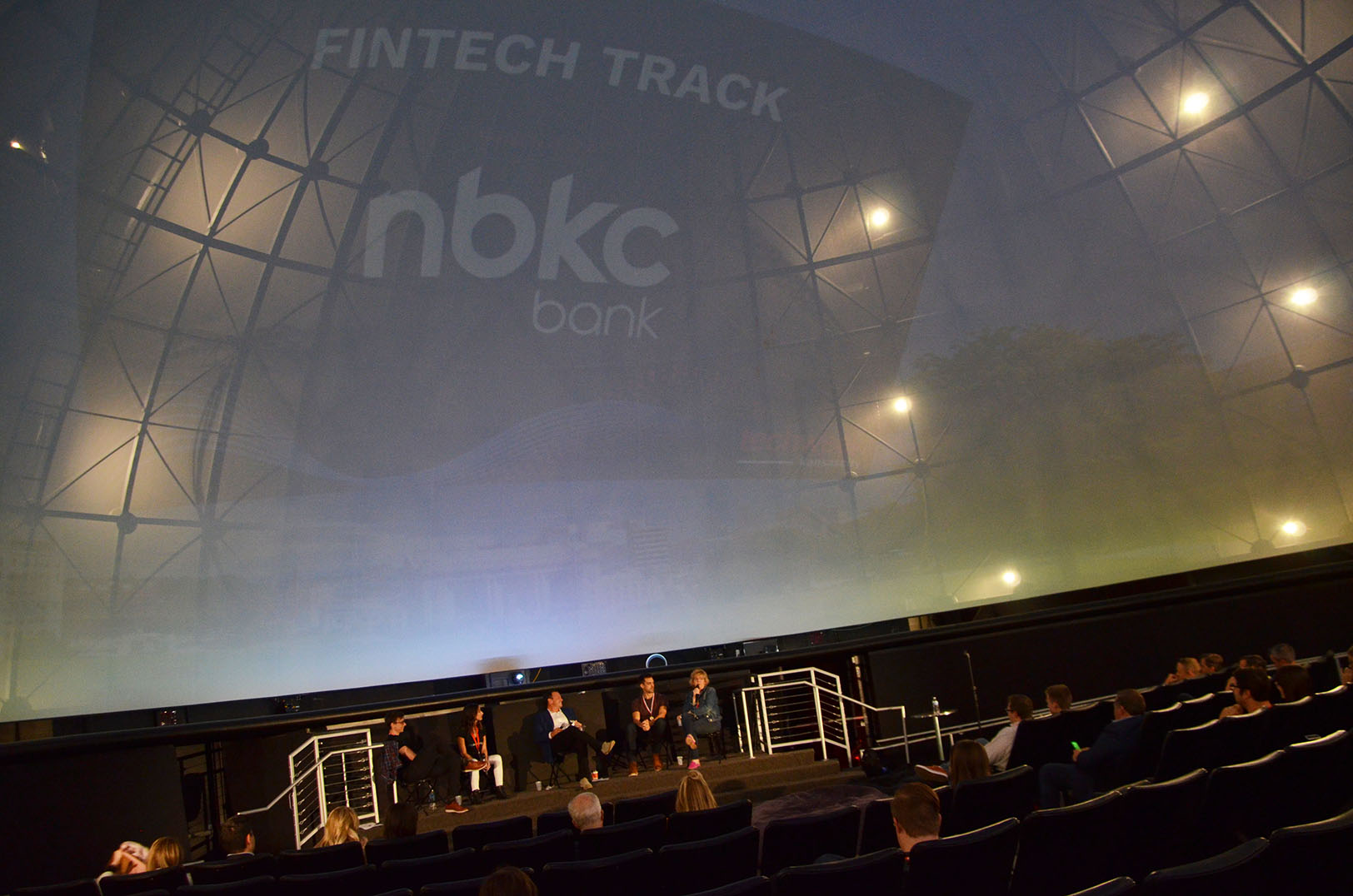
Rounded out by a panel of Kansas City entrepreneurs and startup champions — including Zach Pettet, managing director of Fountain City Fintech; Erika Klotz, CEO of PopBookings; and Shelley Armato, CEO of MySmartPlans, in addition to Jorgenson — KC Mythbusters challenged the foursome to argue whether common misconceptions about Kansas City’s startup ecosystem were myths.
Friend-turned-temporary rival Pettet disputed Jorgenson’s downplaying of the role support networks and resources play in Kansas City’s entrepreneur community.
“There are daily things that we need to do to jumpstart our engine as an entrepreneurial ecosystem in Kansas City,” Pettet said. Chief among them, growing more startups to the point of exit.
Such Kansas City resources as accelerators, incubators, and non-profit organizations also help correct structural imbalances in the startup ecosystem, Pettet said, in turn, allowing the metro to thrive in ways Silicon Valley doesn’t: communally.
“Having things like Digital Sandbox, these kinds of public-private tracks to get you at least a little bit of traction to prove out your concept and actually have that conversation with the person investing in the company — I think that’s really, really important,” Pettet said.
Members of the panel agreed on at least one point during the mini-debate: Creating a feedback cycle wherein successful startups beget new businesses and opportunities is critical to establishing a stable, long-term ecosystem in the metro.

Featured Business

2018 Startups to Watch
stats here
Related Posts on Startland News

Back2KC sets return date for its 2024 homecoming effort, scouting familiar faces to build an even stronger KC
When Back2KC returns this fall, the homegrown talent recruitment initiative will lean on unexpected connections to entice former residents — now out-of-town professionals — to give Kansas City’s recent Golden Age another look, organizers said. “The biggest win we can have is if these expats and ex-Kansas Citians come back, move their families here, move…
‘A piece of something bigger’: Makers help raise fabric of community with Union Station quilt project
A trio of Kansas City maker businesses wove together their talents this spring in support of a new, local health initiative — culminating in a towering expression of hope and healing at Union Station. Ampersand Design Studio, Tia Curtis Quilts, and Collective EX spent the past three weeks designing, fabricating, and displaying a colorful quilt…

Crack open ice cold nostalgia for summer; this flea market is selling a vintage party experience
A monthly pop-up flea market in the Crossroads Arts District taps into nostalgia — and a thirst for unexpected but inclusive finds, said Alex Uritis. “It’s one of my favorite things to do with my best friends,” explained the Goldie’s Flea Market founder. “You go, you get a giant, ice cold beer and you walk…

Bardavon releases enhanced wearable sensors, easy-use app to prevent worker injuries
New sensor technology from an Overland Park health tech and preventative safety startup is expected to simplify data collection and lessen the burden on workers wearing the devices. Bardavon this week announced significant enhancements to its injury prevention solution, Preventure, which includes next-generation wearable technology and a brand-new kiosk app designed to revolutionize workplace safety.…