

Be fearlessly honest about diversity gap, Atlanta expert tells KC Techweek panelists (Photos)
October 11, 2018 | Tommy Felts
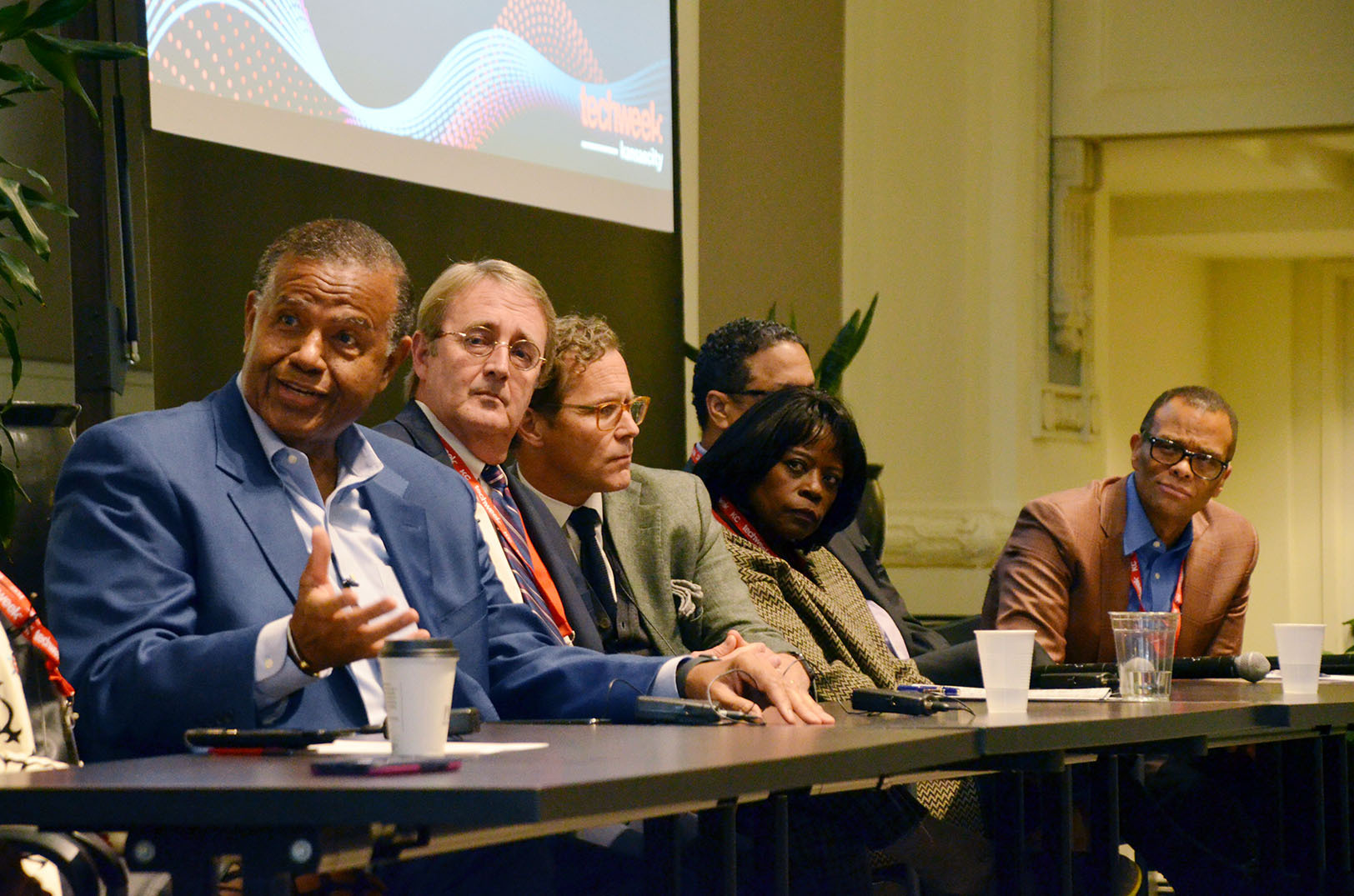
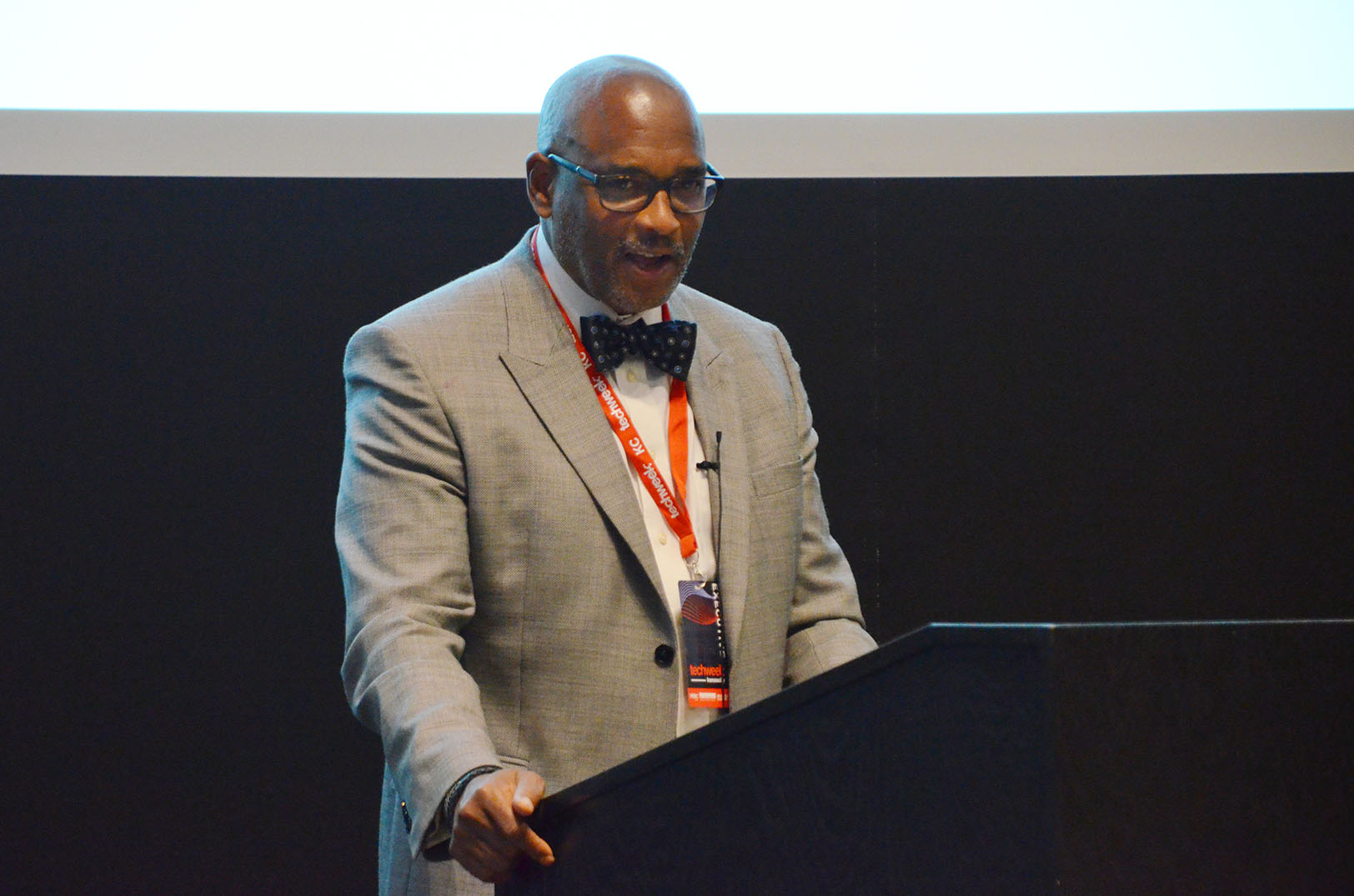
Building an inclusive startup community begins with being unafraid to directly state the problem — a diversity gap — free of coded language related to race and gender, said Rodney Sampson.

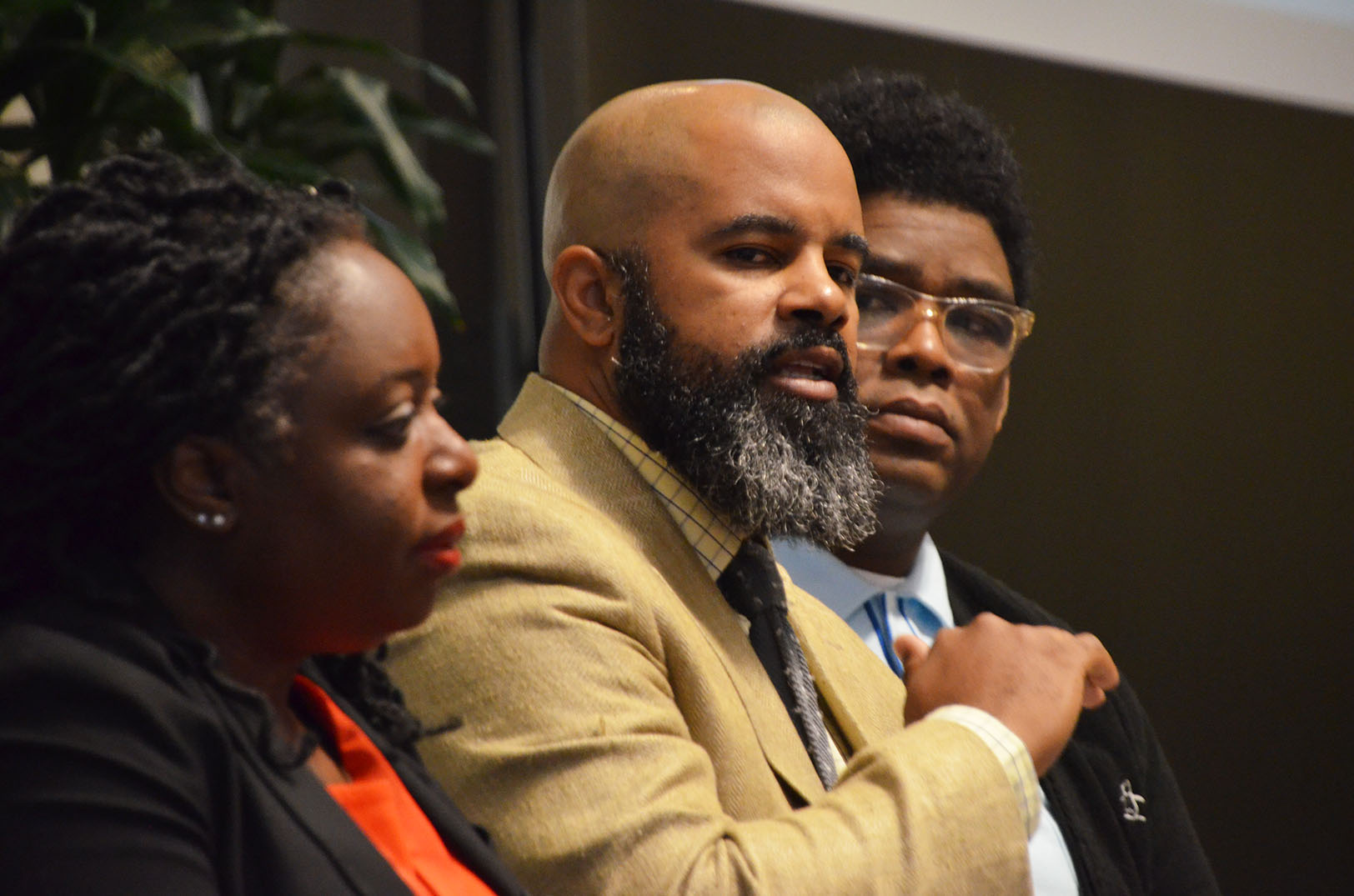
Rodney Sampson, Opportunity Hub
“I am unapologetically about being ‘color-brave’ and ‘race-brave’ — rather than being ‘color blind’ — because when you say ‘color blind,’ you’re saying you don’t see me,” said Sampson, chairman and CEO of Opportunity Hub in Atlanta. “You don’t see everything I bring to the table. You don’t see the pain and the struggle.”
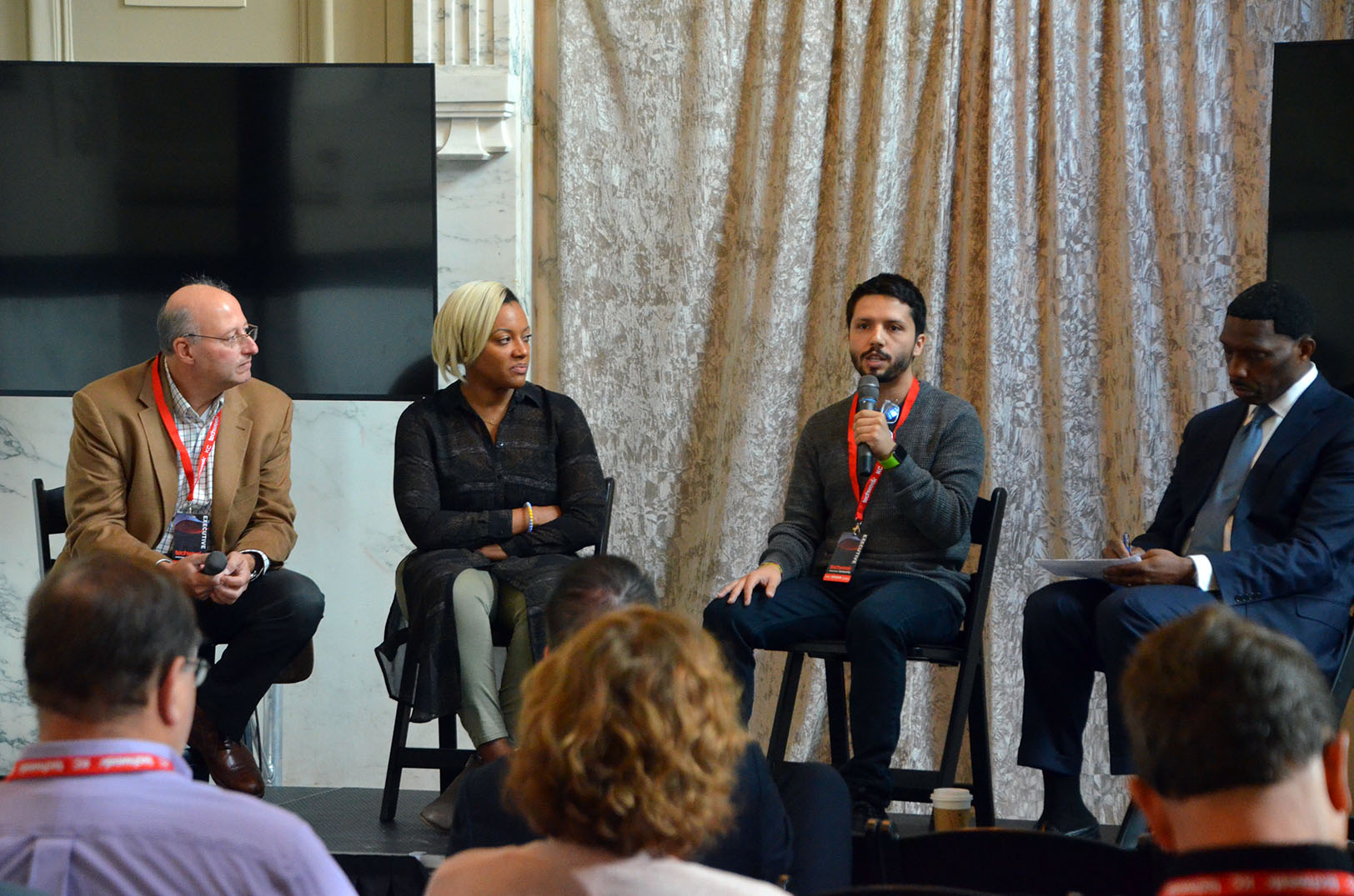
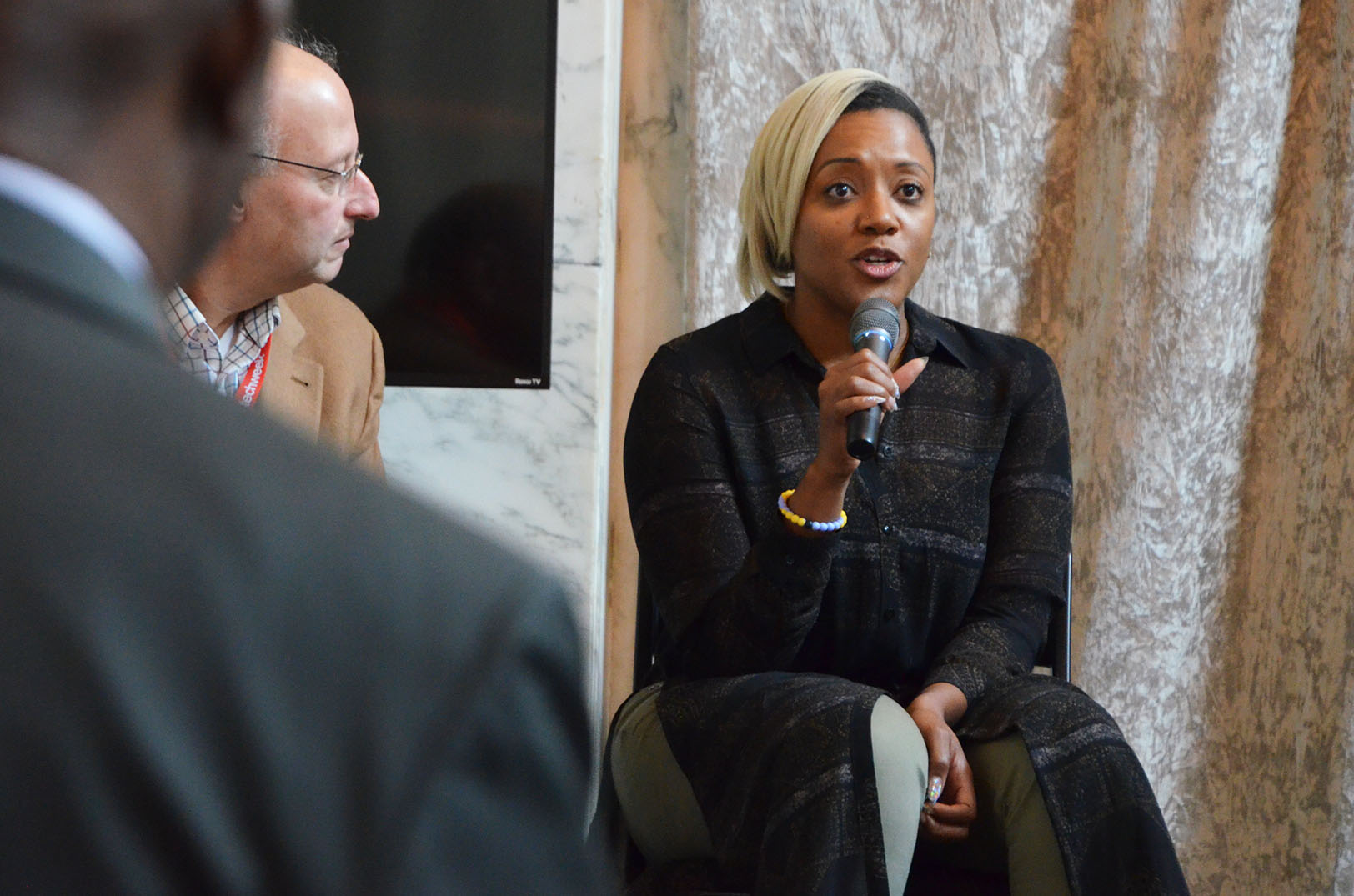
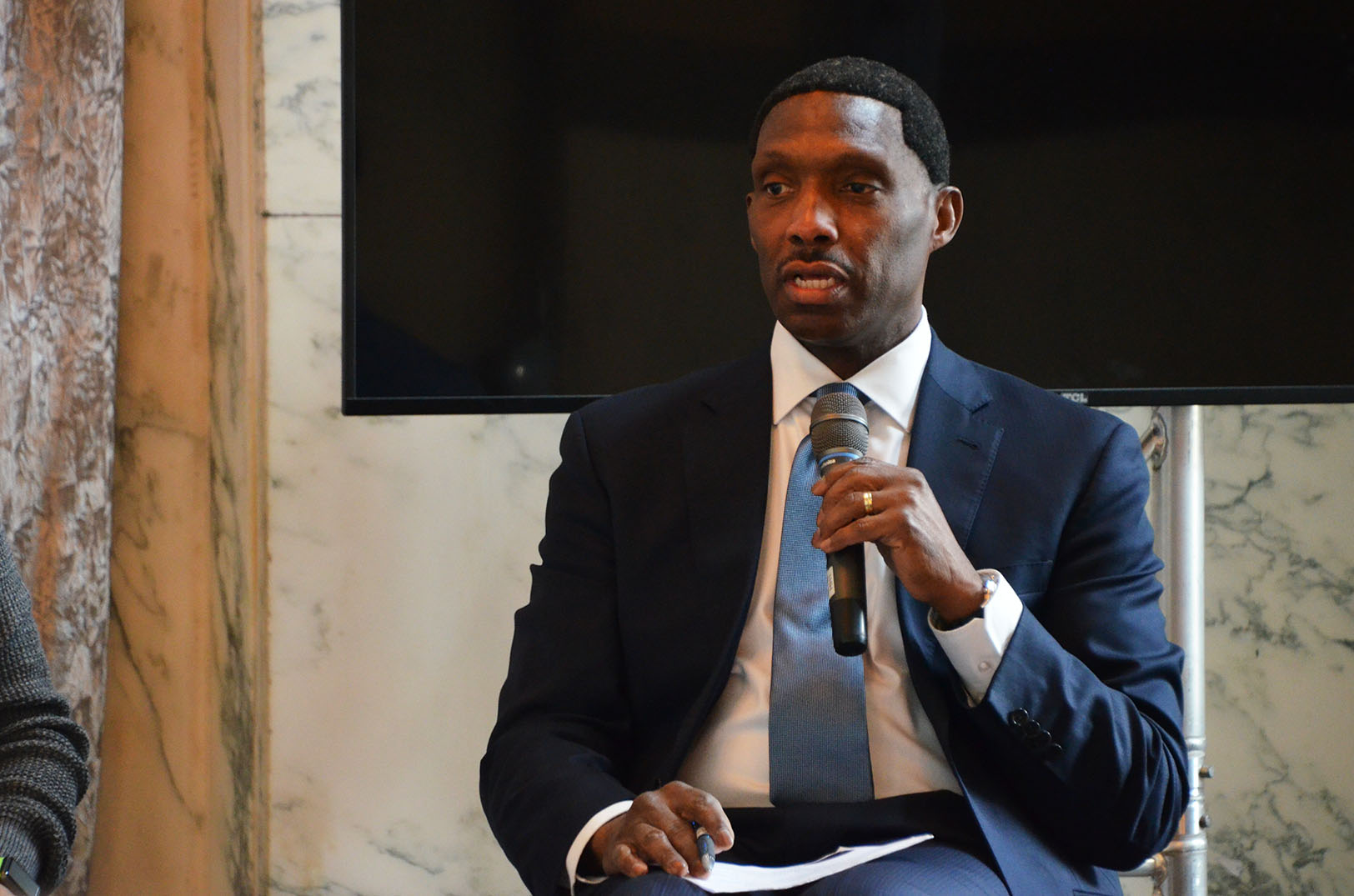
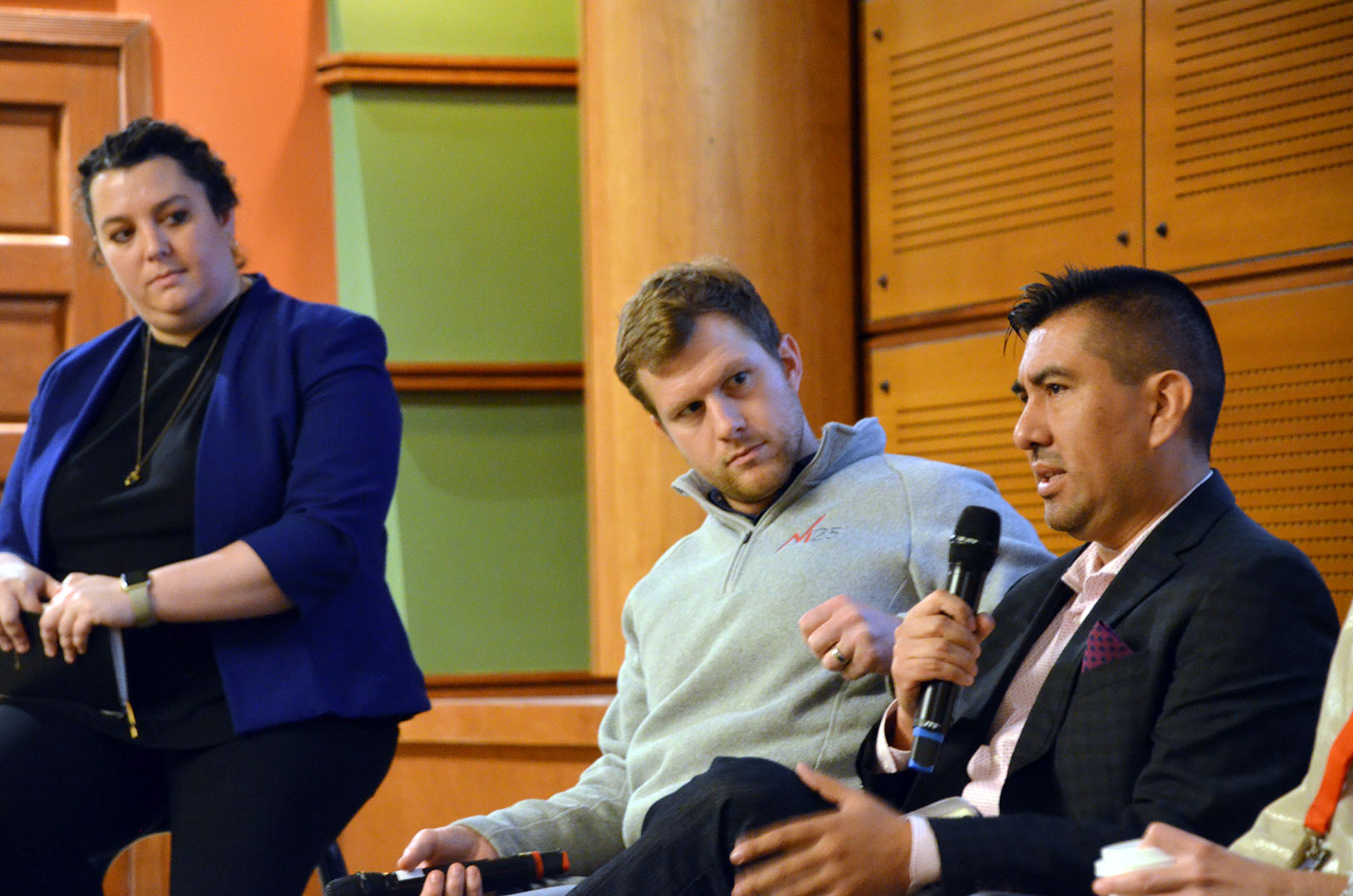
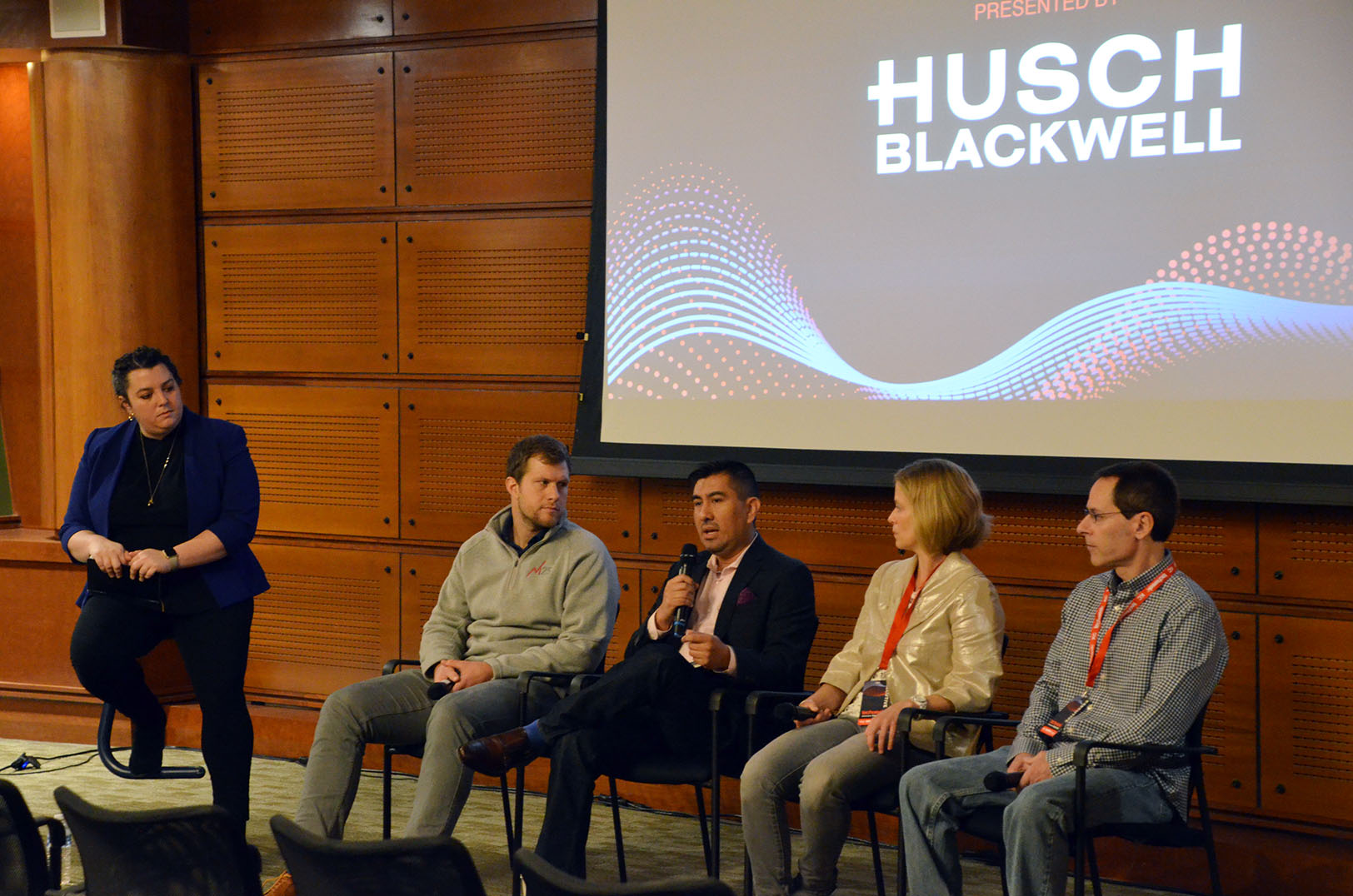
A panel of Kansas City leaders turned to Sampson Wednesday at Techweek during a conversation about bridging the inclusivity gap, seeking to learn how locals can potentially replicate the success of his social venture in Atlanta. Heavy-hitter panelists ranged from Philip Gaskin, director of entrepreneurial communities and chief of staff for entrepreneurship at the Ewing Marion Kauffman Foundation, to Leo Morton, chancellor emeritus at the University of Missouri-Kansas City.
“Data has shown it dramatically increases return on investment when you have women and people of color at the table,” Sampson said.
Opportunity Hub, the largest multi-campus entrepreneurship center and technology hub in the U.S., reflects Sampson’s commitment to “Kingonomics” — taking the economic principles of Dr. Martin Luther King Jr. to build an inclusive innovation and investment model to address poverty and the wealth gap.
Bob Langenkamp, Economic Development Corporation of Kansas City, Missouri
Programs like CodeStart, #YesWeCodeFund, #100BlackAngels and HBCU@SXSW resulted from community input about the services Atlanta needed Opportunity Hub to provide, Sampson said.
“There was a sense of urgency,” he said. “People wanted a safe space to learn code, to work on their business, write a business plan, build their tech.”
In late 2015, Opportunity Hub merged its coworking operations with TechSquare Labs, a corporate innovation lab and venture fund that has invested in more than 30 companies that have raised more than $300 million in follow on capital, are valued at more than $1 billion dollars, generate $75 million in annual recurring revenue and growing and employ nearly 1,000 people, according to the company.
“We joke that around the city, and around the country, we’re known as ‘the black WeWork,’” Sampson said. “We don’t want blacks only, by the way, we just have that market and we attracted people that we wanted to help change their lives.”
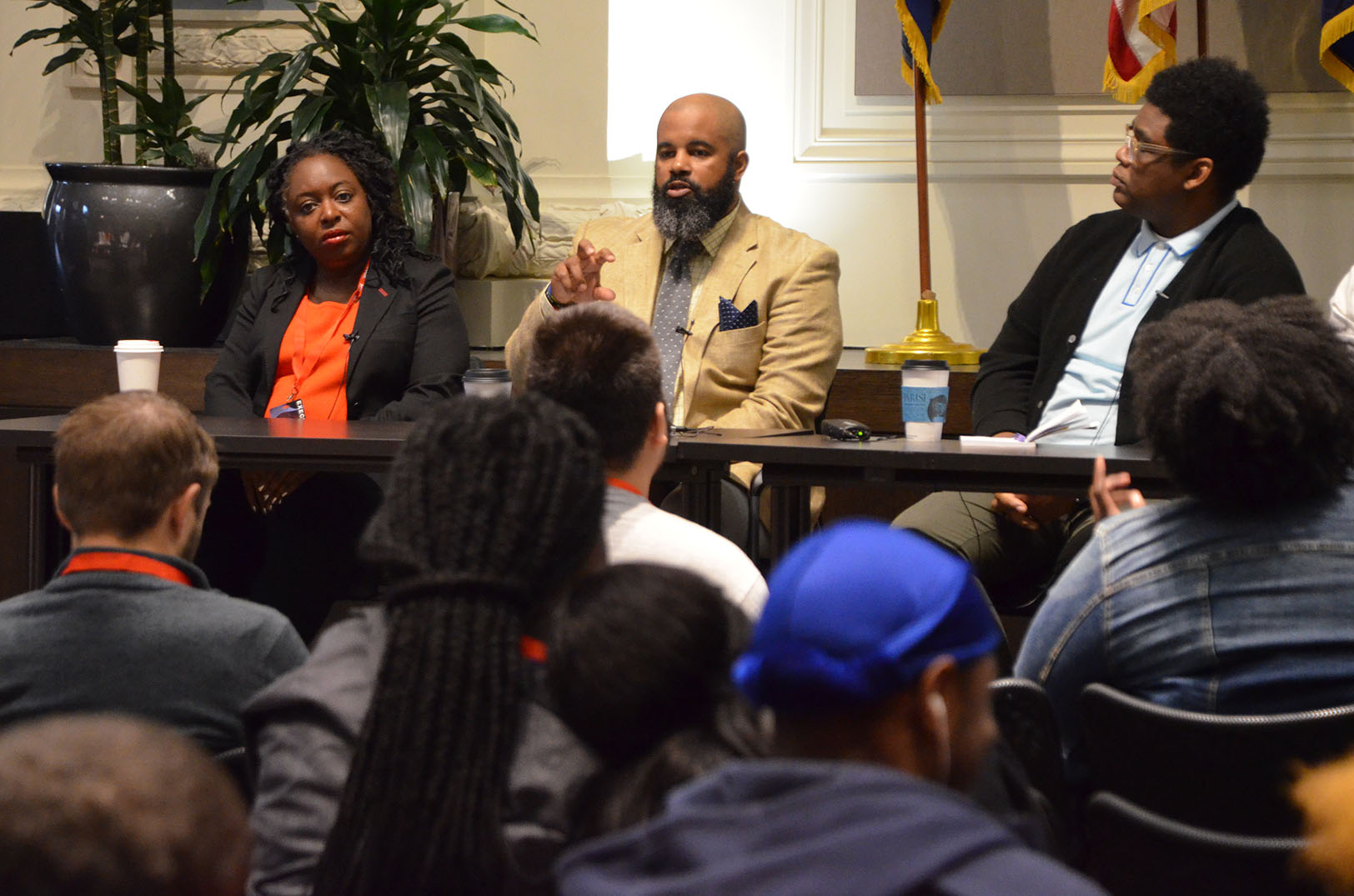
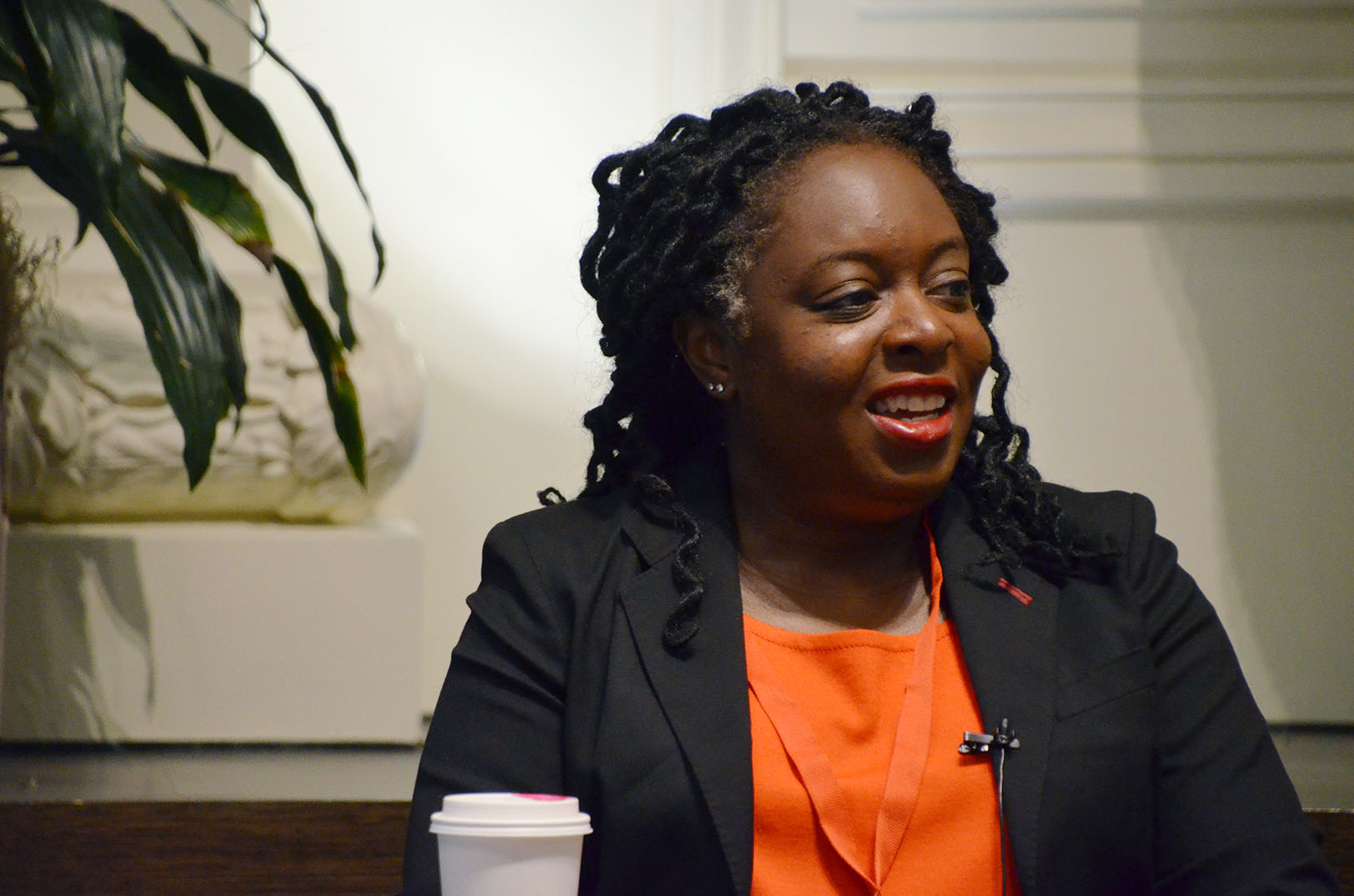
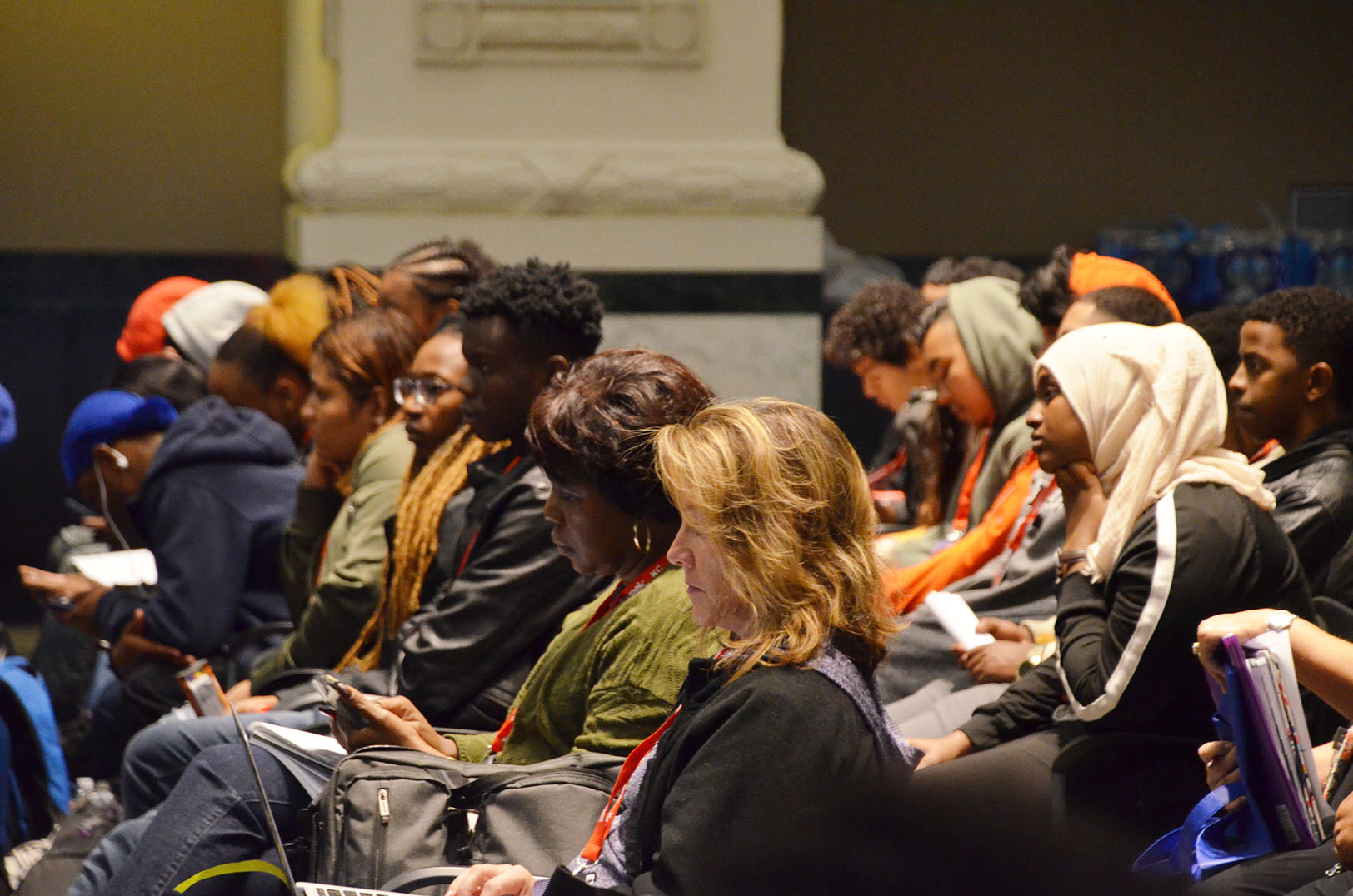
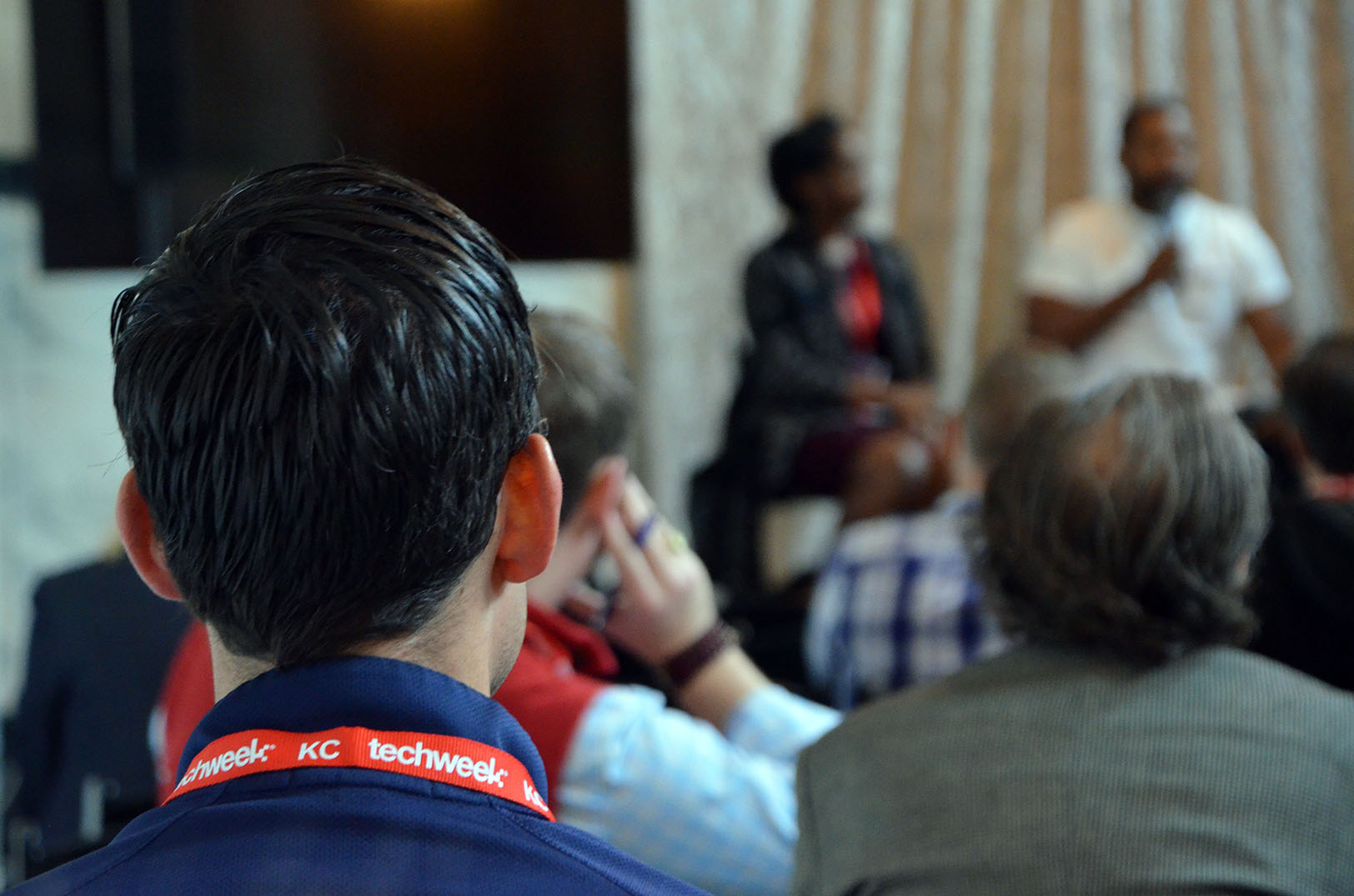
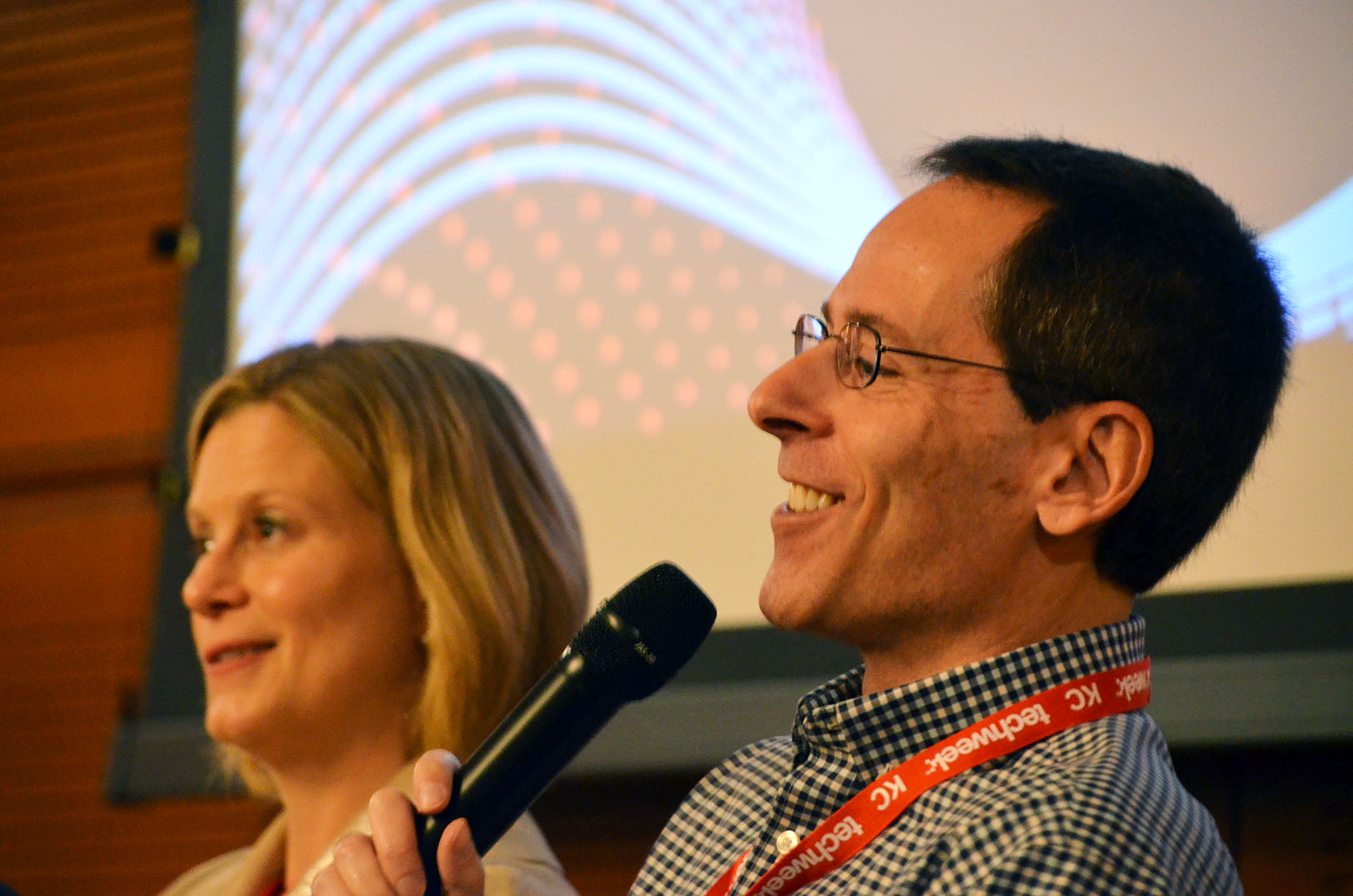
Check out photos from Wednesday’s Techweek events below.


Featured Business

2018 Startups to Watch
stats here
Related Posts on Startland News
Operation Breakthrough bridge over Troost symbolizes ‘real community’ at an intersection
With reflection in his voice, Alvin Brooks paused. “The city has to be a partner,” the Civil Rights activist and veteran Kansas City Police Commissioner said as he spoke of the redevelopment of Troost Avenue — the well known racial dividing line, that has long isolated the east side of the Kansas City metro from the…

Troostapalooza aims to shed the old skin of city’s racial dividing line, says Kemet Coleman
Troostapalooza will build community while constructively addressing the elephant in the room, said Kemet Coleman, organizer of the newly developed street festival. “We wanted to create a home away from home on Troost that is inclusive and sensitive to the historic and existing nuances,” he said. “Not the violent, divisive one that is portrayed by…

Defiant anti-gentrification voice: Clock is ticking on east side neighborhoods, Movement KC
Daniel Edwards isn’t shy about his frustrations with the perception of Kansas City’s east side. “I remember my first corporate lunch after graduating college: the joke was, ‘Nobody wants to go near 35th and Prospect at night time,’” said Edwards, a Kansas City area developer and the founder of Movement KC. “I was like, ‘Yo, it’s…
Fried gator to chicken alfredo: Flavors driving KC Cajun to entrepreneur’s next phase
Kansas City businesses should utilize every resource at their disposal to build stronger brands, said Israel England, owner and operator of KC Cajun. “I’m branching out,” England said with confidence as he detailed his coming venture — adapting his KC Cajun catering service into a food truck. “There is so much more room to improve,…