

Be fearlessly honest about diversity gap, Atlanta expert tells KC Techweek panelists (Photos)
October 11, 2018 | Tommy Felts
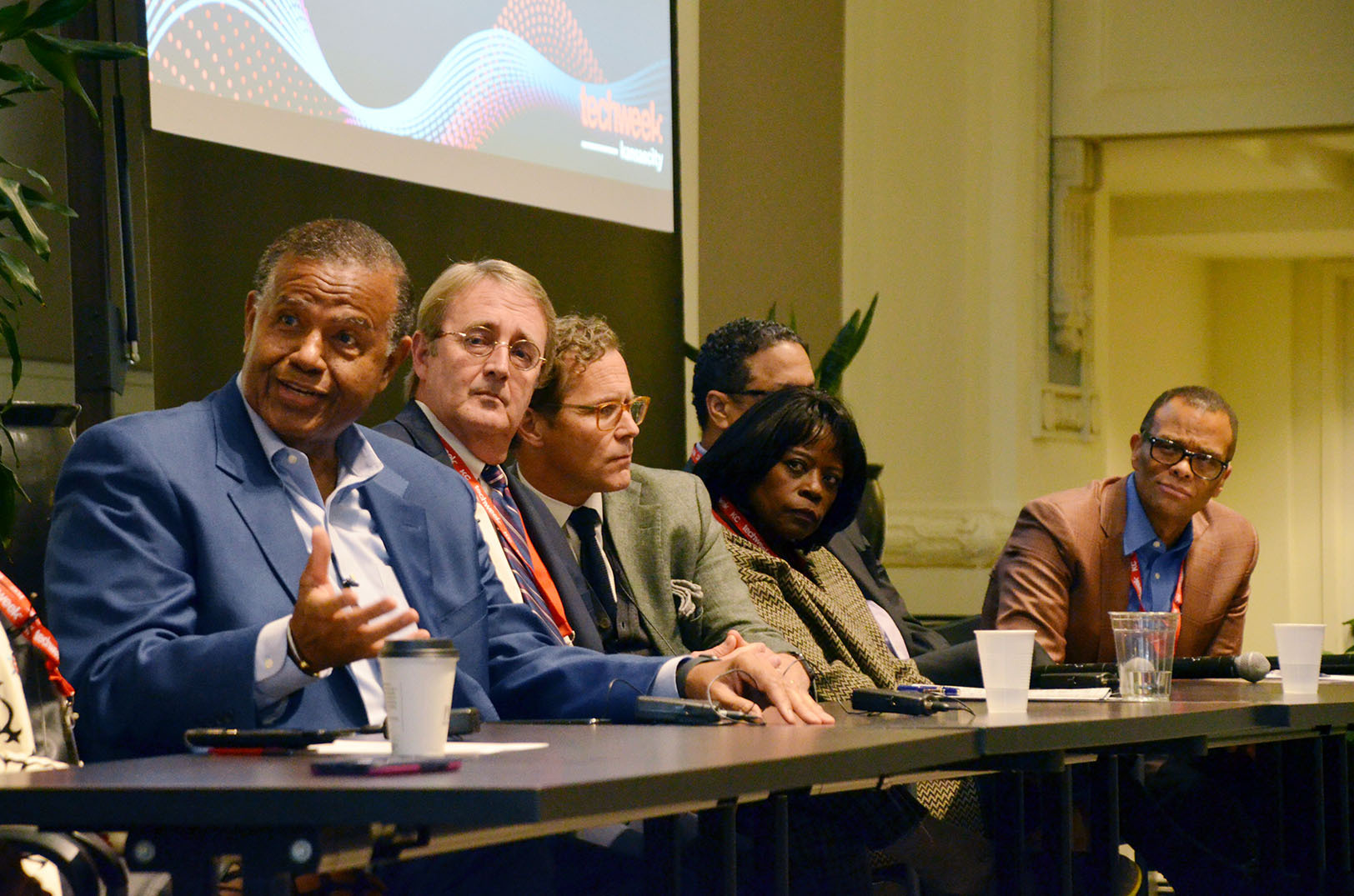
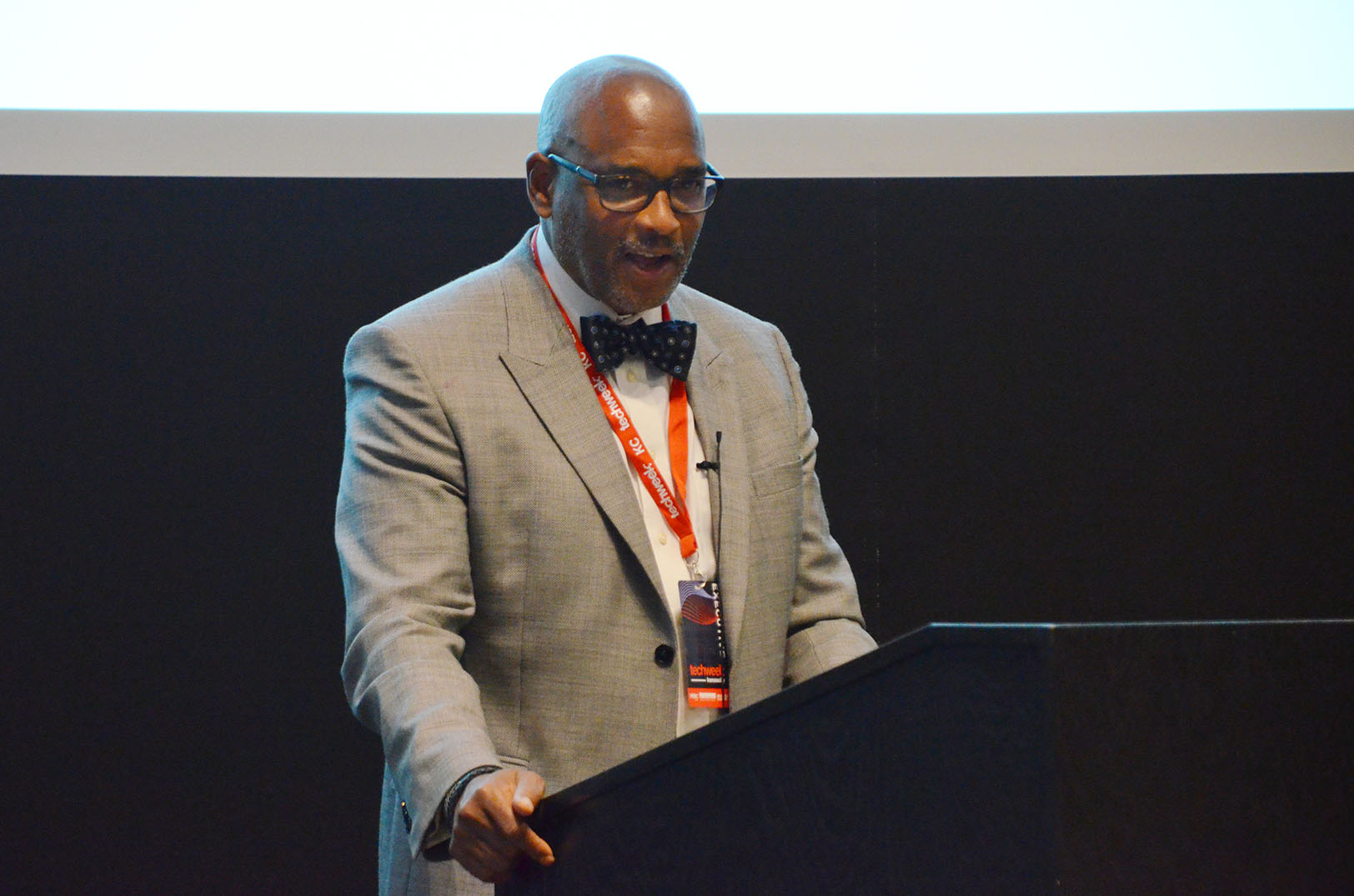
Building an inclusive startup community begins with being unafraid to directly state the problem — a diversity gap — free of coded language related to race and gender, said Rodney Sampson.

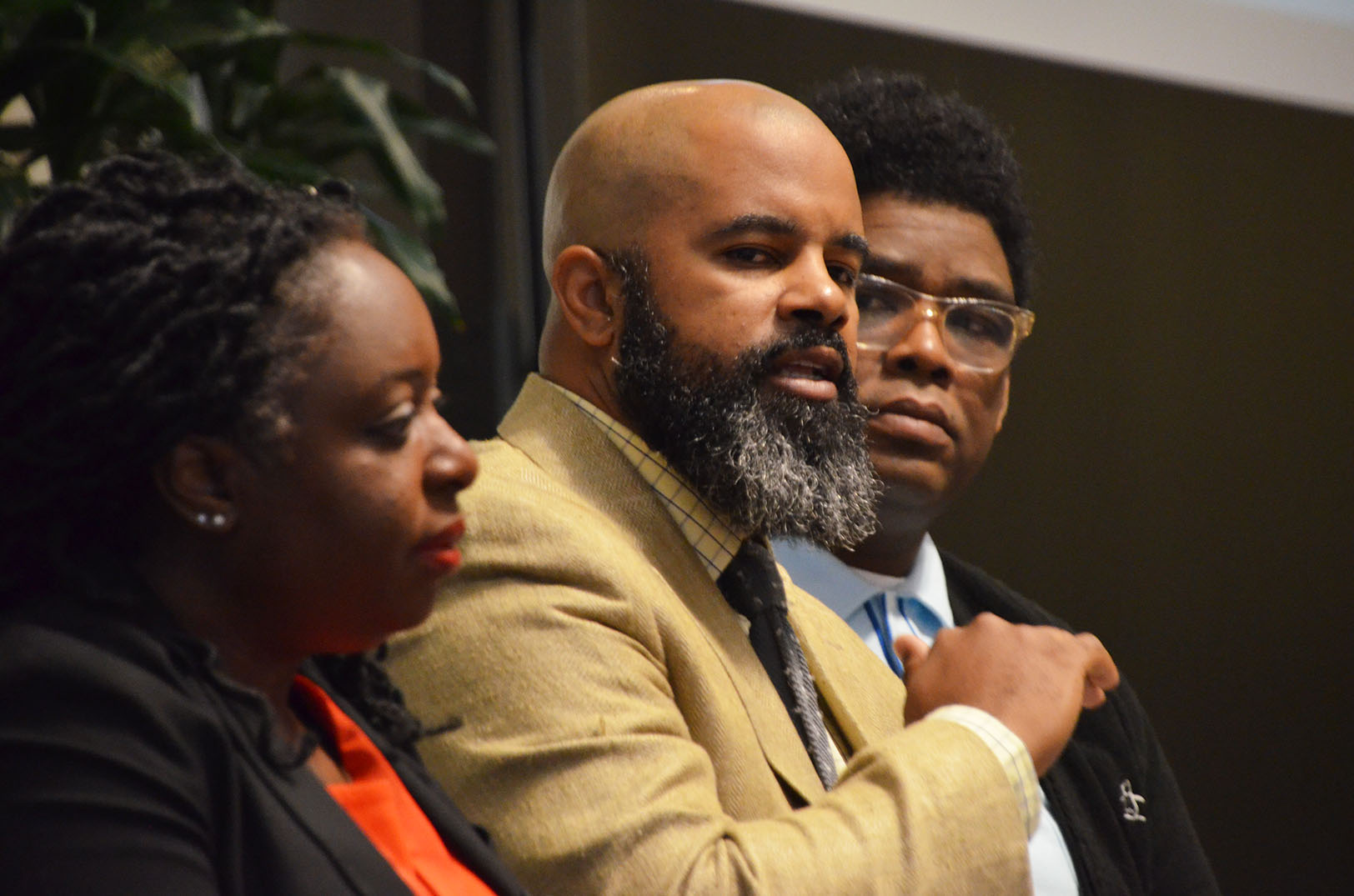
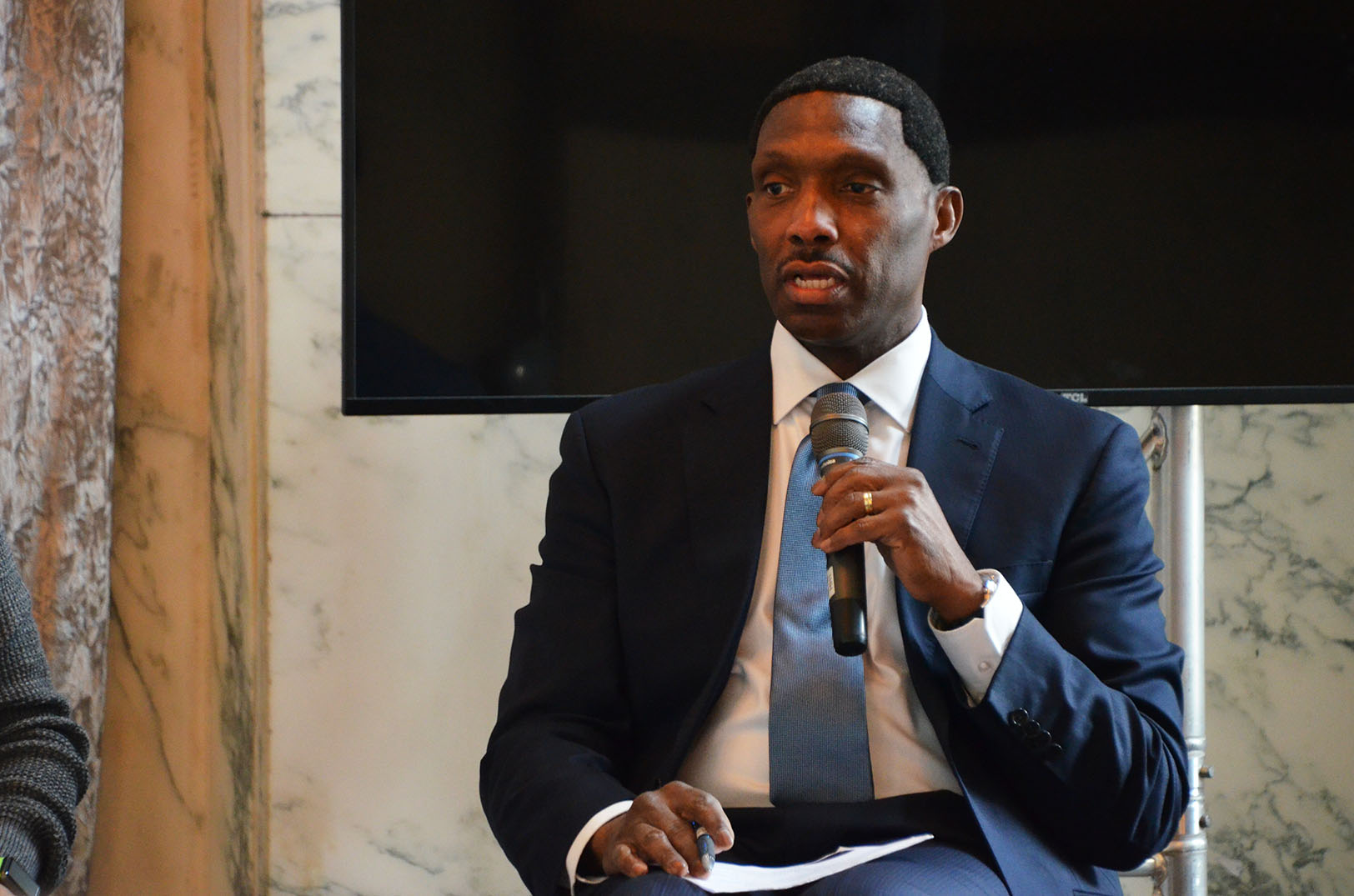
Rodney Sampson, Opportunity Hub
“I am unapologetically about being ‘color-brave’ and ‘race-brave’ — rather than being ‘color blind’ — because when you say ‘color blind,’ you’re saying you don’t see me,” said Sampson, chairman and CEO of Opportunity Hub in Atlanta. “You don’t see everything I bring to the table. You don’t see the pain and the struggle.”
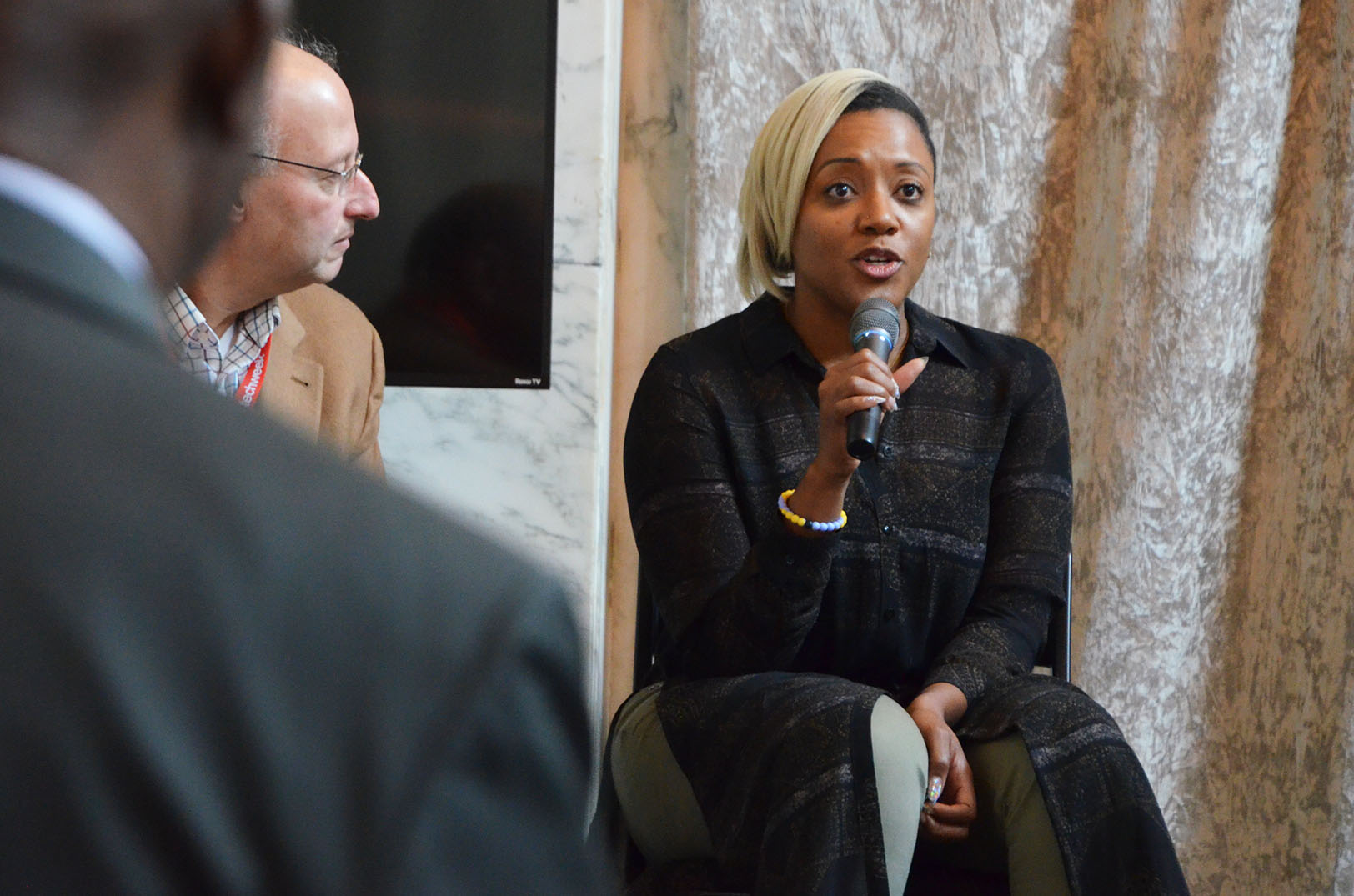
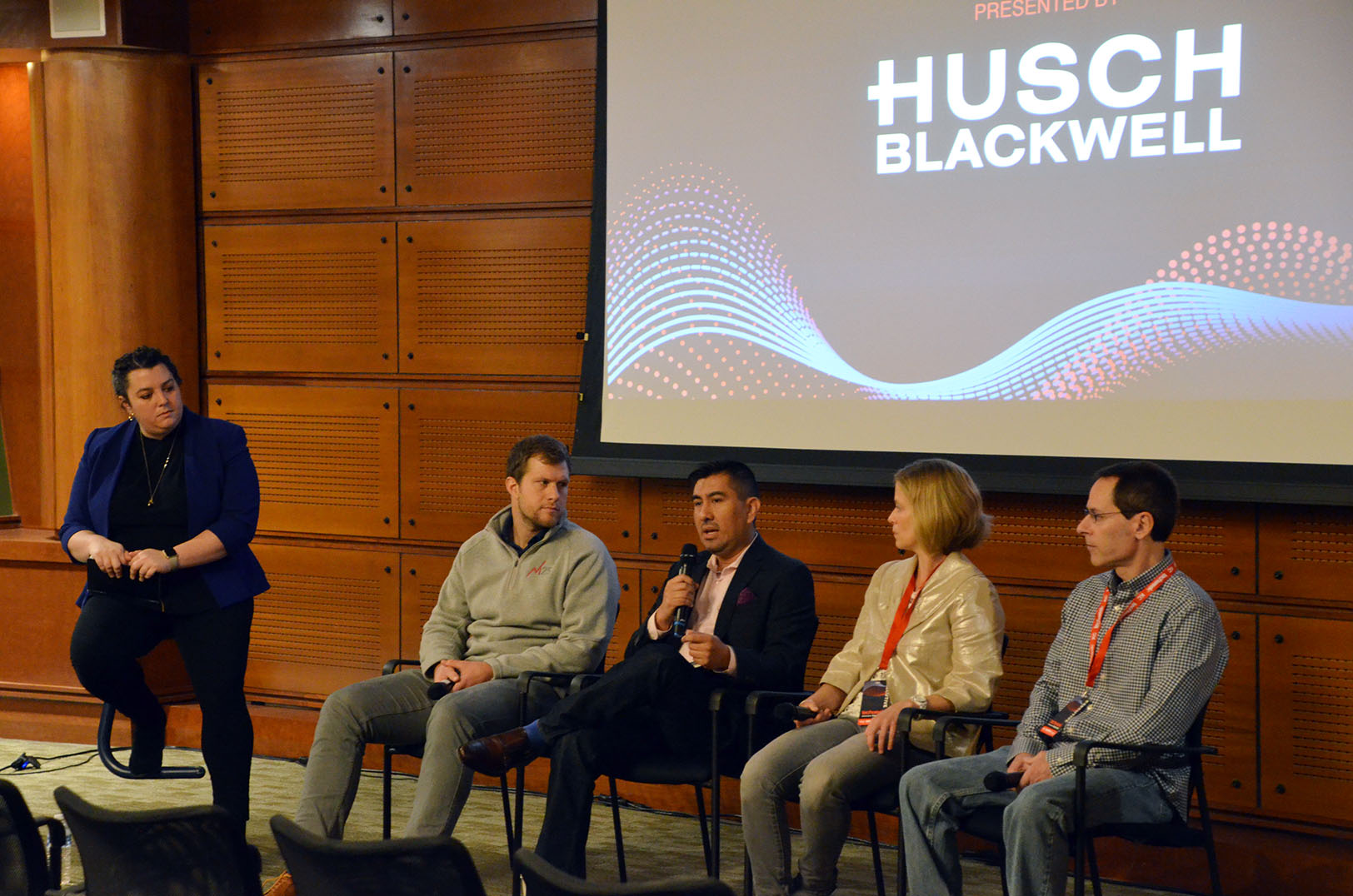
A panel of Kansas City leaders turned to Sampson Wednesday at Techweek during a conversation about bridging the inclusivity gap, seeking to learn how locals can potentially replicate the success of his social venture in Atlanta. Heavy-hitter panelists ranged from Philip Gaskin, director of entrepreneurial communities and chief of staff for entrepreneurship at the Ewing Marion Kauffman Foundation, to Leo Morton, chancellor emeritus at the University of Missouri-Kansas City.
“Data has shown it dramatically increases return on investment when you have women and people of color at the table,” Sampson said.
Opportunity Hub, the largest multi-campus entrepreneurship center and technology hub in the U.S., reflects Sampson’s commitment to “Kingonomics” — taking the economic principles of Dr. Martin Luther King Jr. to build an inclusive innovation and investment model to address poverty and the wealth gap.
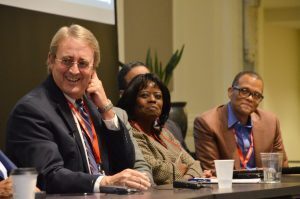
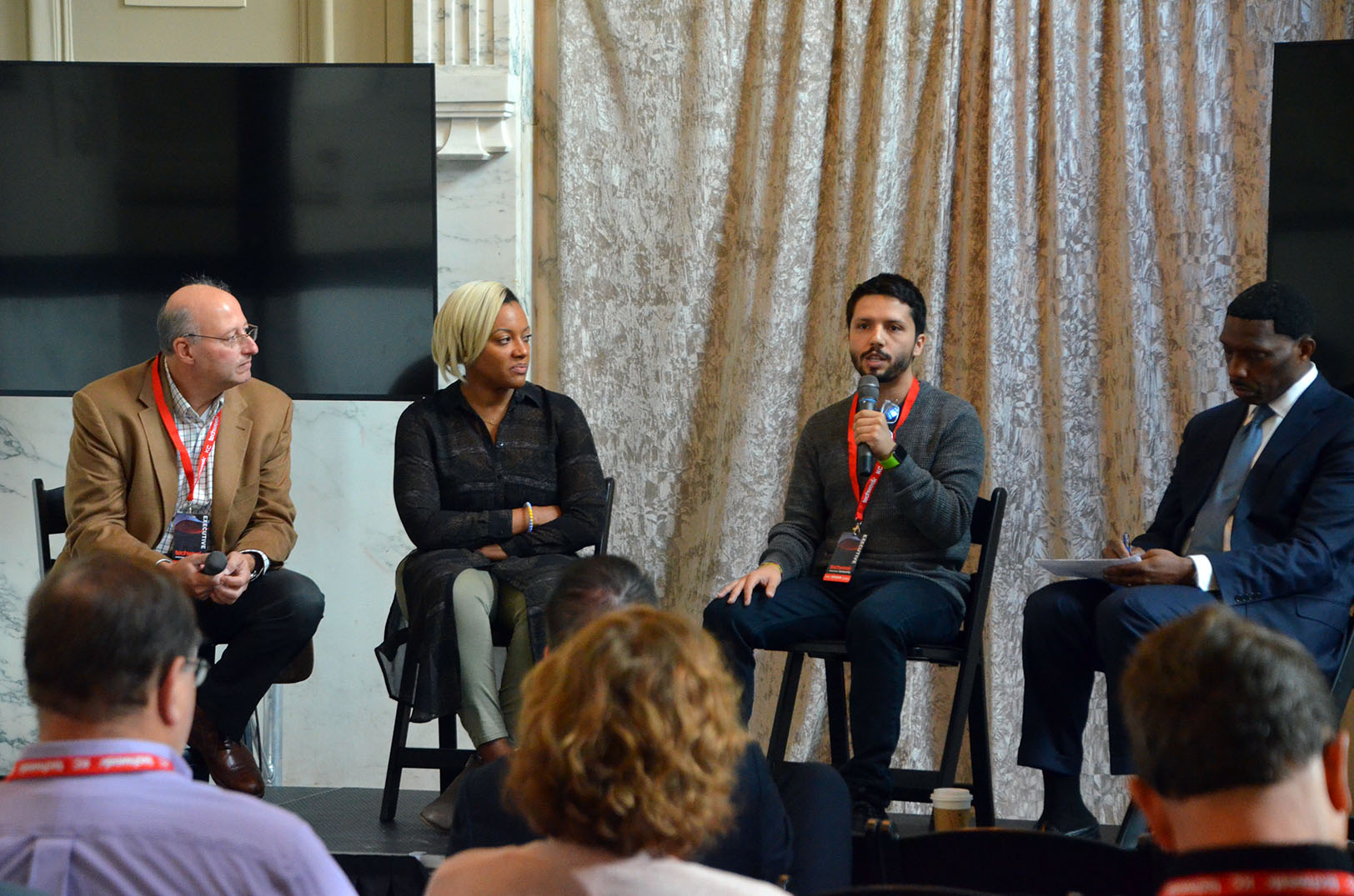
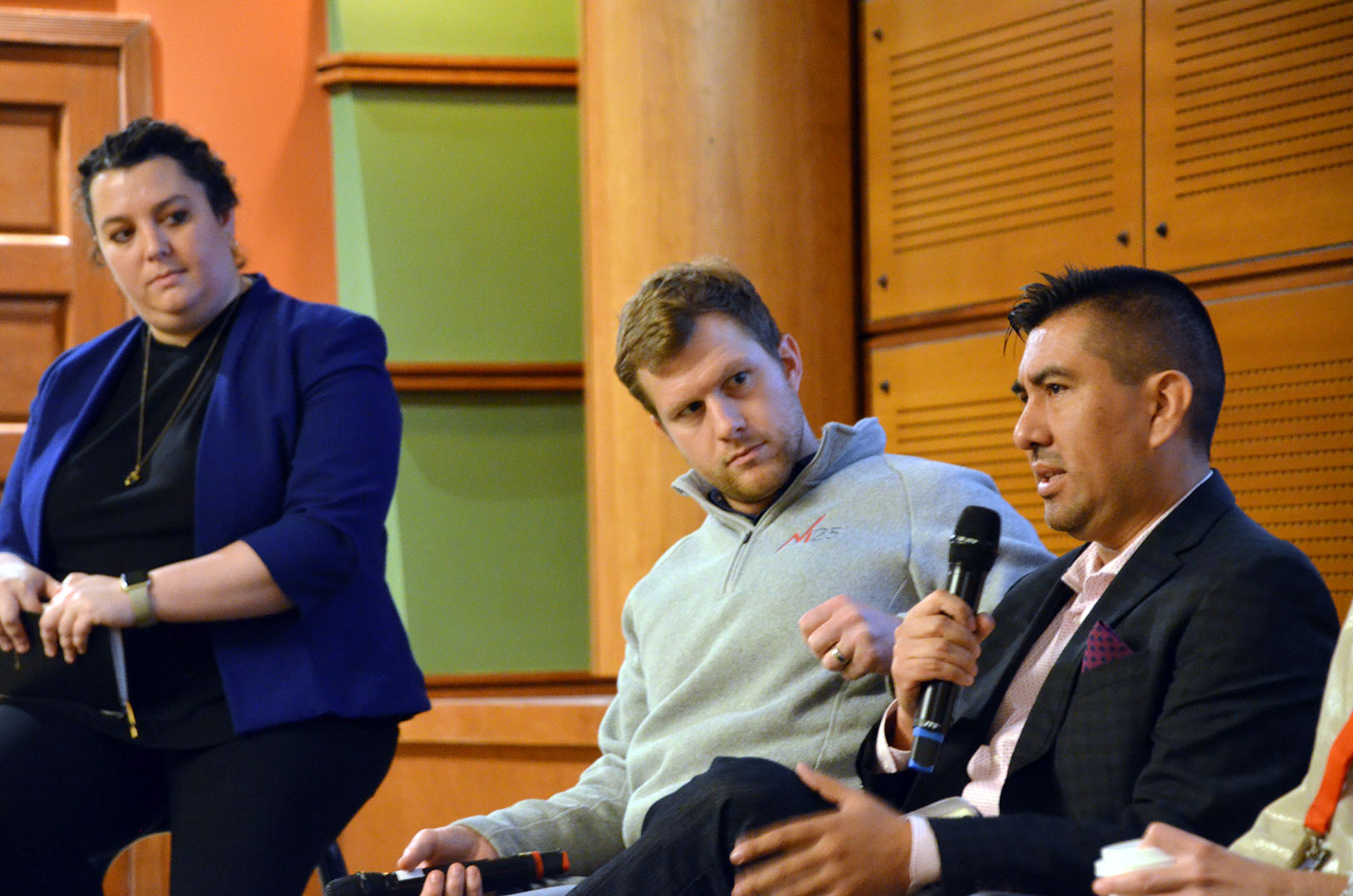
Bob Langenkamp, Economic Development Corporation of Kansas City, Missouri
Programs like CodeStart, #YesWeCodeFund, #100BlackAngels and HBCU@SXSW resulted from community input about the services Atlanta needed Opportunity Hub to provide, Sampson said.
“There was a sense of urgency,” he said. “People wanted a safe space to learn code, to work on their business, write a business plan, build their tech.”
In late 2015, Opportunity Hub merged its coworking operations with TechSquare Labs, a corporate innovation lab and venture fund that has invested in more than 30 companies that have raised more than $300 million in follow on capital, are valued at more than $1 billion dollars, generate $75 million in annual recurring revenue and growing and employ nearly 1,000 people, according to the company.
“We joke that around the city, and around the country, we’re known as ‘the black WeWork,’” Sampson said. “We don’t want blacks only, by the way, we just have that market and we attracted people that we wanted to help change their lives.”
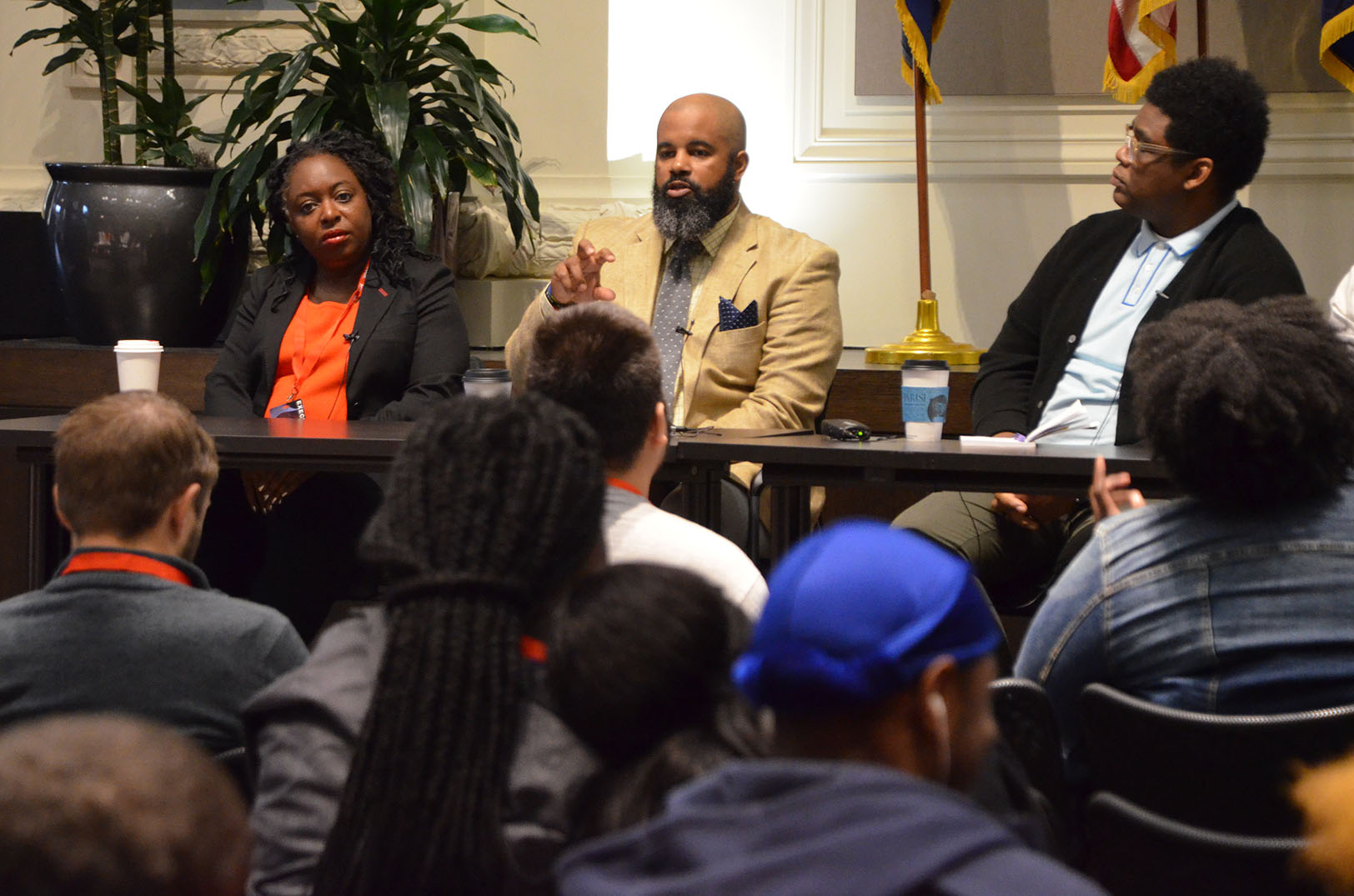
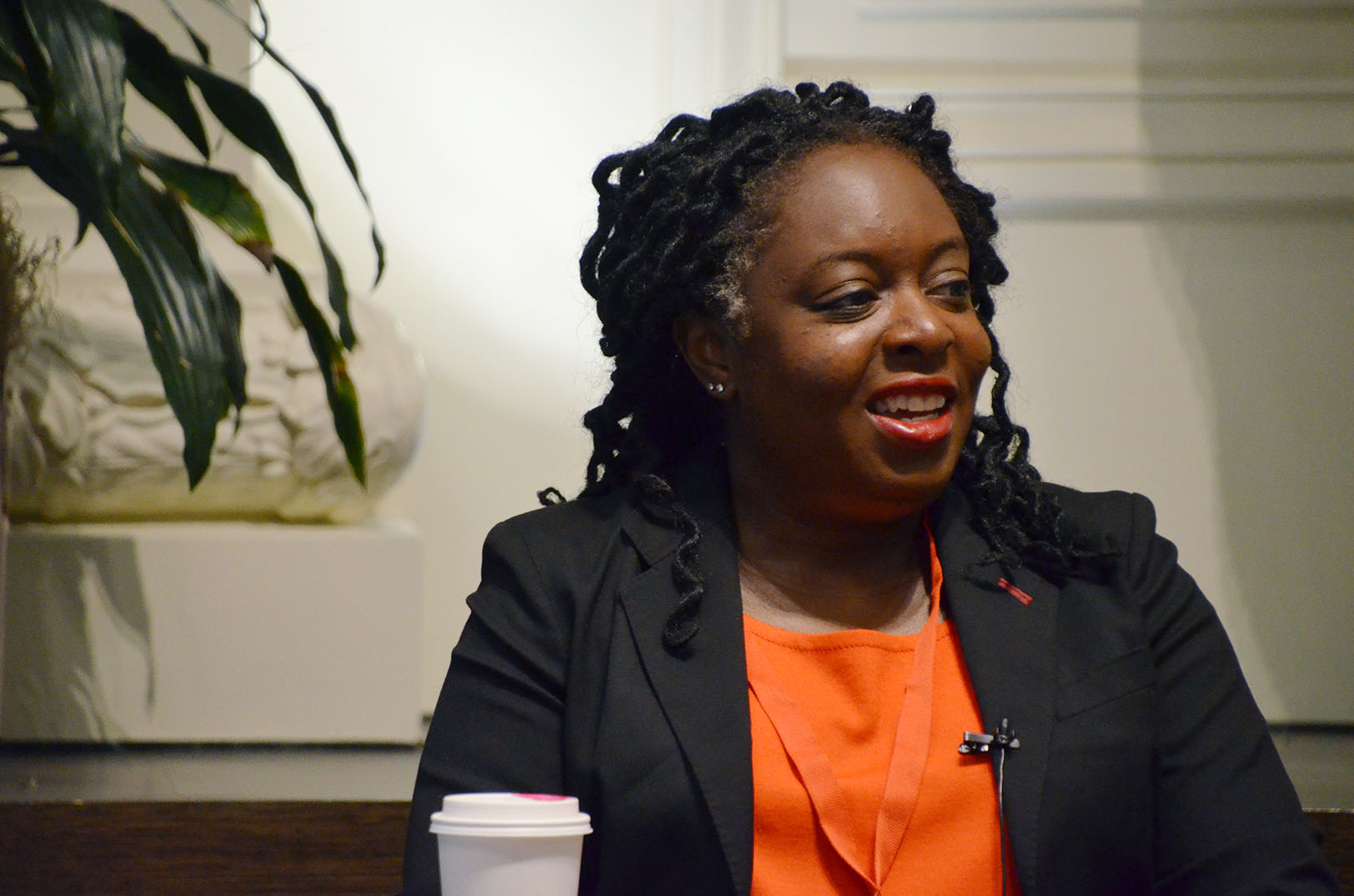
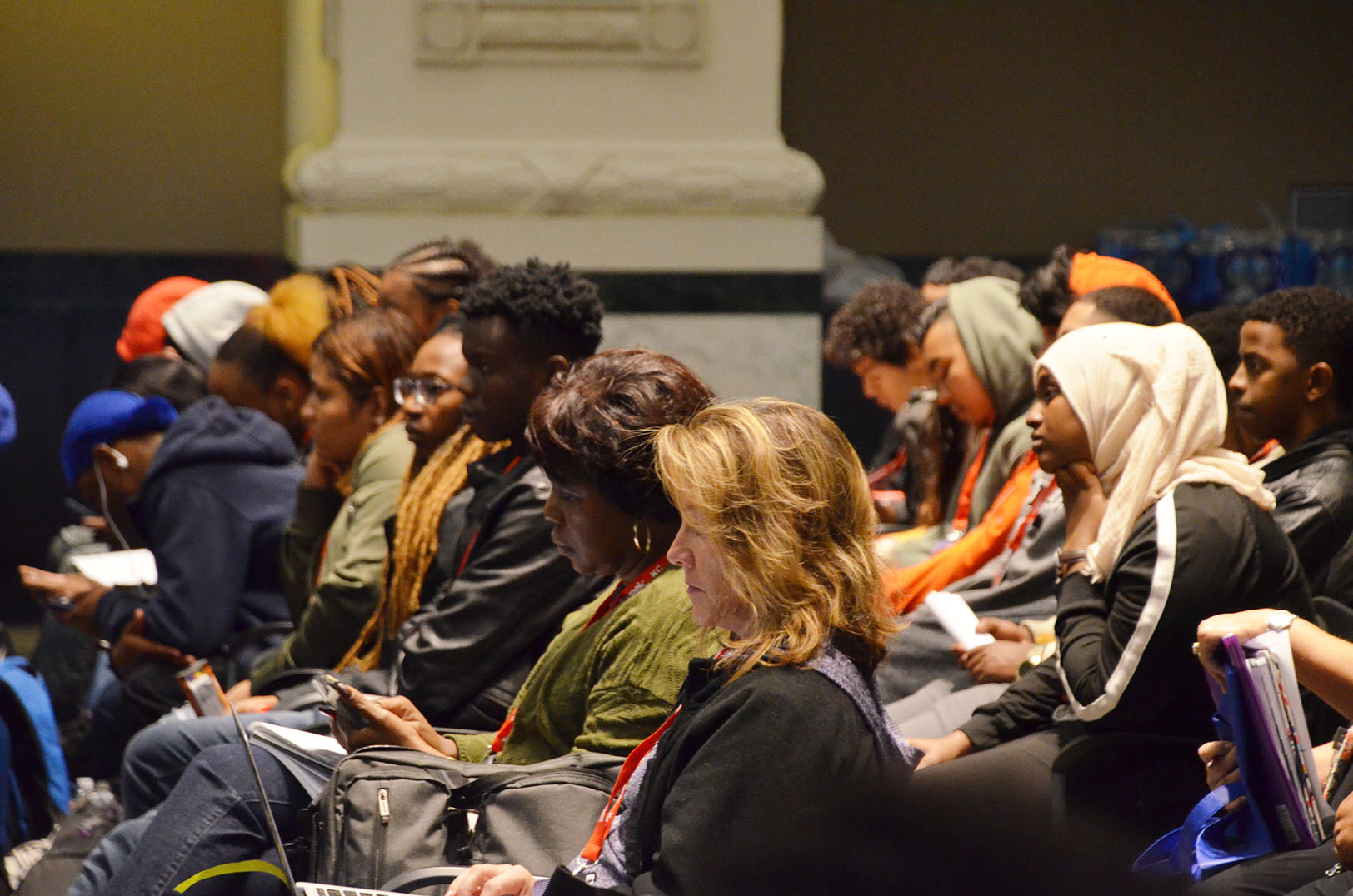
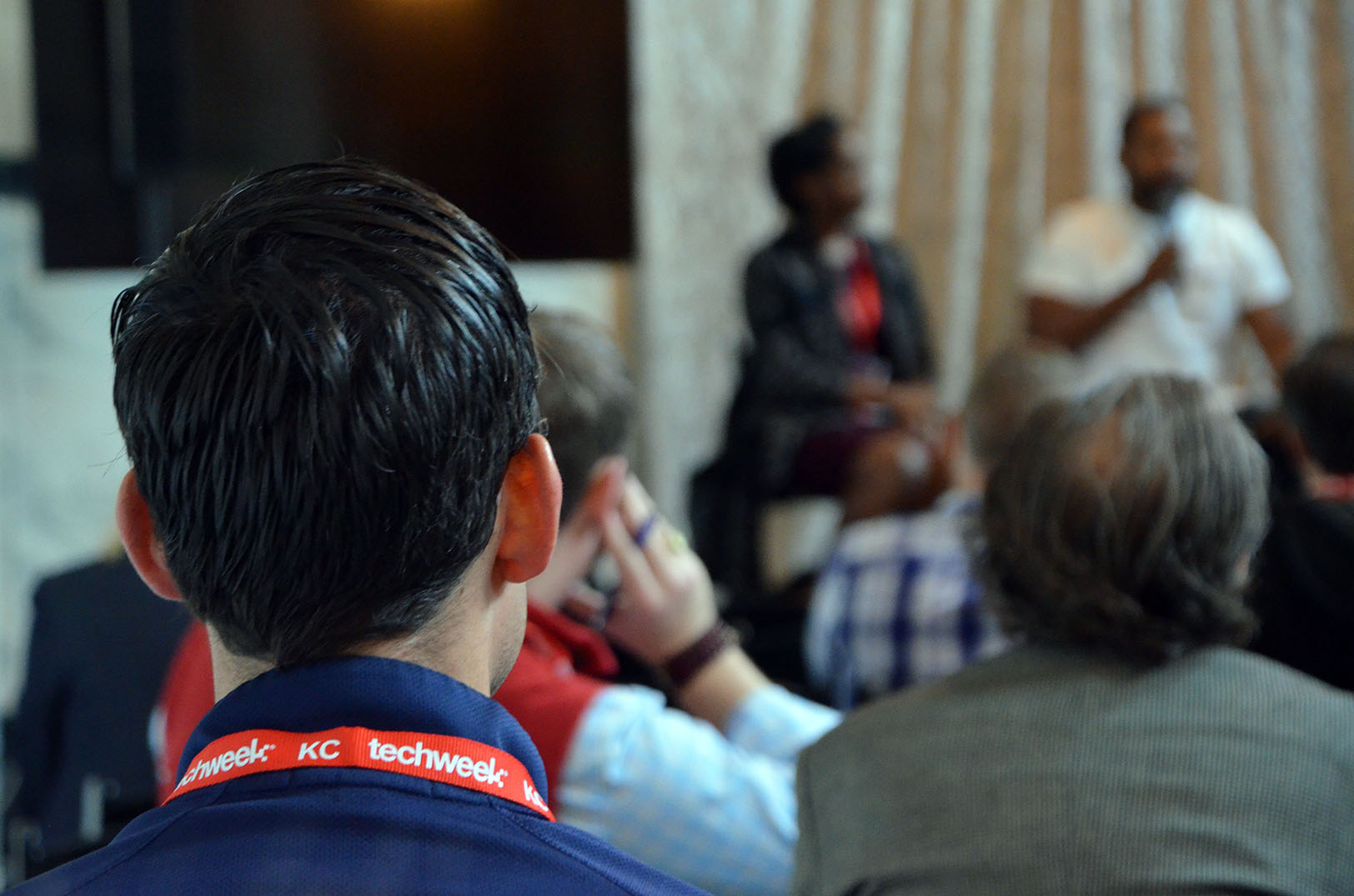
Check out photos from Wednesday’s Techweek events below.

Featured Business

2018 Startups to Watch
stats here
Related Posts on Startland News
MECA students to Goodwill: Everyone has a mission now — what else are you selling?
Editor’s note: MECA Challenge and Startland News are both programs of the Kansas City Startup Foundation, though the content below was produced independently by Startland. For more information on the relationship, click here. Goodwill must innovate and change with the times if it’s going to survive after 125 years in business, said Ed Lada. “The…

Prestio drives users to auto dealerships without traditional car buying pain points
Gone are the days of traditional car buying for Ben Anderson, the first customer of Kansas City-based startup Prestio. Anderson, an accounting professional at CBIZ, had grown deeply frustrated by auto dealerships, he said. In fall 2017, he turned to Prestio –– a first-of-its-kind software-as-a-service platform that allows customers to buy, trade, and finance vehicle purchases…

Crema co-founder details expansion experiment at Thinking Bigger breakfast
Crema’s work is all about proximity, said George Brooks, seeking to clarify potential misperceptions about the digital product agency’s foray into markets outside Kansas City. “We’ve been running an experiment,” the Crema co-founder told a crowd at Thinking Bigger Business Media’s recent Big Breakfast. “We’re from Kansas City, but probably 80 percent of our clients…

Techweek 100 list released: Dozens of KC’s top cultivators, ambassadors and innovators
Techweek Kansas City on Friday released its Techweek 100 list of the premier leaders pushing innovation in Kansas City. The collection of cultivators, ambassadors and innovators is a who’s who of familiar names across the startup, entrepreneurship and tech communities. Released in the runup to Techweek KC’s Oct. 8-12 festivities, the list isn’t a ranking,…