

Be fearlessly honest about diversity gap, Atlanta expert tells KC Techweek panelists (Photos)
October 11, 2018 | Tommy Felts
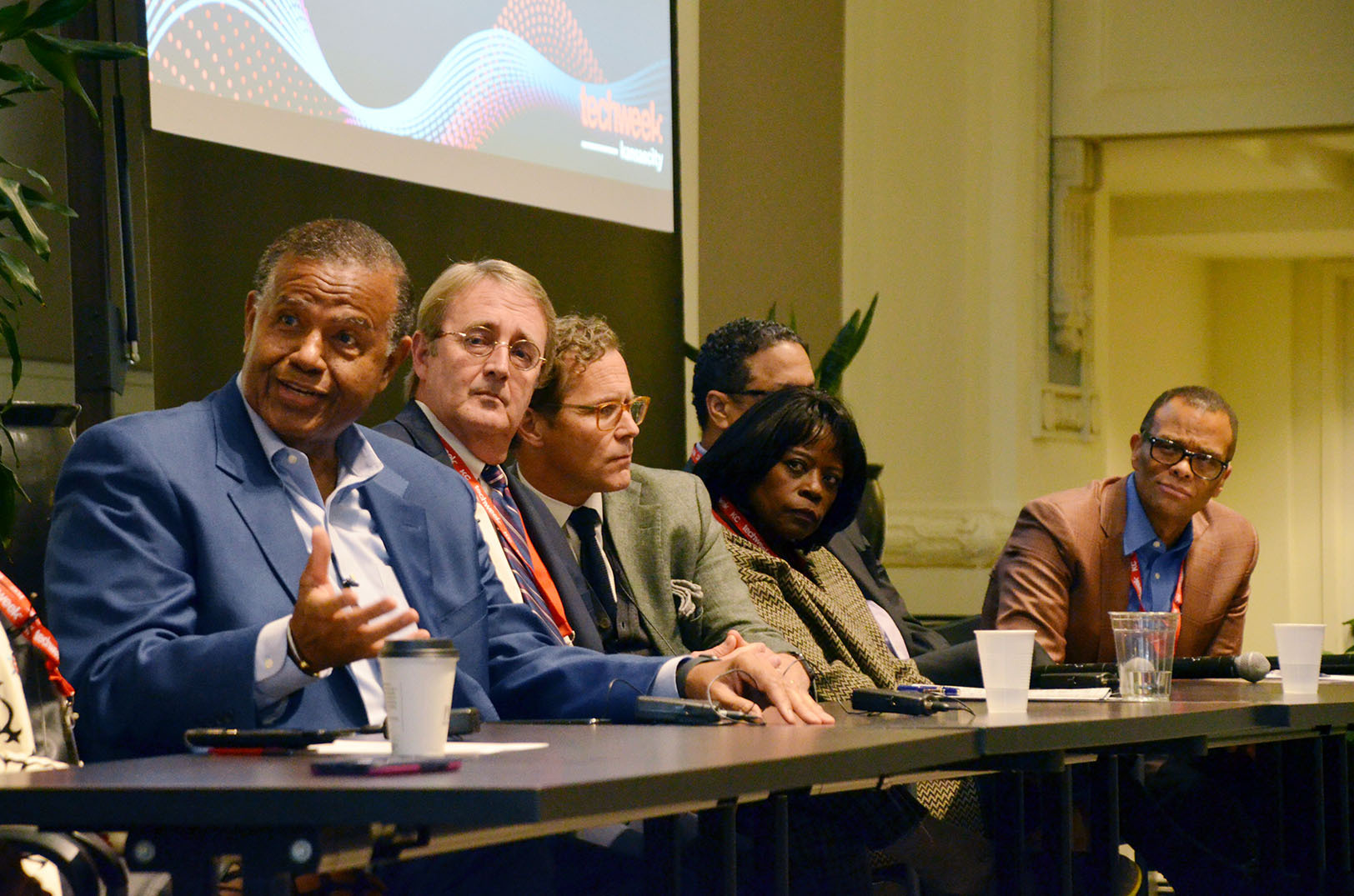
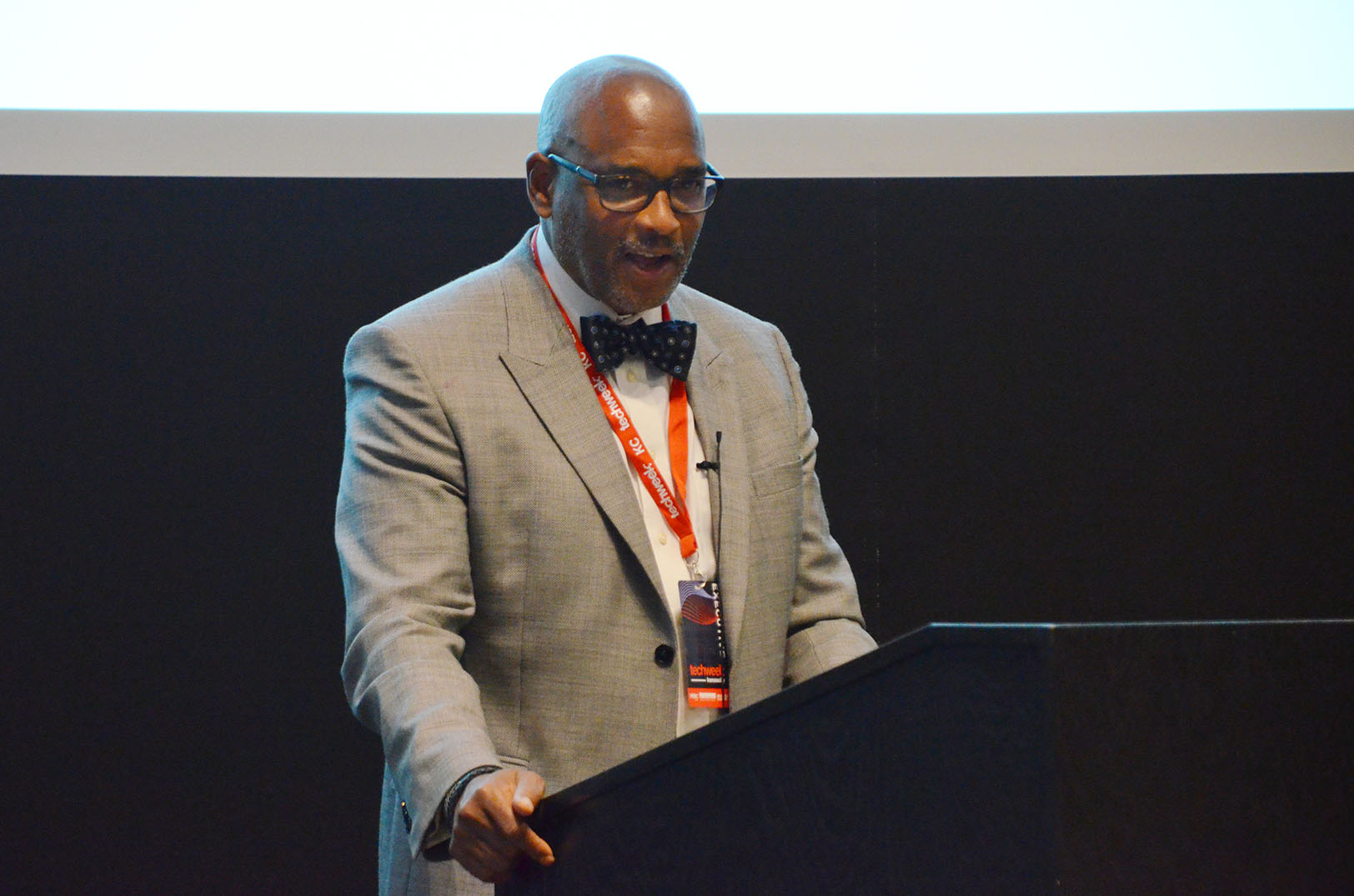
Building an inclusive startup community begins with being unafraid to directly state the problem — a diversity gap — free of coded language related to race and gender, said Rodney Sampson.

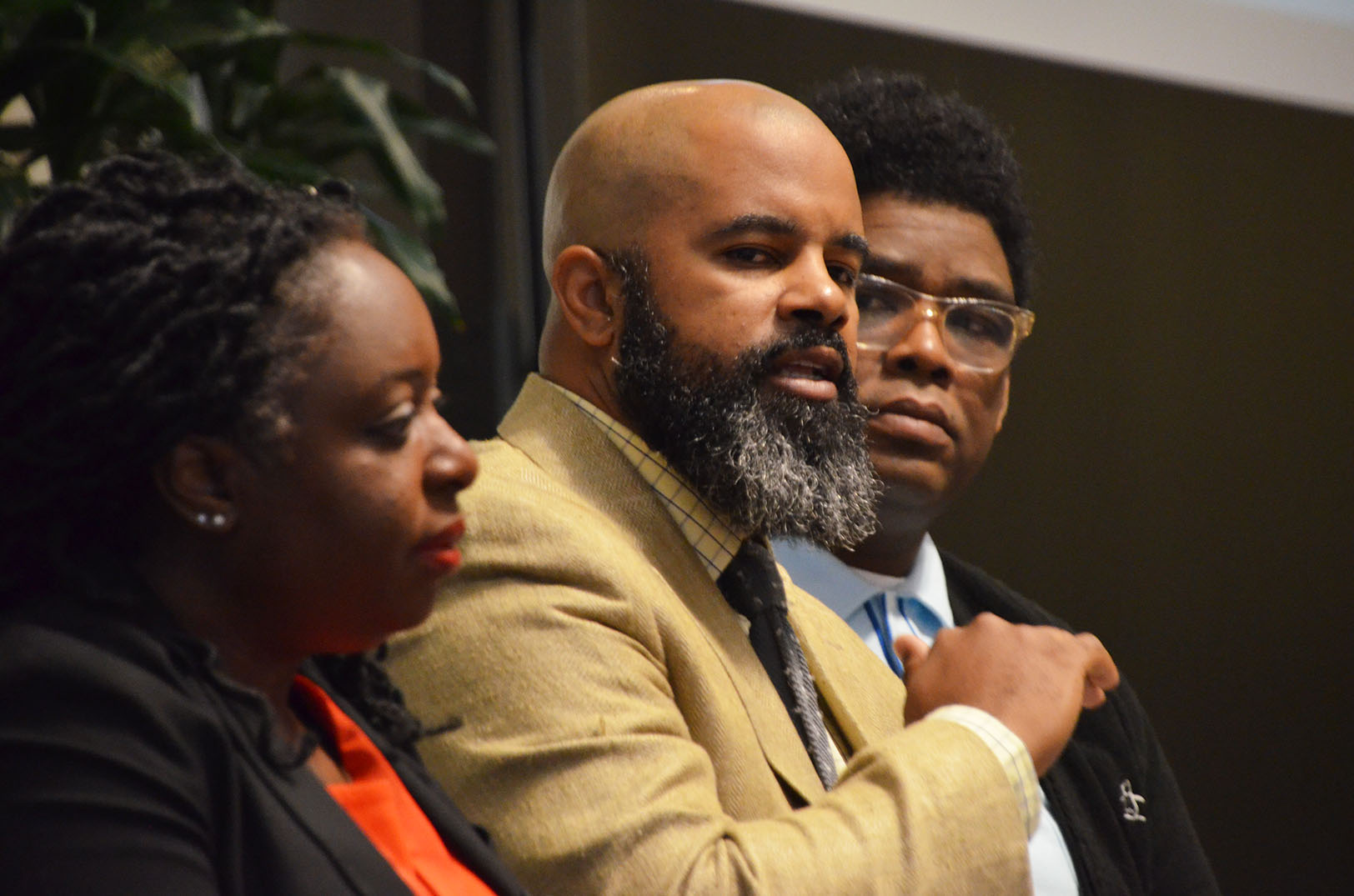
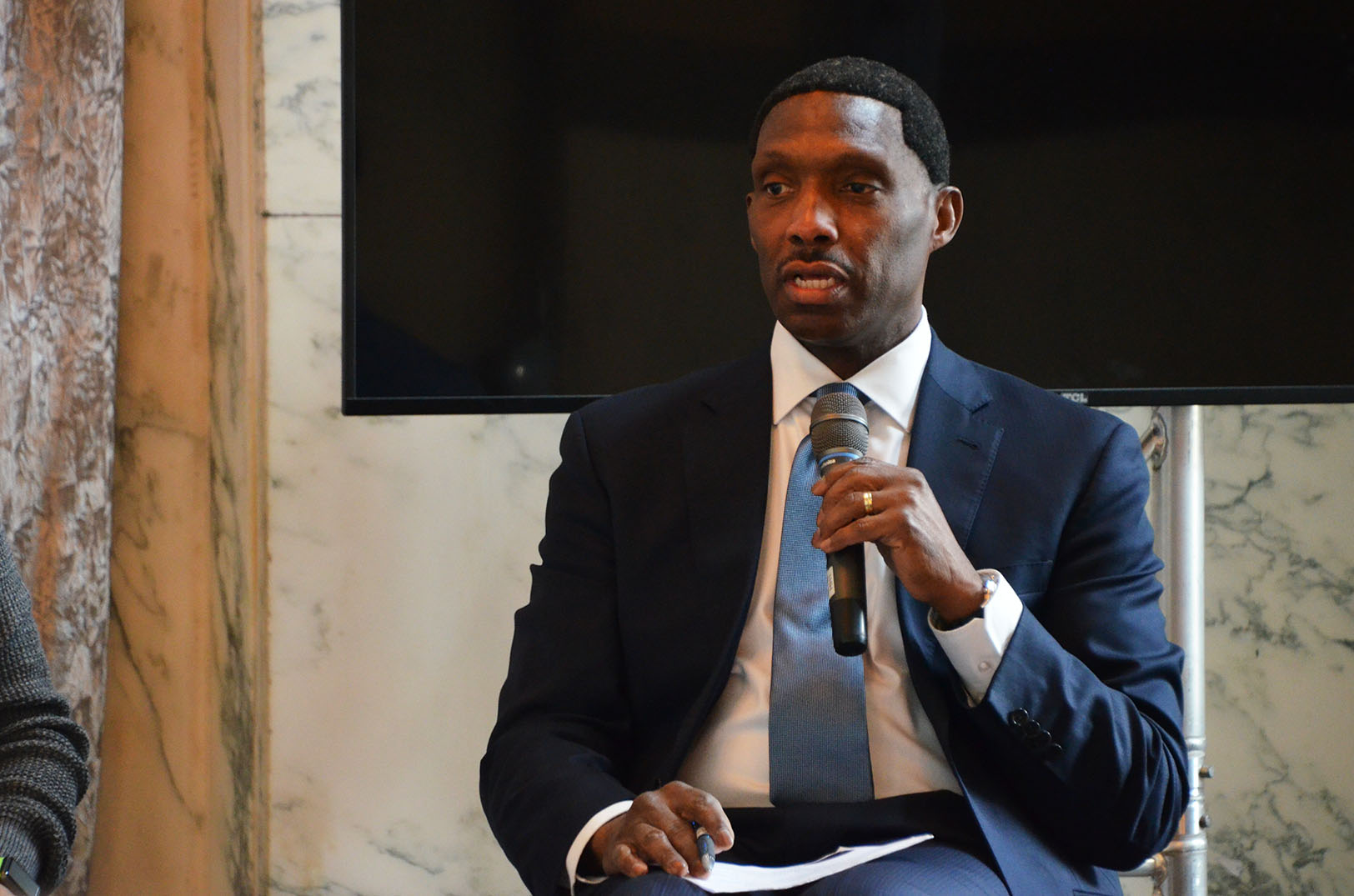
Rodney Sampson, Opportunity Hub
“I am unapologetically about being ‘color-brave’ and ‘race-brave’ — rather than being ‘color blind’ — because when you say ‘color blind,’ you’re saying you don’t see me,” said Sampson, chairman and CEO of Opportunity Hub in Atlanta. “You don’t see everything I bring to the table. You don’t see the pain and the struggle.”
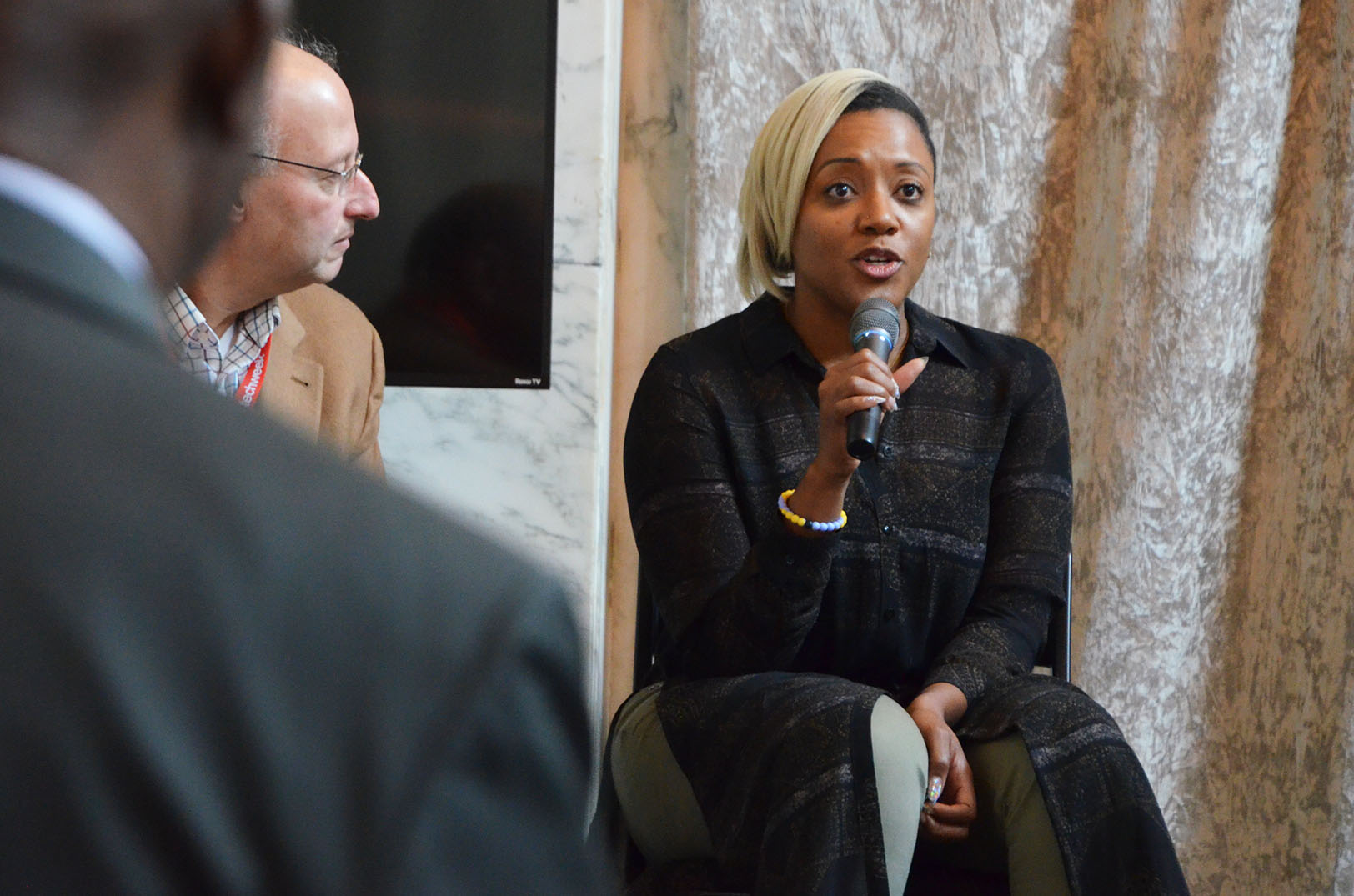
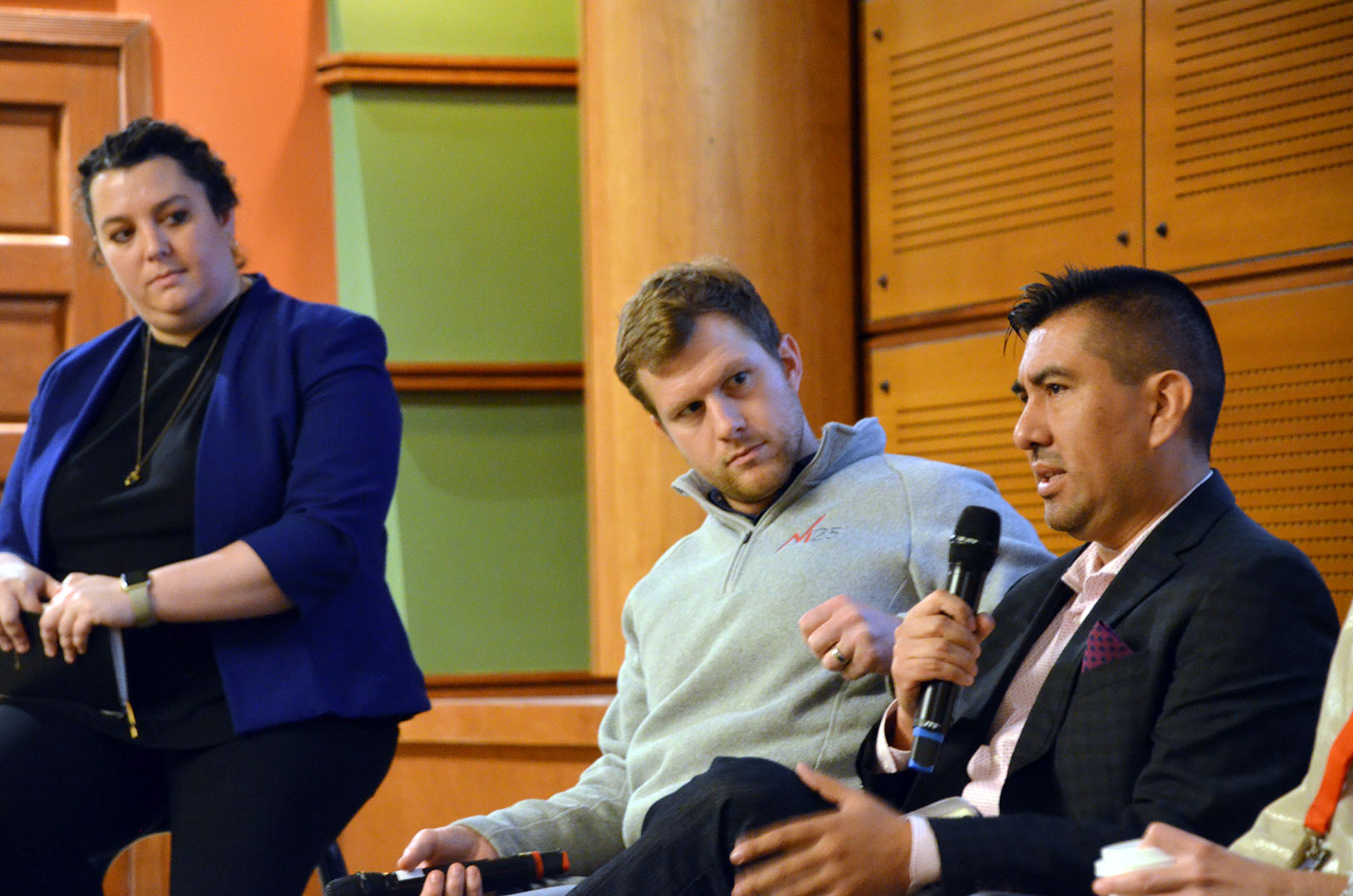
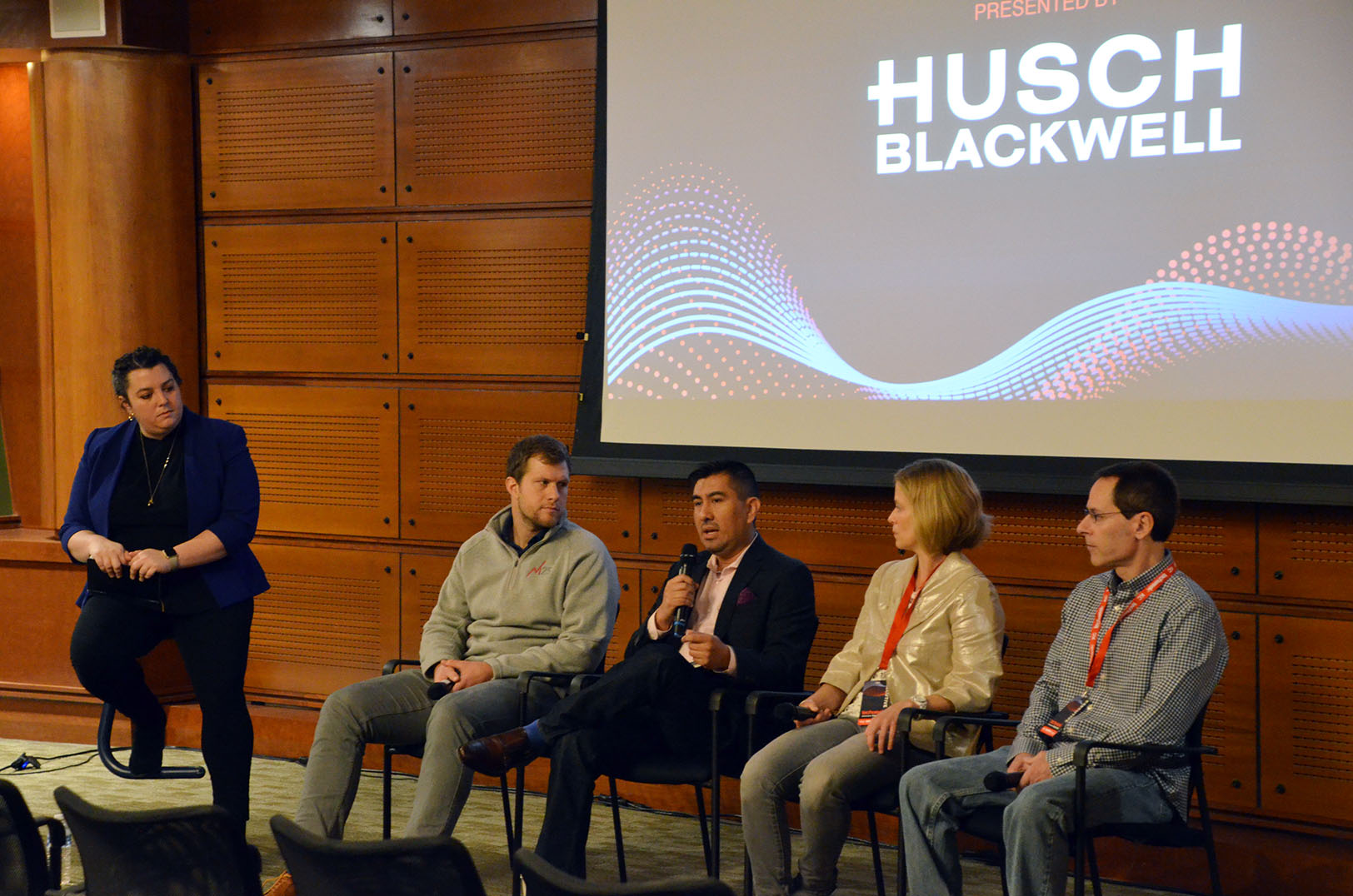
A panel of Kansas City leaders turned to Sampson Wednesday at Techweek during a conversation about bridging the inclusivity gap, seeking to learn how locals can potentially replicate the success of his social venture in Atlanta. Heavy-hitter panelists ranged from Philip Gaskin, director of entrepreneurial communities and chief of staff for entrepreneurship at the Ewing Marion Kauffman Foundation, to Leo Morton, chancellor emeritus at the University of Missouri-Kansas City.
“Data has shown it dramatically increases return on investment when you have women and people of color at the table,” Sampson said.
Opportunity Hub, the largest multi-campus entrepreneurship center and technology hub in the U.S., reflects Sampson’s commitment to “Kingonomics” — taking the economic principles of Dr. Martin Luther King Jr. to build an inclusive innovation and investment model to address poverty and the wealth gap.
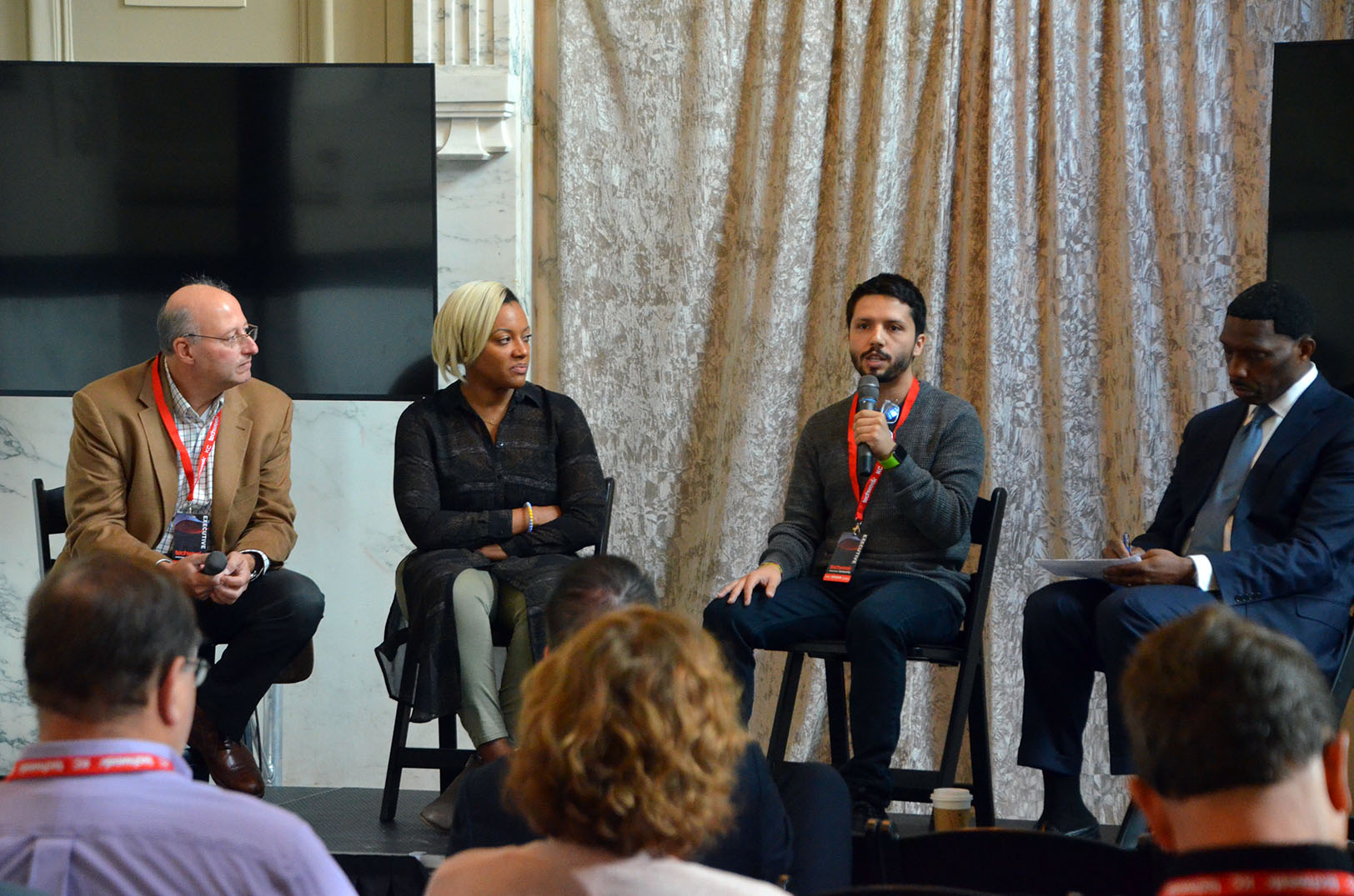
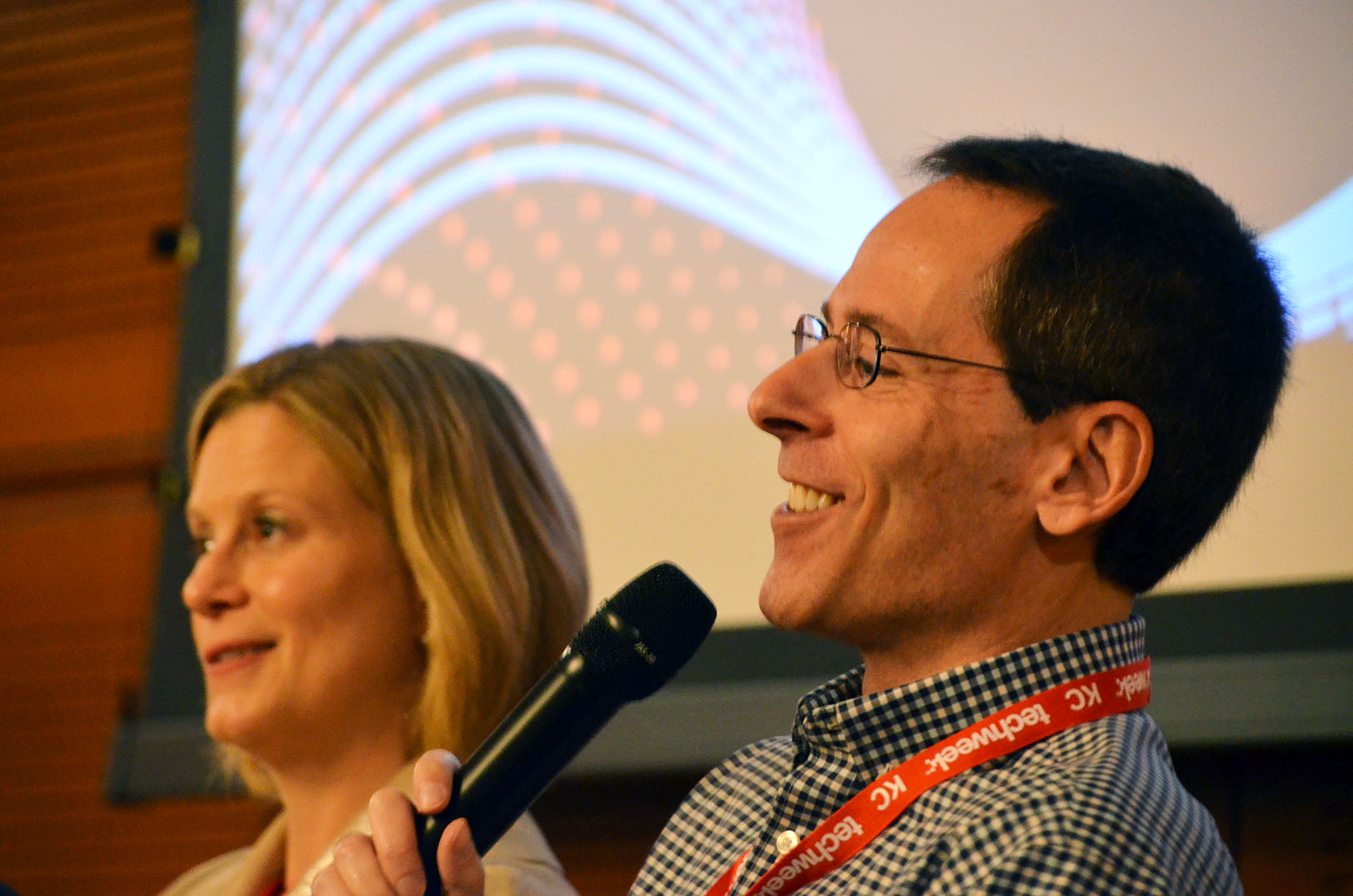
Bob Langenkamp, Economic Development Corporation of Kansas City, Missouri
Programs like CodeStart, #YesWeCodeFund, #100BlackAngels and HBCU@SXSW resulted from community input about the services Atlanta needed Opportunity Hub to provide, Sampson said.
“There was a sense of urgency,” he said. “People wanted a safe space to learn code, to work on their business, write a business plan, build their tech.”
In late 2015, Opportunity Hub merged its coworking operations with TechSquare Labs, a corporate innovation lab and venture fund that has invested in more than 30 companies that have raised more than $300 million in follow on capital, are valued at more than $1 billion dollars, generate $75 million in annual recurring revenue and growing and employ nearly 1,000 people, according to the company.
“We joke that around the city, and around the country, we’re known as ‘the black WeWork,’” Sampson said. “We don’t want blacks only, by the way, we just have that market and we attracted people that we wanted to help change their lives.”
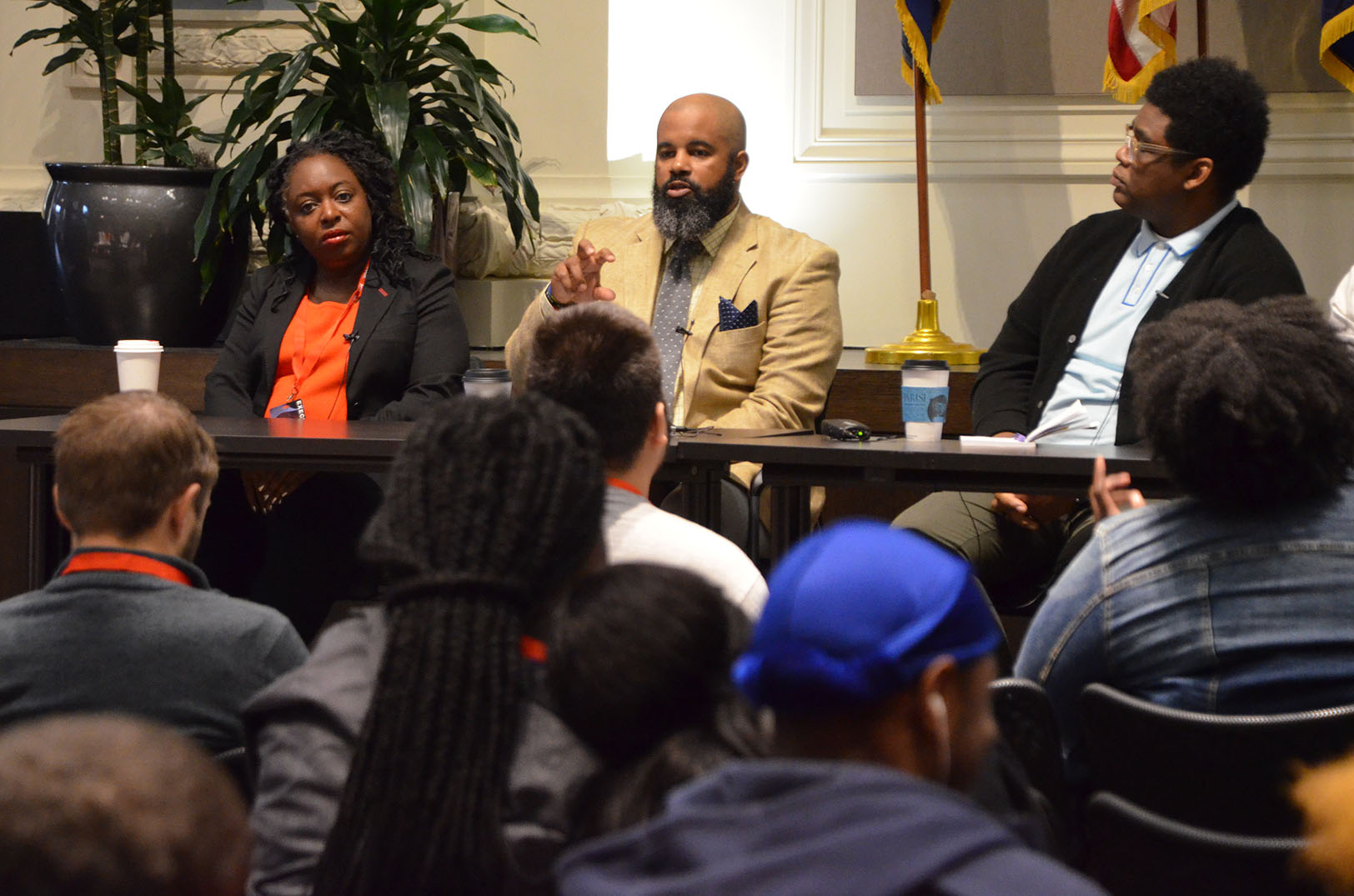
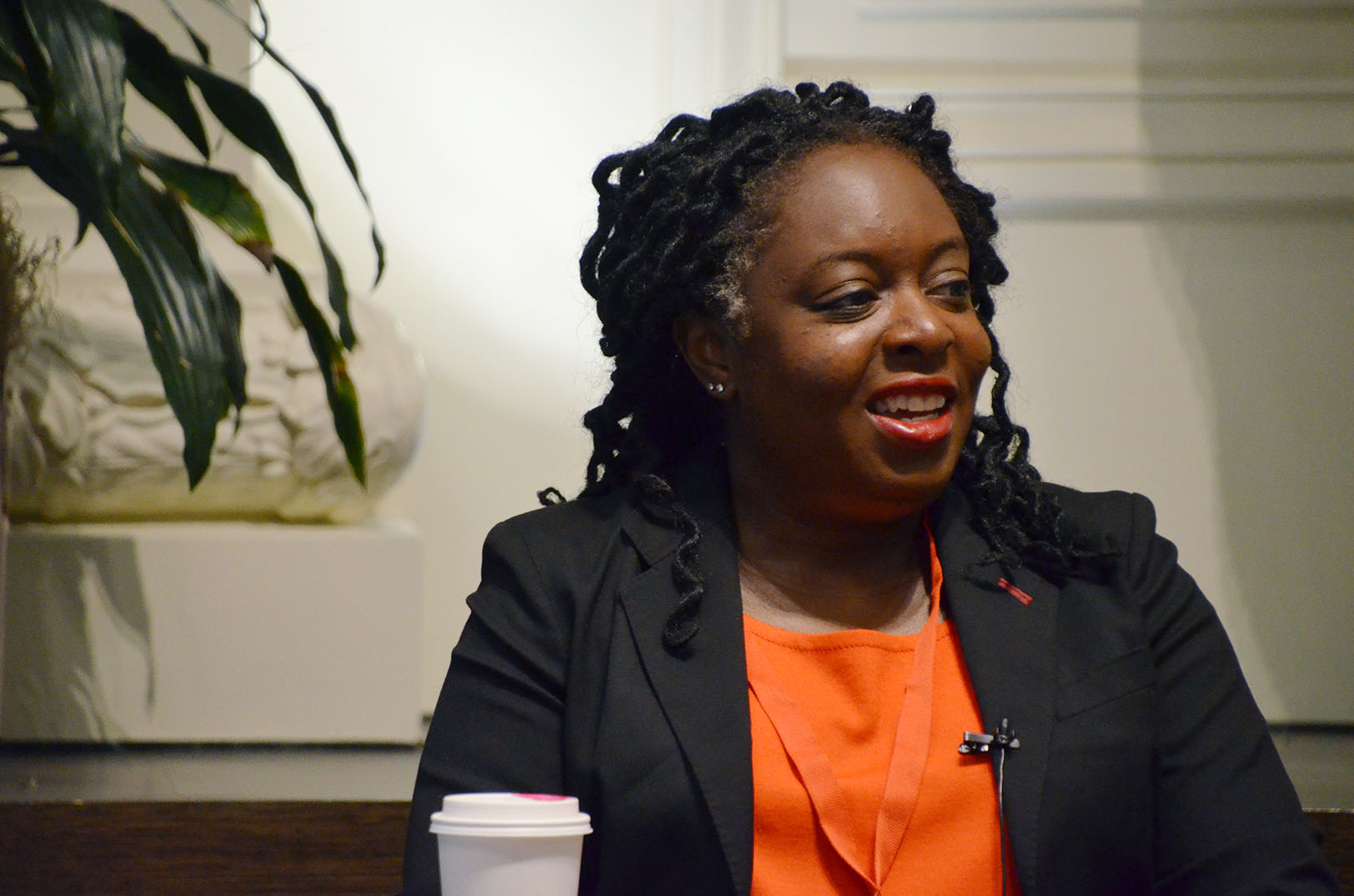
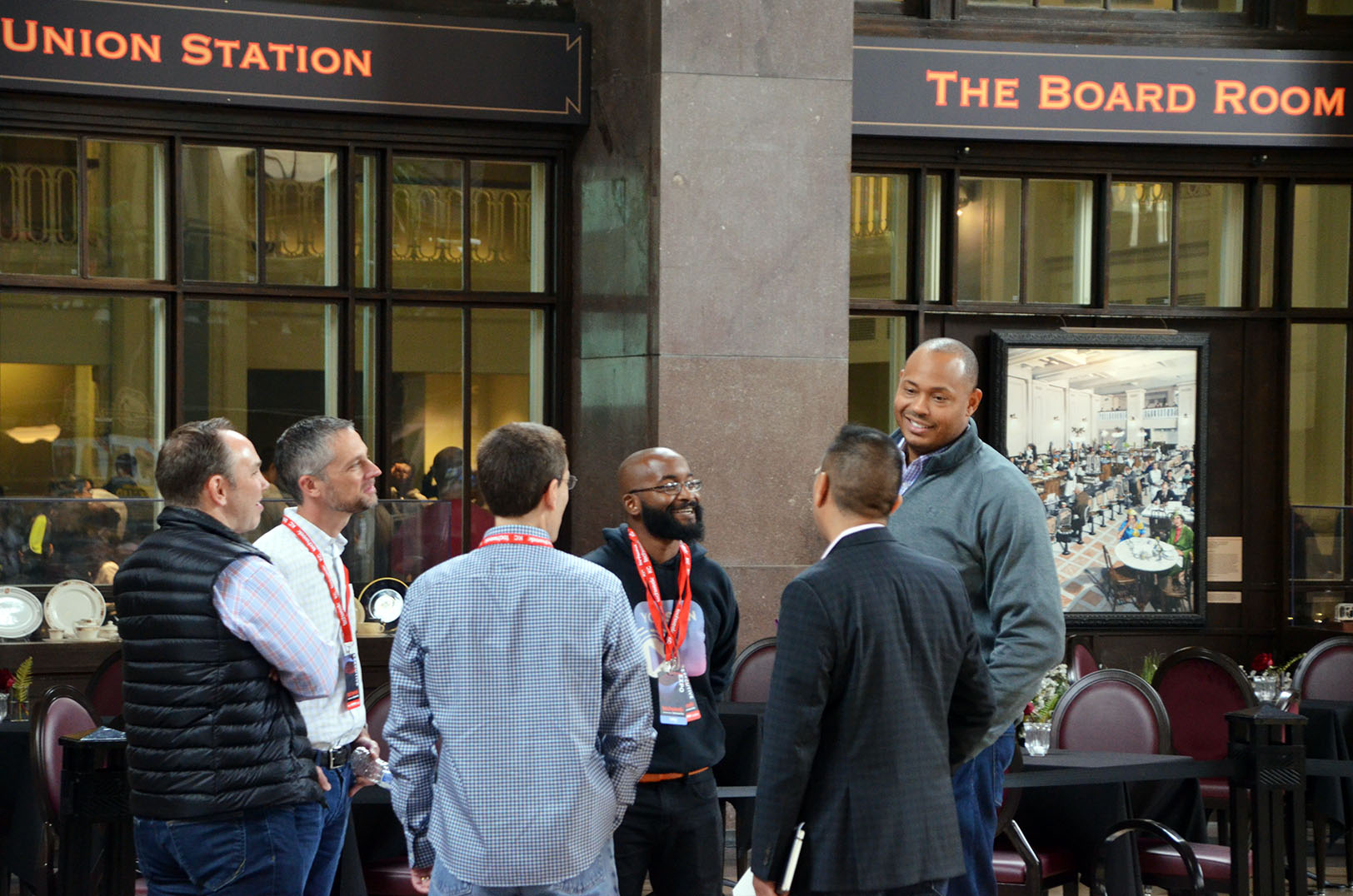
Check out photos from Wednesday’s Techweek events below.


Featured Business

2018 Startups to Watch
stats here
Related Posts on Startland News

FitBark GPS launches with embedded sim card for tracking lost pups via cell service
FitBark’s latest treat for pet lovers: A four-legged friend finder. FitBark GPS recently launched in the Kansas City-based startup’s U.S. market, said Davide Rossi, co-founder and CEO, detailing new features that allow owners to pinpoint their dogs’ locations in case of emergency via embedded Verizon cell service. “We send all of the owners an alert…

Two tech founders identified a coding talent gap; they launched WeCodeKC to help fill it
A future-ready workforce depends on students mastering as many technology, cybersecurity, and computer science skills as possible, said Tammy Buckner. The founder at CTO of Techquity Digital, Buckner joined forces this fall with Dr. Phillip Hickman, author and founder of PlaBook, to launch WeCodeKC — a no-cost, year-round program built to promote computer skills through…

OHUB is sending five startups to SXSW, each infused with $50K; Meet the seven KC finalists
Iron sharpens iron, said Rodney Sampson, announcing 12 finalists — seven from Kansas City — for $250,000 in investments and a coveted demo day stage at SXSW in March. Each startup is rich with founders who have invested the time and energy to earn a payout from the ecosystem, said Sampson, founder of the Opportunity…

Show Me Capital: 6 key goals can help fill funding gaps for early-stage Missouri companies
Missouri is leaving millions of dollars on the table that could fuel early-stage startups, which create nearly 80 percent of net new jobs in the state. A new report from MOSourceLink, a program of the UMKC Innovation Center, reveals Missouri is lacking in alternative loans, access to resources, early-stage capital and locally activated venture capital.…