

Be fearlessly honest about diversity gap, Atlanta expert tells KC Techweek panelists (Photos)
October 11, 2018 | Tommy Felts
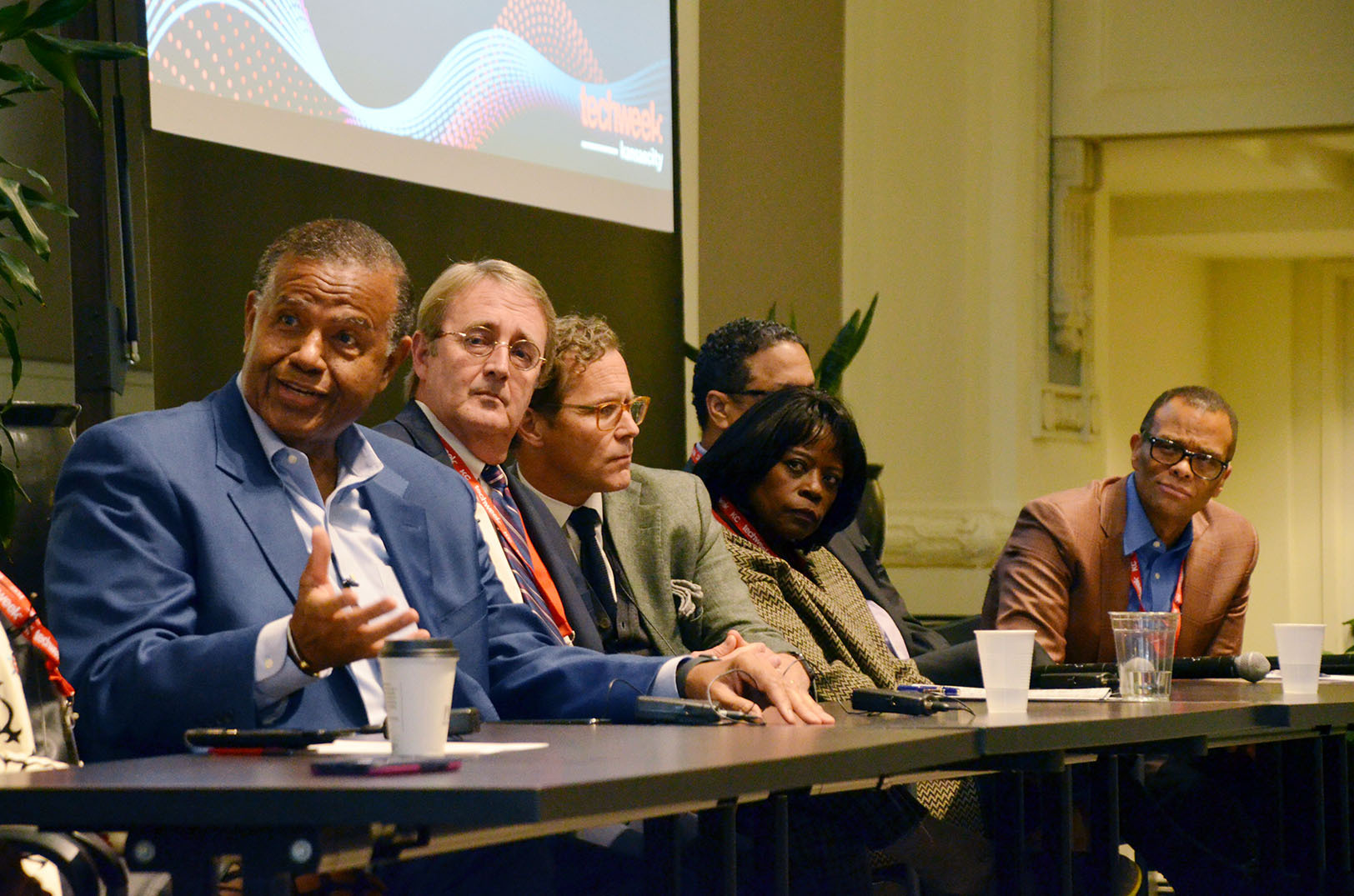
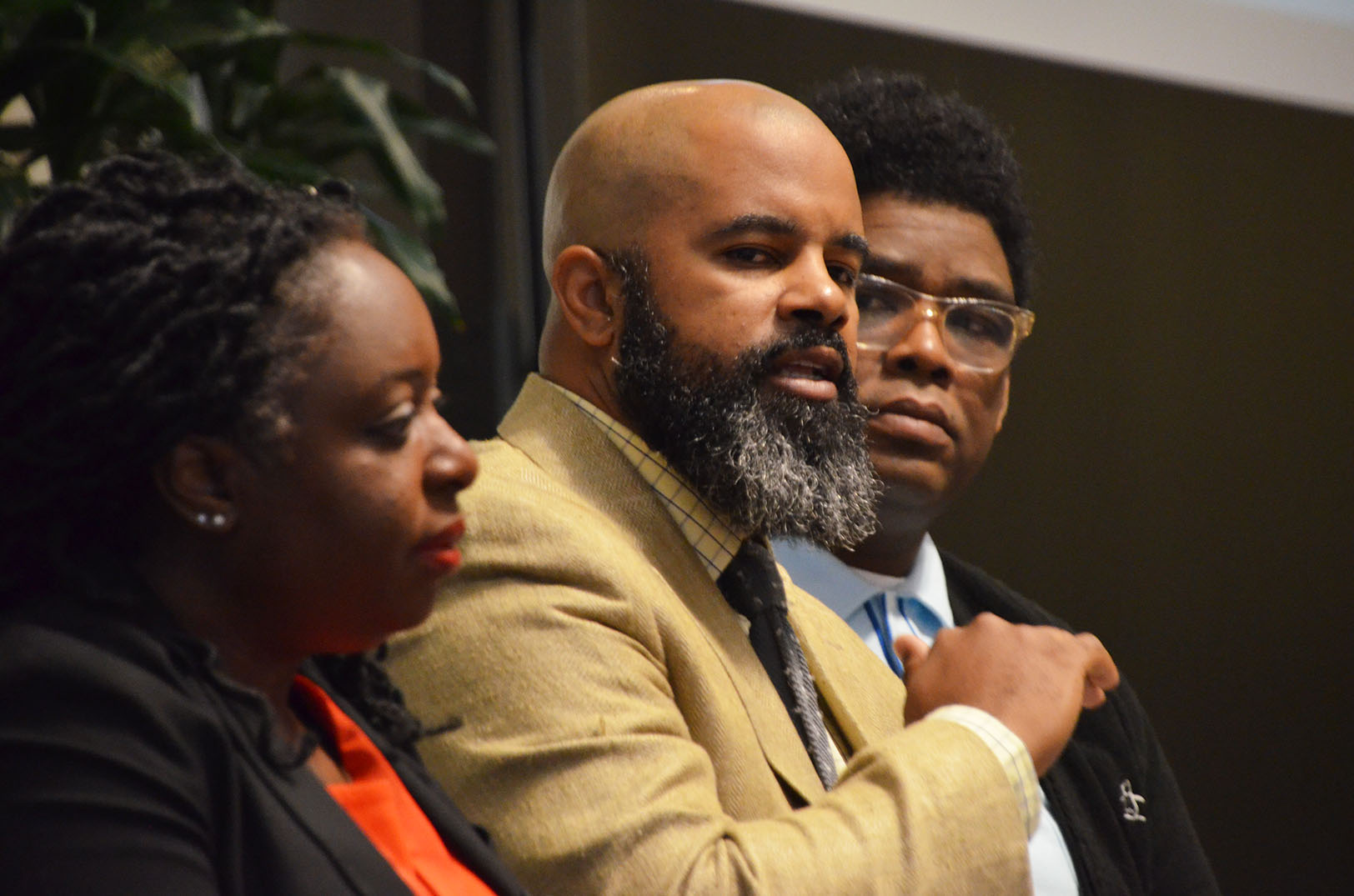
Building an inclusive startup community begins with being unafraid to directly state the problem — a diversity gap — free of coded language related to race and gender, said Rodney Sampson.

Rodney Sampson, Opportunity Hub
“I am unapologetically about being ‘color-brave’ and ‘race-brave’ — rather than being ‘color blind’ — because when you say ‘color blind,’ you’re saying you don’t see me,” said Sampson, chairman and CEO of Opportunity Hub in Atlanta. “You don’t see everything I bring to the table. You don’t see the pain and the struggle.”
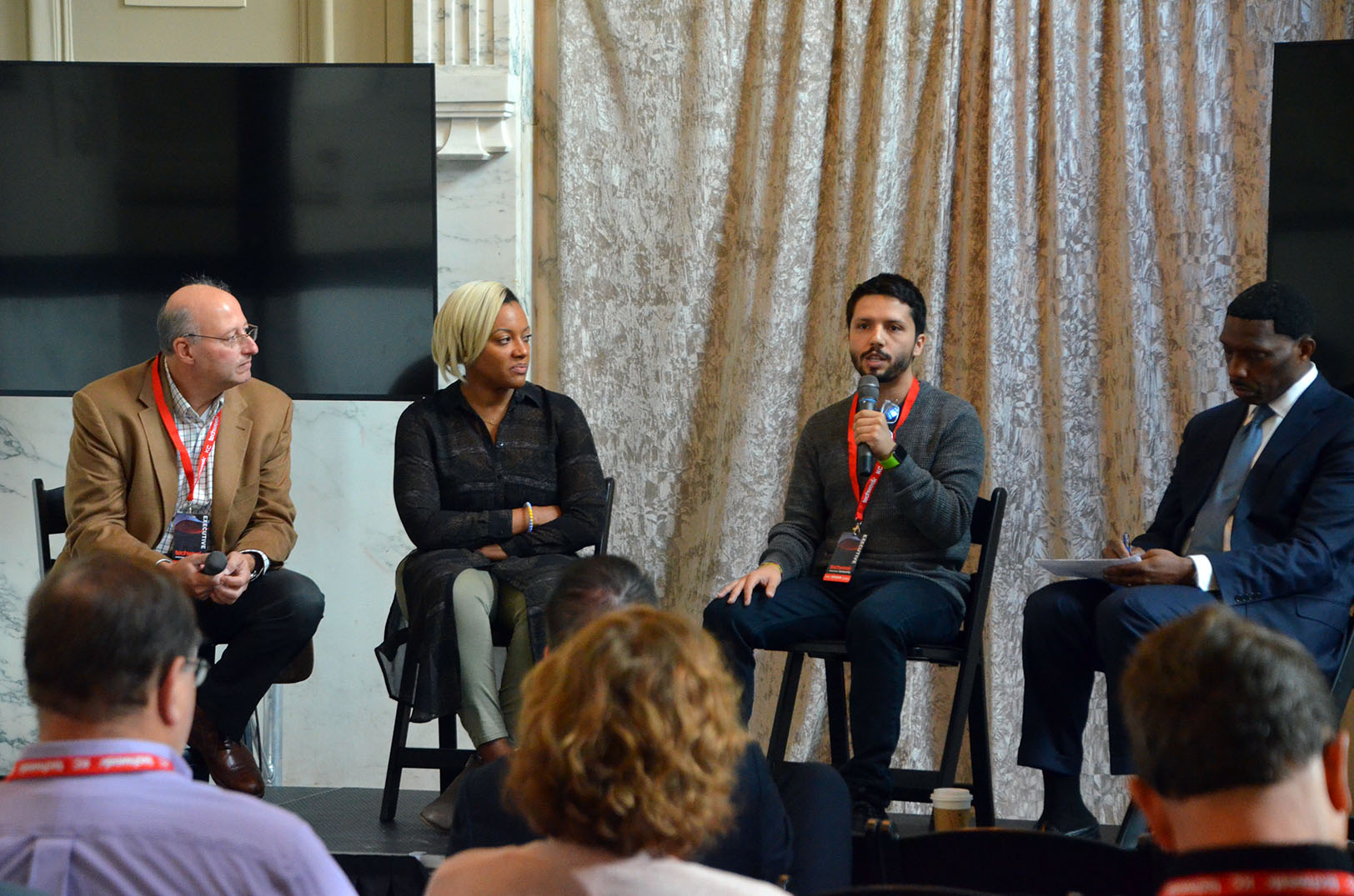
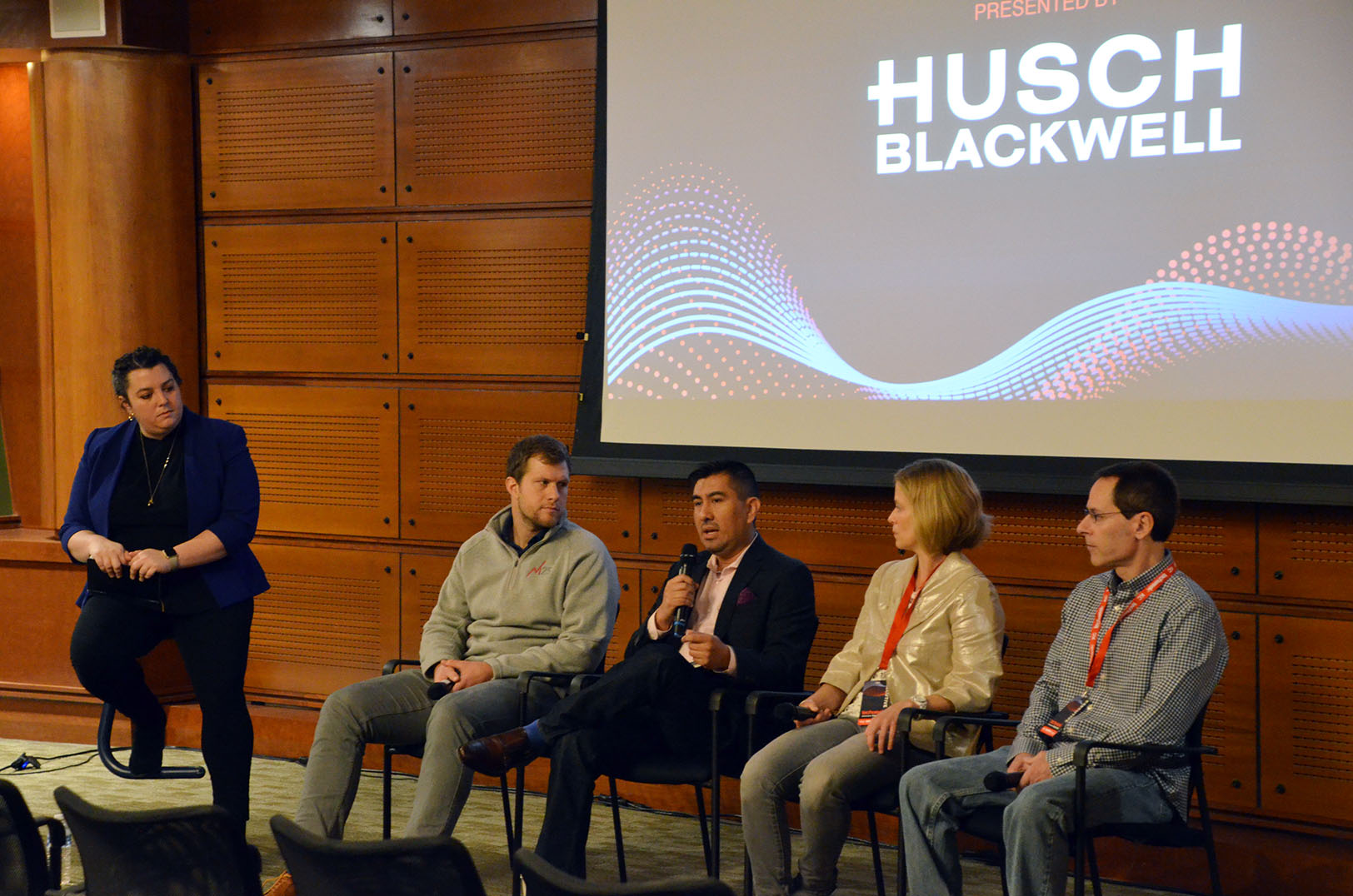
A panel of Kansas City leaders turned to Sampson Wednesday at Techweek during a conversation about bridging the inclusivity gap, seeking to learn how locals can potentially replicate the success of his social venture in Atlanta. Heavy-hitter panelists ranged from Philip Gaskin, director of entrepreneurial communities and chief of staff for entrepreneurship at the Ewing Marion Kauffman Foundation, to Leo Morton, chancellor emeritus at the University of Missouri-Kansas City.
“Data has shown it dramatically increases return on investment when you have women and people of color at the table,” Sampson said.
Opportunity Hub, the largest multi-campus entrepreneurship center and technology hub in the U.S., reflects Sampson’s commitment to “Kingonomics” — taking the economic principles of Dr. Martin Luther King Jr. to build an inclusive innovation and investment model to address poverty and the wealth gap.
Bob Langenkamp, Economic Development Corporation of Kansas City, Missouri
Programs like CodeStart, #YesWeCodeFund, #100BlackAngels and HBCU@SXSW resulted from community input about the services Atlanta needed Opportunity Hub to provide, Sampson said.
“There was a sense of urgency,” he said. “People wanted a safe space to learn code, to work on their business, write a business plan, build their tech.”
In late 2015, Opportunity Hub merged its coworking operations with TechSquare Labs, a corporate innovation lab and venture fund that has invested in more than 30 companies that have raised more than $300 million in follow on capital, are valued at more than $1 billion dollars, generate $75 million in annual recurring revenue and growing and employ nearly 1,000 people, according to the company.
“We joke that around the city, and around the country, we’re known as ‘the black WeWork,’” Sampson said. “We don’t want blacks only, by the way, we just have that market and we attracted people that we wanted to help change their lives.”
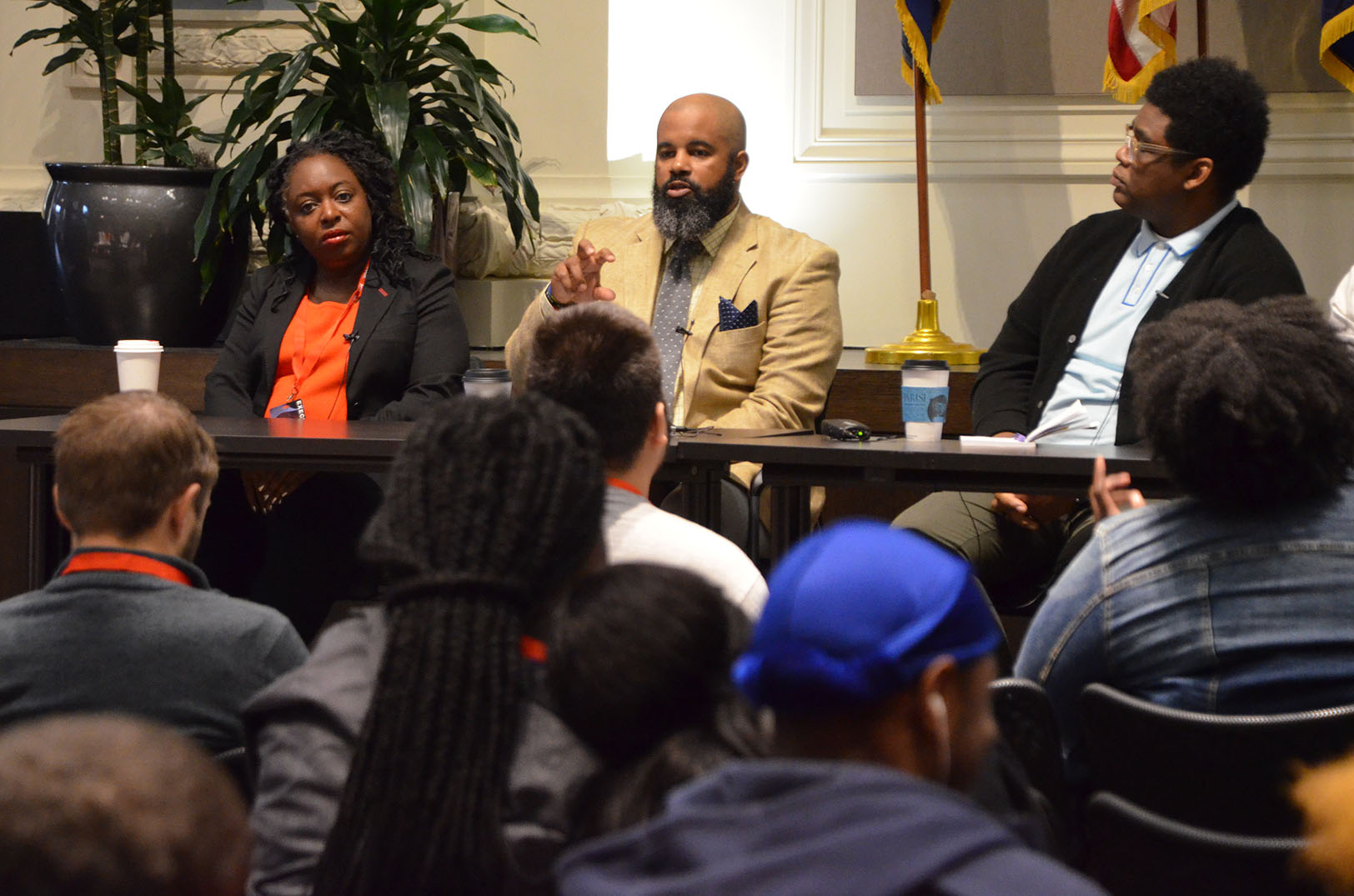
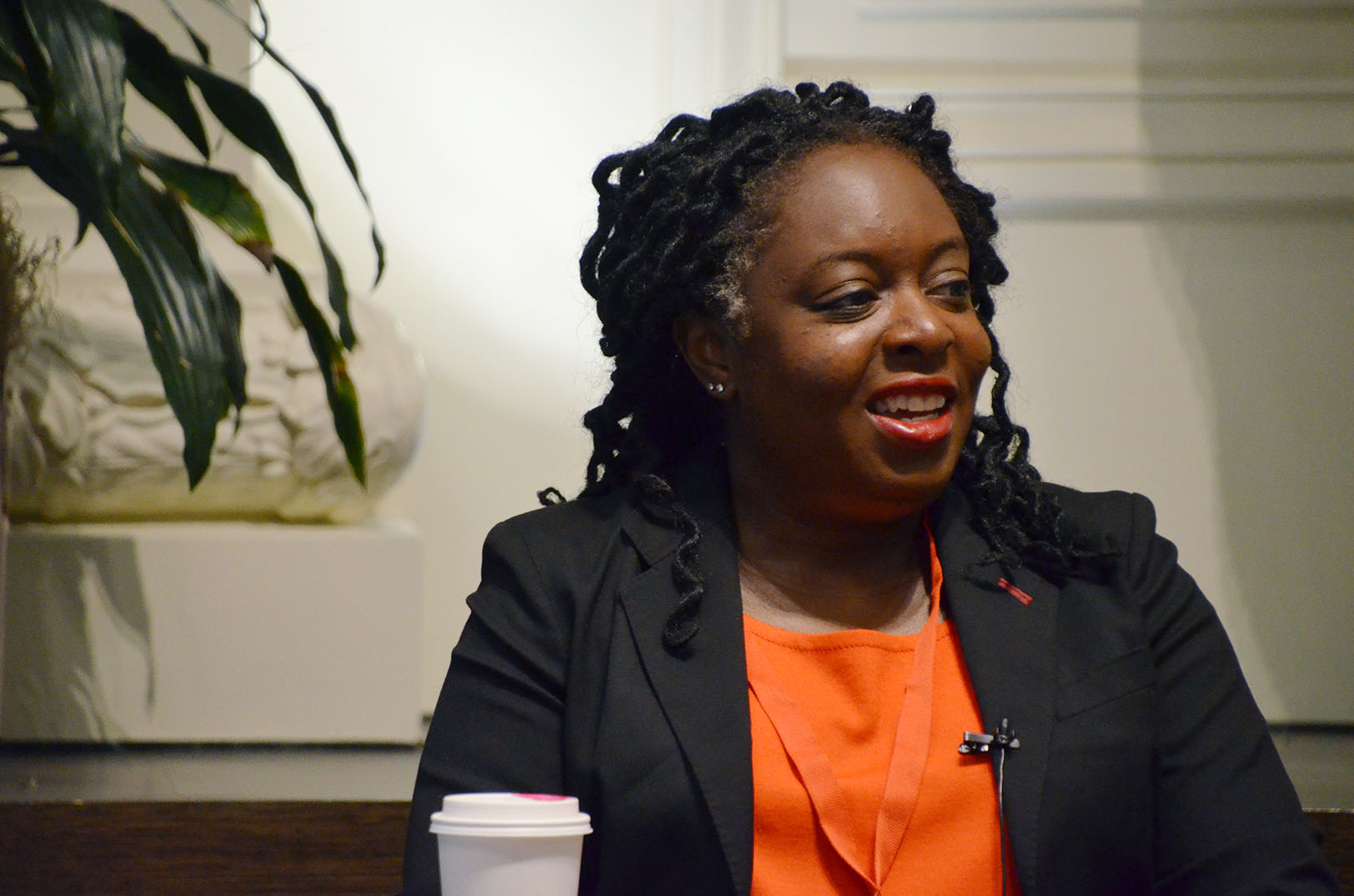
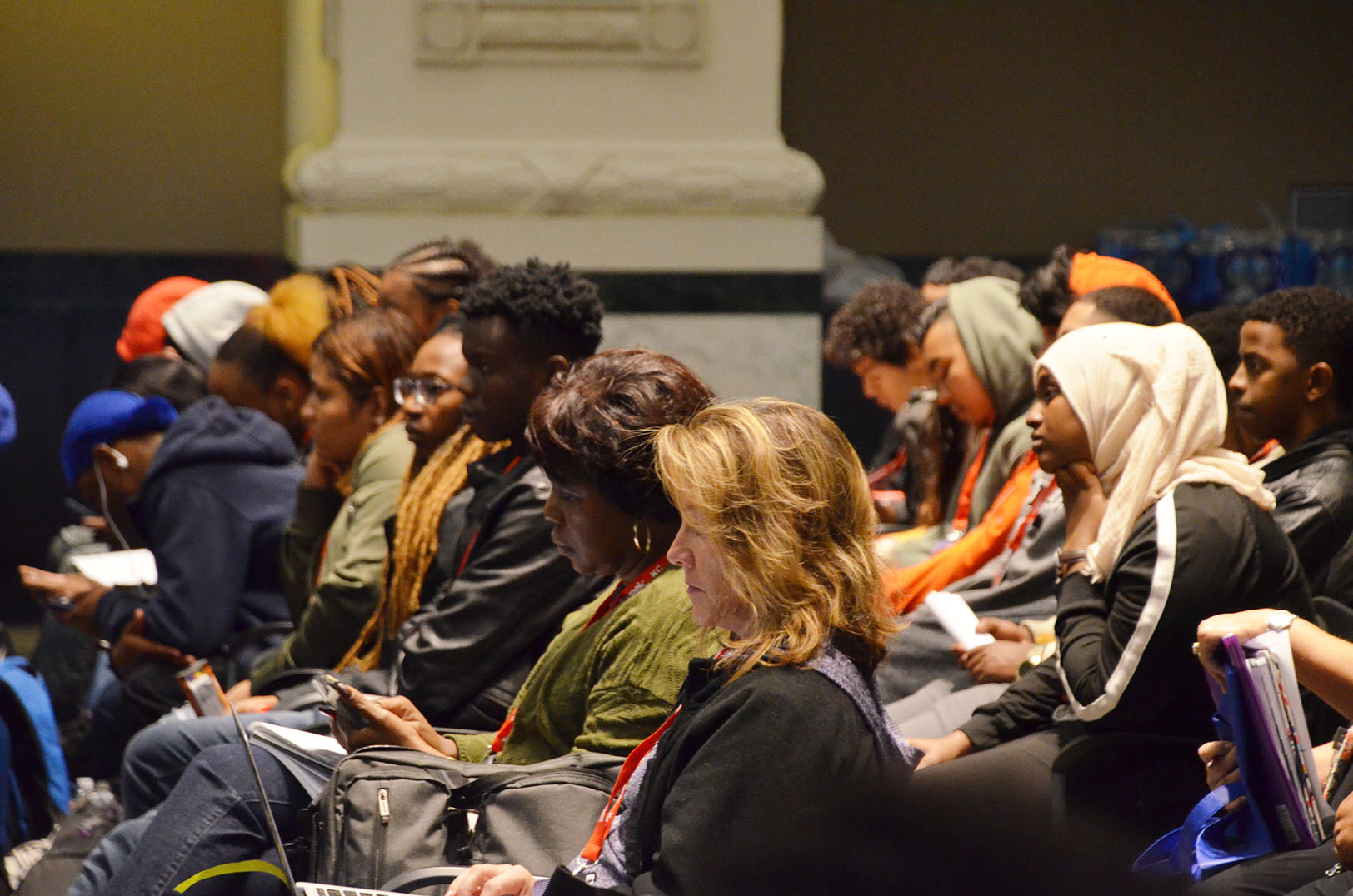
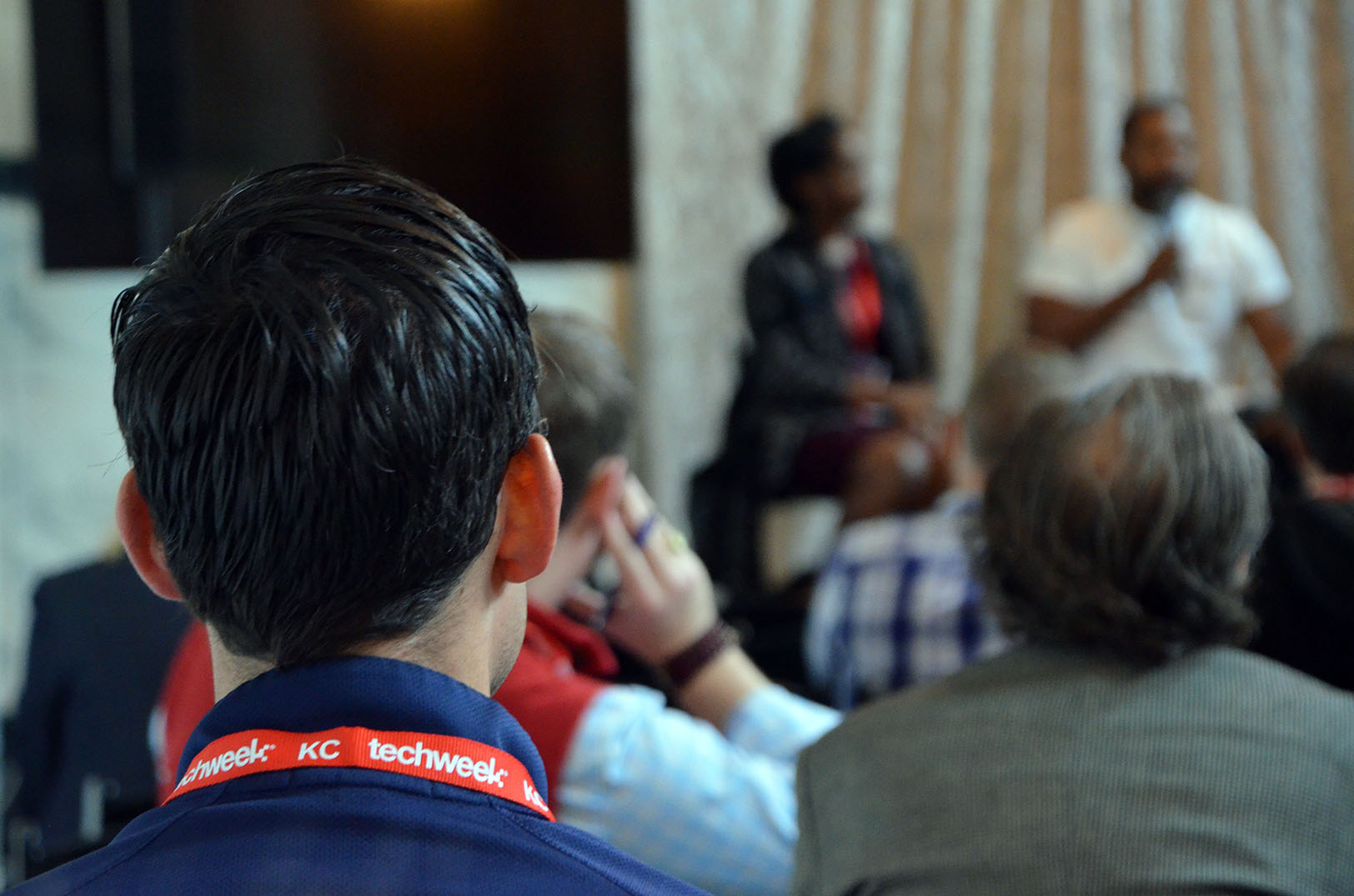
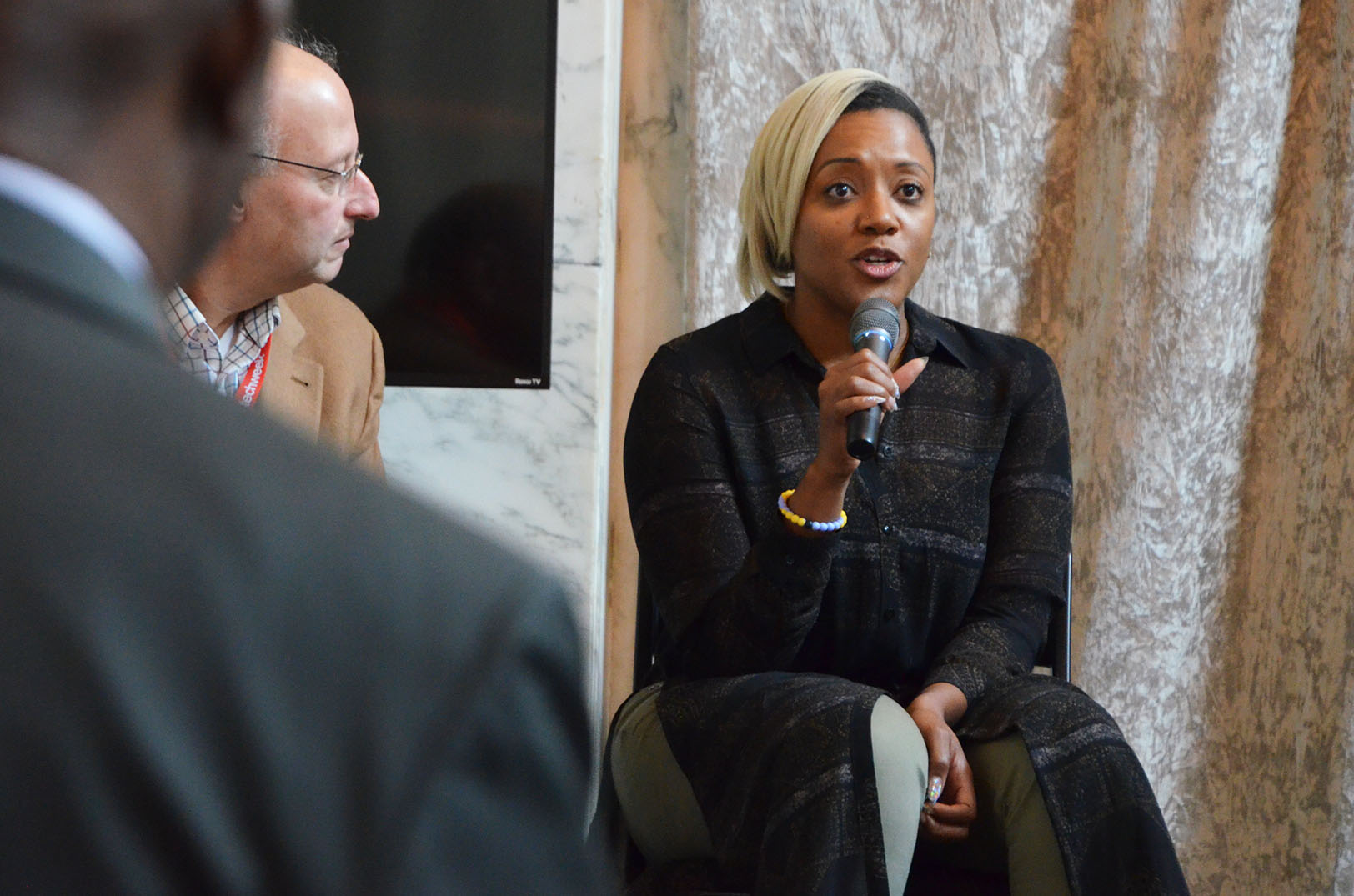
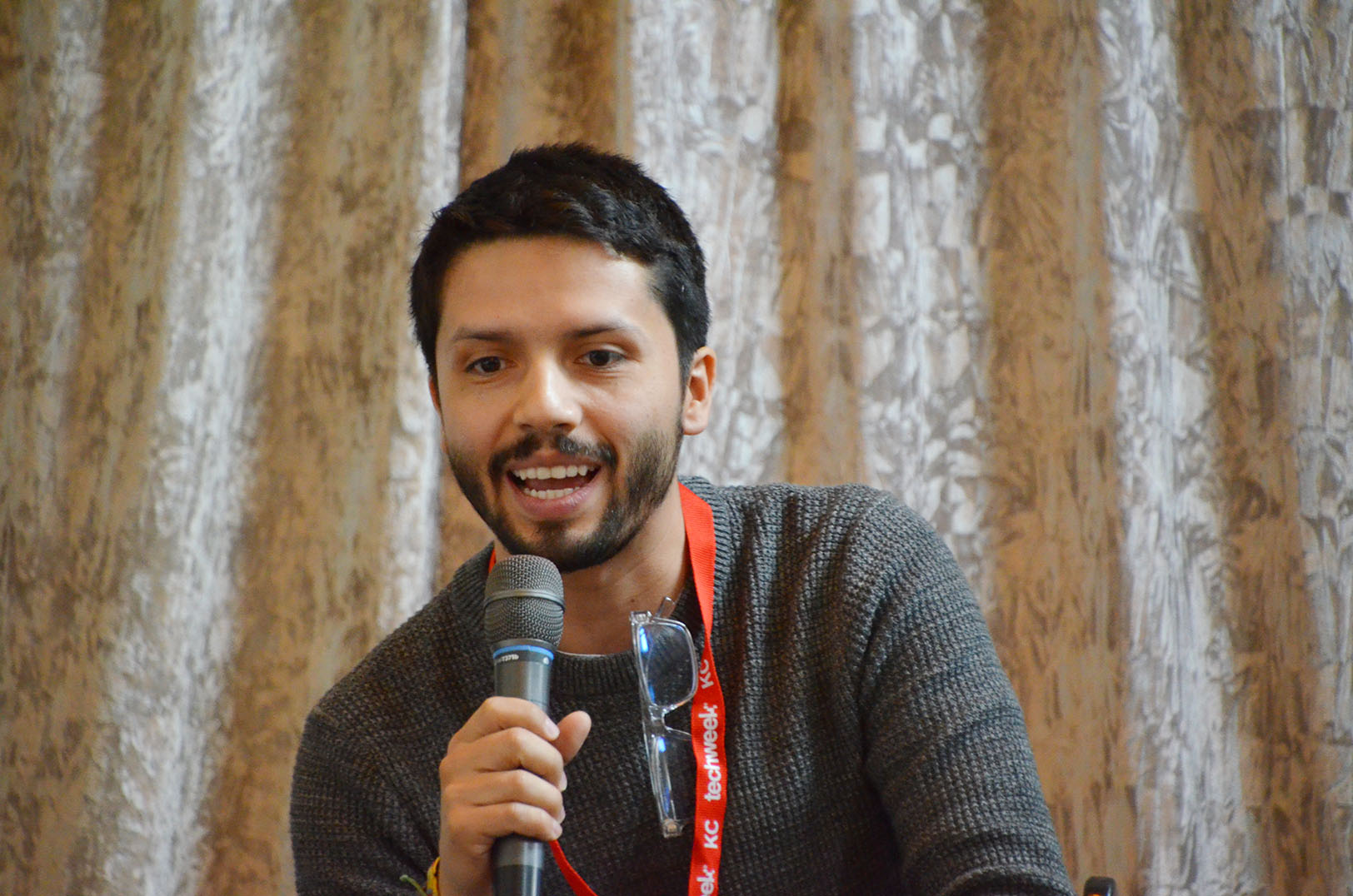
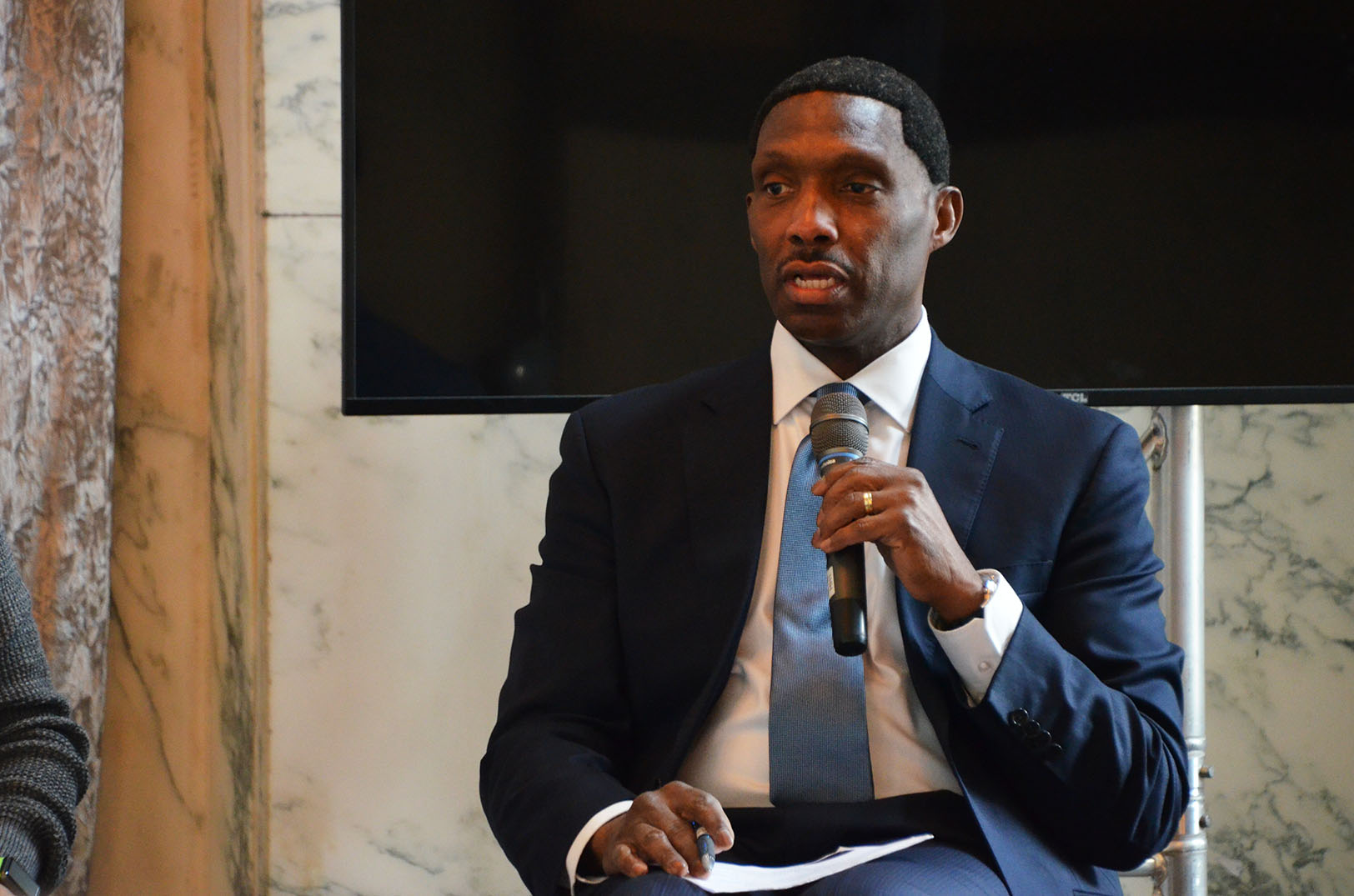
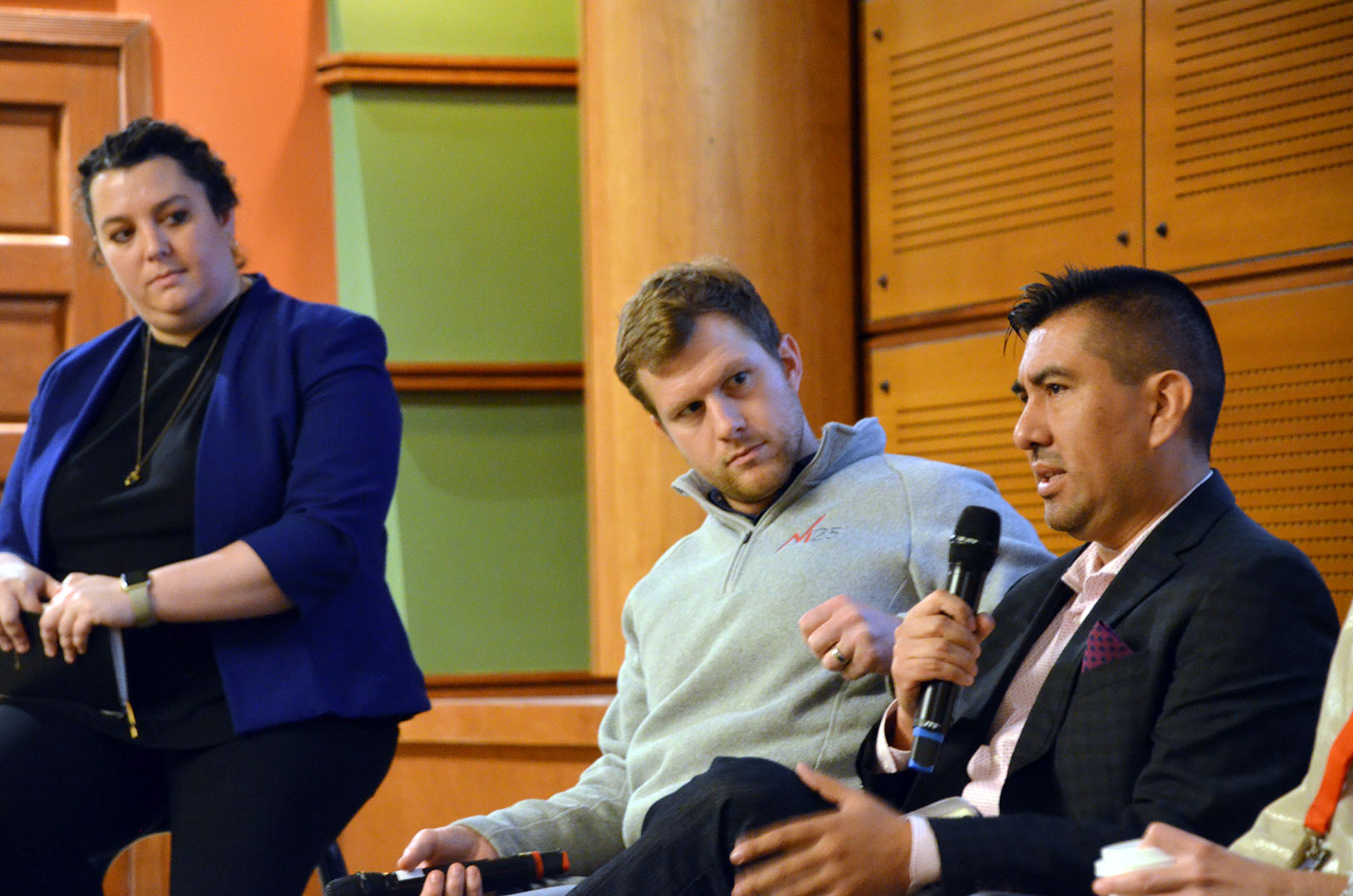
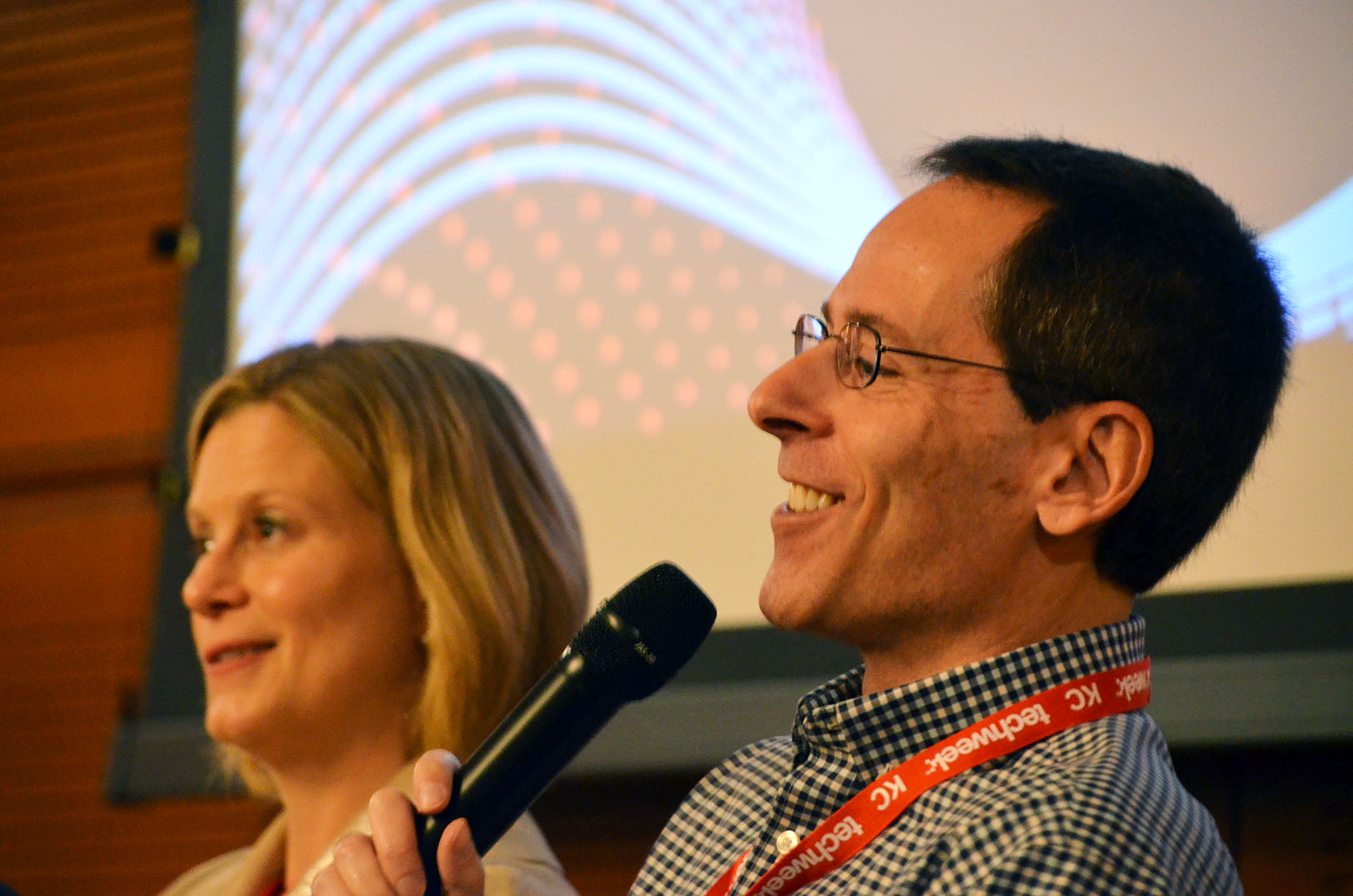
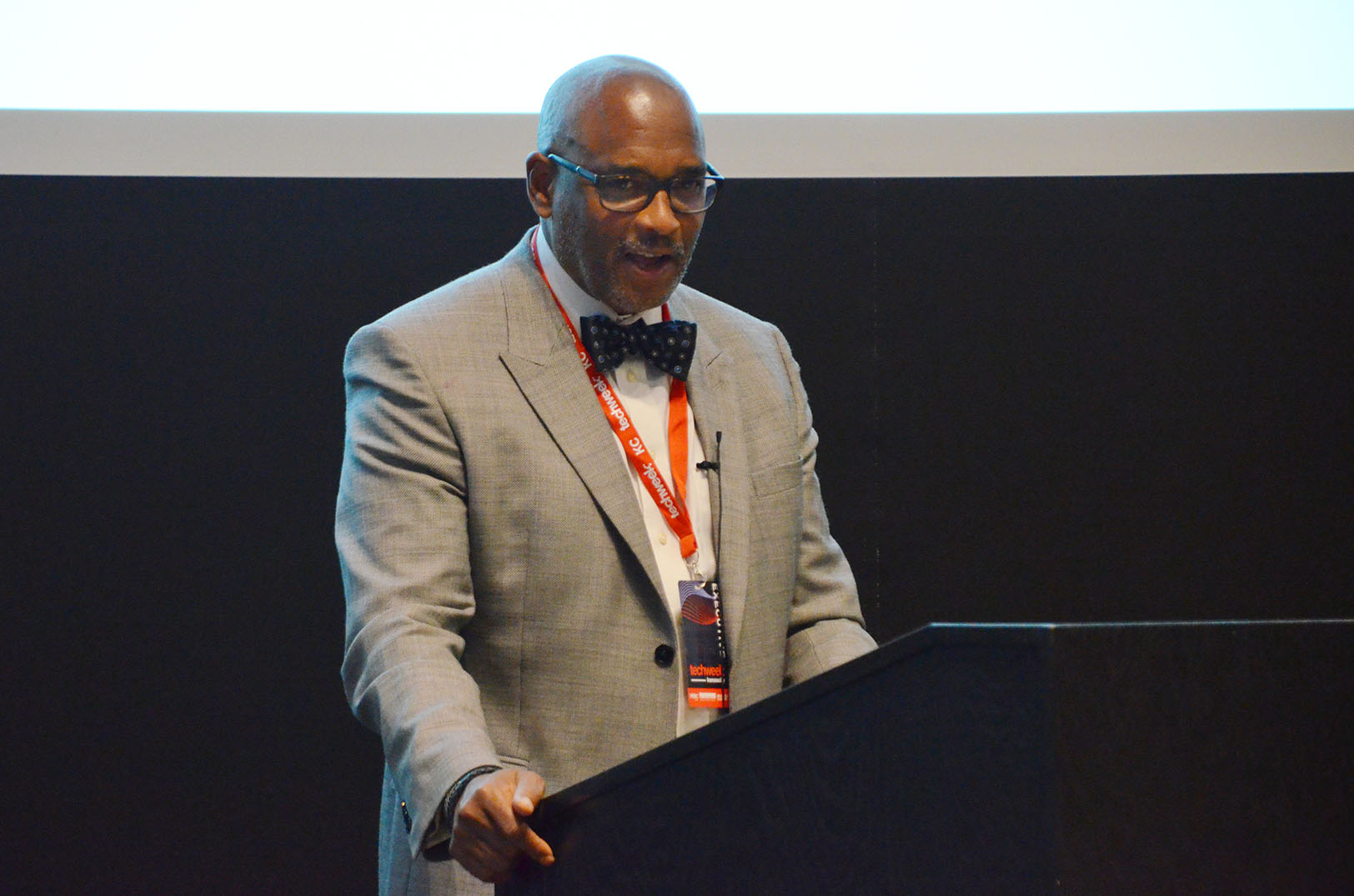
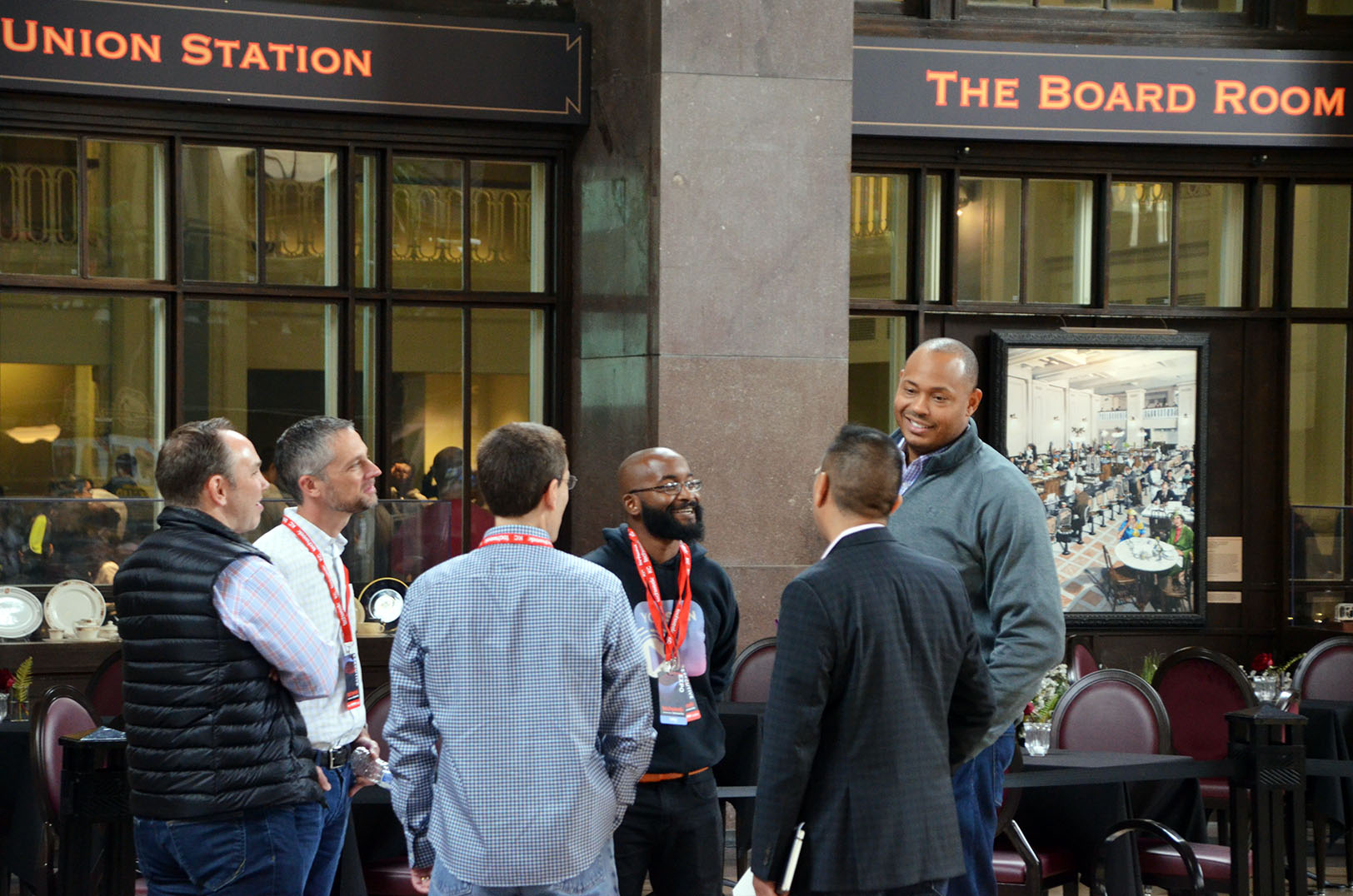
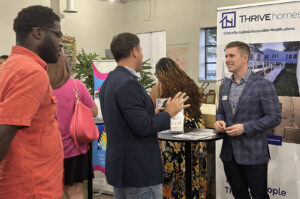
Check out photos from Wednesday’s Techweek events below.

Featured Business

2018 Startups to Watch
stats here
Related Posts on Startland News
How one KC startup studio helps feel-good ventures grow impact while actually making money
Running a social venture comes with an inherent challenge for founders, shared Jacqueline Erickson Russell, emphasizing they must balance purpose and profit. Social Venture Studio — powered by LaunchKC — offers support along that journey, added Erickson Russell, the founder and CEO of Social Impact Advising Group and consultant for the Kansas City-based program. “Complex…

This hard swap plays easy: How one KC producer juggles community, breaking the club music cookie cutter
Tyler Jordan’s new spin on DJing: amplify fellow artists and unite people through music, he shared. Jordan — who produces electronic music and DJs under the name Oblivinatti (a mashup of his favorite video game growing up, The Elder Scrolls: Oblivion, and his interest in conspiracy theories) — is evolving his sound production business Vibration…

Art and technology too often butt heads, festival planners say; River Market event paints a reality where they coexist
The River Market Art Festival is back after a 20-year hiatus — with a nod to the past and an eye toward the future, shared The AI Hub’s Taylor Burris and James Spikes, startup founders who are hosting the event in partnership with the River Market Community Association. The revival of the art festival —…
PayIt co-founder: No one-size-fits-all formula for scaling one of KC biggest startup ideas
Mike Plunkett’s journey with PayIt came to an early, but critical crossroads when a wealthy entrepreneur offered half-million dollars to support the Kansas City-built govtech venture, he recalled. The catch: this investor insisted on imposing control and veto power as they committed more funds. Despite being low on funds, the PayIt team — led by…