

Be fearlessly honest about diversity gap, Atlanta expert tells KC Techweek panelists (Photos)
October 11, 2018 | Tommy Felts
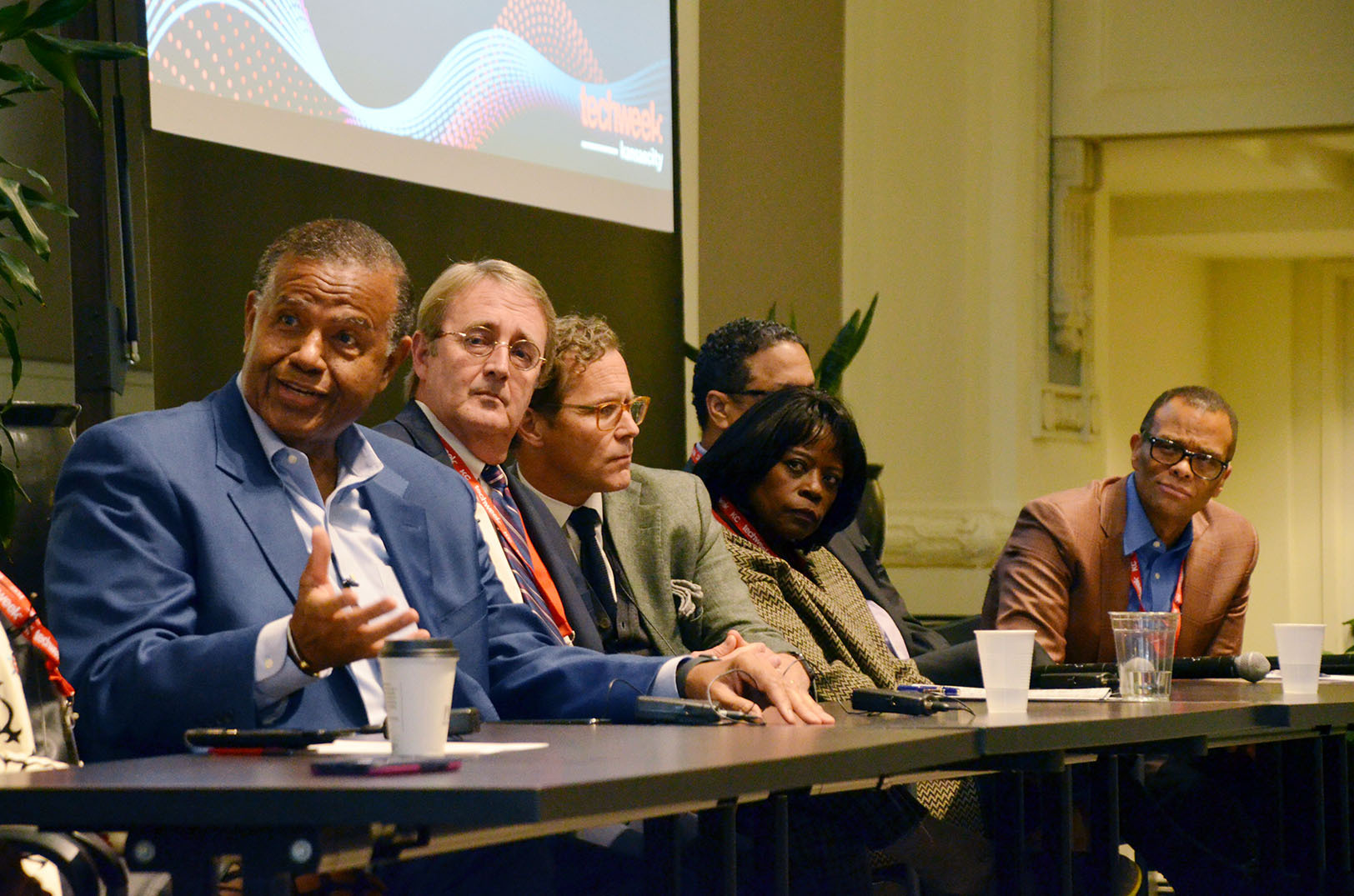
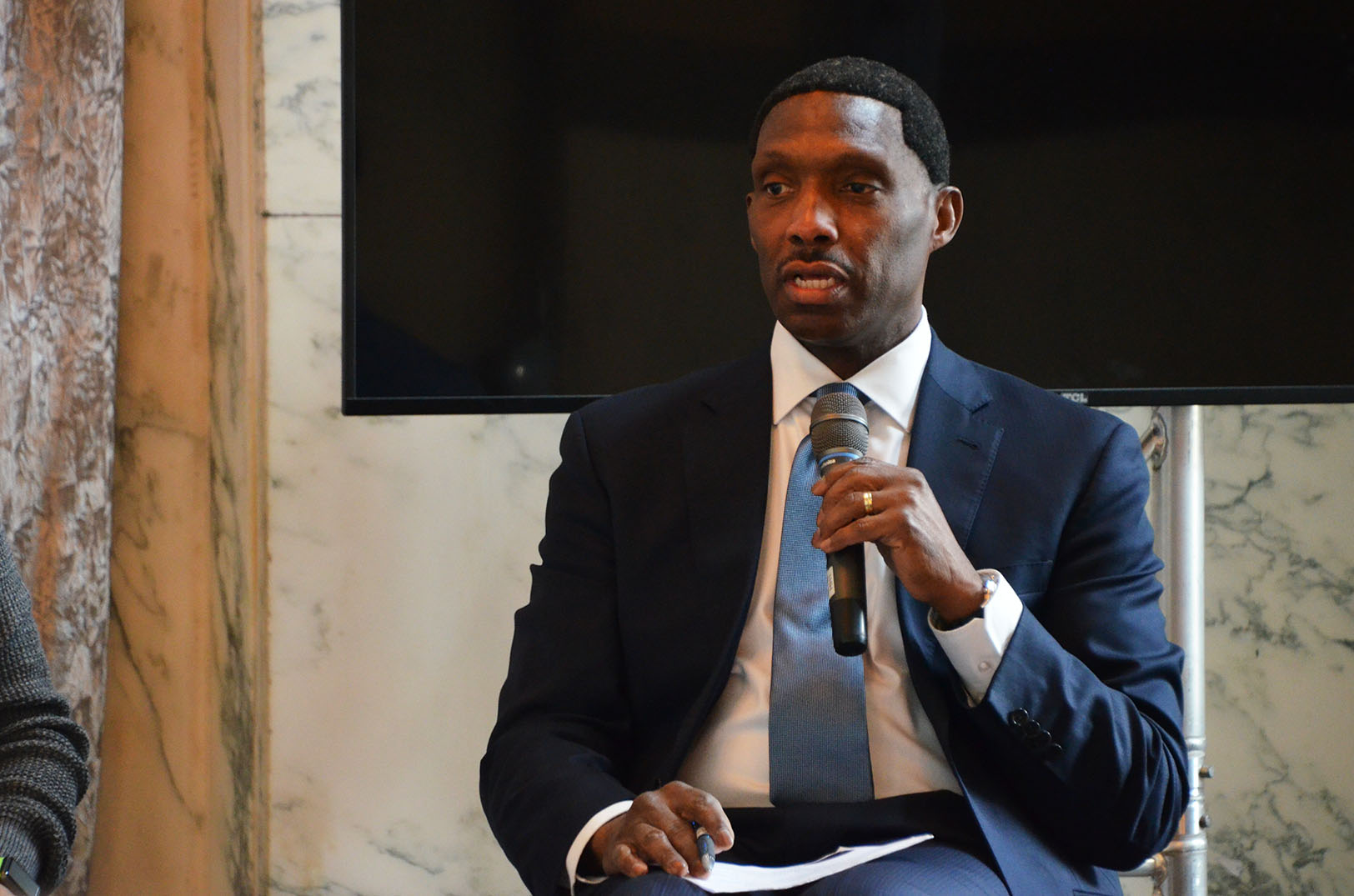
Building an inclusive startup community begins with being unafraid to directly state the problem — a diversity gap — free of coded language related to race and gender, said Rodney Sampson.

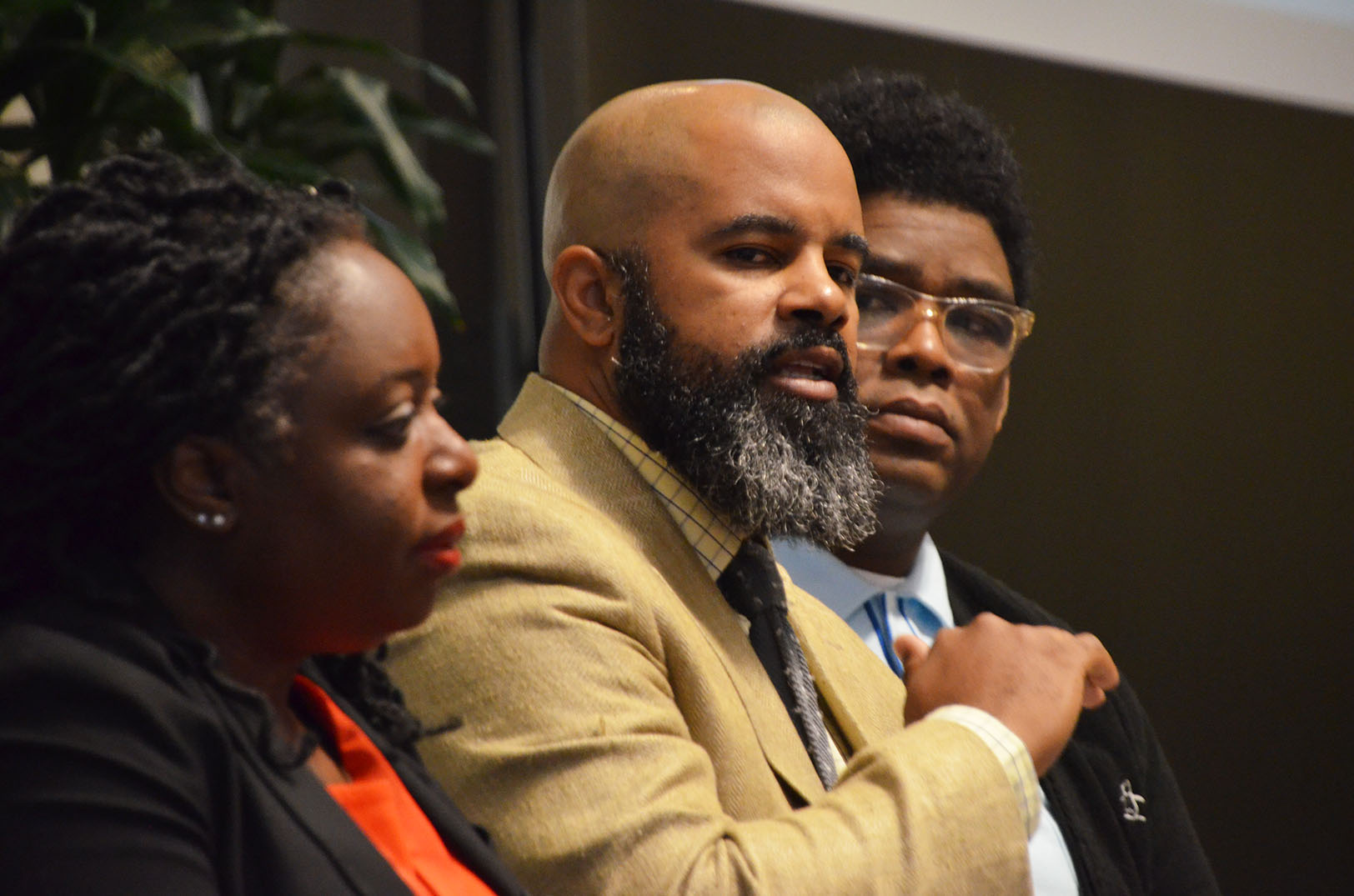
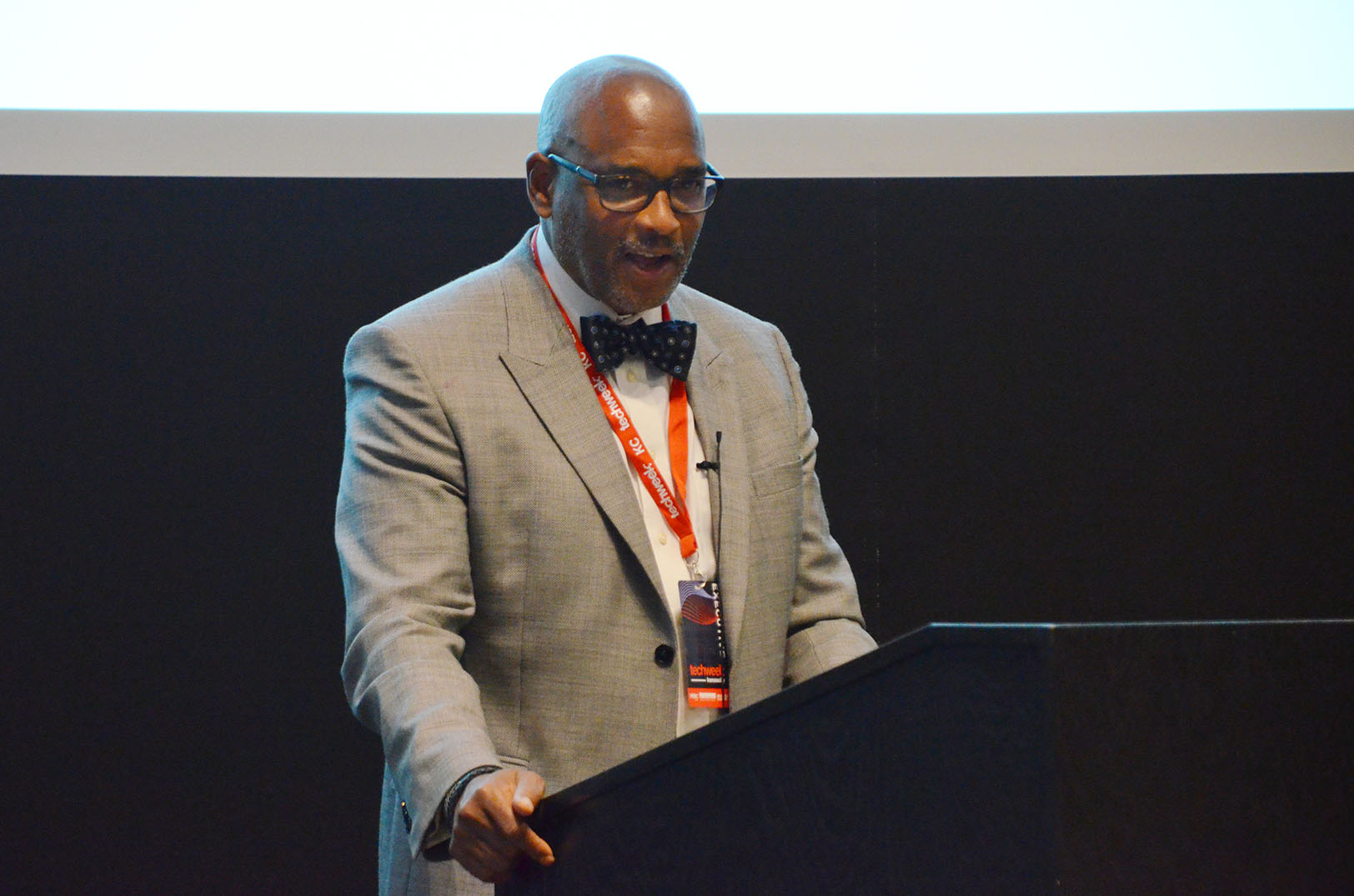
Rodney Sampson, Opportunity Hub
“I am unapologetically about being ‘color-brave’ and ‘race-brave’ — rather than being ‘color blind’ — because when you say ‘color blind,’ you’re saying you don’t see me,” said Sampson, chairman and CEO of Opportunity Hub in Atlanta. “You don’t see everything I bring to the table. You don’t see the pain and the struggle.”
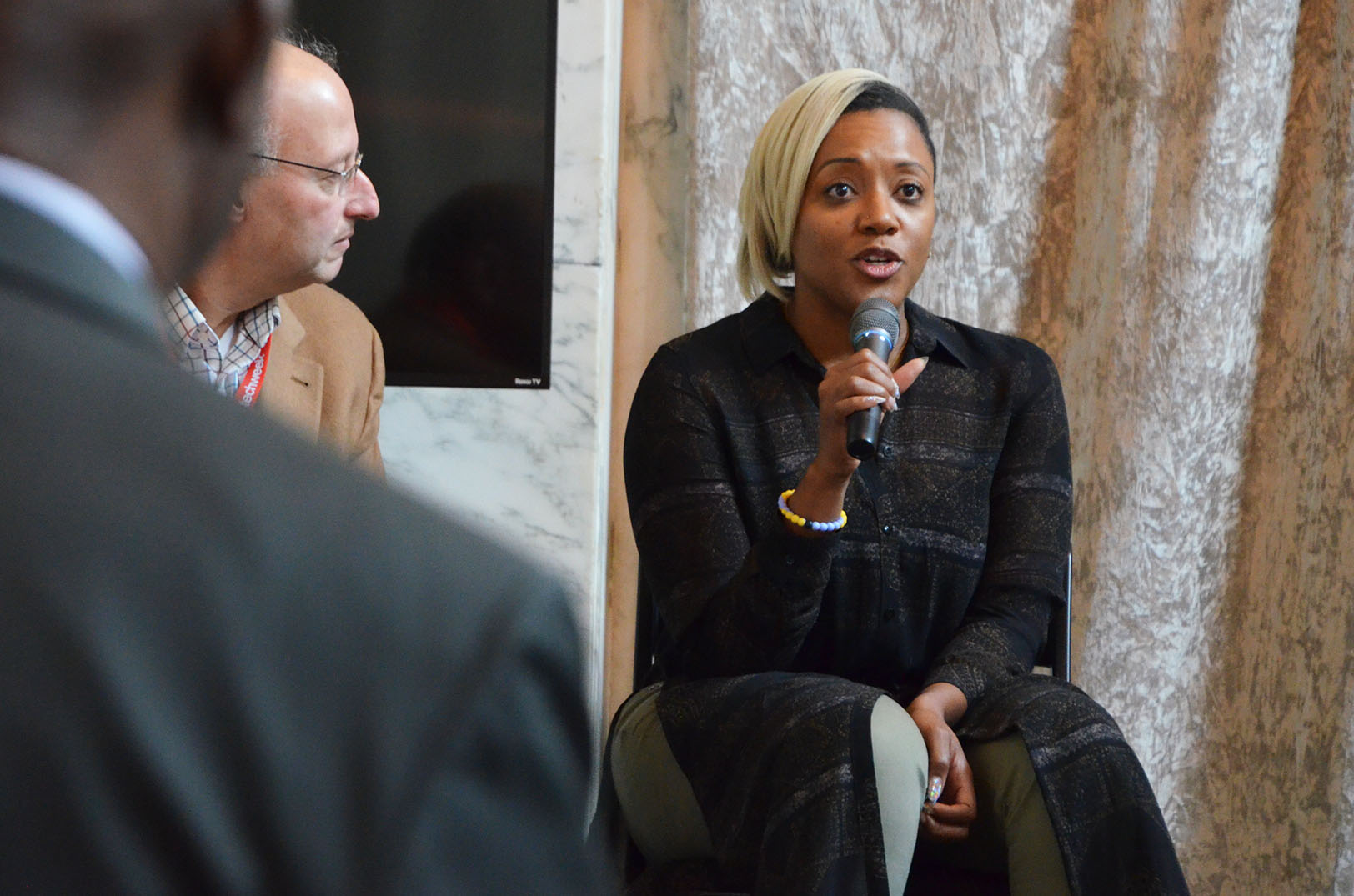
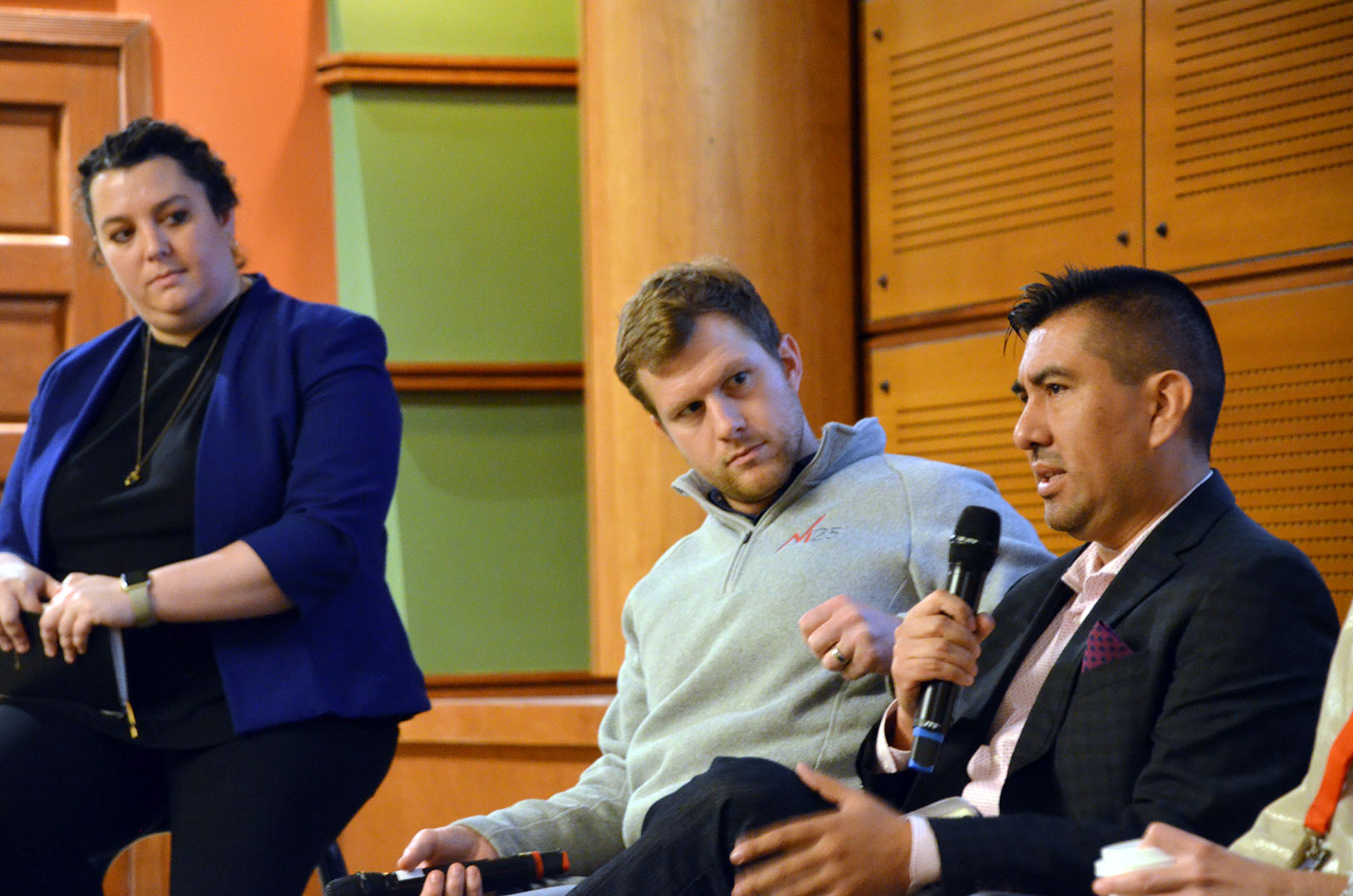
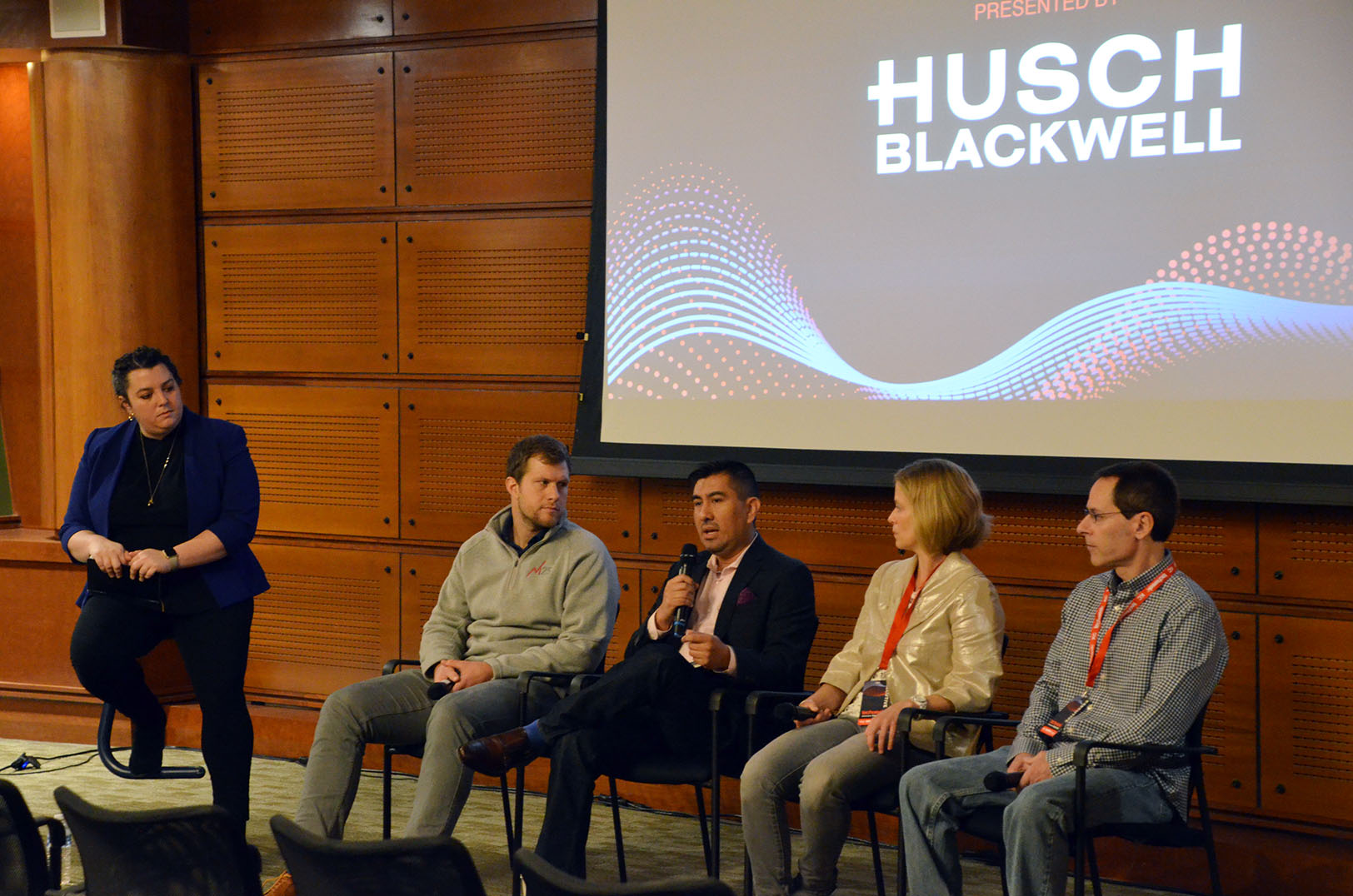
A panel of Kansas City leaders turned to Sampson Wednesday at Techweek during a conversation about bridging the inclusivity gap, seeking to learn how locals can potentially replicate the success of his social venture in Atlanta. Heavy-hitter panelists ranged from Philip Gaskin, director of entrepreneurial communities and chief of staff for entrepreneurship at the Ewing Marion Kauffman Foundation, to Leo Morton, chancellor emeritus at the University of Missouri-Kansas City.
“Data has shown it dramatically increases return on investment when you have women and people of color at the table,” Sampson said.
Opportunity Hub, the largest multi-campus entrepreneurship center and technology hub in the U.S., reflects Sampson’s commitment to “Kingonomics” — taking the economic principles of Dr. Martin Luther King Jr. to build an inclusive innovation and investment model to address poverty and the wealth gap.
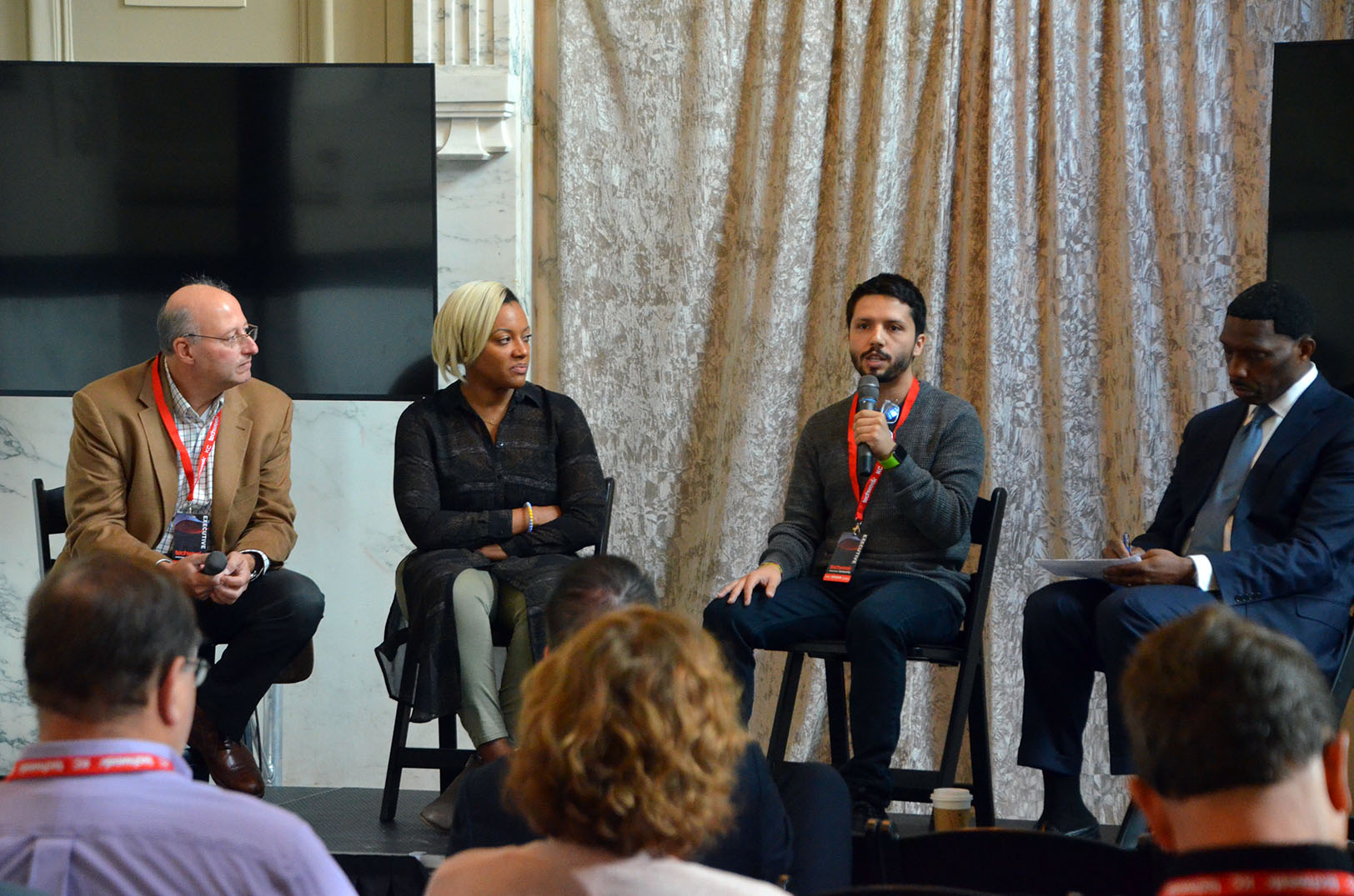
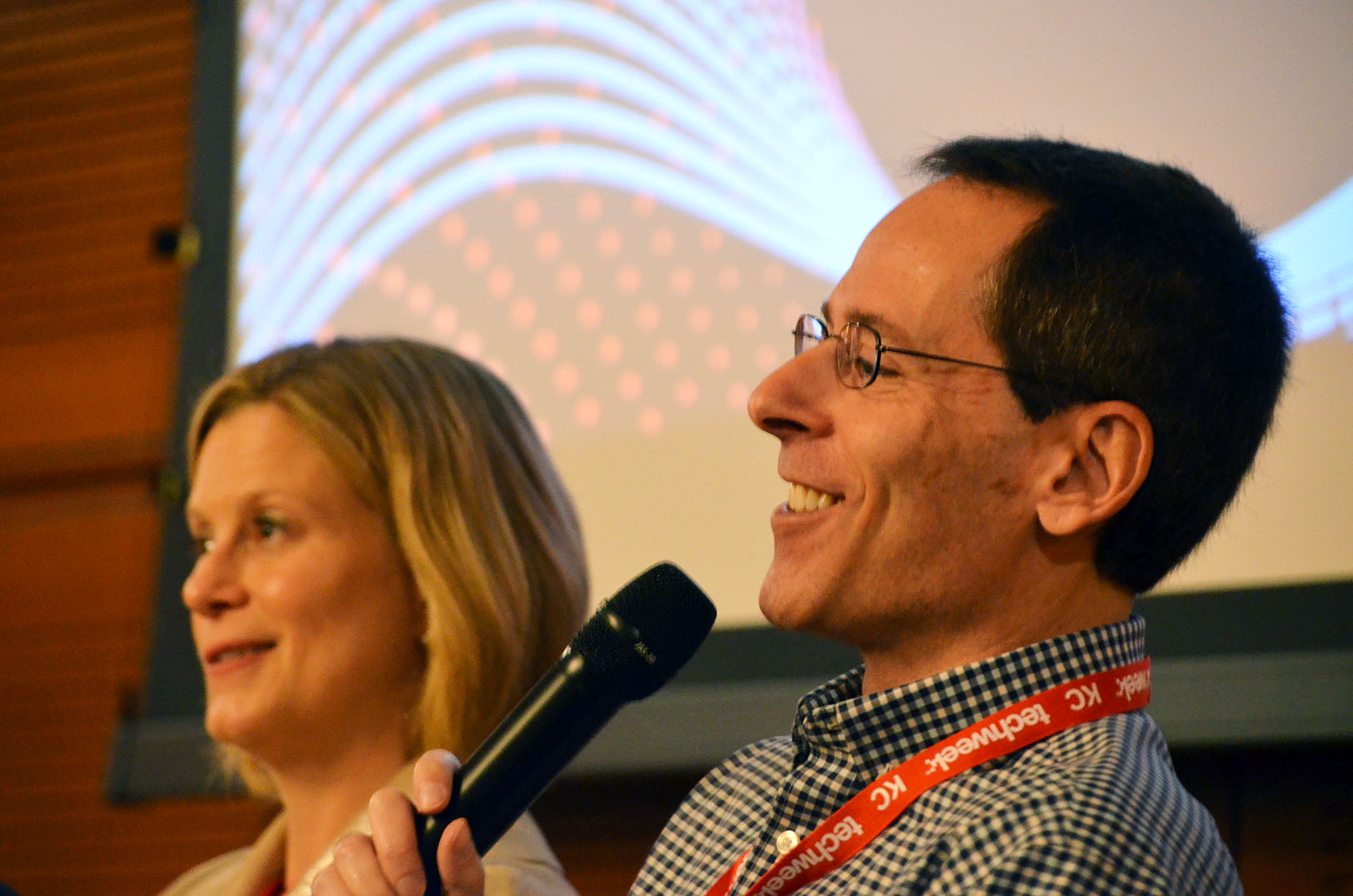
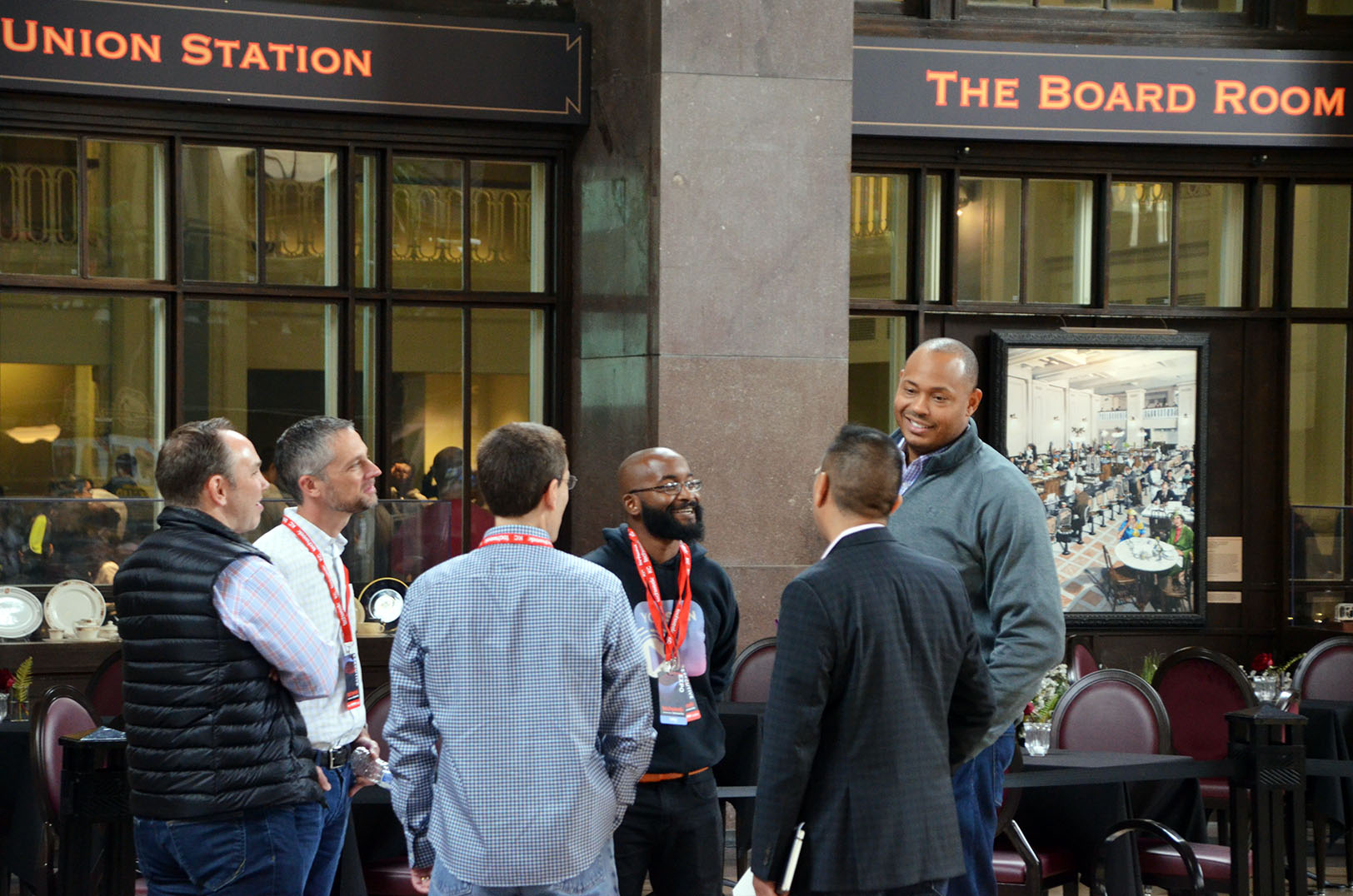
Bob Langenkamp, Economic Development Corporation of Kansas City, Missouri
Programs like CodeStart, #YesWeCodeFund, #100BlackAngels and HBCU@SXSW resulted from community input about the services Atlanta needed Opportunity Hub to provide, Sampson said.
“There was a sense of urgency,” he said. “People wanted a safe space to learn code, to work on their business, write a business plan, build their tech.”
In late 2015, Opportunity Hub merged its coworking operations with TechSquare Labs, a corporate innovation lab and venture fund that has invested in more than 30 companies that have raised more than $300 million in follow on capital, are valued at more than $1 billion dollars, generate $75 million in annual recurring revenue and growing and employ nearly 1,000 people, according to the company.
“We joke that around the city, and around the country, we’re known as ‘the black WeWork,’” Sampson said. “We don’t want blacks only, by the way, we just have that market and we attracted people that we wanted to help change their lives.”
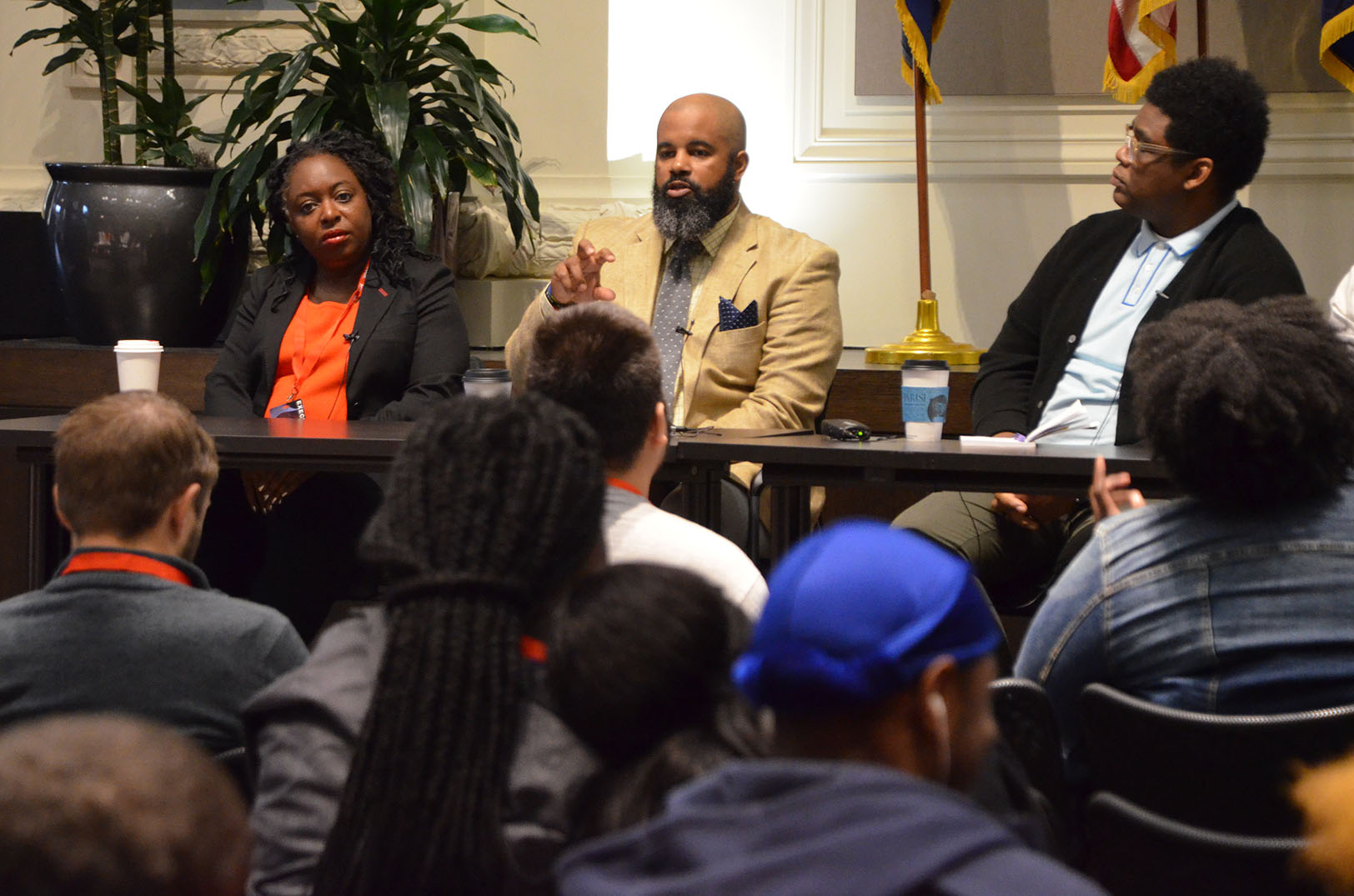
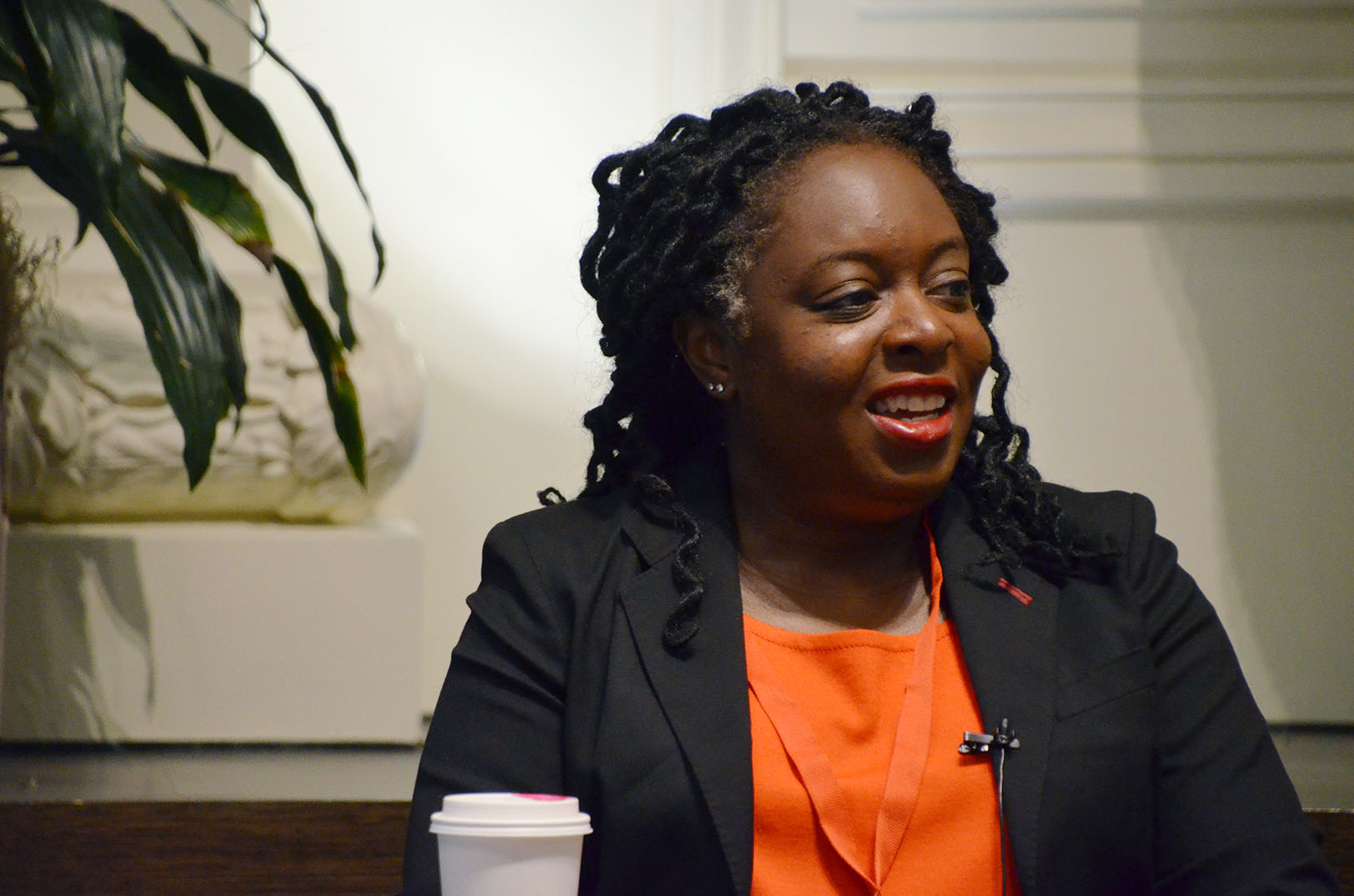
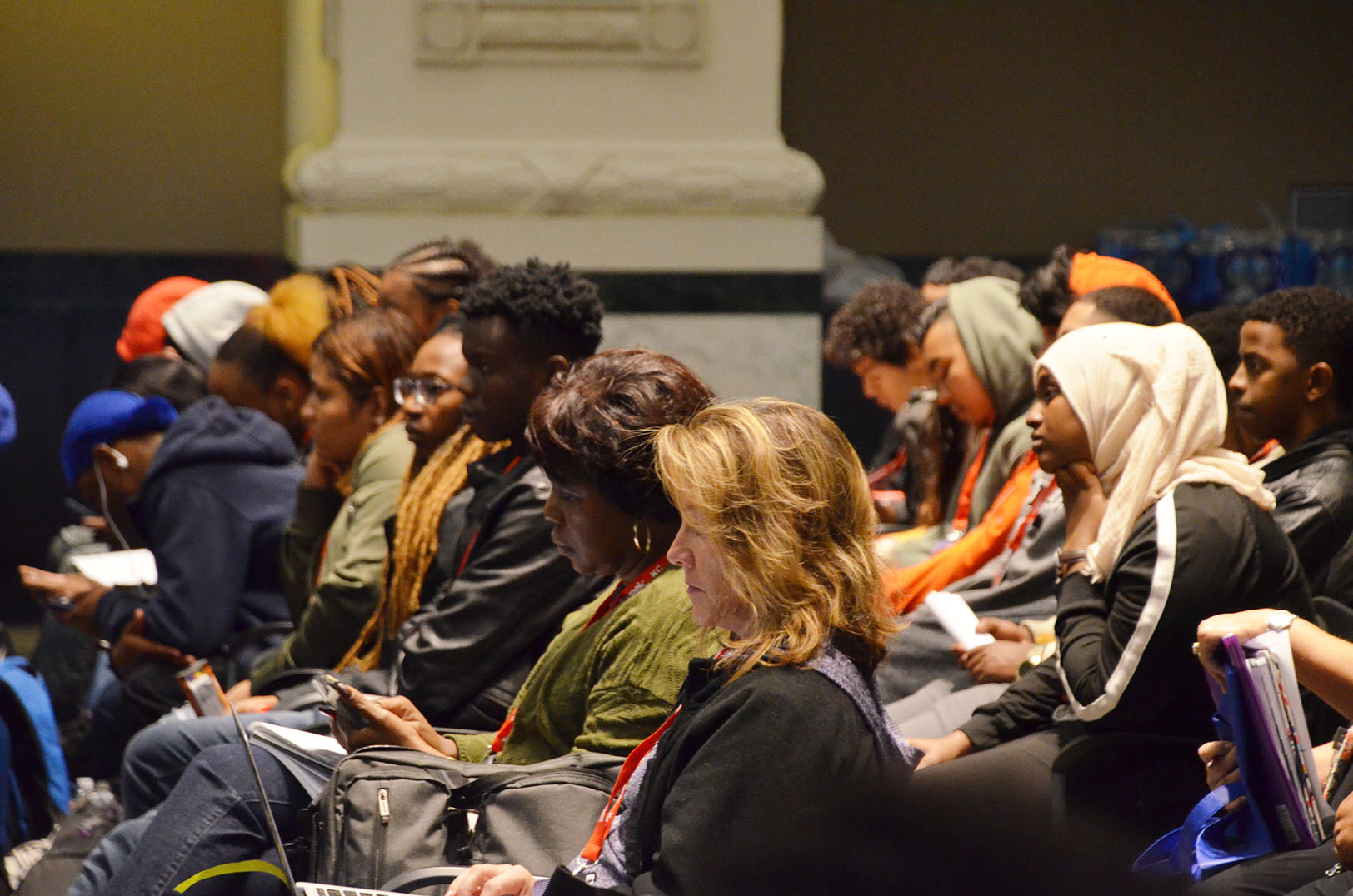
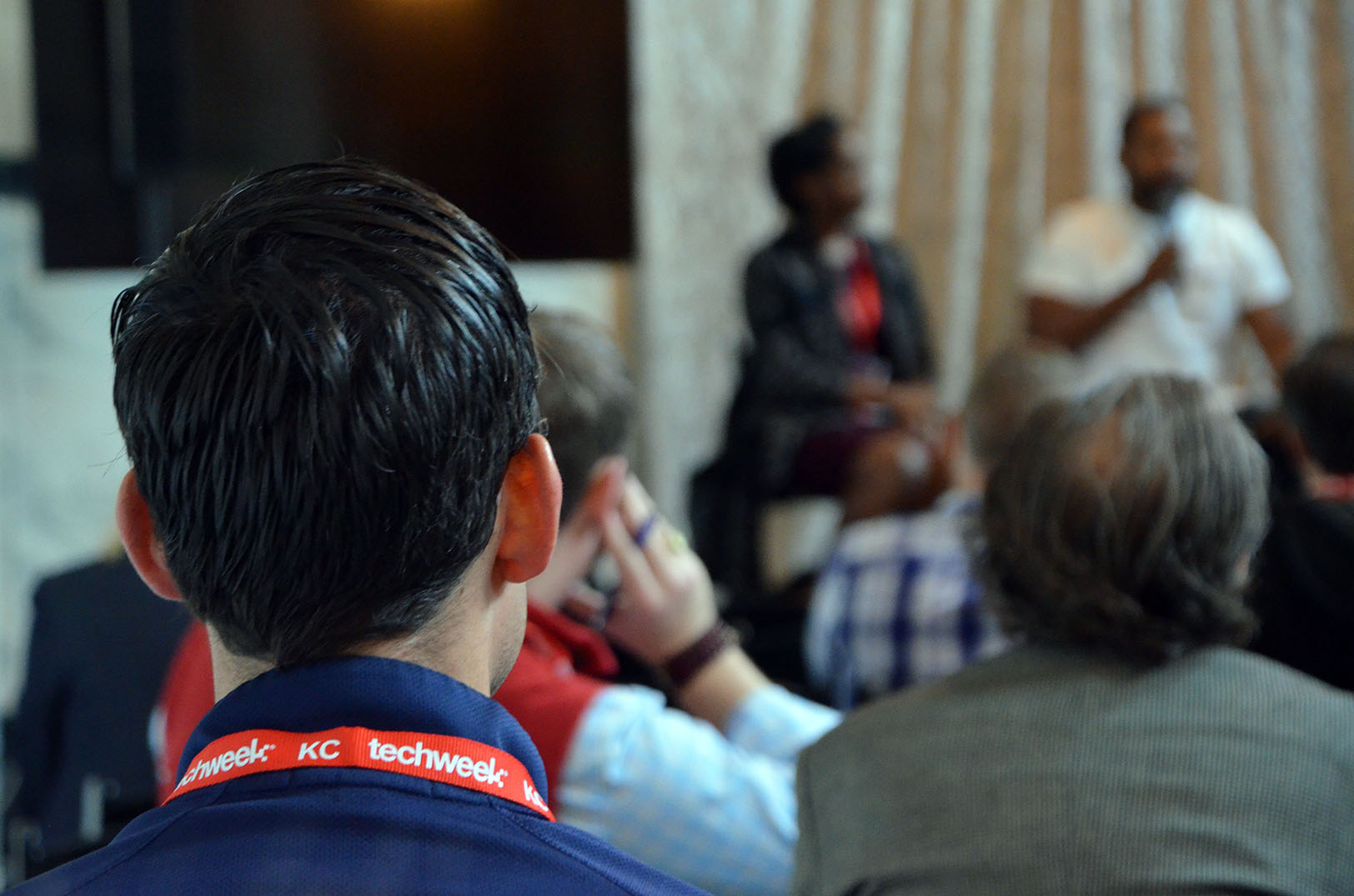
Check out photos from Wednesday’s Techweek events below.


Featured Business

2018 Startups to Watch
stats here
Related Posts on Startland News

Chingu founders, Mean Mule partner for KC’s first soju — a Korean nod to vodka, distilled with culture
Serial foodpreneurs Keeyoung Kim and David Son are launching the Midwest’s first locally distilled premium soju — a pays homage to the traditions of soju, but embraces a new era of cocktail culture. Through a partnership with Mean Mule Distilling Co., the first release of Chingu Soju will be just 15-20 cases of the product. …
WeCode KC, high school partner to launch cybersecurity program for students
A new program from an expanding Kansas City nonprofit plans to expose high school students to job readiness and life skills that prepare them for careers in cybersecurity, right out of high school. WeCode KC, which promotes tech education and creating sustainable career pathways, recently announced a partnership with KIPP Legacy High School to introduce…
WeWork closing Corrigan Station, once a core hub for Kansas City’s startup community
Coworking giant WeWork on Thursday confirmed the planned closure of its Corrigan Station location in Kansas City — a space once closely intertwined with the local startup scene and its flourishing culture of innovation. “As part of WeWork’s strategic restructuring efforts, we have made the difficult decision to end our operations at Corrigan Station,” a…
Starting a business in KCMO is too expensive, study says; here’s how the city can cut those costs
Entrepreneurs in Kansas City, Missouri, face a higher cost of entry to the world of small business than their peers in St. Louis — or even just across the state line in Kansas City, Kansas, said Jennifer McDonald. “We look at things like how expensive it is to start a business, how complicated it is,…