

Be fearlessly honest about diversity gap, Atlanta expert tells KC Techweek panelists (Photos)
October 11, 2018 | Tommy Felts

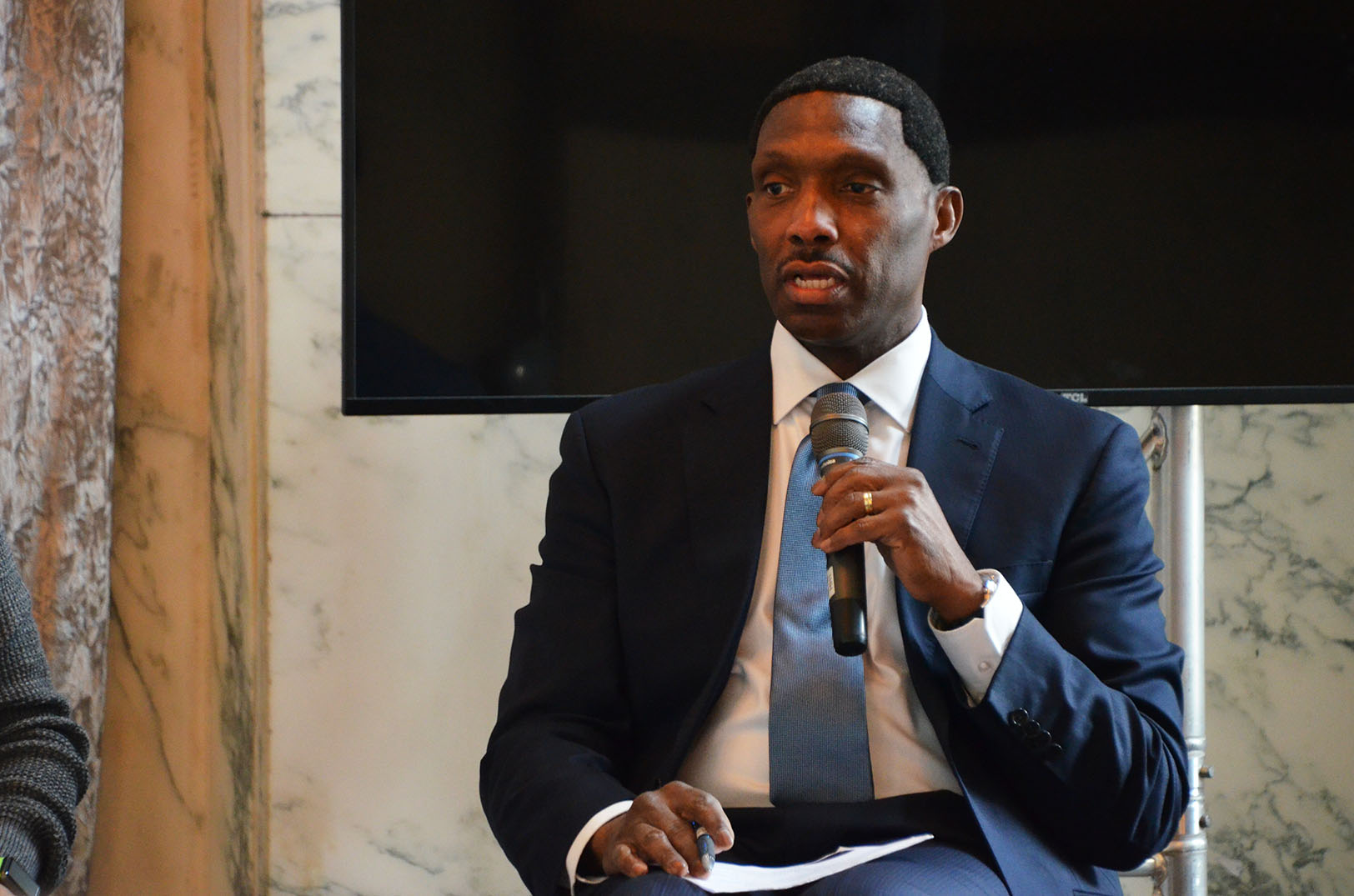
Building an inclusive startup community begins with being unafraid to directly state the problem — a diversity gap — free of coded language related to race and gender, said Rodney Sampson.

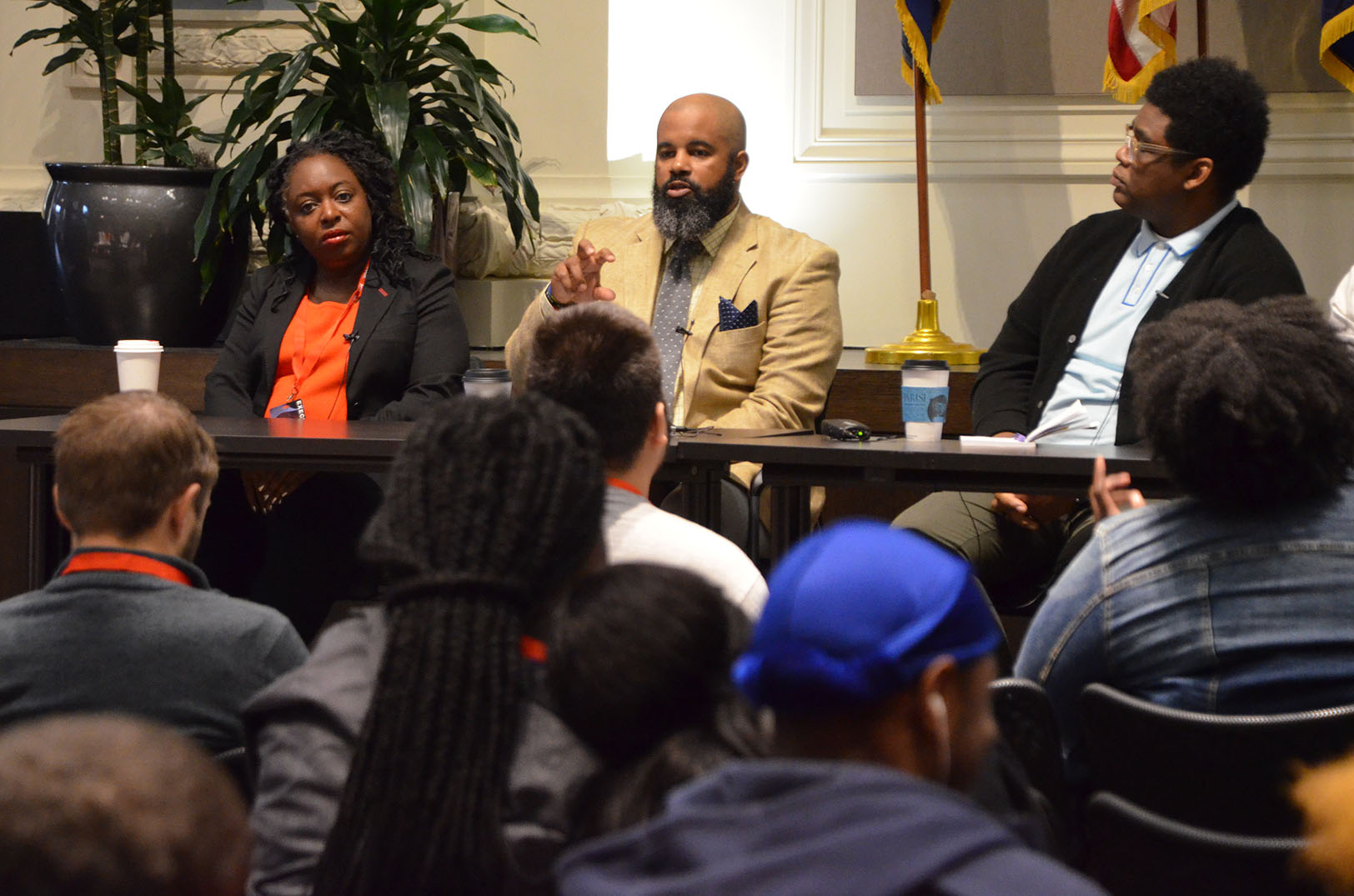
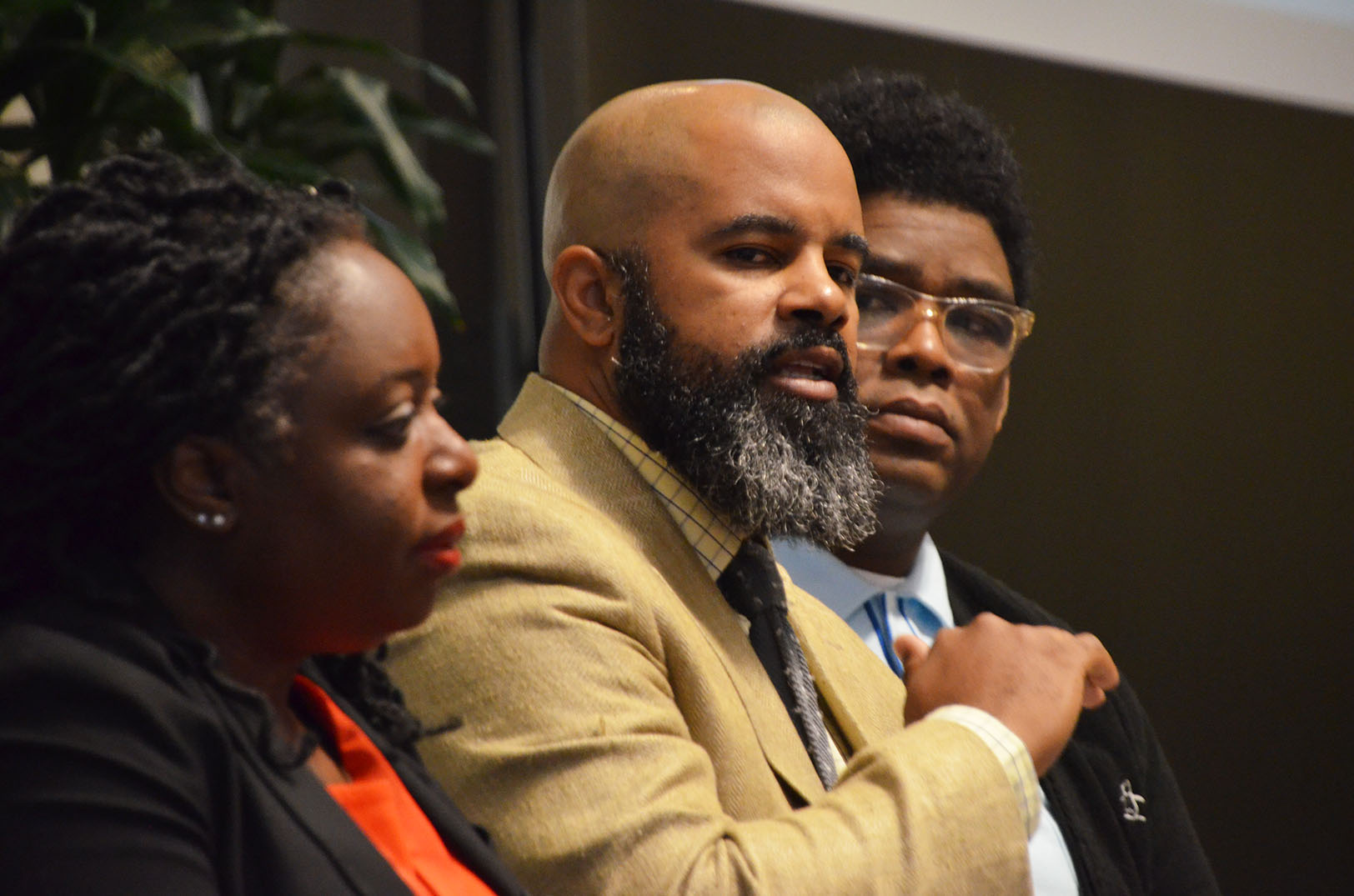
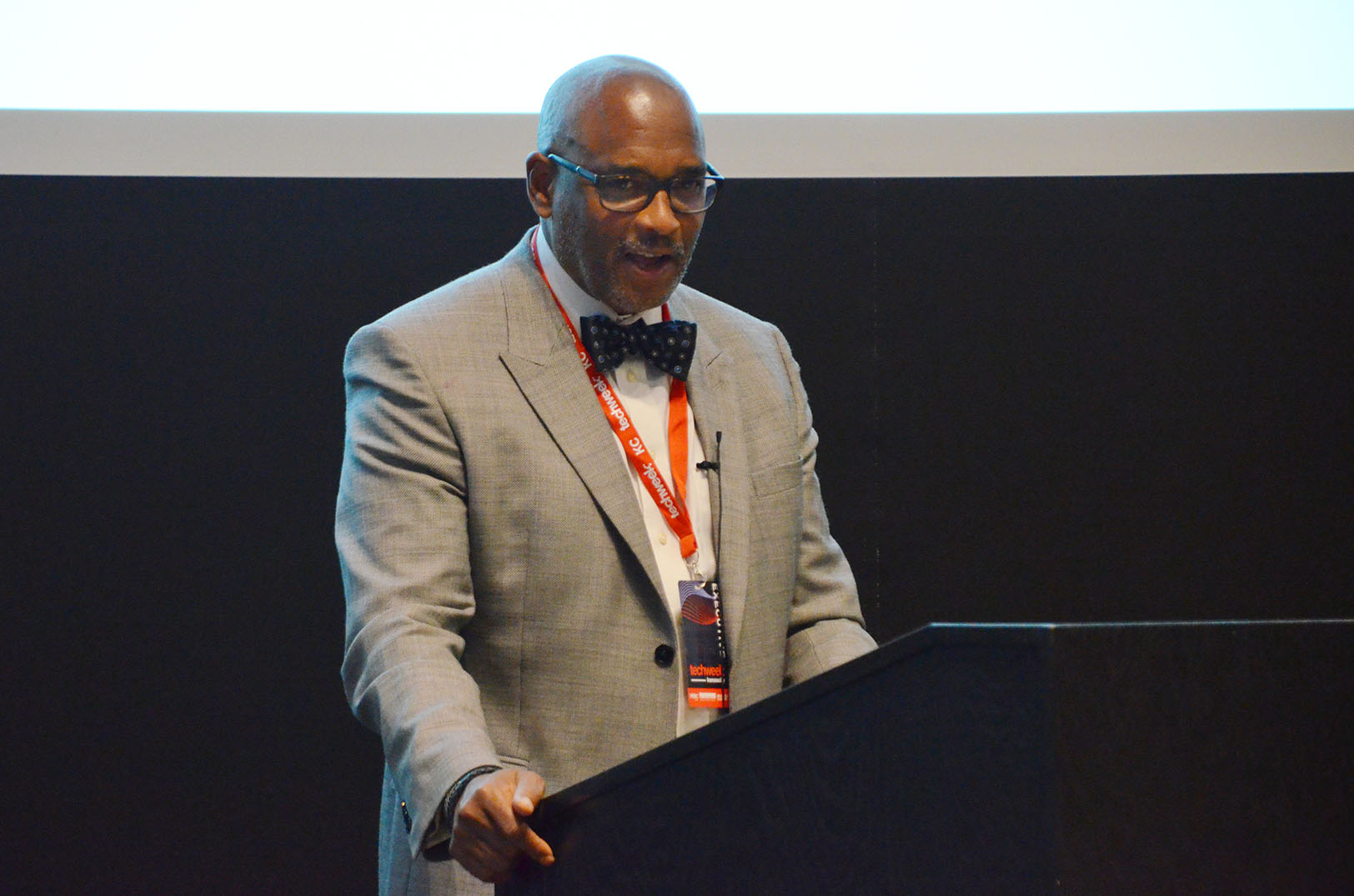
Rodney Sampson, Opportunity Hub
“I am unapologetically about being ‘color-brave’ and ‘race-brave’ — rather than being ‘color blind’ — because when you say ‘color blind,’ you’re saying you don’t see me,” said Sampson, chairman and CEO of Opportunity Hub in Atlanta. “You don’t see everything I bring to the table. You don’t see the pain and the struggle.”
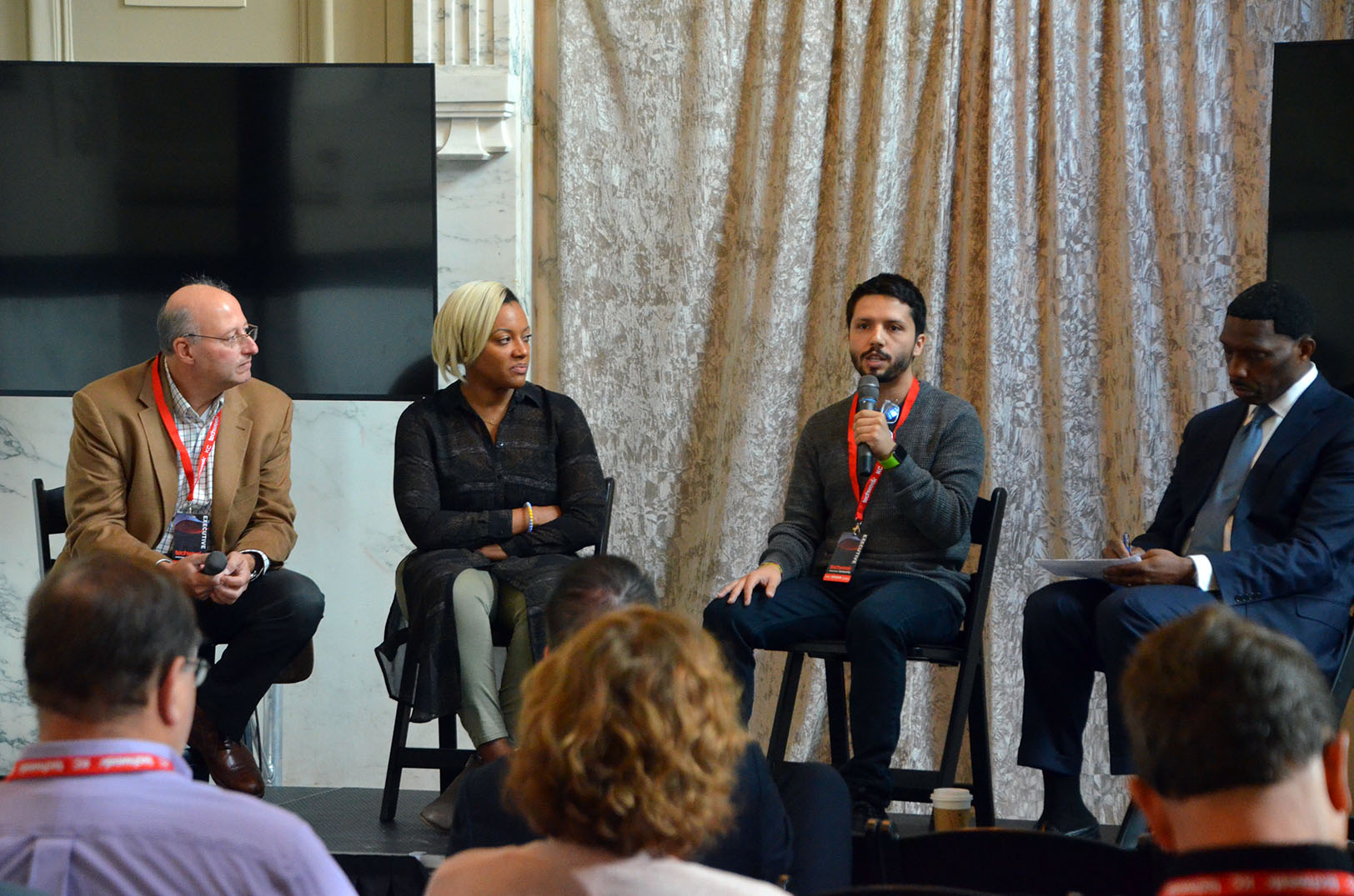
A panel of Kansas City leaders turned to Sampson Wednesday at Techweek during a conversation about bridging the inclusivity gap, seeking to learn how locals can potentially replicate the success of his social venture in Atlanta. Heavy-hitter panelists ranged from Philip Gaskin, director of entrepreneurial communities and chief of staff for entrepreneurship at the Ewing Marion Kauffman Foundation, to Leo Morton, chancellor emeritus at the University of Missouri-Kansas City.
“Data has shown it dramatically increases return on investment when you have women and people of color at the table,” Sampson said.
Opportunity Hub, the largest multi-campus entrepreneurship center and technology hub in the U.S., reflects Sampson’s commitment to “Kingonomics” — taking the economic principles of Dr. Martin Luther King Jr. to build an inclusive innovation and investment model to address poverty and the wealth gap.
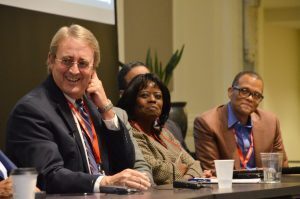
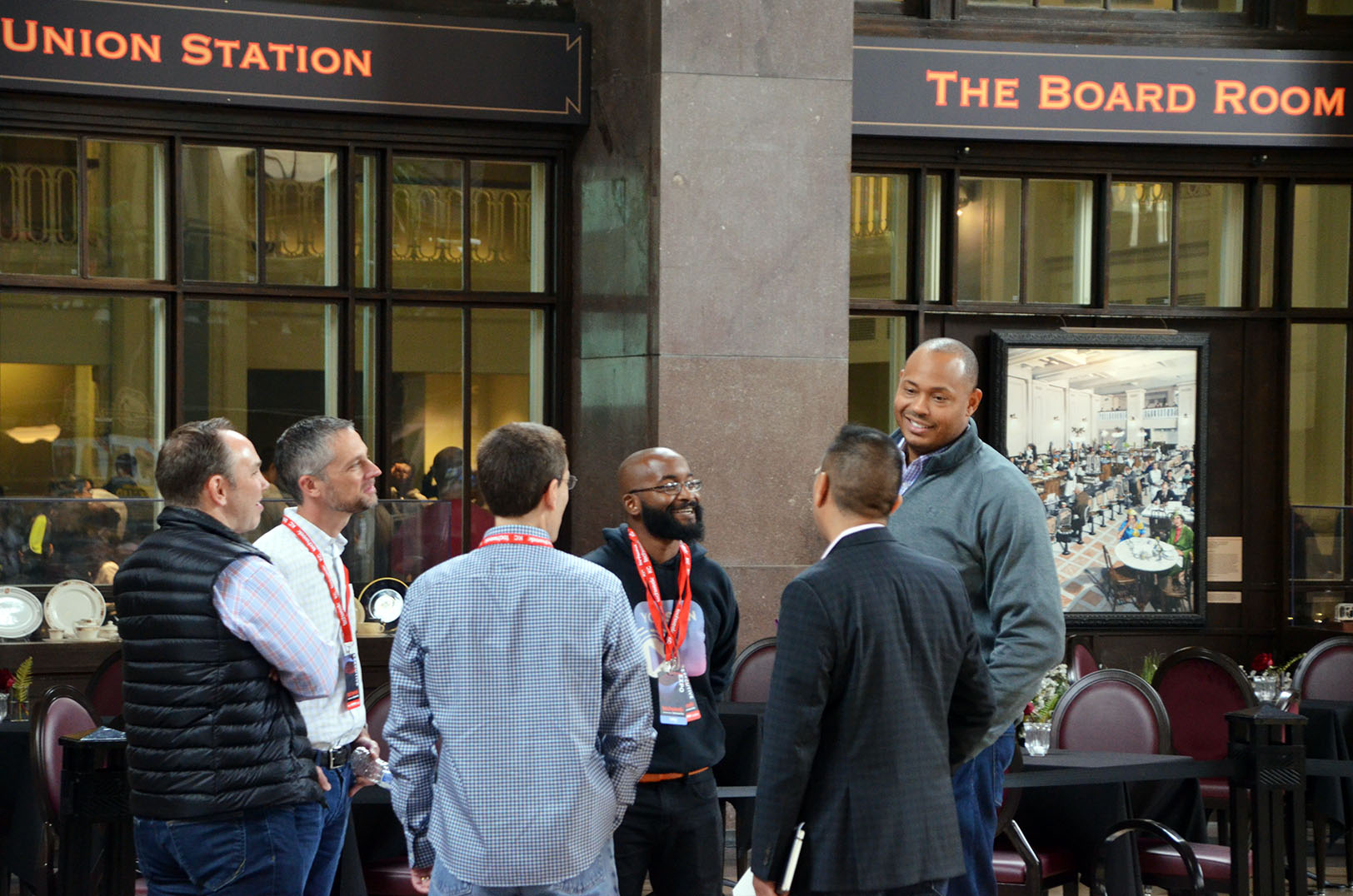
Bob Langenkamp, Economic Development Corporation of Kansas City, Missouri
Programs like CodeStart, #YesWeCodeFund, #100BlackAngels and HBCU@SXSW resulted from community input about the services Atlanta needed Opportunity Hub to provide, Sampson said.
“There was a sense of urgency,” he said. “People wanted a safe space to learn code, to work on their business, write a business plan, build their tech.”
In late 2015, Opportunity Hub merged its coworking operations with TechSquare Labs, a corporate innovation lab and venture fund that has invested in more than 30 companies that have raised more than $300 million in follow on capital, are valued at more than $1 billion dollars, generate $75 million in annual recurring revenue and growing and employ nearly 1,000 people, according to the company.
“We joke that around the city, and around the country, we’re known as ‘the black WeWork,’” Sampson said. “We don’t want blacks only, by the way, we just have that market and we attracted people that we wanted to help change their lives.”
Check out photos from Wednesday’s Techweek events below.






Featured Business

2018 Startups to Watch
stats here
Related Posts on Startland News

Kansas company behind 1-800-GOT-JUNK? integrates home services into one portal (with just one payment)
Lenexa-headquartered Southwind hopes to ease the hassles of home ownership by launching a customizable, comprehensive service program, said Jeffery Anderson. The sprawling home services company — with brands like 1-800-GOT-JUNK? and MVP Heating, Cooling, and Electrical — recently introduced OneOS Home, which is an innovative platform designed to revolutionize how homeowners access and manage essential…

Mom’s ‘modern throwback’ dress collection celebrates girlhood, innocence of times past
Inspired by her five daughters, Joelle Smith created a dress line and online boutique she hopes captures the innocence, beauty, and whimsical spirit of young girls — even though hers are now grown. “When they were little girls, I loved watching them put on a dress and just light up and then twirl and play…

Midwest-made crossover artist charts solo success that eluded him when he was young
Sebastian James assumed until recently that his music career had already peaked, the hometown hit-maker shared. In 2011, the 18-year-old Riverside native and Park Hill South graduate started touring the country as the drummer for the Nigel Dupree Band, opening for bands like Korn and Stone Temple Pilots. But this year, at 30, he launched…

Early childhood isn’t a money maker, but can be a money breaker: ECJC initiative links lack of child care to business’ bottom lines
Access to safe and affordable child care is an issue that should concern everyone, Judy Bumpus acknowledged. Research indicates the current capacity to provide child care within the Kansas City metro is only 45 percent, according to the director of client services for the Kansas City Women’s Business Center, with 80,000 children still needing childcare…