

Be fearlessly honest about diversity gap, Atlanta expert tells KC Techweek panelists (Photos)
October 11, 2018 | Tommy Felts
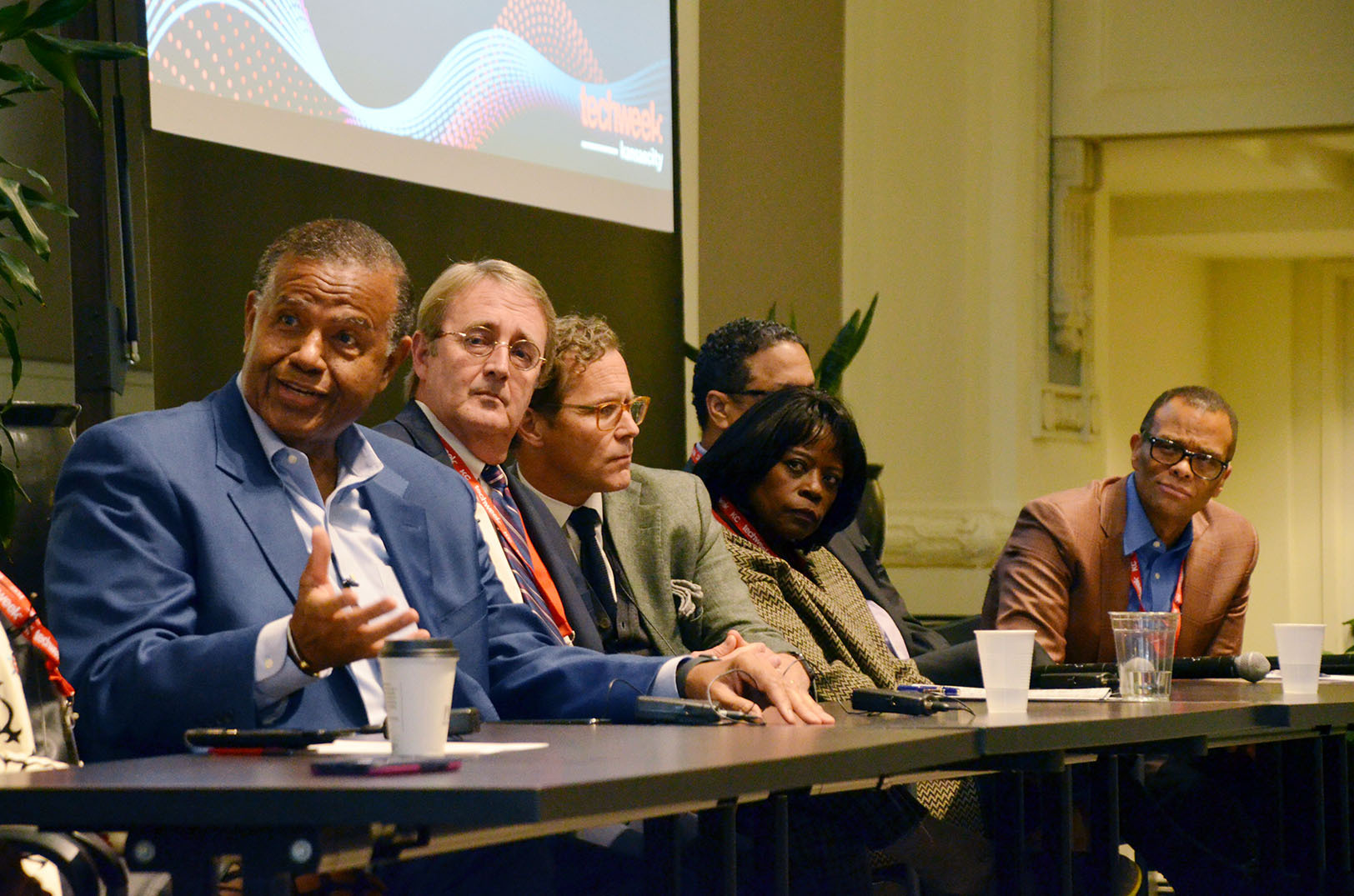
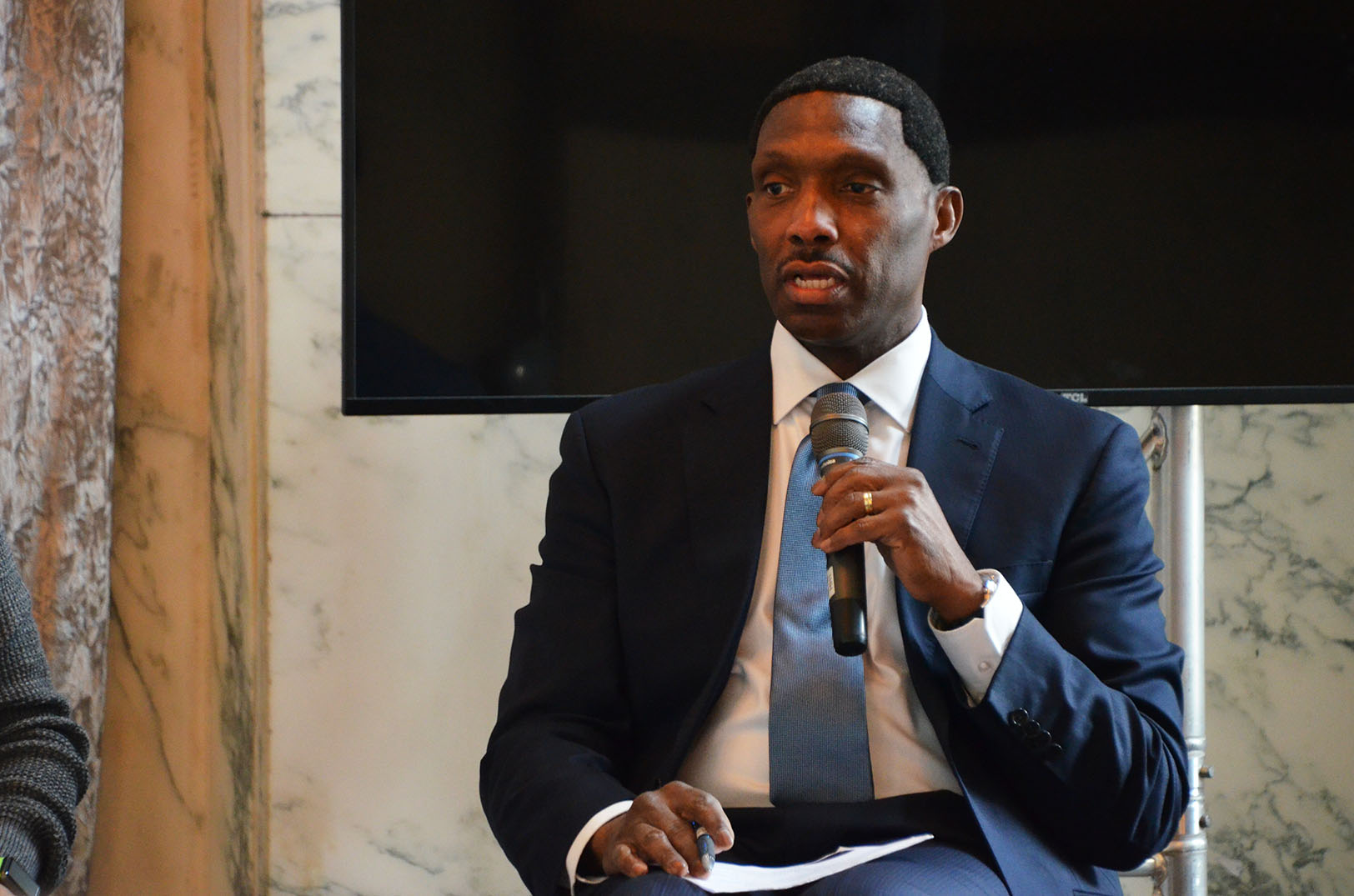
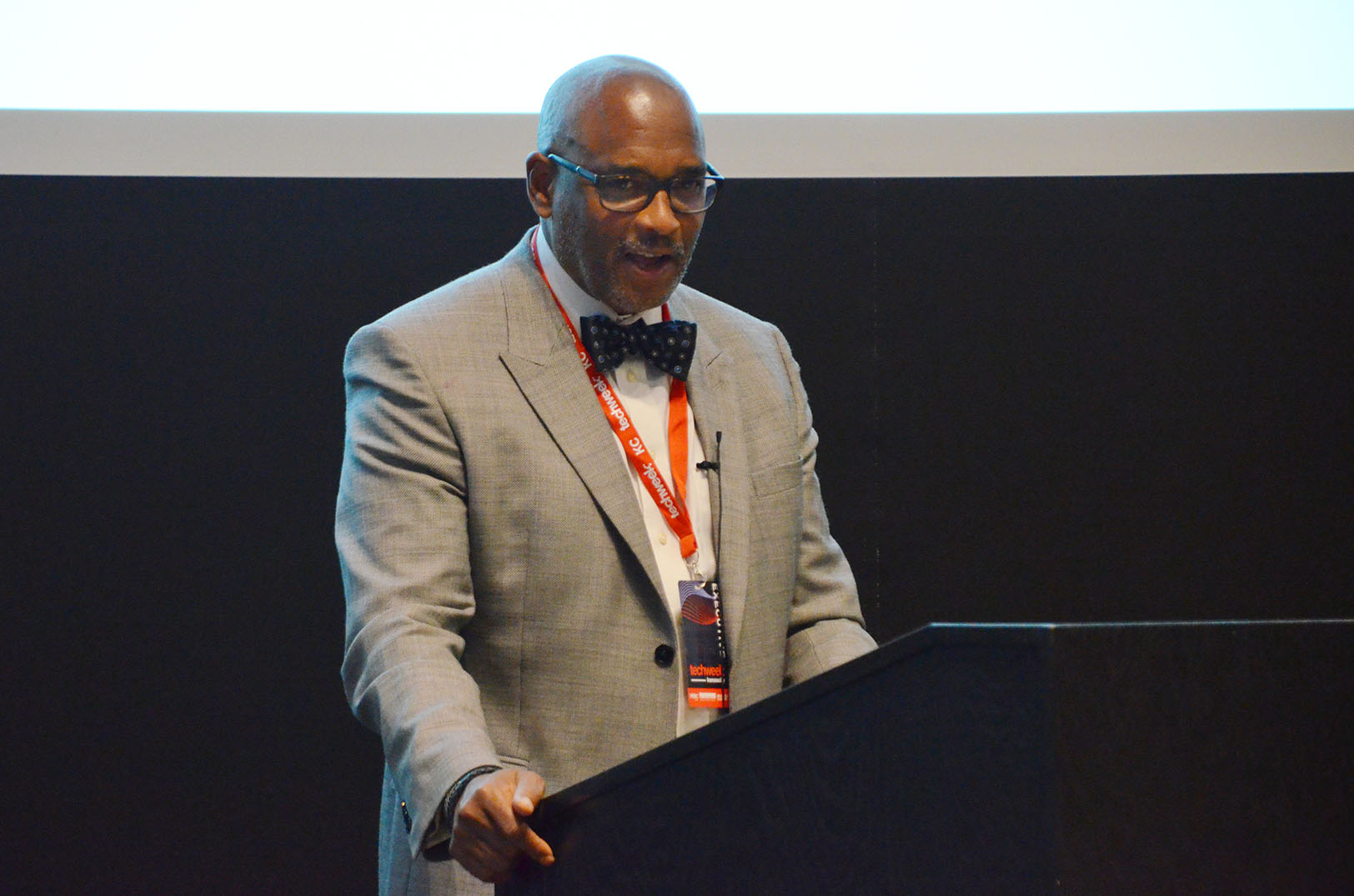
Building an inclusive startup community begins with being unafraid to directly state the problem — a diversity gap — free of coded language related to race and gender, said Rodney Sampson.

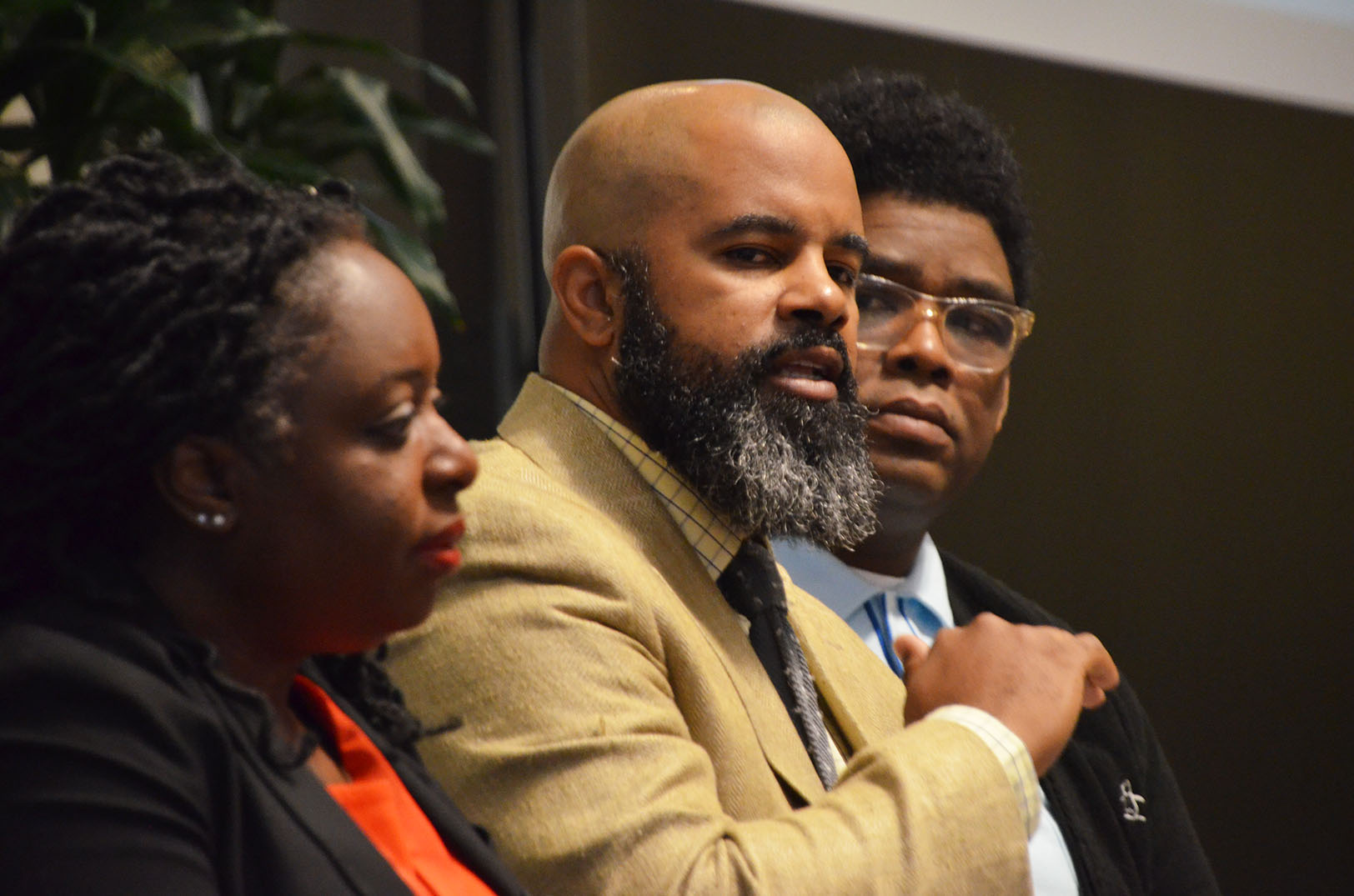
Rodney Sampson, Opportunity Hub
“I am unapologetically about being ‘color-brave’ and ‘race-brave’ — rather than being ‘color blind’ — because when you say ‘color blind,’ you’re saying you don’t see me,” said Sampson, chairman and CEO of Opportunity Hub in Atlanta. “You don’t see everything I bring to the table. You don’t see the pain and the struggle.”
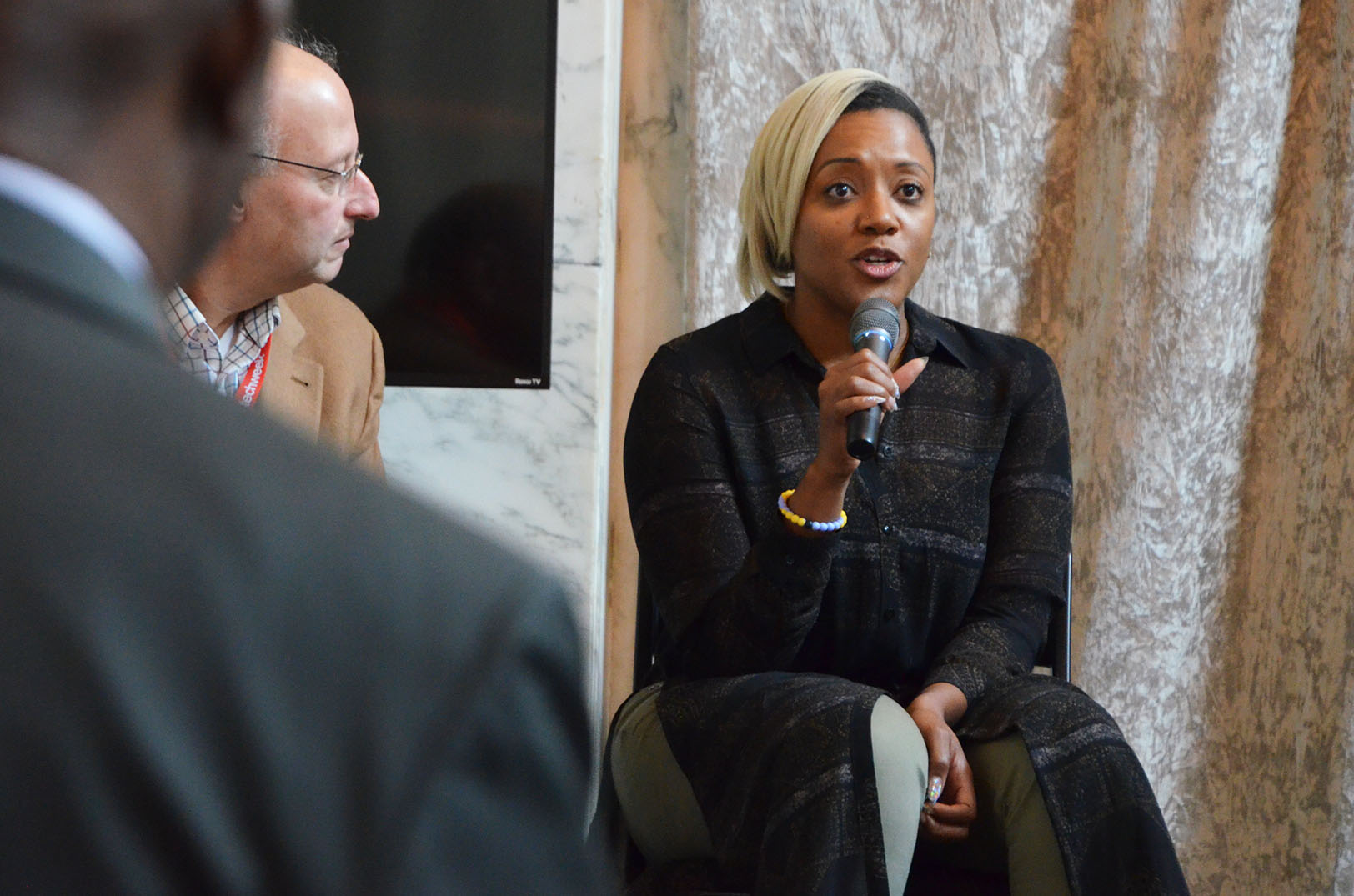
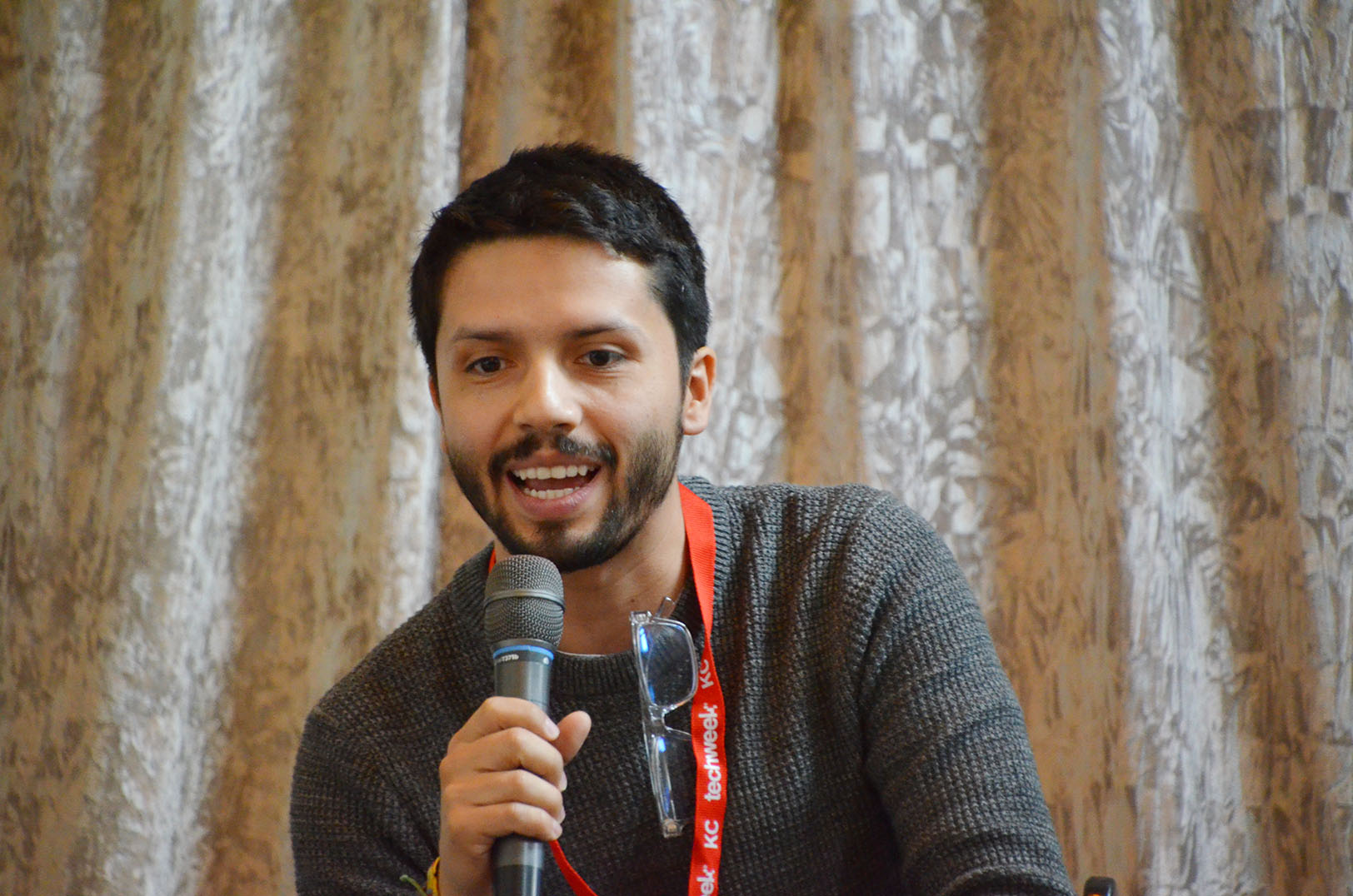
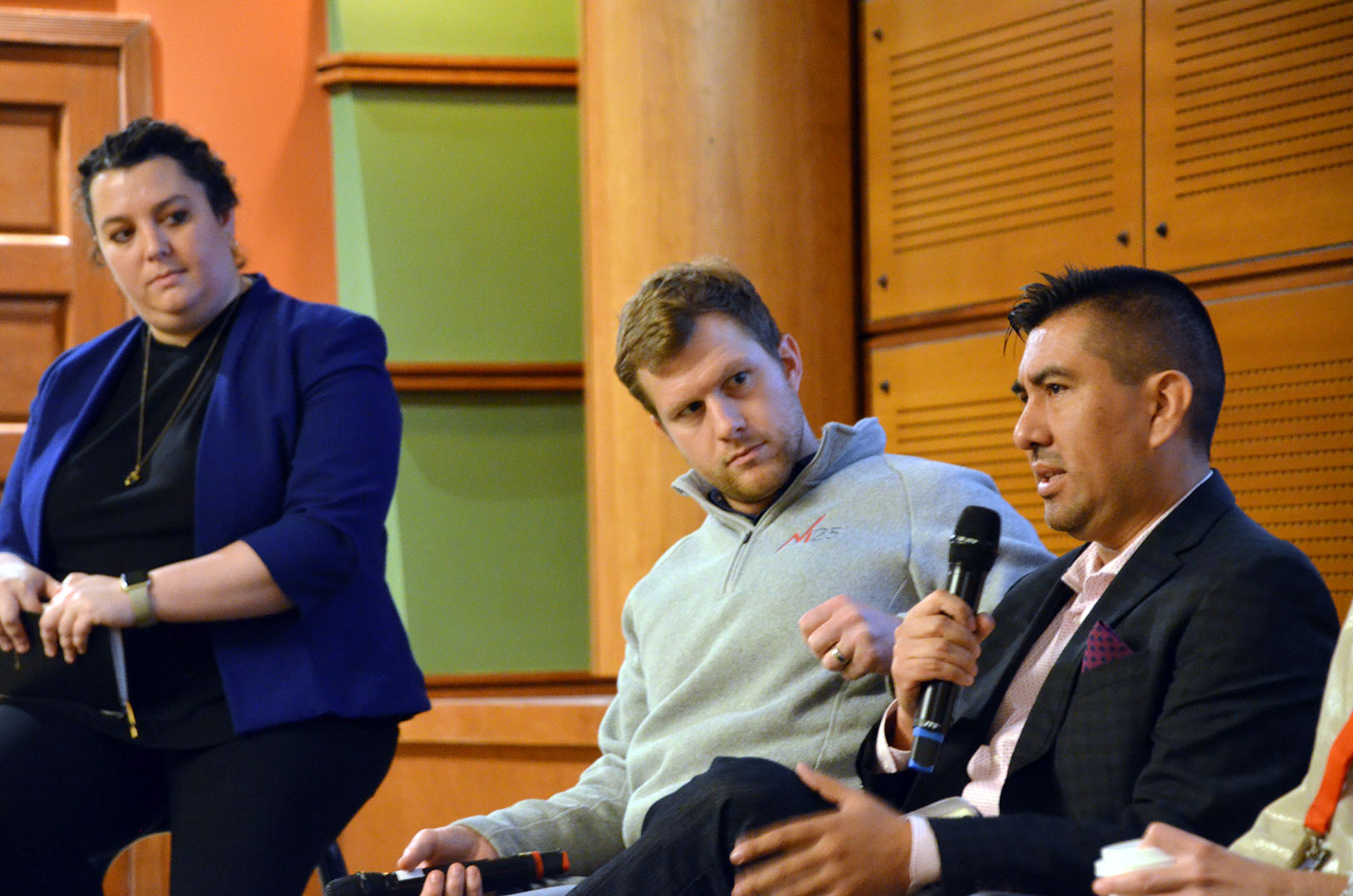
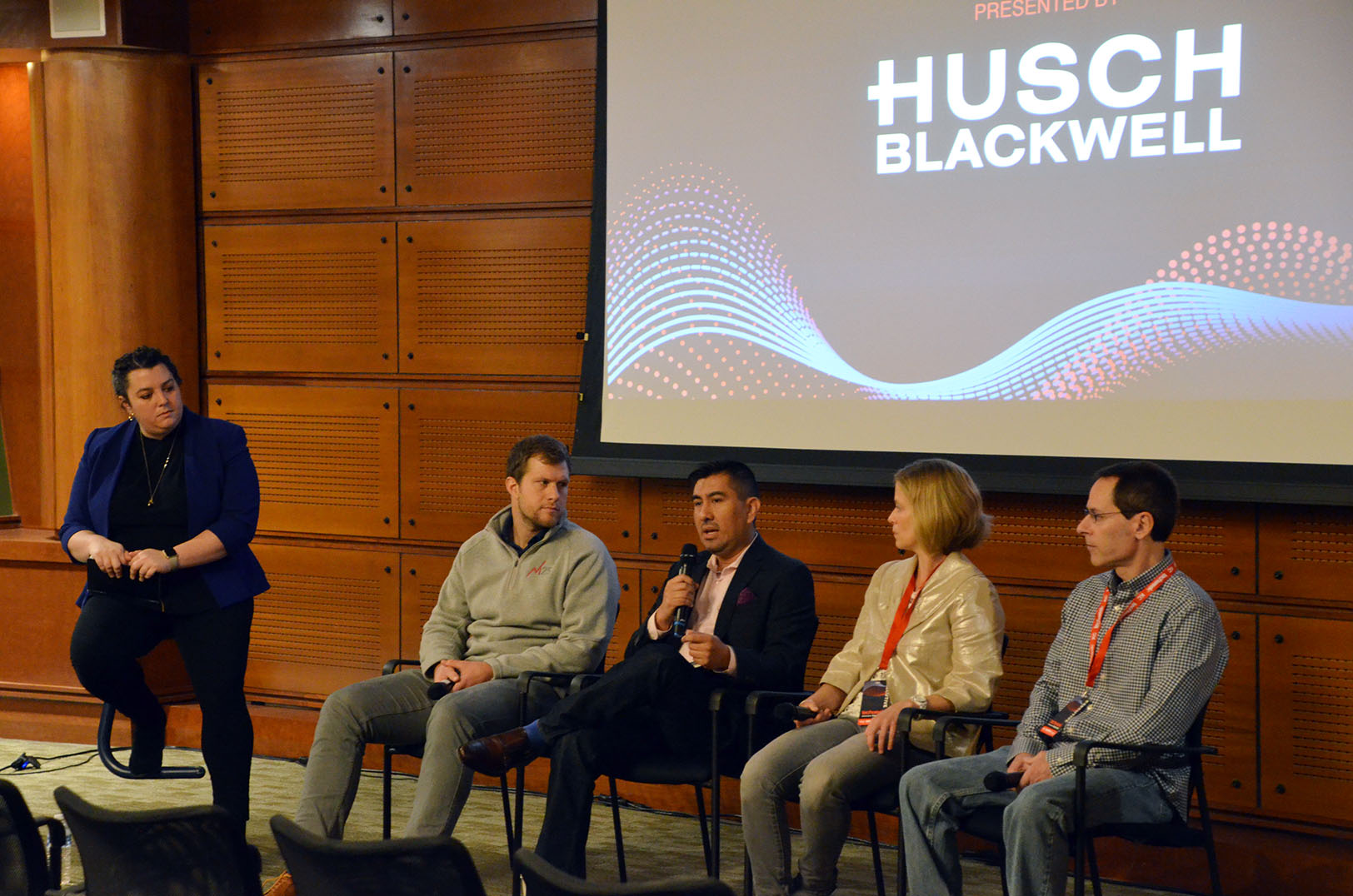
A panel of Kansas City leaders turned to Sampson Wednesday at Techweek during a conversation about bridging the inclusivity gap, seeking to learn how locals can potentially replicate the success of his social venture in Atlanta. Heavy-hitter panelists ranged from Philip Gaskin, director of entrepreneurial communities and chief of staff for entrepreneurship at the Ewing Marion Kauffman Foundation, to Leo Morton, chancellor emeritus at the University of Missouri-Kansas City.
“Data has shown it dramatically increases return on investment when you have women and people of color at the table,” Sampson said.
Opportunity Hub, the largest multi-campus entrepreneurship center and technology hub in the U.S., reflects Sampson’s commitment to “Kingonomics” — taking the economic principles of Dr. Martin Luther King Jr. to build an inclusive innovation and investment model to address poverty and the wealth gap.
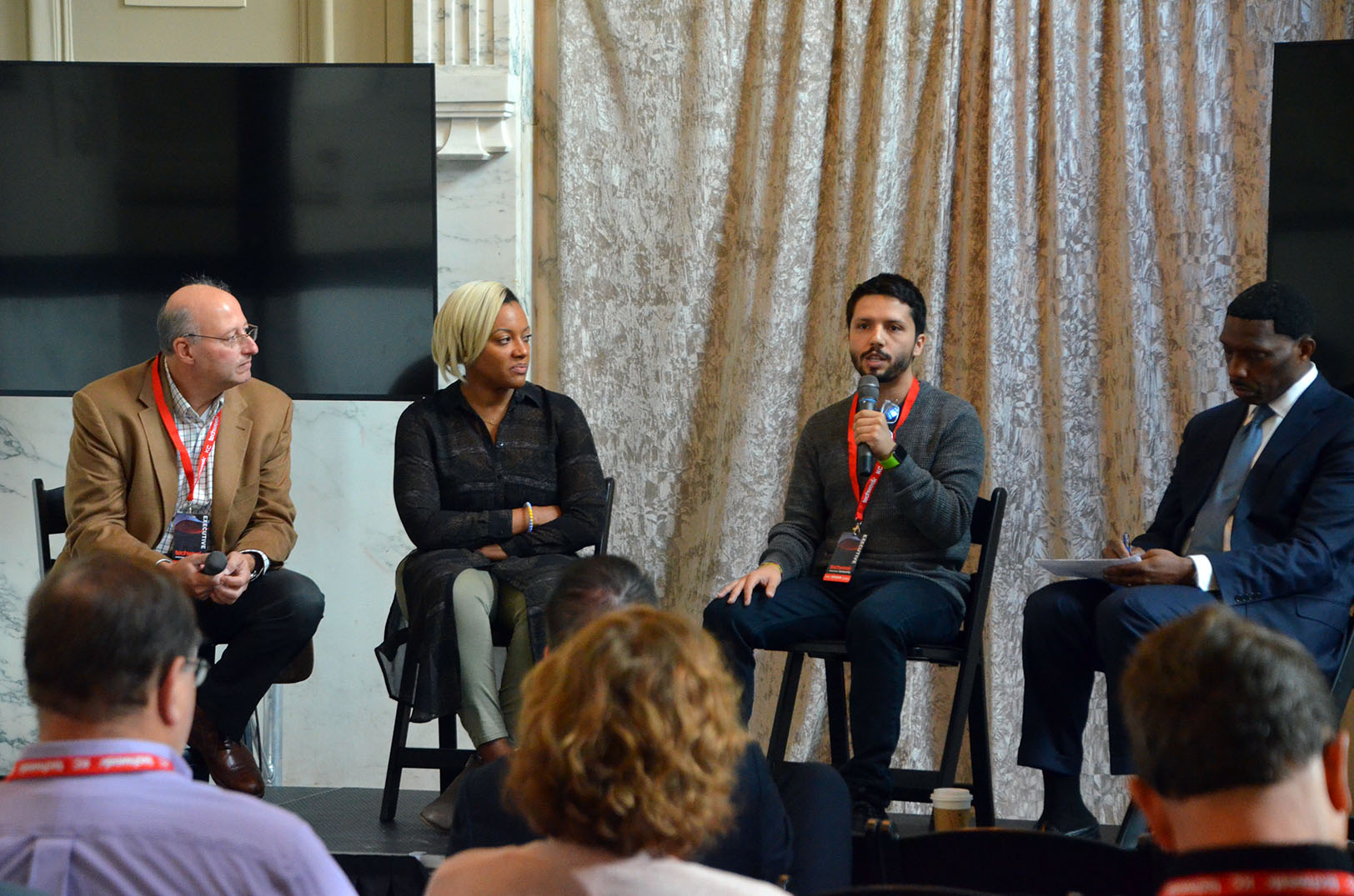
Bob Langenkamp, Economic Development Corporation of Kansas City, Missouri
Programs like CodeStart, #YesWeCodeFund, #100BlackAngels and HBCU@SXSW resulted from community input about the services Atlanta needed Opportunity Hub to provide, Sampson said.
“There was a sense of urgency,” he said. “People wanted a safe space to learn code, to work on their business, write a business plan, build their tech.”
In late 2015, Opportunity Hub merged its coworking operations with TechSquare Labs, a corporate innovation lab and venture fund that has invested in more than 30 companies that have raised more than $300 million in follow on capital, are valued at more than $1 billion dollars, generate $75 million in annual recurring revenue and growing and employ nearly 1,000 people, according to the company.
“We joke that around the city, and around the country, we’re known as ‘the black WeWork,’” Sampson said. “We don’t want blacks only, by the way, we just have that market and we attracted people that we wanted to help change their lives.”
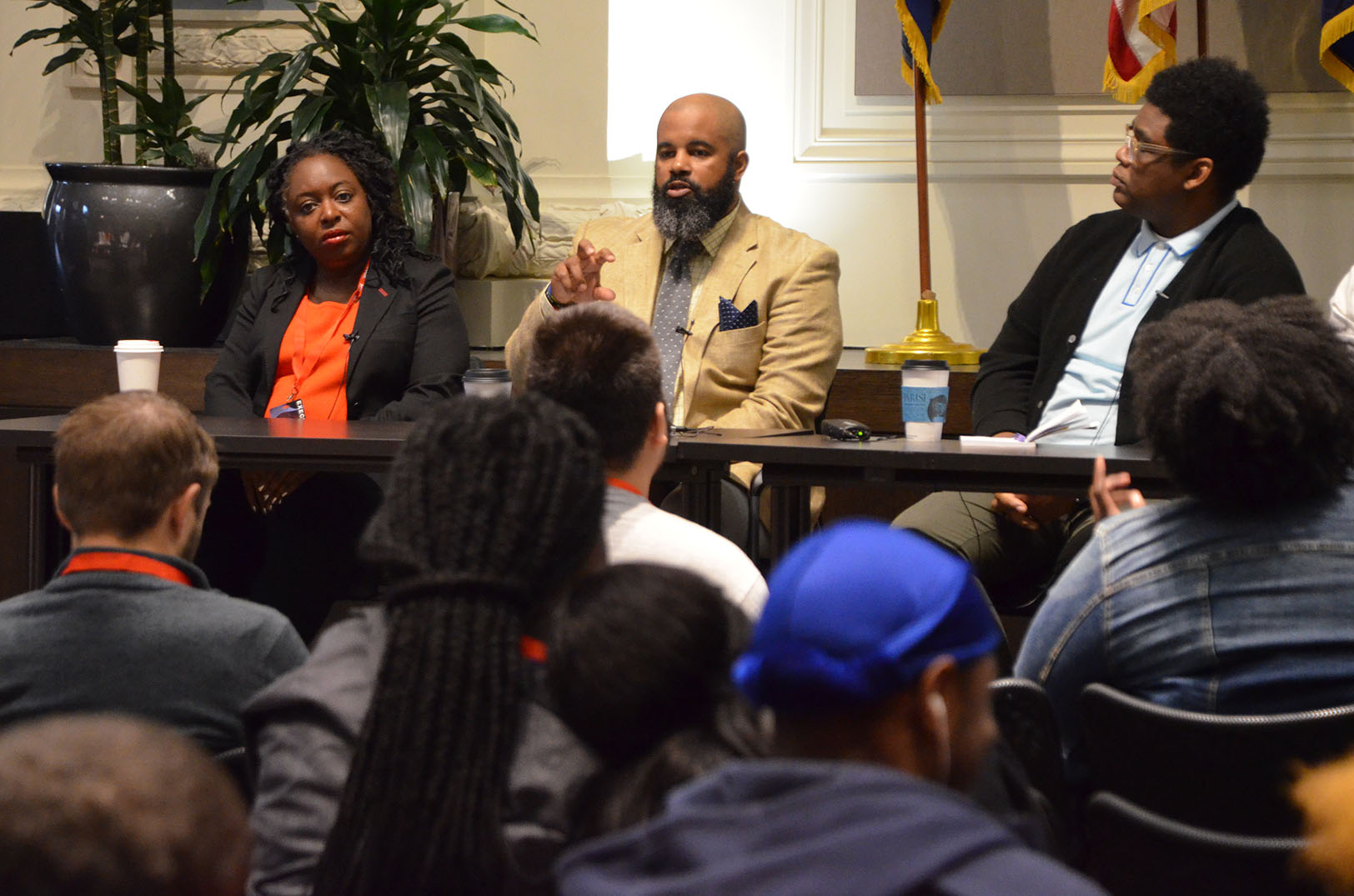
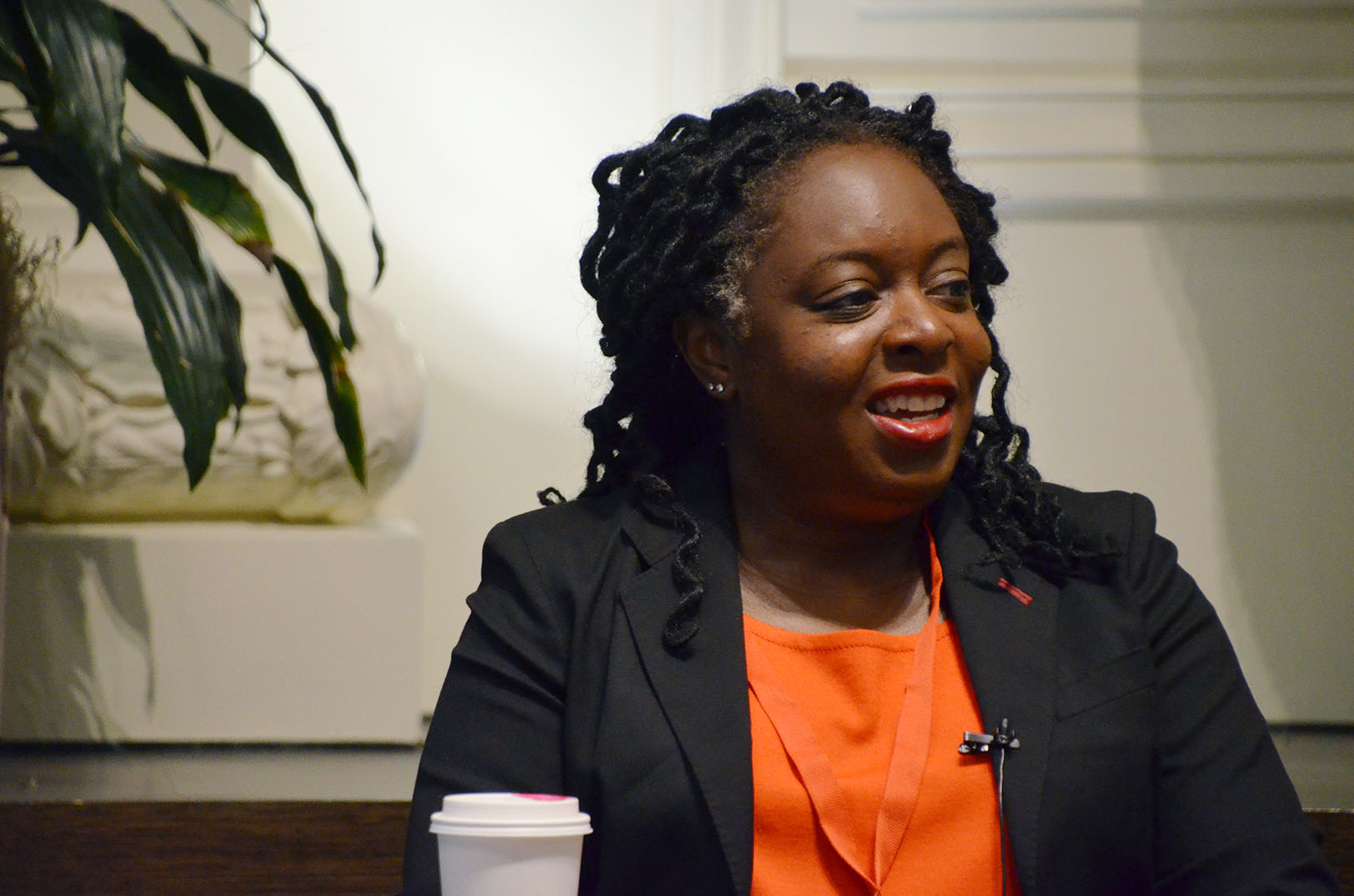
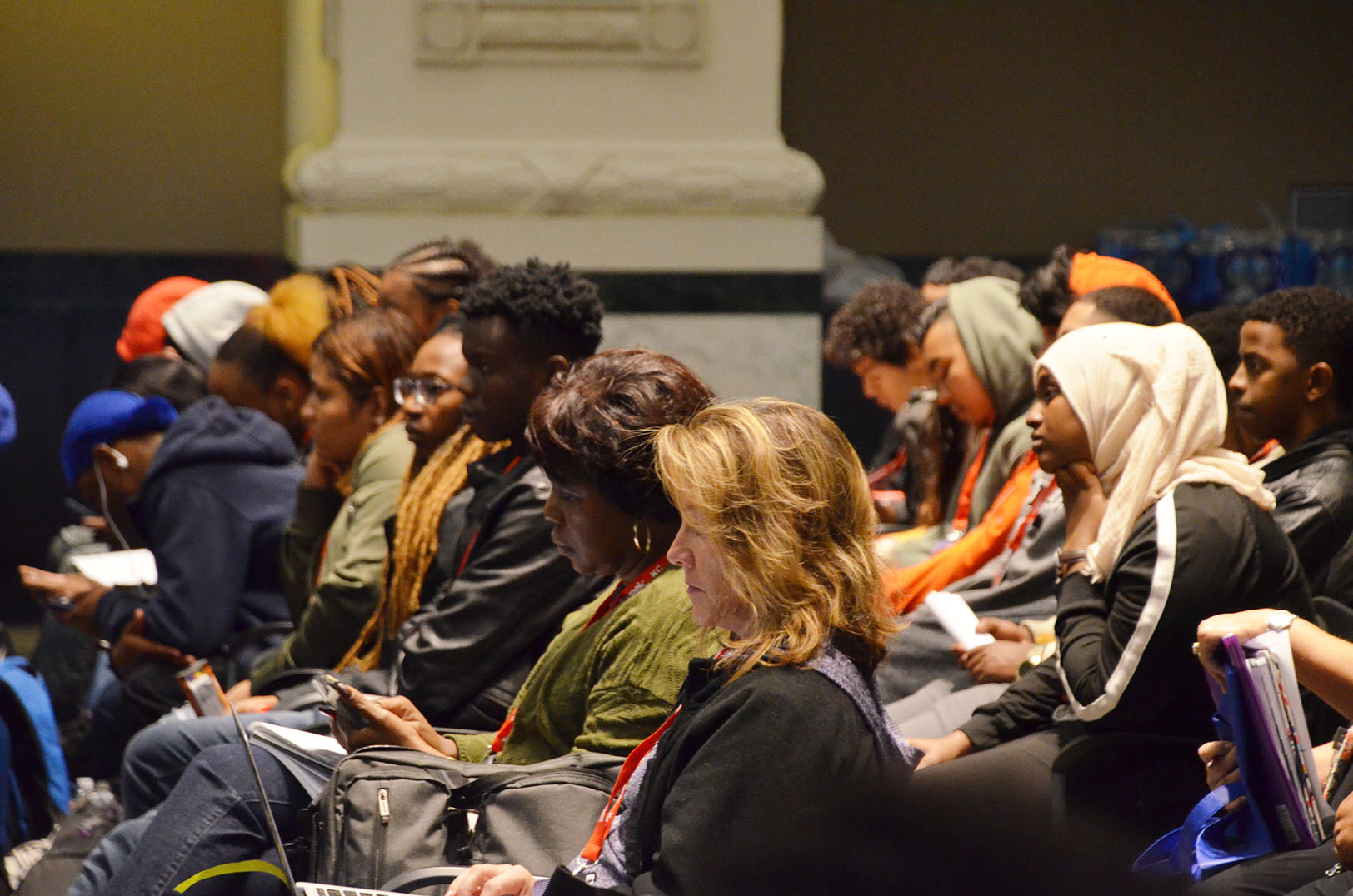
Check out photos from Wednesday’s Techweek events below.

Featured Business

2018 Startups to Watch
stats here
Related Posts on Startland News

Crown prime location: How two KC foodies are creating Museum of BBQ in one of the world’s barbecue capitals
A new museum — showcasing Kansas City as a barbecue capital of the world, as well as how meat takes on its famous flavors — is set to open in spring 2025 the Crown Center Shops, led by two veterans of the local food scene, and complete with barbecue baked beans ball pit. The aptly…
‘Wonderful things anywhere’: Entrepreneurs share keys to ‘Main Street’ success
Editor’s note: This story was originally published by Missouri Business Alert, a member of the Kansas City Media Collective, which also includes Startland News, KCUR 89.3, American Public Square, Kansas City PBS/Flatland, and The Kansas City Beacon. Click here to read the original story. COLUMBIA, Missouri — When Willy Schlacks noticed what he said were inefficiencies plaguing…
Sweet Peaches wants a bigger piece of the pie; crowdfunding could scale this small biz across US
Community support will be key for Sweet Peaches Cobblers next batch of growth, said Denisha Jones, announcing plans to use Kickstarter funding to pack her flavorful and beloved family desserts into the freezers of more major retailers across the U.S. Already a local Kansas City favorite, Sweet Peaches Cobbler can be found in more than…

Jeremy Terman turned a likely ‘no’ into a tech career; his advice: Don’t wait for permission to start
The biggest risks are in doing nothing, said Jeremy Terman, encouraging entrepreneurship students at UMKC to take the plunge — even if at times the world might be telling them they aren’t ready. “You don’t have to be in a box. You don’t have to listen to what the rules are,” said Terman, an investor…