

Be fearlessly honest about diversity gap, Atlanta expert tells KC Techweek panelists (Photos)
October 11, 2018 | Tommy Felts
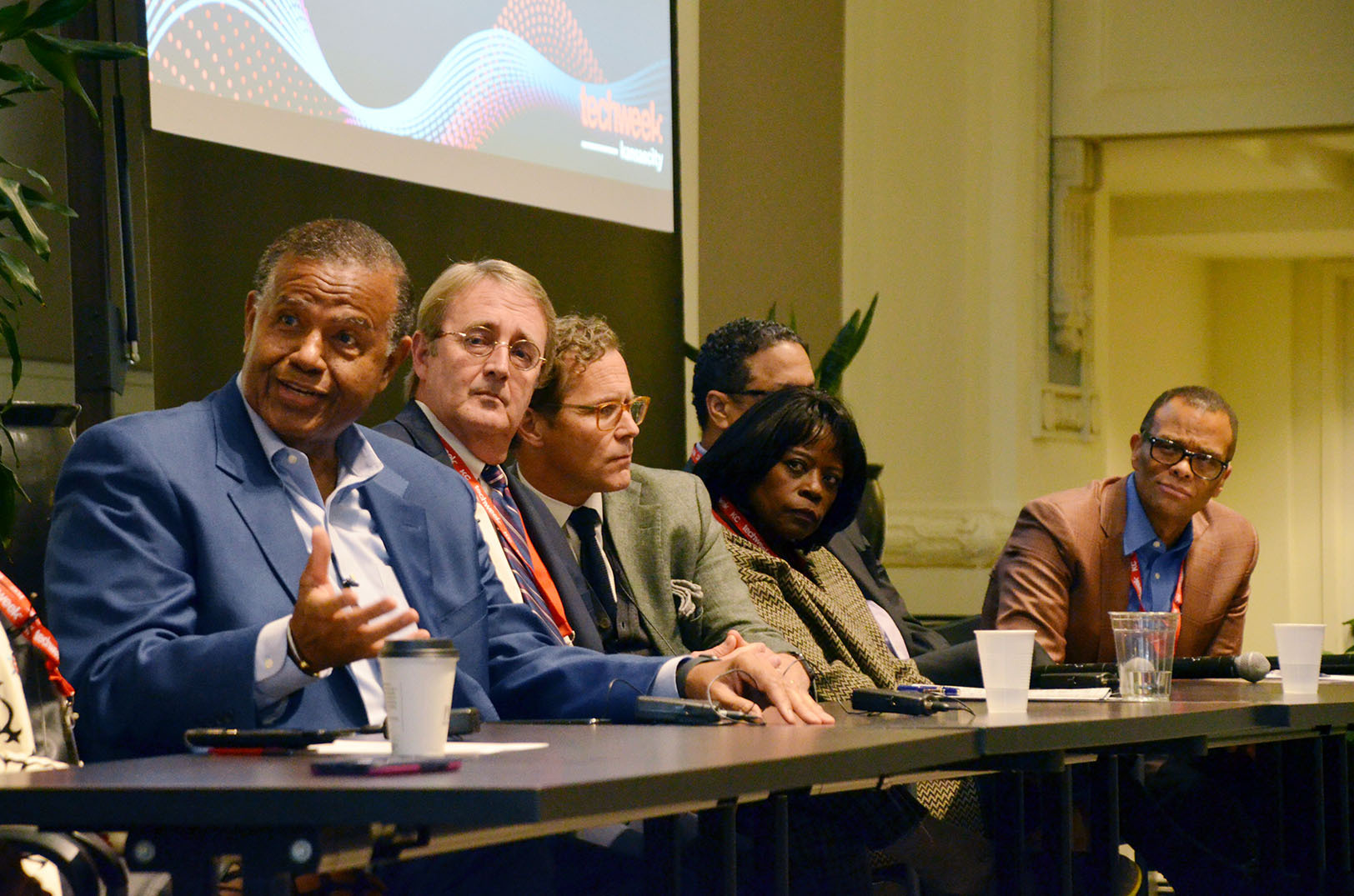
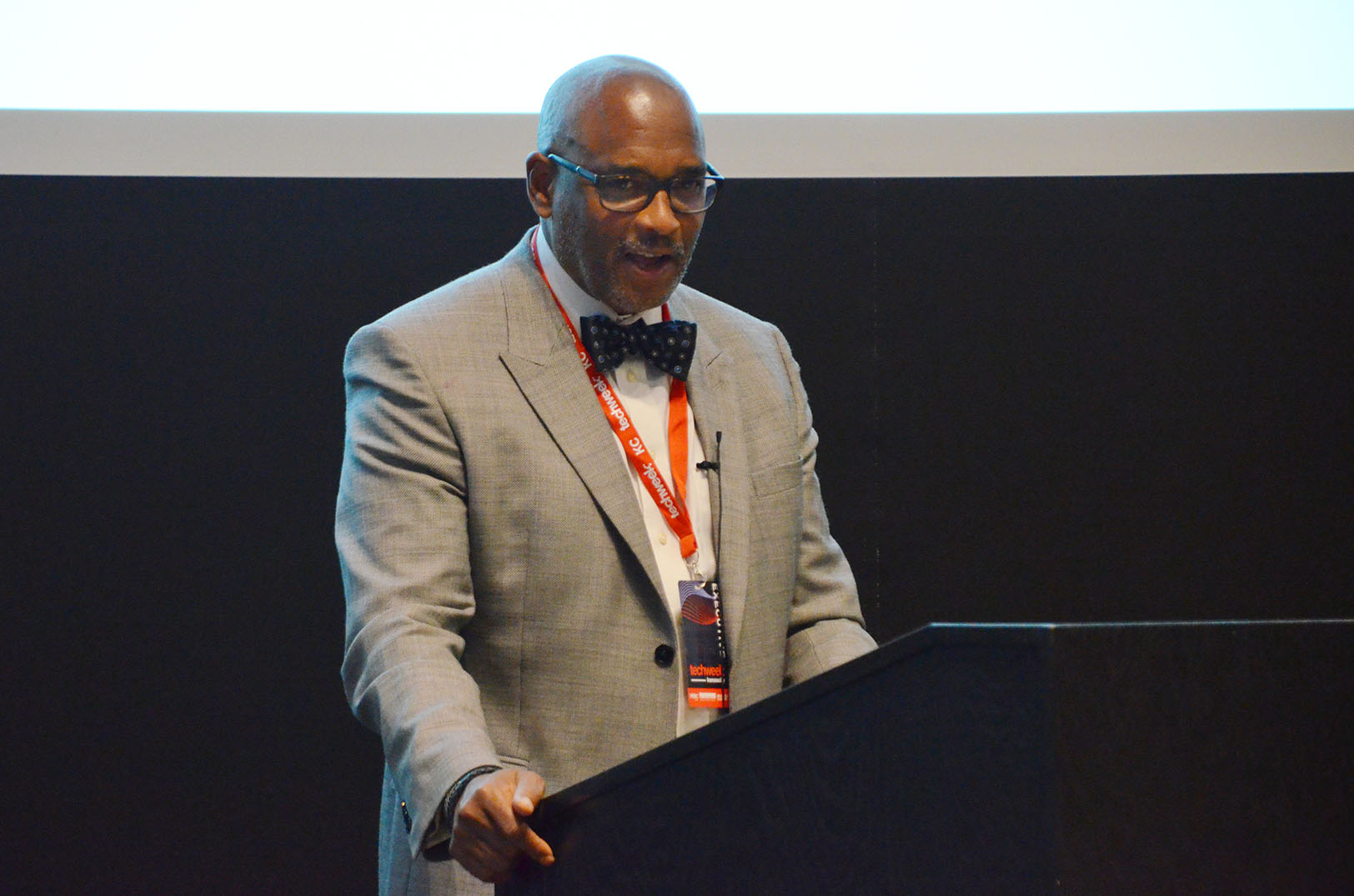
Building an inclusive startup community begins with being unafraid to directly state the problem — a diversity gap — free of coded language related to race and gender, said Rodney Sampson.

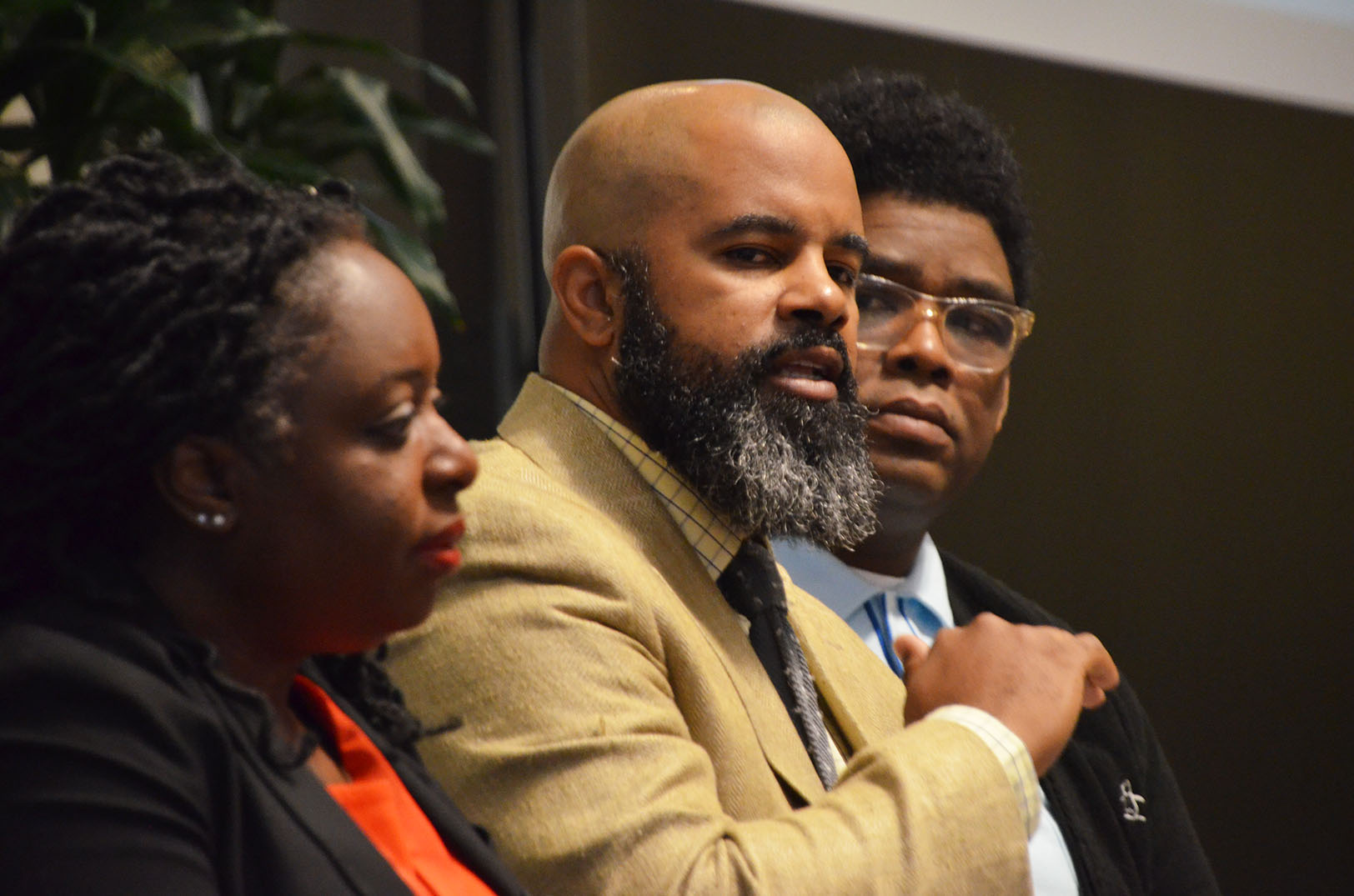
Rodney Sampson, Opportunity Hub
“I am unapologetically about being ‘color-brave’ and ‘race-brave’ — rather than being ‘color blind’ — because when you say ‘color blind,’ you’re saying you don’t see me,” said Sampson, chairman and CEO of Opportunity Hub in Atlanta. “You don’t see everything I bring to the table. You don’t see the pain and the struggle.”
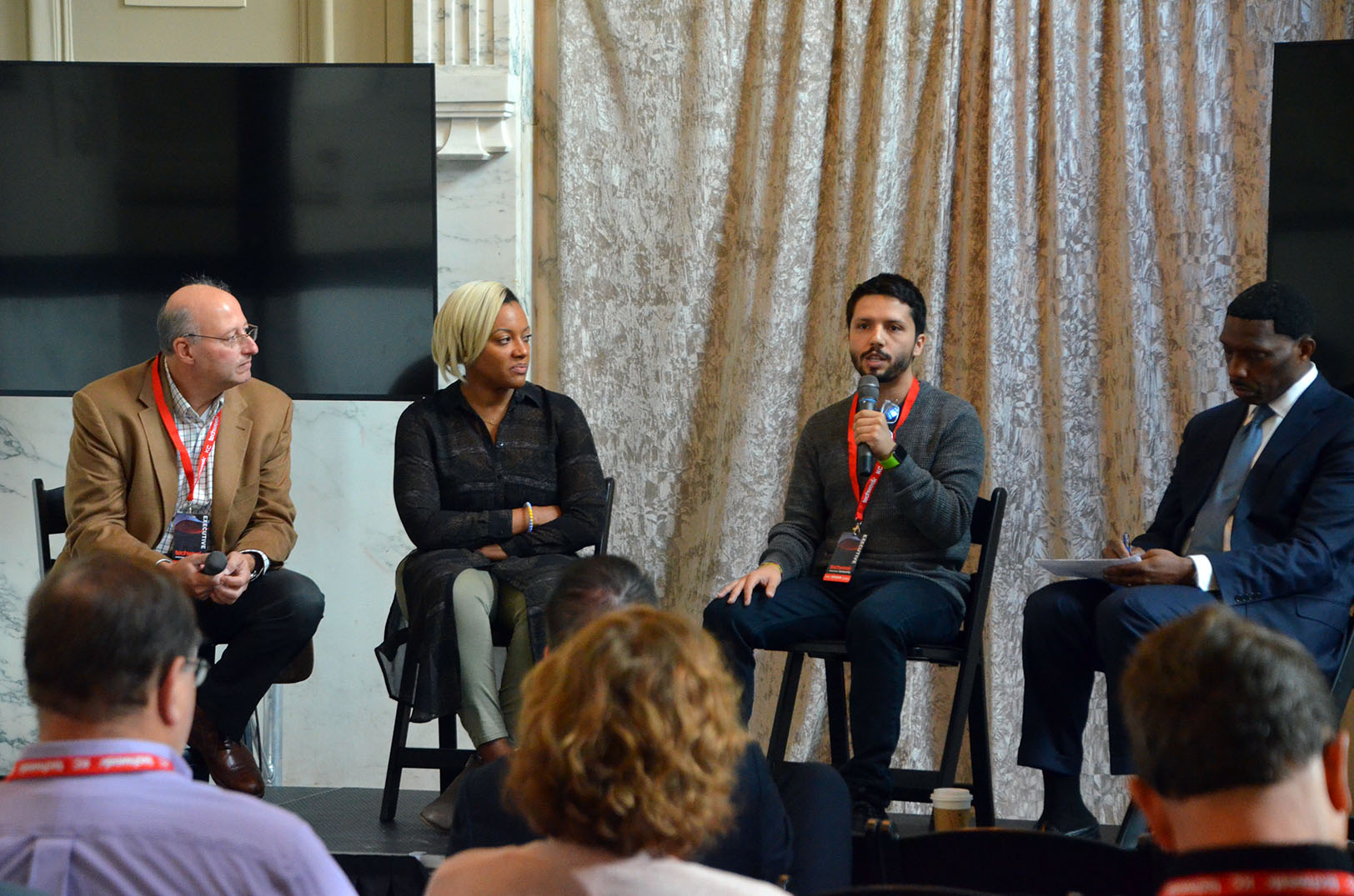
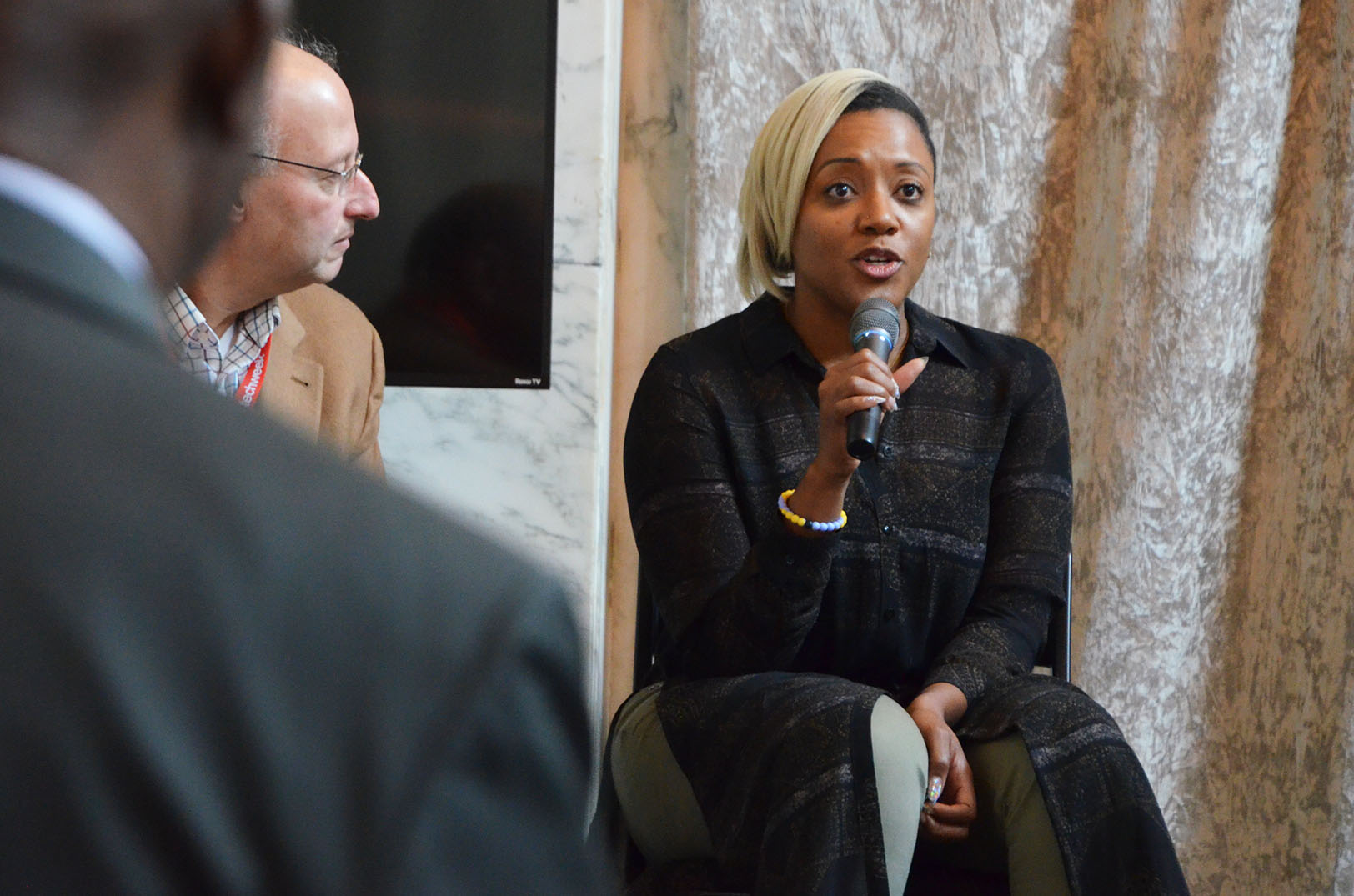
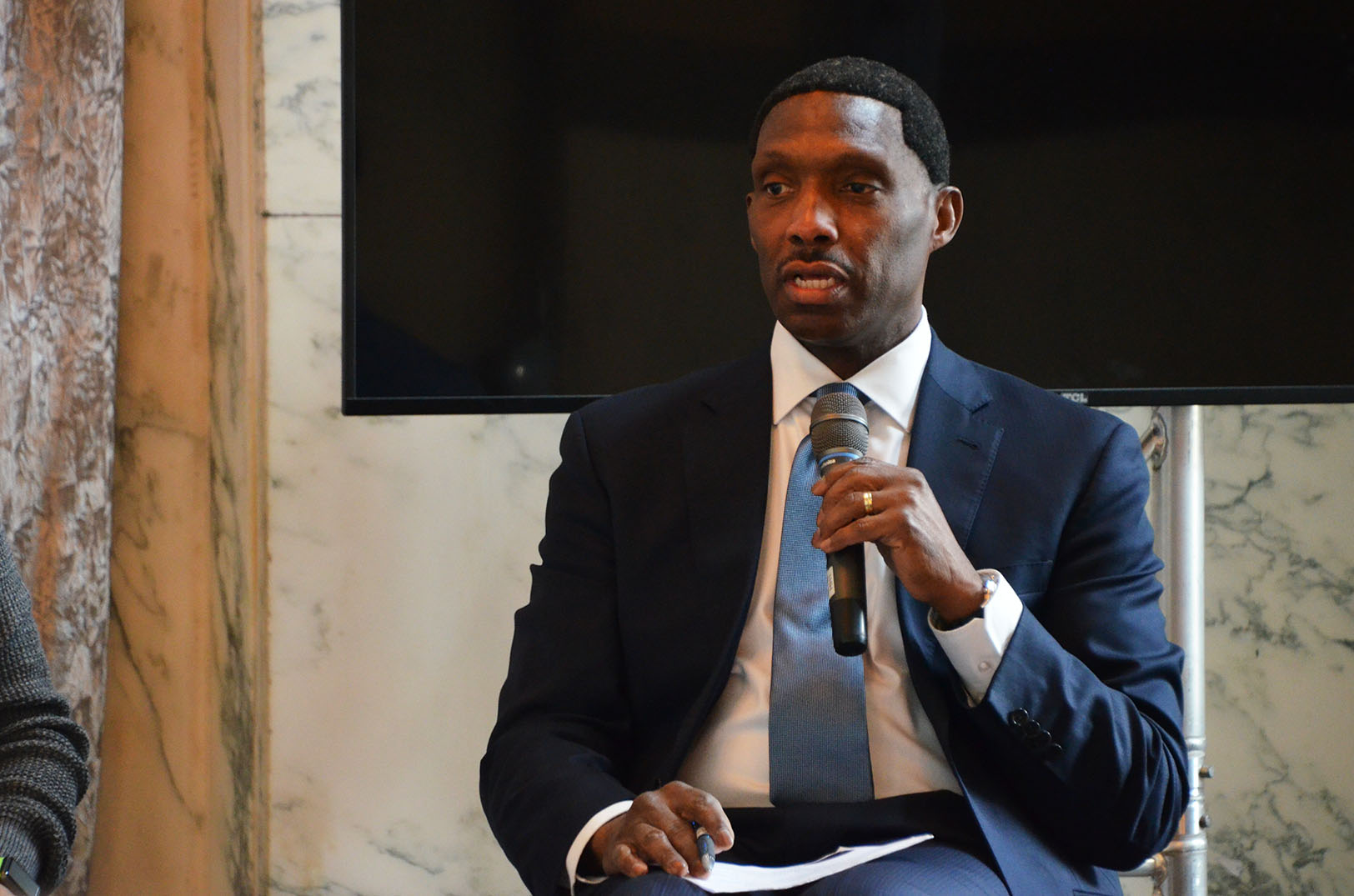
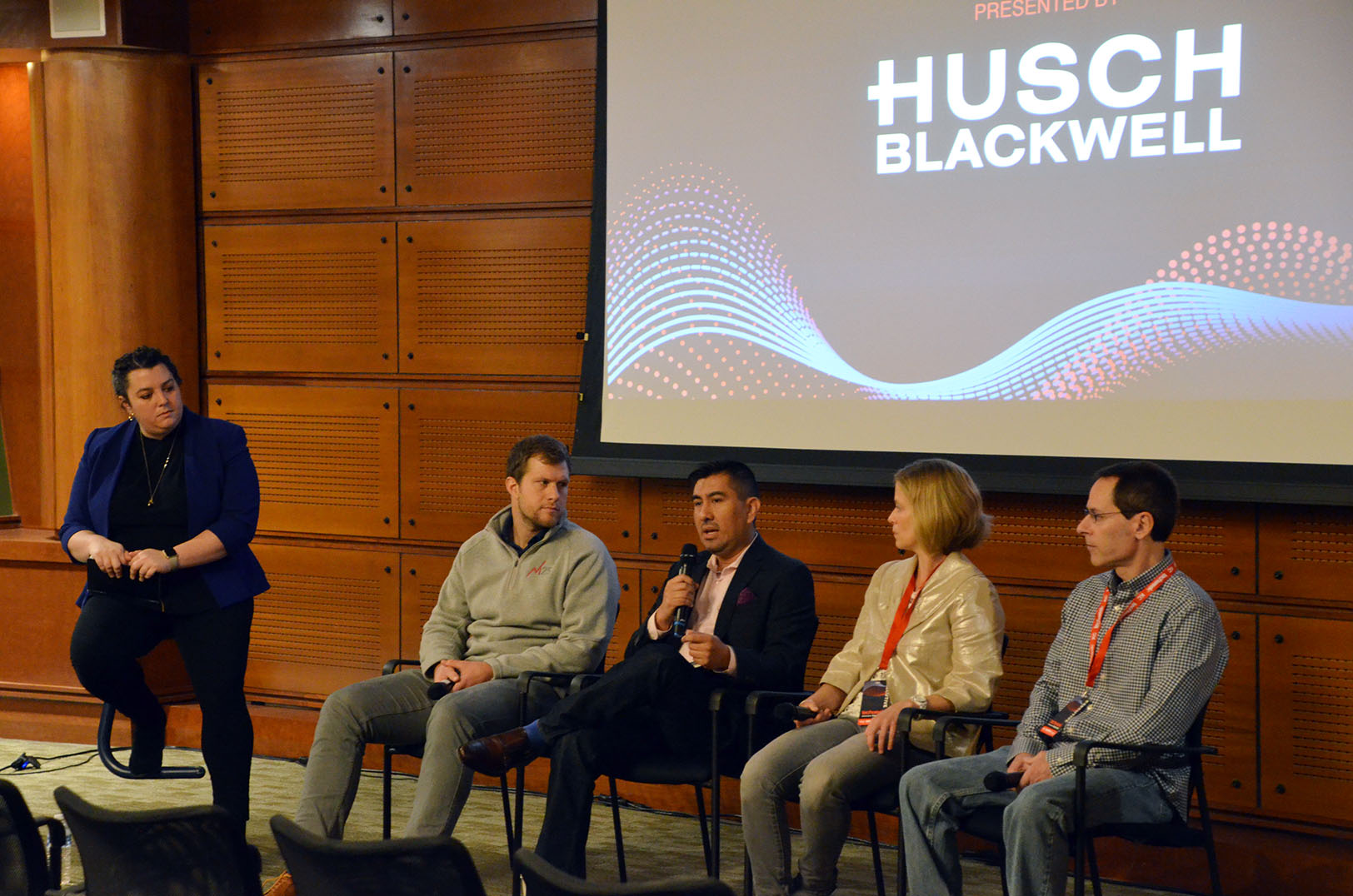
A panel of Kansas City leaders turned to Sampson Wednesday at Techweek during a conversation about bridging the inclusivity gap, seeking to learn how locals can potentially replicate the success of his social venture in Atlanta. Heavy-hitter panelists ranged from Philip Gaskin, director of entrepreneurial communities and chief of staff for entrepreneurship at the Ewing Marion Kauffman Foundation, to Leo Morton, chancellor emeritus at the University of Missouri-Kansas City.
“Data has shown it dramatically increases return on investment when you have women and people of color at the table,” Sampson said.
Opportunity Hub, the largest multi-campus entrepreneurship center and technology hub in the U.S., reflects Sampson’s commitment to “Kingonomics” — taking the economic principles of Dr. Martin Luther King Jr. to build an inclusive innovation and investment model to address poverty and the wealth gap.
Bob Langenkamp, Economic Development Corporation of Kansas City, Missouri
Programs like CodeStart, #YesWeCodeFund, #100BlackAngels and HBCU@SXSW resulted from community input about the services Atlanta needed Opportunity Hub to provide, Sampson said.
“There was a sense of urgency,” he said. “People wanted a safe space to learn code, to work on their business, write a business plan, build their tech.”
In late 2015, Opportunity Hub merged its coworking operations with TechSquare Labs, a corporate innovation lab and venture fund that has invested in more than 30 companies that have raised more than $300 million in follow on capital, are valued at more than $1 billion dollars, generate $75 million in annual recurring revenue and growing and employ nearly 1,000 people, according to the company.
“We joke that around the city, and around the country, we’re known as ‘the black WeWork,’” Sampson said. “We don’t want blacks only, by the way, we just have that market and we attracted people that we wanted to help change their lives.”
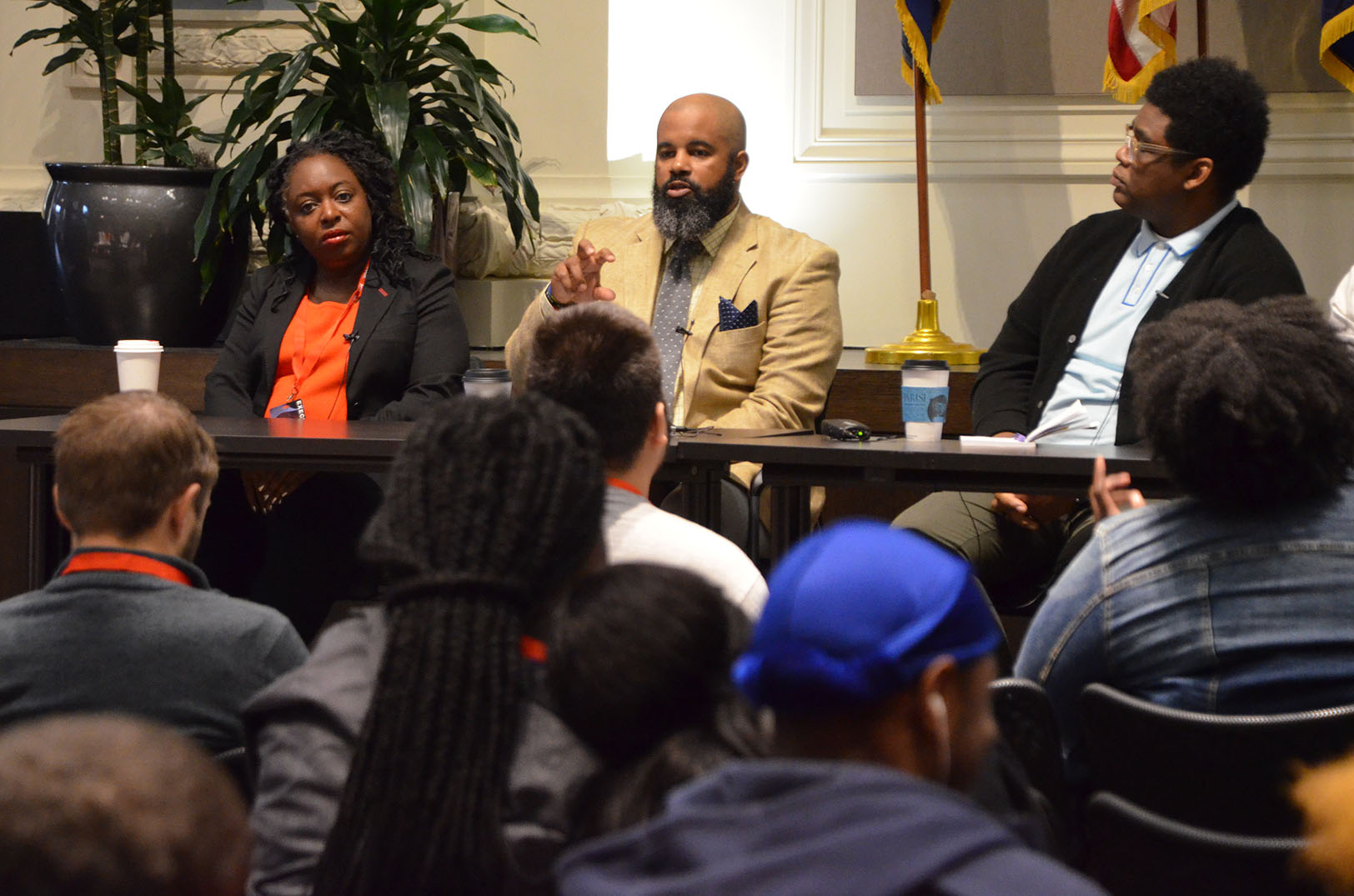
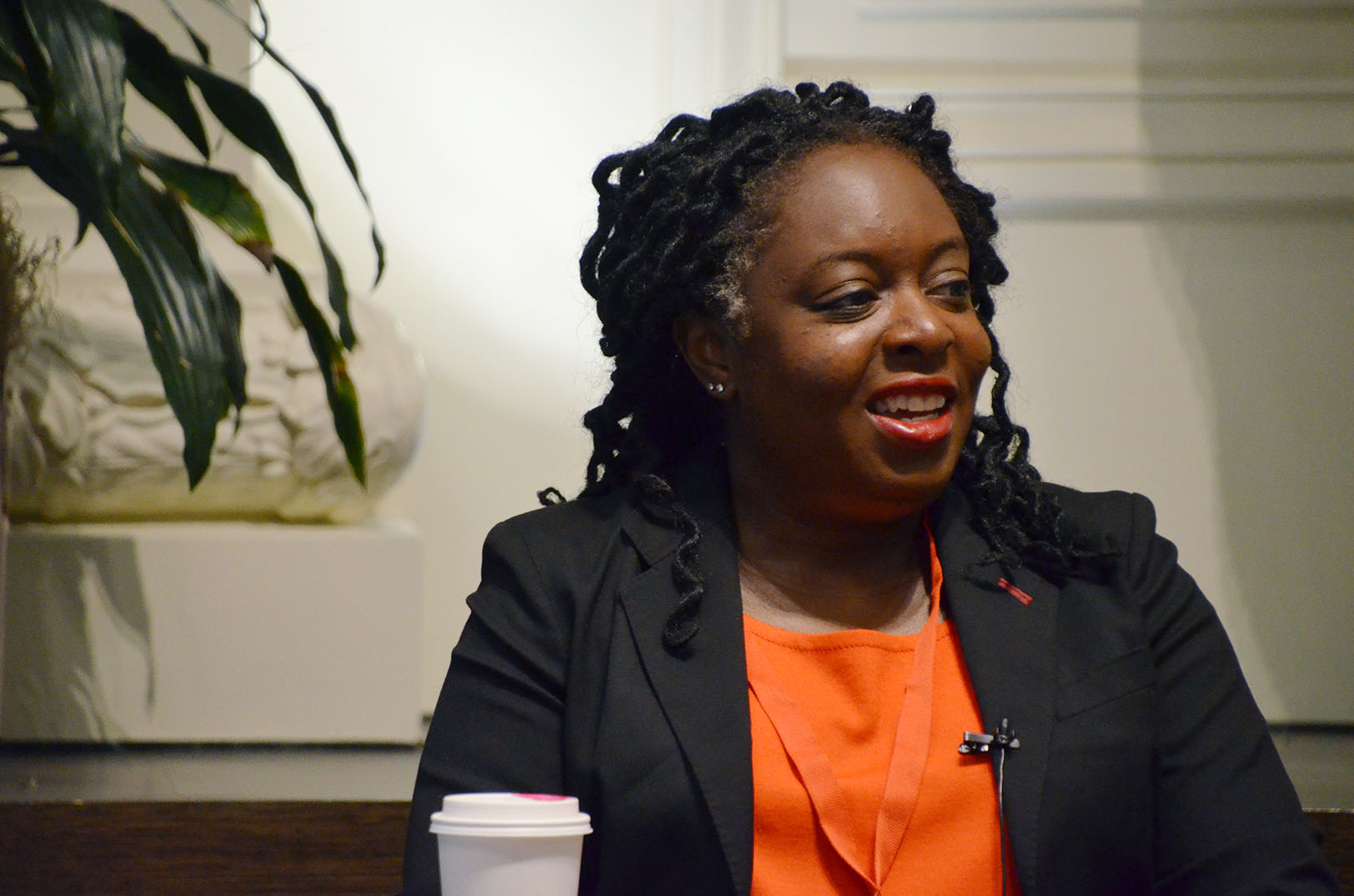
Check out photos from Wednesday’s Techweek events below.

Featured Business

2018 Startups to Watch
stats here
Related Posts on Startland News

Events Preview: Launch[ED] Day 2016
There are a boatload of entrepreneurial events hosted in Kansas City on a weekly basis. Whether you’re an entrepreneur, investor, supporter or curious Kansas Citian, we’d recommend these upcoming events for you. WEEKLY EVENT PREVIEW Investor & Startup Panel When: September 22 @ 5:30 pm – 7:30 pm Where: Grid Collaborative Workspace Happy Hour and…
KCRise fund lands $10M to kickoff startup investing
Kansas City-area startups have a new, local fund to boost their investment rounds. The KCRise fund announced Thursday the closing of $10 million that will co-invest with institutional venture capital groups in early-stage companies based in the Kansas City area. Launched in February in conjunction with the KC Rising economic initiative, the fund was created…
Tech leaders: KC is built to be a hub for driverless cars
The Obama administration on Tuesday revealed a set of guidelines for automakers to ensure a safe, efficient rollout of self-driving vehicles in the United States. The rapid development of autonomous vehicle tech, according to the administration, makes it clear that its emergence into American’s everyday life is no longer a question of if — but…

Parallels emerge between Midwest, Belfast entrepreneurs
Belfast, Northern Ireland — Despite the some 4,000 miles between them, entrepreneurs in Northern Ireland and the Midwest have more in common than one may know. During a series of business and social gatherings with members of the Pipeline entrepreneurial fellowship program, Belfast entrepreneurs quickly learned how similar they are to those in America’s “flyover”…