

Be fearlessly honest about diversity gap, Atlanta expert tells KC Techweek panelists (Photos)
October 11, 2018 | Tommy Felts
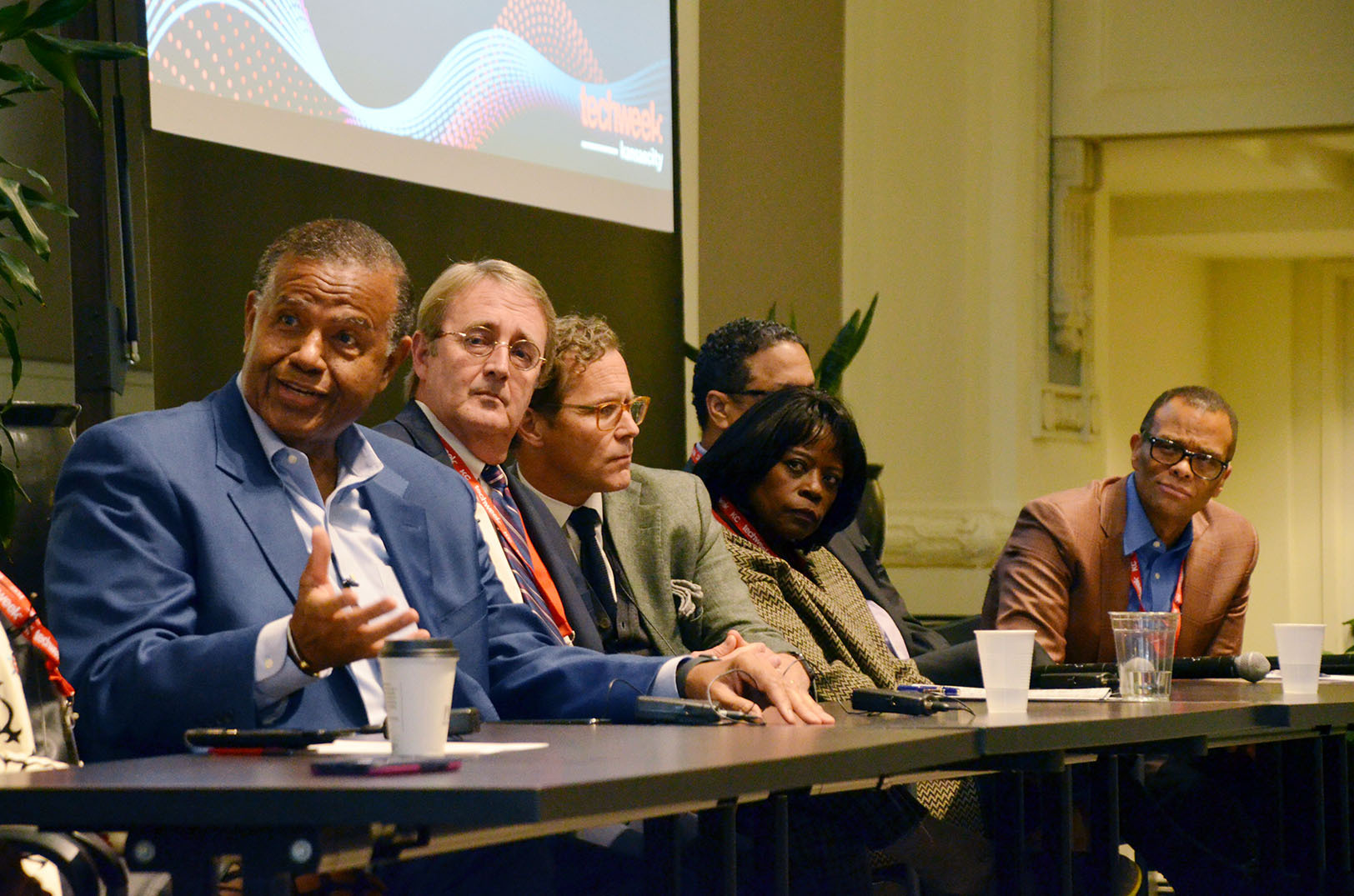
Building an inclusive startup community begins with being unafraid to directly state the problem — a diversity gap — free of coded language related to race and gender, said Rodney Sampson.

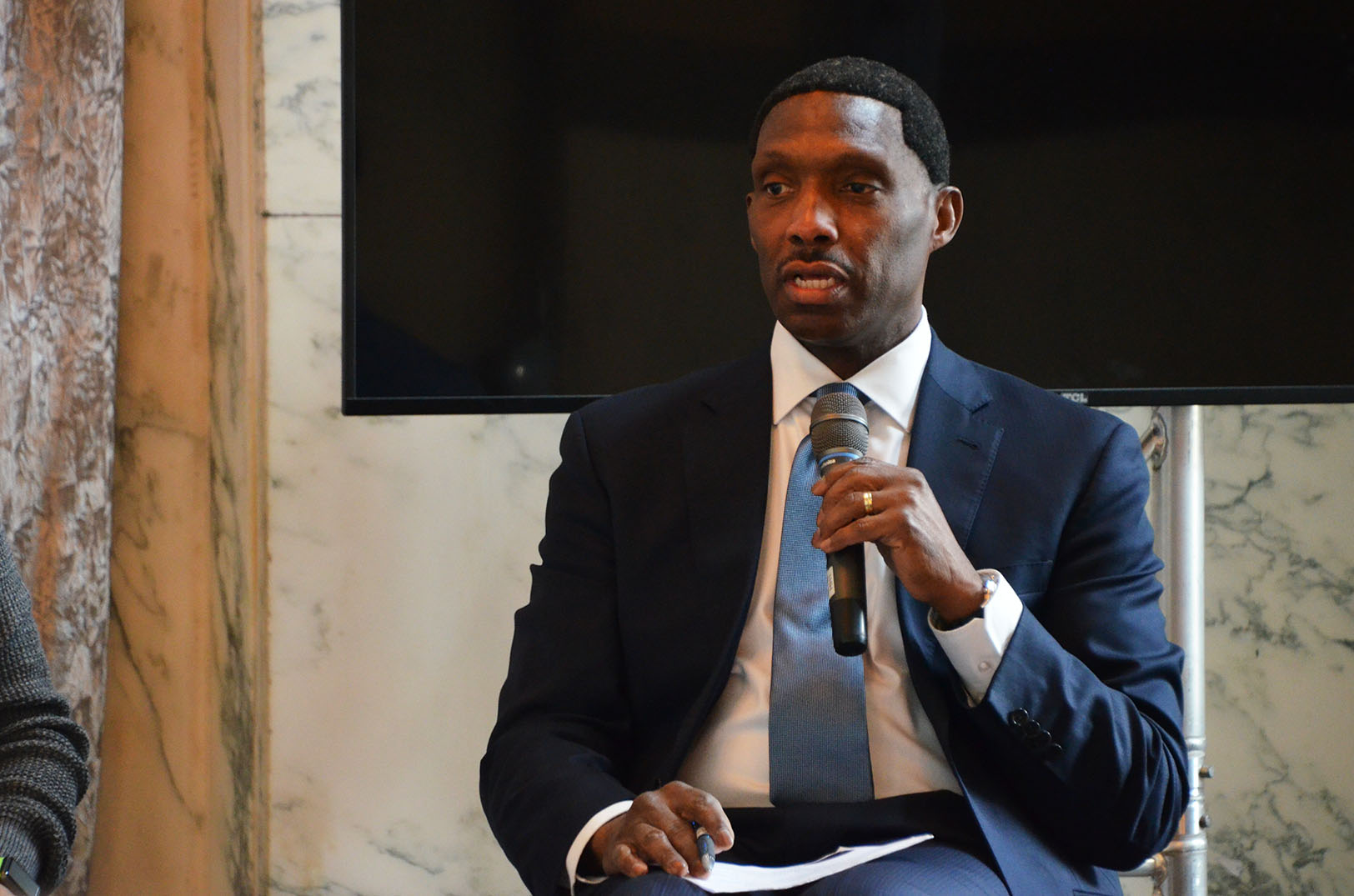
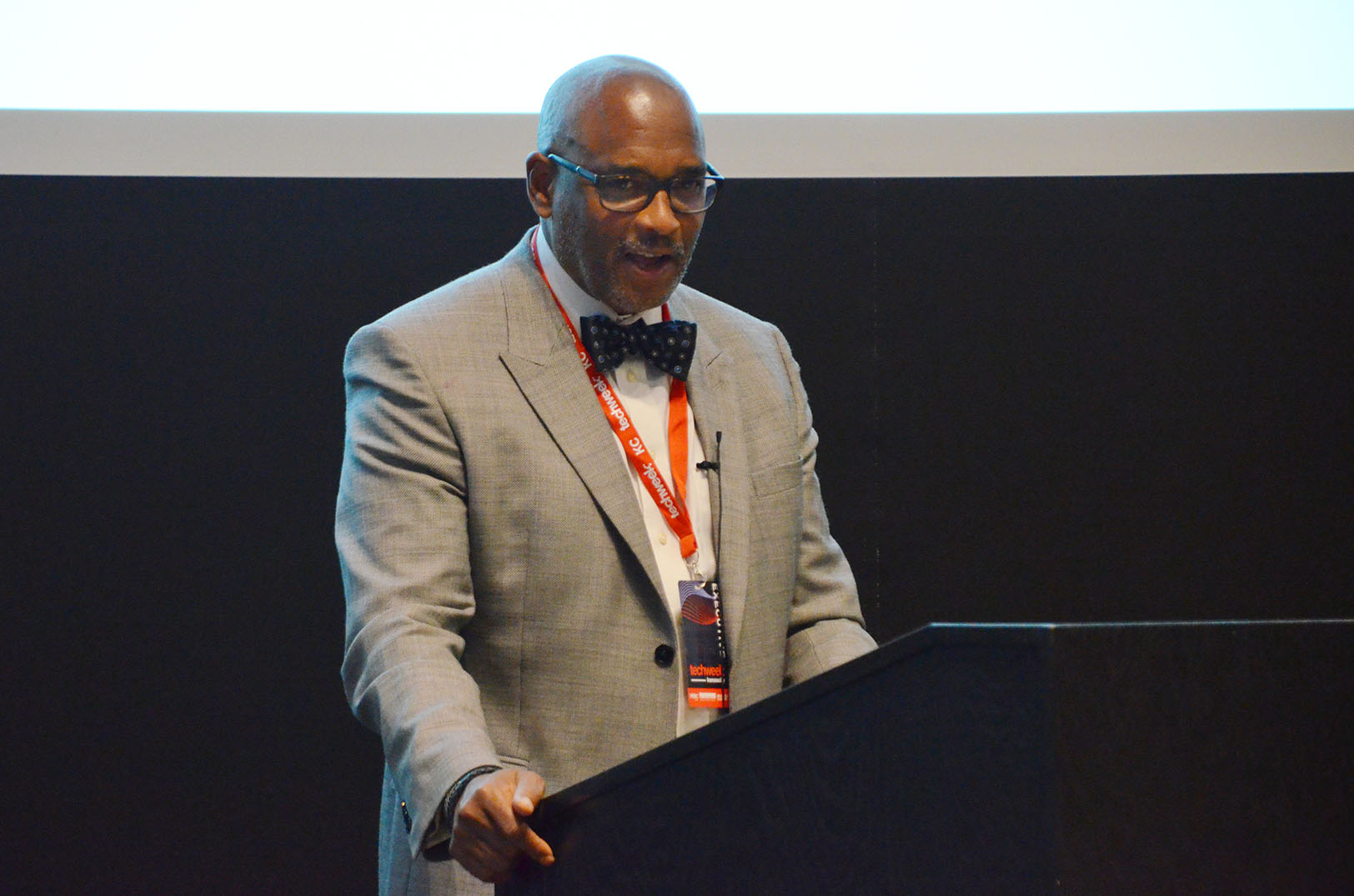
Rodney Sampson, Opportunity Hub
“I am unapologetically about being ‘color-brave’ and ‘race-brave’ — rather than being ‘color blind’ — because when you say ‘color blind,’ you’re saying you don’t see me,” said Sampson, chairman and CEO of Opportunity Hub in Atlanta. “You don’t see everything I bring to the table. You don’t see the pain and the struggle.”
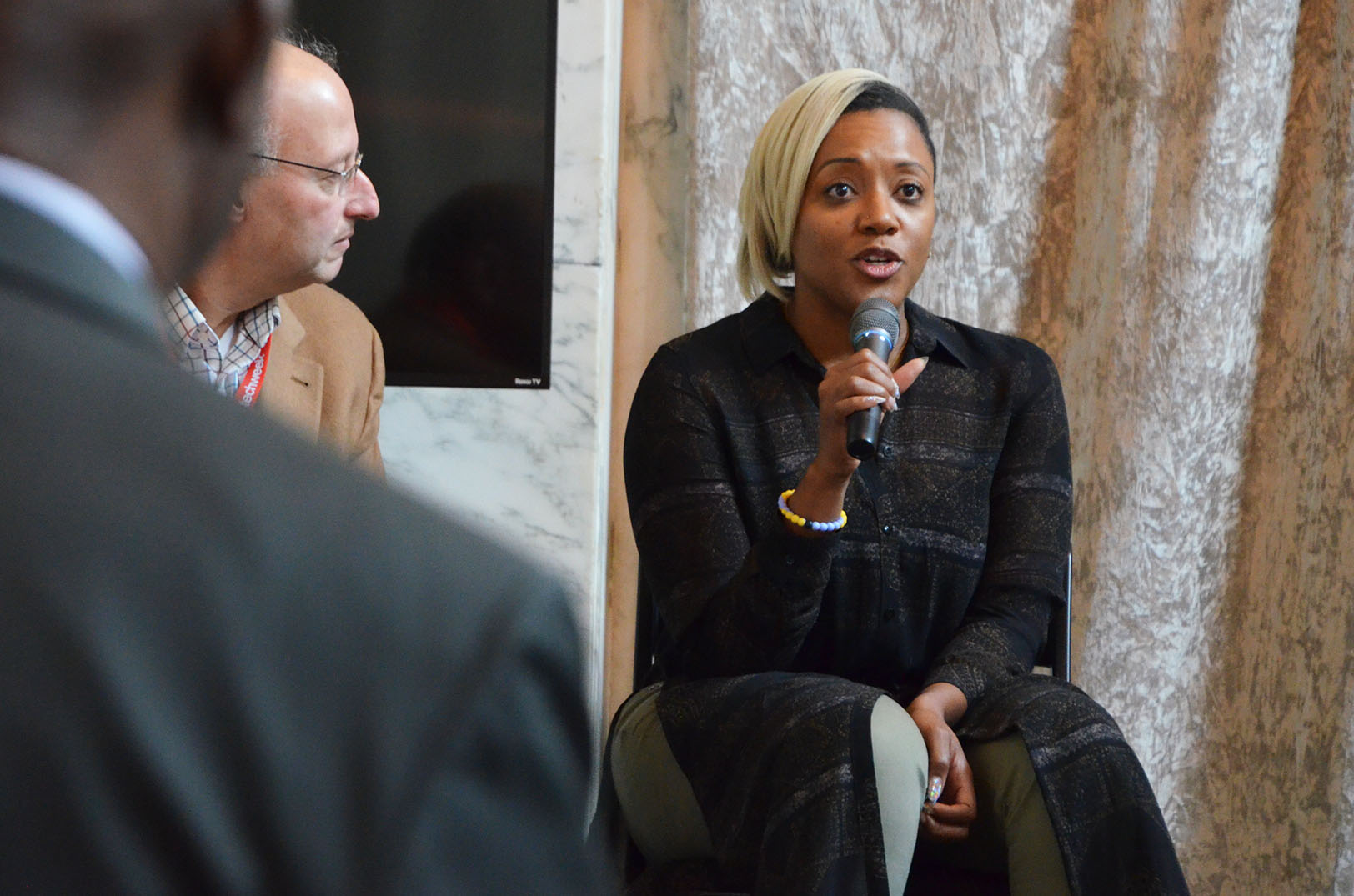
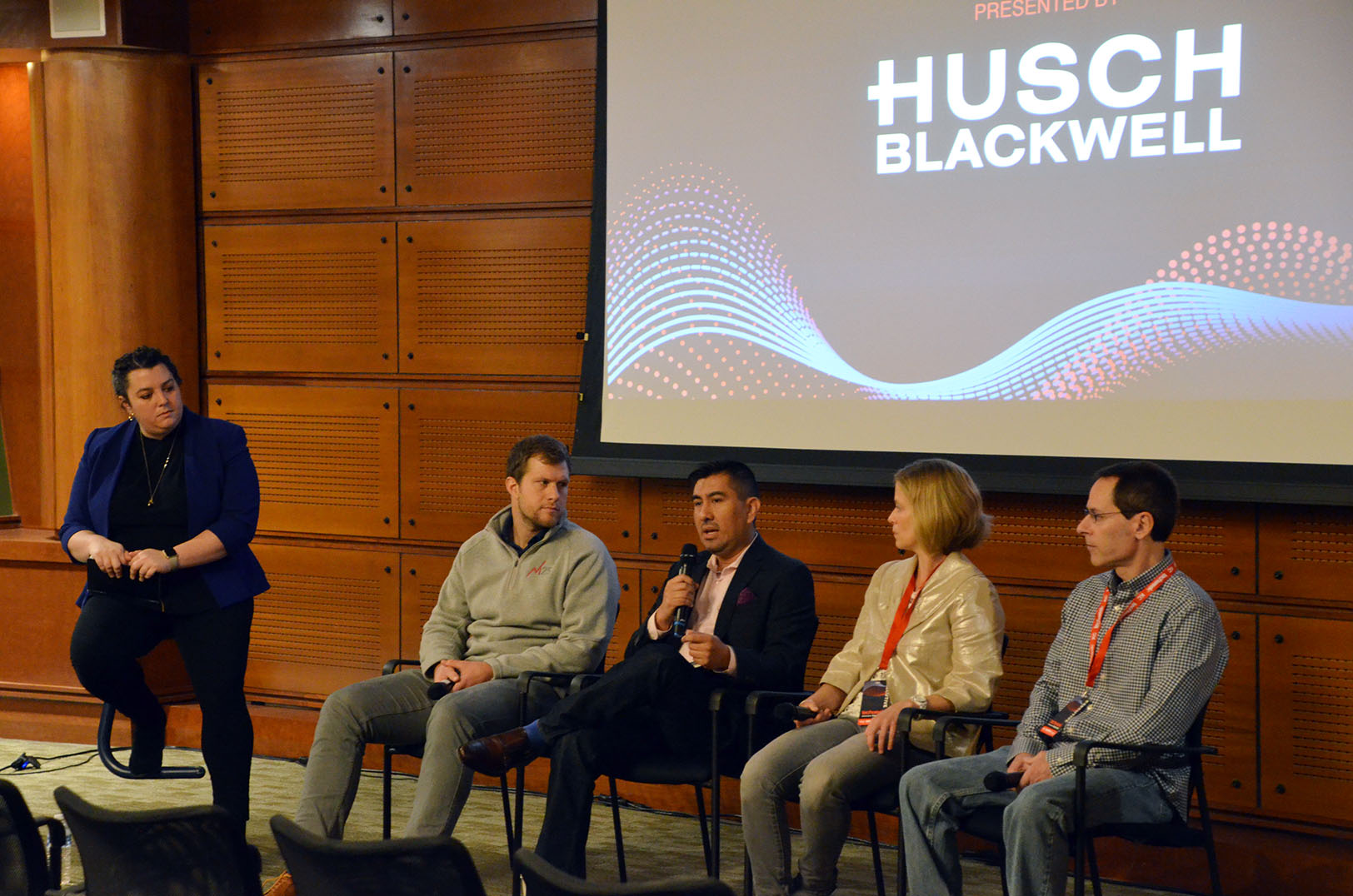
A panel of Kansas City leaders turned to Sampson Wednesday at Techweek during a conversation about bridging the inclusivity gap, seeking to learn how locals can potentially replicate the success of his social venture in Atlanta. Heavy-hitter panelists ranged from Philip Gaskin, director of entrepreneurial communities and chief of staff for entrepreneurship at the Ewing Marion Kauffman Foundation, to Leo Morton, chancellor emeritus at the University of Missouri-Kansas City.
“Data has shown it dramatically increases return on investment when you have women and people of color at the table,” Sampson said.
Opportunity Hub, the largest multi-campus entrepreneurship center and technology hub in the U.S., reflects Sampson’s commitment to “Kingonomics” — taking the economic principles of Dr. Martin Luther King Jr. to build an inclusive innovation and investment model to address poverty and the wealth gap.
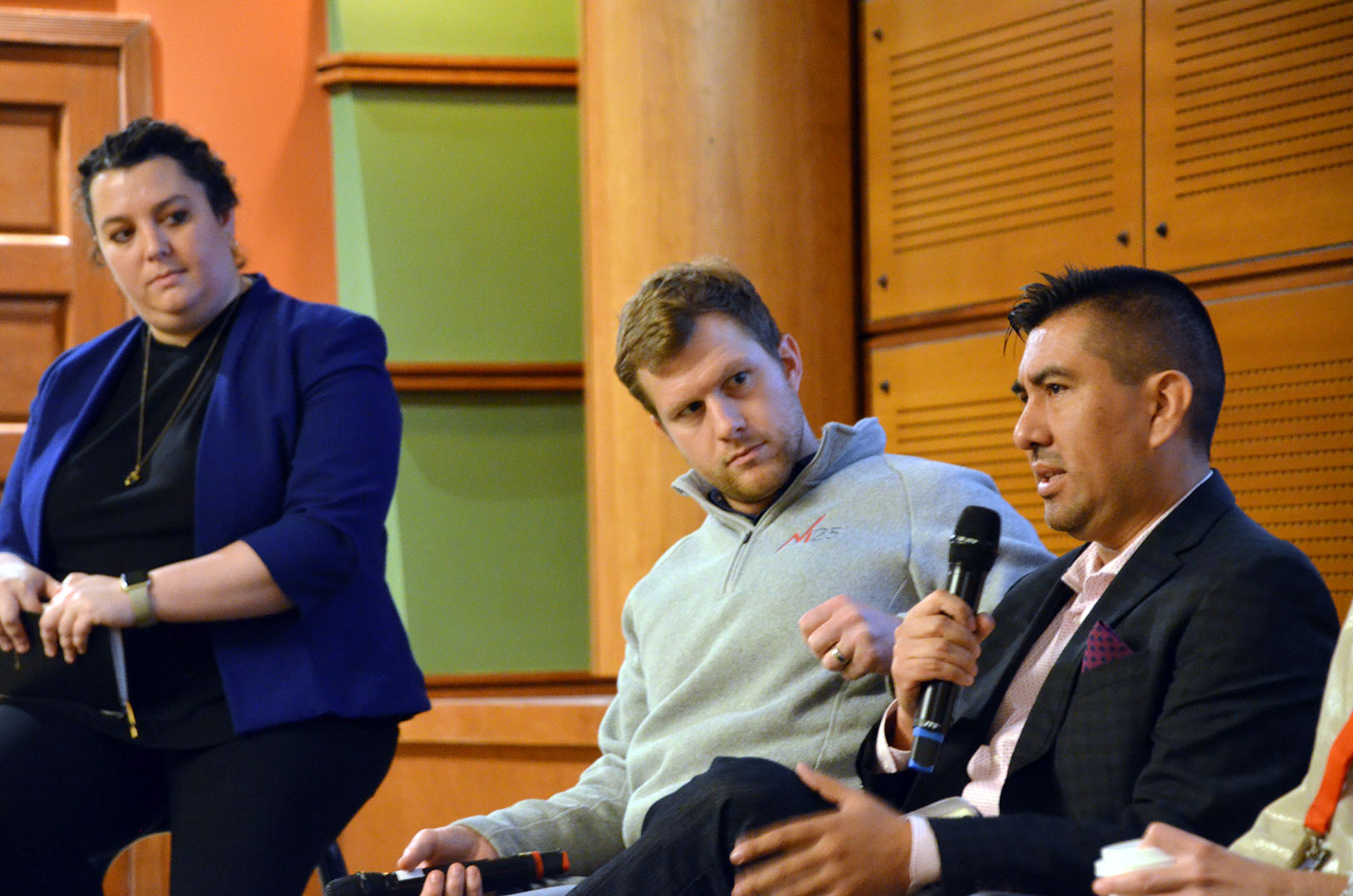
Bob Langenkamp, Economic Development Corporation of Kansas City, Missouri
Programs like CodeStart, #YesWeCodeFund, #100BlackAngels and HBCU@SXSW resulted from community input about the services Atlanta needed Opportunity Hub to provide, Sampson said.
“There was a sense of urgency,” he said. “People wanted a safe space to learn code, to work on their business, write a business plan, build their tech.”
In late 2015, Opportunity Hub merged its coworking operations with TechSquare Labs, a corporate innovation lab and venture fund that has invested in more than 30 companies that have raised more than $300 million in follow on capital, are valued at more than $1 billion dollars, generate $75 million in annual recurring revenue and growing and employ nearly 1,000 people, according to the company.
“We joke that around the city, and around the country, we’re known as ‘the black WeWork,’” Sampson said. “We don’t want blacks only, by the way, we just have that market and we attracted people that we wanted to help change their lives.”
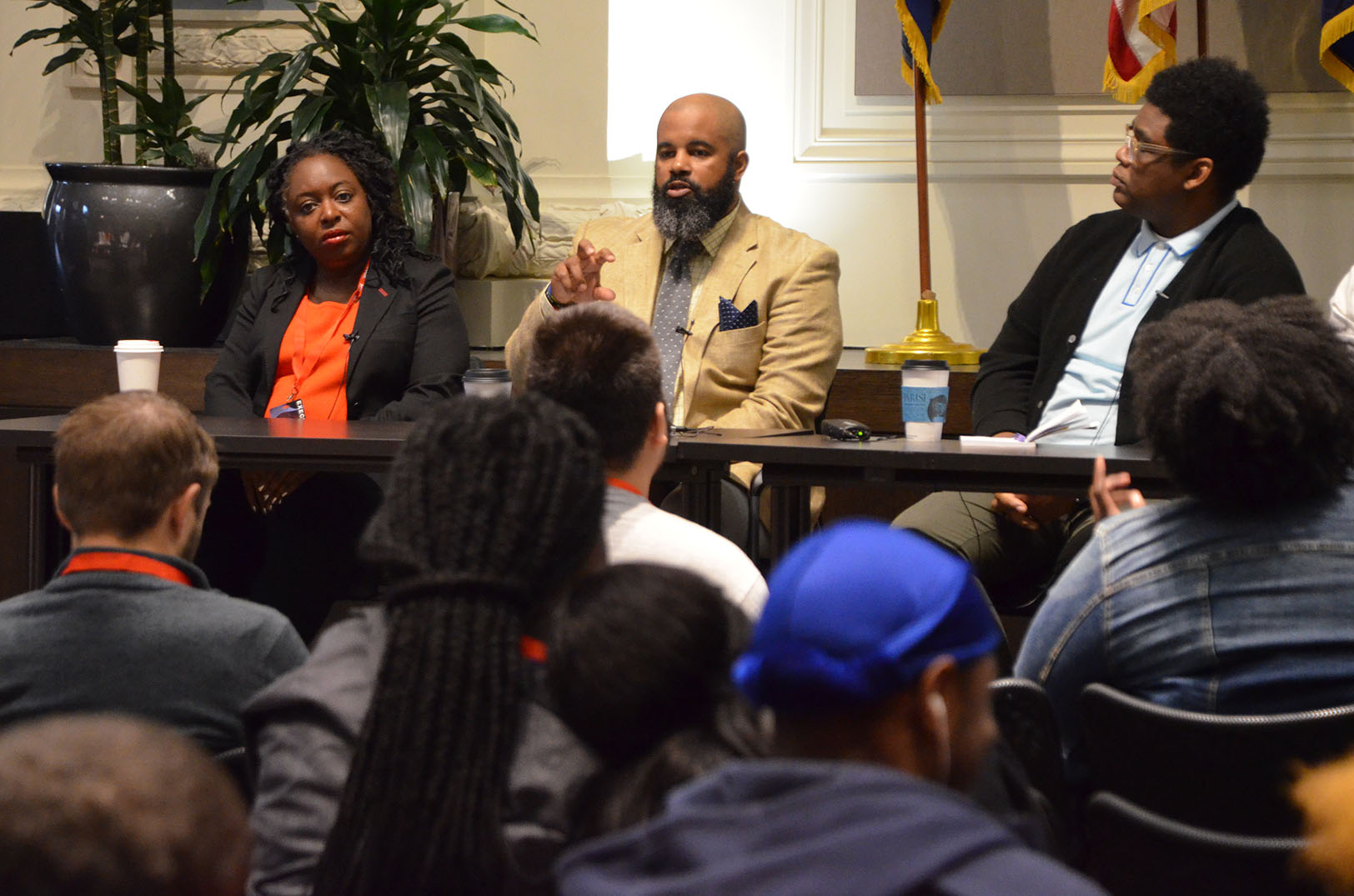
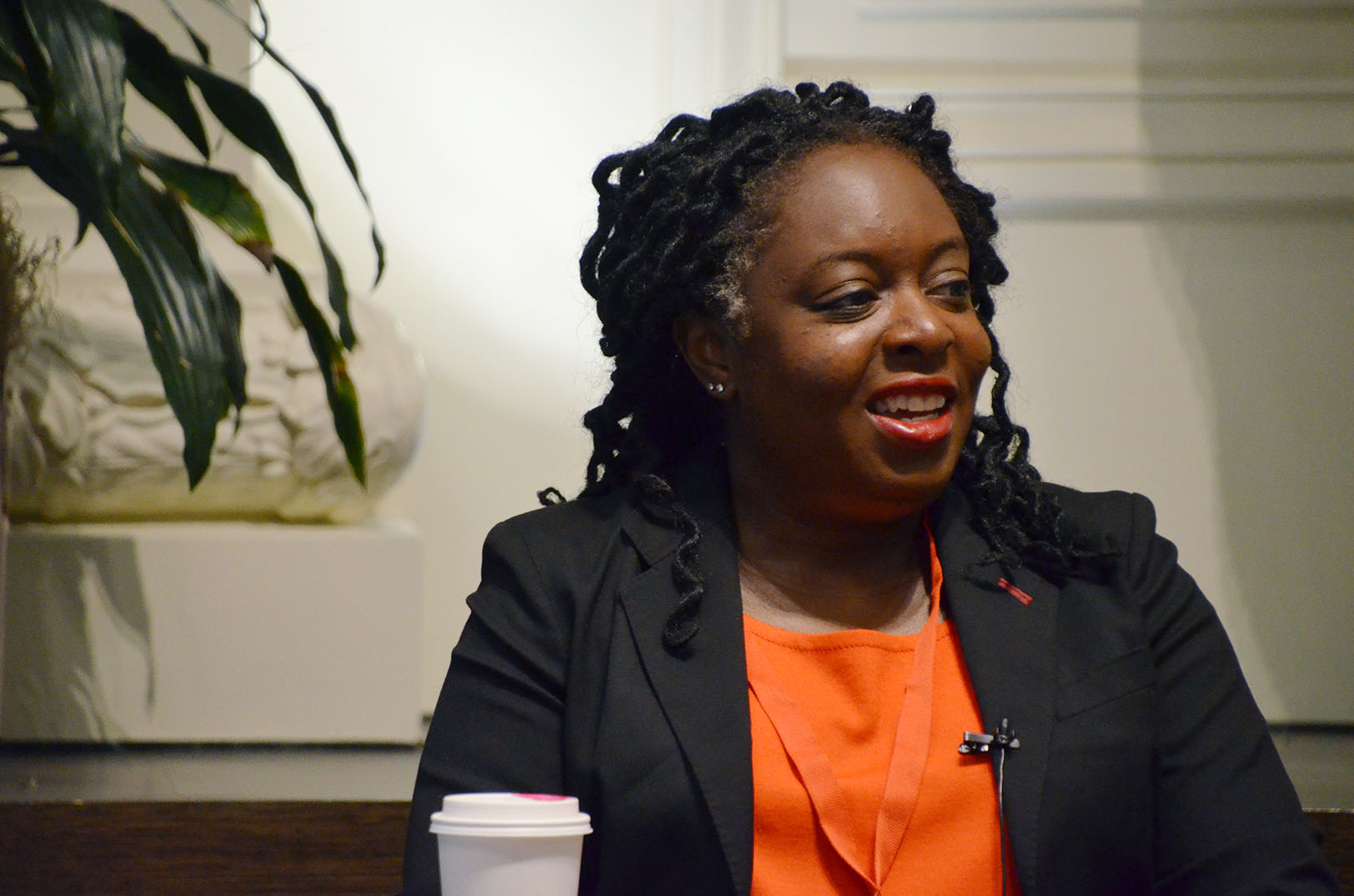
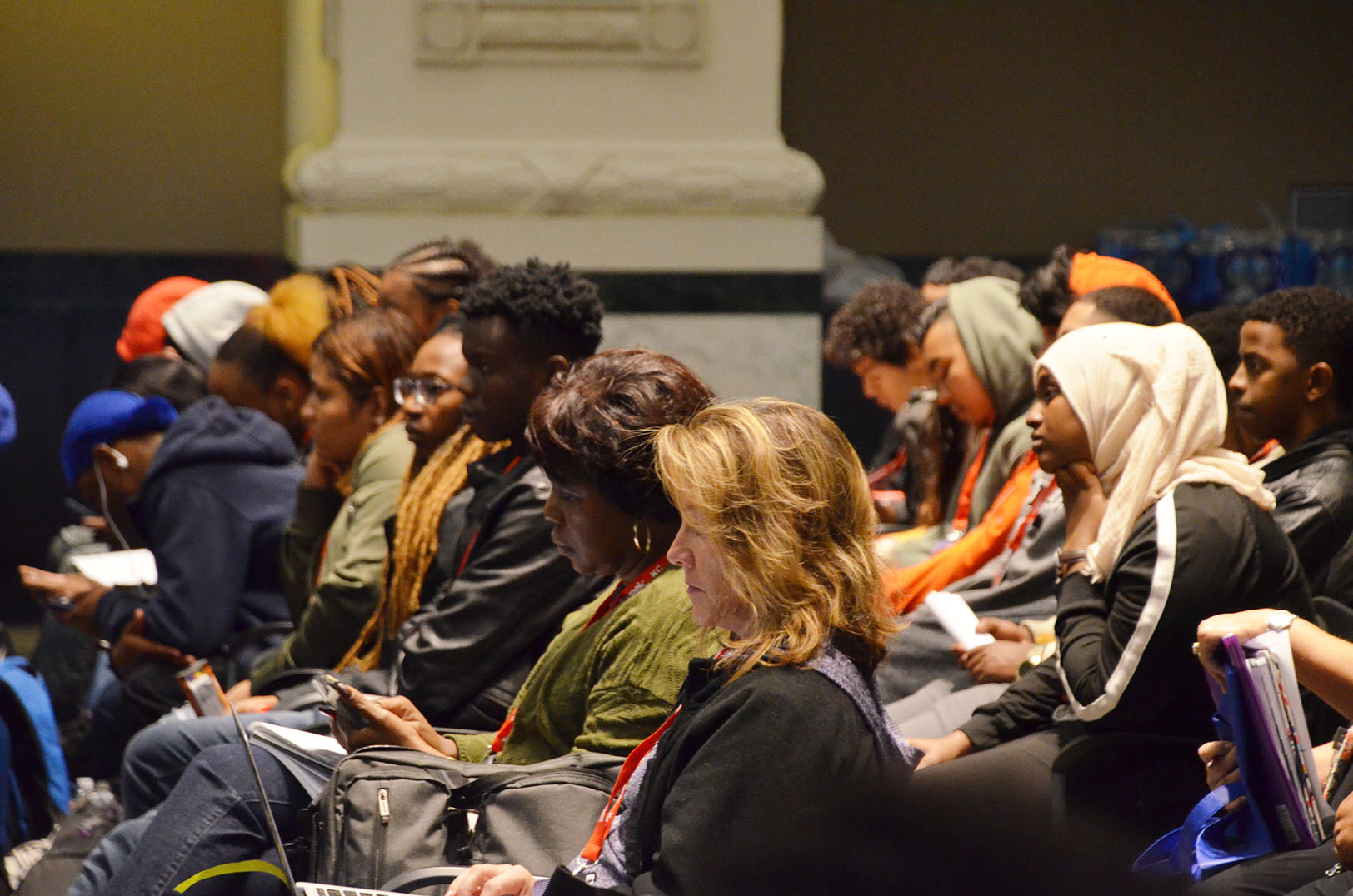
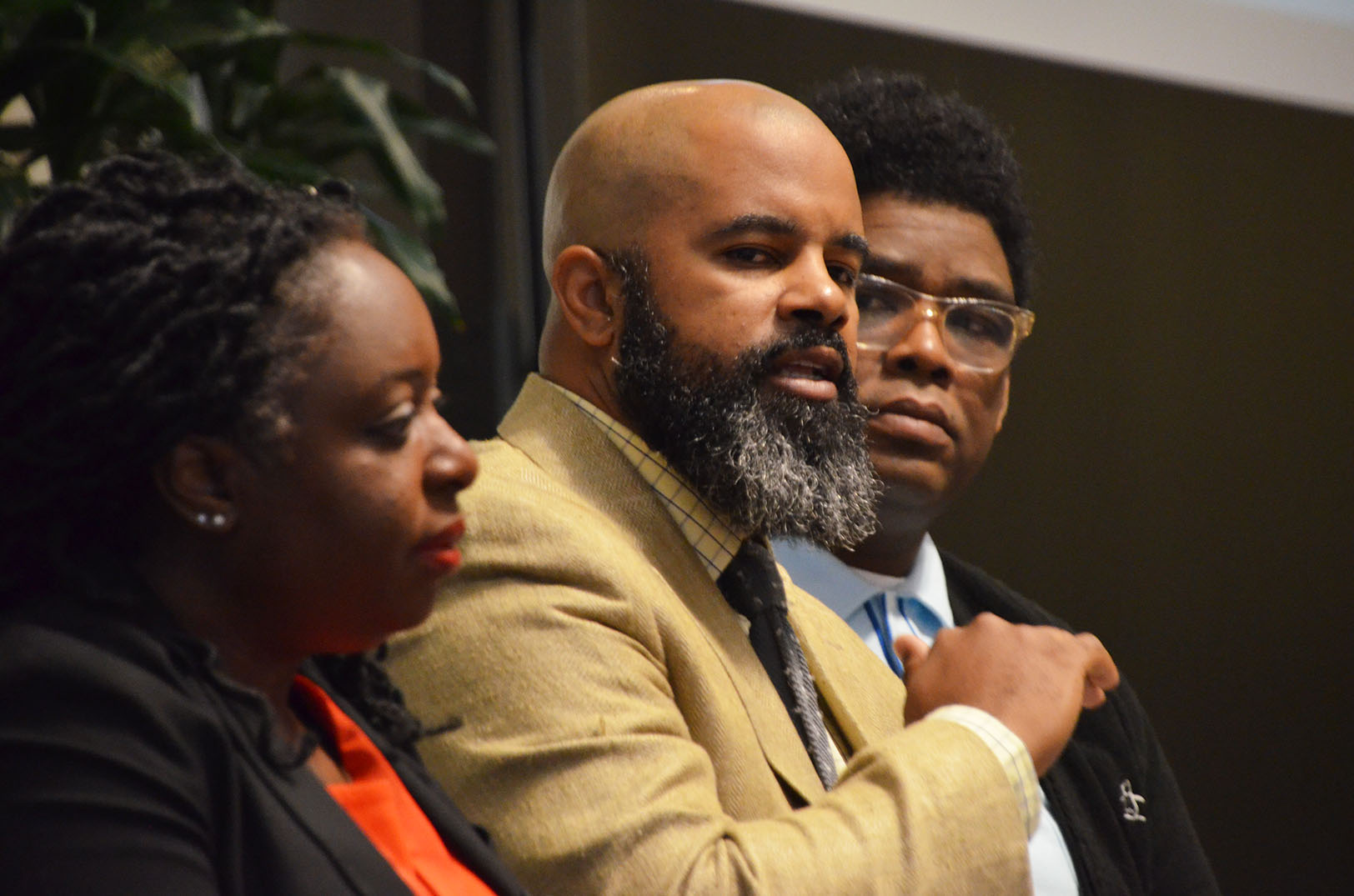
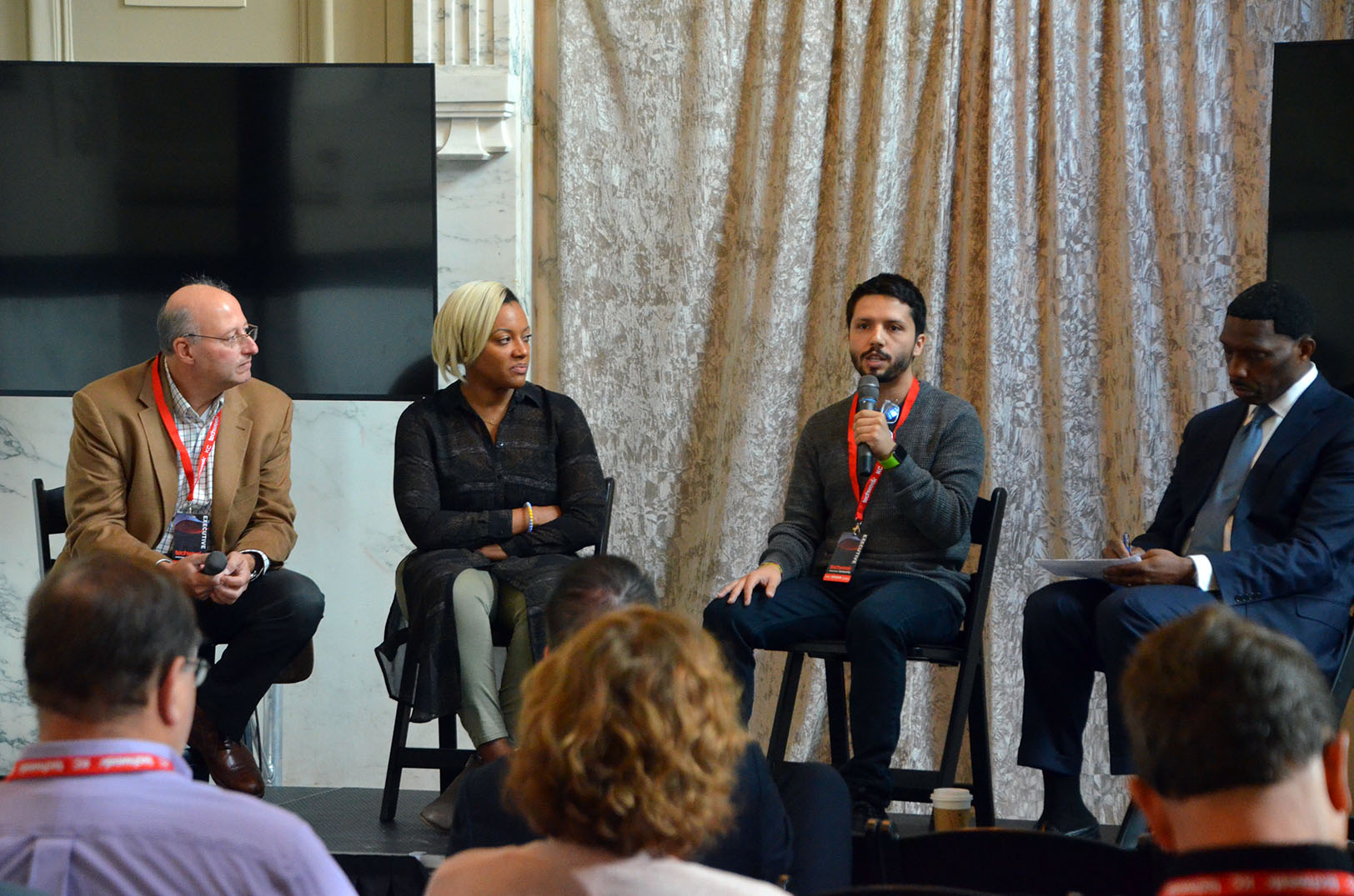
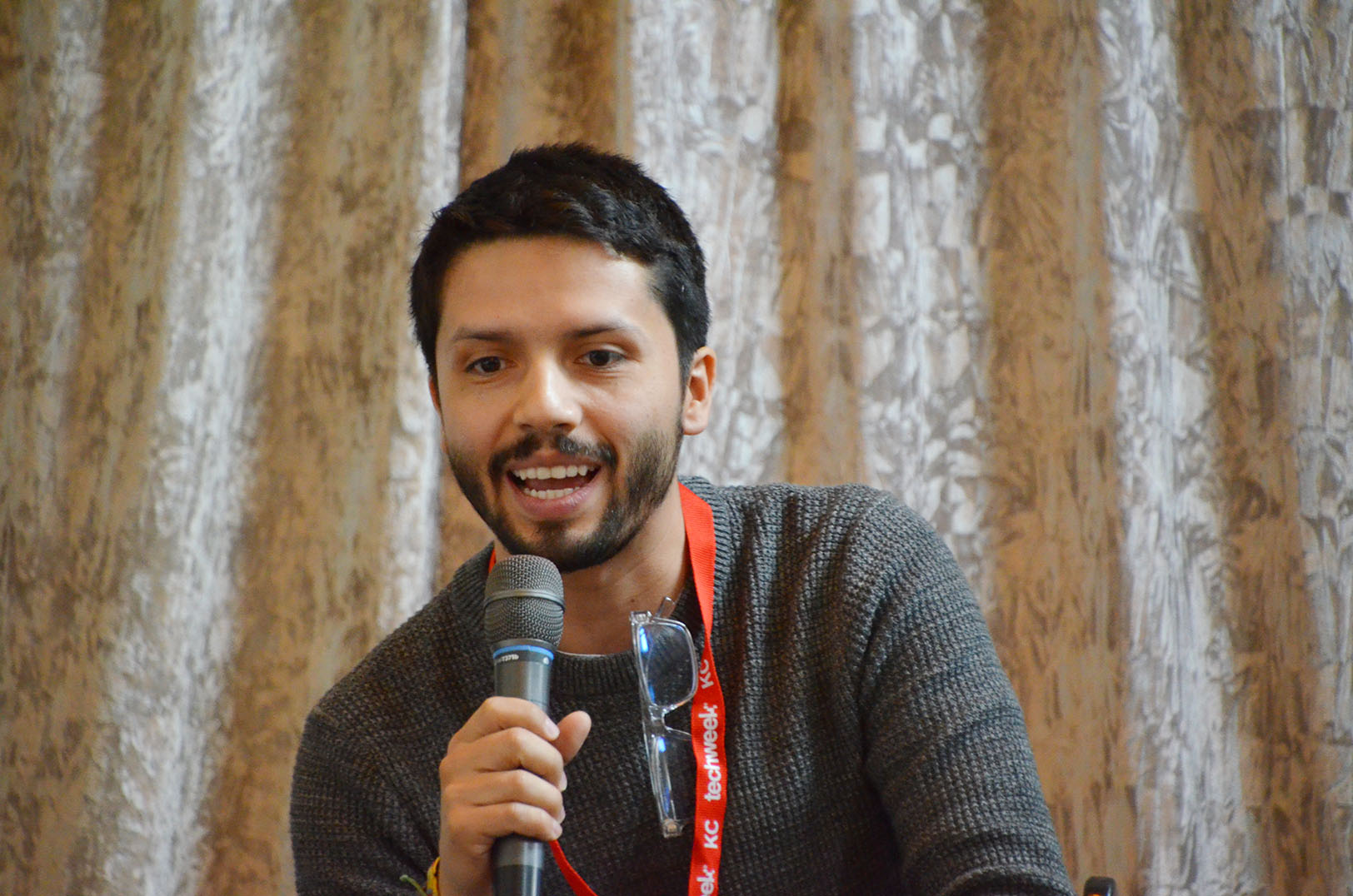
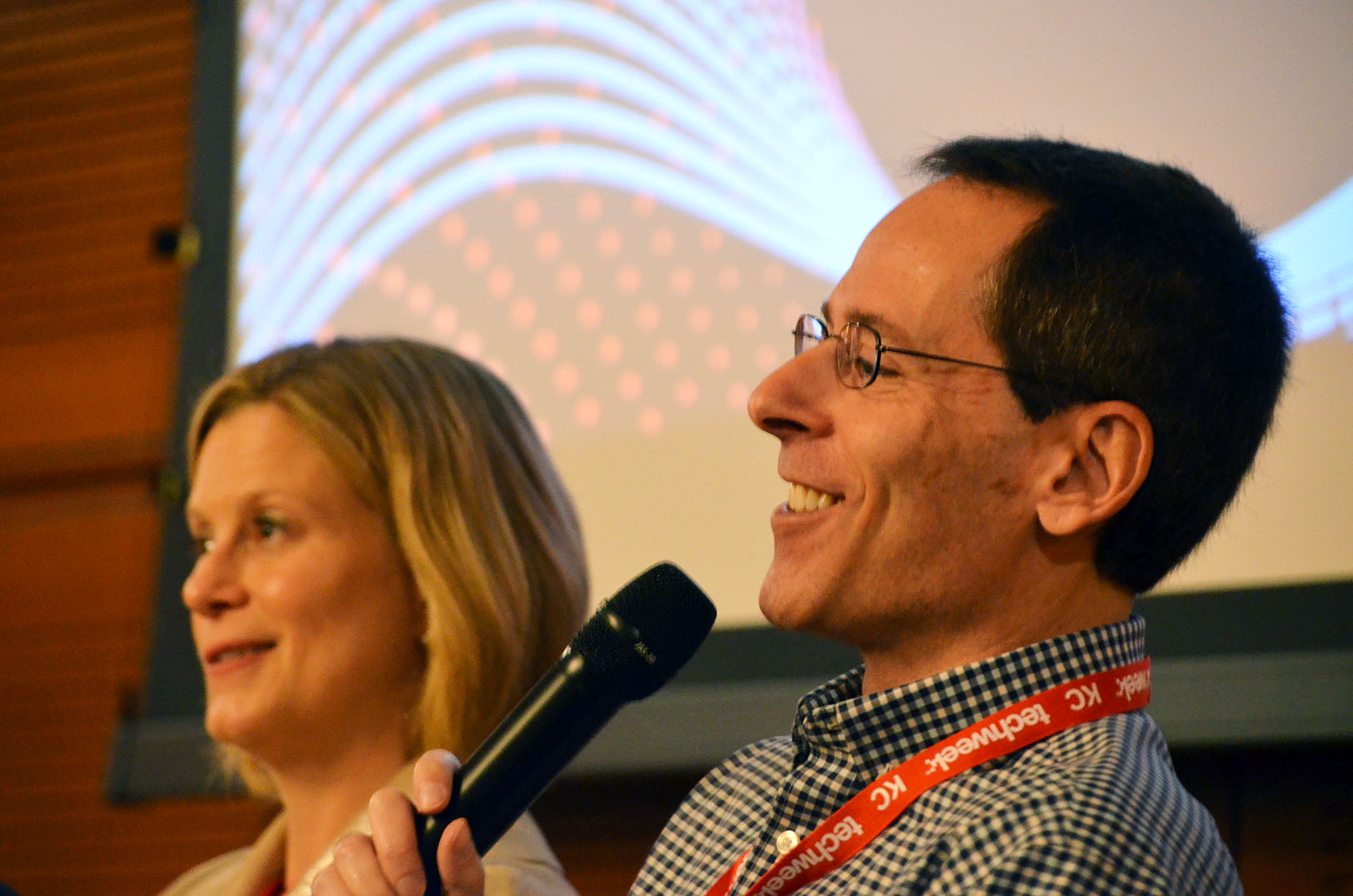
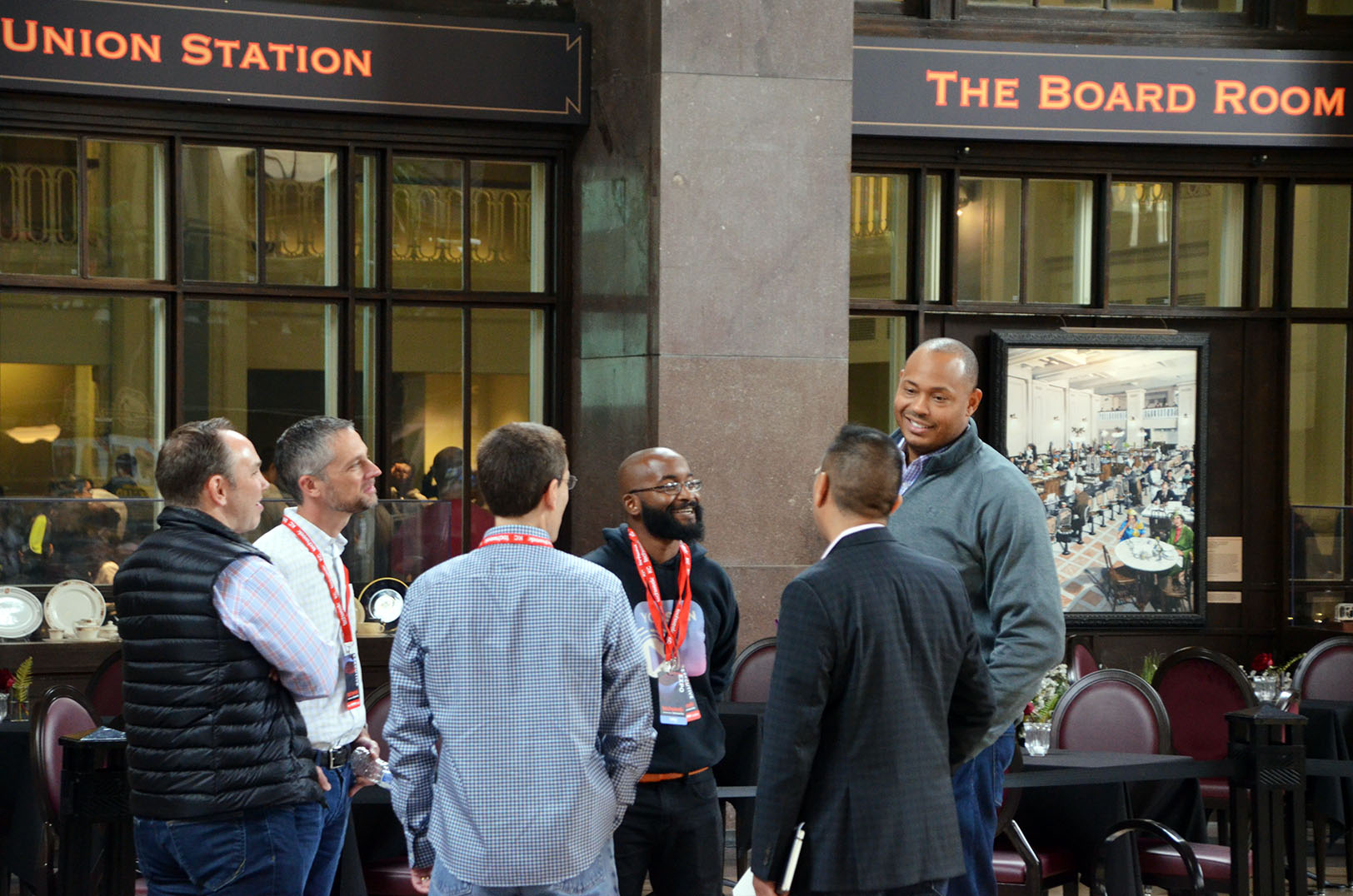
Check out photos from Wednesday’s Techweek events below.

Featured Business

2018 Startups to Watch
stats here
Related Posts on Startland News

Chris Brown: How to split equity in your startup
Editor’s note: Opinions expressed in this commentary are the author’s alone. This article is general in nature and does not constitute legal advice. Readers with legal questions should consult an attorney. When founding a new startup it is common to have disagreements over how much equity each founder should receive. In this post, we will…

Sustainable apartments in KC’s River Market will be among the world’s largest ‘passive houses’
The future of sustainable real estate development may be taking shape in Kansas City. The $60 million, 276-unit Second and Delaware project aims to not only be one of most environmentally conscious residential buildings but also a global example in sustainable housing, said Jonathan Arnold, CEO of Arnold Development Group. The Arnold Development Group along…

Idle Smart founder Jeff Lynch shares three lessons from an accelerator
I’ve been aware of accelerators for some time, but honestly never really thought of them for Idle Smart. We were so heads down trying to grow our own company that I didn’t really have time to learn about the advantages of a quality accelerator. Earlier this summer, however, we were connected to Village Capital through…

Victor Hwang, city leaders challenge the area’s entrepreneurial ecosystem
In partnership with Think Big Partners, the Innovation Exchange offers Kansas Citians context and behind-the-scenes details on newsmakers in the area entrepreneurial ecosystem. This month, area leaders — including the Ewing Marion Kauffman Foundation’s vice president of entrepreneurship Victor Hwang — discussed what’s on the horizon for Kansas City’s entrepreneurial ecosystem. If you missed the…