

Collaboration in the air: Cough detection sensors combine Sickweather, Mycroft tech
October 18, 2018 | Elyssa Bezner
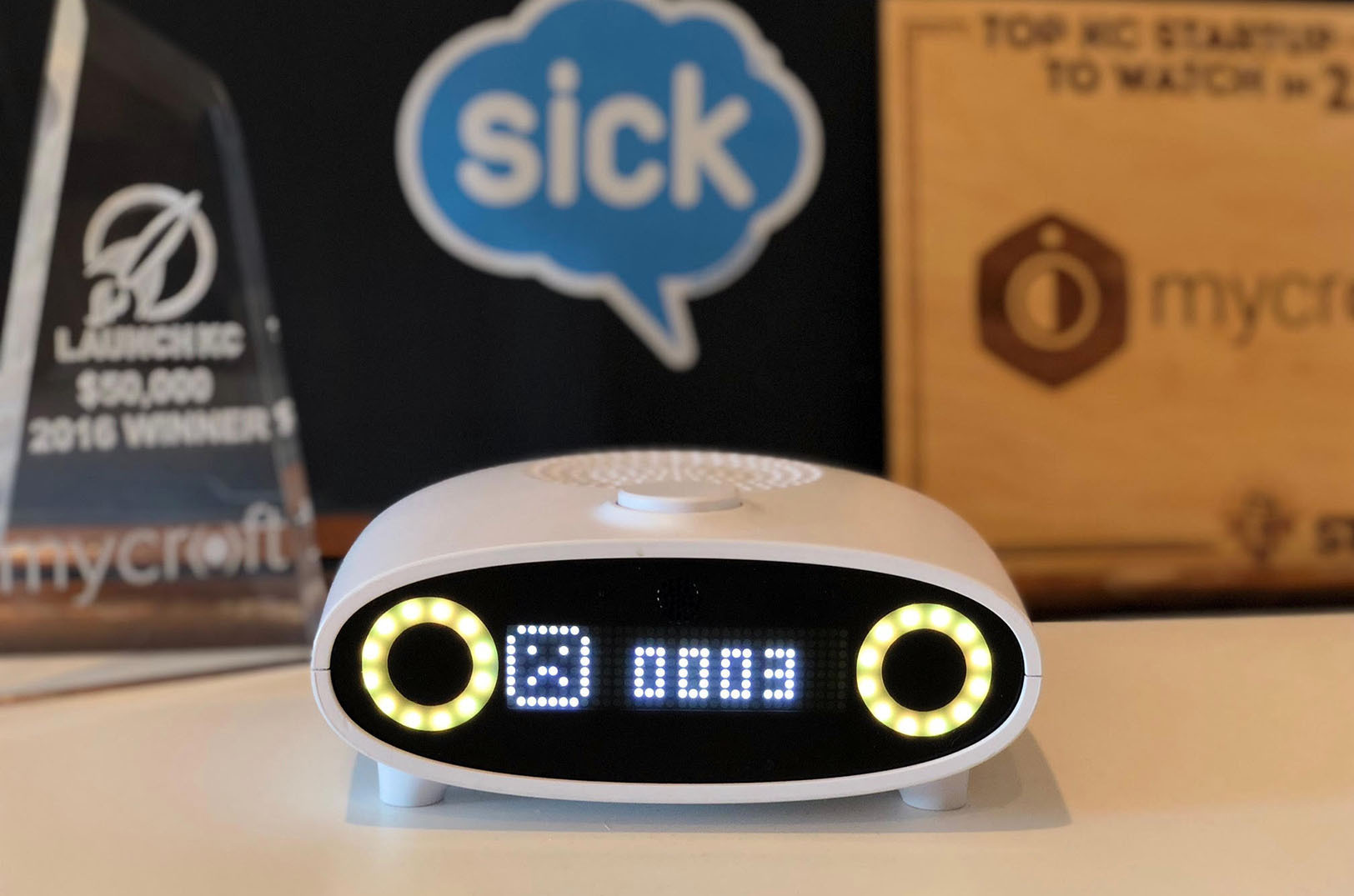
You can’t manage what you can’t measure, said Sickweather CEO Graham Dodge, describing the need for cough detection sensors that are slated to be rolled out in public places across Kansas City in 2019.
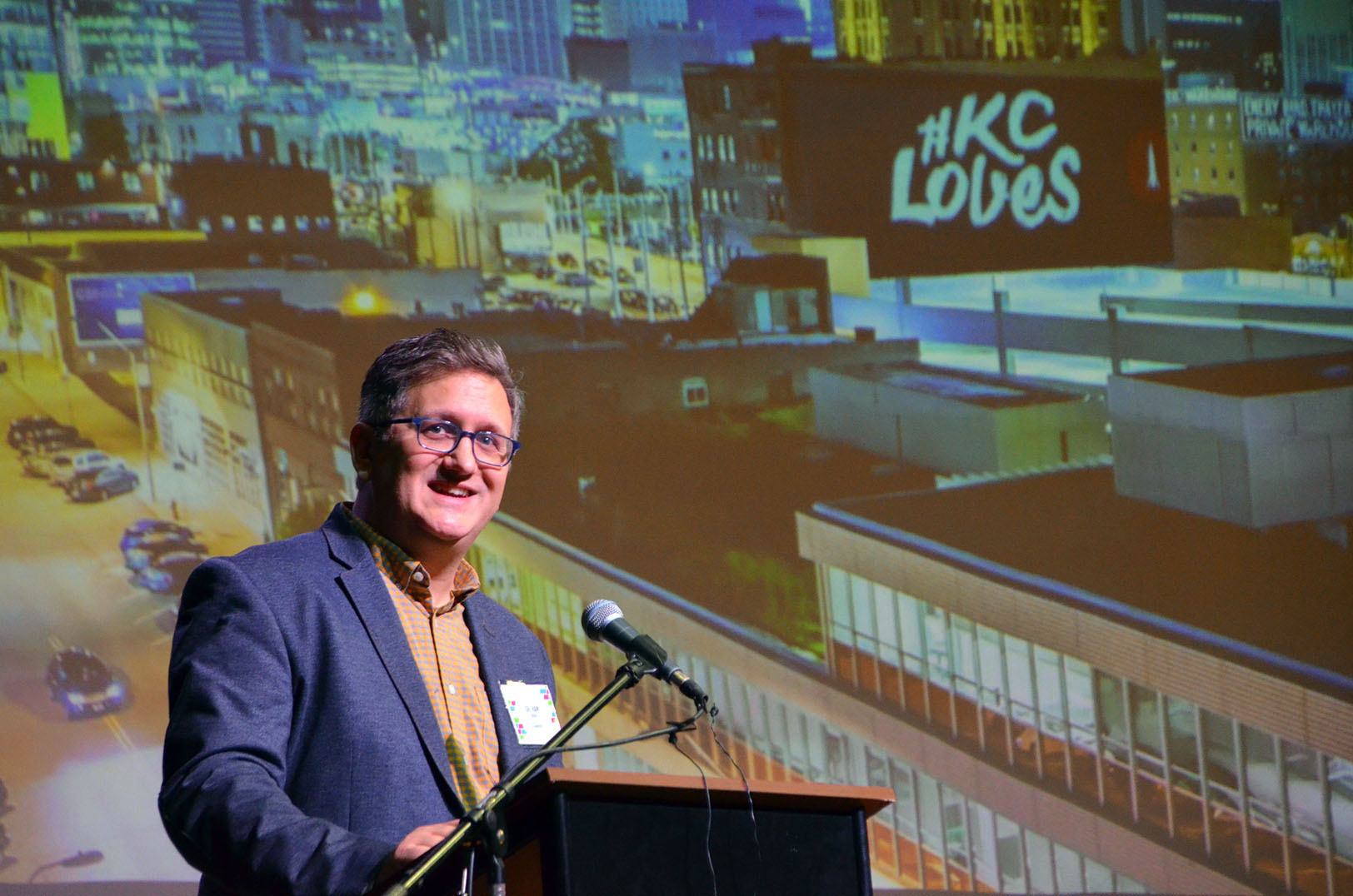
Graham Dodge, Sickweather
Illness forecaster Sickweather is teaming up with fellow Kansas City startup Mycroft, a leader in artificial intelligence-infused tech, to develop the devices in conjunction with the Kansas City Health Department’s smart city initiatives, Dodge said.
The cough sensors are expected to record the number of coughs picked up on city streetcars and buses, collecting data on illnesses relating to respiratory issues in the city, he said.
“This will be our first step in trying to measure that activity in real time so that the health department can deploy resources as needed to communities,” Dodge added.
The collaborators are also exploring the possibility of installing air quality sensors in schools, said Dodge, noting the prime directive of the projects is to study childhood asthma.
Like all Mycroft products, the cough detection sensor keeps privacy in mind, said Joshua Montgomery, CEO of Mycroft, noting the only data collected is the number of coughs heard in each location. The data cannot be attributed to a specific individual.
“The idea is very similar to a traffic counter that sits in an intersection,” he said. “It can’t tell you which cars go through that intersection; all it can do is give you a count and a location and a time. Cities use that information to make decisions about traffic lights and other things.”

Joshua Montgomery, Mycroft
“We can do the same with the sounds of human illness in order to make decisions about, and get better information about things like vaccinations, public health efforts and other items of that nature,” he added.
Privacy and security considerations are a key differentiator between what Mycroft and Sickweather are building in Kansas City and what big tech firms on the West Coast have built in Silicon Valley, Montgomery said.
“I think what we’re seeing in the media and what we’re seeing from regulators in Europe for example, is people becoming sensitive to exactly how invasive some of the Silicon Valley models are, and being willing to explore new technologies that do provide privacy, and that’s a great opportunity for us and a great opportunity for Kansas City,” he said.
Technologies like Mycroft products, the cough sensors, and the Sickweather app are steps in the right direction in terms of how active listening technology and public information from social media can be used, said Dodge.
“In our case, with [Sickweather’s] technology, we’re only listening to your public reports, so we aren’t invading anyone’s privacy when it comes to our social listening technology,” he added. “Anyone who’s using our app and volunteering this information, knows that this is going toward the maps and the forecast, and is contributing to the entire Sickweather community.”

Featured Business

2018 Startups to Watch
stats here
Related Posts on Startland News

Prestio drives users to auto dealerships without traditional car buying pain points
Gone are the days of traditional car buying for Ben Anderson, the first customer of Kansas City-based startup Prestio. Anderson, an accounting professional at CBIZ, had grown deeply frustrated by auto dealerships, he said. In fall 2017, he turned to Prestio –– a first-of-its-kind software-as-a-service platform that allows customers to buy, trade, and finance vehicle purchases…

Crema co-founder details expansion experiment at Thinking Bigger breakfast
Crema’s work is all about proximity, said George Brooks, seeking to clarify potential misperceptions about the digital product agency’s foray into markets outside Kansas City. “We’ve been running an experiment,” the Crema co-founder told a crowd at Thinking Bigger Business Media’s recent Big Breakfast. “We’re from Kansas City, but probably 80 percent of our clients…

Techweek 100 list released: Dozens of KC’s top cultivators, ambassadors and innovators
Techweek Kansas City on Friday released its Techweek 100 list of the premier leaders pushing innovation in Kansas City. The collection of cultivators, ambassadors and innovators is a who’s who of familiar names across the startup, entrepreneurship and tech communities. Released in the runup to Techweek KC’s Oct. 8-12 festivities, the list isn’t a ranking,…
Self-driving cars deliver unexpected challenges, says Burns & McDonnell strategist
City streets filled with safer, automated or self-driving vehicles would come with an unexpected price tag: fewer organ donations because of reduced traffic fatalities, said Julie Lorenz, discussing the promise and paradox of evolving transportation technology. “If you look back in history, it can help you think about the future,” said Lorenz, strategic consultant for…