

Collaboration in the air: Cough detection sensors combine Sickweather, Mycroft tech
October 18, 2018 | Elyssa Bezner
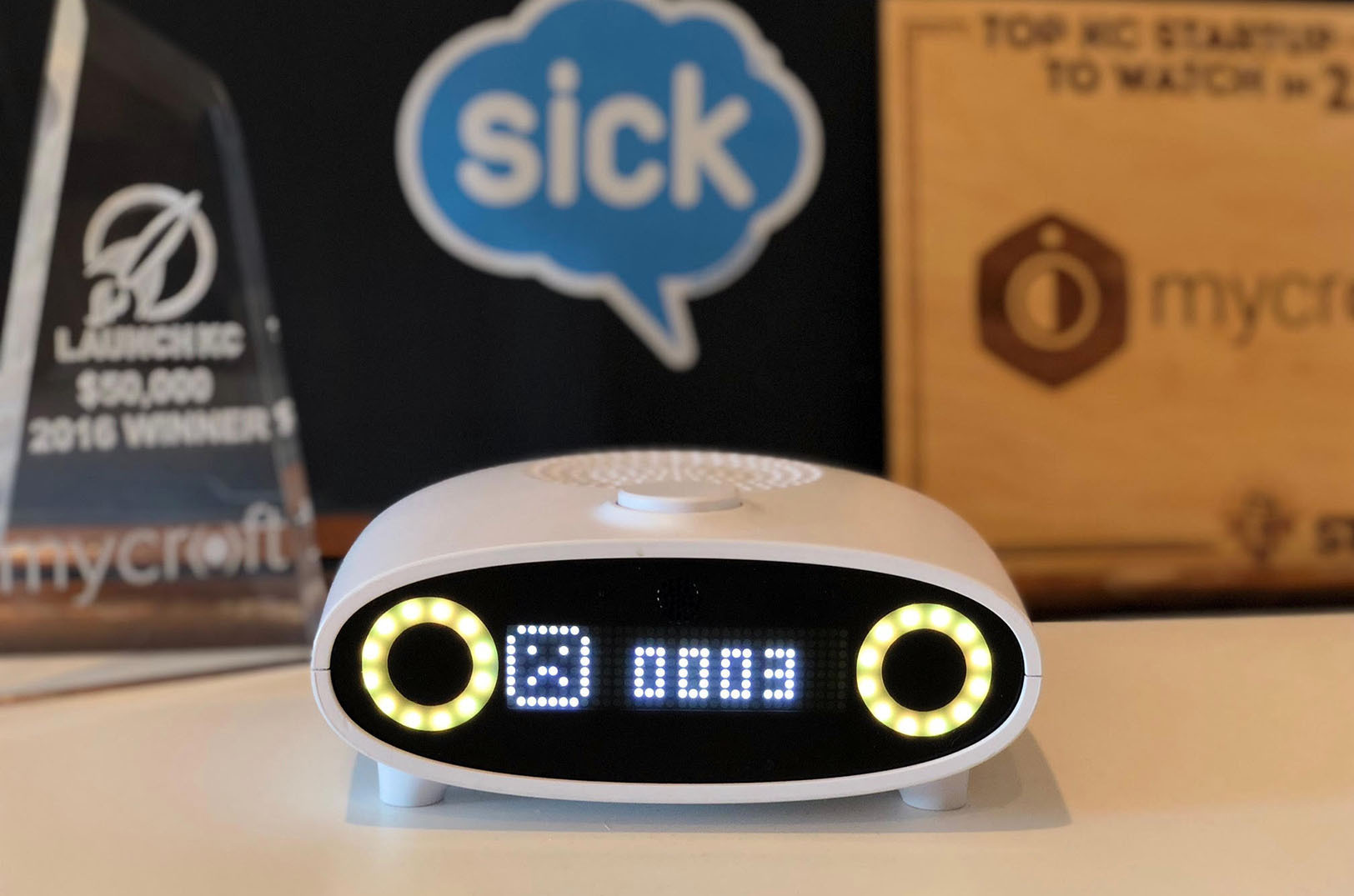
You can’t manage what you can’t measure, said Sickweather CEO Graham Dodge, describing the need for cough detection sensors that are slated to be rolled out in public places across Kansas City in 2019.

Graham Dodge, Sickweather
Illness forecaster Sickweather is teaming up with fellow Kansas City startup Mycroft, a leader in artificial intelligence-infused tech, to develop the devices in conjunction with the Kansas City Health Department’s smart city initiatives, Dodge said.
The cough sensors are expected to record the number of coughs picked up on city streetcars and buses, collecting data on illnesses relating to respiratory issues in the city, he said.
“This will be our first step in trying to measure that activity in real time so that the health department can deploy resources as needed to communities,” Dodge added.
The collaborators are also exploring the possibility of installing air quality sensors in schools, said Dodge, noting the prime directive of the projects is to study childhood asthma.
Like all Mycroft products, the cough detection sensor keeps privacy in mind, said Joshua Montgomery, CEO of Mycroft, noting the only data collected is the number of coughs heard in each location. The data cannot be attributed to a specific individual.
“The idea is very similar to a traffic counter that sits in an intersection,” he said. “It can’t tell you which cars go through that intersection; all it can do is give you a count and a location and a time. Cities use that information to make decisions about traffic lights and other things.”

Joshua Montgomery, Mycroft
“We can do the same with the sounds of human illness in order to make decisions about, and get better information about things like vaccinations, public health efforts and other items of that nature,” he added.
Privacy and security considerations are a key differentiator between what Mycroft and Sickweather are building in Kansas City and what big tech firms on the West Coast have built in Silicon Valley, Montgomery said.
“I think what we’re seeing in the media and what we’re seeing from regulators in Europe for example, is people becoming sensitive to exactly how invasive some of the Silicon Valley models are, and being willing to explore new technologies that do provide privacy, and that’s a great opportunity for us and a great opportunity for Kansas City,” he said.
Technologies like Mycroft products, the cough sensors, and the Sickweather app are steps in the right direction in terms of how active listening technology and public information from social media can be used, said Dodge.
“In our case, with [Sickweather’s] technology, we’re only listening to your public reports, so we aren’t invading anyone’s privacy when it comes to our social listening technology,” he added. “Anyone who’s using our app and volunteering this information, knows that this is going toward the maps and the forecast, and is contributing to the entire Sickweather community.”

Featured Business

2018 Startups to Watch
stats here
Related Posts on Startland News
MADE’s Heartbreak Kids splits design silence on tension with Charlie Hustle
Streetwear is about making a statement, Vu Radley said, and the Heartbreak Kids collection says more than words alone could express. “It’s an attitude. Pushing out statements without censoring yourself,” said Radley, co-founder and creative director for MADE Urban Apparel. “We say it how it is in our designs.” For the Heartbreak Kids capsule, which…

Want a globally competitive KC? Look beyond smart city ‘bling,’ Digi.City founder says
The U.S. has a lot of catching up to do, said Chelsea Collier, founder of Digi.City. It’s not quite doomsday, but Collier wanted to express a sense of urgency, she said Friday during a Smart Metro Summit at Plexpod Westport Commons. Cities need to get smart — fast — or the United States will continue to…

Techstars’ Lesa Mitchell: Non-sexy sectors are ripe for disruption
Editor’s note: The opinions expressed in this commentary are the author’s alone. In the process of looking for a new crop of companies to invest in on behalf of Techstars Kansas City, I thought I should highlight the type of companies I think are undervalued and critical to our economy. In 2017 we invested in…

VideoFizz adapts greeting card app for real estate listings, closes $500K deal
Don’t miss your customers’ cues, said Laura Steward, founder of VideoFizz. Though the Kansas City-based startup originally developed its mobile app as a tool to help individuals create video compilations of their personal photos and videos, Steward and her team noticed a growing number of real estate agents using the technology to stitch together video…