

Techweek dedicating Oct. 10 afternoon programming to diversity in KC business culture
September 14, 2018 | Austin Barnes

A first-time programming track dedicated to diversity and inclusion issues is an intentional effort by Techweek Kansas City organizers to open a needed conversation about true representation in the city’s business culture, said Drew Solomon.
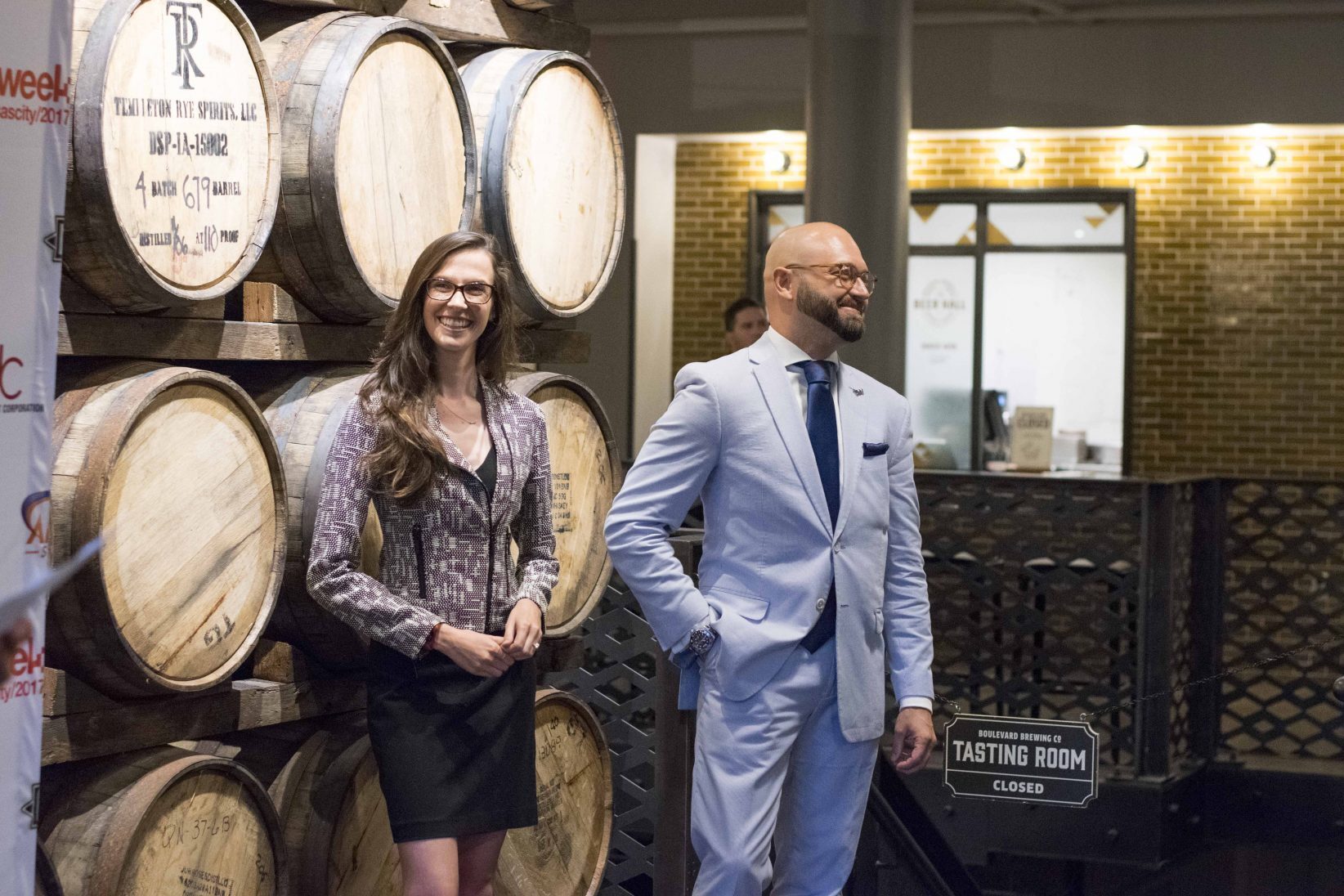
Amanda Signorelli, Techweek, and Drew Solomon, Economic Development Corporation of Kansas City
The mid-point of the Oct. 8-12 Techweek KC event series is expected to feature an afternoon of panel discussions and break-out sessions to address current needs in Kansas City and foster a community-wide dialogue that identifies ways to solve them, said Solomon, one of the organizers of Techweek KC events and senior vice president of business development at the Economic Development Corporation of Kansas City.
“Techweek is showcasing a great opportunity for us as a community to come together and have thoughtful discussions with national experts and hear feedback as part of that,” Solomon said.
Panels will focus on diversity and inclusion issues related to big data, venture capital-backed companies and investors, and health tech, Solomon said.
Click here to register for Techweek tickets.
Dell Gines, Federal Reserve Bank of Kansas City senior Community Development advisor, who recently published his year long research project — Black Women Business Startups — is collaborating with Techweek to make the diversity discussions possible.
“Dell is incredibly thoughtful on this –– even more so than myself. He’s done a ton of research,” Solomon said of bringing Gines on board.
Techweek organizers realized the need for conversations about diversity was growing in Kansas City after the 2017 event series, he said.
“There’s a lot of dialogue around this, so Techweek went out and solicited input from a lot of folks to get some really good national speakers,” Solomon added.
Among speakers taking the podium during the Oct. 10 discussions:
- Kimberly Bryant, founder of Black Girls Code
- Rodney Sampson, co-founder of Opportunity Hub (OHUB)
- Dr. Fred McKinney, managing director of Minority Business Programs at Dartmouth University
- Adrienne Benton, president and CEO of Onyx Spectrum Technology
A can’t miss moment of the Techweek diversity panels will center around inclusive hiring, Solomon teased.
“We want to try to connect those employers and these populations that are having critical conversations about this,” he said. “A lot of times employers will talk about their want to get a diverse hiring pool and there will be people who want, as candidates, to find employment but the two don’t get linked in a pronounced way.”
A separate track of diversity programming will be offered for high school students, Solomon said. Breakout sessions will be built around job access and preparing students for future careers in the tech space, he explained.
“If we don’t directly address this, we’re not going to be able to fill all the jobs of tomorrow and we’re not going to be able to import enough talent to meet our demand,” Solomon said.
Click here for a look at other Techweek speakers and panels.

Featured Business

2018 Startups to Watch
stats here
Related Posts on Startland News
Neighborhood smart cans help Kansas Citians save the planet from their kitchens
Newly introduced composting technology is already turning new ground in Kansas City, Kristan Chamberlain said, with more solar-powered compost cans arriving later this spring across the metro’s urban landscape. Her social venture, KC Can Compost, installed three of the devices in October — free to use for KCMO residents wanting to deposit their soil-making food…

Voodoo Volleyball bounces back in OP: Father-daughter duo doubles as new venture’s setters
Quinn Austin put several sports to the test as a preteen — racing from basketball practice to softball to volleyball. But she latched on to just one. “Volleyball. It was my sport. Everyone was having a good time,” she said. “We just loved the cheers — a cheer when we got a hit, a cheer…

Black farmers are losing ground in the fight to feed their communities, advocates say
More than a century of systemic land dispossession and discriminatory practices has left Black farmers with less than 0.6 percent of U.S. farmland — less than a third of the 16 million acres they operated in 1910, according to local urban farming advocates. They gathered Tuesday at Independence Boulevard Christian Church to confront this history…

Cracking egg-flation: How farmers, substitute ingredients help restaurants mitigate price spike
Editor’s note: This story was originally published by Kansas City PBS/Flatland, a member of the Kansas City Media Collective, which also includes Startland News, KCUR 89.3, American Public Square, The Kansas City Beacon, and Missouri Business Alert. Click here to read the original story. Whether ordering an omelet, French toast, chicken n’ biscuits, chilaquiles, corned beef hash…