

KC-based Make48 team films Season 3 at Baltimore makerspace
August 28, 2018 | Nick Ward-Bopp
Editor’s note: Nick Ward-Bopp is a volunteer tool tech for Make48, and co-runs the MakerSpace at the Johnson County Library, helping the community use tools for digital fabrication like 3D printers and laser cutters. He spends his nights and weekends co-running Maker Village, a small wood and metal shop in Midtown Kansas City that builds community through workshops with neighbors, nonprofits and artists. The opinions expressed in the commentary are the author’s alone.
On a Sunday earlier this month, I was standing next to Rich Brull, head of the tool techs and co-creator of Make48, and we were both taking in the flurry of activity around us, when I told him, “You guys have really come a long way.”
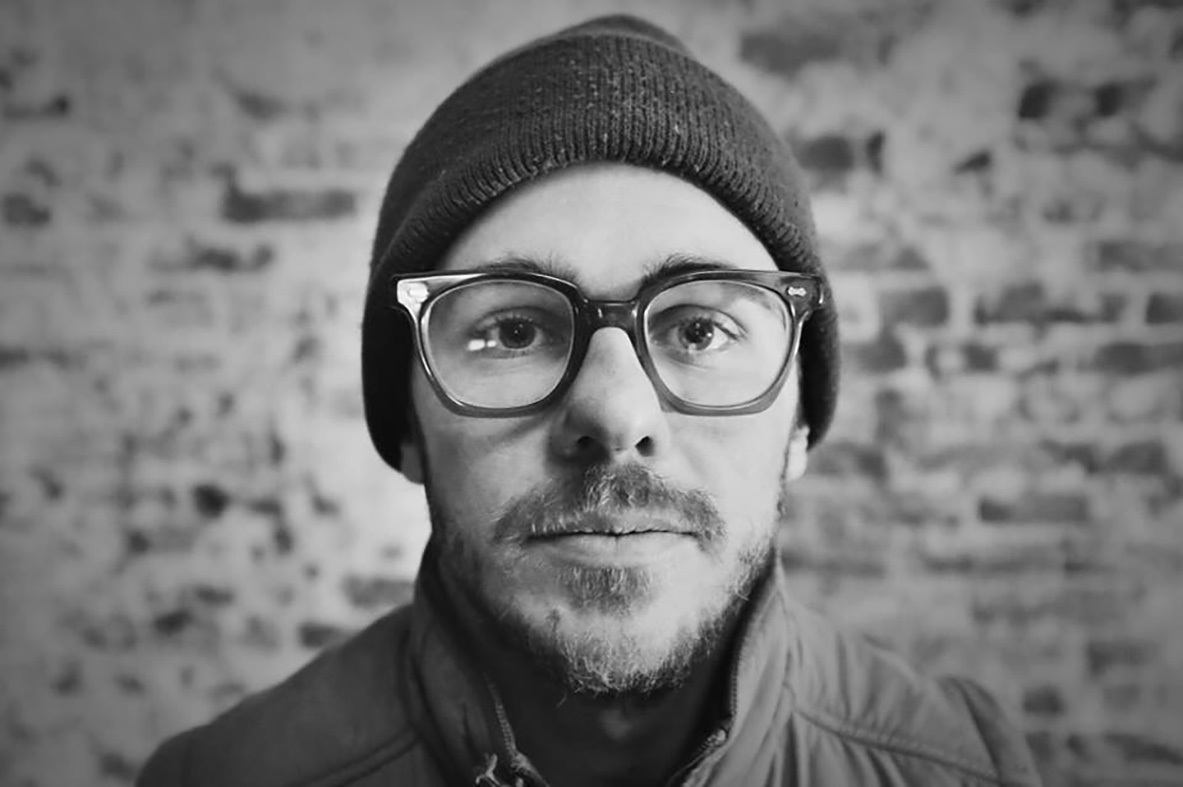
Nick Ward-Bopp, Maker Village KC
Rich looked at me, hair disheveled, with a bit of a bewildered look through his thick prescription safety glasses, and responded simply, “Yeah. Yeah, I guess we have,” while shaking his head in weary agreement.
Rich, along with the rest of the tool techs (myself included) had slept about five hours total in the previous 48-hour period.
As we stood there, a giant telescopic camera crane seamlessly panned above the audience as people began to take their seats to see who won the 48-hour invention competition, called Make48 — an event where teams of all ages, genders, backgrounds, and places develop a brand new idea for a product in a specific category given at the beginning of the competition.
The venue for the evening was the Museum of Industry overlooking the historic Inner Arbor of Baltimore. The lights were bright, and dressed up executives were milling about from Stanley Black & Decker, Dewalt, QVC and other companies. I even spotted the famed maker Jimmy Diresta (I worked up the courage to say hello).
Members of the film crew, Outpost Worldwide, were busy making sure they were ready to capture these critical moments for Season 3 of Make48, a nationally syndicated docu-series on PBS, now airing on Amazon Prime. Meanwhile, the 12 college teams that travelled from across the country to compete were preparing their final presentations to showcase their inventions with equal parts excitement, nervousness, and exhaustion.
You could see Bob Coulston, the biggest co-creator (both in size and personality), from across the room sitting at a table near the back. He was unusually quiet, but with a big smile on his face and remnants of saw dust on his head and sprinkled on his black shirt.
During the previous 48 hours, Bob pinged around the woodshop non-stop, helping teams sand, route, saw, and build their inventions, while calling out dimensions to tool techs like he was on a jobsite.
Tom Gray, CEO and co-creator of Make48, made his way up to the judges table where he sat down for what seemed like the first time in a week. Tom is a big reason the sponsors showed up (along with the trailer full of tools and 3D printers). He even took the VIP attendees to The Foundery, a massive Baltimore Makerspace, where they learned how to blacksmith.
Courtney Benish, Amy Gray and the rest of the team darted around like they were preparing for surgery to make sure everyone was where they are supposed to be, timers were queued, judges scorecards were set, backdrops set up, catering was in place, sponsors were taken care of, and all the other important details were addressed.
The crowd finally settled in, lights hit the stage and Curt McMillan, co-creator of Make48 and host of the show, walked onto stage pumping his fists to galvanize the crowd (like he had all weekend long).
It worked. The audience roared to life.
The teams for this year’s competition in Baltimore had the entire Stanley Black & Decker prototyping facility at their fingertips — full of CNC routers, mills, lathes, bandsaw, table saw, plasma cutters, laser cutters, 3D printers, and almost every tool you could imagine needing to build a prototype.
They had patent attorneys, industrial designers, engineers, marketers, experts in manufacturing, inventors and a experienced team of tool techs to help make their product a reality. Comparing a production of this magnitude to the early days of Make48 — using a tool metaphor — is like comparing a utility knife to a laser cutter.
During the first Make48 competition at Union Station in Kansas City, the co-creators, tool techs, and even some competitors brought their own tools from their home garage. Gone are the old days of a cobbled together parking lot fabrication area littered with sleeping bags, extension cords, and maybe a bottle of whiskey or two.


2018 Startups to Watch
stats here
Related Posts on Startland News

Artist Vi Tran to KC-based innovators: Wipe ‘local’ label from your vocabulary
Some roots are best left behind, but not forgotten, said multi-faceted Kansas City artist Vi Tran. Others are worth holding close. Speaking at Startland’s recent Innovation Exchange, the actor, playwright, musician and owner of The Buffalo Room decried the idea that innovators who choose to stay in places like Kansas City are any less worthy…

The not-so-secret Sauce behind KC hip hop entrepreneur’s success: Authenticity
Royce “Sauce” Handy wears his influences and inspiration like pins on the outside of his well-worn jean jacket. The KCK-born hip hop entrepreneur embraces his identity: A collector of Goosebumps books. A student of history. A fan of 1990s family sitcoms. And he’s unapologetically black. His lips twist into a smile and his eyes brighten…
Startup Hustle podcast duo pledging $50K in Full Scale tech resources at Pure Pitch Rally
Early stage businesses need more than cash — they need the tools to grow, said the hosts of the KC-based Startup Hustle podcast. “Good ideas in startups move faster when they’re supported by successful business people in the community,” said podcast co-host Matt DeCoursey, announcing the plan late Wednesday to award $50,000 in tech resources,…
ProjectUK introducing specialty accelerator’s latest cohort Oct. 10 at Travois
Project United Knowledge is the only Kansas City accelerator that truly fosters collaboration between entrepreneurs and those in the industry establishment, said Quest Moffat. “It’s the biggest and most dramatic reason that we’re different from other accelerators in the Midwest region,” said Moffat, ProjectUK founder. “Co-building is where the corporation and the people that run…