

Roller Warriors skate over 1970s-era stereotypes with message of empowerment
April 10, 2018 | Leah Wankum
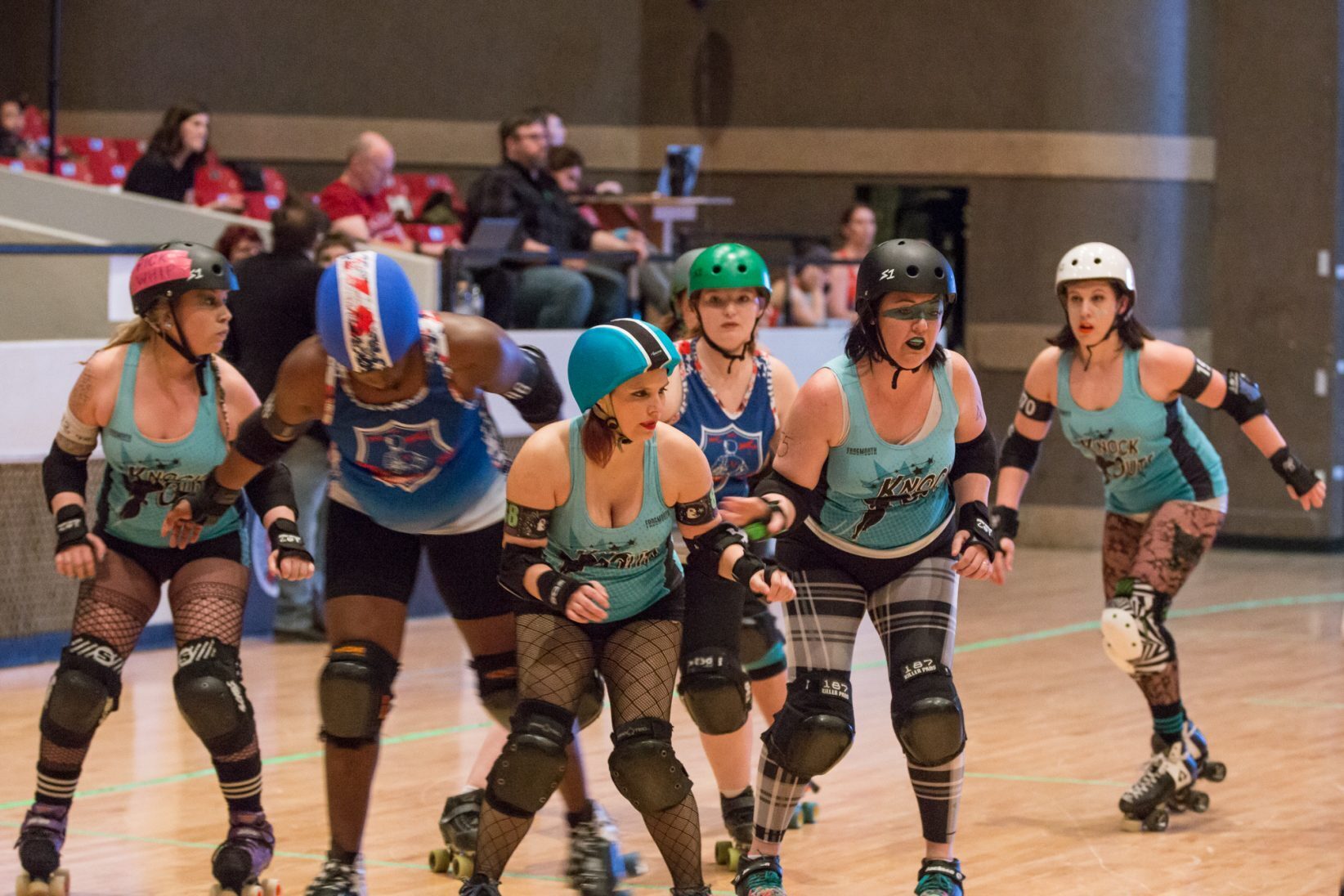
Kansas City Roller Warriors are in the business of self-expression, strengthening team bonds and legitimizing their sport, skaters say.
The player-owned roller derby league operates as a limited liability company, but essentially functions as a non-profit, organizers said. Having grown from grassroots origins in 2004 to now a member of the Women’s Flat Track Derby Association, the Roller Warriors is built on a circular business track wherein players feed profits back into the organization.
Roller derby’s popularity has been gaining across the country since the early 2000s, according to the Roller Warriors, but the sport is nothing new. Leagues have operated in the U.S. since the Great Depression, with roller derby’s heyday firmly planted in the 1970s.
Such a lengthy history — coupled with only a vague understanding of the sport among the general public — can breed misconceptions about roller derby, said Kim Davis, who goes by the skater name “Picklebacker.”
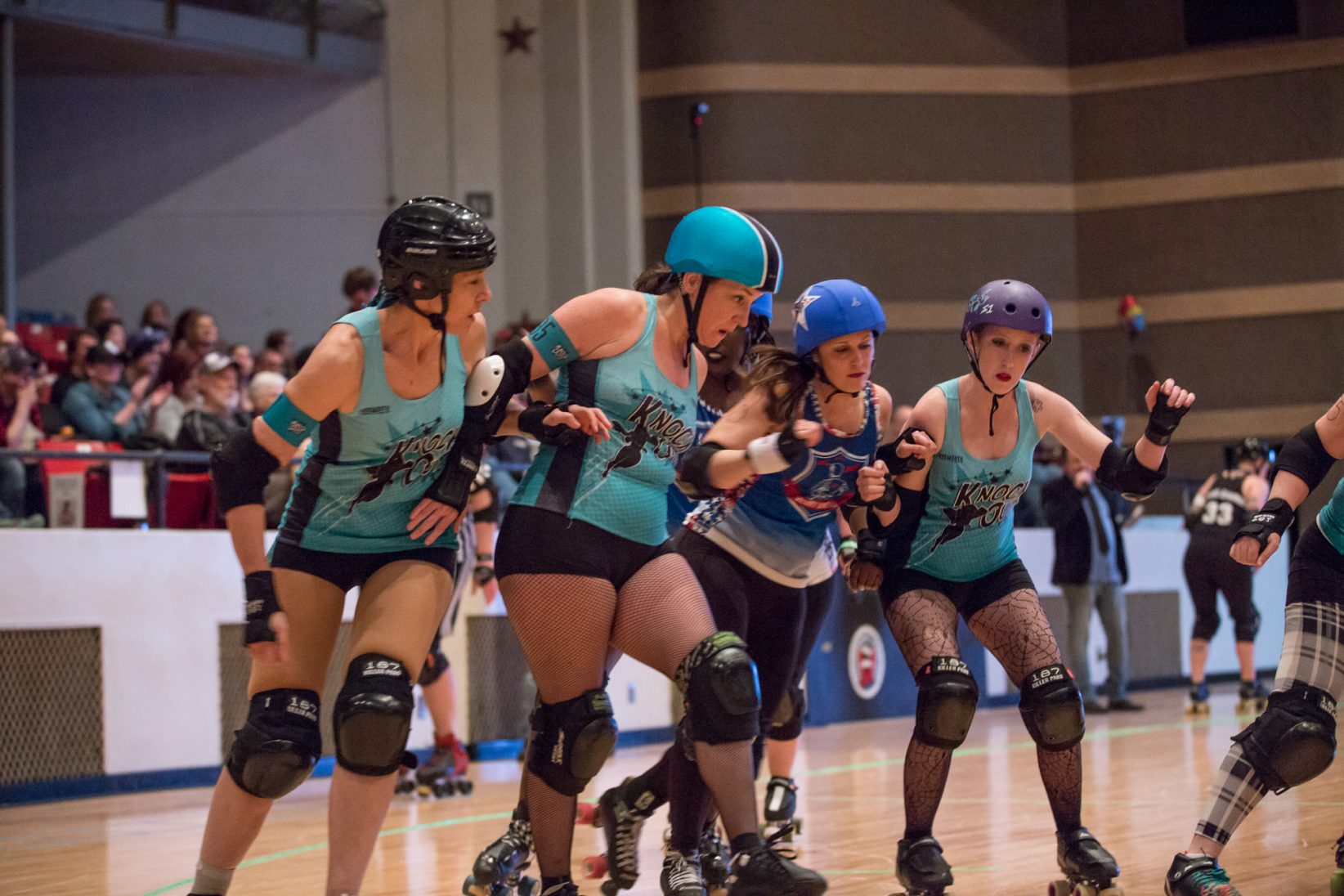
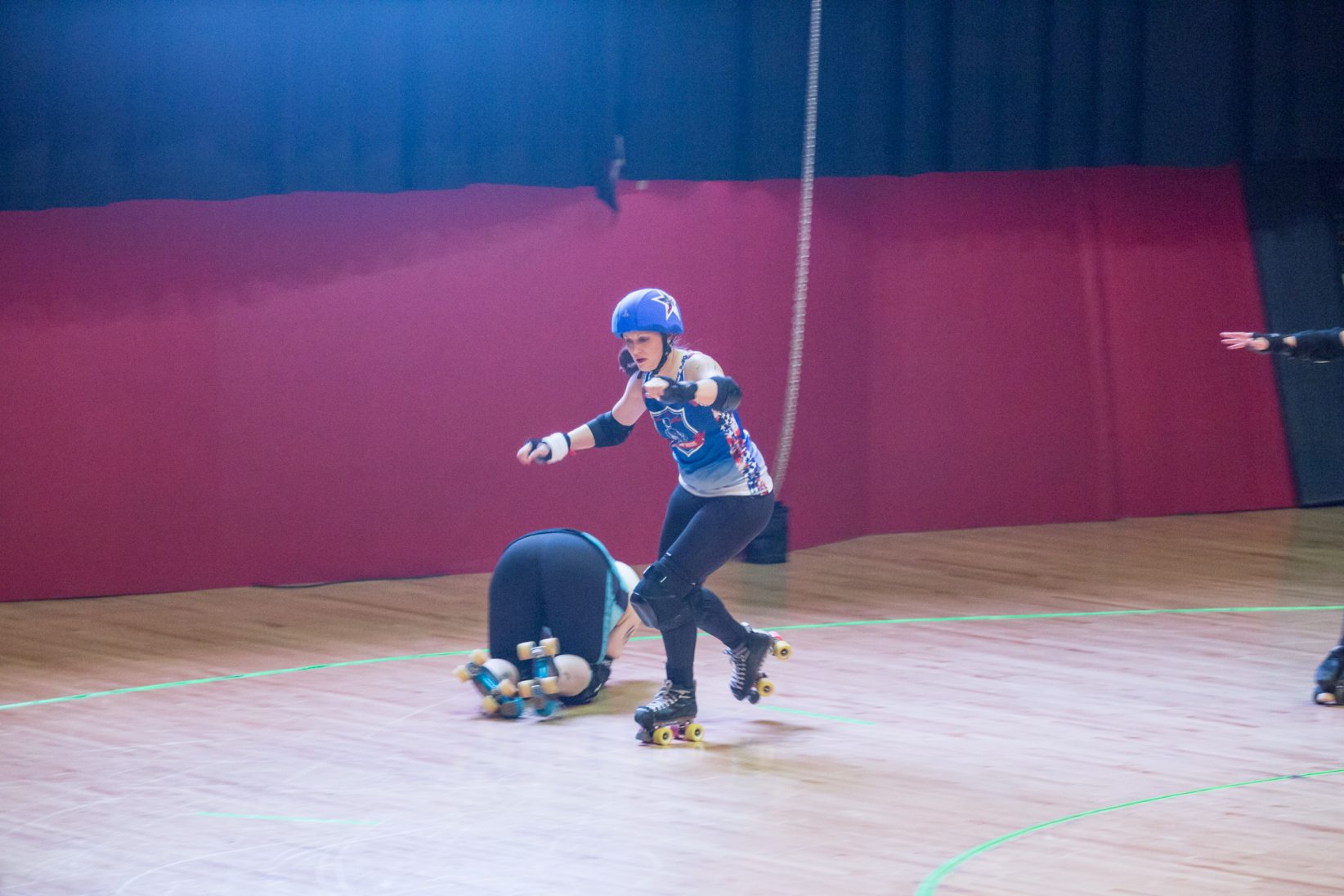
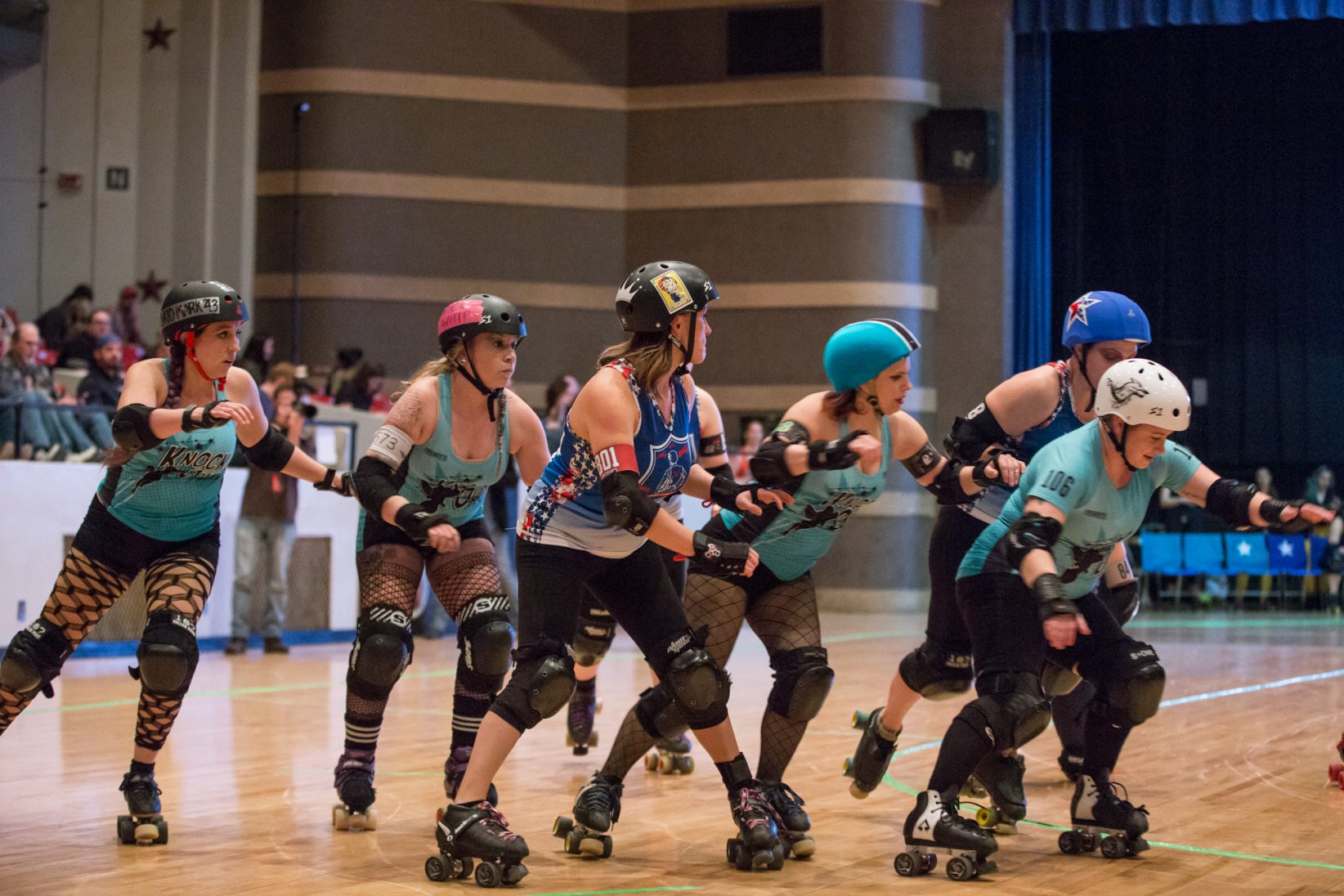
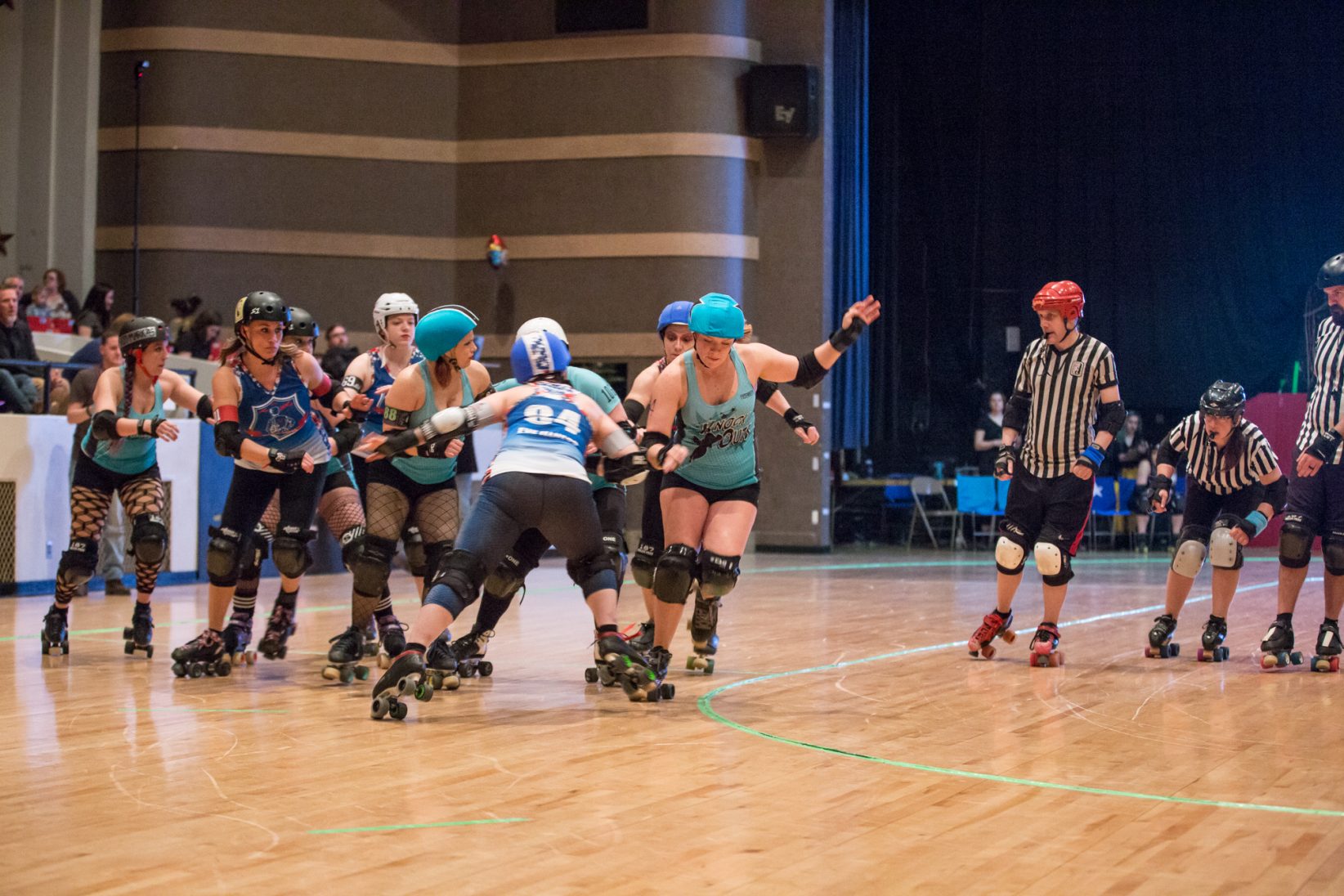
“It’s not fake — It’s not the same game that was in the 1970s with the pillow fight penalties and stuff like that,” she said, referencing the former practice of skaters hitting each other with pillows after fouls. (They now simply sit in a penalty box.)
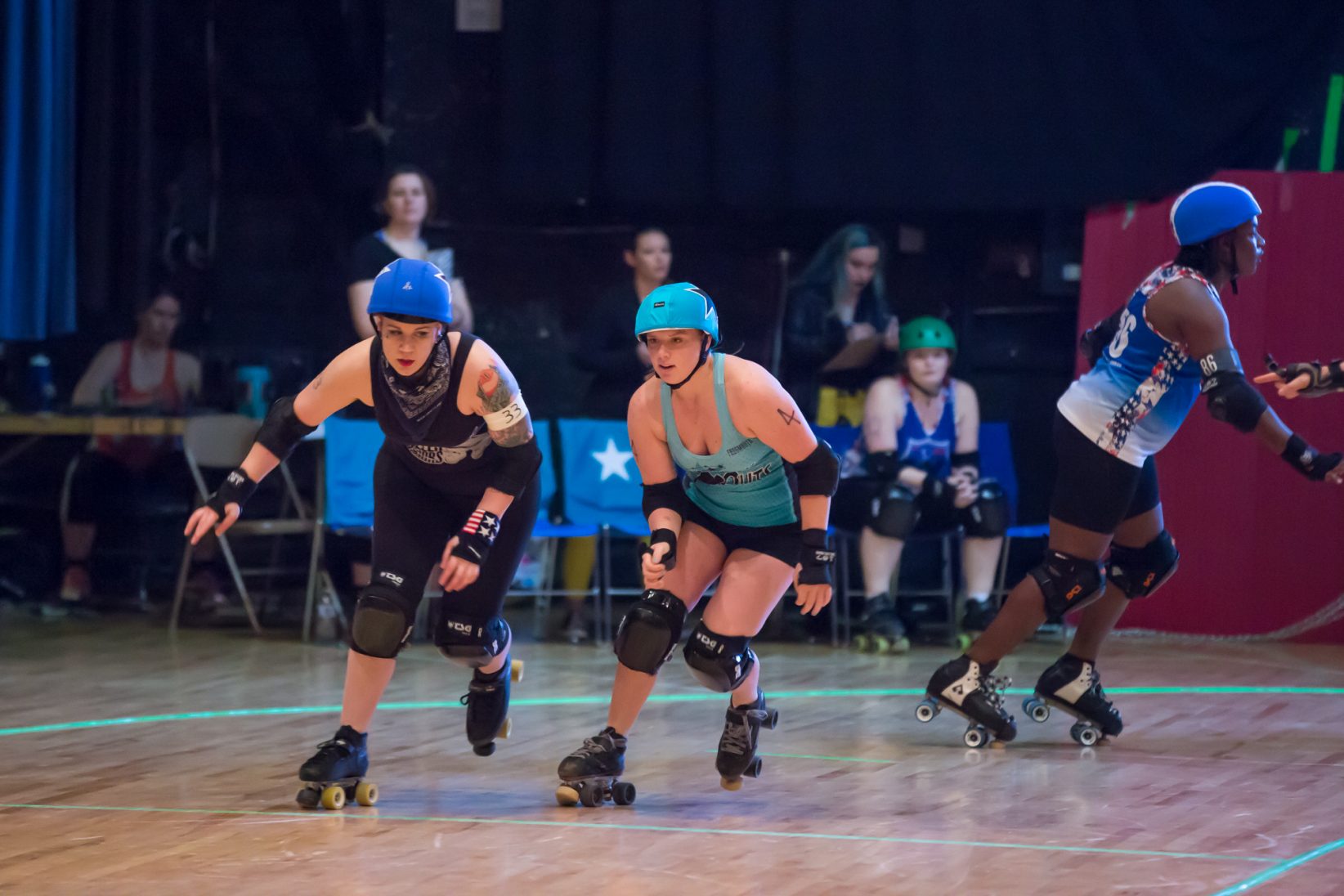
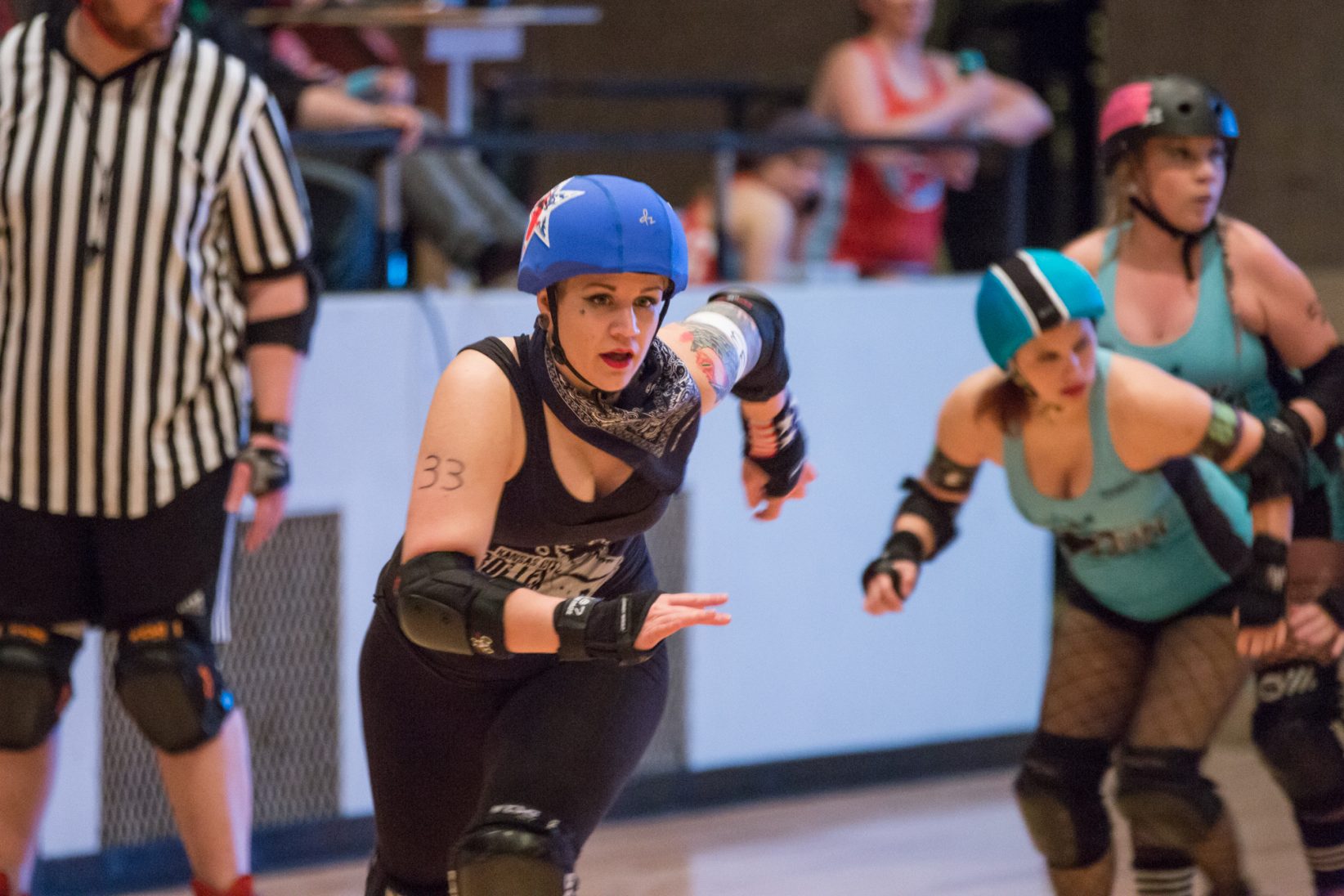
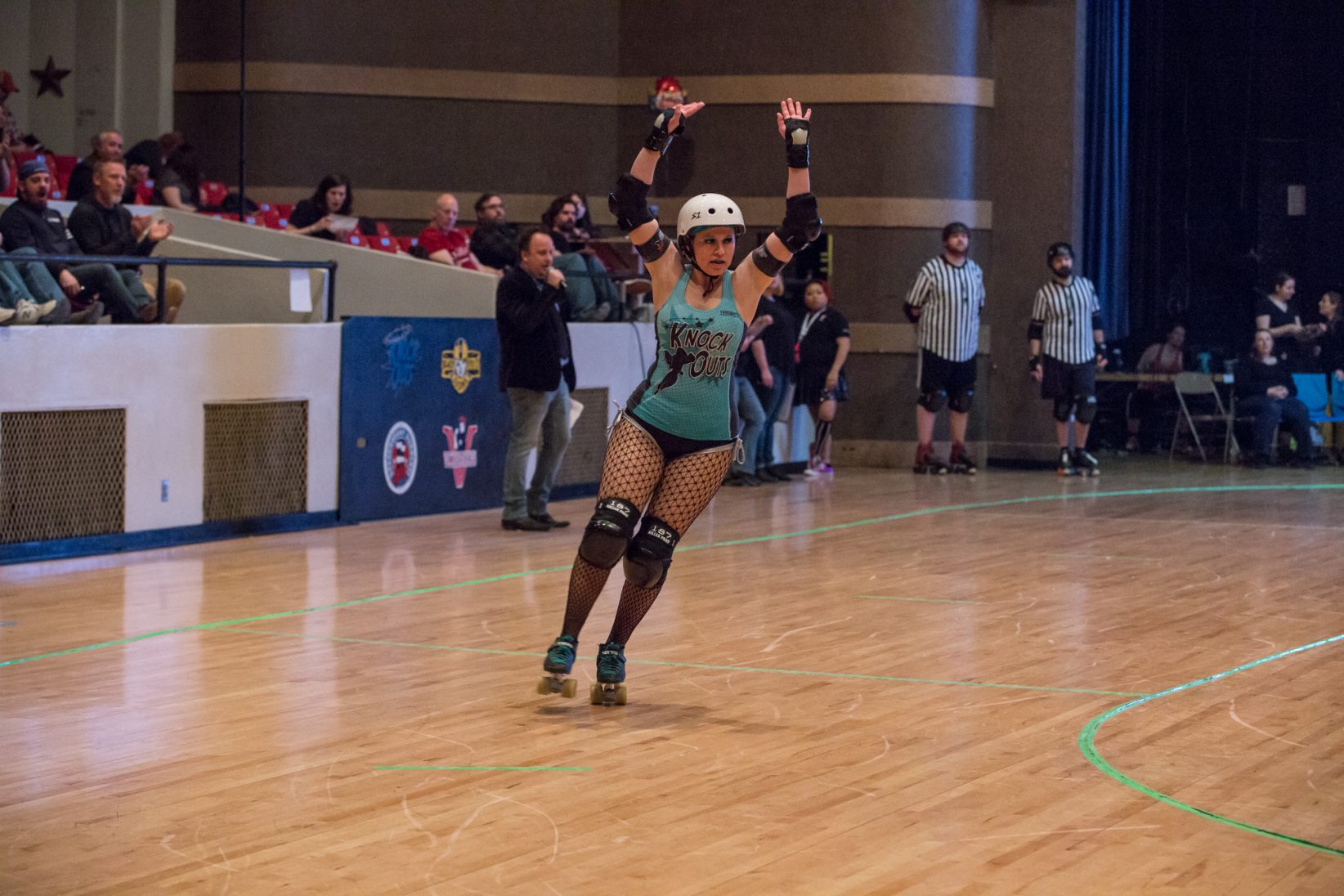
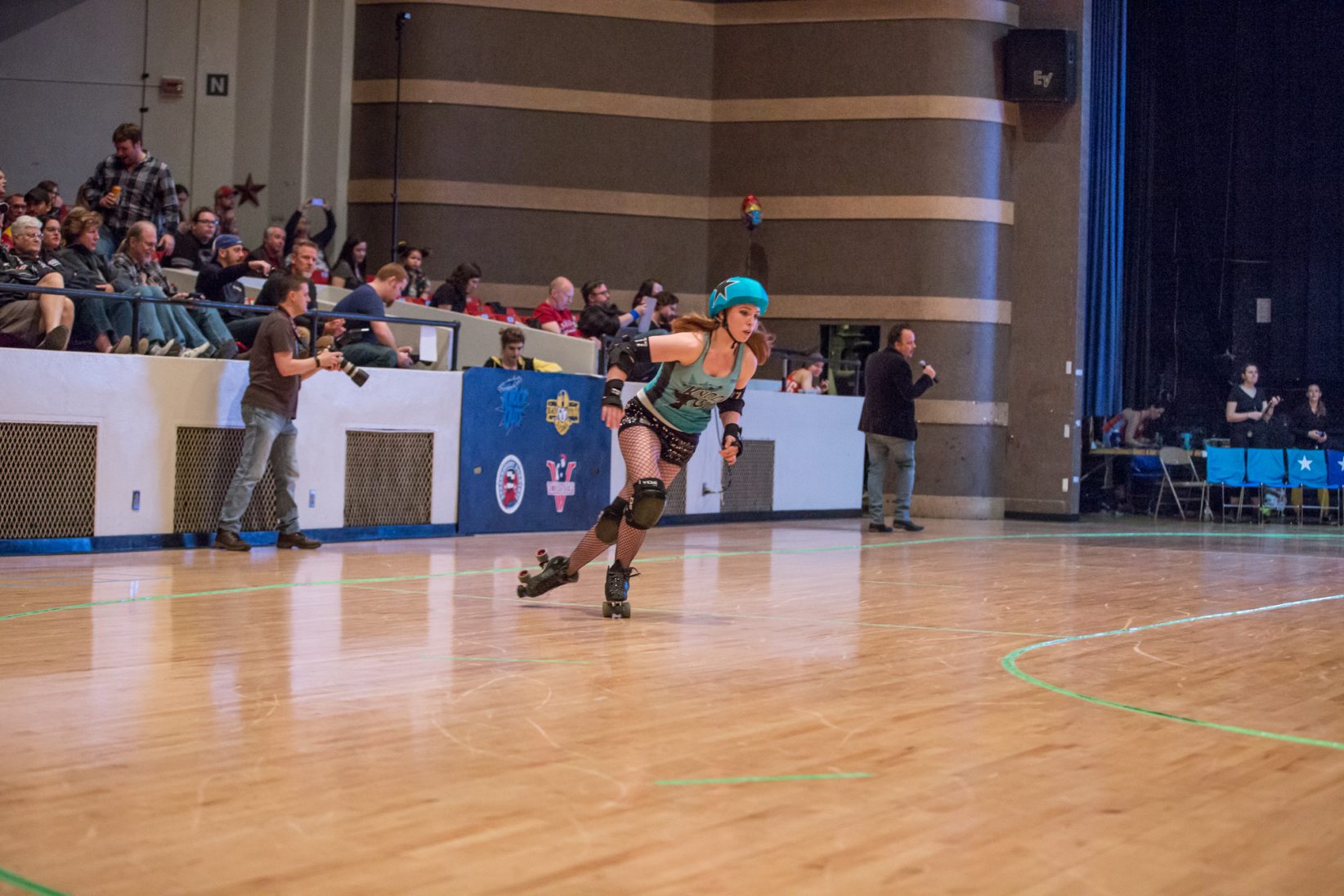
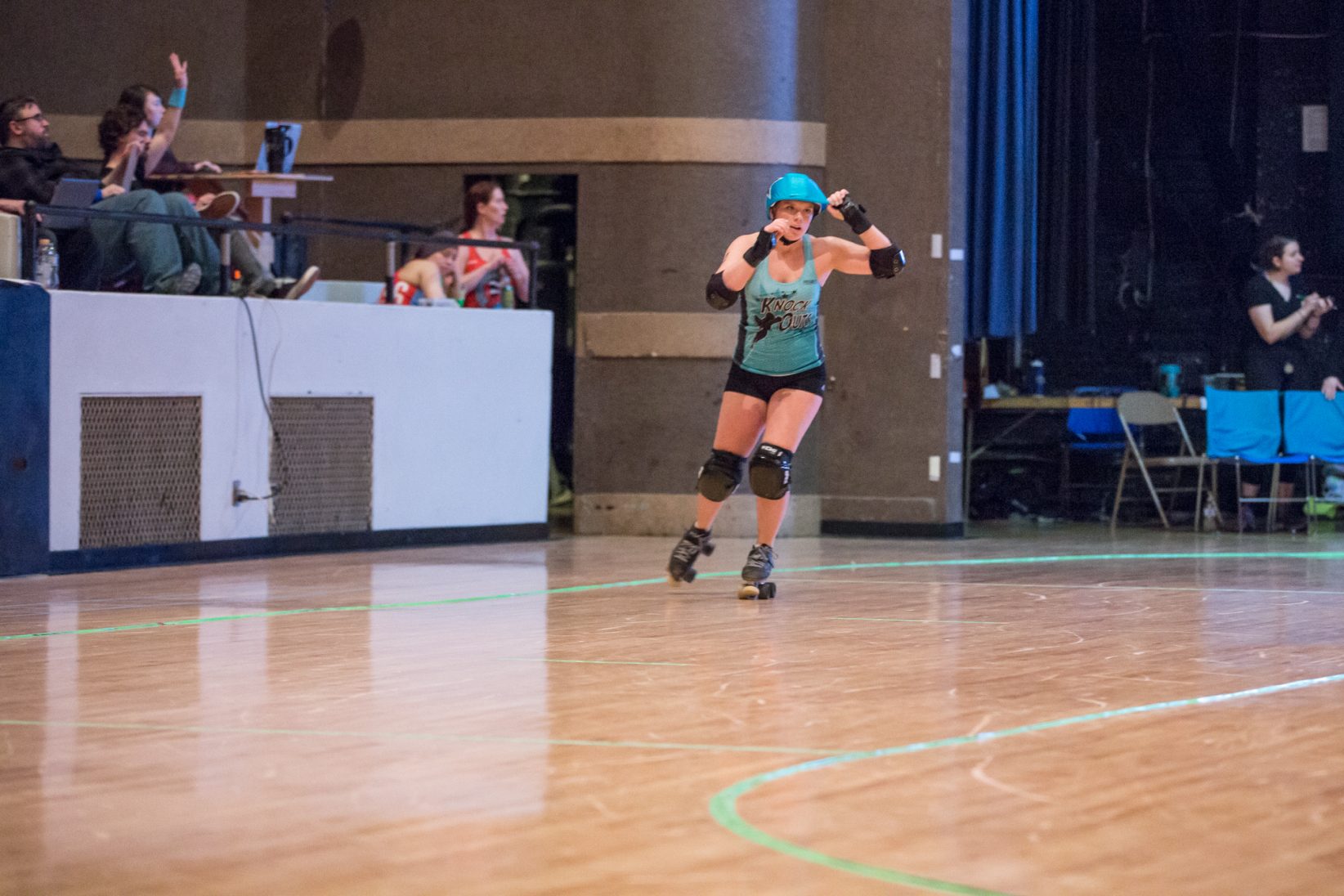
The Kansas City league includes four home teams — the Knockouts, Dreadnought Dorothys, Black Eye Susans and Victory Vixens — as well as an all-star team, a second traveling team, and “junior warriors,” which is open to girls and boys 8 to 17. A mens division also is in development.
“It’s mainstream now,” added Angela Meyer, who has skated with the derby league for 10 seasons and competes as “Jade Lightning.” “People know what roller derby is, but unless you play roller derby or you have a family member who does, you don’t get to see much of the behind-the-scenes or how much of the sport is skater-supported.”
Continue reading below the video.
Giving doubters a full-body check
As roller derby advocates seek greater legitimacy, some worry the sport could get watered down by those who want it taken more seriously, Davis said.
“There are certain people who think that for it to be considered a real sport, you need to take away things like the fun, punny names and the fish nets,” she said.
But while most skaters resist such calls to fundamentally change the makeup of roller derby, they’ve acknowledged the need to adapt to the times, Meyer said. When she joined the league, for example, skaters didn’t even have to try out, she said.
“You could just show up to practice with skates and join,” Meyer said.
Skaters also are now prohibited from drinking alcohol in the locker rooms, and they are required to have personal health insurance in order to skate, she said.
One thing that has never changed about roller derby is its culture of diversity and family, said Corrine Eaves, who skates as “Karma’s Revenge.”
“Roller derby across the board is just like one big huge family; no matter where you go, you all have something in common,” said Eaves, who transferred from the Wine Town Rollers in Southern California. “There’s support no matter what happens. If you move, there’s always somebody in a different town that can help you — if you forget your gear or need a place to stay. There’s a closeness, a camaraderie, in the roller derby family that you really don’t find anywhere else.”
Skating with the Roller Warriors has been rewarding because the league has a good dynamic with its diversity of skaters, Eaves said, adding that skaters come from different backgrounds, careers, cultures and religious beliefs.
Continue reading below the gallery.
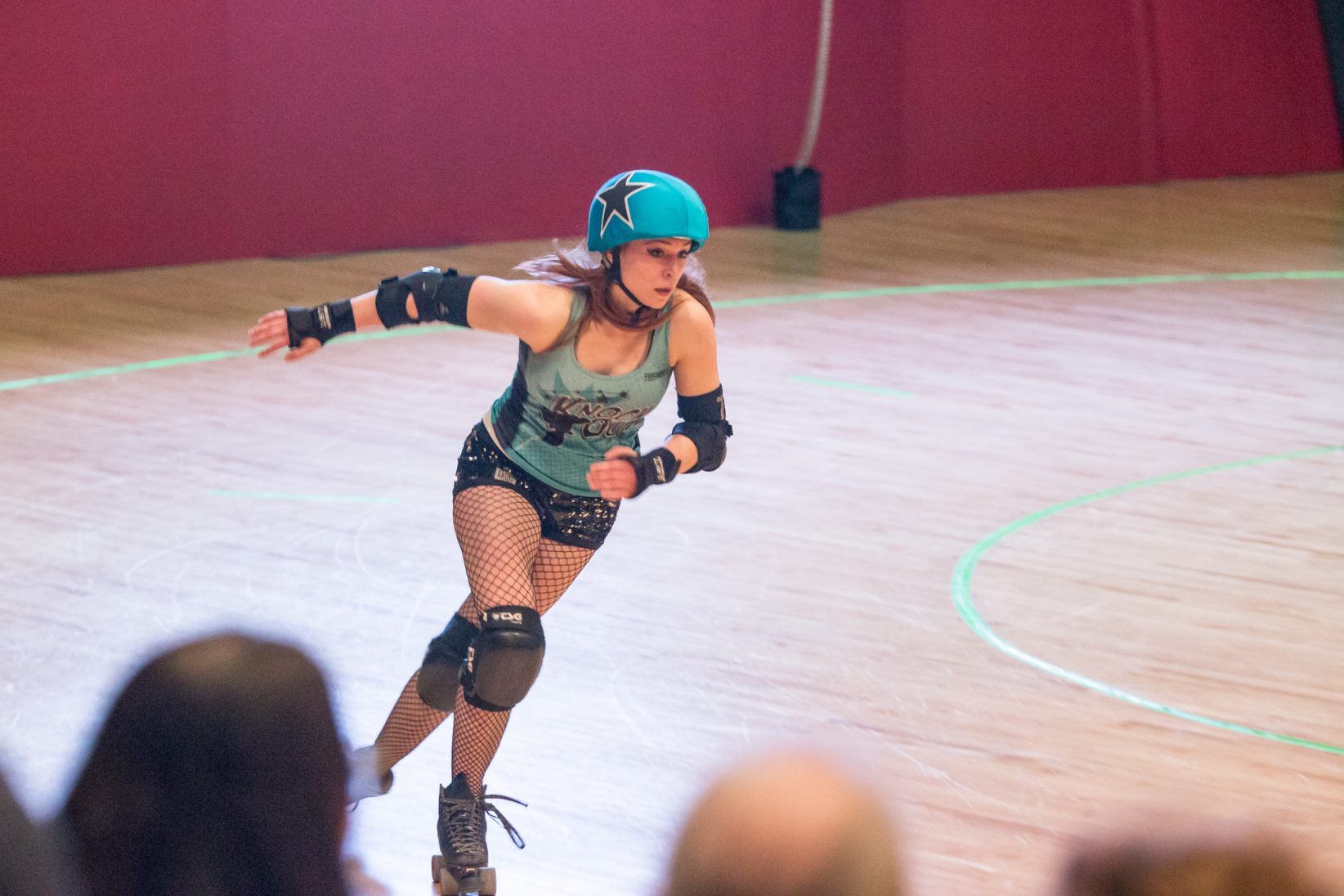
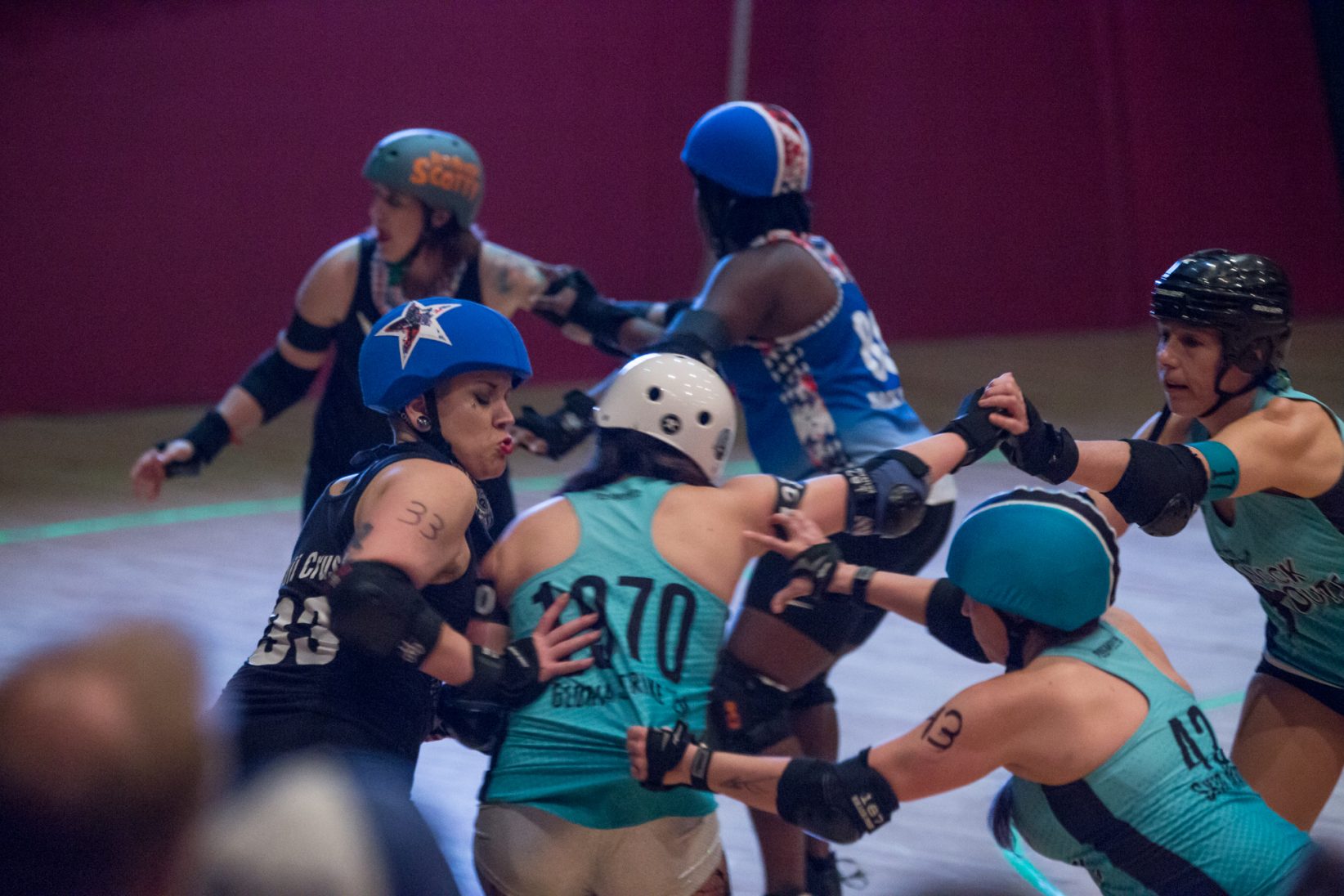
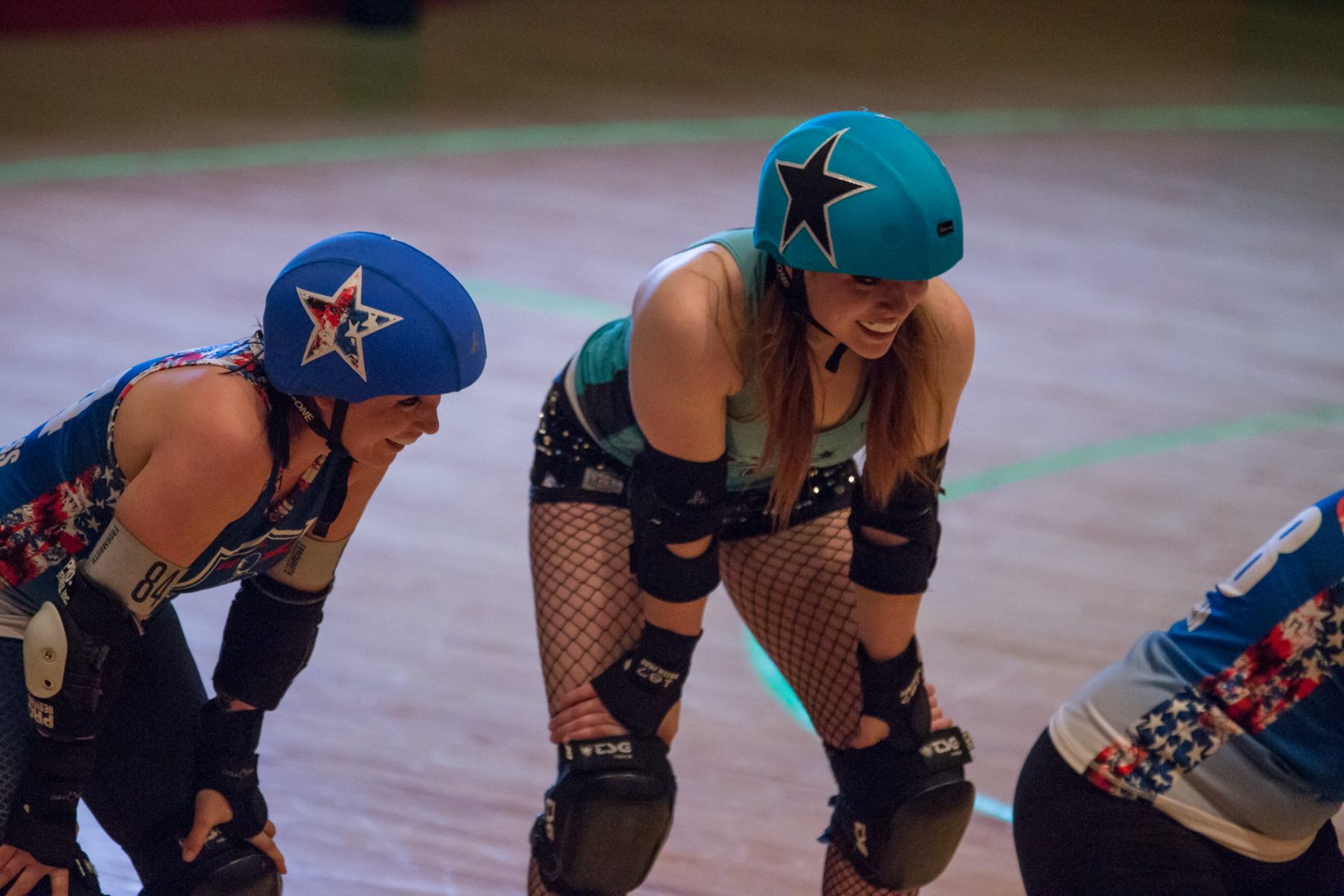
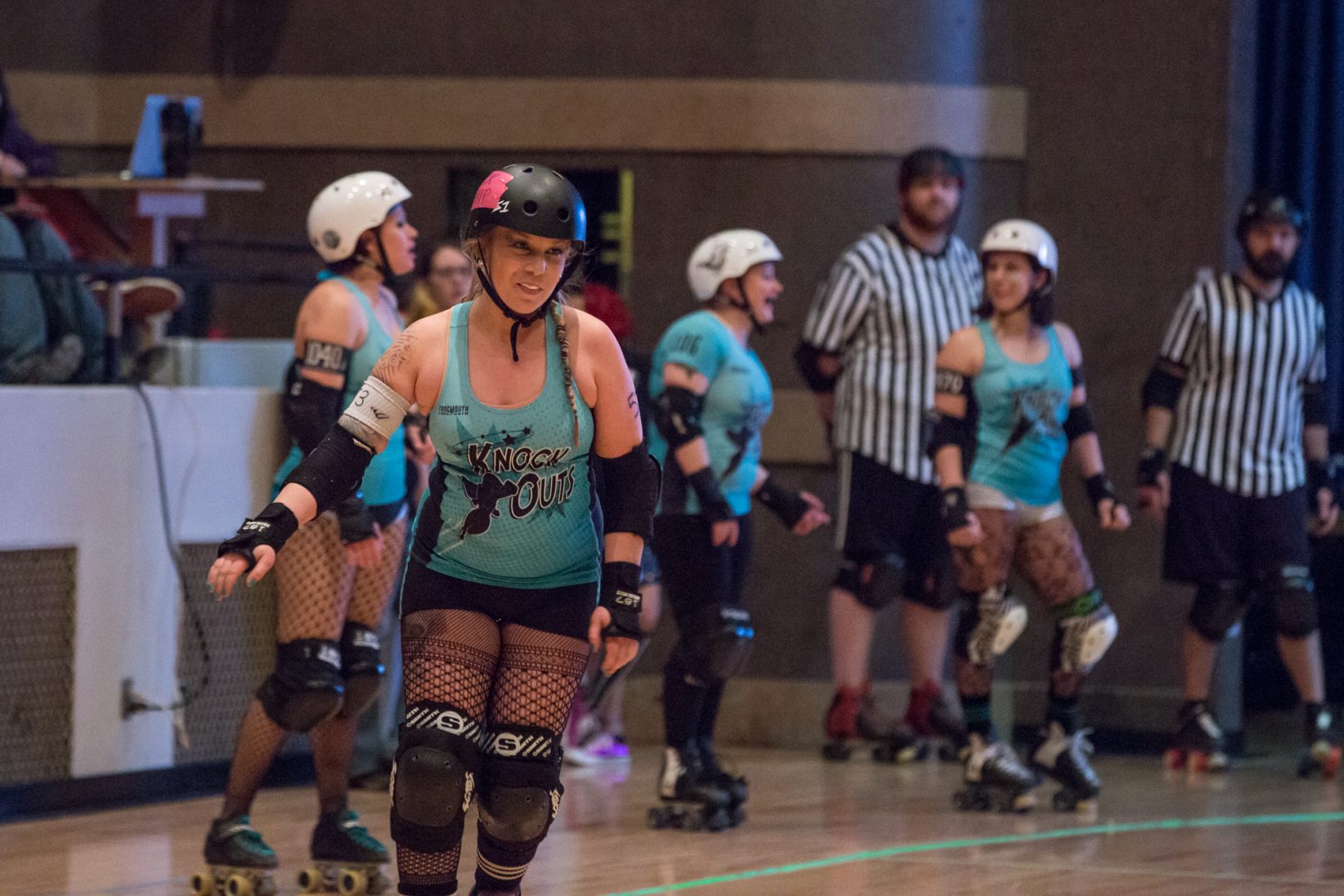
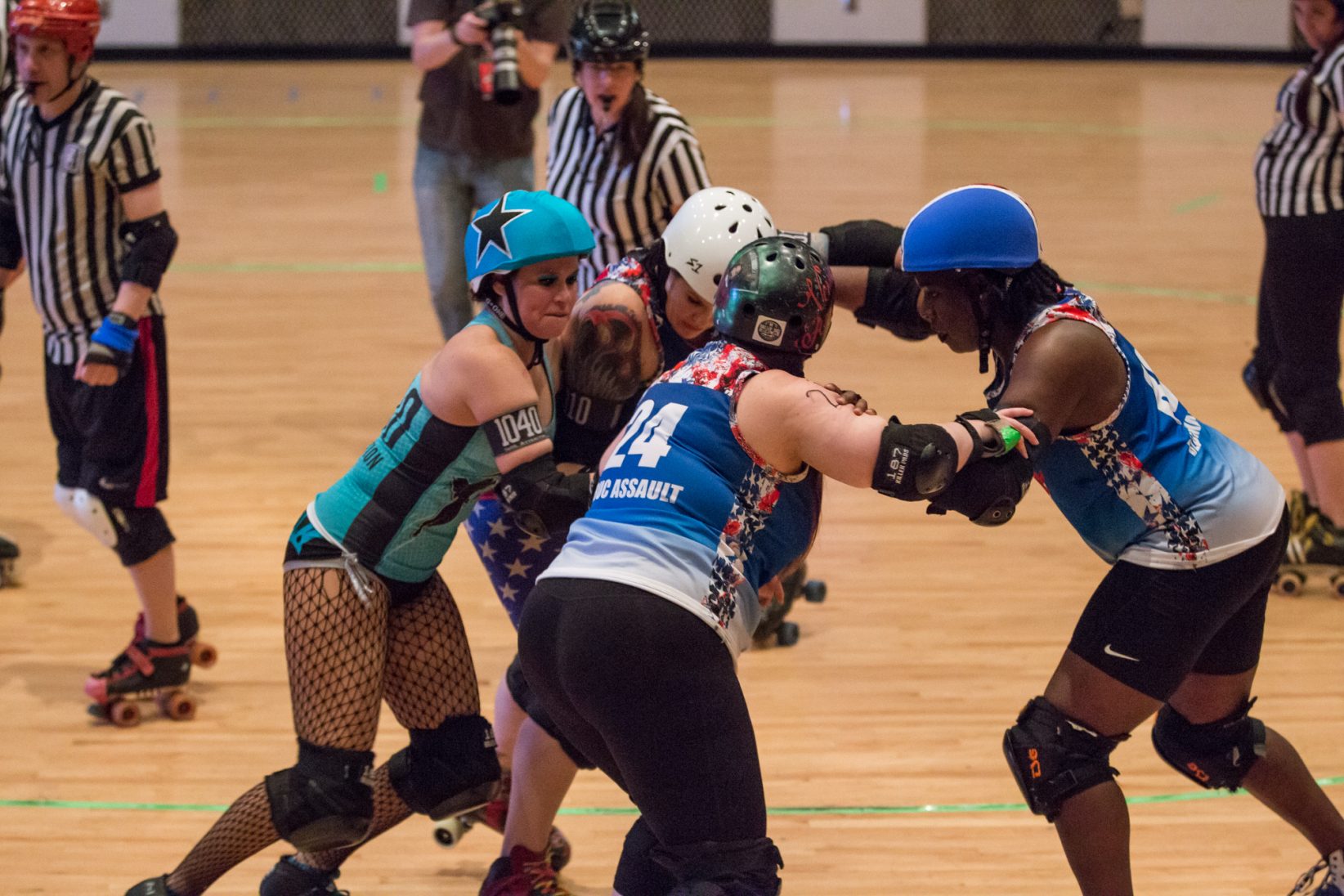
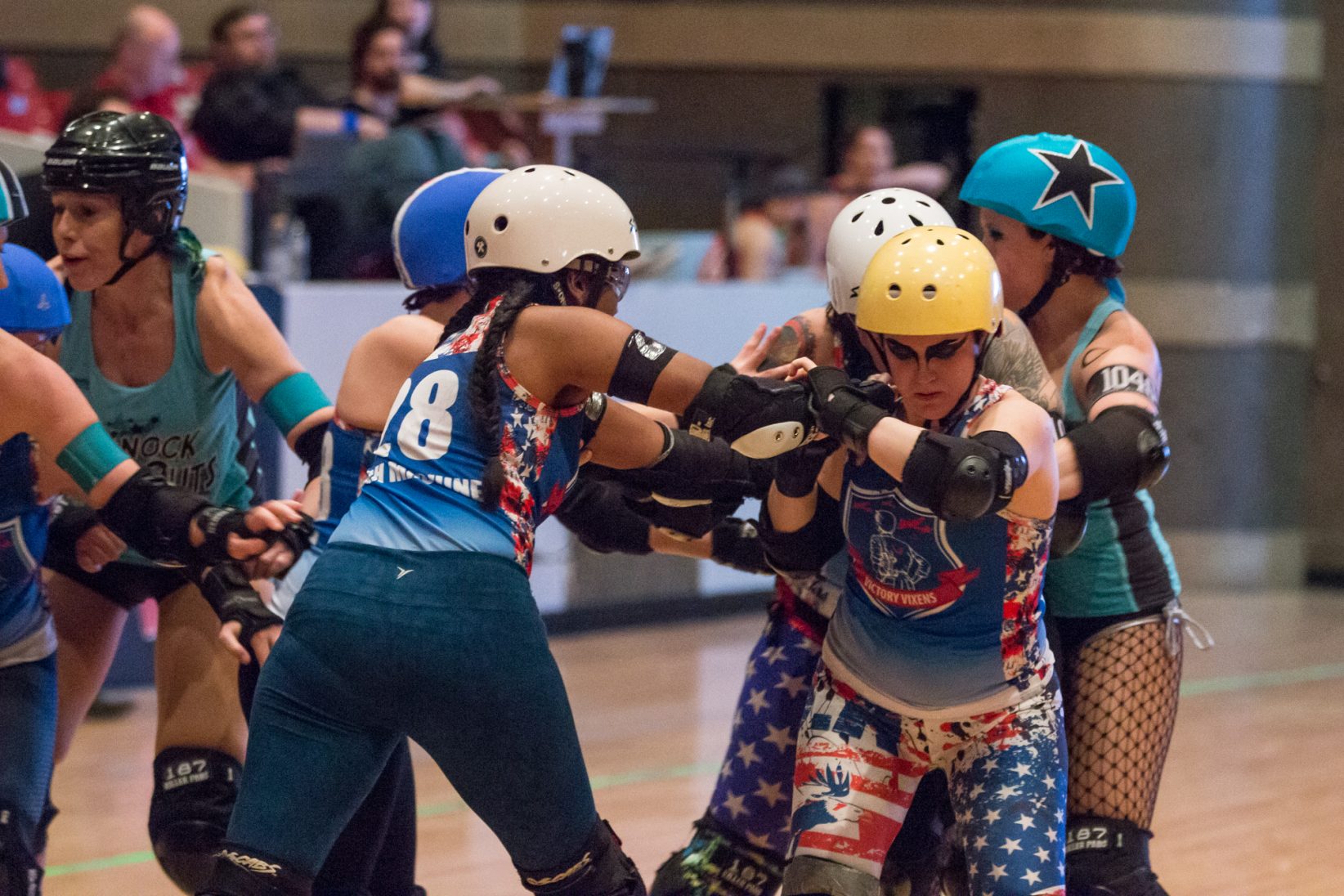
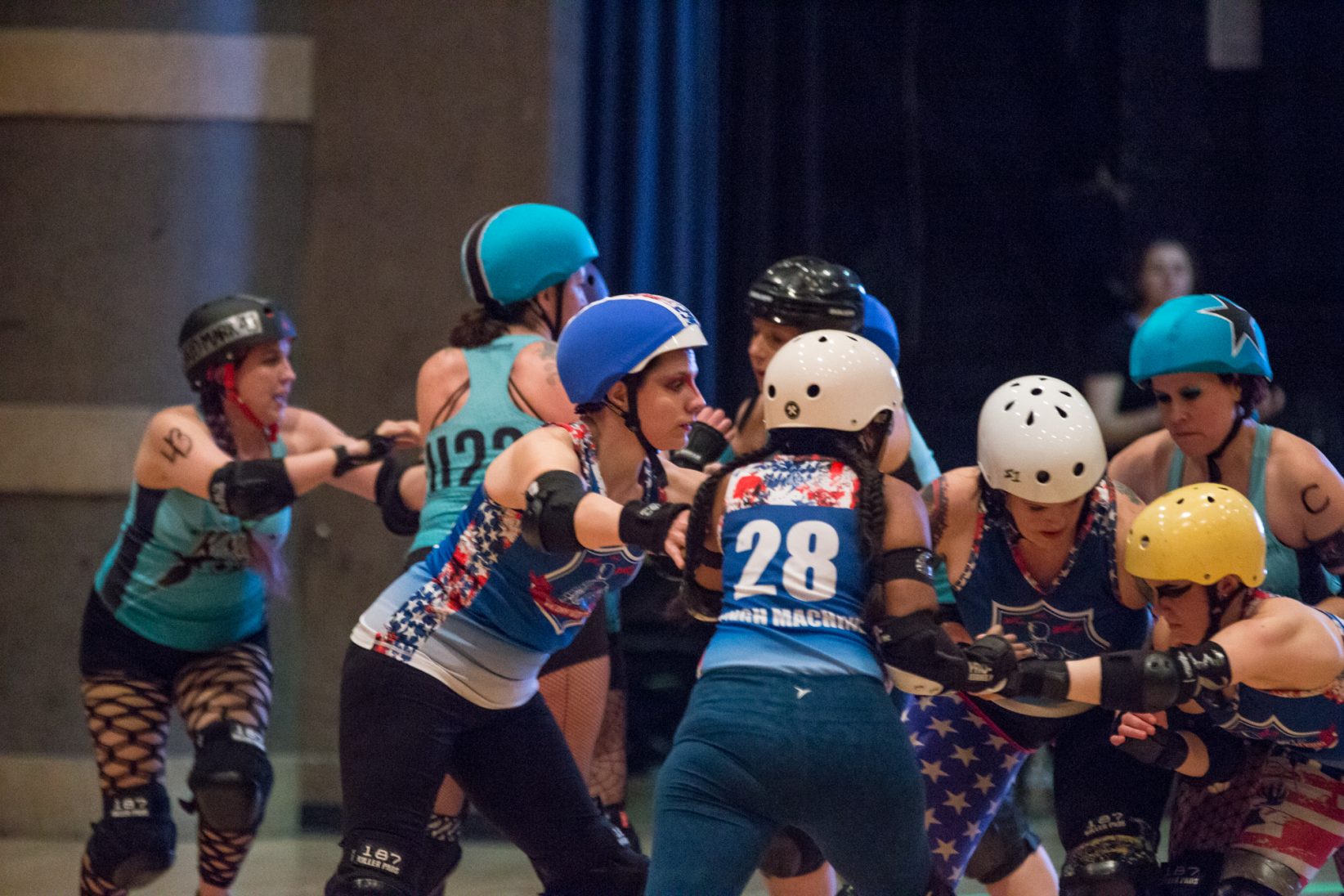
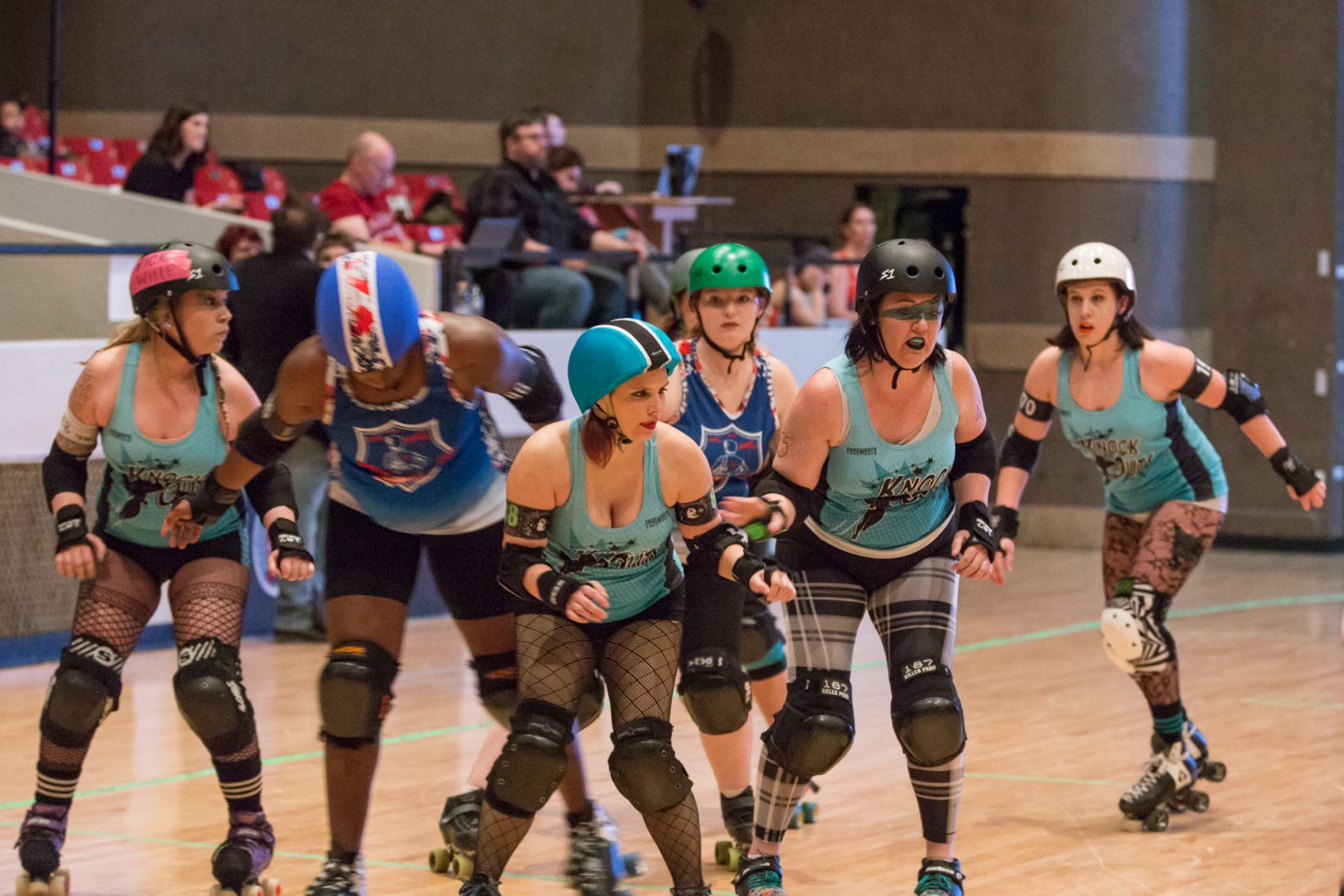
From underdogs to an escape
Members of the Roller Warriors made their mark on the national track just three seasons into the league’s run, Meyer said. Kansas City skaters bested the Rat City Rollergirls, a team based just outside of Seattle, to win the 2007 Women’s Flat Track Derby Association Championships.
“We were the underdogs of the tournament, so to win was a shocker for everybody. It was awesome,” said Meyer, who was one of the Kansas City all-stars on the national championship-winning team. “I remember coming home from championships and being like, ‘Oh, we did it, it’s over.’ In hindsight, it was just beginning.”
The victory took strength — just one of the attributes of Roller Warriors skaters, said Amara Seng, who competes as “Pixie Cut.” Endurance, balance, coordination and physical fitness also are required, she said, noting it’s a team effort not just to win, but to improve.
“One of the things that turned me off with sports when I was a kid was that everyone is really competitive, and if you weren’t very good at it in the beginning, people just kind of pushed you into a corner and didn’t really let you play that much,” Seng said. “Whereas I feel like in roller derby, everyone’s trying to make you better, and they’re giving you a chance. The encouragement was just really nice, and that helped me stick with it more.”
Roller derby lets skaters release frustrations and is a “great way to release negative energy,” said Sharna Wilson, who skates as “Sk8l Attraction” and is captain of the Knockouts.
But more importantly, the sport empowers women and girls, she said.
“I didn’t really know who I was until I started this. I kind of just did what I thought other people wanted me to do instead of really knowing what I myself wanted to do,” Wilson said. “Then I started learning how to think for myself and put myself first. I have a daughter, so it also taught her that going after what she wants is important.”
No matter a skater’s background, she can find an escape on the track, Eaves said.
“When everything is stressful in your life, you can come to derby and you don’t have to think about anything else; you just think about derby,” she said. “You can forget about all the outside stressors or things that are bothering you in your life.
“There’s a saying that ‘Derby saved my soul.’ That’s pretty much how it is.”

Featured Business

2018 Startups to Watch
stats here
Related Posts on Startland News

From Slavic studies to coding, LaunchCode helps Kansas Citian find new career
It’s been in Kansas City only four months, but LaunchCode is already making an impact. The St. Louis-based non-profit organization arrived in February to grow Kansas City’s tech sector by organically building its pool of talent. LaunchCode helps educate locals with an interest in changing careers to work in tech, and then connects them with…

CEO: Kansas’ politics pushed Pathfinder Innovations into Missouri
Destructive economic and social policies in Kansas compelled Pathfinder Health Innovations’ move to the Show Me State, its founder wrote in a blog post critical of state leaders. A tech service provider for people with autism, Pathfinder received tax incentives for its border hop to Missouri but Pathfinder CEO Jeff Blackwood said the move also…

WonderWe launches faith-based crowdfunding platform
Kansas City-based software startup WonderWe hopes to tap a specific market for its new faith-based crowdfunding platform. Launched in early June, WonderWe combines faith-based values, the latest in crowdfunding tech and new proprietary features to “be one of the leading names” in crowdfunding, said Dominic Ismert, founder of WonderWe. The platform currently accepts fundraisers for…

The Lean Lab will award $100K to education entrepreneurs
Local efforts to inject innovation into education received a boost Friday as The Lean Lab announced fellows in its incubator program will earn seed capital for their projects aimed at disrupting traditional learning. Founded in 2013, The Lean Lab welcomed five new teams of fellows from around the nation for its incubator, which develops…