

Investing in the arts earns KC designation as UNESCO’s only ‘City of Music’ in US
March 27, 2018 | Leah Wankum
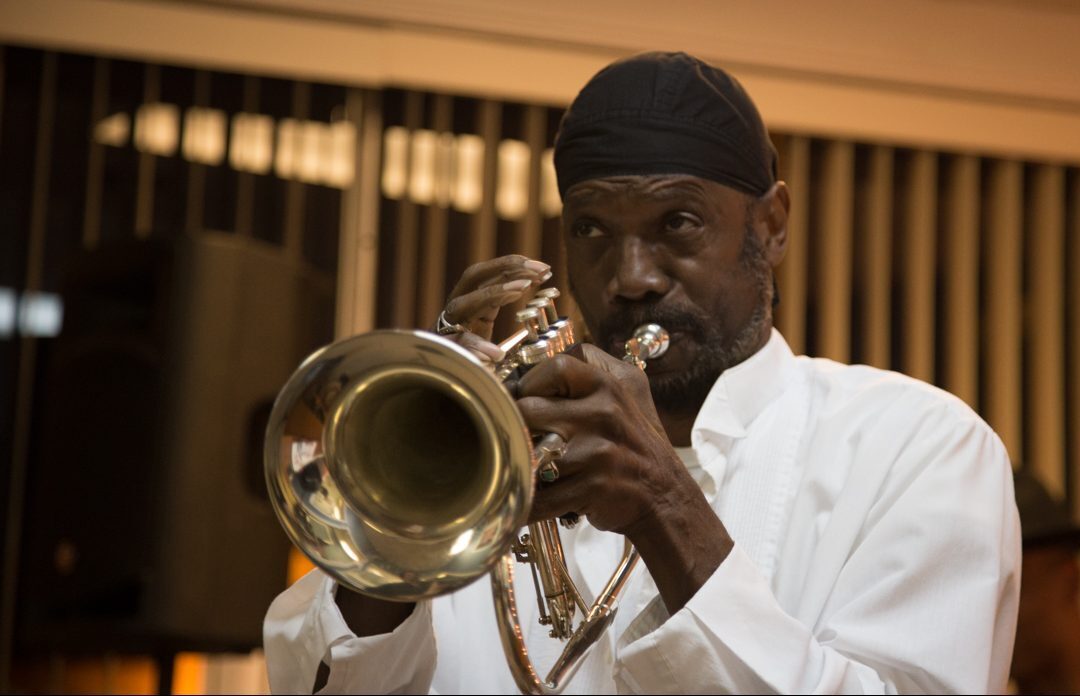
Landing on a United Nations agency’s City of Music list reflects more than Kansas City’s century-old link to American jazz, said Jacob Wagner.
“This designation is a recognition of our investment and commitment to music, arts and creativity as a driver of urban economic development,” said Wagner, faculty director of the Center for Neighborhoods at the University of Missouri-Kansas City.
UNESCO (United Nations Educational, Scientific and Cultural Organization) coordinates international cooperation in education, science, culture and communication, according to its website. Established in 2004, UNESCO’s Creative Cities Network recognizes cities that identify creativity as a strategic factor for sustainable urban development, according to the organization. Such creative fields include crafts and folk art, design, film, gastronomy, literature, music and media arts.
Kansas City joins a network of 180 cities in 72 countries across the world, Wagner said, noting Kansas City is the only U.S. city on the list.
An associate professor of urban planning and design at UMKC, Wagner credited Kansas City’s investment over the past 30 years in the creative economy, as well as the infrastructure for the arts, as keys factor in earning the designation.
The city allotted $7 million in 2016 for improvements to the jazz district at 18th and Vine streets, and is also home to more than a dozen piano bars and jazz rooms.
Further evidence that Kansas City’s jazz culture is still alive and well emanates in the Mutual Musicians Foundation, a nearly 100-year-old organization established and operated by local African-American musicians, Wagner said. The Mutual Musicians Foundation is still housed in the same building where it began, 1823 Highland Avenue, which was designated as a national historic landmark in December 1981, he added.
Joining the Creative Cities Network builds on Kansas City’s momentum to increase international tourism and press coverage, Wagner said. It also links the city to other municipalities involved in fostering the arts, as well as connecting local professionals in arts, music and sustainable development with like-minded professionals in those sister cities, he said. Kansas City’s prime sister cities in the network include: Seville, Spain; Morelia, Mexico; and Kinshasa, Democratic Republic of the Congo.
“It gives us a framework, really, of international collaboration for work we’re already doing — not just limited to the arts, but also including sustainable development,” Wagner said. “That’s a big focus of UNESCO, is balancing economic growth with environmental stewardship and sustainability.”
Some of the projects already implemented in Kansas City include a climate action plan and collaborative efforts to increase diversity and inclusion, especially concerning the city’s digital divide, Wagner said. Kansas City’s digital equity plan, coupled with efforts to further affordable housing goals, was central to the city’s successful nomination, he added.
“Conserving and adaptively re-using the historic urban environment contributes to the quality of life of [Kansas City] inhabitants in many ways,” UNESCO said in a statement. “In addition to strengthening their sense of belonging, social cohesion and providing a pleasant environment, it also mitigates excessive urbanization, attracts tourists and visitors as well as investments, while providing for green, locally-based, stable and decent jobs.”
Achieving the designation was a “team effort” among Kansas City, Missouri, officials, including Mayor Sly James and Mayor Pro Tem Scott Wagner, Wagner said.
“We’re just getting started, so people who are interested are welcome to contact [UMKC’s] Center for Neighborhoods to learn more and to get involved,” Wagner said.
Kansas City will join other city members of the Creative Cities Network at its next annual meeting, slated for June in Poland, Wagner added.

Featured Business

2018 Startups to Watch
stats here
Related Posts on Startland News
Operation Breakthrough bridge over Troost symbolizes ‘real community’ at an intersection
With reflection in his voice, Alvin Brooks paused. “The city has to be a partner,” the Civil Rights activist and veteran Kansas City Police Commissioner said as he spoke of the redevelopment of Troost Avenue — the well known racial dividing line, that has long isolated the east side of the Kansas City metro from the…

Troostapalooza aims to shed the old skin of city’s racial dividing line, says Kemet Coleman
Troostapalooza will build community while constructively addressing the elephant in the room, said Kemet Coleman, organizer of the newly developed street festival. “We wanted to create a home away from home on Troost that is inclusive and sensitive to the historic and existing nuances,” he said. “Not the violent, divisive one that is portrayed by…
Defiant anti-gentrification voice: Clock is ticking on east side neighborhoods, Movement KC
Daniel Edwards isn’t shy about his frustrations with the perception of Kansas City’s east side. “I remember my first corporate lunch after graduating college: the joke was, ‘Nobody wants to go near 35th and Prospect at night time,’” said Edwards, a Kansas City area developer and the founder of Movement KC. “I was like, ‘Yo, it’s…
Fried gator to chicken alfredo: Flavors driving KC Cajun to entrepreneur’s next phase
Kansas City businesses should utilize every resource at their disposal to build stronger brands, said Israel England, owner and operator of KC Cajun. “I’m branching out,” England said with confidence as he detailed his coming venture — adapting his KC Cajun catering service into a food truck. “There is so much more room to improve,…