

PayIt exec departs to launch Australia-based OpenCities office in KC
March 27, 2018 | Bobby Burch
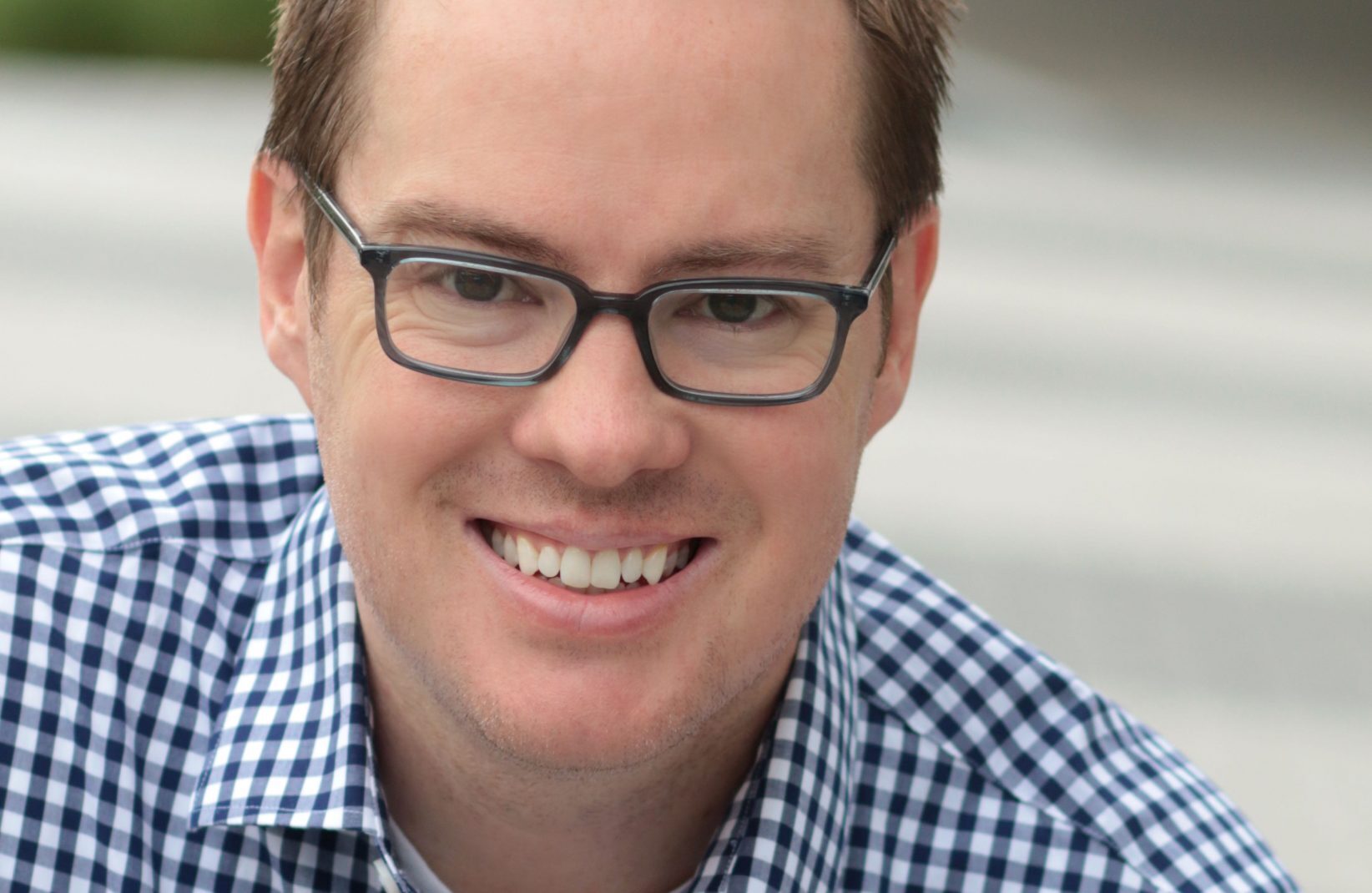
An executive with Kansas City-based PayIt has departed the company to open an area office for another government tech firm.
Previously head of local government solutions at PayIt, Luke Norris now is leading the Kansas City office of Australia-based OpenCities, which is a provider of website and digital services for governments across the world.
“The opportunity to team up with a global leader in digital government transformation is incredibly exciting,” said Norris, who will serve as the tech firm’s managing director of strategy and government relations. “I’m passionate that government digital services can work well for all citizens and that with the right tools, technology and approach governments can truly create digital city halls that are always open. … I’m excited to help accelerate digital transformation here locally and continue to highlight the innovative mindset of our region on a global scale. What we’re doing is helping cities stop building websites and instead make digital services work for all citizens.”
Norris is regarded as a national thought leader in government innovation, having spoken at the United States Conference of Mayors, Harvard’s Kennedy School and the National Association of Counties among others.
He currently serves as the board chair for Kansas City-based charter school Citizens of the World and as a commissioner for the Housing Authority of Kansas City. Previously Norris worked on such civic initiatives as KC Digital Drive and was the inaugural chair of Kansas City Mayor Sly James’ Challenge Cabinet.
Alex Gelbak, CEO and co-founder of OpenCities, was thrilled to welcome Norris to the team, he said.
“We had long known about Luke and his incredible successes helping governments re-think how it invests in digital technology,” said Gelbak. “The fact that Luke was based in Kansas City made the decision to expand our U.S. operations in Kansas City even easier, given the city’s flourishing startup and technology ecosystem, especially given its concentration of civic technology firms and its central location in North America.”
OpenCities has built more than 500 government websites across the globe, including such U.S. cities as Miami and Orlando, Florida, and Grand Rapids, Michigan. The firm’s content management systems, forms and other digital tools help citizens, employees and other civic stakeholders interact with government.
OpenCities, which now has 50 staffers across the globe, has aggressive goals for growth in the U.S. and Canada, Norris said. In the next year, the firm aims to hire four employees for Kansas City office, but given the area’s affordability and talent pool, it’s likely that more local staff could be added in Kansas City over the coming years.
Kansas City provides the OpenCities with several advantages, including a central location with quick access to other cities, affordability and a density of government tech firms, Norris said.
With the addition of OpenCities’ office, Kansas City is developing as something of a hotbed for government tech startups and innovation. The city now features such government tech firms, partnerships and programs as PayIt, mySidewalk, PlanIT Impact, Neighborly, the Innovation Partnership Program, the Smart City initiative and Code for America KC Brigade.
“Kansas City is home to some of the most innovative government technology firms in the U.S.,” he said. “This creates a brain trust of like-minded entrepreneurs and technologists who can share best practices, professional networking and cross-selling opportunities. … Kansas City, Missouri, and Kansas City, Kansas, have been on the forefront of national conversations around digital equity, inclusion and accessibility — having governments like that in our backyard who we can work with to champion better digital services is really exciting. Plus those cities have demonstrated a commitment to working with entrepreneurial firms like ours.”


2018 Startups to Watch
stats here
Related Posts on Startland News

Nell Hill’s founder returns to retail with ‘this little secret’ — a micro shop with an old-fashioned, in-store experience
Mary Carol Garrity’s last home furnishings store was 18,000 square feet. Her new one? A “petit bazaar” at just 400. Garrity is teaming up with longtime friend, Rebecca Wood, on diebolt’s in Midtown’s Gillham House Antiques & Furnishings. The shop, which is scheduled for an April 19 soft opening, is expected to offer a “fun…

Urban designer behind Royals’ Crossroads ballpark pioneered the modern MLB stadium (and he has the bats to prove it)
It’s difficult to find a Major League Baseball stadium that Earl Santee hasn’t influenced with his philosophy of community-oriented design. Called the “Godfather of ballparks,” Santee — the recently named CEO of Populous and literal architect of the proposed Kansas City Royals ballpark district in the East Crossroads — either designed or renovated two dozen…
Royals change stadium plan to keep Oak Street open to traffic, but fate of businesses is uncertain
Editor’s note: The following story was published by KCUR, Kansas City’s NPR member station, and a fellow member of the KC Media Collective. Click here to read the original story or here to sign up for KCUR’s email newsletter. The Royals’ original plan was to place the team’s corporate offices and entertainment venues on Oak Street, which would close the…

Royals Crossroads ballpark plan revs parking debate; how ‘creatures of comfort’ would need to adapt to a new downtown
Editor’s note: This story was originally published by Kansas City PBS/Flatland, a member of the KC Media Collective, which also includes Startland News, KCUR 89.3, American Public Square, The Kansas City Beacon, and Missouri Business Alert. Click here to read the original story. Here’s the essential message that the Kansas City Royals have for folks fretting about…