

IXKC: Want top talent in Kansas City? Stop talking about yesterday (Photos)
March 29, 2018 | Tommy Felts
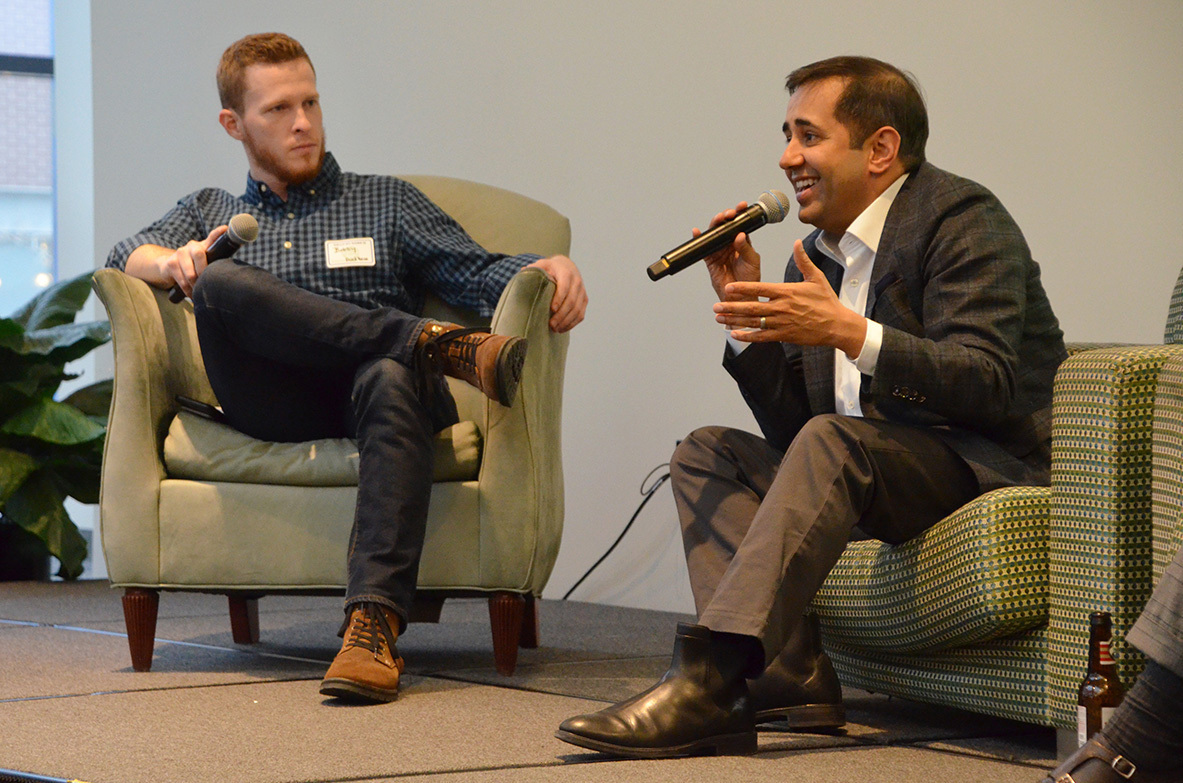
Kansas City already has what it takes to recruit and keep top talent, Neal Sharma told Wednesday’s Innovation Exchange crowd. What the metro seems to lack is the confidence to boast about itself, he added.
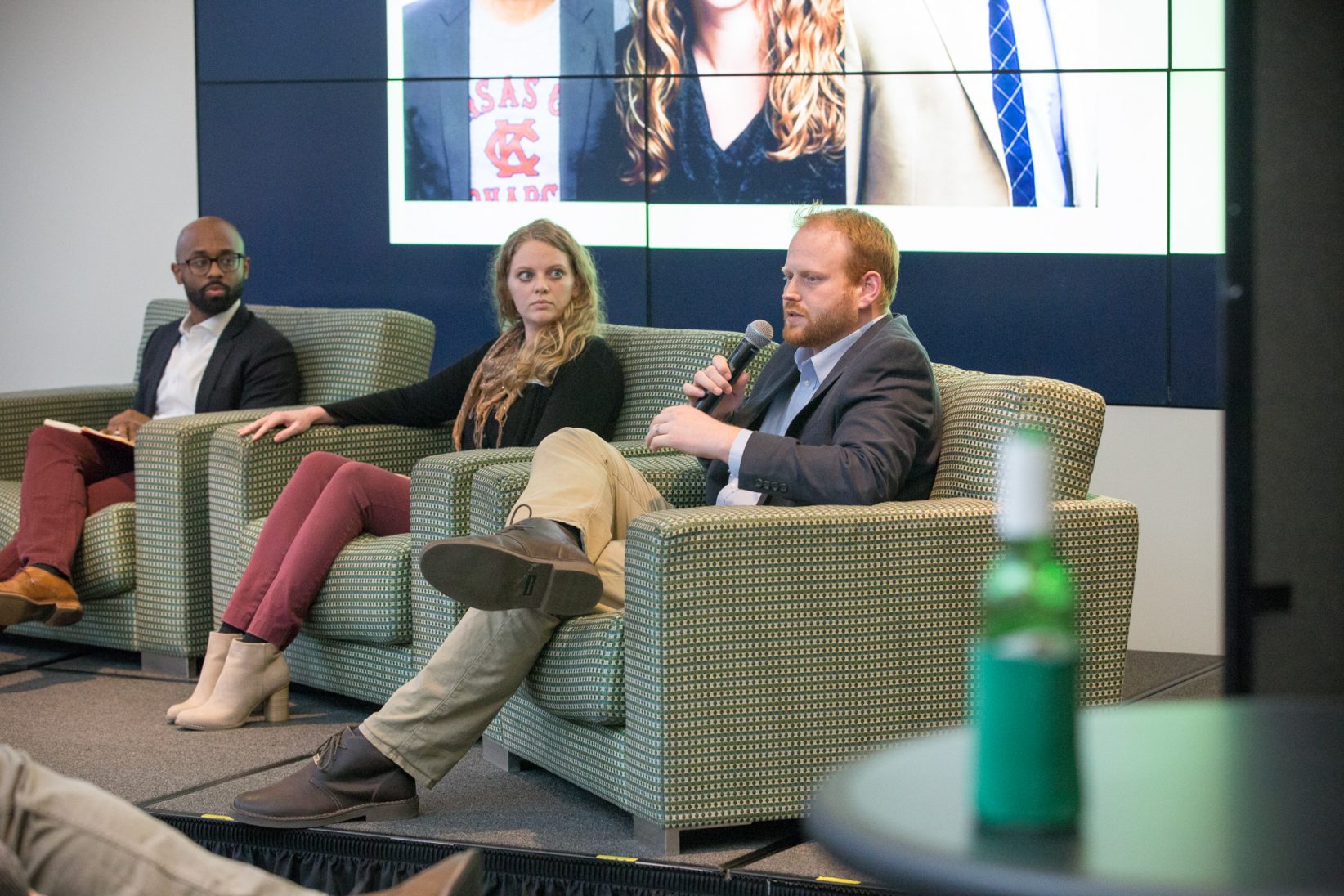
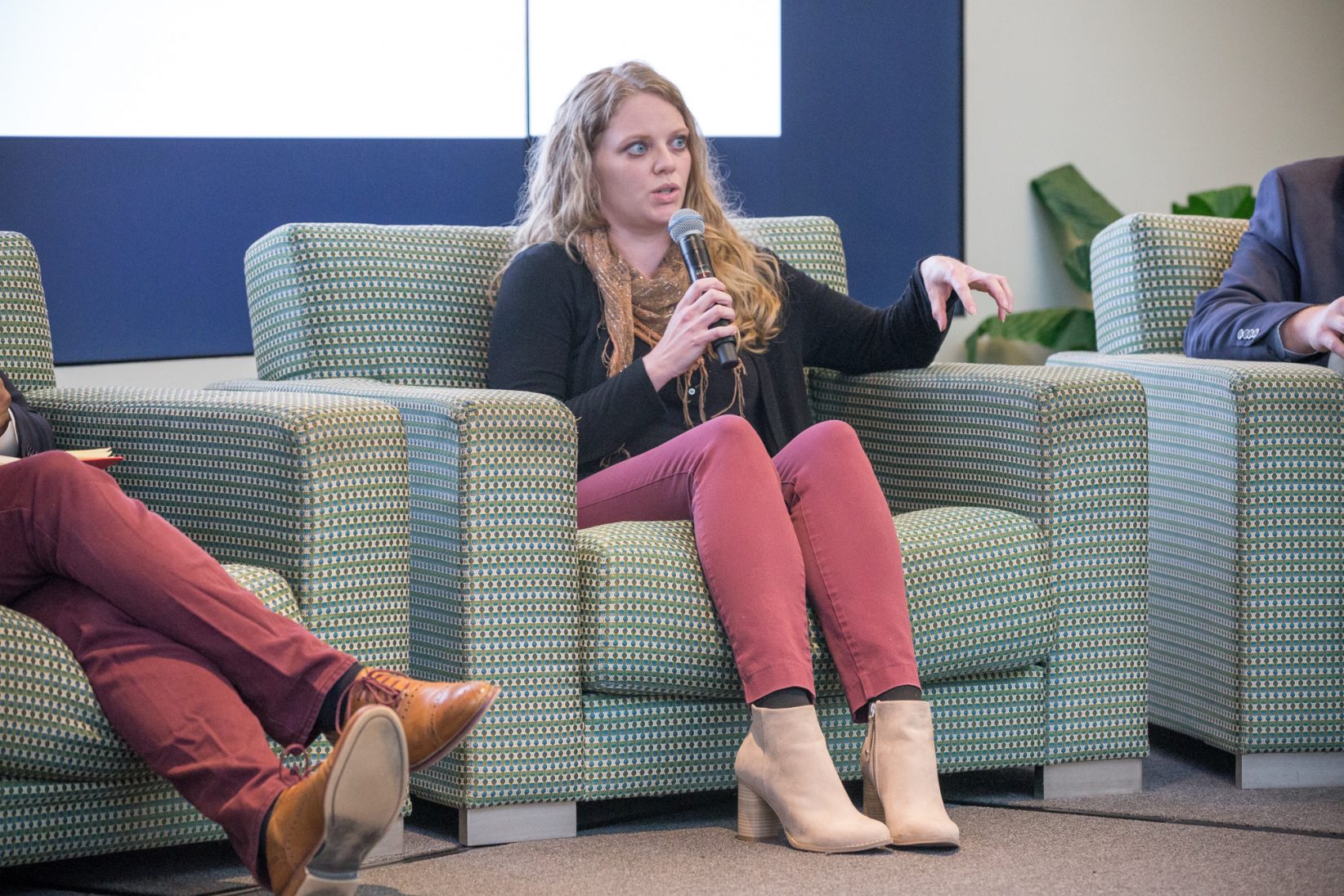
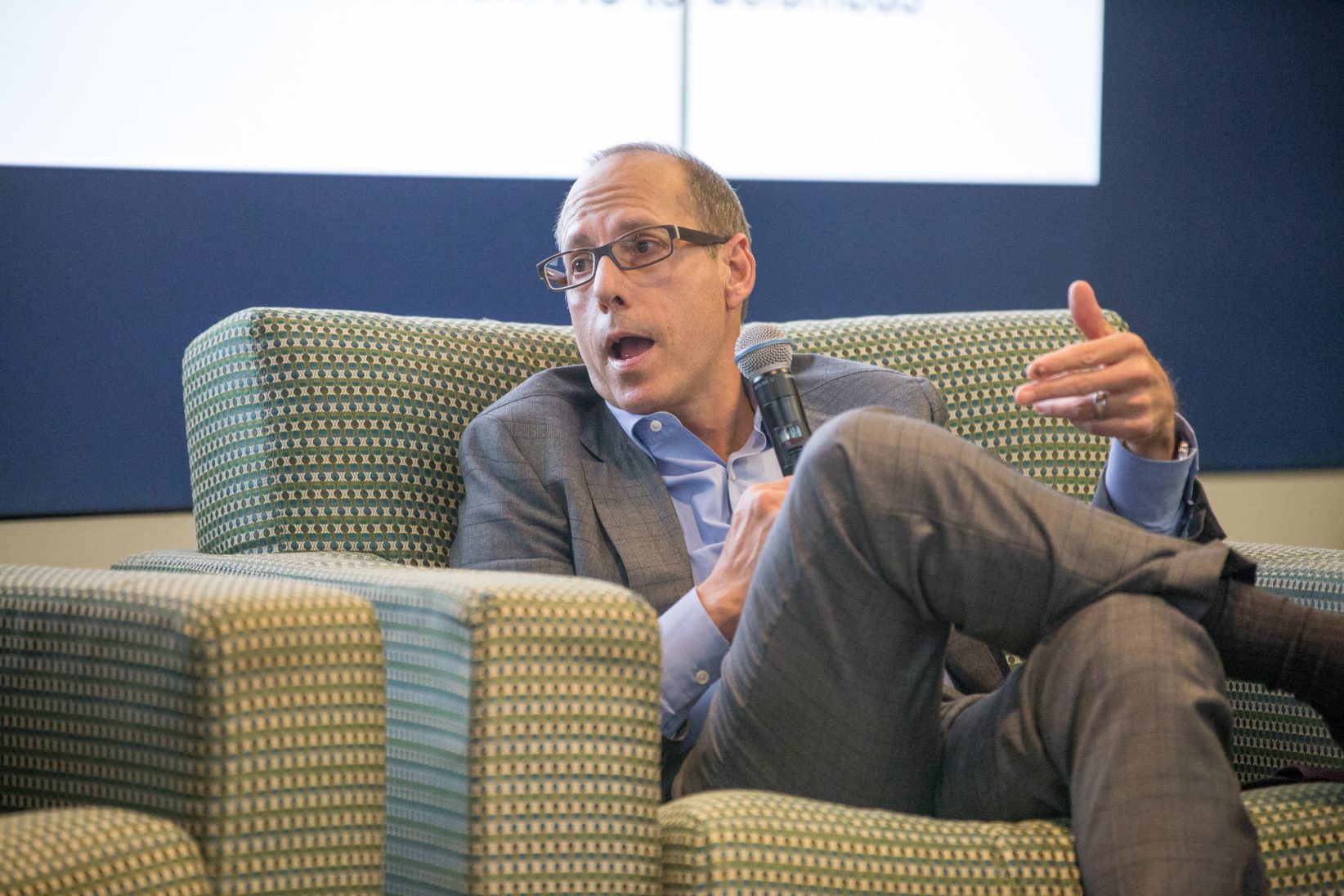
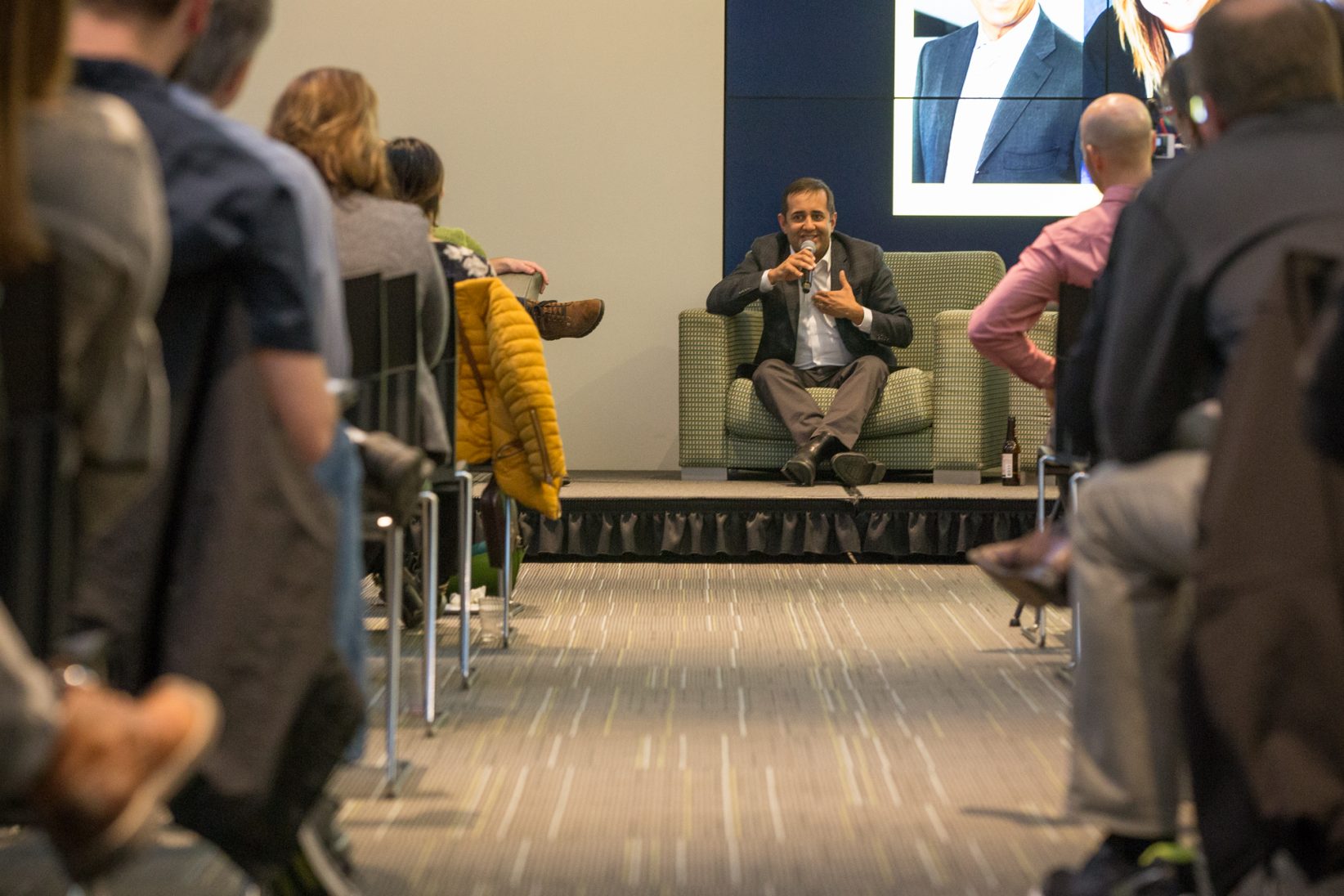
Sharma, CEO and co-founder of DEG, a full-service digital agency in Overland Park that has grown to about 300 employees, joined panelists at the Startland News event for a conversation on how Kansas City can proactively address concerns about college-educated workers leaving the city.
“Here’s the deal: I’m a 5-foot-5 pudgy brown guy, right? Let’s be real about it. The only reason my beautiful, wonderful wife agreed to marry me is that I have confidence. That’s it,” he said. “Preternatural confidence. I know what I stand for, I know what I’m good at, and I know what I’m bad at. I have confidence. That’s what we need.”
A KC Rising report released in February suggested the metro saw a net loss of talent in 2016, meaning more college-educated professionals left the city than were recruited to it.
Organizers of the study were surprised by the results, said panelist Bill Gautreaux, KC Rising co-chair and managing partner at MLP Holdings LLC. But the mystery remains whether the 2016 findings were part of a hard-coded trend or merely an anomaly, he said, noting Kansas City saw a positive net migration in 2015, followed by a loss the next year.
“We need to sell Kansas city,” he said. “There is no question that the coastal cities are maxed out and so we do have a huge opportunity in the center of the country to have population inflow over time, and there are huge attributes that make that advantageous.”
“The biggest impediments still today is that 75 percent of all private equity capital is going to three or four cities. That has to change more before we see that [positive] migration,” Gautreaux said. “The key though is that there’s a lot of area between the coasts, right? So we need to make sure we get our fair share or more of people that move to the Midwest.”
Read more from the event, sponsored by GXP Investments, below the photo gallery.
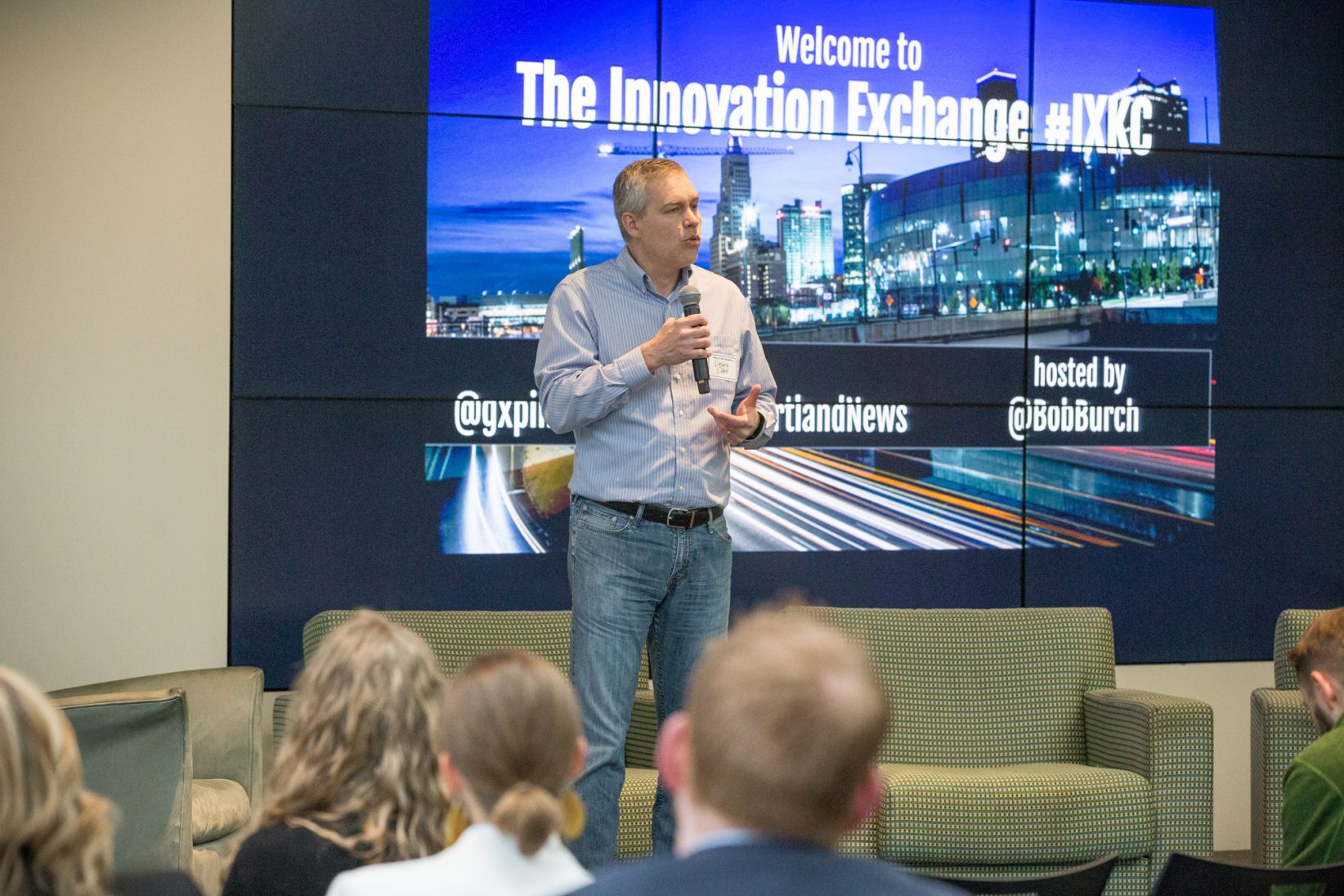
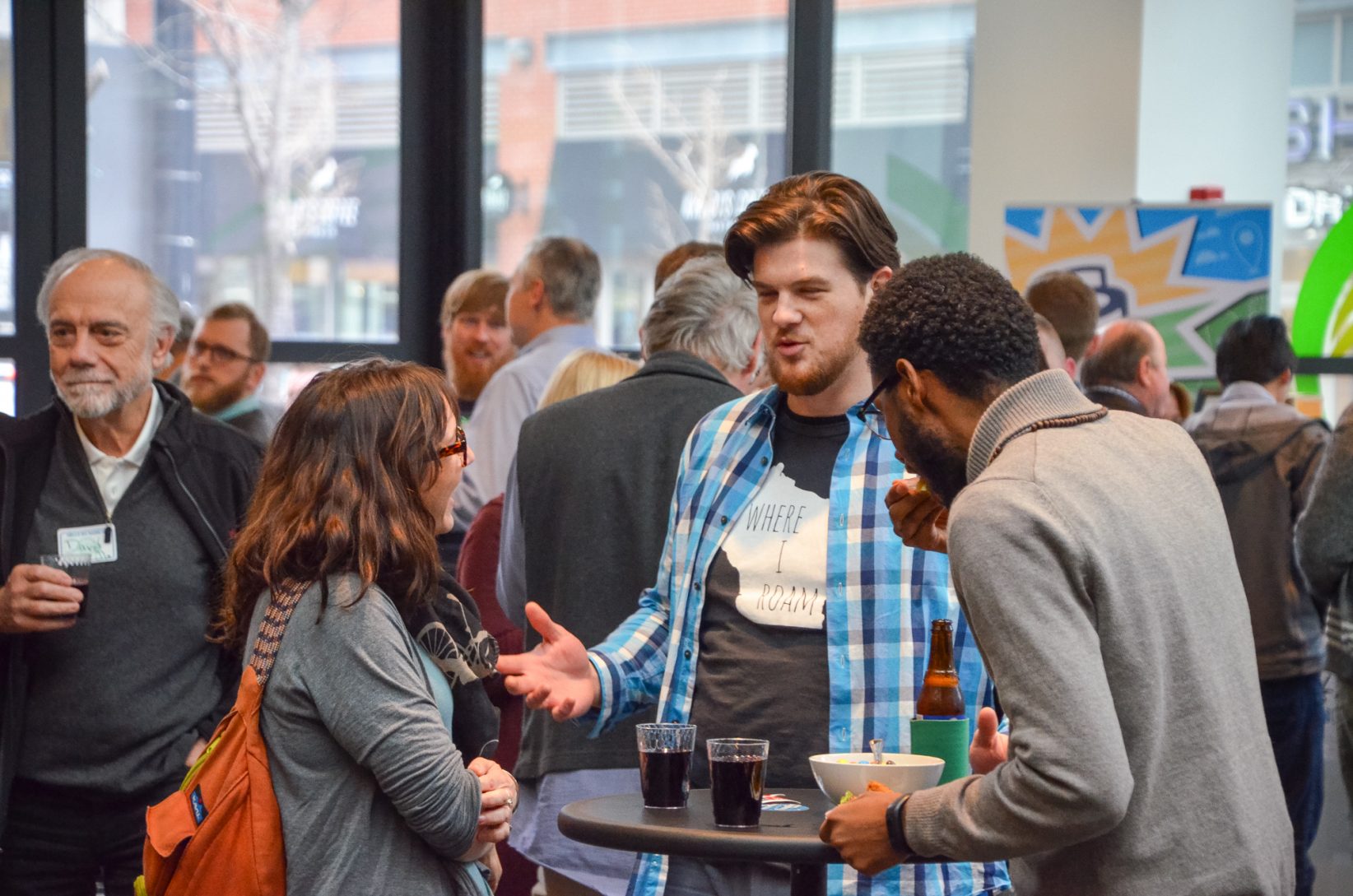
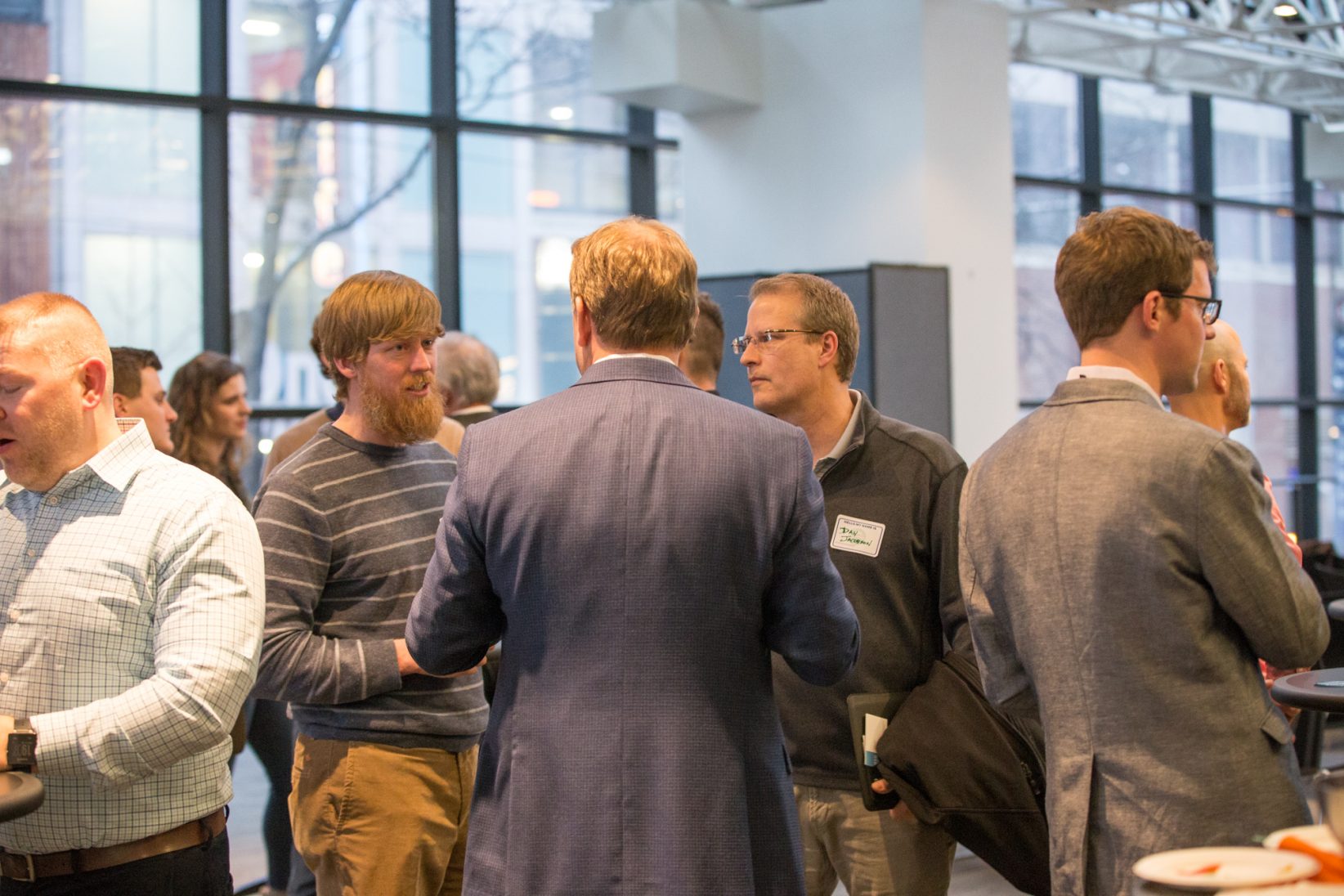
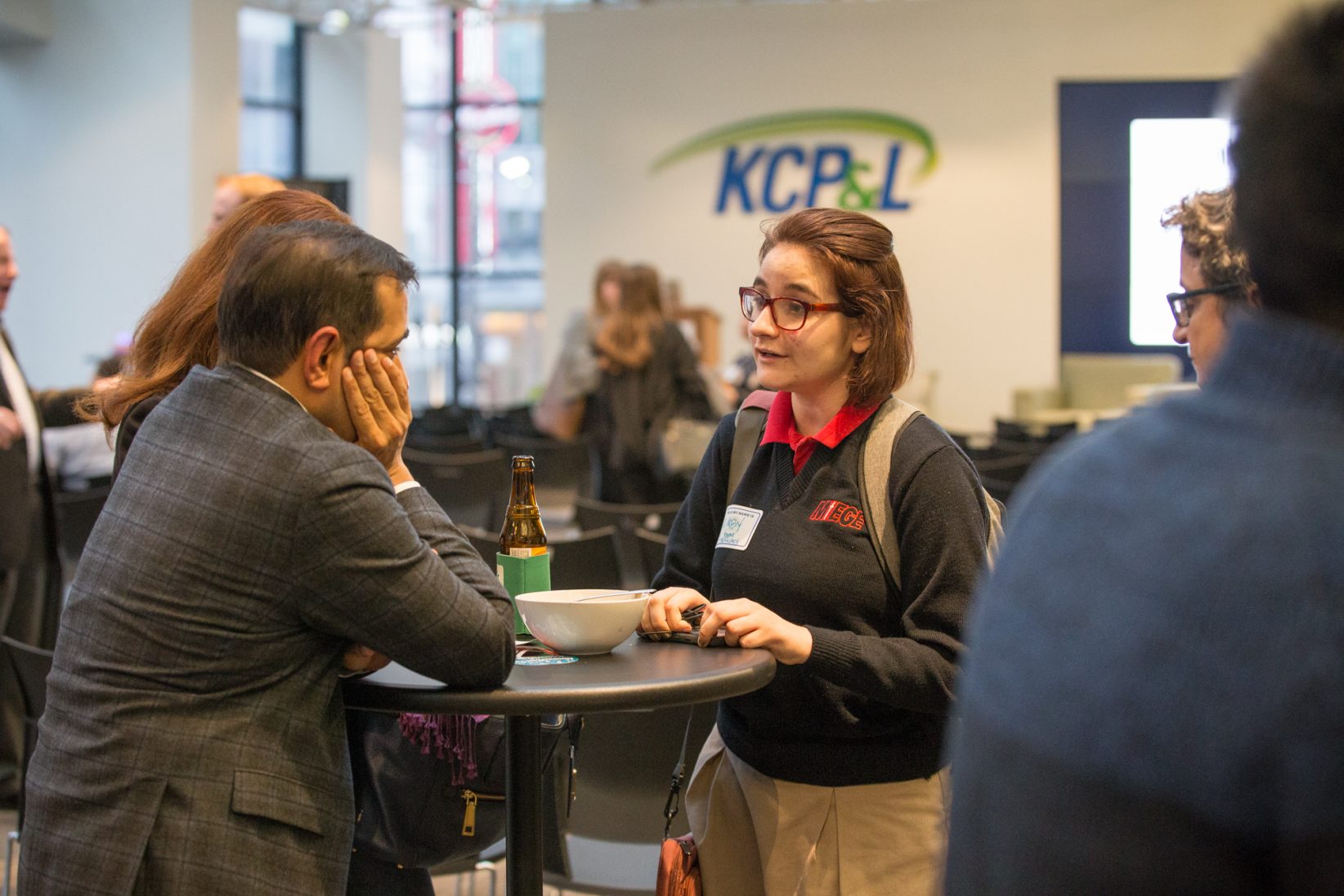
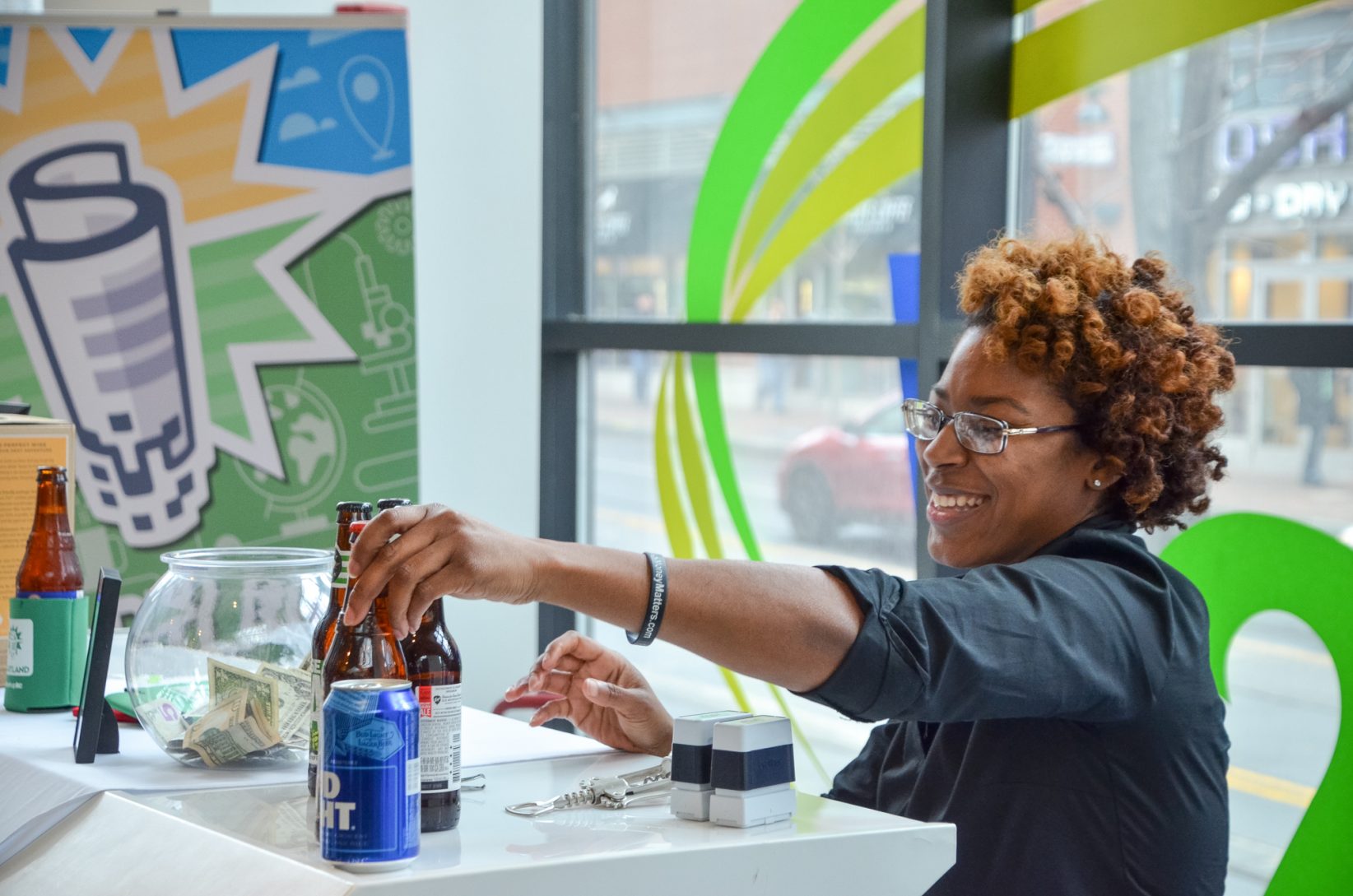
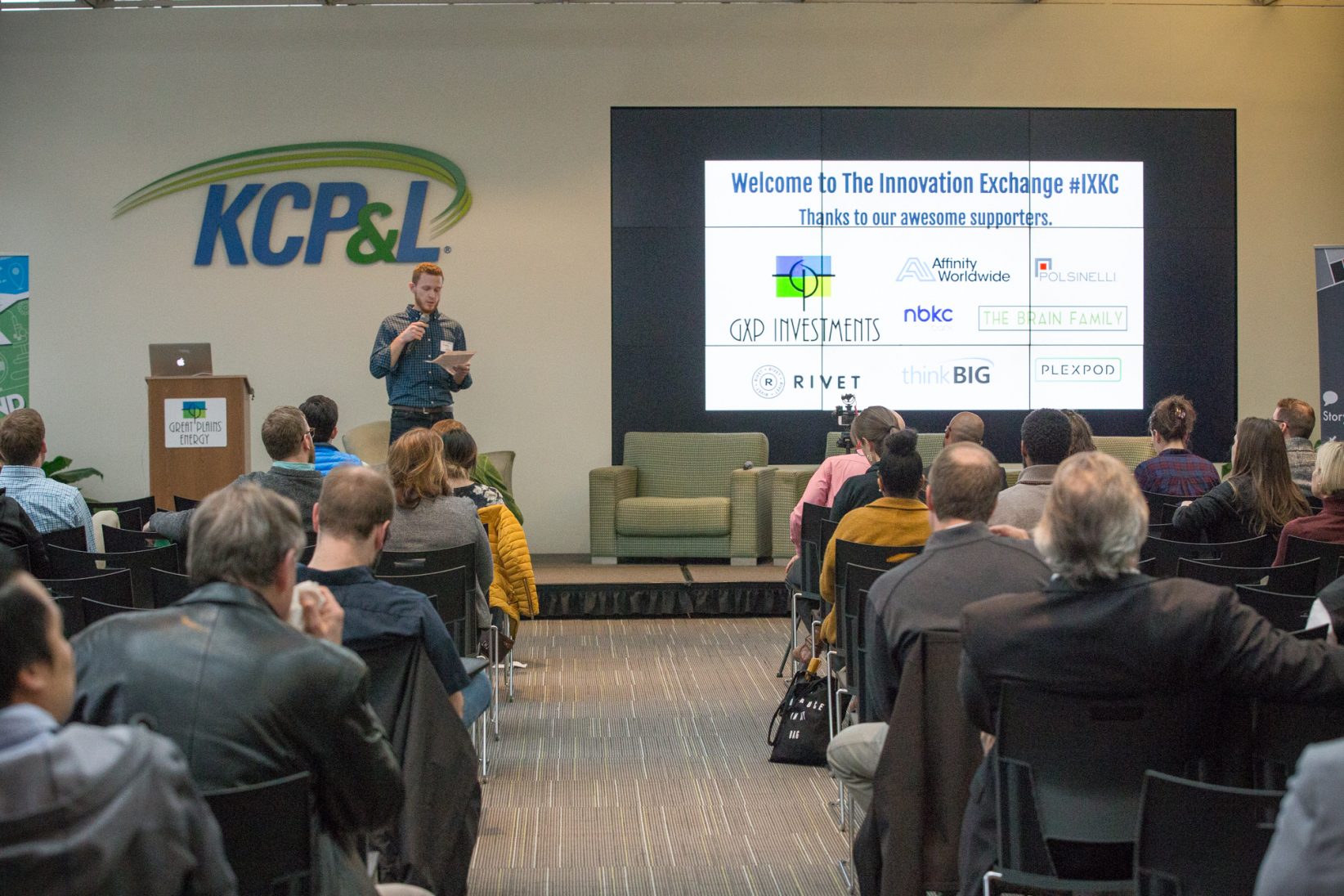
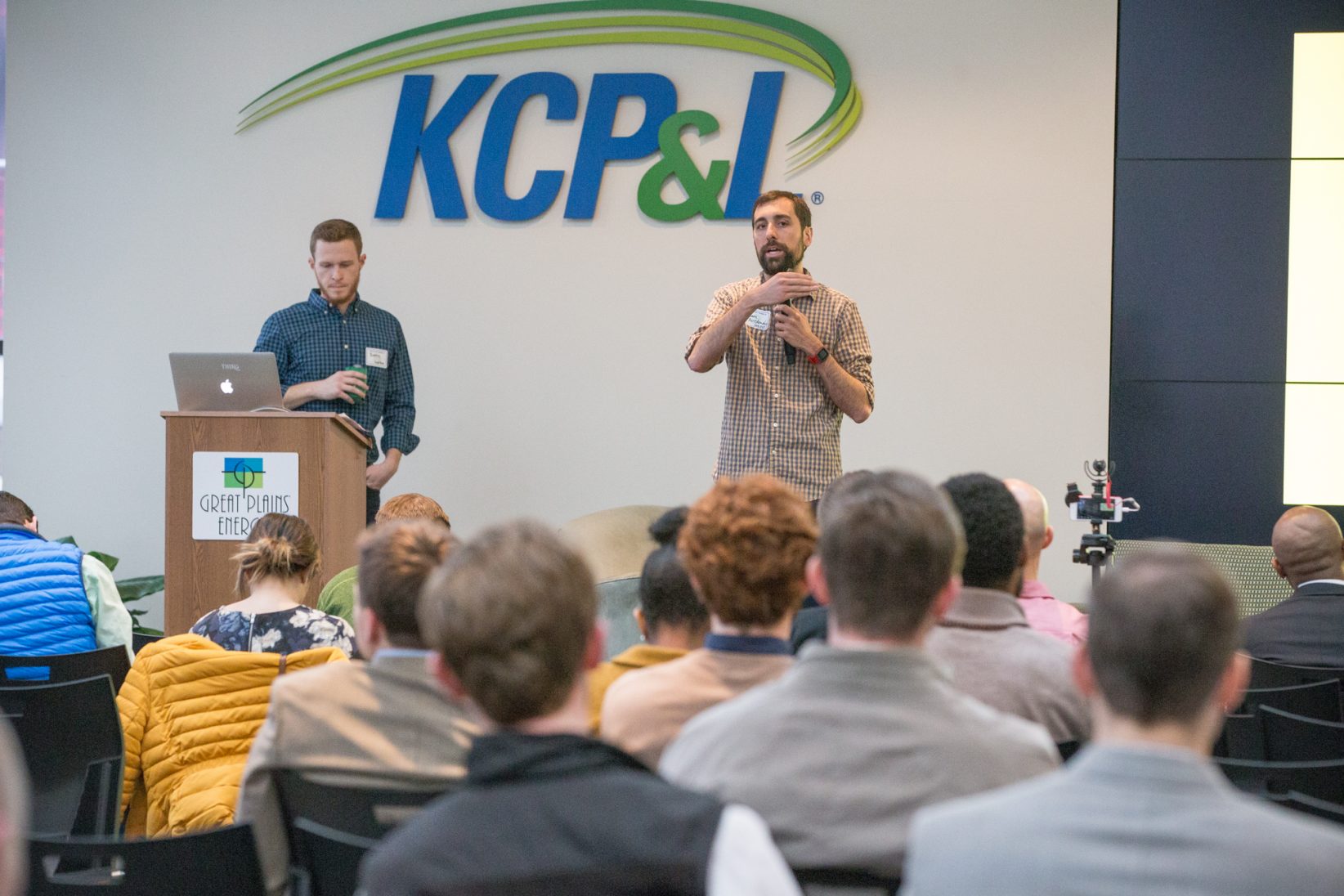
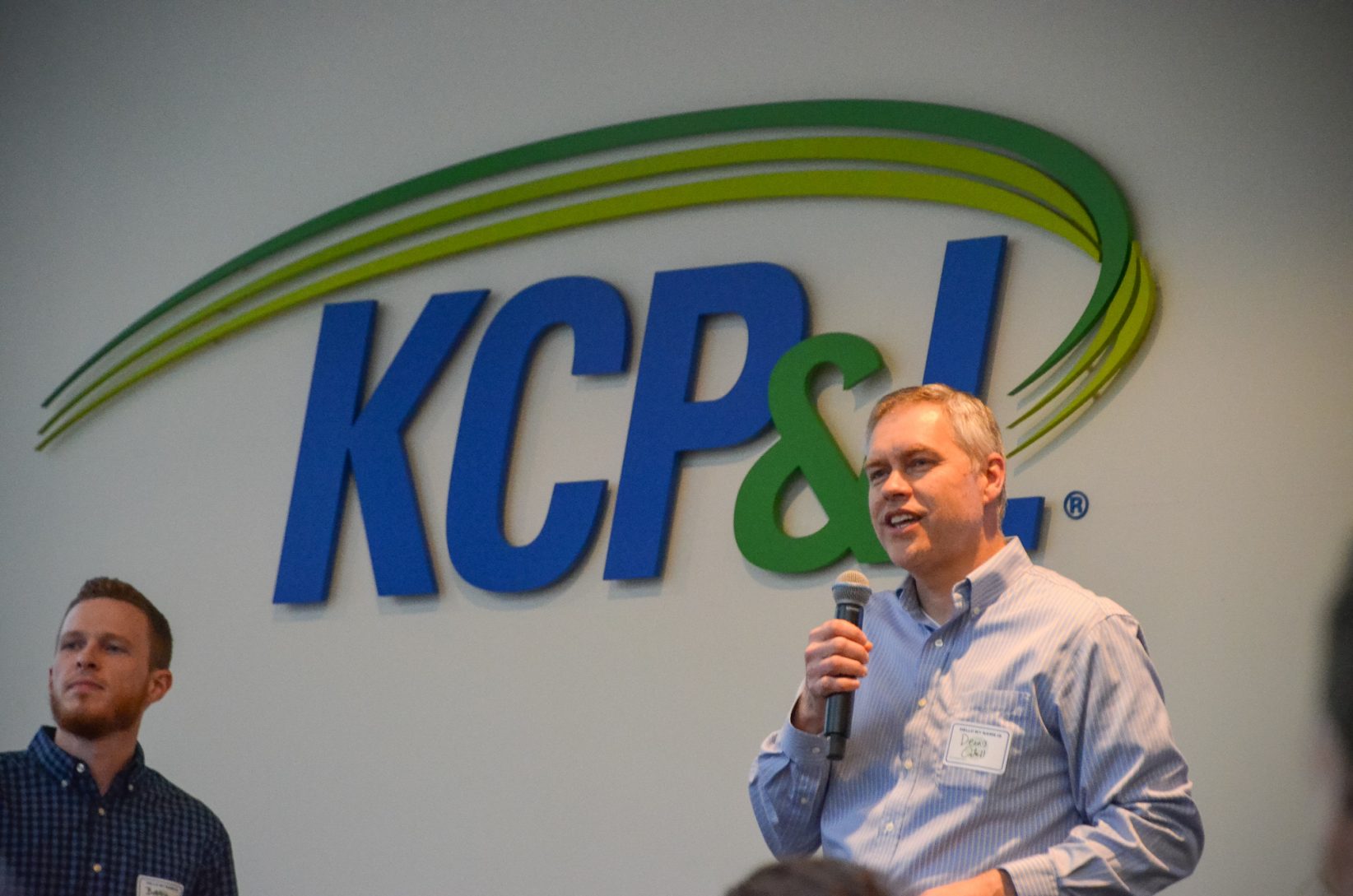
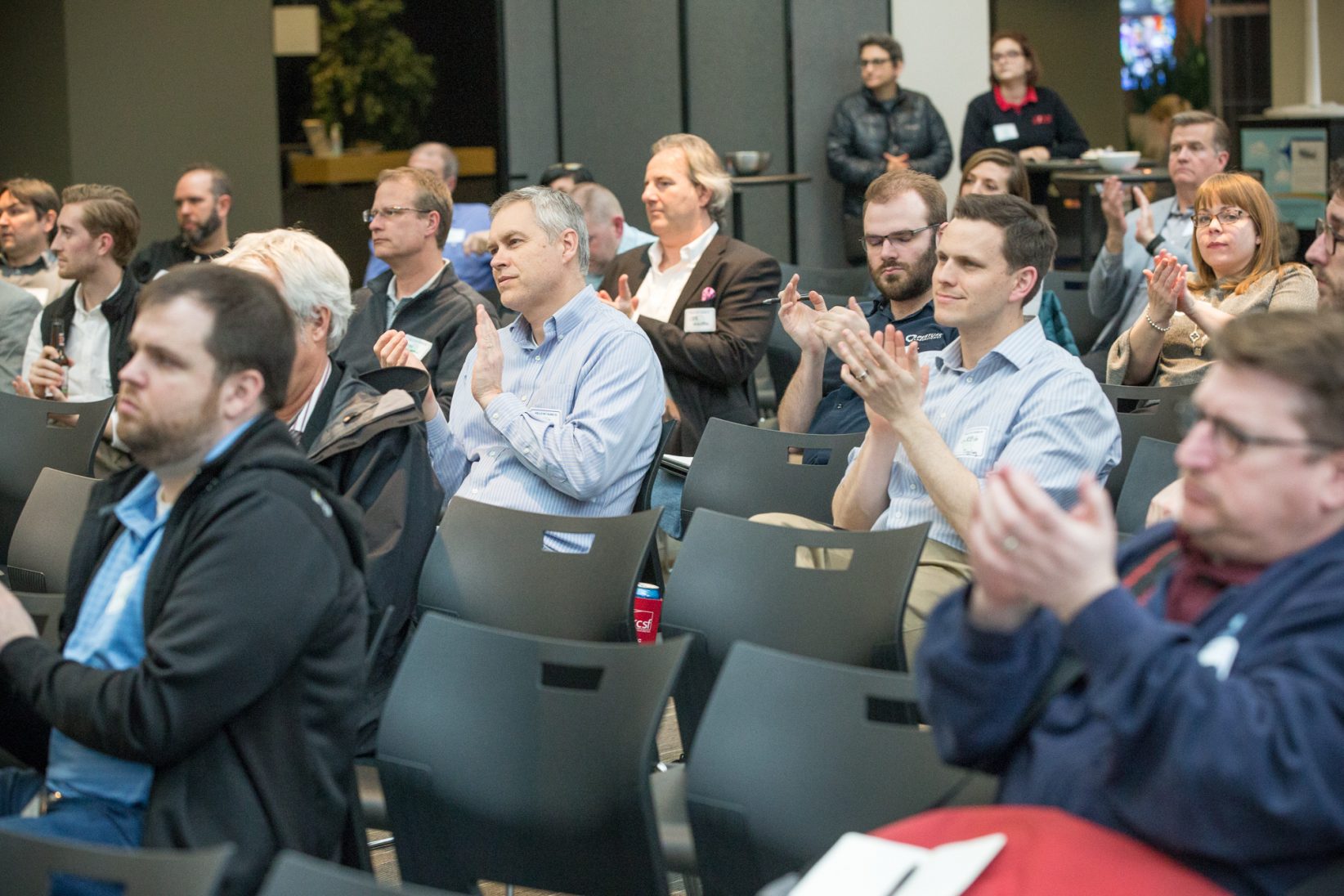
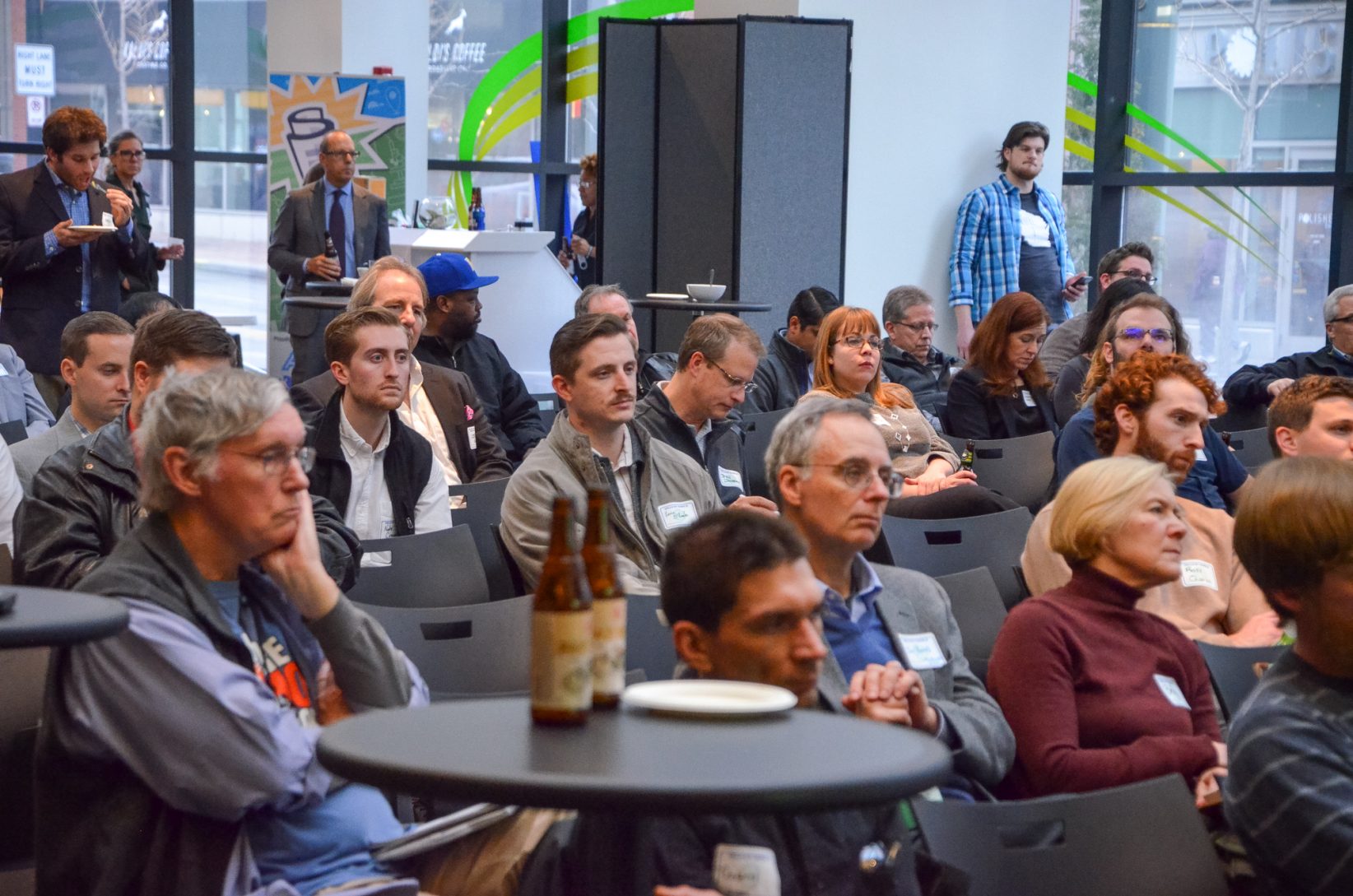
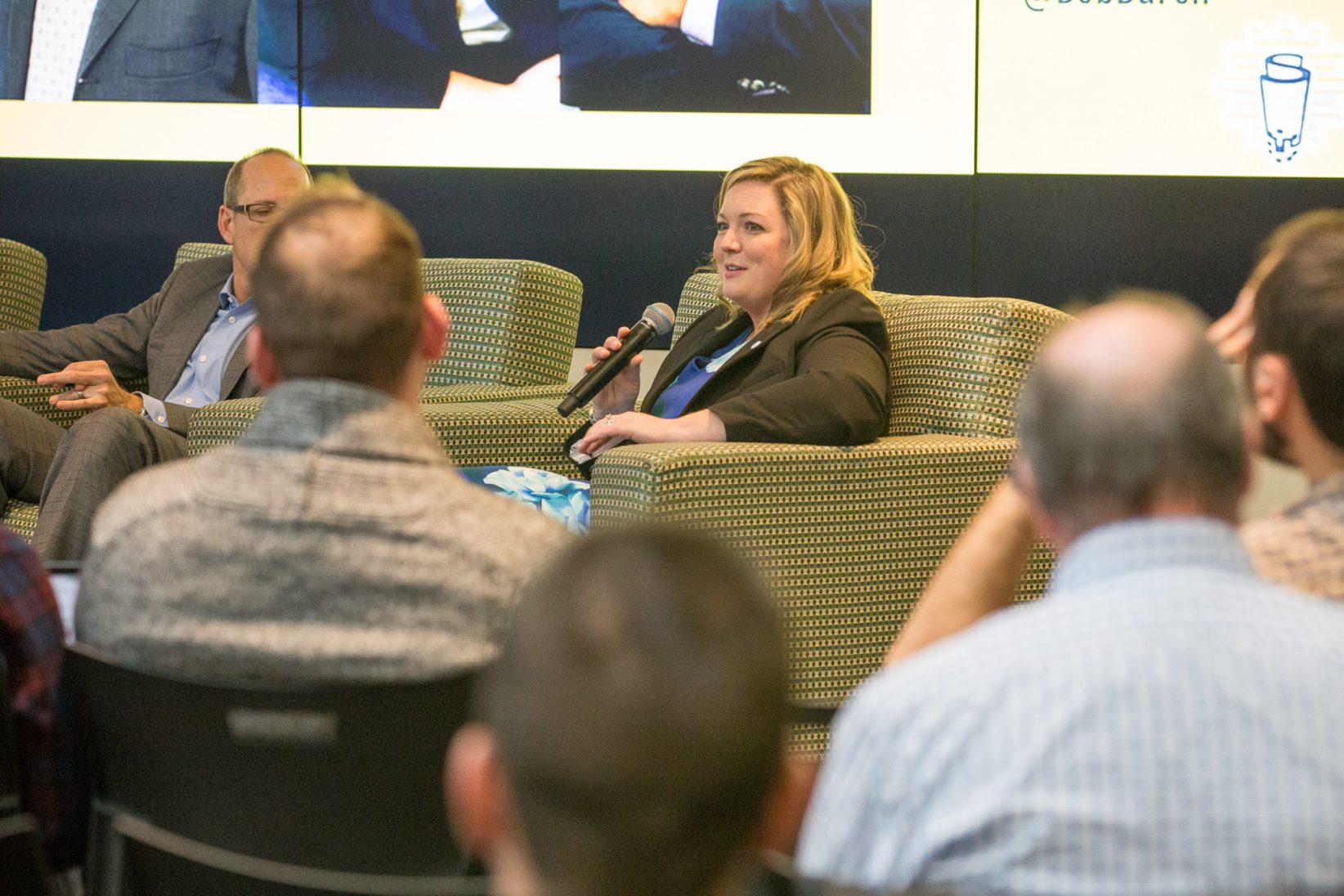
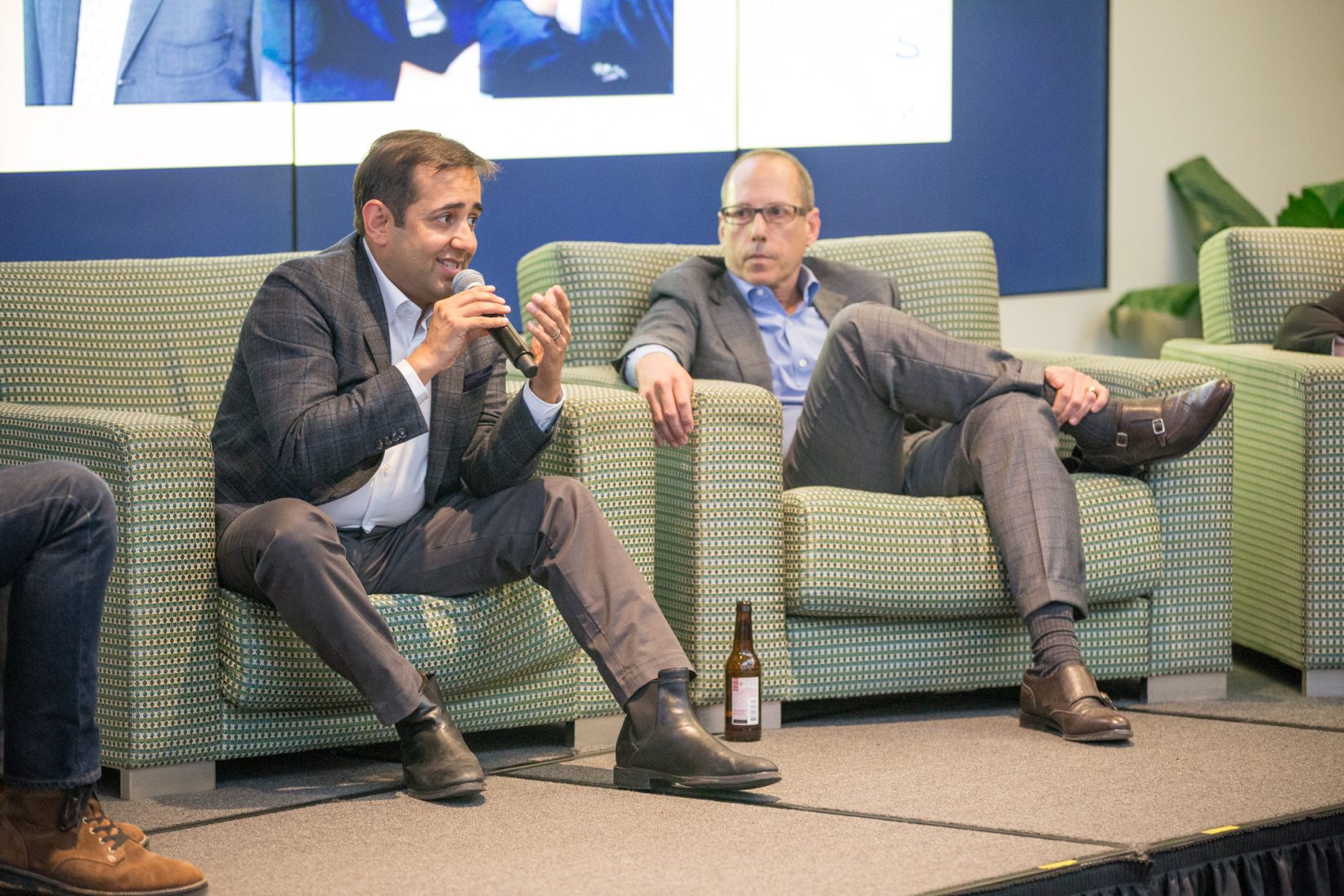
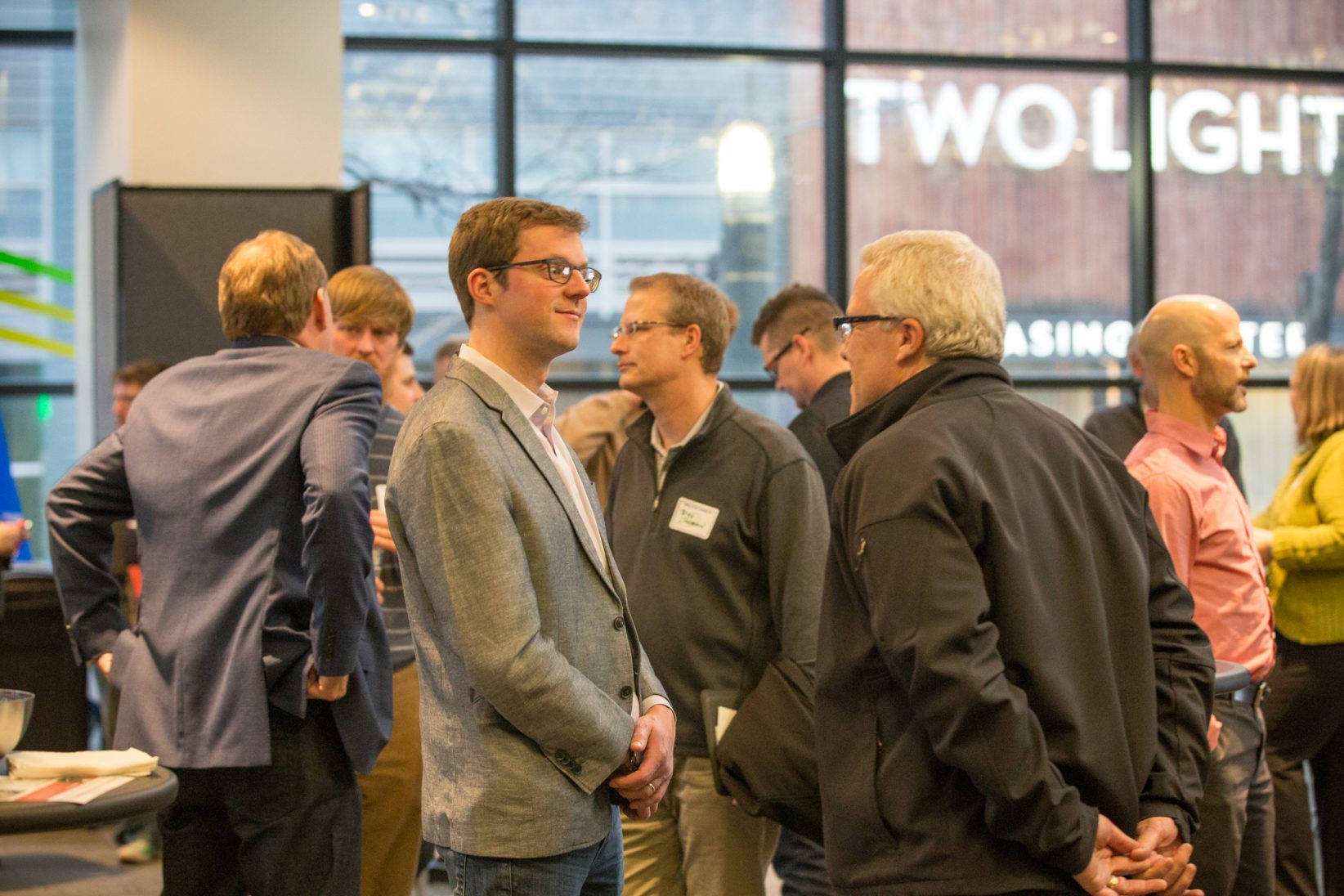
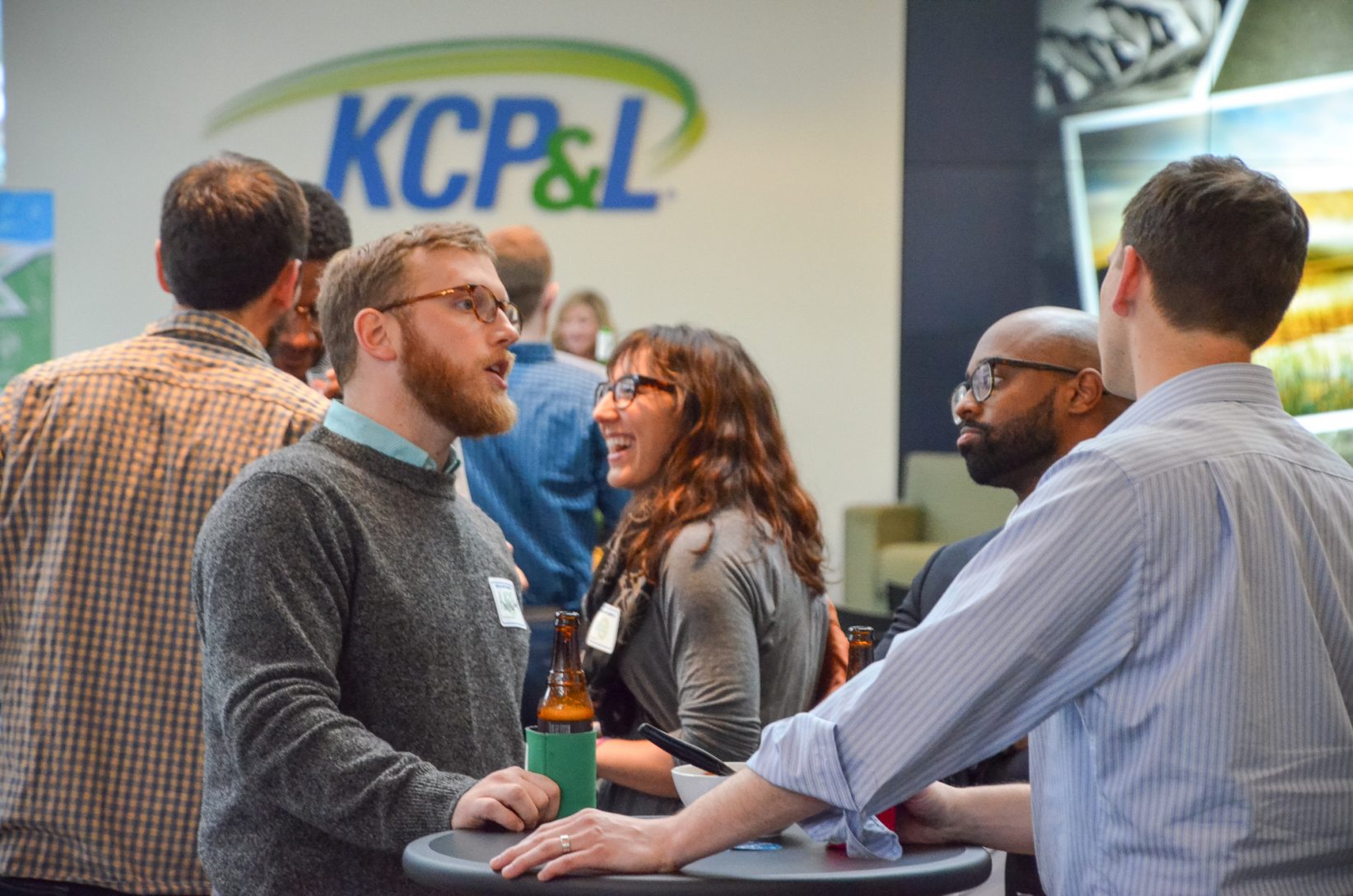
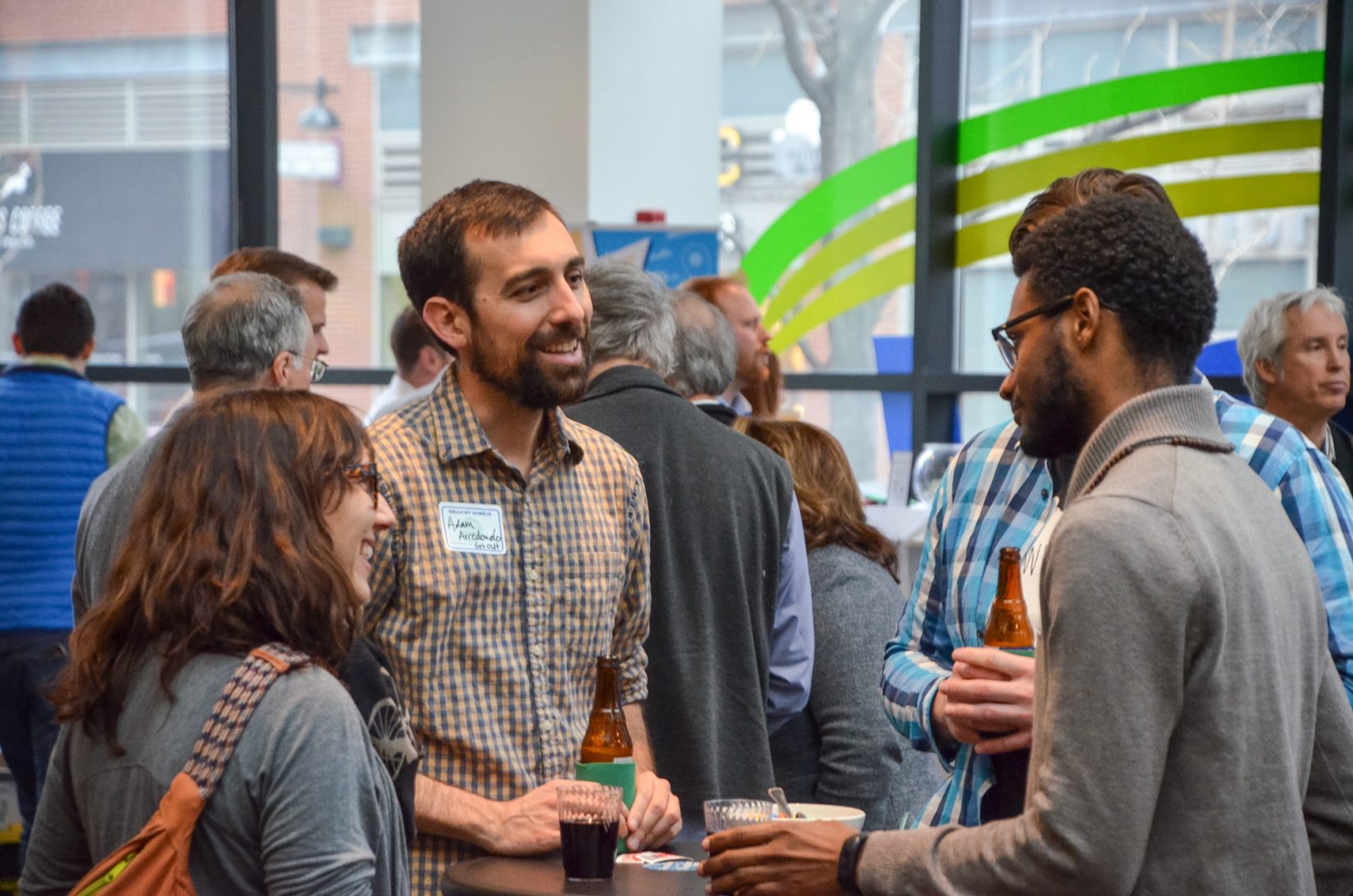
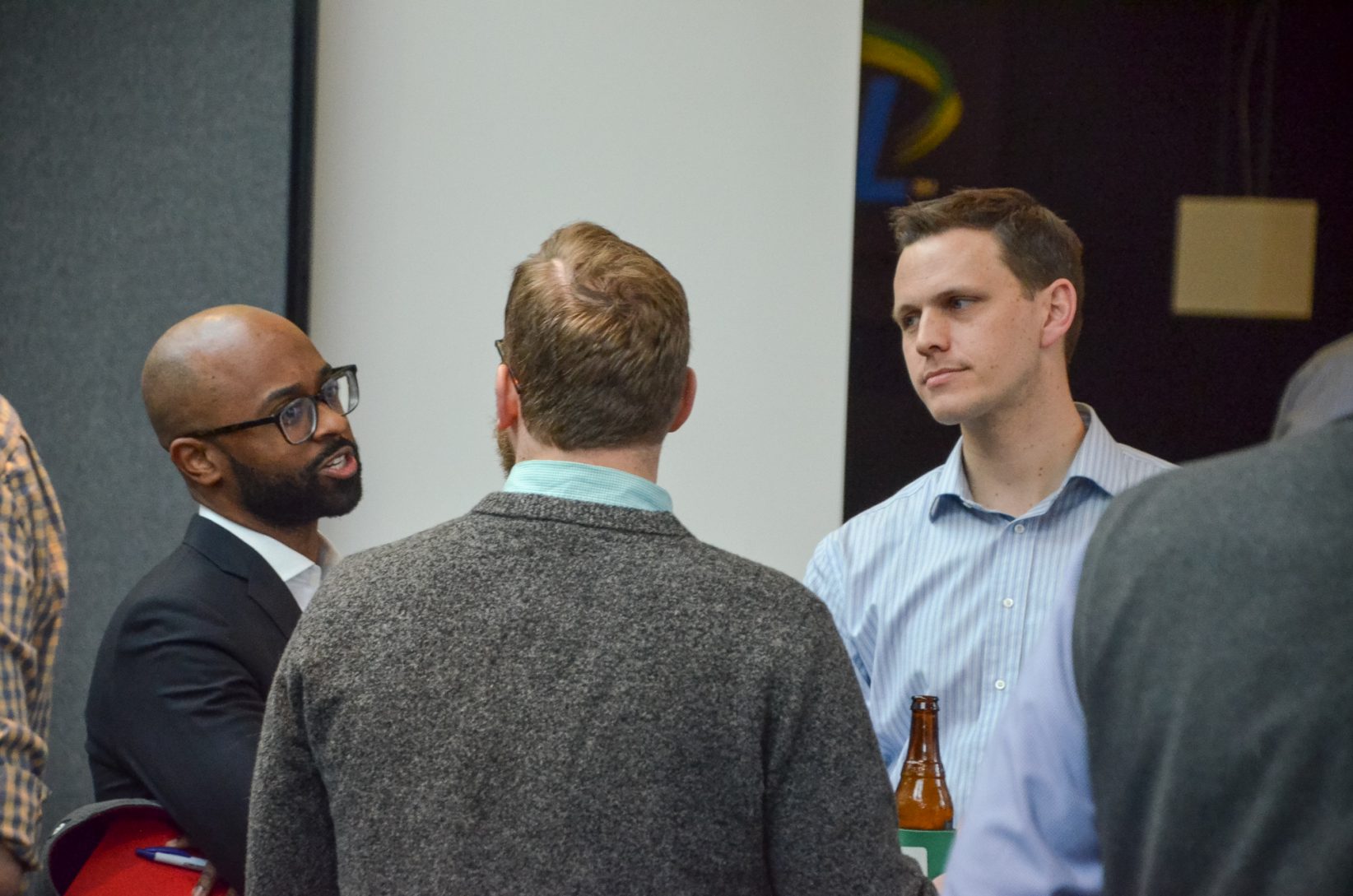
What does KC offer?
Admit Kansas City’s obvious shortcomings, Sharma said, because those limited factors have less relevance to the conversation.
“We don’t have mountains. We don’t have oceans. And up until 2013 when Sporting Kansas City won the national championship, and then 2014 and 2015 [for the Royals], we didn’t have winning sports team,” he said. “Now we have a winning sports team — or had one, but the halo is still there — so at least we took one thing off the list. … But there has to be an answer to a fundamental question, which is, ‘What do we have to offer whoever it is that we’re trying to recruit?’”
When it comes to attracting new talent or keeping existing workers, it can be remarkably challenging to communicate the appeal to professionals in their 20s, who are largely single and focused on tech or creative careers, Sharma said.
“But when that same professional becomes 30 or 31 or 32, the composition changes dramatically, and what we have to offer — not only as an innovative, progressive company in Kansas City — is a remarkable community with a tremendously high standard of living,” he said.

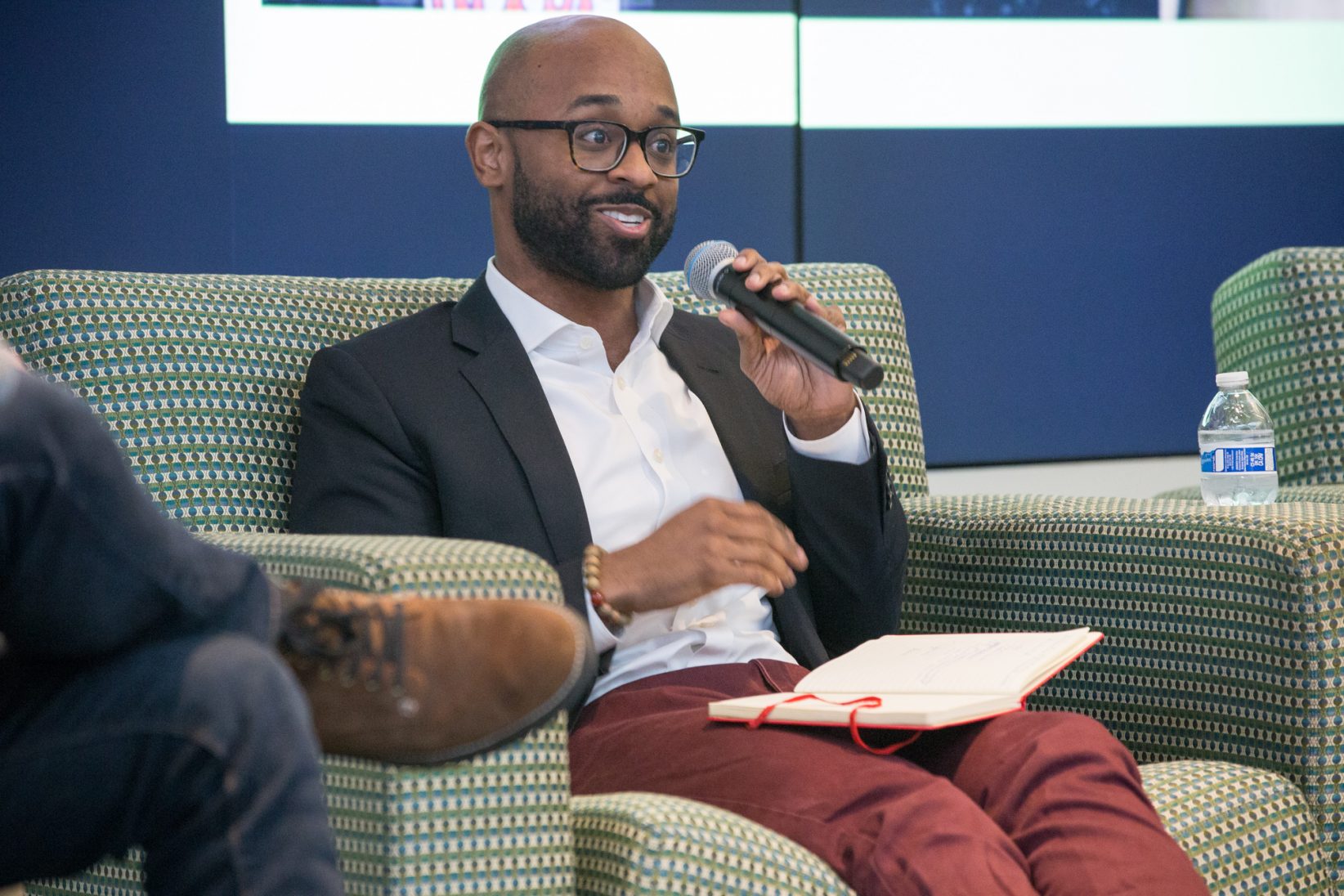
Spencer Hardwick, founder of KC Wire, chief of staff for Teach for America Kansas City
Panelist Spencer Hardwick returned to Kansas City in 2015 to realize greater career opportunities, he told the Innovation Exchange crowd. But the realities of a less congested metro also played a heavy role, said Hardwick, referencing the traffic noise of New York City and 90-minute, one-way commutes from Upper Manhattan to Brooklyn.
“You just really start to understand the intrinsic value of living in a low cost city where it’s easy to get around, where people are friendly, the food is great, you get huge portions — in New York, you order a steak and it’s like three inches; it’s ridiculous,” the founder of the Wire KC and chief of staff at Teach for America Kansas City said. “You begin to understand all that when you can juxtapose it with different cities across the map.
Sharma, a member of the KC Rising steering committee, himself wondered if the statistics detailed in the report were unnecessarily alarming, he said, suggesting thought leaders should focus less on the idea of brain drain and more on “brain circulation.” The latter concept — developed by author Richard Florida, an urban and social theorist — emphasizes the strengths generated by circulating talent, rather than keeping it in one location.
“So maybe a kid does graduate with a bachelor’s and maybe that kid does leave. … OK. So they go experience the world. They go to oceans. They go to mountains. They go to winning sports teams,” Sharma said. “Our job might need to be prioritizing how we get them back to Kansas City when what we have to offer as community in terms of real clear domain expertise is present and relevant to offer them in their lives.”
Coming home
Having previously worked in Dallas and New York City, people said Hardwick was crazy to return to his hometown, he said.
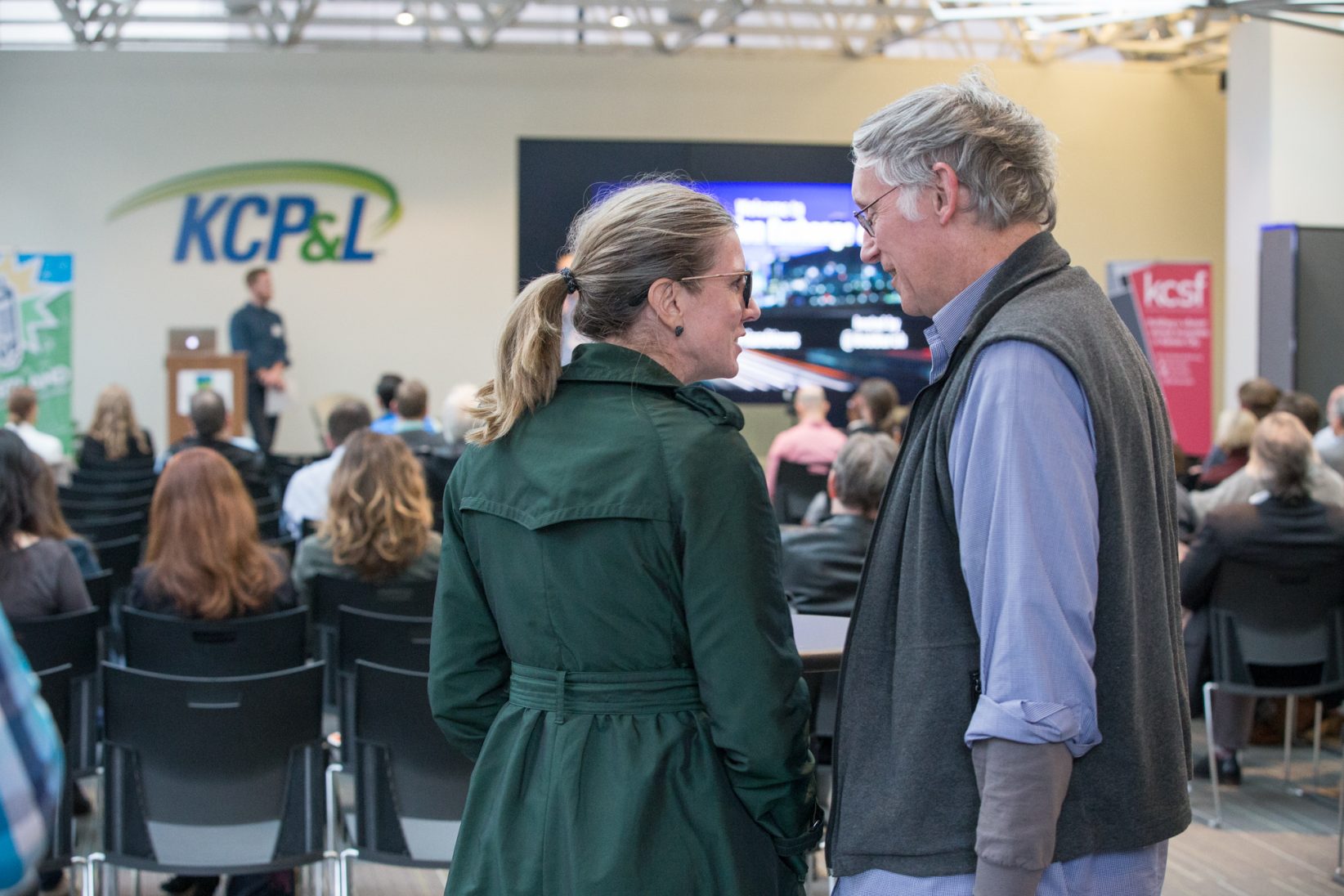
“If you grew up in Kansas City in the ’90s and the early 2000s, you know that what we see here [in downtown Kansas City] was not here then,” Hardwick said, referencing the event space’s view from the KC Power & Light Energy Center, along Main Street’s streetcar line. “In high school, or even in middle school, classmates would swear up and down: ‘I’m getting out of here soon, as soon as I can.’”
“But what we’ve seen is really a huge boom, huge growth in a lot of different ways in Kansas City,” he added. “I’m looking at the types of businesses that are coming in. I’m looking at what we’ve done downtown with our infrastructure, looking at what we’ve around the city with our infrastructure. You really have seen a transformation that updates this city to a 21st Century context and makes it much more attractive to young folks, millennials in terms of opportunities.”
It’s time to flip the narrative about Kansas City, he said. Members of the local workforce have the ability to build a network and develop their potential much more quickly than in cities like Chicago, San Francisco or New York City where it could take 10 to 15 years, he added.
“Because we’re a smaller market — some folks call us a flyover town — we have a little bit of a chip on our shoulder, and some of us internalize that,” Hardwick said. “I think the contrary is actually true, where we actually have a greater opportunity to develop our skills, better our talents, and really flex our muscles career-wise because of being a small market, but still having a large enough platform to be known nationally or globally.”
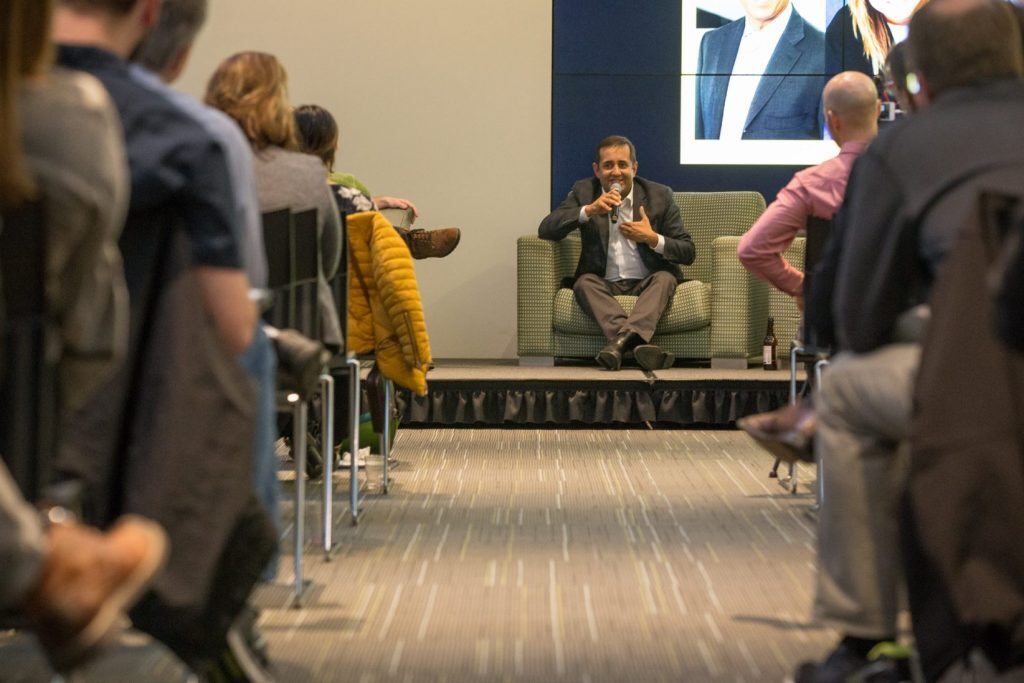
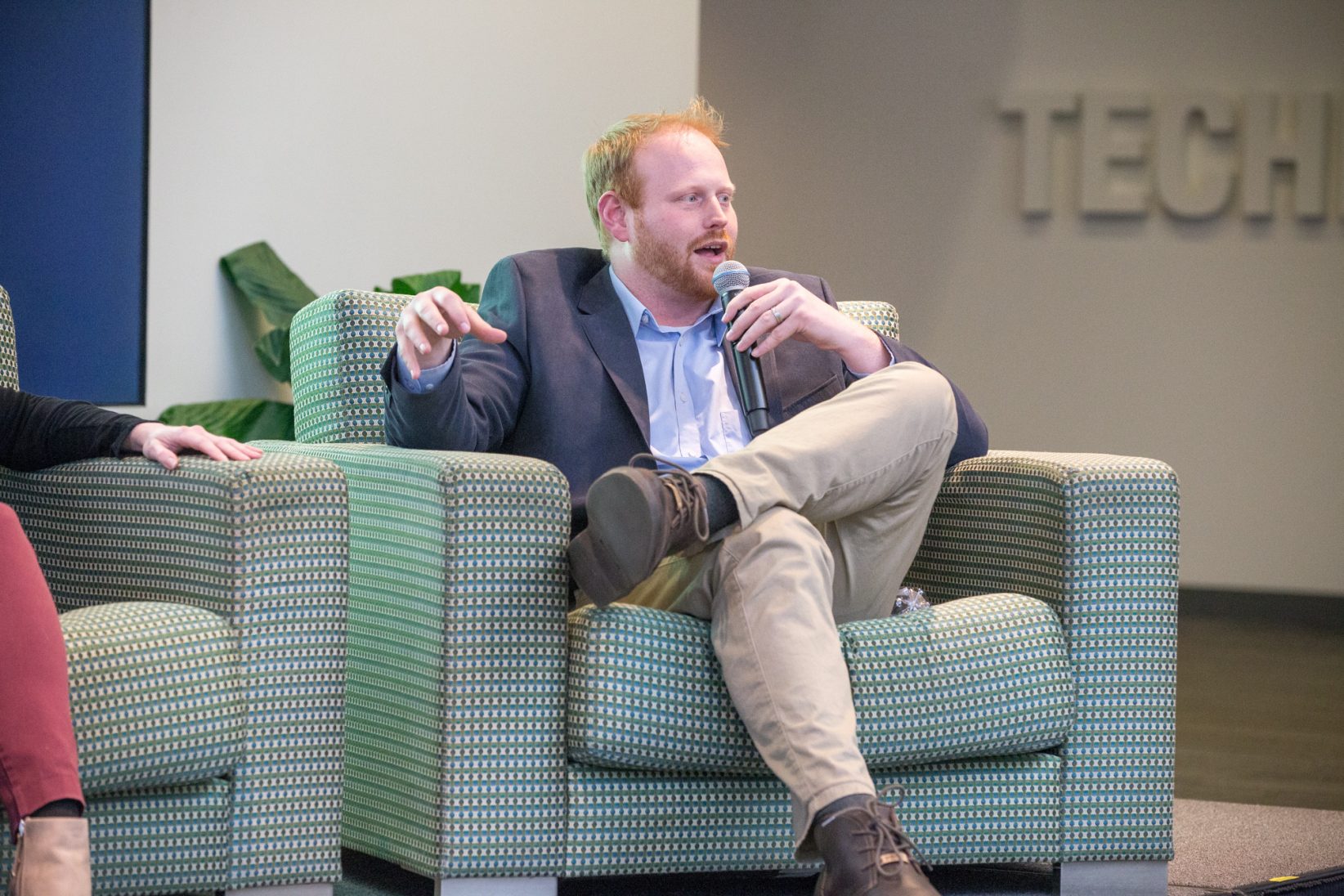
Neal Sharma, DEG co-founder and CEO
Transforming mindsets
The changing landscape of Kansas City is thanks to a mix of development and surge in civic pride, Sharma said. Both contribute to DEG’s ability to recruit top talent like John Stauffer, the company’s managing director of strategic planning, who moved from Washington D.C. to Kansas City in 2017, he said.
“When [Stauffer] came to Kansas City, he walked up to me and he said, ‘Hey, is it like Kansas City weekend? I don’t get it. What’s going on? I see all these people wearing these KC shirts …’ And I’m like, ‘No, that’s just a thing we do now,’” Sharma said.
The tremendous show of love for Kansas City was a first for the new executive, he said. And it wasn’t always the feeling across the metro, he added.
“When we started DEG in the early 2000s, that was absolutely not the case,” Sharma said. “We did have an inferiority complex. … There were tumbleweeds rolling through downtown.”
Kansas City now needs more development wins like landing Google Fiber in 2012, he said.
“I would argue that it was a tremendously genius cable television marketing play, but at the same point, when we won it, we felt great. And then when our sports teams won, we felt great,” Sharma said. “There was this tide we were on, and we’re still on it. It’s not going away.”
“If you need a contrast, look at St. Louis, right?” he added. “With all due respect to any St. Louisians here, I can’t argue that the same trend line — the same momentum that we have experienced here in Kansas city — is what they’re seeing over there.”
To take advantage of such forward-moving development, Kansas City needs to look ahead — not backward at its former self, Sharma said.
“Let’s stop talking about yesterday. Let’s stop talking about what it used to be like. Let’s stop talking about how we used to feel. Let’s stop talking about where we came from. I don’t care where we came from anymore,” he said. “Let’s pretend Jan. 1, 2018, was Day Zero for the rest of Kansas City’s life and let’s start only talking about what we’re gonna do next. The No. 1 attribute of a person or a city or community with confidence is not talking about what they did back in the old days or where they came from. That’s insecurity, by the way. It’s talking about what they’re going to do next.”
Selling Kansas City to outsiders requires the same approach, said fellow panelist Jessica Palm, managing director of the Kansas City Area Development Council.
“Stop being ‘Kansas City nice.’ Tell your story and be boastful about what you do because that will ultimately help others understand how incredible Kansas City is,” she said. “We call it ‘The Epiphany of the Visit’ once people come here; they visit, they love it. Let’s not make it an epiphany — let’s just make it known.”

Featured Business

2018 Startups to Watch
stats here
Related Posts on Startland News

Saile closes $1.35M round; set to double team in 2023 as mass production of ‘robots for salespeople’ under way
A Kansas City startup building an army of “Sailebots” — an artificial intelligence solution to a classic industry problem — impressed its new lead investor with its customized approach that avoids a “one size fits all” strategy. “I’ve been in sales and marketing automation for 20 years,” said Lisa Calhoun, founder and managing partner at…

Bored by your holiday spread? You butter believe these artisanal flavors will make taste buds give thanks
Imagine a world with only vanilla ice cream or plain yogurt, Chris Buono challenged. “Of course, it’s inconceivable now because we have hundreds of different flavors of each of those,” said Buono, founder and CEO of Overland Park-based Buon-Riche Foods. “But I feel like that’s kind of where we are with butter and I just…

Shop Small: 5 gifts for someone who needs a little self-care — even if that’s you (KC Gift Guide)
Editor’s note: This feature is the second in Startland News’ five-part holiday gift guide showcasing Kansas City makers and their products. Check out the featured maker below, then keep reading for five gift ideas to get started. Christmas Eve was always a childhood favorite for Matt Bramlette. The Bear Soap Company and Mid Coast Modern…

Business advocate vows ‘We will never be afraid again’ after shooting at LGBTQ+ nightclub
Kansas City’s LGBTQ+ business community remains defiant in the face of bigotry and vigilant in its commitment to protect its members in the wake of a deadly mass shooting this weekend in Colorado, said Suzanne Wheeler. “Our ever-resilient community will continue to uproot hatred and bigotry with deeds of love and visibility,” said Wheeler, executive…