

Cultural differences contribute to entrepreneur access gap, Porter House founder says
January 4, 2018 | Tommy Felts
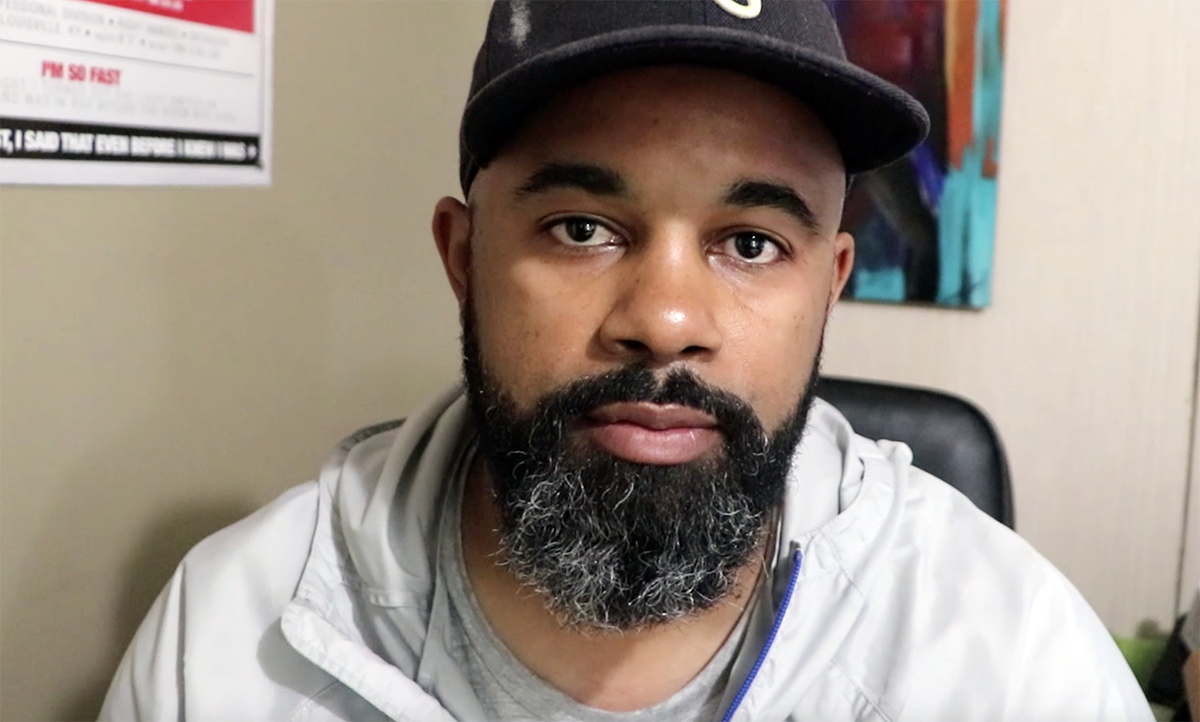
Early education about entrepreneurism and the resources available aren’t typically priorities in low- to moderate-income communities, said Daniel Smith.
“A lack of access results because we don’t really have a lot of programs in our communities that focus on small business and entrepreneurism,” said Smith, founder of The Porter House KC. “It’s more focused on helping with issues of deprivation, like food deserts or housing. Basic needs take over the conversation, rather than other areas that could help our communities thrive in the long run. So we’re still just getting by.”
Porter House, a nonprofit support organization, aims to bridge the access gap by bringing curated entrepreneurial education to those who otherwise wouldn’t experience it, Smith said.
A presentation on financial empowerment for small businesses is the next in a Porter House speaker series that began in July. The coming Jan. 18 event at CHES, Inc. (Credit & Homeownership Empowerment Services, Inc.) is set to feature Shakia Webb from UMB bank and Davin Gordan with Alt-Cap.
Past events have focused on such areas as marketing, branding and business law.
“They’re all free to the public. We try to make them as accessible as possible — in the evening, on the bus line — so that everybody has the opportunity to be there,” Smith said.
Speakers often charge thousands of dollars to speak to audiences, he said, but through negotiations with the expert presenters, Porter House is able to provide the experience without a cost barrier for attendees. That fits with the meaning behind the organization’s name — “porter” referencing someone who carries a burden for another person, and “house” reflecting a spirit of family, Smith said.
“This is something I really have a passion and affinity for,” said Smith, who also serves as an equal opportunity officer for the Full Employment Council. “I grew up on 33rd and Jackson — in the same community that I’m trying to serve. I was born and raised there, but I just had the opportunity to access other things and dream beyond the four walls around me.”
But access is only part of the equation, he said.
“Culturally, with the low- to moderate-income folks — and I’m primarily talking about in the communities of color — there’s a difference or separation where your appearance or the way you talk can put you at a disadvantage,” he said. “You might have a person who should be in an area where they can potentially grow, but the individuals around might not fully understand you — or you might not be comfortable because you don’t understand the verbage being spoken.”
Smith envisions Porter House opening a coworking space that helps to make low- to moderate-income entrepreneurs feel able to succeed in their own skin, he said.
“We’re leading to a place where the culture is right, and you feel comfortable enough to just be able to work and vibe together without worrying about someone looking at you a certain way,” Smith said. “We want to tear down individuals’ walls.”
An educational piece targeting high school students also is in the works. Porter House is working with the University of Missouri-Kansas City to develop a curriculum by the end of February, he said.
“In the low- to moderate-income areas, a lot of the school systems don’t provide coursework related to entrepreneurship,” Smith said. “There also aren’t necessarily programs that allow dreamers to dream and creatives to be creative. We don’t have access in low- to moderate-income communities because we’re so focused on getting our test scores to a certain level.”
Porter House’s mentorship-based program would take advantage of elective and home room periods to accommodate a six- to eight-week process wherein students would grow and build an idea as a team, he said. The experience would culminate with a student pitch competition. A beta school already has been selected with a goal of beginning the program in March or April, Smith said.

Featured Business

2018 Startups to Watch
stats here
Related Posts on Startland News

No, Dwolla’s Monetery conference isn’t just about money; it’s an inclusive tech challenge
Though Monetery aims to be a mix of seminars, networking and investing opportunities, the secret to maintaining the Midwest tech conference’s value-positive vibe is its intimacy, said Steph Atkin. “We want to make sure that there is an opportunity for all our startups, all our venture capitalists, and our speakers, to meet and connect,” continued…

Break Free KC drops beat on cultural stereotypes, aims to rebrand hip hop
Hip hop culture in Kansas City is misunderstood, James “Sug Easy” Singleton said, explaining his mission to help local artists break free of stereotypes and live their passion with authenticity. “When I have a 88-year-old lady at my camp seeing her grandson — who came in with a negative notion of what hip hop was going…
Tenacious Scollar CEO to international investors: Look me in the eyes and try to tell me ‘no’
With a year of hustle well under way, you can’t break Scollar’s stride, Lisa Tamayo said as she prepares to take the stage in front of a 25,000-plus person crowd May 20 at the Collision tech conference in Toronto. “[I believe] 15,000 people applied to present a pitch and they whittle that down to 60…

Zego exit, investment wins reflect critical need for startups to look outside KC, co-founder says
Homegrown is great, Adam Blake said, but at some point scaling companies must explore the world of resources and dollars available outside the metro. “Kansas City has a lot to offer — plenty of talent, great place to live and quality of life, helpful mentors, etc. — but I would say it’s a requirement for startups…