
Four leading Kansas City entrepreneurs among 2018 Pipeline class
January 26, 2018 | Tommy Felts

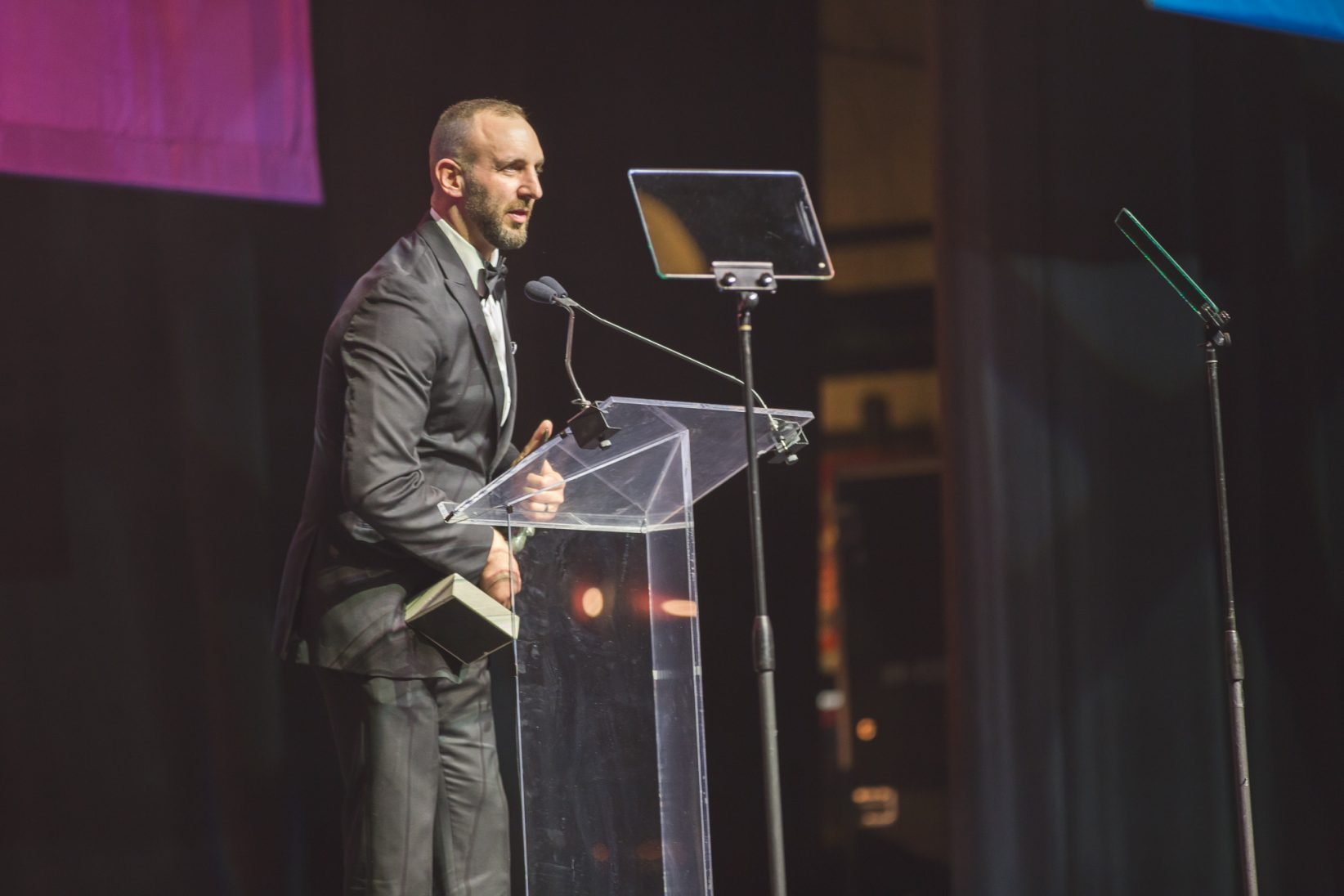
The lives of four Kansas City entrepreneurs selected for the 2018 Pipeline class are about to change forever, said Brian Handrigan, Pipeline member and co-founder of St. Louis-based Traaqr.
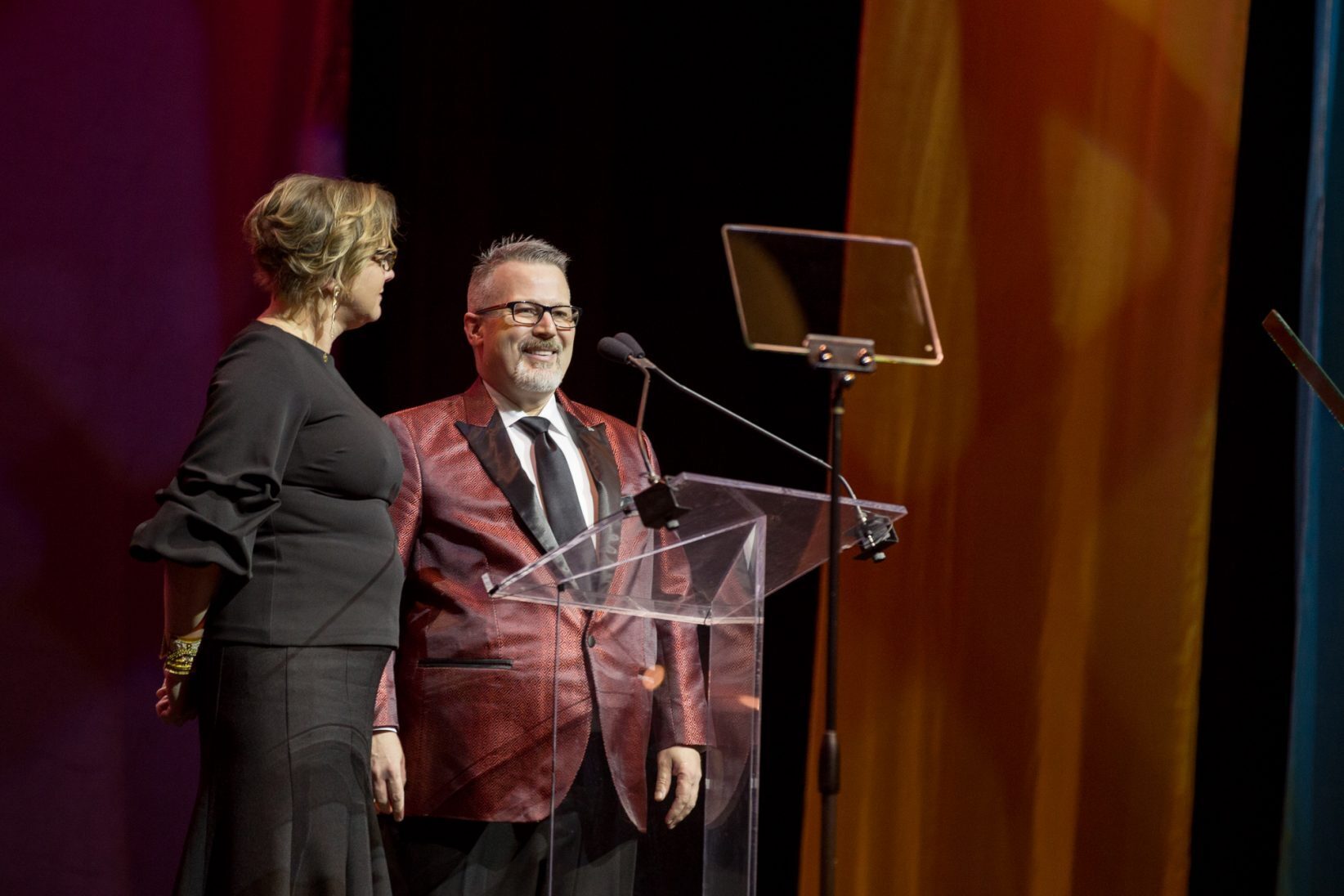
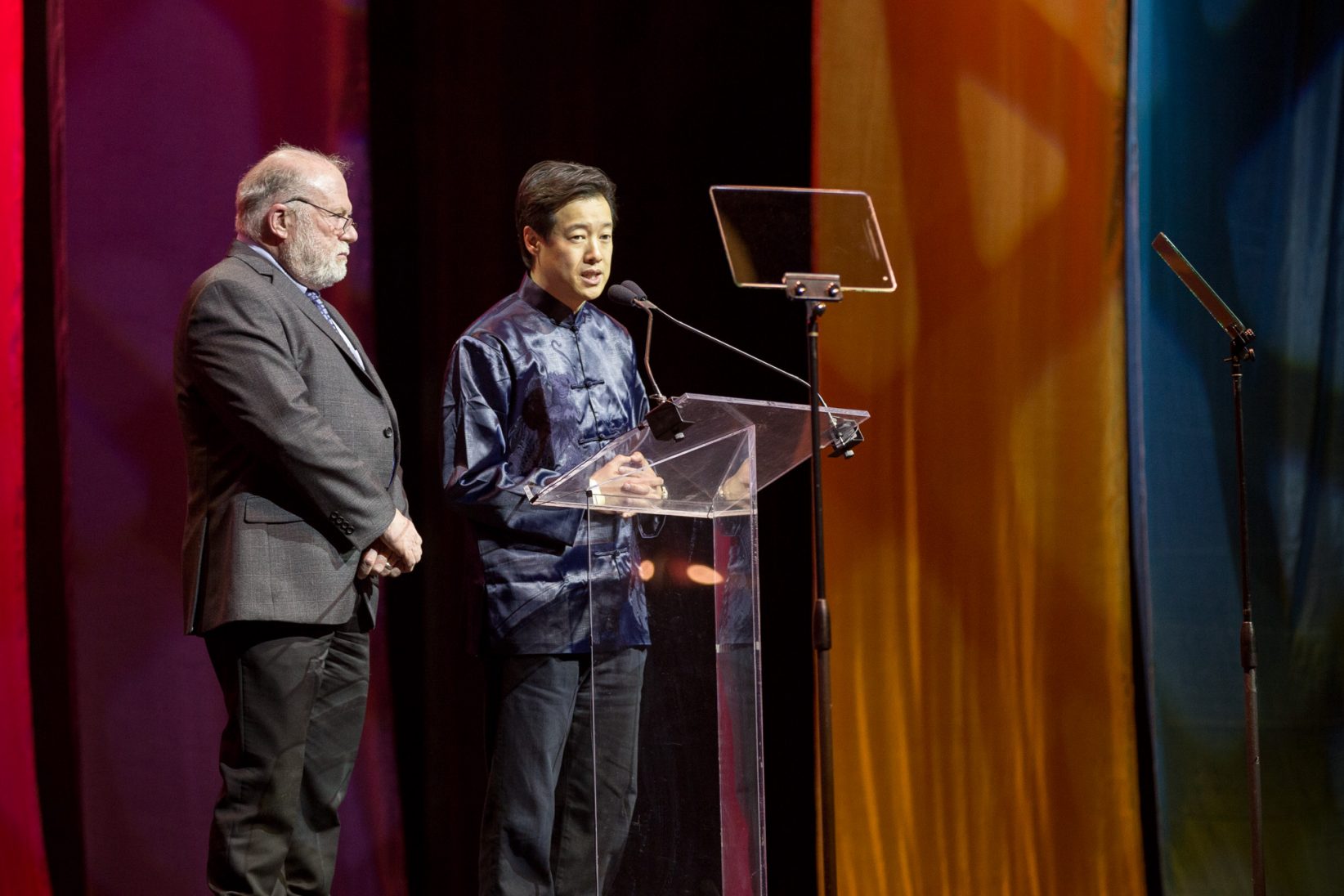
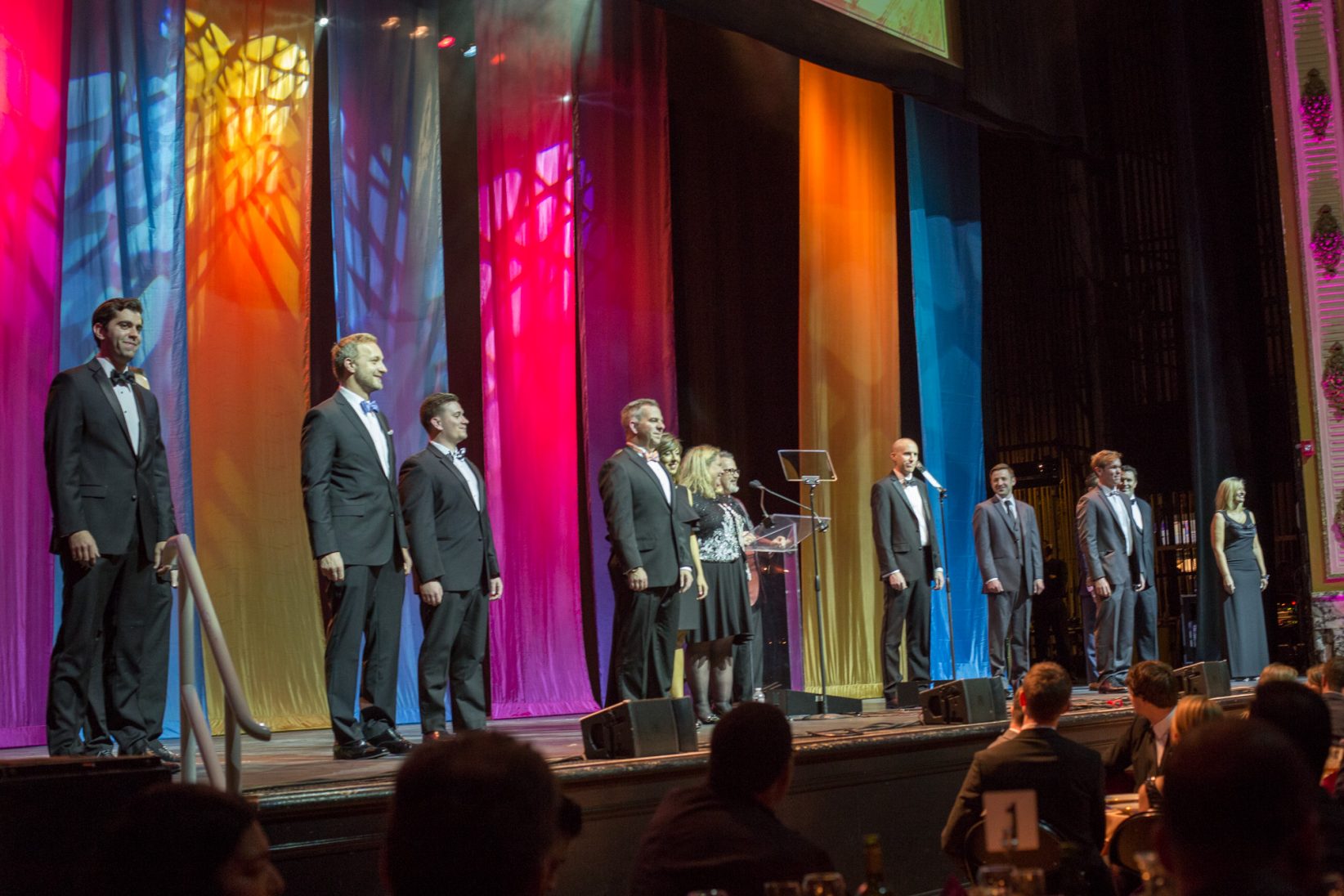
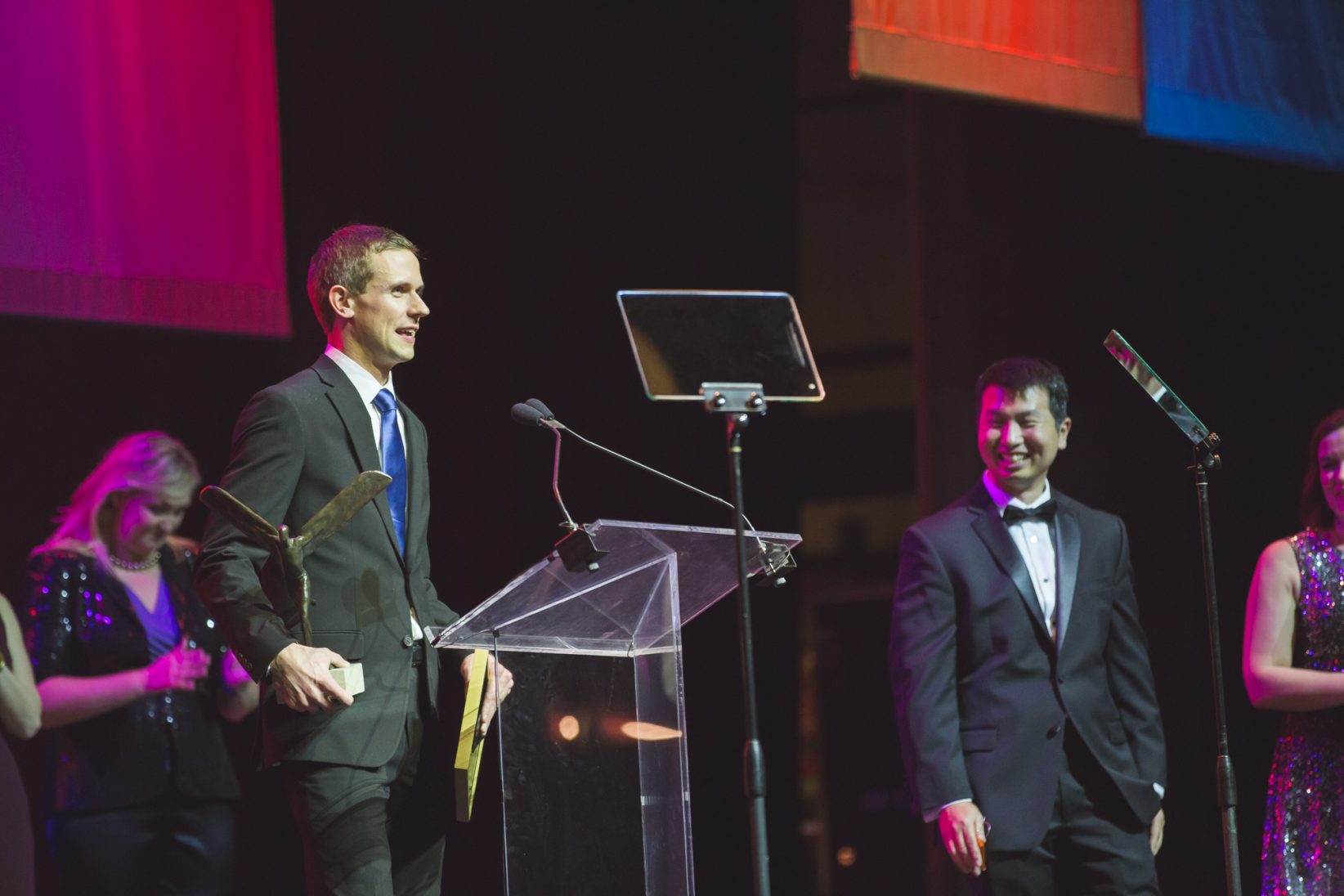
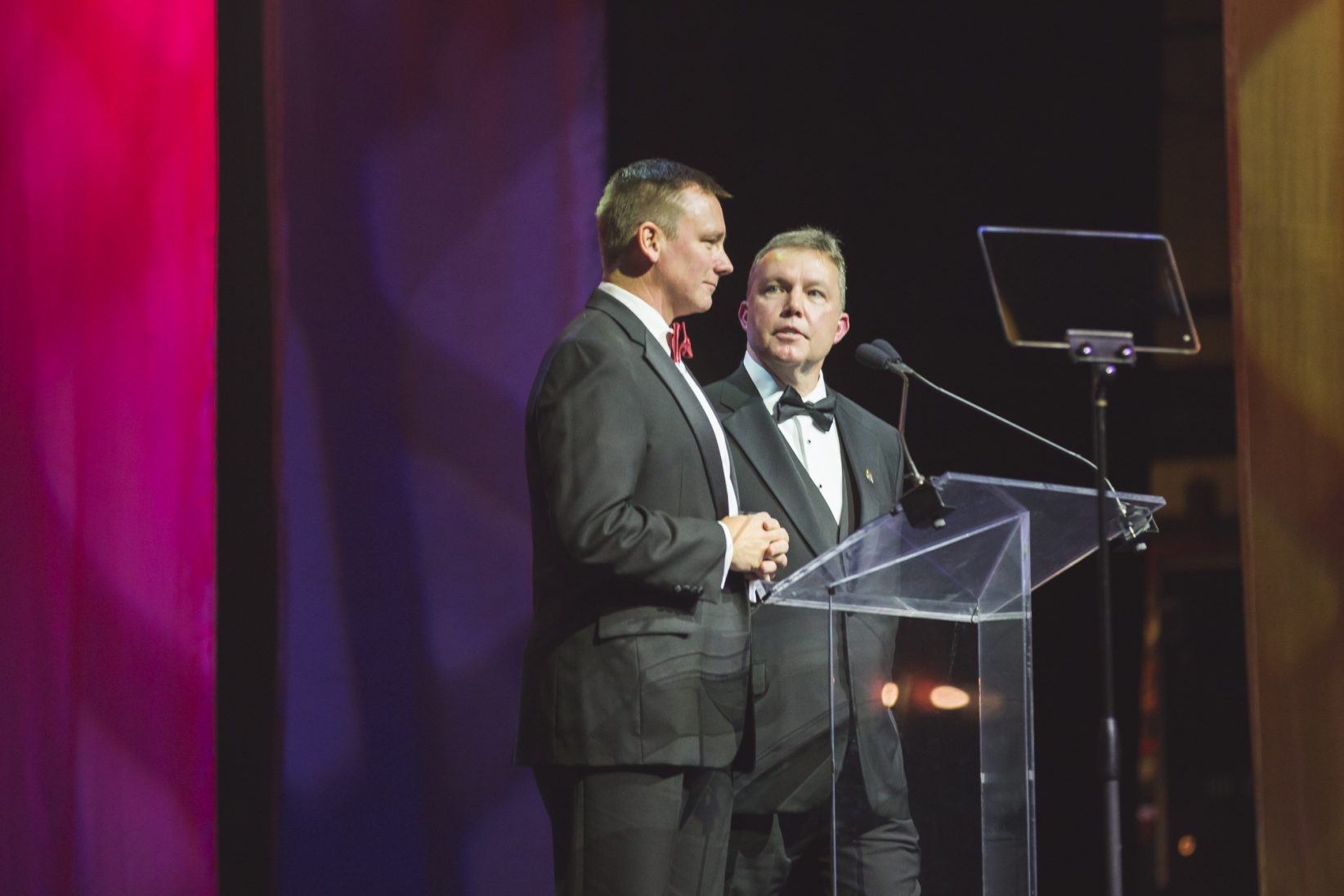
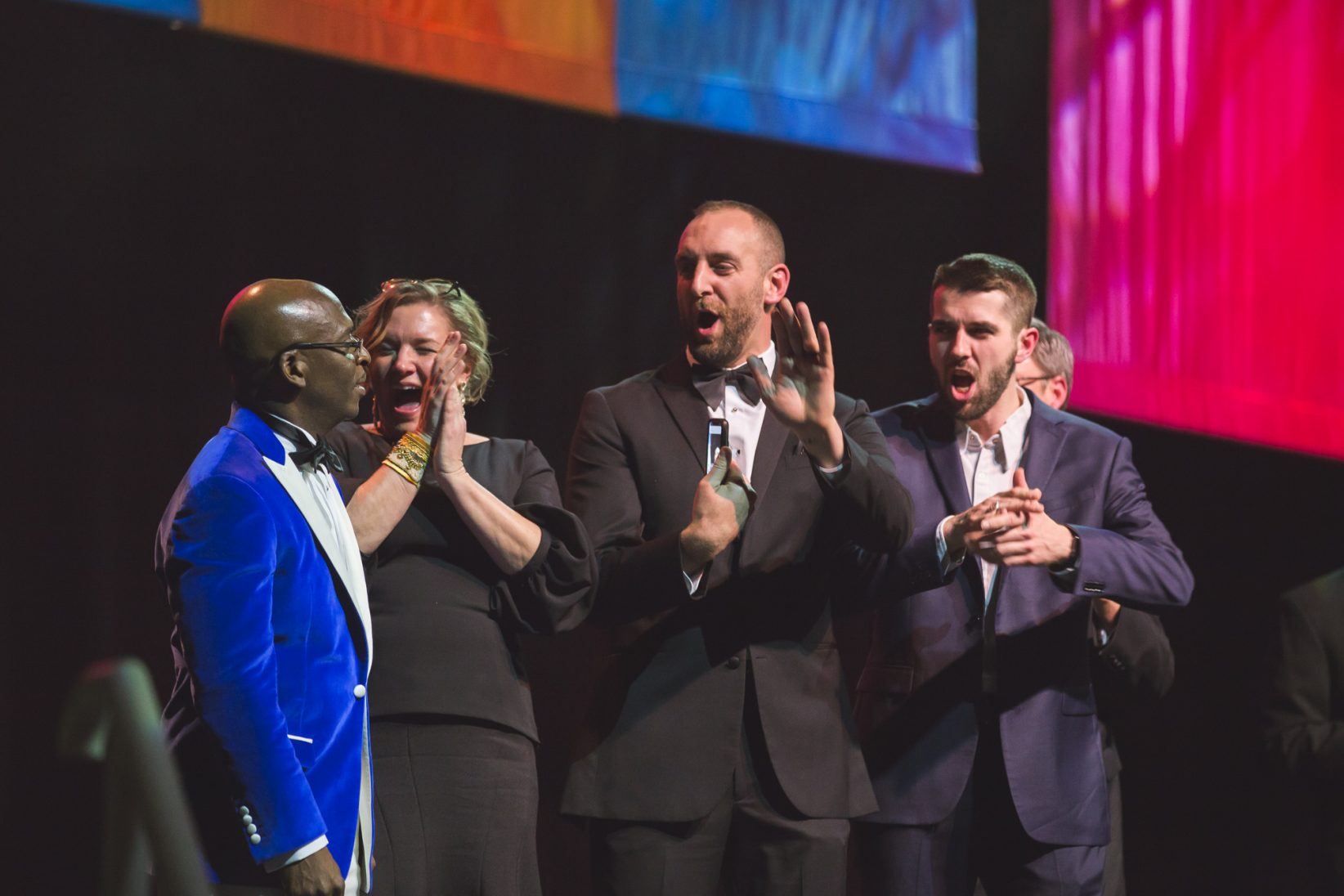
New fellows were announced Thursday evening at Pipeline’s The Innovators gala, with 13 startup leaders from across the Midwest taking the stage as the first step in joining the growing Pipeline entrepreneur network.
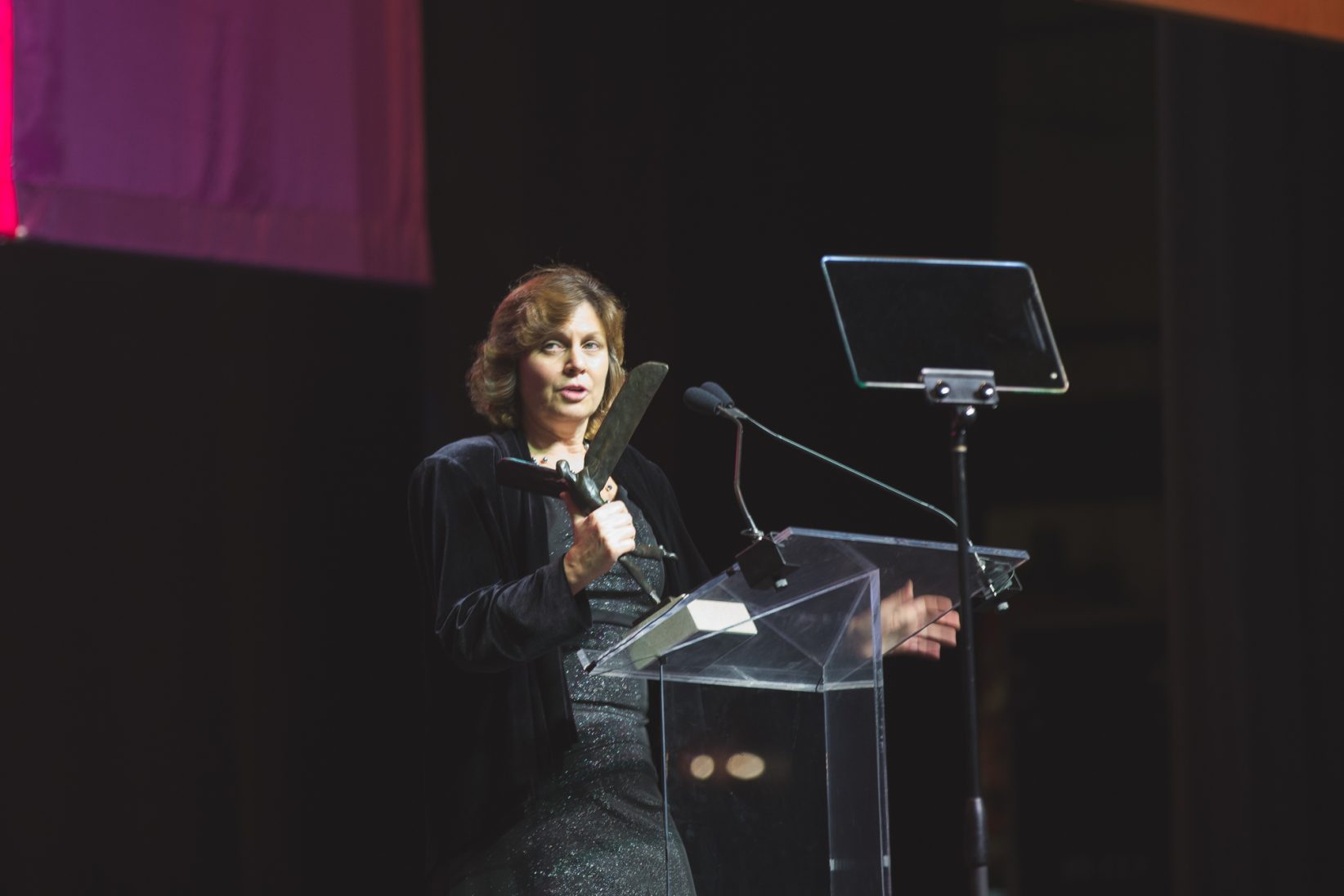
Kansas City’s contingent in the class includes Glen Dakan, founder and CEO of online automotive retailer Prestio; Matt Sellers, co-founder and CEO of the fitness software firm Rack Performance; and former LaunchKC winners Ben Schultz, founder and CEO of the construction scheduling software-as-a-service platform LaborChart, and Linda Van Horn, president and CEO of the medical records platform iShare Medical.
“I know from experience that right now your heads are reeling,” Handrigan said, addressing the whole class Thursday night on stage. “You’re looking out at this packed house and saying, ‘What the hell did I just get myself into?’ Trust us, when we say that this time next year, if you really, really play your cards right, and soak in this year for all it has to offer, you’ll be beaming with pride and excitement for all that you have accomplished.”
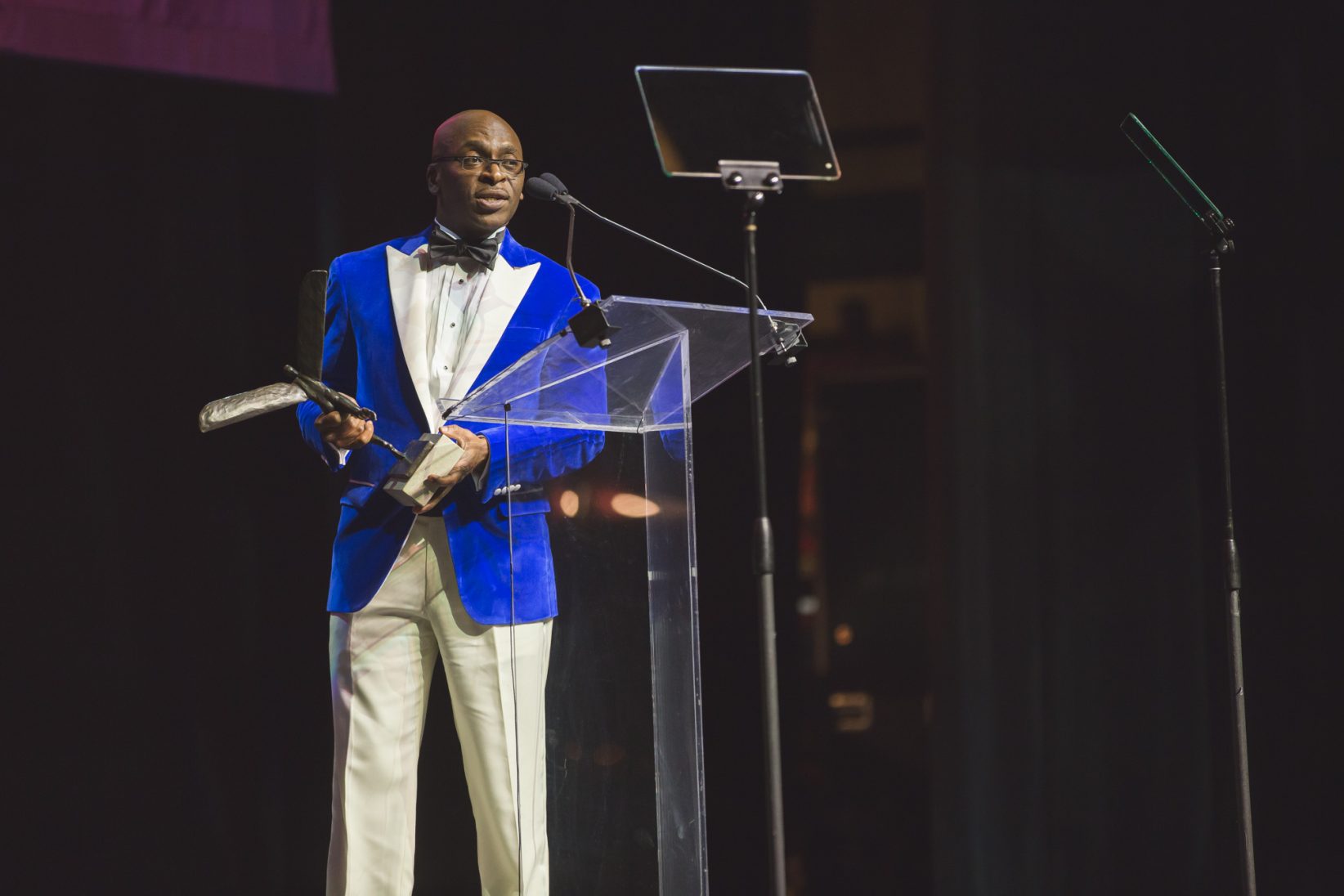
Members of each Pipeline class participate in a year-long program that seeks to further develop their entrepreneurial skills and familiarize them with the international Pipeline family. The four-module curriculum culminates in the January gala, The Innovators, at which one fellow is selected as Innovator of the Year. (Click here for more on the 2017 Innovator of the Year award winner announced Thursday.)
In addition to Daken, Sellers, Schultz and Van Horn, 2018 Pipeline fellows include:
- Wichita — Trevor Crotts, Buddy Brands
- St. Louis — Andrew Barnell, Geneoscopy; Johnna Beckham, BOOST Apparel Group; Will Edwards, MetKnow; Robin Rath, Pixel Press Technology; Bryan Sapot, SensrTrx
- Lincoln, Nebraska — Dennis Doerfl, Fourstarzz Media; Ali Schwanke, Simple Strat
- Omaha — Colin Nabity, LeverageRx
Founded in 2006, Kansas City-based Pipeline typically welcomes 10 to 13 entrepreneurs each year for its development program. Now with about 100 alumni, Pipeline derives much of its power from an expansive network that allows members to tap a wealth of connections and resources from other powerful business people in the organization.













Featured Business

2018 Startups to Watch
stats here
Related Posts on Startland News
A St. Joe CEO handed him a franchise after graduation; two years later, the risk is paying off
Spencer Engelman’s expectations for his post-college career were shredded by an offer he couldn’t refuse. The Northwest Missouri State University graduate was awarded a business of his own — minus the franchise fee — by a veteran entrepreneur who had visited one of his classes. “It’s a crazy opportunity,” said Engelman, who now operates a DocuLock…
What a catch: Kansas City fandom creates custom appeal for taco-loving cartoonist vibe
Drawing from Kansas City’s spotlight moments — whether trendy and new or iconic and timeless — W. Dave Keith balances a quirky aesthetic with a practical focus on what will actually sell. “I’ve slowly learned that if I want to make money off this business, I need to make stuff that people want to buy,”…
Power through purpose: How a winding journey led this eco devo steward to deep-rooted impact
Editor’s note: The following story was written and first published by the Economic Development Corporation of Kansas City, Missouri (EDCKC). Click here to read the original story. [divide] Going behind the scenes of CCED with the people who make it happen Some people are drawn to city-building because of the bricks and steel, the architecture, the skyline, the…
Missouri’s weapon in the AI race with China: KC tech companies, says GOP lawmaker
As artificial intelligence reshapes the way Kansas City works, civic and elected leaders want to ensure small businesses and the region’s tech community have seats at the table. Federal regulation could help, said Eric Schmitt. “For me, [it’s about] making sure that the big tech companies don’t block out a lot of the innovators, say…