

Raaxo takes shape after pivot from Aphrodite Bra Co’s body scan concept
December 13, 2017 | Tommy Felts
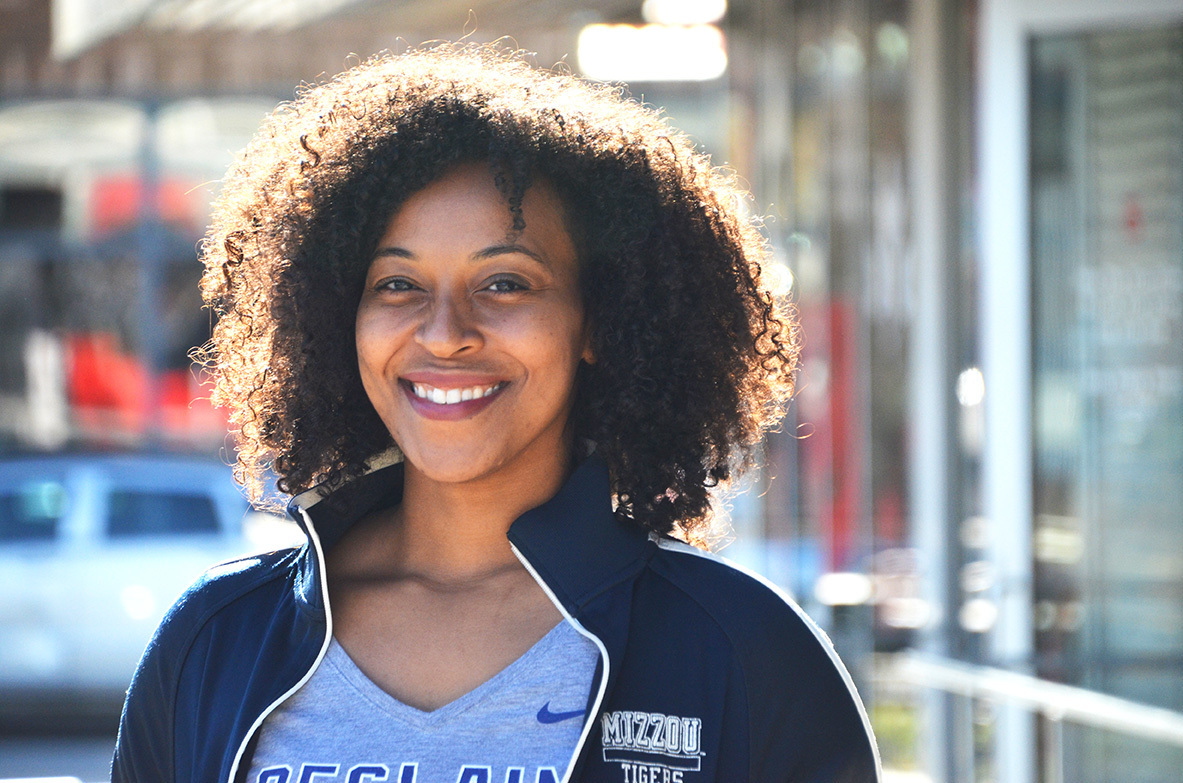
Despite its use of body-mapping technology, Aphrodite Bra Company wasn’t the right fit for customers’ needs, said Carlanda McKinney, founder of the newly rebooted custom intimates company Raaxo.
“Aphrodite had been stuck in the starting-up space,” she said. “We’d never really gotten enough sales or enough traction to say, ‘We’re launched,’ or, ‘We’re in business.’ That kind of made us take a step back to say, ‘What are we doing wrong here? Why are we not able to grow and get to that next milestone?'”
When the bra company lost its workspace in Lee’s Summit earlier this year because of a transition with the landlord’s ownership, McKinney said, it was a blessing in disguise. She realized Aphrodite’s business model — wherein customers would come to a physical location for 3-D body mapping using a scanner about the size of a fitting room — was a big part of the problem, she said.
“It was the most accurate way to get measurements to make custom clothing,” McKinney said, noting the geographic restrictions for many potential clients. “It sounded cool in planning, but in execution it wasn’t as great as we thought it would be.”
Adding to her consideration, the body scanner technology itself — which Aphrodite received through a gift from the University of Missouri in Columbia’s textile department — no longer was supported by its manufacturer, McKinney said.
“So it was either re-up and dump all this capital into a new $20,000 machine or figure something else out,” she said.
Precision pivot
McKinney’s pivot to Raaxo — which means “comfort” in Somali and is pronounced “raw-ho” — reflects a shift from a brick-and-mortar location with a scanner to an app-based platform.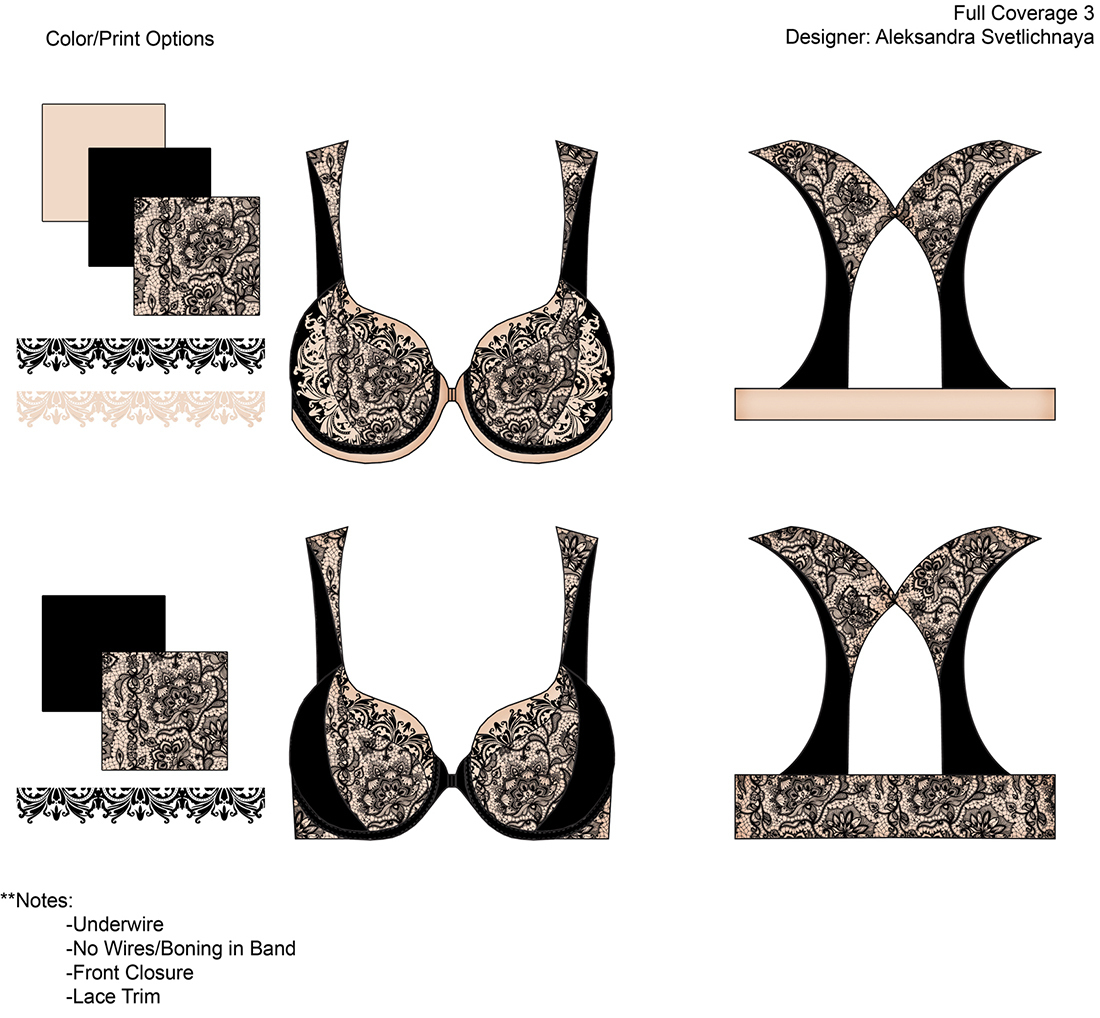
The technology, designed by seamstress and programmer Mary Reed of Fitting Beautifully, will guide a customer through a process of obtaining photos and video with a smartphone. Those images will be used to determine measurements for a custom pattern bra based on whichever garment the user selected, McKinney said.
While the platform is still in the works, it will mean a much more customer-focused experience, she said, as well as a more direct technology approach for Raaxo.
“Before, we were going to be filing for a utility patent because we were using existing technology in a different way,” McKinney said. “But what we’re doing now is completely patentable because we’re developing the algorithm, the platform, the spatial recognition.”
Fine-tuning the platform’s technology will be key to Raaxo’s success, she said.
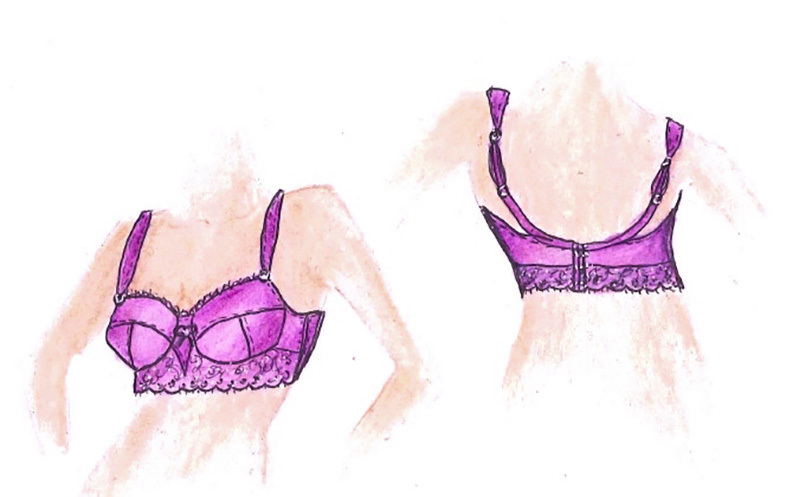
“Getting precise measurements for custom clothing is really difficult anyway,” she said. “Think about bras and what they have to do. They have to give support, but not too much support. They have to look well and lay well under clothing, not dig into your shoulders and maybe help smooth out some stuff here and there. There’s a lot that goes into it, so the measurements we get need to be pretty precise.”
Why bras?
For an inelastic product category, women’s intimates don’t get the focus from clothing companies that they deserve, McKinney said.
“Whether they’re terrible or not, you still have to buy them,” she said of existing offerings on the market. “Bras and women’s apparel is such a neglected market, even if there seems like there’s a lot of talk and chatter about it right now.”
Companies like the national brand Third Love finally are starting to get some traction, she said, but when consumers think about “good” bras, they typically picture stores like Victoria’s Secret.
“The secret is … they’re terrible,” McKinney said. “If you’re not 22 and 90 pounds, why are you even in that store? I can’t buy anything in there.”
Options at other retailers aren’t much better, she added.
“It either looks really nice and you’re stuck in a corset,” McKinney said. “Or it fits OK, but it’s cotton and nude. There’s no intertwining of look and fit.”
Traditional ways of fitting women for bras based on a ribcage-to-cup size ratio aren’t universally accurate, she said, because fit varies wildly between brands.
Raaxo’s customized fittings will correct the calculation process, as well as give women a more comfortable experience, McKinney said.
“After a traditional bra fitting, you’re like, ‘Should I take a pregnancy test? That was really intrusive,'” she said. “You’re basically accosted for 20 minutes by a tape measure, and then that size might not even work the next time around.”
Women come in a wide range of shapes and sizes that can’t easily be served with a cookie-cutter approach, McKinney said.
“Our demographic is not the 20-year-old Snapchatter,” she said. “It’s a 40-year-old woman who’s really tired of the status quo.”
Getting ahead of the curve
The next six to 12 months will be big for Raaxo, McKinney said.
“There’s more interest in our business now than there ever has been,” she said.
The company currently is in the pre-seed phase with McKinney expecting a ramp-up this summer, followed by a possible Series A funding round in the fall, she said. Proving its concept as workable will have to come even sooner.
“We have a pitch at the end of January, so we need to have all of our logistics and everything figured out before then,” she said.
Companies like Kansas City’s Cambrian Tech, which uses augmented reality technology to reimagine DIY interior design from a smartphone, have pointed the way forward, McKinney said.
“There’s this big buzz around augmented reality, and we’re essentially leveraging that kind of technology,” she said. “We’re getting the measurements in a very similar way as you would to place furniture. Now, there’s a lot more to it because a room is flat walls and flat floors, and a human body obviously is not, but that’s probably what’s coming next to clothing. If we can either be ahead of that, or right in line with it, that could be big.”

Featured Business

2017 Startups to Watch
stats here
Related Posts on Startland News

UMKC eyes ‘final four’ of Enactus contest attracting thousands of student entrepreneurs to KC
Kansas City will soon become the entrepreneurial epicenter for a national, collegiate competition and conference challenging young innovators to do good in their communities. From May 21 to 23, Kansas City will host more than 2,000 entrepreneurial college students for the Enactus United States National Exposition. Founded in 1975, Enactus challenges students from more than…

Kauffman VP hops on national TV to discuss gaps in entrepreneurship
The Ewing Marion Kauffman Foundation’s vice president of entrepreneurship recently took to national television to examine declining startup rates. CNBC recently featured Victor Hwang to discuss the trend in declining startup rates, including generational gaps, cultural shifts, limited access to capital and the impact of regulations. “It’s hard to pin it down exactly,” Hwang told…

Techstars KC is moving into WeWork Corrigan Station
Techstars Kansas City on Monday announced the location of its new accelerator facility. Starting July 1, the accelerator group will set up shop on the 5th floor of WeWork Corrigan Station. The 40,000 square foot coworking space is located in the heart of the Crossroads Arts District, piggybacking off of the district’s entrepreneurial momentum. “If…

Events Preview: TechHire KC, Second Fridays
There are a plethora of entrepreneurial events hosted in Kansas City on a weekly basis. Whether you’re an entrepreneur, investor, supporter, or curious community member — we recommend these upcoming events for you. Are you hosting a relevant community event? Feel free to add it to the FWD/KC calendar for increased exposure. Once your event…