

Longfellow Farm coworking the soil amid KC’s urban food desert
November 15, 2017 | Tommy Felts
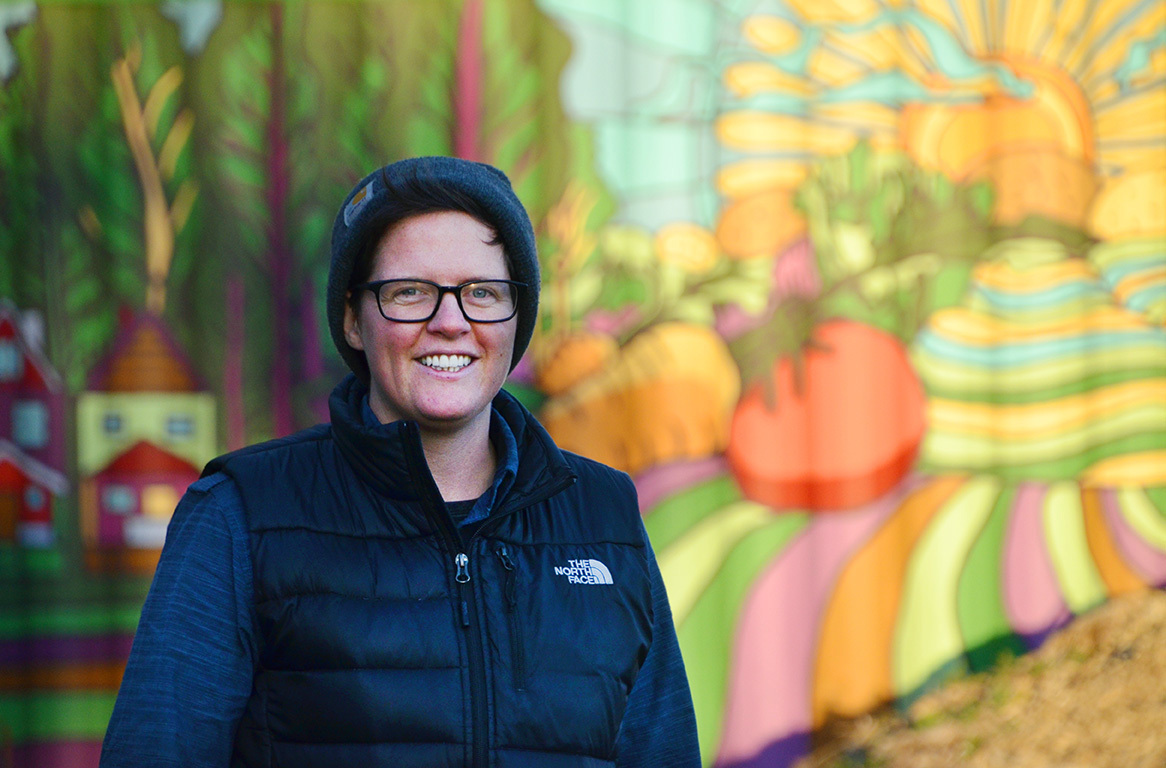
In a city ripe with coworking office spaces, there’s a hunger for similar environments outdoors, Ami Freeberg said.
As with maintaining individual workplaces, traditional urban farming also can be isolating and expensive, the Longfellow Farm manager said. By working together, however, the collaborative process allows for shared resources, greater human expertise and, of course, more hands in the soil — before, during and after harvest, she said.
Longfellow Farm
“There’s always enough for everyone,” Freeberg said. “That’s something I’m really proud of: being able to share the bounty of growing.”
And while the season now has ended, members of the farming collective are happy to welcome a new neighbor — and perhaps future partner, she said.
Longfellow Farm sits about a block west of the freshly opened 3000 Troost Ave. location of Ruby Jean’s Kitchen and Juicery, a business rightfully heralded for bringing healthy food and drink options to Kansas City’s east side, Freeberg said.
“It’s really exciting to see Ruby Jean’s going in,” she said. “I would love to see if we could dedicate a few beds to supplying something — probably not for their juice production because that’s going to be too high of volume — but maybe lettuces for sandwiches. I think that would be a really cool partnership to develop.”
Two gardens, one passion
The farm’s main site at 30th and Harrison streets took root in spring 2015 on land owned by the Longfellow Community Association. A year later, the group of Longfellow residents — led by Freeberg — was approached by Denver developer Ilan Salzberg, who wanted to see potential green space near his up-and-coming Wonder lofts project put to better use.
Longfellow Farm Fall Festival
Freeberg, a former community organizer and manager at Cultivate Kansas City, took on the task of managing the property, she said. Located catty-corner to the farm, it became an outgrowth of Longfellow’s existing operation.
Salzberg himself has a former life as an organic farmer, she said, having founded and operated Red Wagon Organic Farm near Boulder, Colorado, and later Ekar Farm, a Jewish faith-based community farm project outside Denver.
“It’s just something he’s passionate about,” Freeberg said. “Like me, when he sees vacant land, he thinks food should be growing there.”
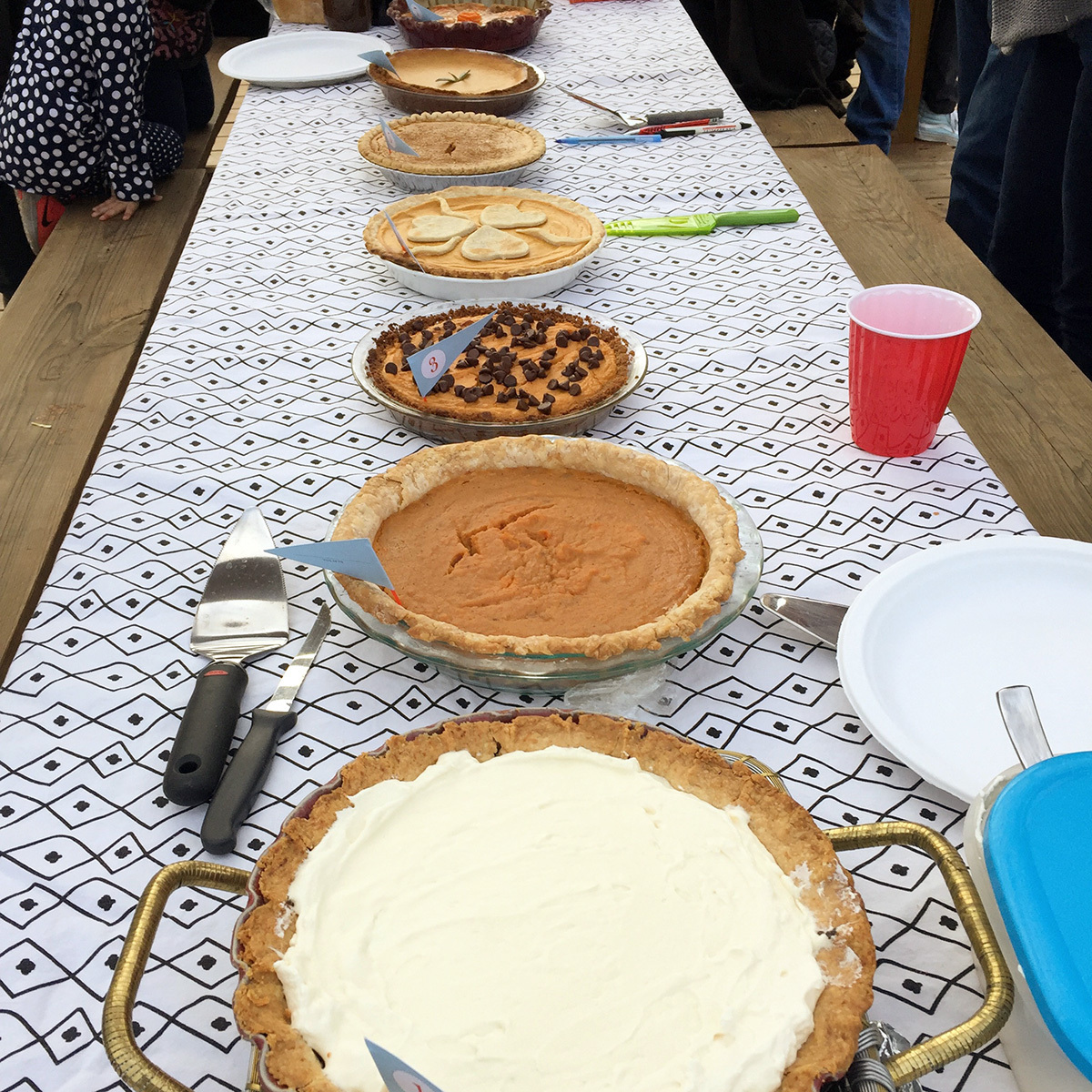
The developer’s then-empty lot — directly behind what is now Ruby Jean’s — began its transformation late in the 2016 planting season. Sweet potatoes, pumpkins and squash grown at the site fed into a neighborhood fall festival with a pumpkin pie contest, as well as into Longfellow Farm’s summer-long CSA (Community Supported Agriculture shares) program.
An earlier start in 2017 allowed a wider array of produce: okra, tomatoes, peppers, eggplant, basil, native corn and amaranth, Freeberg said.
“Unfortunately the squash bugs found our pumpkins this year, so we did a sweet potato pie contest,” she said.
Sharing the work, vision
While planting begins in March each spring, activity really heats up in about June, Freeberg said. After that, 10 to 15 farmers can be found on site every weekend through the fall, she said. And not only are they working side-by-side, they’re planting and watering the seeds of a common goal.
Longfellow Farm
“Our model is a little bit different than a lot of community gardens, where you have your plot, you grow your food, and you take it home,” she said. “We are communally managed. And all the food is for that community. Everyone who participates in some way gets to take food home for free.”
The CSA program helps fund the operation, Freeberg said. About 10 shares are sold at the beginning of each season, with participants receiving a share of dirty vegetables delivered to their porches for 16 weeks (June through September).
In the future, CSA shares might include fruit too, Freeberg said. The farm is home to a Giving Grove, a program of Kansas City Community Garden, and includes cherry bushes and 14 apple, pear, jujube and fig trees, she said.
“I grew up around a big garden, and that has been such an instrumental part of shaping both my career and how I eat, how I view food and how I view the world,” Freeberg said. “I think it’s so valuable to see food growing in the neighborhood.”

Featured Business

2017 Startups to Watch
stats here
Related Posts on Startland News
Animal health firms can now apply for key Kansas City investor forum
The Kansas City Animal Health Corridor is now accepting applications for its eighth-annual investor forum that brings together the top decision makers in the animal health industry. The forum — set for Aug. 30 — will welcome dozens of venture capital organizations from around the world and offer animal health companies the chance to score…

‘I’ve been breaking bureaucracies for 24 years’ Kansas City’s new CIO opens up
There’s a new hand at the helm of Kansas City innovation, and it belongs to that of Bob Bennett. A 24-year veteran of the U.S. Army, Bennett kicked off his tenure as the second-ever chief innovation officer of the City of Kansas City, Mo. on Jan. 1, taking the lead on an array of civic…

Advisors, role models and the importance of ‘champions’
“What types of support relationships do you find beneficial as a startup founder?” I asked a group of six women founders this question as part of a whiteboard conversation conducted last year by WhiteSpace Consulting and Startland News. Their answers reveal a broad range of support relationships, including one that is a must-have for every…

Crowdfunding law has changed, here’s what you need to know
Editors note: This piece was originally published Jan. 7, 2016. The Securities and Exchange Commission’s expanded rules for equity crowdfunding went into effect May 16. This past October, the SEC unveiled its final equity crowdfunding regulations set to take effect May 16. For the first time in the U.S., entrepreneurs will be able to…